
In the world of acoustic instruments, few have captured the imagination of musicians and meditators alike as profoundly as the handpan tongue drum. With its hauntingly beautiful tones, intuitive playability, and meditative qualities, this relatively young instrument has created a global community of enthusiasts. But what exactly is a handpan tongue drum, and why has it become such a beloved tool for musical expression and therapeutic practice?

Table of Contents
- Defining the Handpan Tongue Drum
- History and Evolution
- How It's Made: Construction & Materials
- How to Play: Techniques for Beginners
- Therapeutic & Musical Benefits
- How to Choose Your First Handpan
- Popular Models & Sizes Explained
- Cosmos Handpan Store: Instruments for Growth
- Maintenance & Care Guide
- Frequently Asked Questions
Defining the Handpan Tongue Drum
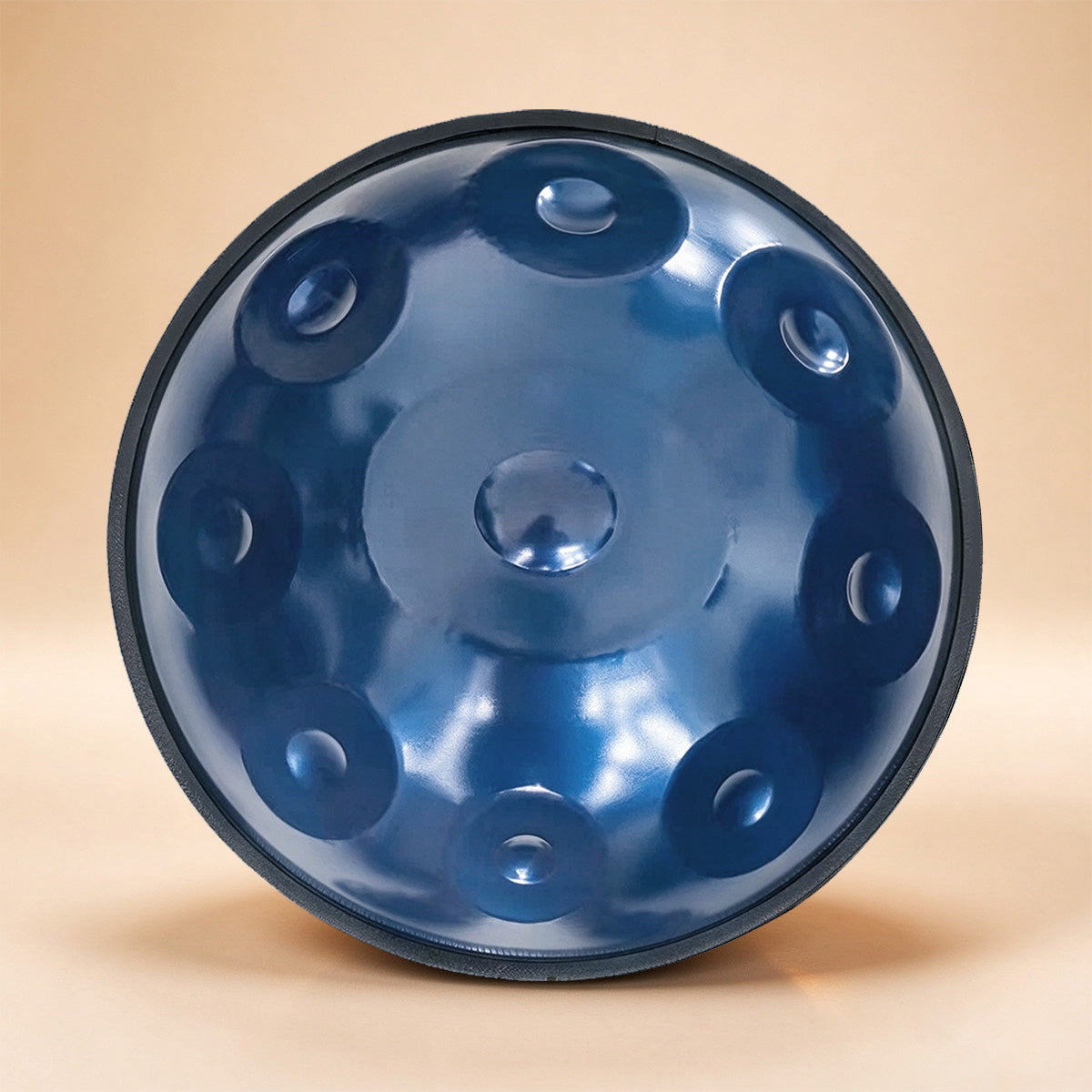
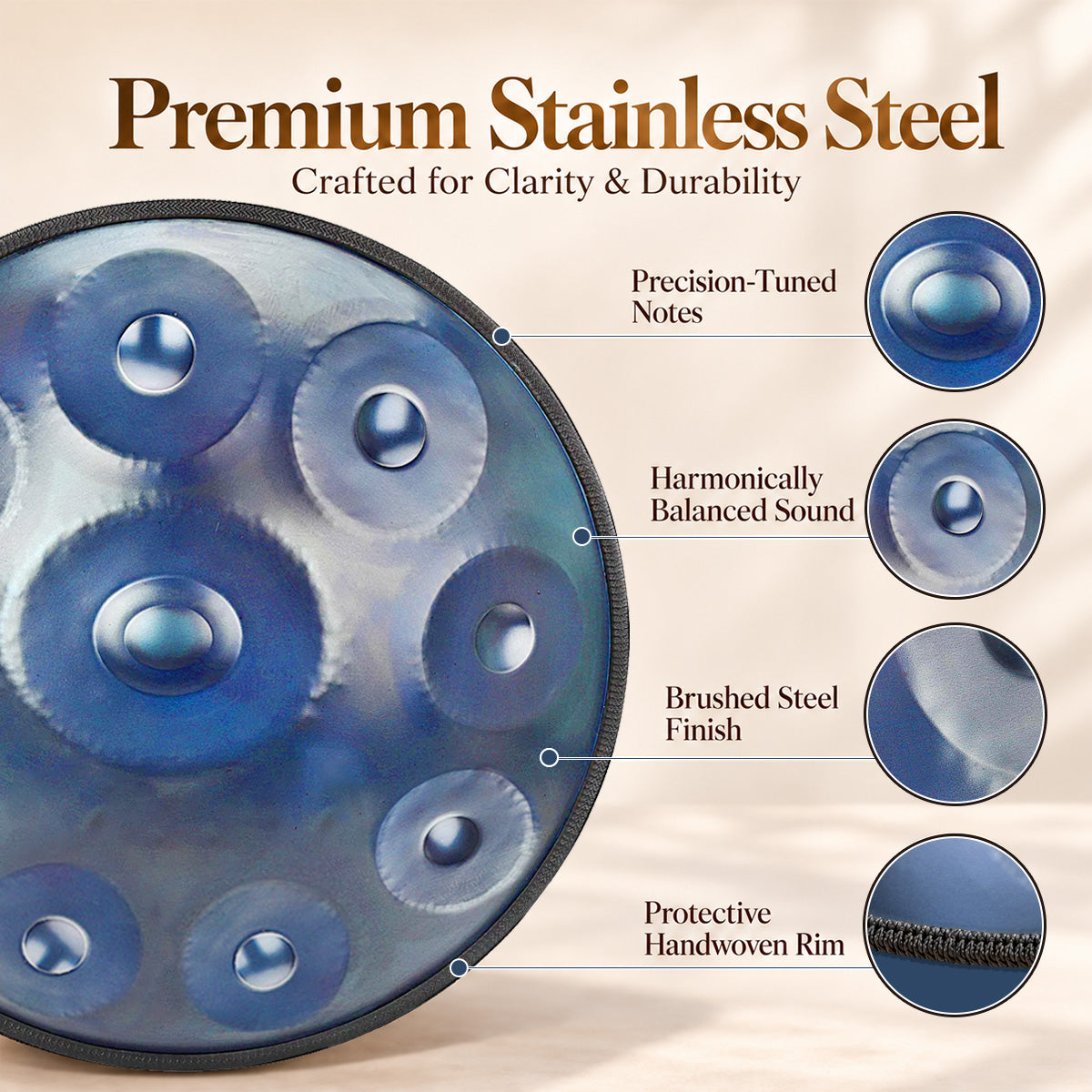
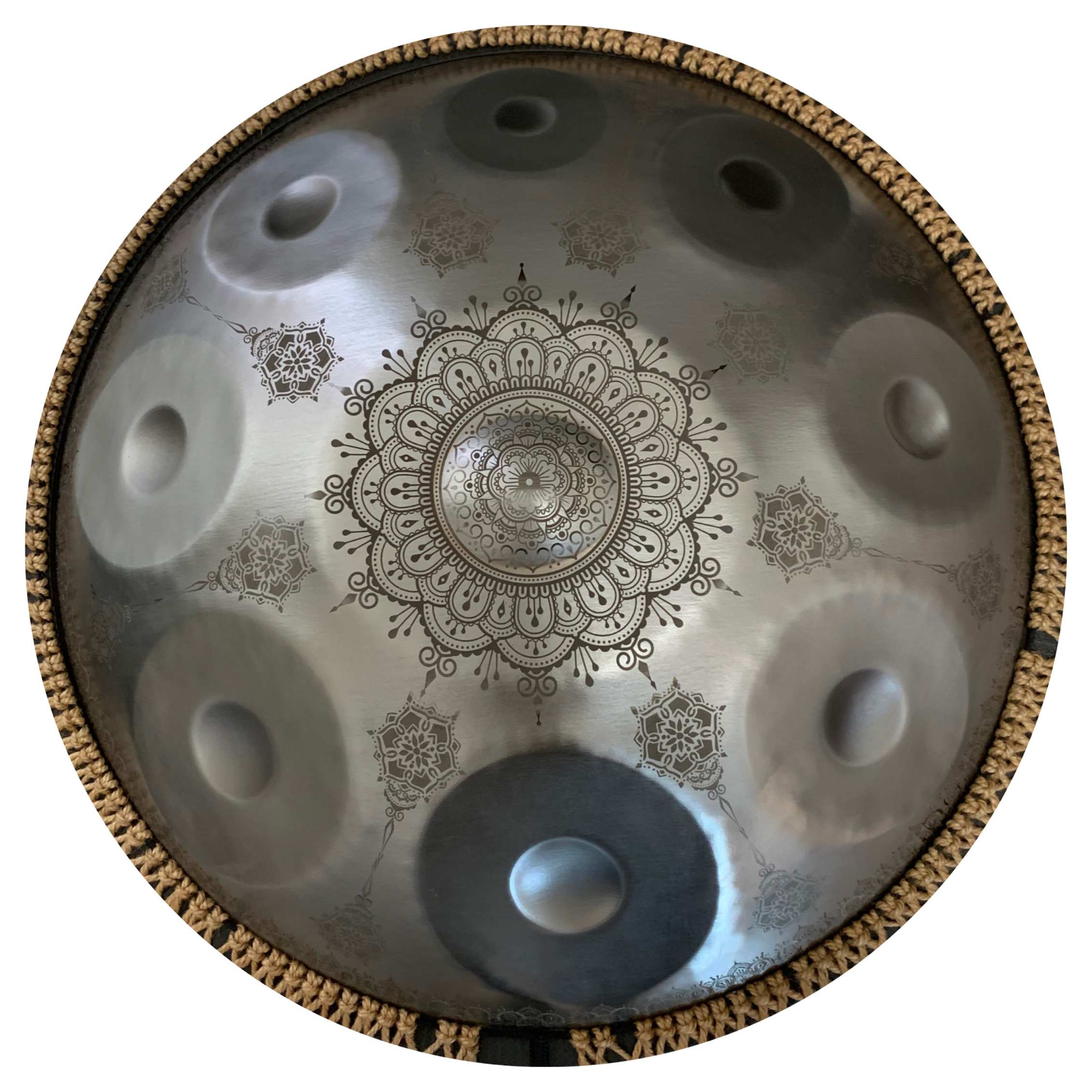
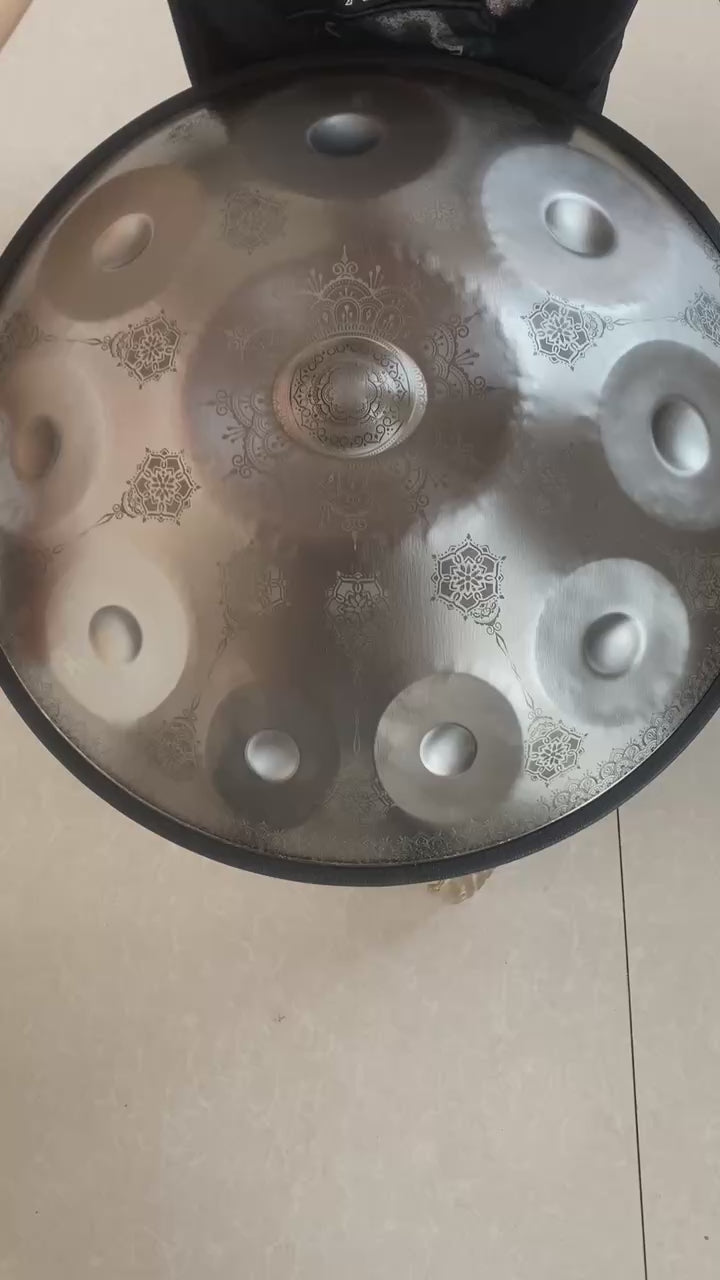
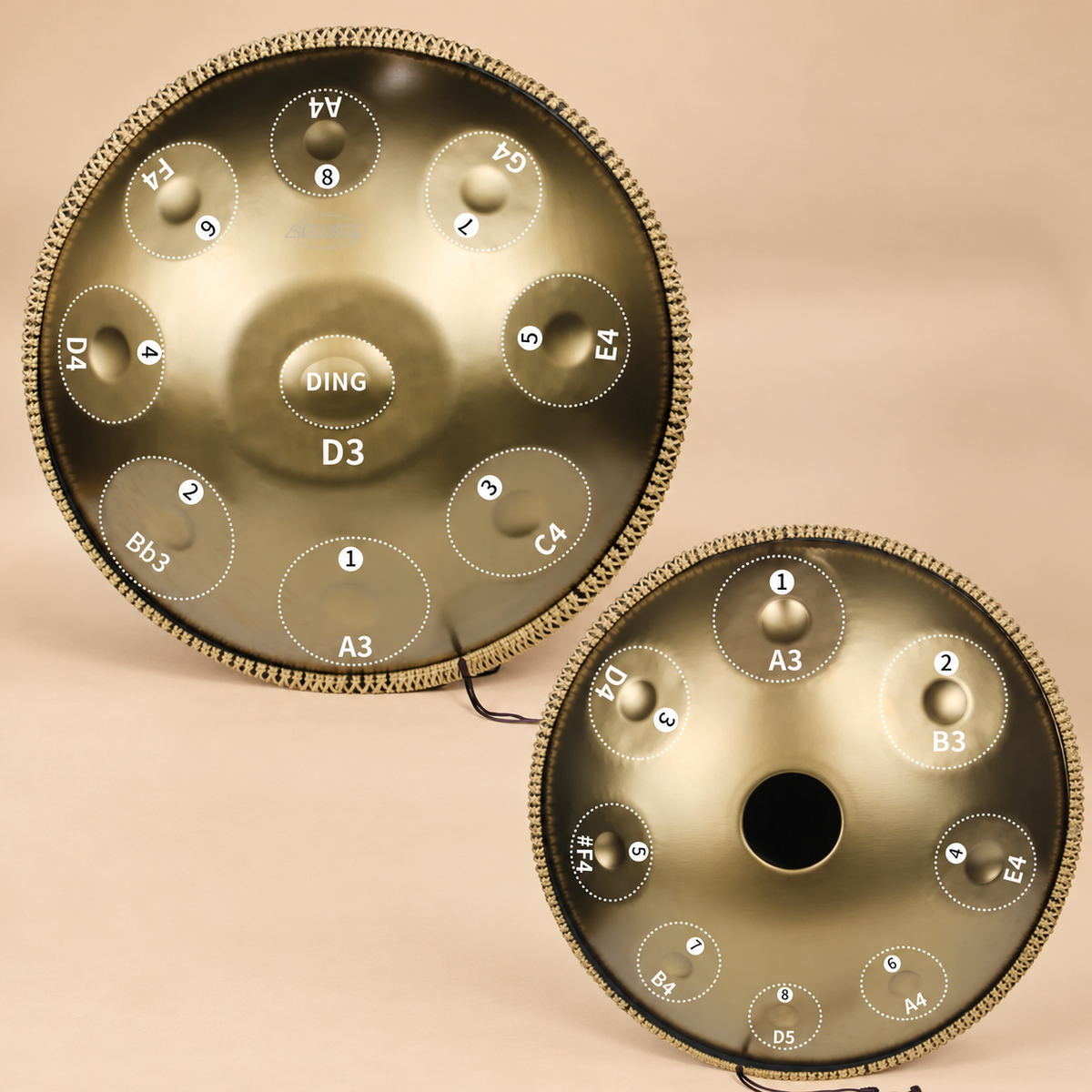
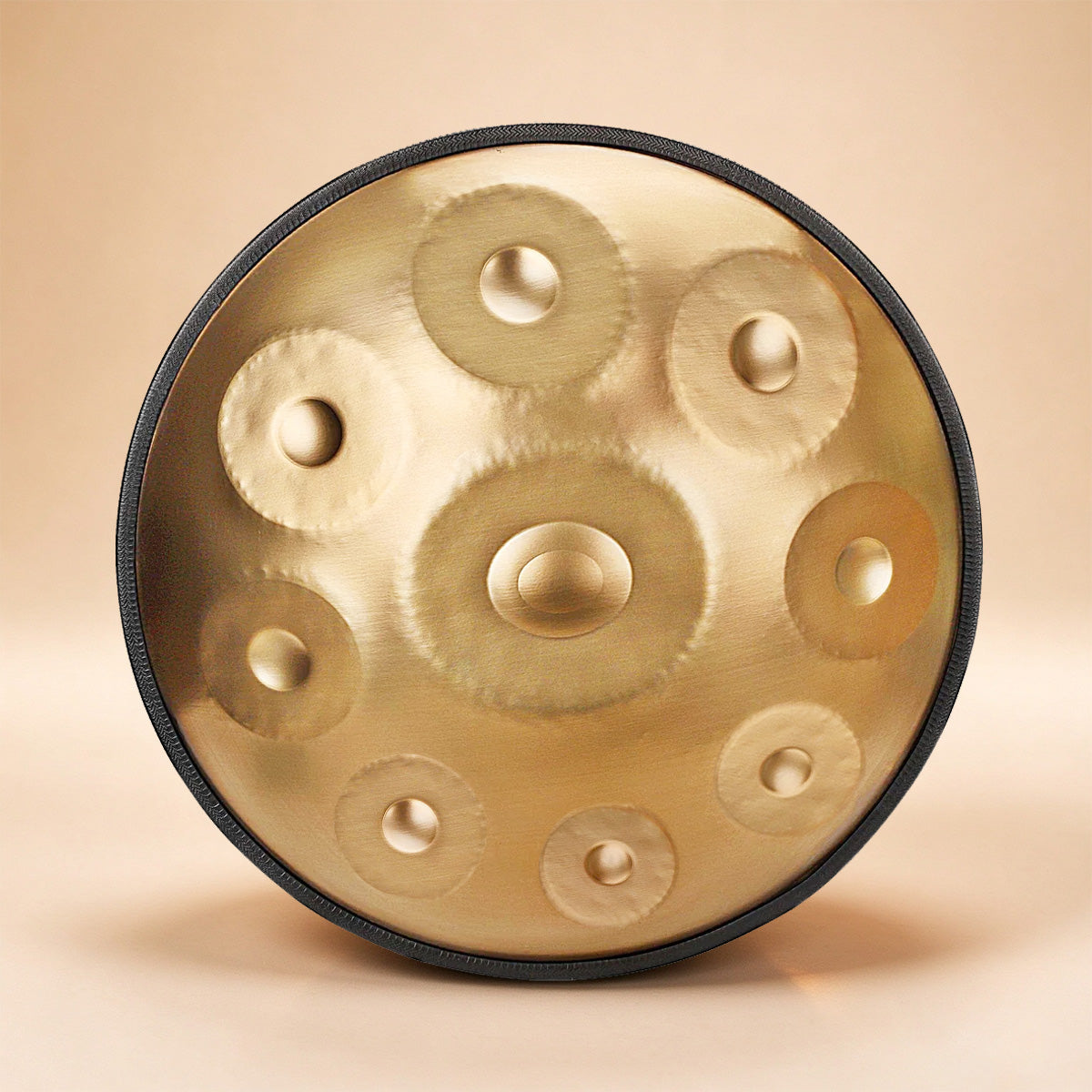
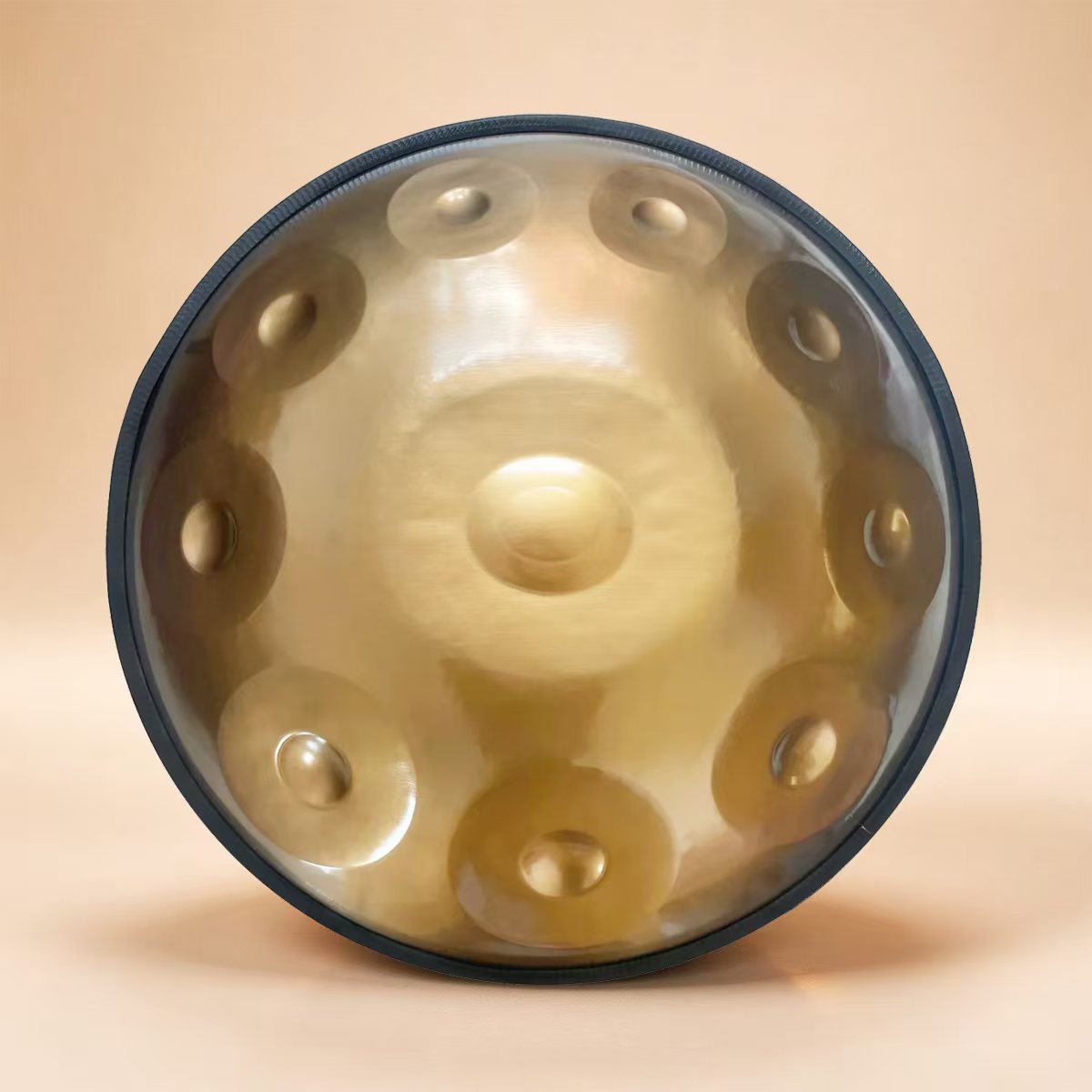
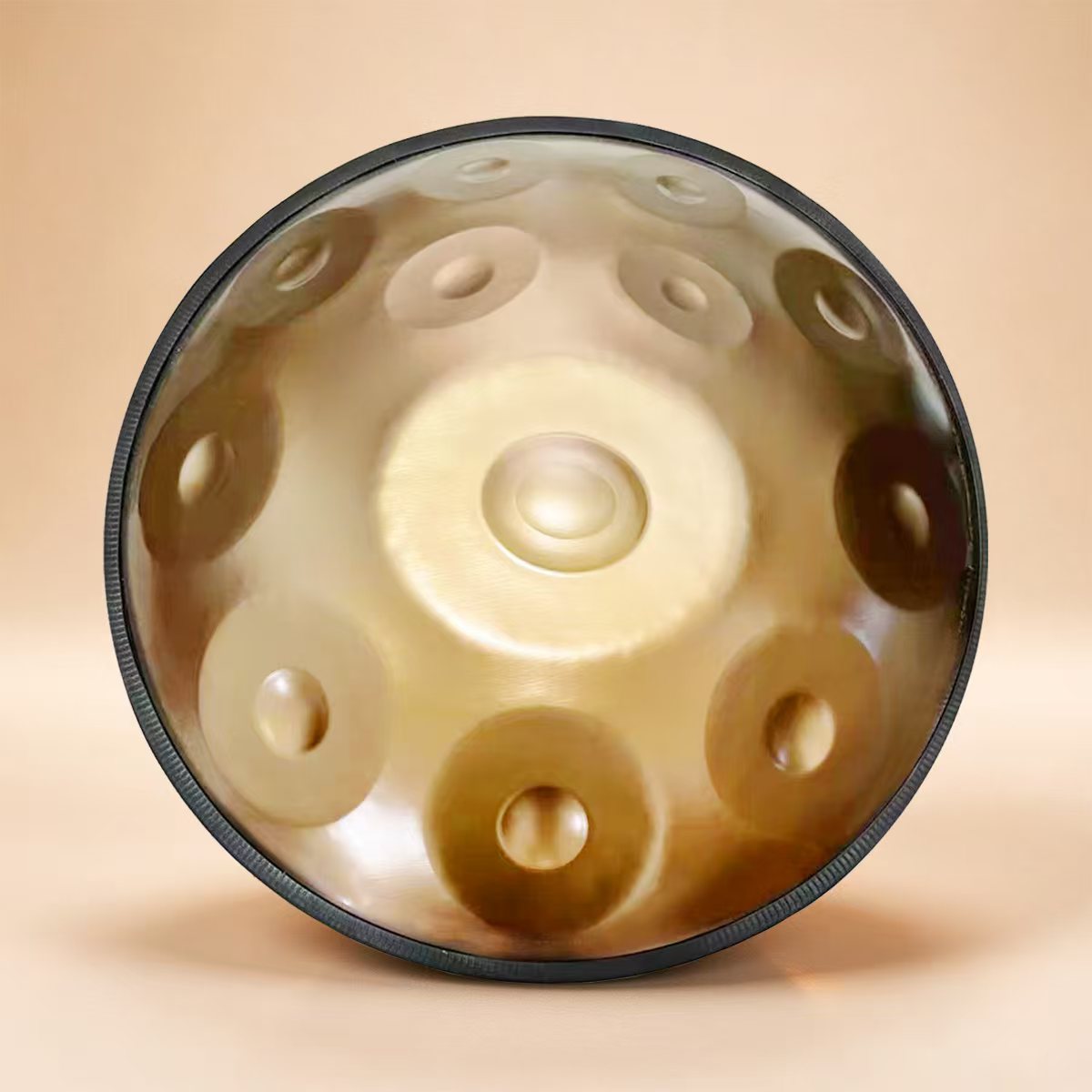
A handpan tongue drum (often called a steel tongue drum or simply handpan) is a melodic percussion instrument made from two hemispherical shells of steel joined together to form a convex shape. The top shell features carefully tuned "tongues" or "notes" arranged in a circular pattern around a central dome, while the bottom shell contains a central opening (the Gu) that affects resonance and bass response.
Typical handpan tongue drum layout showing note tongues around central dome
Key Characteristics
- Material: Made from nitrided or stainless steel for optimal resonance
- Shape: Convex, UFO-like shape typically 20-55 cm in diameter
- Playing Method: Played with hands, using fingertips, palms, and sometimes soft mallets
- Sound Production: Notes are created by striking the tuned tongues, which vibrate to produce sustained, harmonic-rich tones
- Tuning: Typically tuned to specific scales (D Minor, Celtic Minor, etc.) that naturally create harmonious sounds
History and Evolution of the Instrument
The handpan tongue drum is a 21st-century instrument with fascinating origins that trace back to the Caribbean steelpan and various global percussion traditions.
The Birth of a New Instrument
- 2000-2001: The first instrument in this family, the Hang, was created by PANArt in Switzerland as an evolution of the steelpan
- 2007: Increased global interest led to long waiting lists and the emergence of other makers creating similar instruments
- 2010s: The term "handpan" was coined to describe instruments inspired by the Hang but made by other manufacturers
- Present Day: Hundreds of makers worldwide produce variations, with handpan tongue drums becoming more accessible to beginners and professionals alike
Construction & Materials: How Handpan Tongue Drums Are Made
The creation of a quality handpan tongue drum is both an art and a science, requiring precise craftsmanship and acoustic understanding.
The Manufacturing Process
| Production Stage | Process Description | Impact on Sound |
|---|---|---|
| Sheet Metal Forming | Steel sheets are pressed into hemispherical shapes using hydraulic presses or hammering | Determines basic resonance and structural integrity |
| Tongue Cutting | Note areas are marked and cut using precision tools (laser, plasma, or mechanical cutting) | Defines note boundaries and affects vibration patterns |
| Note Tuning | Each tongue is carefully hammer-tuned to specific pitches using specialized tools | Creates the instrument's scale and harmonic relationships |
| Heat Treatment | Instruments are hardened through nitriding or other thermal processes | Enhances durability, sustain, and tonal characteristics |
| Finishing | Surface treatment with oils, paints, or protective coatings | Affects appearance and provides corrosion protection |
Material Considerations
- Nitrided Steel: Most common, offers warm tones and good durability
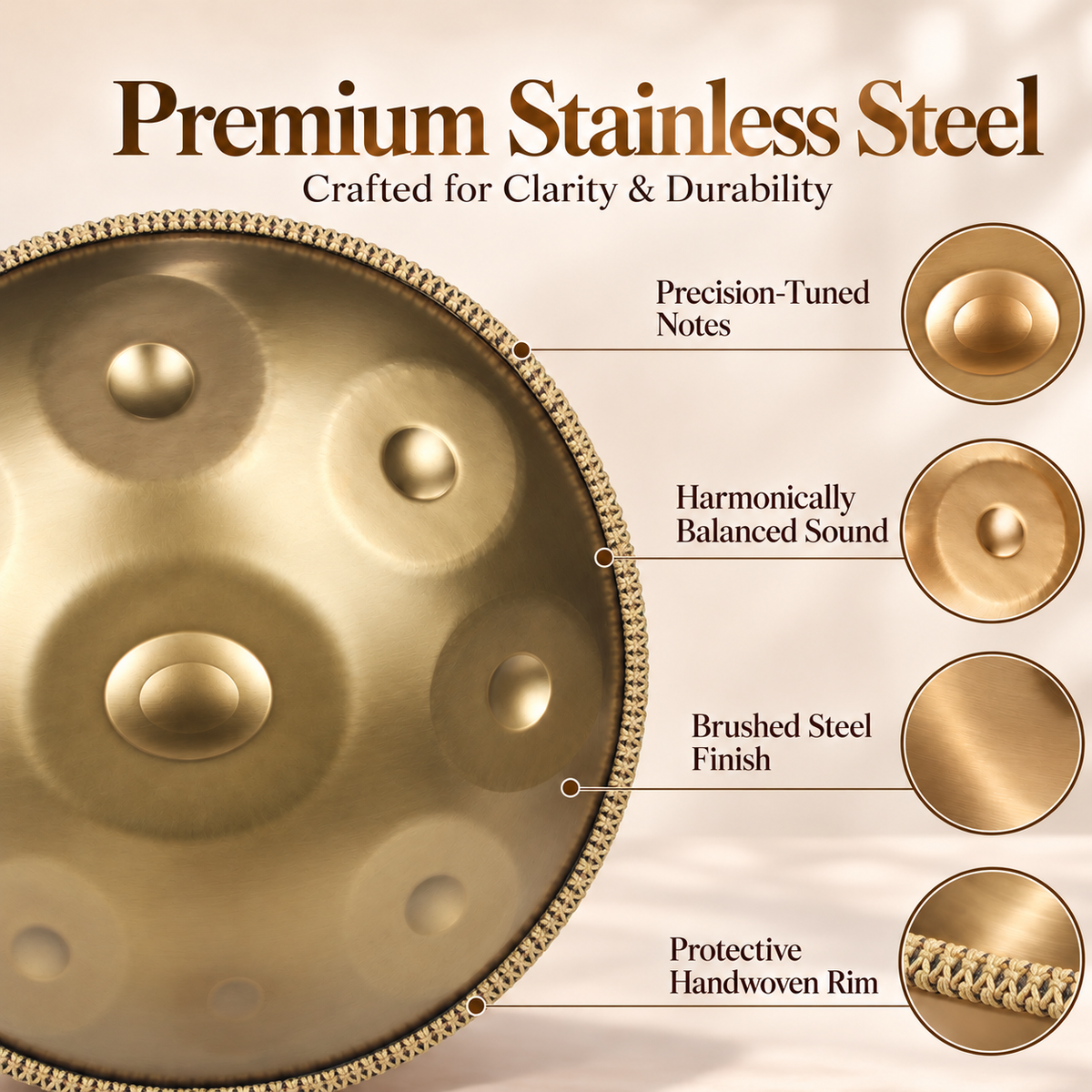
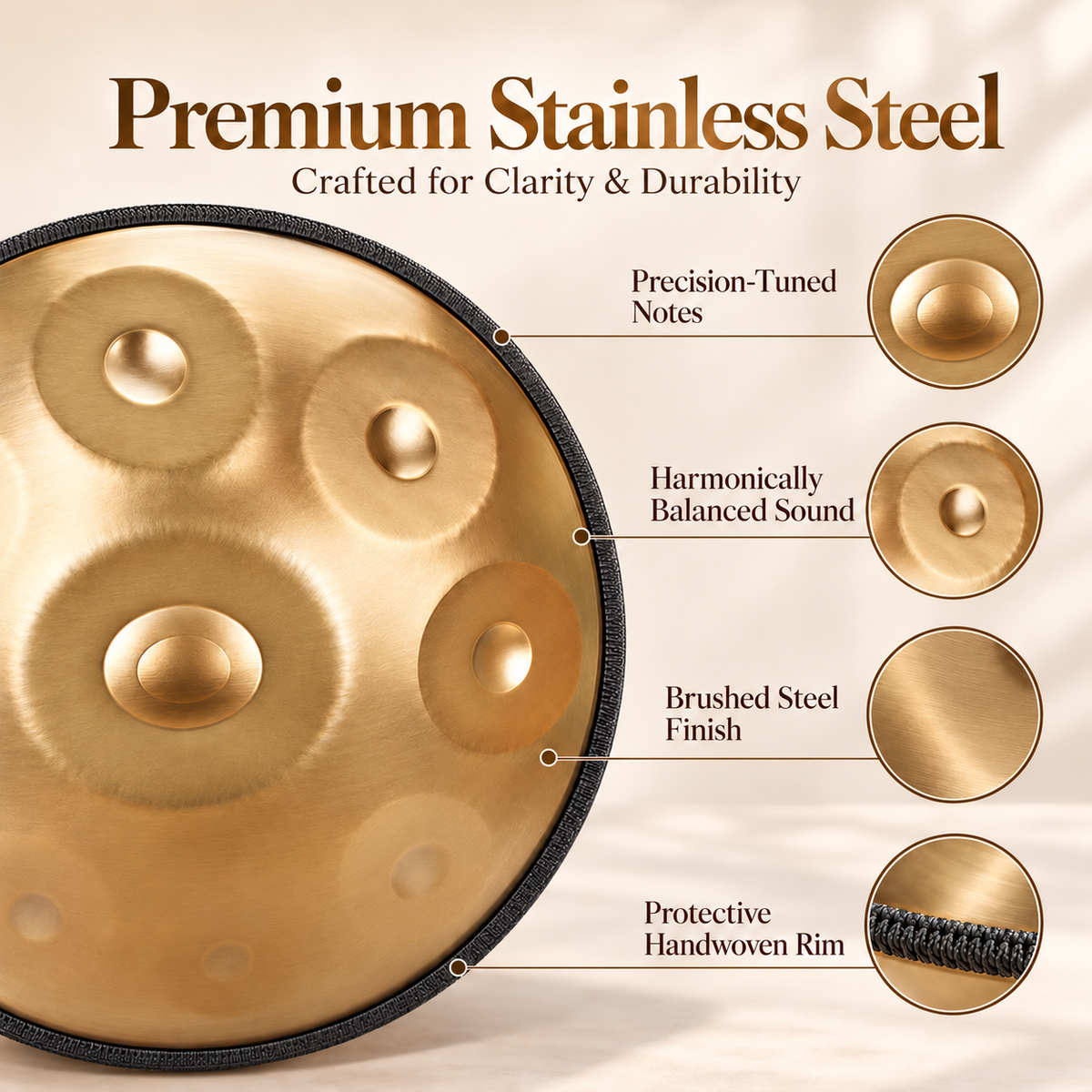
- Stainless Steel: Brighter sound, excellent corrosion resistance
- Carbon Steel: Less common, distinct tonal character
- Surface Coatings: Powder coating, galvanization, or oil finishes affect both appearance and sound damping
How to Play: Techniques for Beginners
One of the most appealing aspects of the handpan tongue drum is its accessibility. Unlike many instruments that require years of practice to produce pleasant sounds, handpans are designed to sound beautiful from the first touch.
Basic Playing Techniques
- Hand Positioning: Rest the instrument on your lap or a stand, keeping wrists relaxed
- Striking Method: Use fleshy parts of fingertips (not nails) with a loose, rebounding motion
- Dynamic Control: Vary striking force to create different volumes and articulations
- Dampening: Use palms or fingers to stop note vibrations for rhythmic effects
- Note Combinations: Experiment with striking multiple notes simultaneously to create chords
Therapeutic & Musical Benefits
Beyond its musical applications, the handpan tongue drum has gained popularity in therapeutic settings due to its unique acoustic properties.
Documented Benefits
- Stress Reduction: The instrument's harmonic-rich tones can induce meditative states and lower cortisol levels
- Accessible Music Making: Requires no prior musical training to create satisfying sounds
- Mindfulness Practice: Playing encourages present-moment awareness and focused attention
- Therapeutic Applications: Used in sound healing, music therapy, and trauma recovery settings
- Community Building: Global handpan communities facilitate connection and collaborative playing
How to Choose Your First Handpan Tongue Drum
Selecting your first handpan tongue drum is an exciting process. Consider these factors to find the perfect instrument for your needs:
| Consideration | What to Look For | Beginner Recommendation |
|---|---|---|
| Scale/Key | D Minor, C Major, and Celtic Minor are popular beginner-friendly scales | D Minor - versatile, meditative, widely used in tutorials |
| Number of Notes | 8-10 notes offer simplicity; 12+ notes provide more musical range | 8-9 notes - easier to learn, less overwhelming |
| Size | Smaller (18-22") for portability; larger for richer bass | 20-22" - balanced portability and sound |
| Material & Finish | Nitrided steel is standard; consider climate when choosing finish | Nitrided steel with protective coating |
| Budget | Entry-level: $300-$800; Professional: $1,500-$3,500+ | $500-$800 range for quality beginner instruments |
Popular Handpan Tongue Drum Models & Sizes Explained
Understanding different handpan tongue drum sizes helps you select the right instrument for your playing style and needs.
Compact & Portable
Best for: Travel, children, therapeutic bedside use
Tone: Higher pitched, focused sound
Weight: 4-6 lbs | Notes: Typically 7-8
Balanced Versatility
Best for: Most beginners, general playing, meditation
Tone: Well-rounded with good bass presence
Weight: 7-9 lbs | Notes: Typically 8-9
Full-Round Professional
Best for: Performers, recording, rich bass lovers
Tone: Deep bass, complex overtones
Weight: 10-14 lbs | Notes: Typically 9-11+
Cosmos Handpan Store: Crafting Instruments for Musical Growth & Healing

When exploring where to find your ideal handpan tongue drum, Cosmos Handpan Store stands out as a destination for quality, accessibility, and community. We began with a shared vision: to create instruments that inspire musical growth and facilitate healing. With meticulous craftsmanship and acoustic engineering, Cosmos handpans are tuned for tonal purity and playability.
Why Cosmos Handpans Are Ideal for Beginners
- Consistent Quality: Each instrument meets rigorous tuning stability standards — essential for beginners learning by ear.
- Beginner-Friendly Design: Scales and note spacing are optimized for accessibility, making your first handpan lesson for beginners more intuitive.
- Comprehensive Support: Cosmos provides learning resources that pair well with any handpan lesson for beginners, including tutorials and community access.
- Value Accessibility: Quality instruments at price points supporting widespread therapeutic use.
- Community Connection: Access to global players and healers, perfect for collaborative lessons and jam sessions.
Popular Cosmos Models & Who They're For
Cosmos Mini-Scale
Ideal for: Travel therapists, sound healers needing portability, introducing children to music
Scale Options: D Kurd, Amara, Integral
Cosmos Standard
Ideal for: Most beginners, meditation guides, studio musicians
Scale Options: D Minor, C Major, Celtic Minor, Pygmy
Cosmos Professional
Ideal for: Performing artists, recording studios, advanced players
Scale Options: Custom scales available, extended note ranges
Maintenance & Care Guide
Proper care ensures your handpan tongue drum maintains its beautiful sound for years. Steel instruments require specific attention to prevent damage.
Essential Care Practices
- Cleaning: Wipe with soft, dry cloth after playing to remove oils and moisture
- Storage: Keep in temperature-controlled environment with silica gel packs in case
- Transportation: Always use padded bags or cases, never check as airline luggage
- Temperature Avoidance: Never leave in direct sunlight or freezing conditions
- Rust Prevention: Apply instrument-safe oil (camellia, mineral) periodically if uncoated
Frequently Asked Questions About Handpan Tongue Drums
A: The terms are often used interchangeably, but technically: A handpan tongue drum typically refers to the convex, UFO-shaped instruments descended from the original Hang. "Tongue drum" is a broader term that can include box-shaped or simpler instruments. Both feature tuned tongues that produce sound when struck.
A: Absolutely not. Handpan tuning requires specialized tools, training, and expertise. Attempting to tune yourself will likely damage the instrument permanently. Retuning should only be performed by professional handpan makers or trained technicians.
A: Most people can create beautiful sounds within minutes of first playing a handpan tongue drum. Basic melodies and patterns can be learned in days or weeks. The instrument's intuitive layout and harmonically-tuned scales make it remarkably accessible compared to most traditional instruments.
A: Yes, particularly smaller models (10-12 inches). They're excellent for developing musicality, coordination, and auditory sensitivity. Ensure children are taught proper playing technique (using fingertips, not nails) and supervise to prevent accidental drops or damage.
A: Absolutely! The handpan tongue drum is perhaps the most beginner-friendly melodic instrument ever created. Its pre-tuned scales ensure that virtually any combination of notes sounds harmonious. Many players have no formal musical training yet create beautiful music.
A: With proper care, a quality handpan tongue drum can last decades. The steel construction is durable, though tuning stability over time varies by maker, playing frequency, and environmental conditions. Well-made instruments from reputable makers like Cosmos maintain their tuning for many years.
Begin Your Handpan Journey
The handpan tongue drum represents a unique convergence of ancient percussion traditions and modern innovation. Whether you seek a tool for musical expression, meditation, therapy, or simply the joy of creating beautiful sounds, this instrument offers a uniquely accessible pathway. By understanding what a handpan tongue drum truly is—from its construction to its playing techniques—you can make an informed choice and begin what many players describe as a transformative journey of sonic discovery.
Remember that the best instrument for you is one that resonates both acoustically and personally. As you explore different models, scales, and makers like Cosmos Handpan Store, trust your ears and intuition. The world of handpan playing welcomes beginners with open arms, offering community, resources, and the pure joy of creating music that comes straight from the hands and heart.