There is a profound, almost primal resonance to the handpan that captivates listeners instantly. It combines rhythm and melody into a single, intuitive instrument that requires no formal musical background to produce breathtaking sounds. However, when you first bring this beautiful steel vessel into your home, you might find yourself staring at it, unsure of how to coax out those ethereal tones. Do not worry; this is a universal experience. If you want to teach yourself to play the handpan, you are stepping into a highly rewarding, meditative journey.

From our experience crafting these instruments at Cosmos Handpans, the barrier to entry is delightfully low, but achieving mastery requires the right foundational habits. Unlike the piano or the violin, where hours of tedious scale memorization are required before you can play a pleasant song, the handpan is tuned to a specific scale. There are no wrong notes. But to truly unlock its potential, you must understand striking mechanics, spatial awareness, and rhythm. We highly recommend ignoring overly complicated tutorials at the start. Instead, follow a structured, step-by-step approach.
In this authoritative guide, we will break down exactly how to teach yourself to play the handpan. We will cover anatomy, posture, striking techniques, and the foundational exercises you need to transition from a hesitant beginner to a confident player crafting your own mesmerizing melodies.
Table of Contents
- Step 1: Understand the Anatomy of Your Instrument
- Step 2: Establish the Correct Posture and Orientation
- Step 3: Master the "Hot Surface" Striking Technique
- Step 4: Map the Scale and Build Muscle Memory
- Step 5: Practice Basic Rhythms with a Metronome
- Step 6: Cultivate Left and Right Hand Independence
- Step 7: Discover Chords and Double Touches
- Step 8: Incorporate Percussive Slaps and Ghost Notes
- Step 9: Explore Intuitive Melodies and the Trance Groove
- Step 10: Commit to Consistent, Mindful Practice
- Summary: Your Handpan Learning Roadmap
- Frequently Asked Questions (FAQs)
- References
Step 1: Understand the Anatomy of Your Instrument
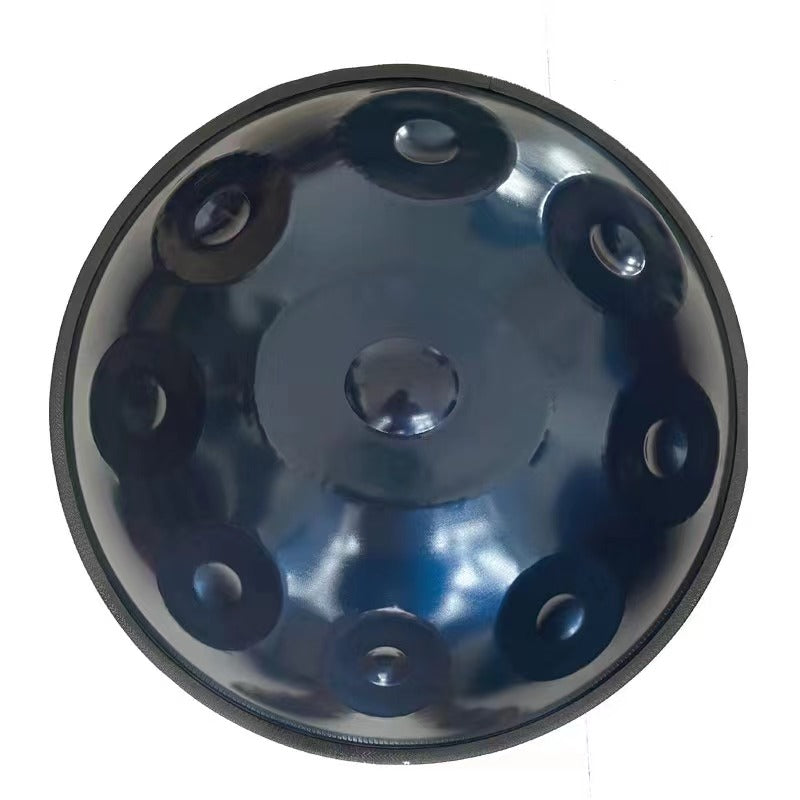
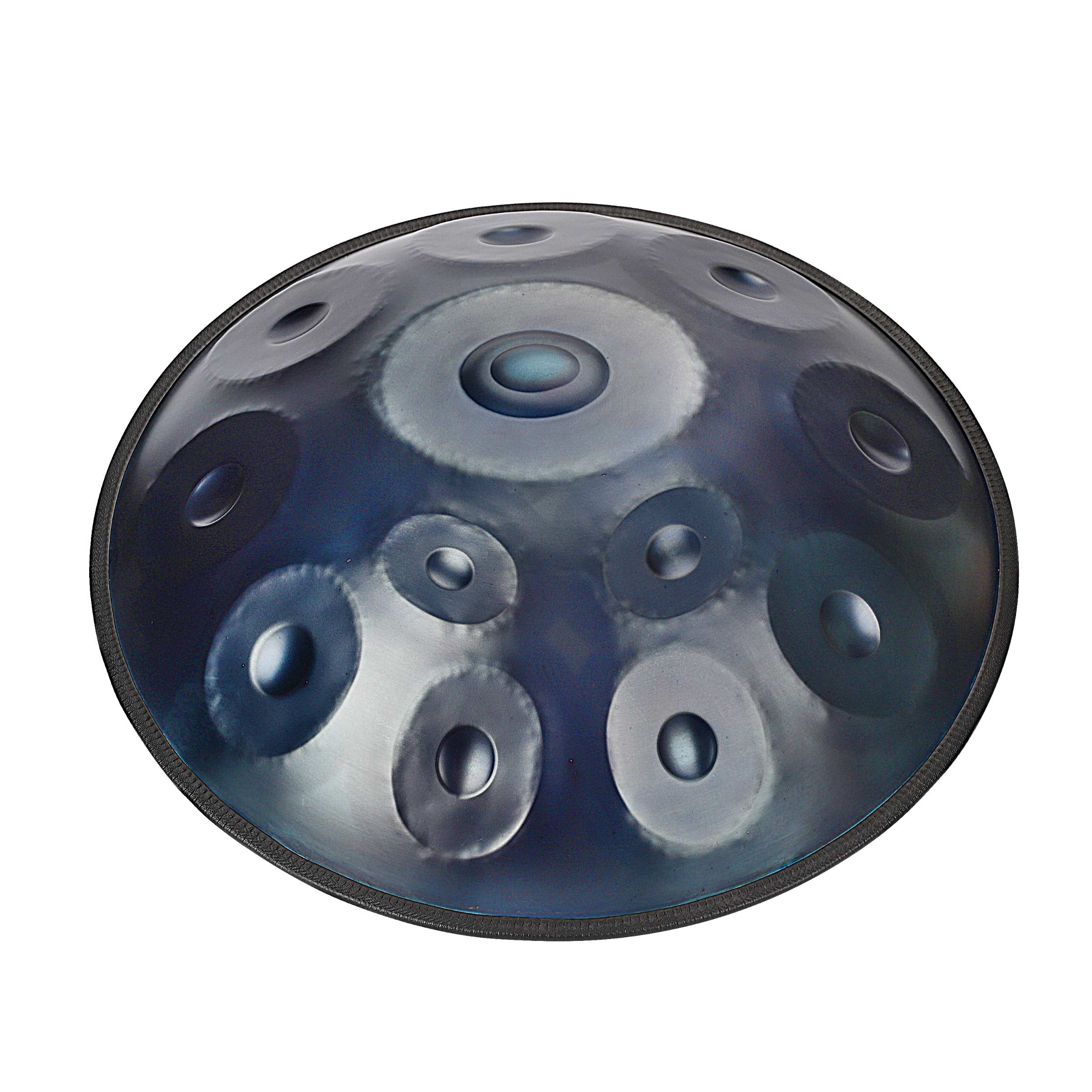
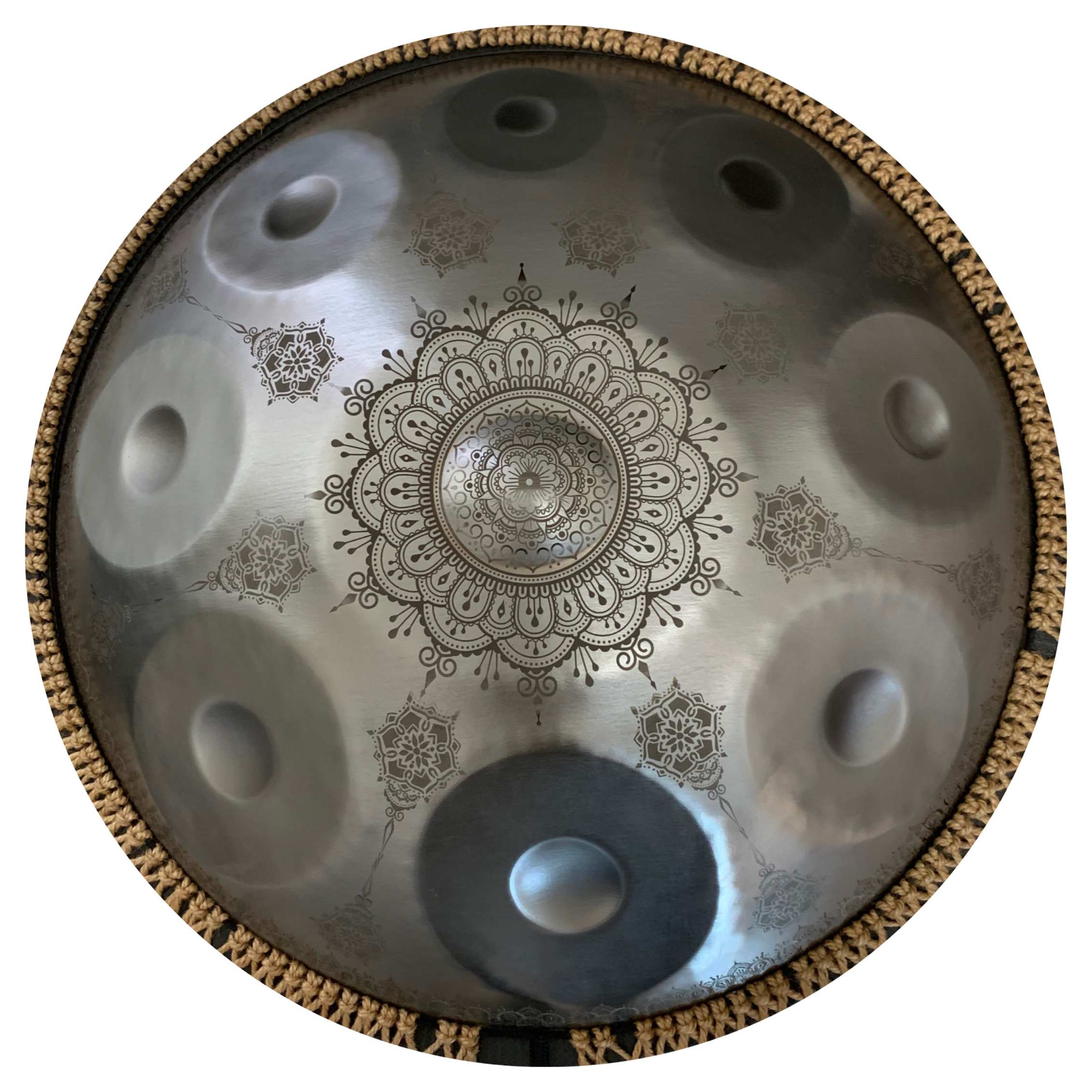
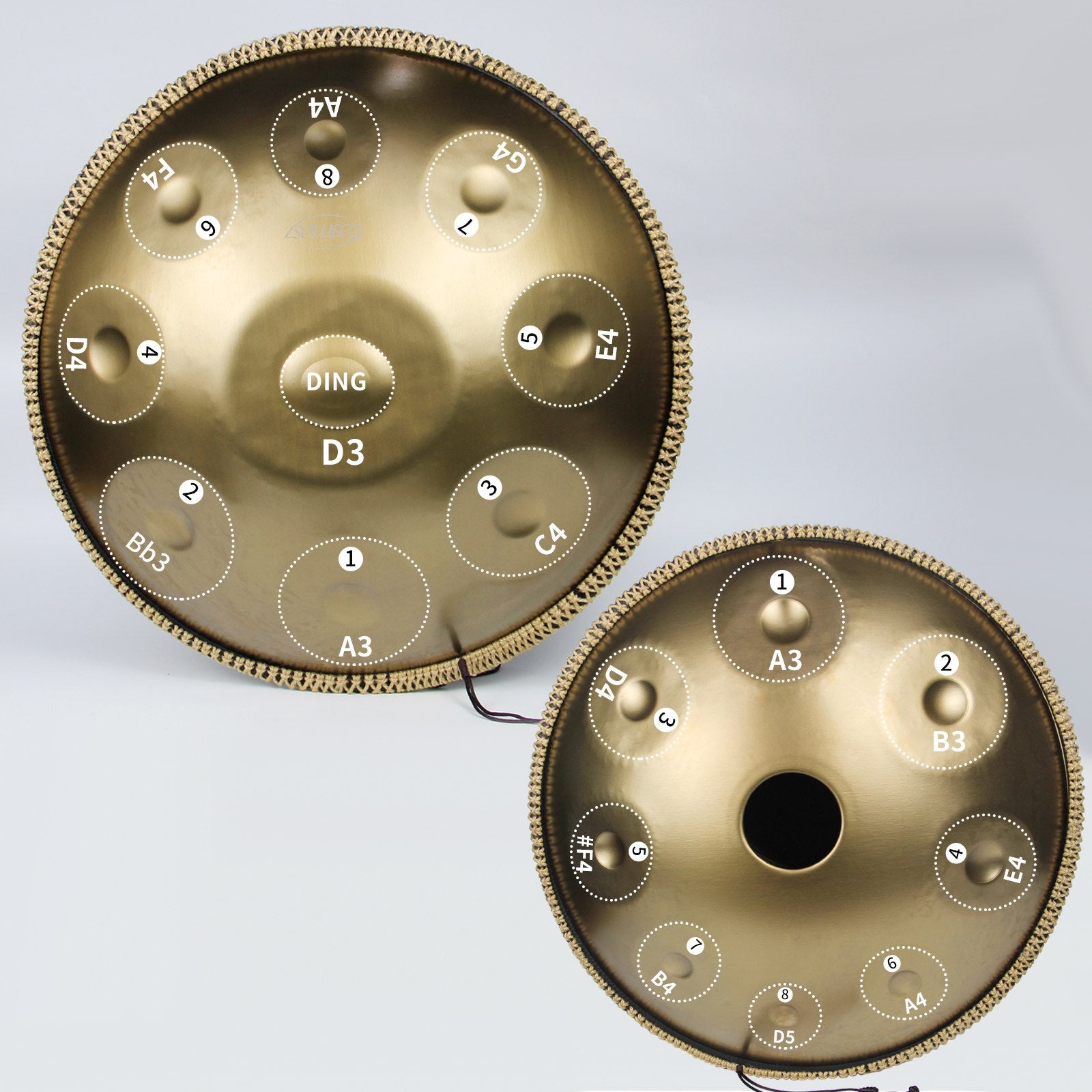
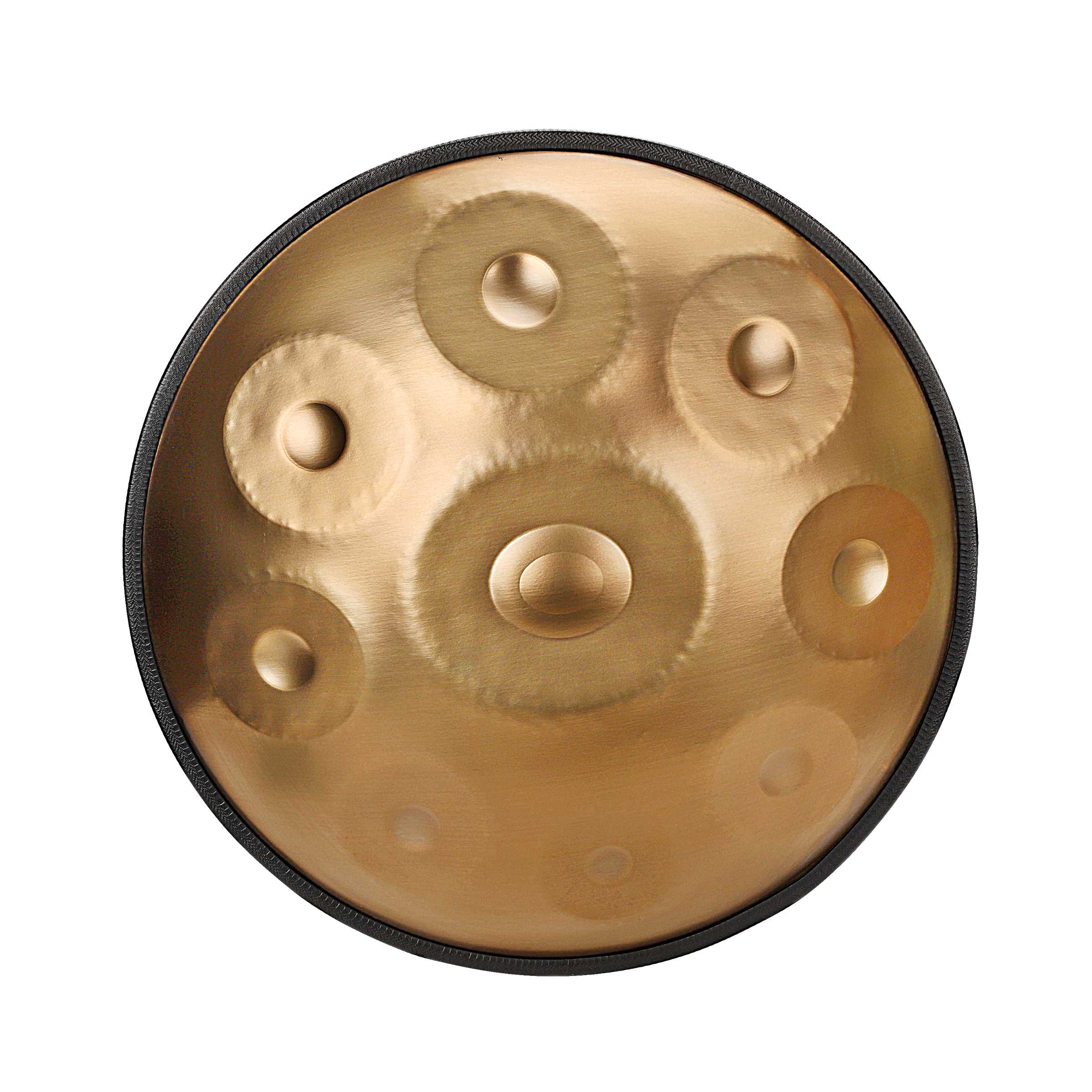
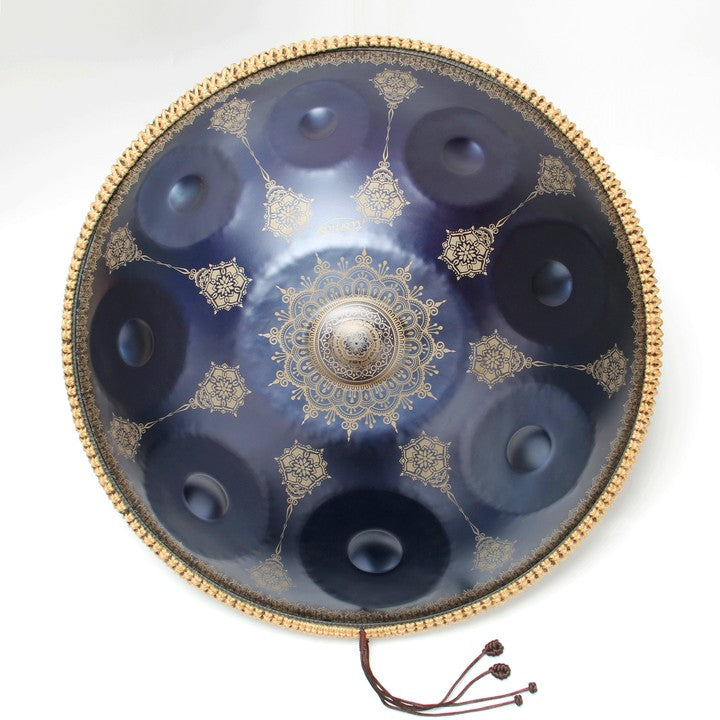
Before you strike the steel, you must understand what you are hitting. When you teach yourself to play the handpan, familiarizing yourself with the instrument's geography is paramount. The instrument features two distinct hemispheres. The top side is where the melodic magic happens. In the absolute center lies the "Ding," which is the lowest and most resonant bass note. Surrounding the Ding is a circle of elliptical tone fields. Each of these fields contains a fundamental note, an octave, and a compound fifth.
The space between the tone fields is called the "shoulder" or "interstitial area." While it does not produce a tuned pitch, it is vital for percussive slaps. On the bottom of the instrument, you will find a large opening called the "Gu" port, which allows the air to resonate and escape, creating the deep Helmholtz bass frequency. Understanding this anatomy will drastically accelerate your learning curve, especially as you explore the fascinating handpan origin and history and how these acoustic principles were developed.
Step 2: Establish the Correct Posture and Orientation
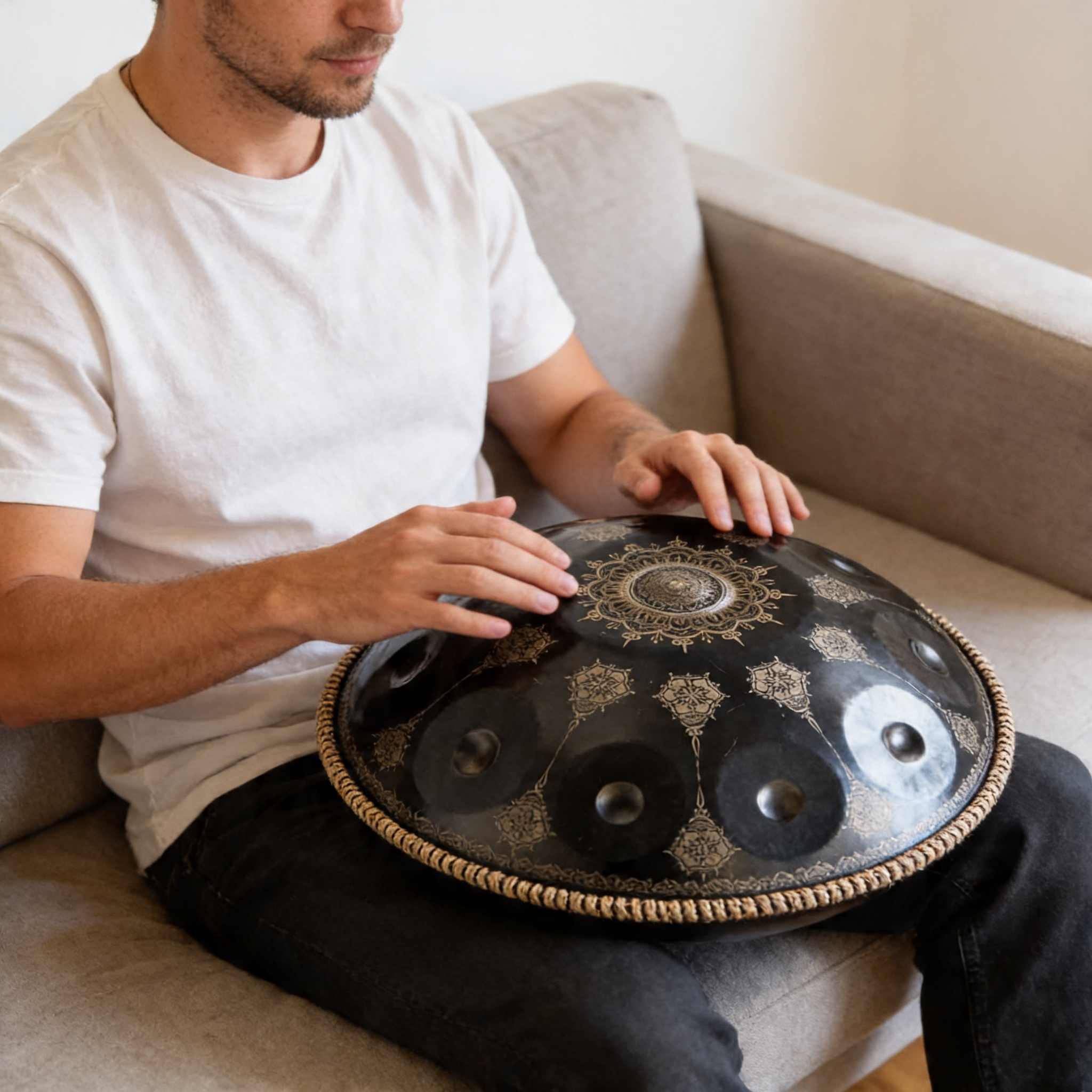
A beautiful sound begins with a relaxed body. If you are tense, your strikes will be rigid, and the instrument will sound muted. To effectively teach yourself to play the handpan, you must sit comfortably. Place the instrument flat across your thighs. Ensure the Gu port on the bottom is not entirely blocked by your legs; the air needs room to escape to produce a full sound. If you prefer to use a stand, ensure it is adjusted so the instrument sits precisely at waist height.
Next, orient the instrument correctly. The lowest notes (the largest tone fields) should be positioned closest to your body, while the highest notes (the smallest tone fields) should point away from you. This specific orientation allows for a logical zigzag playing pattern, moving from low to high as your hands reach further out.
Step 3: Master the "Hot Surface" Striking Technique

The single biggest mistake we see beginners make is resting their fingers on the metal. If your finger lingers on the tone field for even a fraction of a second too long, you will mute the vibration, resulting in a dull, metallic clank. When you teach yourself to play the handpan, you must master the "hot surface" technique. Imagine the steel is literally burning hot. Your finger should strike the metal and bounce off instantly.
Use the bony, flexible part of your index fingertip or the side of your thumb. Crucially, the striking motion must originate from your wrist, not your elbow or forearm. Keep your wrists loose and agile. Practice striking the Ding repeatedly until you produce a clear, sustained, ringing tone. Do not move on to the other notes until you have perfected this whip-like, bouncing strike on the center note.
Step 4: Map the Scale and Build Muscle Memory
Once you can reliably produce a clean note, it is time to map the scale. Unlike a piano keyboard that runs linearly left to right, a handpan scale zigzags. Starting from the lowest tone field directly in front of you, the next highest note will typically be across to the left, then the right, ascending as you move away from your body.
We recommend creating numbered stickers (1 through 8 or 9) and placing them on the tone fields just outside the striking zone. Practice playing the scale up and down: Ding, Right, Left, Right, Left, and back down again. Repeat this hundreds of times. When you teach yourself to play the handpan, building this subconscious muscle memory is what allows you to eventually close your eyes and play purely by feeling.
Step 5: Practice Basic Rhythms with a Metronome

A beautiful melody without a steady rhythm will sound chaotic. The handpan is a percussion instrument at its core. To truly teach yourself to play the handpan like a professional, you must respect the metronome. Download a free metronome app on your phone and set it to a slow, comfortable 60 beats per minute (BPM) in a standard 4/4 time signature.
Play a single note on every click. Once you master that, play two notes per click (eighth notes). Focus entirely on striking with consistent velocity. The goal here is not speed; it is absolute, unwavering consistency. Listening to professional handpan music tracks can help you internalize how essential a driving, hypnotic rhythm is to the overall composition.
Step 6: Cultivate Left and Right Hand Independence
Most beginners have a dominant hand that leads every melodic phrase. To unlock the full potential of the instrument, you must train your non-dominant hand to act independently. When you teach yourself to play the handpan, dedicate specific practice sessions entirely to your weaker hand.
Try playing a steady, repetitive bassline on the Ding with your left hand, while your right hand explores the higher notes around the circle. Then, switch roles. This neurological exercise can be frustrating at first, but it is deeply beneficial. In fact, many practitioners utilize this exact bilateral stimulation to achieve the renowned handpan music benefits related to brain plasticity and cognitive focus.
Step 7: Discover Chords and Double Touches
Because the instrument is tuned to a specific scale, almost any two notes played together will sound harmonious. To elevate your playing, you must learn to strike two tone fields simultaneously—this is called a double touch or a chord. A fantastic starting point is playing the Ding alongside its corresponding octave tone field.
Experiment by striking adjacent tone fields together, or reaching across the instrument to strike fields on opposite sides. When you teach yourself to play the handpan, discovering these rich, layered chords adds massive depth and emotion to your music, transforming simple single-note melodies into lush, orchestral soundscapes.
Step 8: Incorporate Percussive Slaps and Ghost Notes
The beauty of the handpan is that it is not just a melodic device; it is a full drum kit. The spaces between the tone fields (the shoulders) offer a dry, percussive "tak" sound when struck with your knuckles or flat fingers. Interjecting these slaps between your melodic notes creates a driving, rhythmic groove.
Ghost notes are incredibly light, barely audible taps that fill the spaces between your main melody strikes. They provide a continuous sense of motion. By blending hard slaps on the shoulder with soft ghost notes on the tone fields, you create a complex texture that sounds like three different people are playing the instrument at once. This technique is frequently used by the best handpan players in the world to construct their signature grooves.
Step 9: Explore Intuitive Melodies and the Trance Groove
Once you have the physical mechanics down, it is time to play music. Instead of trying to read sheet music, allow your intuition to guide you. The handpan favors arpeggios—playing notes in a rolling, sequential pattern. Start by mastering a simple "Trance Groove": hit the Ding, then a high note on the right, a mid note on the left, and another high note on the right. Loop this four-beat pattern endlessly.
As you get comfortable, begin swapping out one of the high notes for a different tone field. This is how composition begins. For inspiration on structuring your melodies, reviewing a handpan songs list can show you how familiar tunes are adapted to the limited scale of the instrument.
Step 10: Commit to Consistent, Mindful Practice
The final and most crucial step to successfully teach yourself to play the handpan is consistency. Playing for 15 minutes every single day will yield drastically better results than playing for three hours once a week. Muscle memory requires frequent reinforcement.
We recommend recording yourself on your phone once a week. You will often feel like you are not making progress, but when you watch a video of yourself from a month ago, the improvement will be staggering. Furthermore, do not hesitate to download handpan music to play along with, or seek out online communities. The therapeutic and emotional rewards of this journey are immense, which is why we see such incredible handpan therapy benefits in both clinical and home settings.
Summary: Your Handpan Learning Roadmap
| Phase | Core Focus | Expert Recommendation |
|---|---|---|
| 1. Foundation | Posture, anatomy, and striking technique. | Never rest fingers on the steel. Master the "bounce" strike using only the wrist. |
| 2. Mapping | Learning the zigzag scale and building muscle memory. | Use numbered stickers temporarily to visually map the low-to-high progression. |
| 3. Rhythm | Metronome work and hand independence. | Start at 60 BPM. Focus on absolute consistency over speed. |
| 4. Texture | Chords, double touches, and percussive slaps. | Use the "shoulder" of the pan to add drum-like snare hits between melody notes. |
| 5. Expression | Intuitive playing, trance grooves, and composition. | Record yourself weekly to track progress and build creative confidence. |
Frequently Asked Questions (FAQs)
Do I need to know how to read music to teach myself to play the handpan?
Absolutely not. The handpan is an incredibly intuitive, diatonic instrument, meaning all the notes belong to a single, harmonious scale. You cannot play a "wrong" or dissonant note. We recommend learning through pattern recognition, numbers, and feeling, rather than traditional sheet music.
Why does my handpan sound muffled or metallic when I strike it?
If the sound is muffled, you are likely leaving your finger on the tone field for too long, which immediately kills the vibration. Remember the "hot surface" rule: strike the metal and withdraw your finger instantly. Also, ensure you are striking with the bony tip or side of your finger, not the fleshy, flat pad.
How often should I practice as a beginner?
From our experience, short, daily practice sessions are the key to building muscle memory. We recommend dedicating 15 to 20 minutes a day to focused practice. Consistency is far more important than marathon weekend sessions.
Can I use mallets to play my handpan?
While some people do use very soft mallets, we strongly advise against it, especially for beginners. Handpans are delicate acoustic instruments. Striking the steel too hard with a mallet can knock the instrument permanently out of tune. Using your bare hands is safer and allows for a much wider range of expressive, percussive techniques.
References & Further Reading
1. The Acoustical Society of America. "Acoustics of the Hang: A hand-played steel instrument." JASA Express Letters. Available at: Acoustical Society of America
2. Frontiers in Psychology. "The Psychological Functions of Music Listening." Research on how diatonic instruments reduce cognitive load for beginners. Available at: Frontiers in Psychology