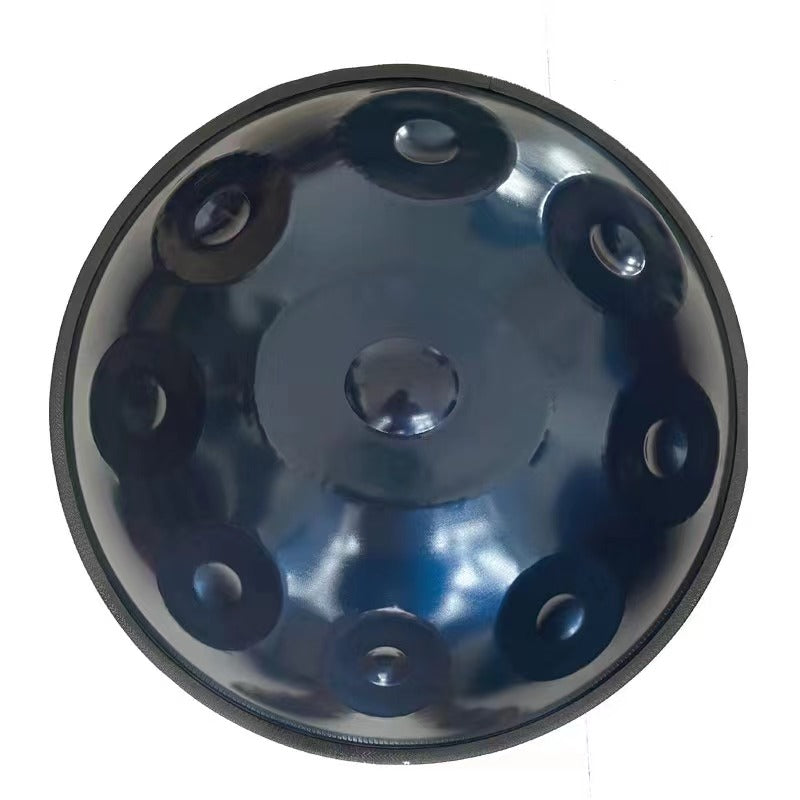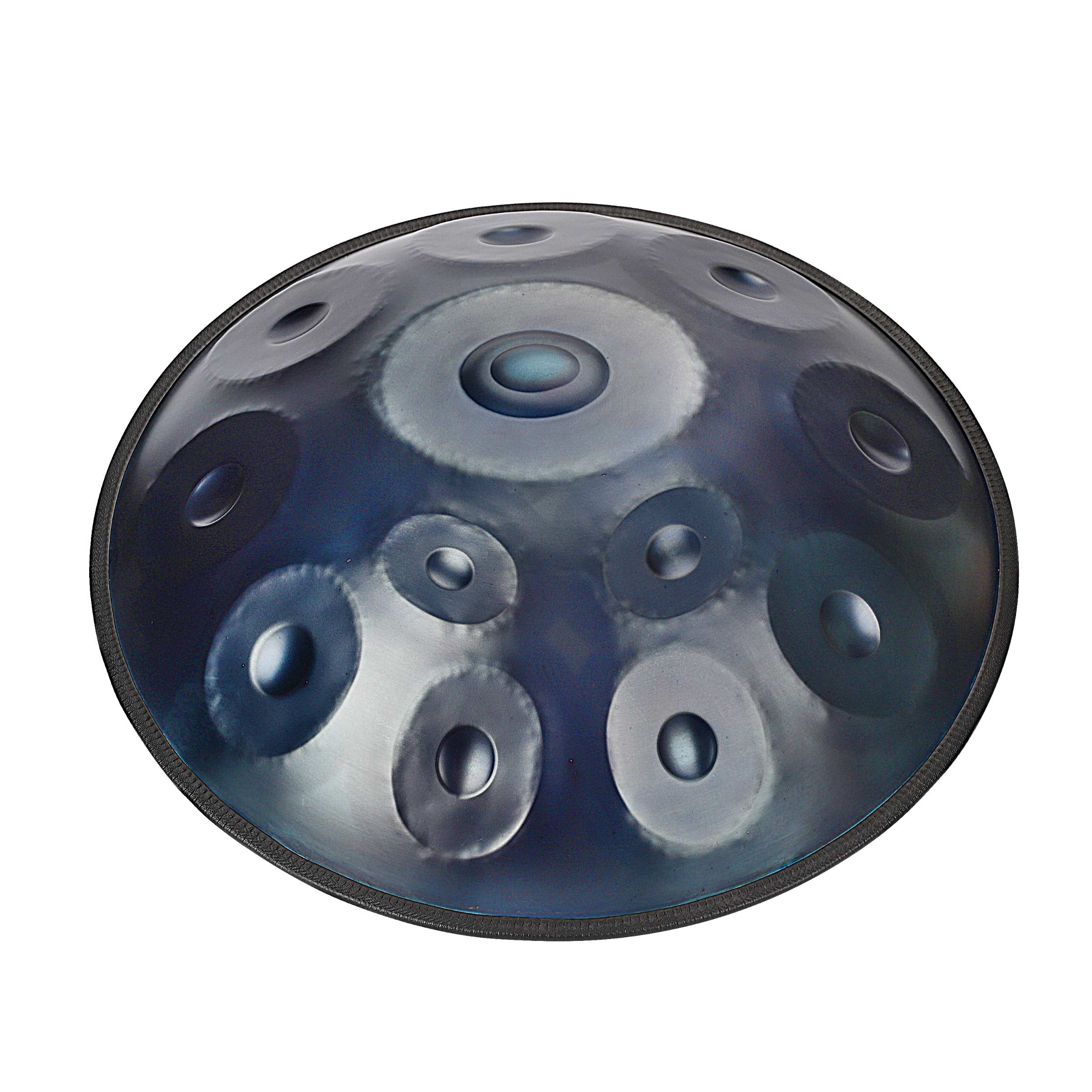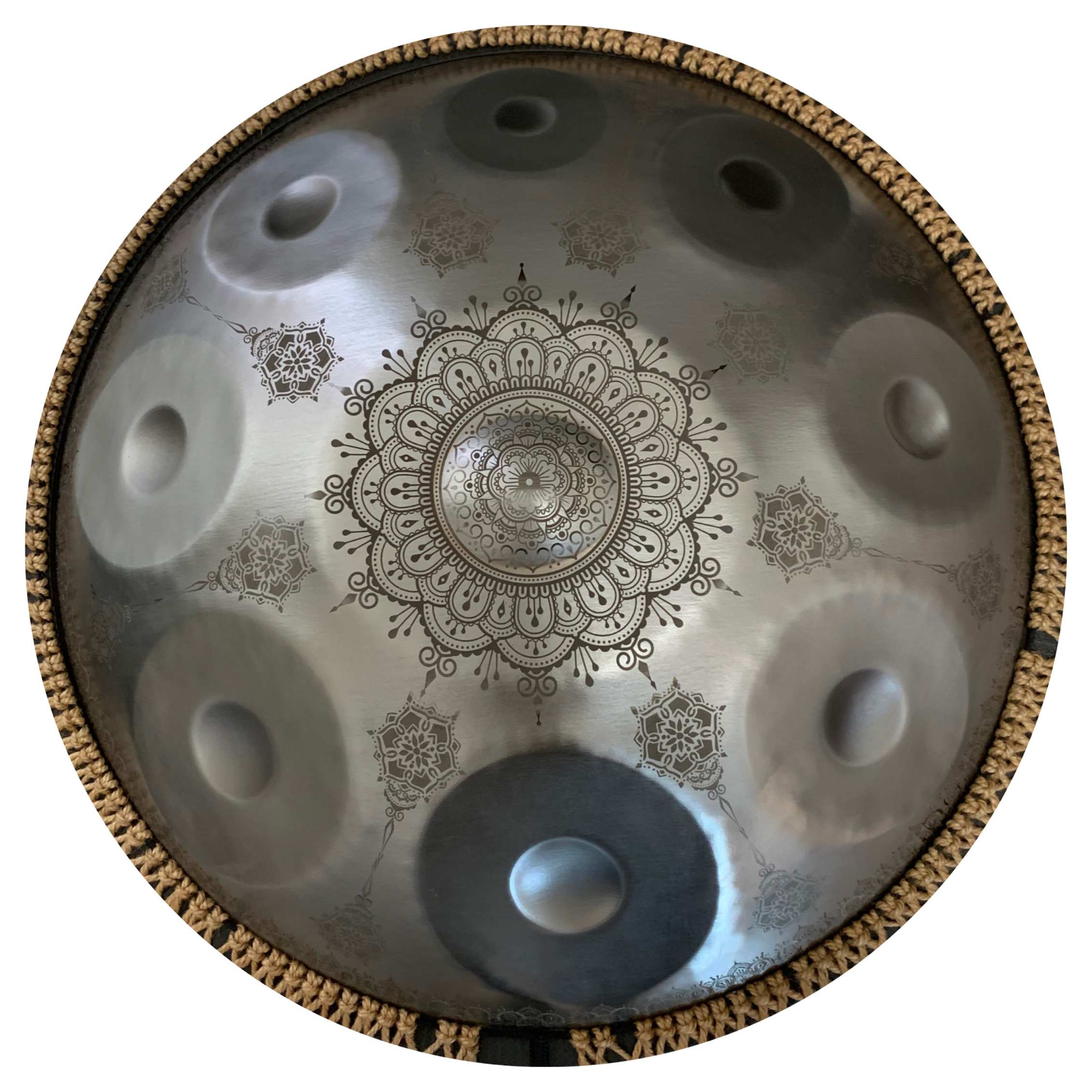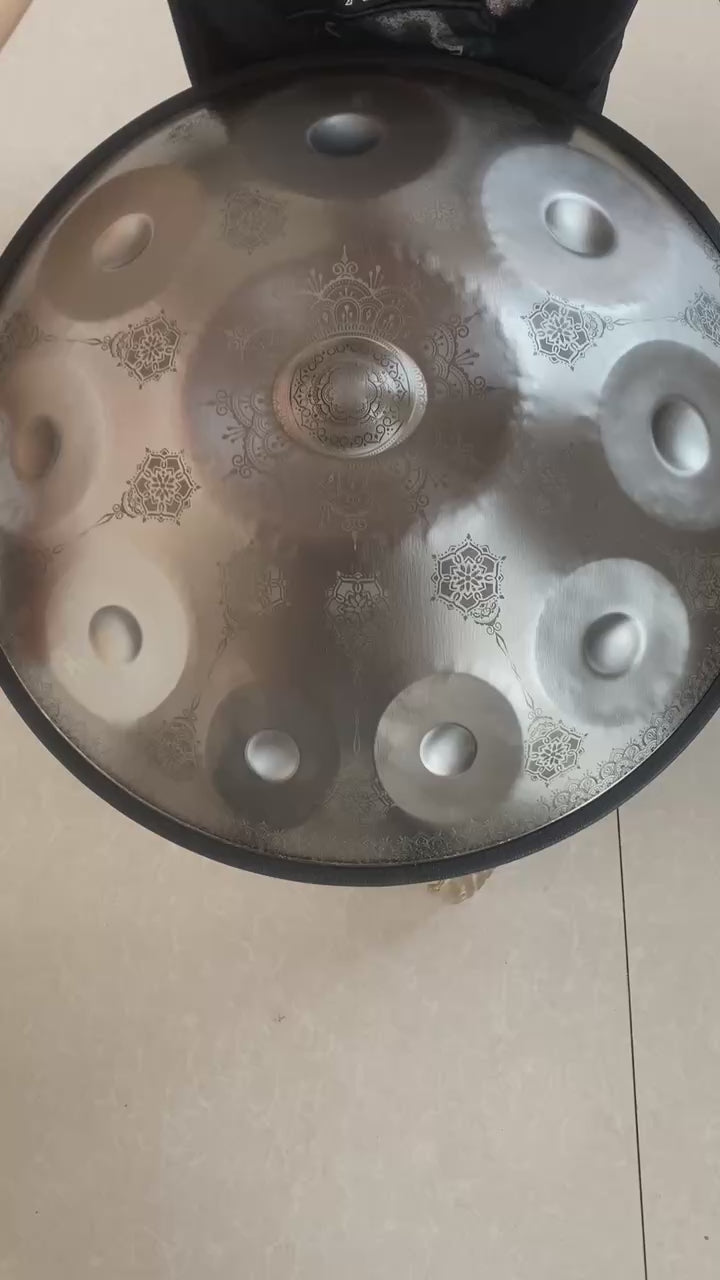
The Handpan, a mesmerizing idiophone known for its ethereal and resonant tones, has captivated musicians and wellness practitioners worldwide. As we look toward 2026, understanding the steel handpan price is crucial for potential buyers. Unlike mass-produced instruments, the Handpan's cost is deeply intertwined with meticulous craftsmanship, advanced metallurgy, and market demand. This article breaks down the complex factors driving the 2026 pricing landscape, from entry-level options to professional-grade instruments, helping you discern true value from simple sticker price.

Table of Contents
- 2026 Handpan Market Price Overview
- The Foundation of Cost: Craftsmanship and Tuning Time
- Material Matters: Nitrided Steel vs. Stainless Steel Handpan Price
- Note Count and Scale Complexity: The Price of Possibilities
- Brand Reputation and Maker Expertise
- Product Spotlight: Cosmos Handpan Price Points
- Handpan Price Factor Summary Table (2026)
- Frequently Asked Questions (FAQs)
- References and Further Reading
2026 Handpan Market Price Overview
In 2026, the global demand for Handpans continues to outpace the supply of truly master-tuned instruments, sustaining a premium **steel handpan price** across the market. The general price range for quality Handpans remains broad, reflecting a stark difference between beginner-friendly models and professional, artisanal instruments.
Current Price Ranges by Category (2026 Estimates)
- **Entry-Level Handpans:** \$500 – \$1,500 USD. These are often mass-produced or made by newer manufacturers. They are excellent for beginners but may lack the fine-tuning stability and rich harmonics of higher-end models.
- **Mid-Range Handpans:** \$1,500 – \$3,000 USD. This bracket offers an excellent balance of price and quality, usually featuring better materials, more precise tuning, and instruments from established, smaller makers.
- **Professional/Artisan Handpans:** \$3,000 – \$5,000+ USD. Instruments in this category are hand-tuned by master artisans, offer superior sound quality, complex scales, and often include premium materials like Ember Steel or specialized finishes.
- **Custom Handpans:** \$4,000 and above. These are tailored instruments featuring unique scales, note configurations, or artistic customization, often requiring a long waiting period from the maker.
The market for the **steel handpan price** is also influenced by global steel prices, which, according to recent forecasts, are expected to experience a modest rebound in 2026. While the cost of raw materials is a factor, the human element—the labor-intensive tuning—remains the dominant determinant of the final value.
The Foundation of Cost: Craftsmanship and Tuning Time
The single most significant factor contributing to the high **steel handpan price** is the required time and specialized skill of the tuner. The Handpan is not manufactured; it is sculpted and tuned by hand—a process that cannot be fully automated.
The Hours of Human Labor
Creating a high-quality Handpan involves meticulous processes: deep drawing the shell, annealing, nitriding or tempering the steel, and, most critically, hammer-tuning each note field. A single note field must be shaped to produce three distinct, harmonically related tones—the fundamental, the octave, and the fifth. Achieving this complex, stable, and resonant tuning can take a master tuner many hours, or even days, per instrument. This intense, skilled labor inherently drives the cost of the **steel handpan price** much higher than that of other percussion instruments.
Tuning Stability and Precision
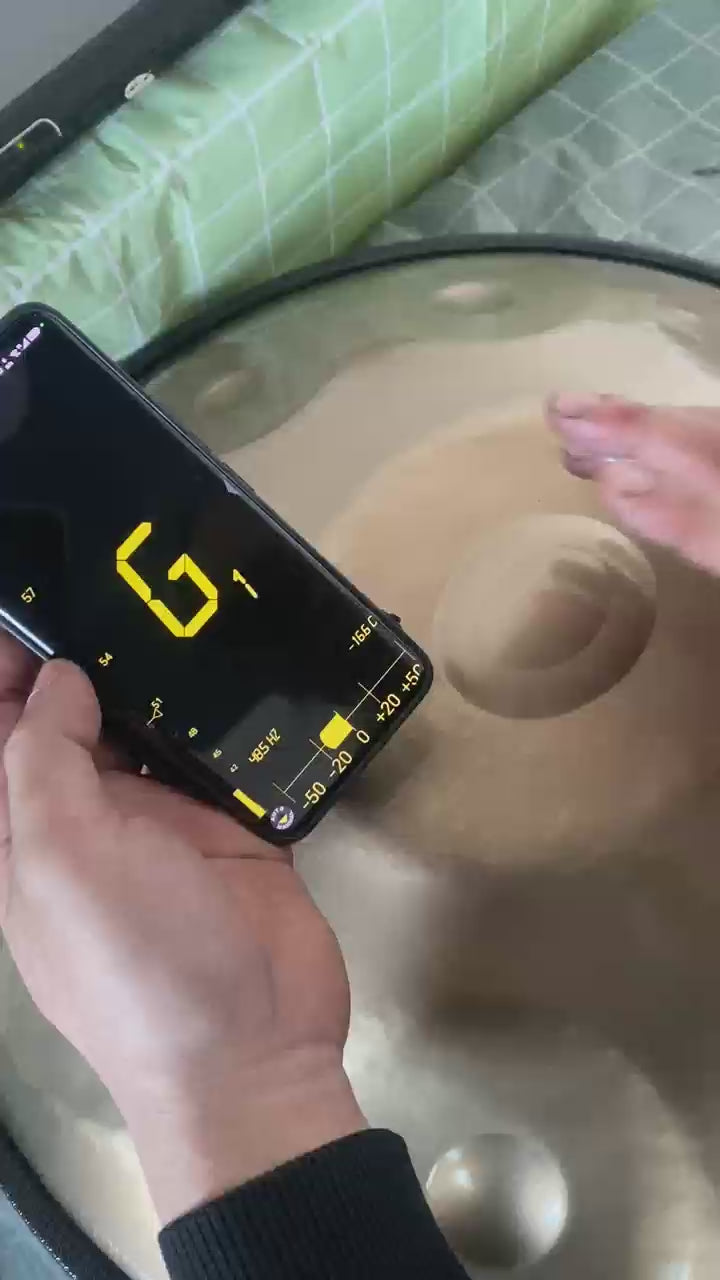
The longevity of the instrument's tuning—its stability—is a hallmark of quality and justifies a premium price. Cheap, poorly tuned Handpans may sound acceptable initially but quickly lose their pitch integrity due to temperature changes or aggressive play. Professional makers invest in advanced heat treatments and spend exhaustive hours ensuring the tuning will hold for years, distinguishing a worthwhile investment from a disposable instrument. This attention to detail is non-negotiable for anyone serious about music or sound therapy.
Material Matters: Nitrided Steel vs. Stainless Steel Handpan Price
The choice of metal sheet—either nitrided steel or stainless steel—not only impacts the durability and maintenance of the instrument but also its sound character and, consequently, the final **steel handpan price**.
Nitrided Steel Handpans
Nitrided steel, a form of steel treated with nitrogen to create an extremely hard and rust-resistant surface, was the material used in the original Hang (the Handpan's predecessor). Nitrided Handpans are characterized by:
- **Sound:** Shorter sustain (3-5 seconds), resulting in a "duller," more percussive, and reserved tone. The notes do not blend as much.
- **Maintenance:** While rust-resistant, they still require occasional treatment and are not entirely maintenance-free, particularly in highly humid environments.
- **Price:** Often slightly less expensive than stainless steel versions, but the difference is marginal for professional models.
Stainless Steel Handpans
Stainless steel, often including specialized alloys like Ember Steel, has become increasingly popular, despite being harder to work with (which increases the maker's labor time). Stainless steel Handpans offer:
- **Sound:** Significantly longer, dreamier sustain (8-10 seconds), a brighter, louder, and more melodic tone. Ideal for slow, ambient, or sound healing music.
- **Maintenance:** Exceptionally rust-resistant, requiring little-to-no maintenance, even near the ocean, making them a high-value investment.
- **Price:** Generally command a slightly higher **steel handpan price** due to the difficulty of tuning the material and its superior resistance to corrosion.
For players focused on rhythmic, fast-paced music, nitrided steel is often preferred. For those seeking deep resonance and meditative tones, the stainless steel Handpan justifies its higher price point.
Note Count and Scale Complexity: The Price of Possibilities
The number of notes and the complexity of the musical scale directly contribute to the **steel handpan price** due to the added labor involved.
The Price Premium for Notes
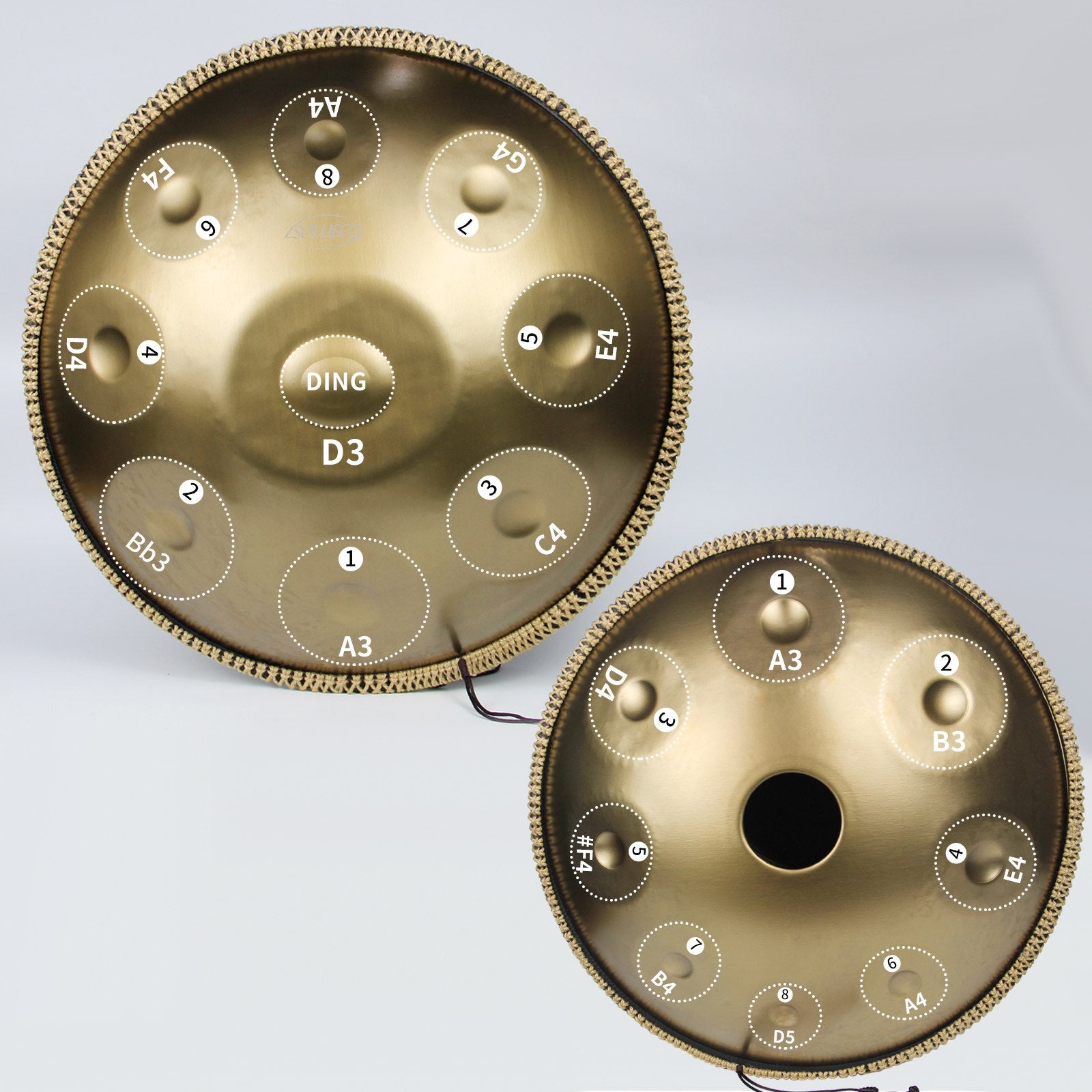
Most Handpans feature between 9 and 17 notes. The 9-note Handpan, often tuned to a classic D Minor scale, is the most common starting point. Each additional note beyond the basic 8 or 9 requires more tuning time, more raw material surface area, and exponentially increases the risk of the entire instrument going out of tune during the process. Consequently, a **Double-Sided 17-Note Handpan** will be substantially more expensive than a standard 9-note model, not just because of the added notes, but because of the increased expertise required to maintain harmonic balance across two shells.
Low Notes and Scale Rarity
Scales featuring very low notes (e.g., F2 or G2 bass tones) also increase the **steel handpan price**. Lower notes require larger tone fields, which are notoriously difficult to tune and stabilize. Similarly, rare or custom scales that deviate from the standard Kurd, Celtic, or Amara scales demand more research and development time from the maker, adding a significant premium to the final cost. This is the realm where professional and custom prices quickly exceed the \$4,000 mark.
Brand Reputation and Maker Expertise
In the Handpan world, the brand is synonymous with quality control and assurance. Established, reputable makers like Pantheon Steel, Saraz, Ayasa Instruments, and **Cosmos Handpan** have earned their reputation through years of consistent, high-quality production, and their instruments naturally command a premium **steel handpan price**.
The Value of a Trusted Name
When you purchase from a trusted brand, you are investing in a guarantee of:
- **Tuning Accuracy:** Precision tuning that has been tested and verified by experienced musicians.
- **Resale Value:** Handpans from respected makers maintain excellent resale value on the secondary market.
- **Customer Support:** Access to retuning services and warranty programs, which are vital for maintaining the instrument over its lifespan.
Newer or unknown manufacturers may offer a cheaper **steel handpan price**, but this often comes with a significant risk of poor sound quality, tuning instability, and lack of support, potentially turning a budget buy into a costly error.
Product Spotlight: Cosmos Handpan Price Points (2026)
Cosmos Handpan, a leading manufacturer known for balancing quality craftsmanship with accessible pricing, provides an excellent benchmark for the current market. Their offerings illustrate how note count and design complexity directly influence the final **steel handpan price** in 2026.
Cosmos Handpan Price Examples
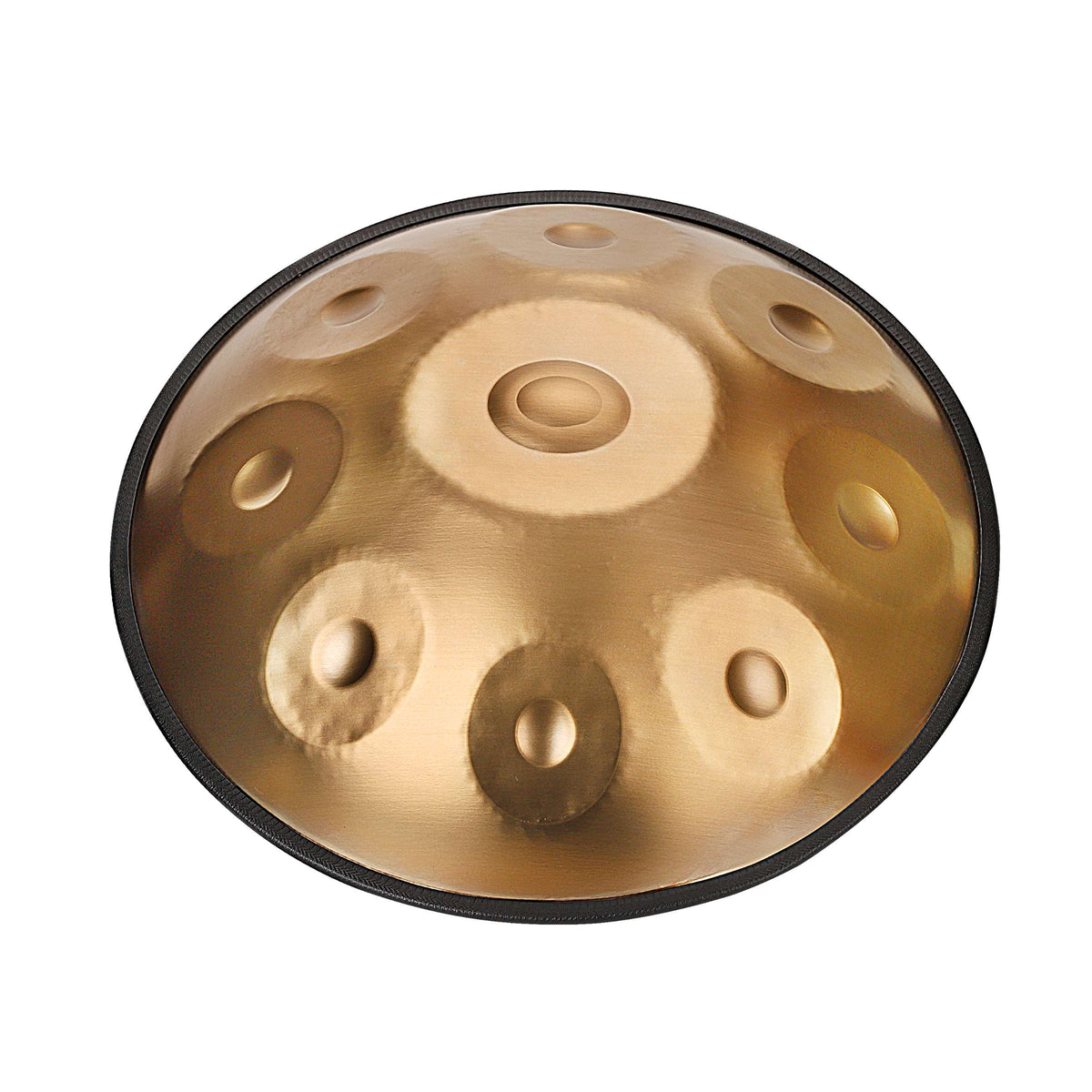
Price: $649.00 USD
- **Category:** Entry/Mid-Range.
- **Description:** A classic 9-note configuration, ideal for beginners or those seeking the pure, traditional D Minor scale. The cost reflects an accessible starting point without sacrificing quality craftsmanship.
- **Value Proposition:** Excellent tuning stability and rich harmonics at a highly competitive **steel handpan price**, making it one of the best value propositions for the new player.
Price: $949.00 USD
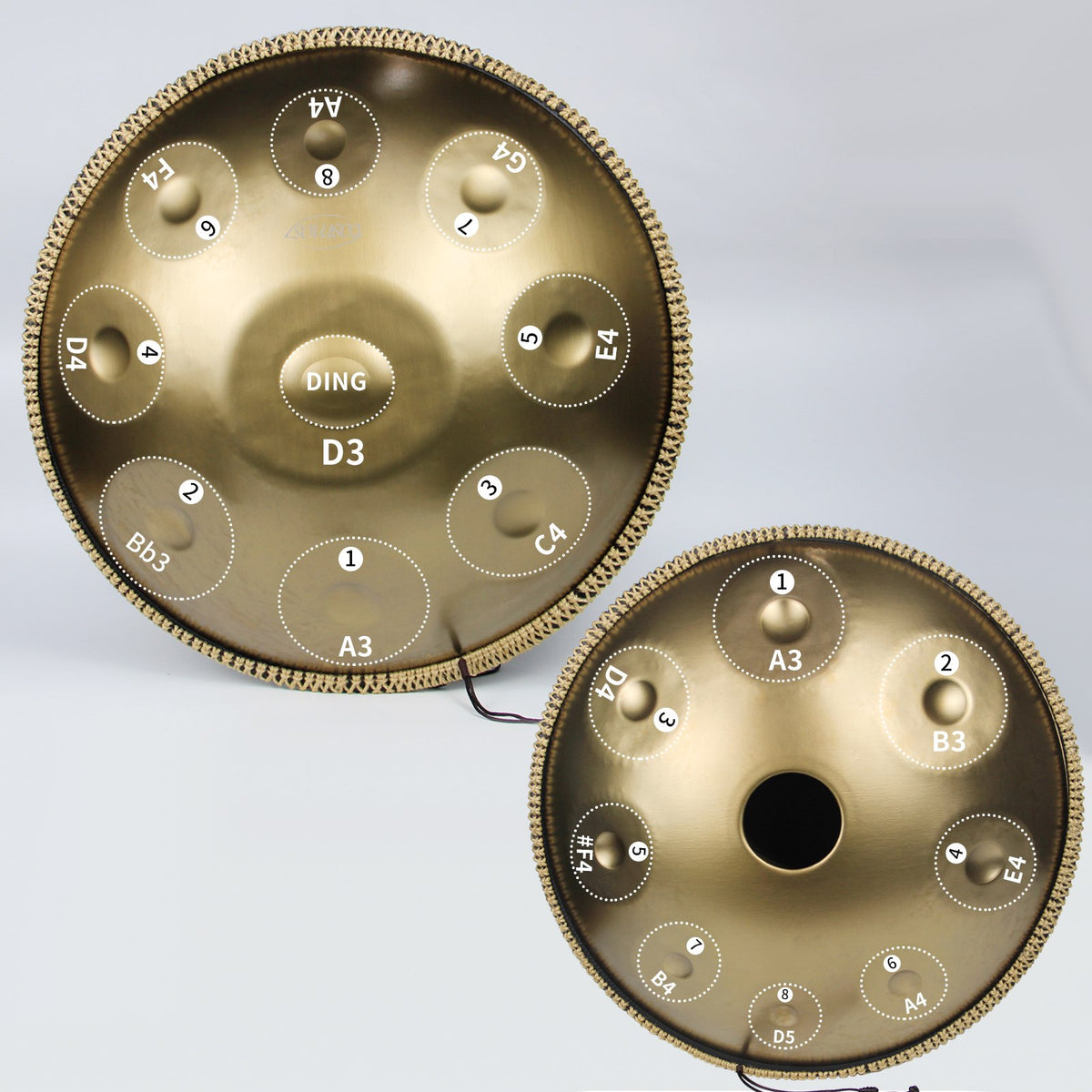
- **Category:** Advanced/Mid-Range.
- **Description:** Features 17 notes across both sides of the instrument, offering an expanded musical range and versatility.
- **Value Proposition:** The increased complexity of a 17-note instrument requires significantly more tuning time and expertise. The higher price justifies the doubled note count and the added structural challenge of creating a **double-sided** instrument, which is a key factor in the overall **steel handpan price**.
These examples demonstrate that while the upper-tier of artisan handpans can exceed \$5,000, there are high-quality, mid-range options available that make the instrument accessible to a broader audience in 2026.
Handpan Price Factor Summary Table (2026)
Key factors that directly determine the final **steel handpan price** and how they affect the buyer's decision.
| Price Factor | Price Impact (Low to High) | Buyer Consideration |
|---|---|---|
| **Notes Count** | 9-10 Notes (Lower) to 15+ Notes or Double-Sided (Higher) | Beginners should start with 9-10 notes; professional musicians will seek higher counts/complexity. |
| **Material** | Nitrided Steel (Slightly Lower) to Stainless Steel/Ember Steel (Slightly Higher) | Stainless is better for rust resistance and long sustain (melodic playing); Nitrided is better for percussive playing. |
| **Craftsmanship** | Machine-Pressed (Lower) to Master Hand-Tuned (Highest) | Determines long-term tuning stability, tone quality, and harmonic richness—a critical quality marker. |
| **Scale Rarity** | D Minor Kurd (Standard/Lower) to Custom/Rare Scales (Significantly Higher) | Rare scales require more R&D time from the maker and are suitable for advanced or specialized performances. |
| **Brand/Maker** | New/Unknown Brands (Lowest) to Reputable Pioneers (Premium Price) | A trusted brand like **Cosmos Handpan** guarantees quality, customer support, and good resale value. |
Frequently Asked Questions (FAQs) About Handpan Pricing
A: The **steel handpan price** is high primarily because of the extensive, specialized human labor required for tuning. A steel tongue drum (tongue drum) is cut by machine, which keeps its cost low. A Handpan is meticulously hammer-tuned to create complex, harmonized notes (fundamental, octave, and fifth) within each tone field, a process that can take a master craftsman several days and cannot be replicated by a machine.
A: A reasonable price for a high-quality, beginner-friendly 9-note Handpan from a reputable brand falls between \$1,500 and \$3,000 USD. However, excellent value options, like the 9-note offerings from **Cosmos Handpan** (around \$650), exist for those on a strict budget, provided the tuning is verified as stable.
A: While the core cost is driven by tuning, some aesthetic finishes, particularly specialized heat treatments or coatings designed to enhance rust resistance (like Ember Steel, a type of stainless steel), do increase the initial material and production cost, contributing slightly to the final **steel handpan price**.
A: Used handpans from premium makers (Yishama, Saraz, Pantheon Steel) often retain 70% to 90% of their original value, especially if they are well-maintained and have certified stable tuning. Handpans from less reputable sources should be approached with caution, as retuning a damaged or cheap instrument can cost several hundred dollars.
References and Further Reading
- World Steel Association (Worldsteel). (2025). *Short Range Outlook (SRO) 2025-2026* (Analysis of global steel price trends).
- Cosmos Handpan. (2026). *Handpan Price Guide and Product Catalog* (Direct pricing and material specifications).