In the expansive realm of modern percussion, the handpan stands as a symbol of tranquility and musical intuition. As we move into 2026, the global community of players continues to expand, seeking the perfect harmony between metal and melody. At the core of every successful practice session is a comprehensive understanding of your handpan notes chart. This guide serves as your roadmap, helping you navigate the complex geometry of steel and sound to unlock the full potential of your instrument.

Table of Contents
- The Importance of a Handpan Notes Chart
- The Cosmos Handpan Story
- Anatomy of the Steel Canvas
- Popular Scales and Note Layouts
- Why Cosmos is Ideal for Beginners
- Popular Cosmos Handpan Products
- The Mathematics of Resonance
- How to Read a Circular Chart
- Preserving Tonal Accuracy
- Scale Comparison Table
- Frequently Asked Questions
- References
The Importance of a Handpan Notes Chart
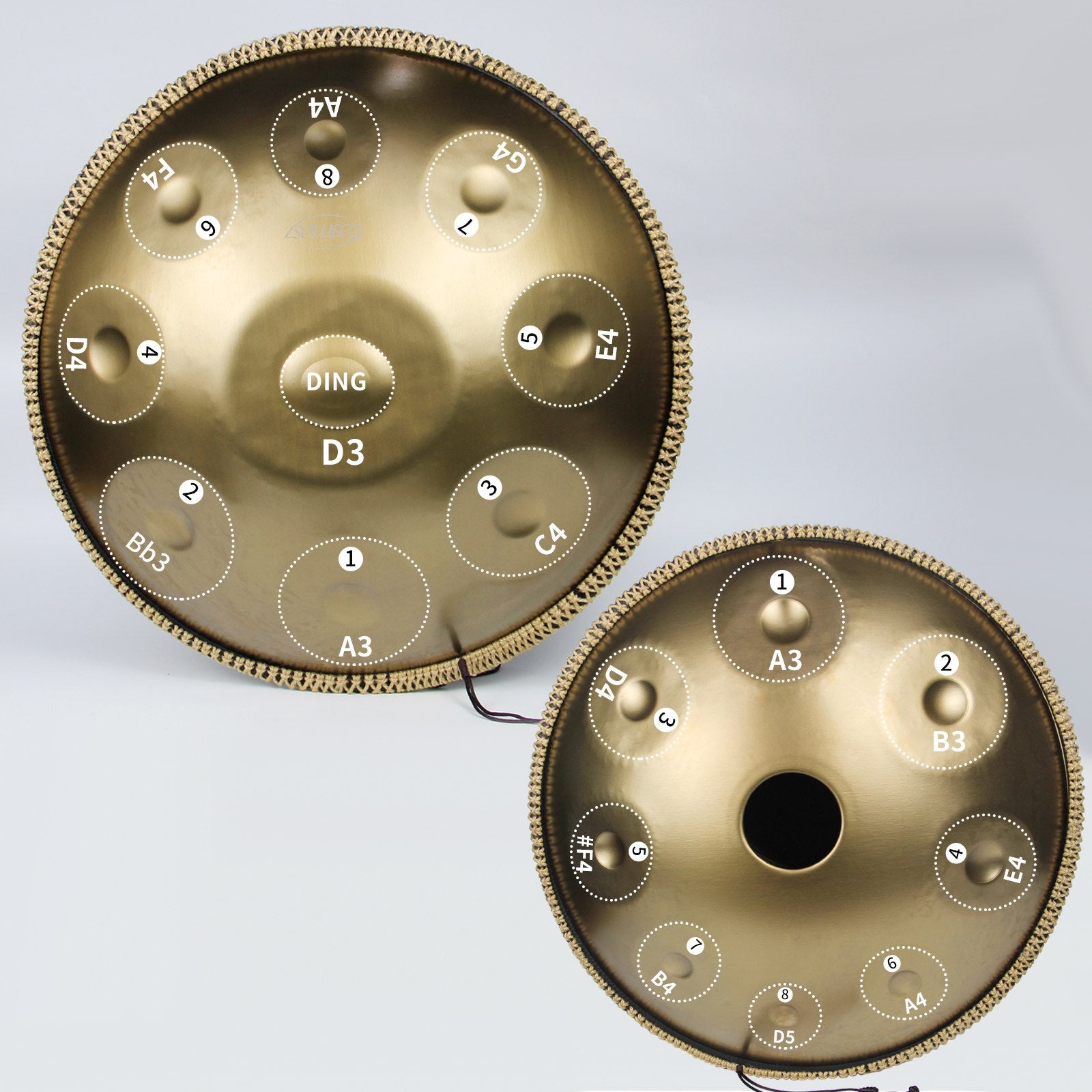
A handpan notes chart is far more than a simple diagram; it is a vital pedagogical tool that bridges the gap between the physical instrument and musical theory. Unlike standard western instruments like the piano, where notes are laid out in a linear fashion, the handpan utilizes a circular, staggered geometry. This layout is designed to maximize sympathetic resonance—the phenomenon where striking one note causes others to vibrate in harmony. Without a handpan notes chart, a player may struggle to find the logical progression of a scale, leading to fragmented melodies and frustration.
By studying a handpan notes chart, players can visualize the relationship between the Ding (the central note) and the surrounding tone fields. This visualization is essential for developing muscle memory. In 2026, digital and interactive handpan notes charts have become common, allowing users to hear the note before they even touch the steel. However, the foundational principle remains the same: knowing where your notes are is the first step toward creative freedom.
The Cosmos Handpan Story
The Cosmos Handpan Story

The story of Cosmos Handpan began with a shared dream among passionate music lovers—to create an instrument capable of inspiring people around the world. Their journey took them through years of experimentation with shapes, materials, and acoustic engineering until they discovered the perfect formula for producing the signature Cosmos sound. By strictly adhering to a precisely calibrated handpan notes chart during the tuning process, Cosmos has set a new standard for tonal purity.
The Cosmos team consists of highly skilled craftsmen dedicated to precision, tonal purity, and artistic excellence. Every handpan is made with care, combining artistic beauty with acoustic perfection. For Cosmos, the handpan notes chart is the blueprint of a soul-stirring experience, ensuring that every instrument delivered to a musician is a masterpiece of sonic engineering.
Anatomy of the Steel Canvas
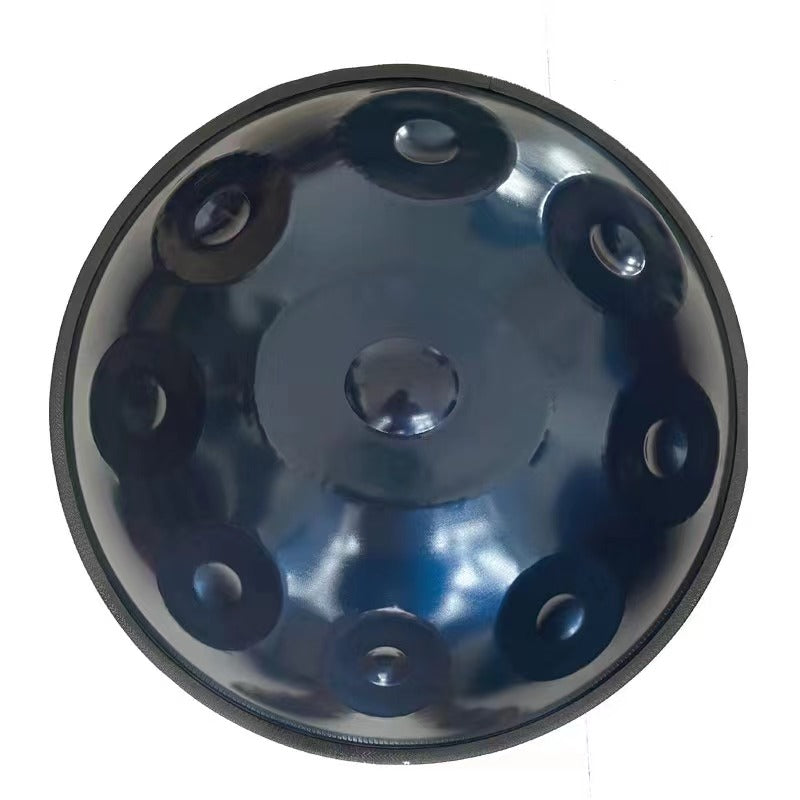
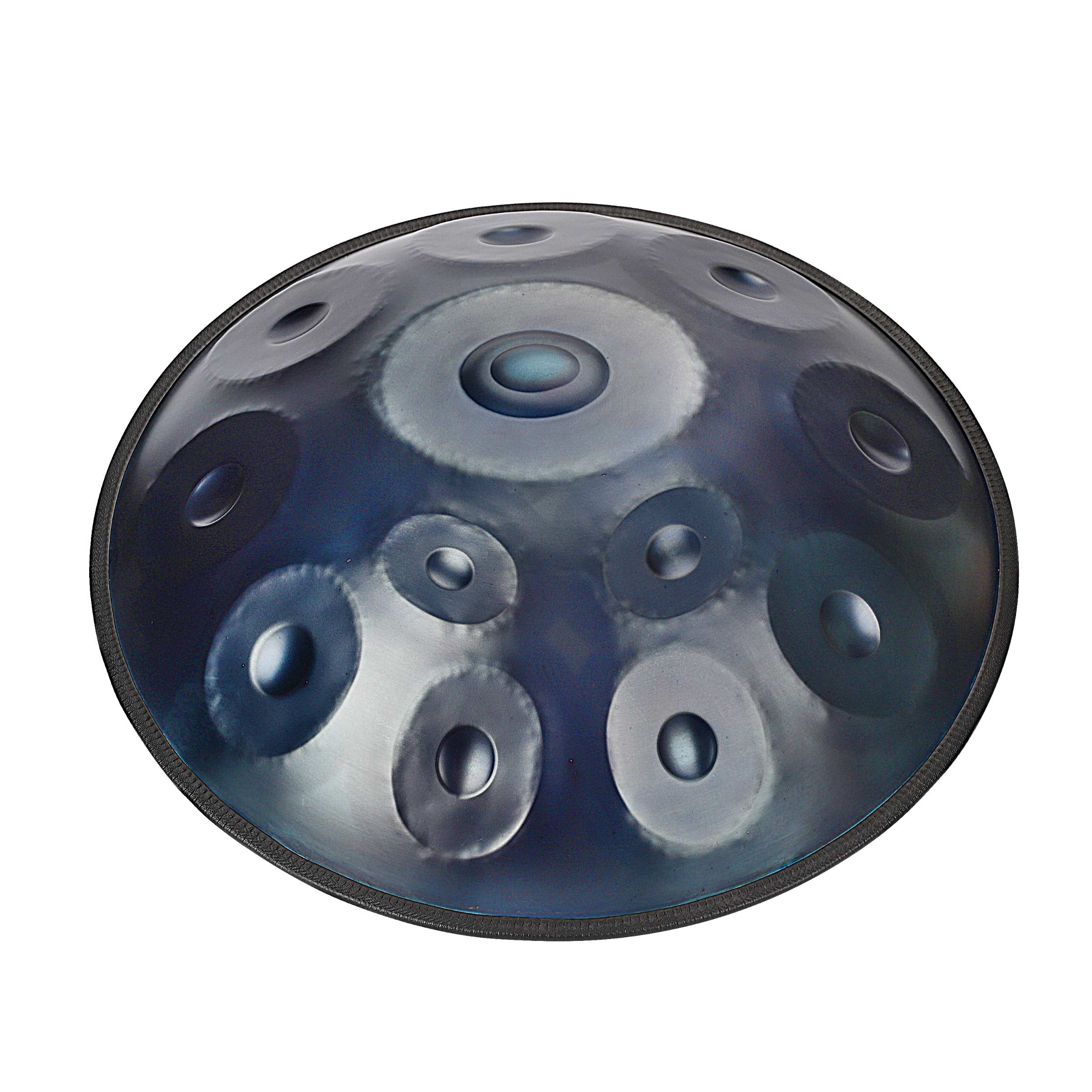
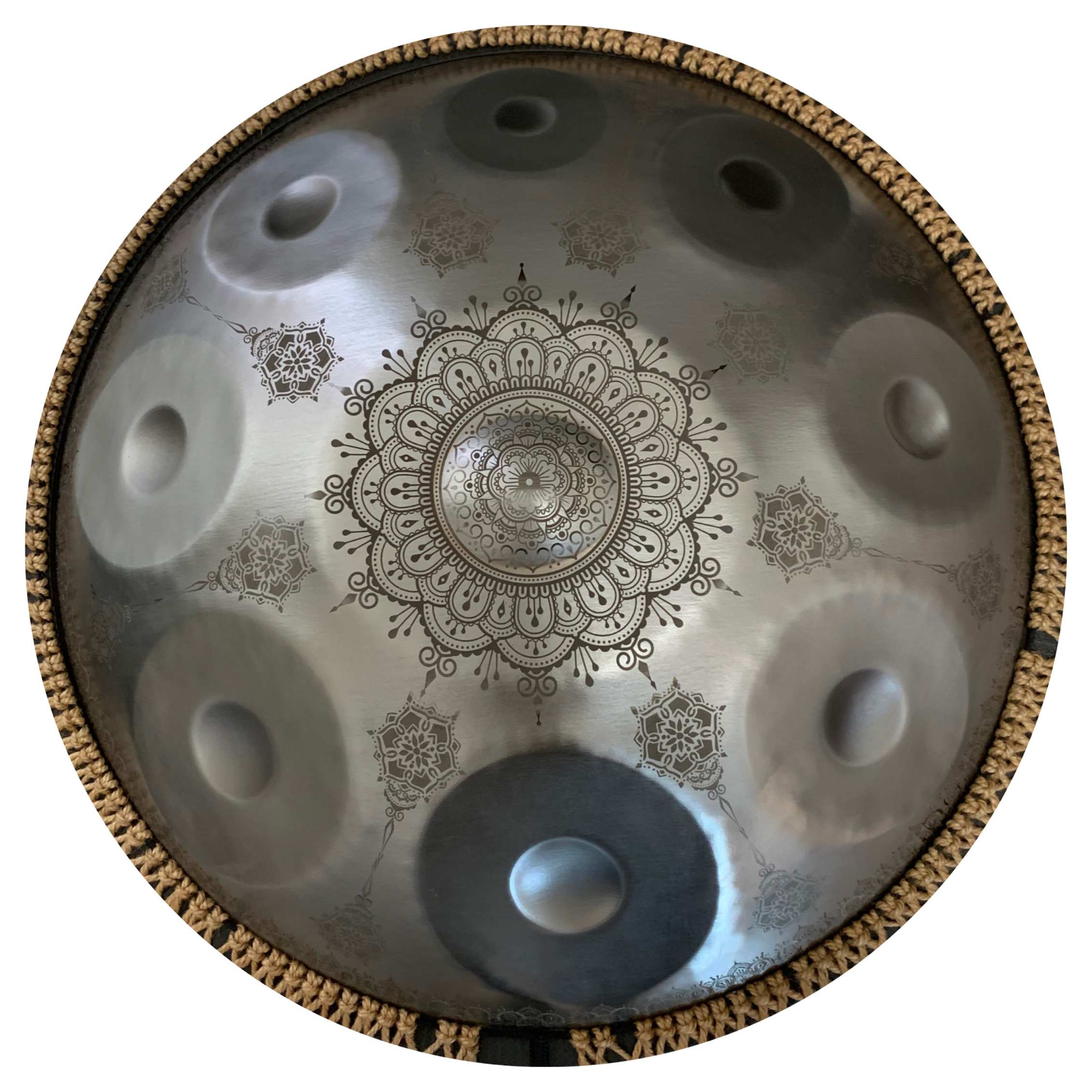
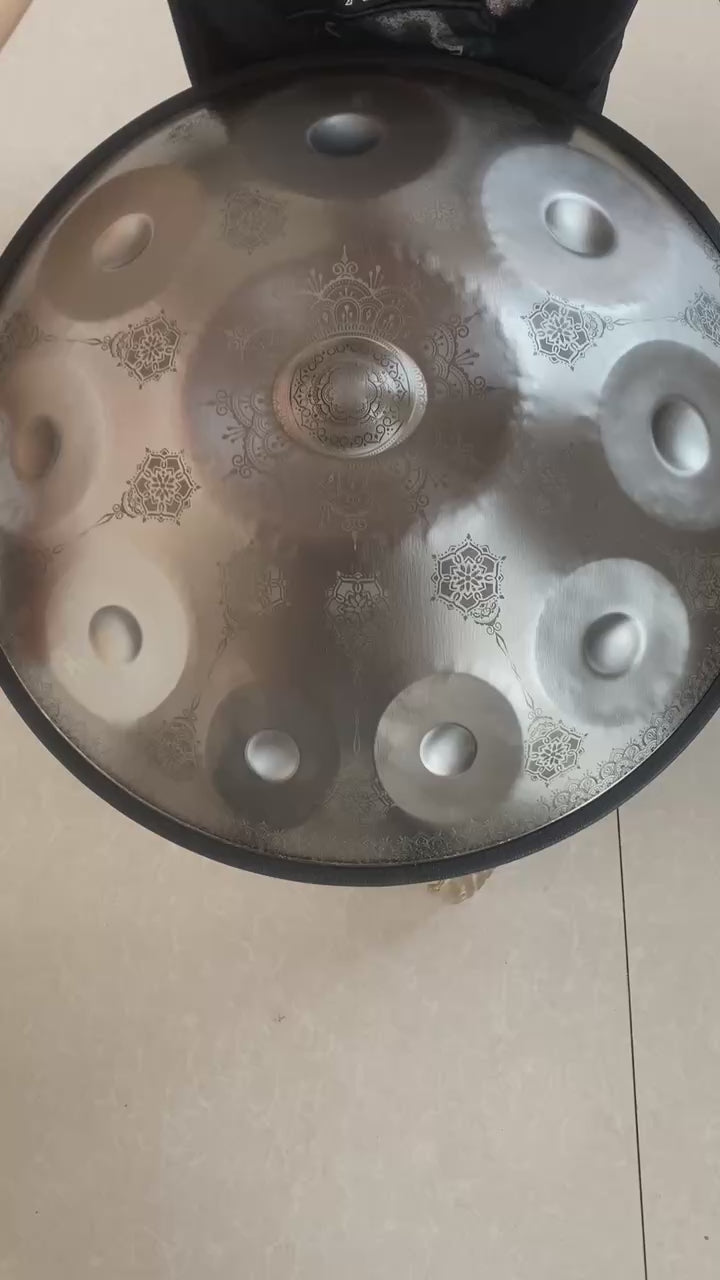
To truly understand a handpan notes chart, one must understand the physical structure of the instrument. A standard handpan consists of two shells of nitrided or stainless steel glued together. The top shell contains the notes, while the bottom shell features the sound hole, known as the Gu. The handpan notes chart typically focuses on the top shell, where the melody is created.
The Ding: The Heart of the Scale
The center of your handpan notes chart is always the Ding. This is the lowest note and provides the tonal foundation for the entire instrument. Usually tuned to a bass frequency (like D3 or C#3), the Ding acts as a rhythmic and melodic anchor. Most compositions begin and end with this central note, making it the most frequently struck area on the handpan notes chart.
The Tone Fields: Surrounding Melodies
Surrounding the Ding are the tone fields. On a professional handpan notes chart, these are numbered from 1 to 9 (or more), alternating in a zigzag pattern from left to right. This alternating layout allows the player to use both hands efficiently, creating a flowing, percussive dance. Understanding this zigzag pattern is the key to unlocking fast melodic runs and complex chord structures.
Popular Scales and Note Layouts
The beauty of the handpan lies in its fixed scale. You cannot play a wrong note because every note on the handpan notes chart is tuned to be harmonious with the others. In 2026, several scales have emerged as the global favorites for both meditation and performance.
D Kurd: The Modern Standard
The D Kurd scale is arguably the most common layout featured on a modern handpan notes chart. It is a full minor scale that offers a wide emotional range—from deep sadness to uplifting hope. Because it includes all the notes of the natural minor scale, it is highly compatible with other instruments, making it a favorite for collaborative musicians.
Celtic Minor: The Ethereal Choice
For those seeking a more mystical sound, the Celtic Minor handpan notes chart is the gold standard. By omitting certain notes of the scale, it creates a more open and "airy" feeling. This scale is perfect for sound baths and solo meditation, as it allows for long, sustaining notes that seem to float in the air.
Why Cosmos is Ideal for Beginners
Starting your journey with a new instrument can be intimidating, but choosing an instrument that aligns with a clear, standard handpan notes chart simplifies the process. Cosmos Handpans are engineered with the beginner in mind, ensuring that the transition from admirer to player is as smooth as possible.
- Consistent Quality: Every instrument meets rigorous quality standards, ensuring your handpan notes chart remains accurate for years.
- Beginner-Friendly Designs: Thoughtfully crafted for new players, with intuitive note spacing that prevents accidental strikes.
- Excellent Support: Comprehensive resources for learning, including video tutorials that correspond directly to your handpan notes chart.
- Value Pricing: Professional quality at accessible prices, making the dream of owning a handpan a reality for more people.
- Community Access: Connect with other Cosmos players worldwide to share tips on reading your handpan notes chart and mastering new techniques.
Popular Cosmos Handpan Products
Depending on your musical goals, the number of notes on your handpan notes chart will vary. Here are the most popular configurations offered by Cosmos in 2026:
9 Notes Handpan
Perfect For: Absolute beginners. With a simplified handpan notes chart, this instrument offers a simple, affordable entry into handpan music without overwhelming the player.
10 Notes Handpan
Perfect For: Most beginners. This is the industry standard. It provides a balanced versatility and playability that suits almost every musical genre.
12 Notes Handpan
Perfect For: Committed learners. An extended range for musical exploration, allowing for more complex melodies that require a denser handpan notes chart.
17 Notes Handpan
Perfect For: Serious enthusiasts. Featuring notes on both the top and bottom shells, this offers maximum musical possibilities for the virtuoso player.
The Mathematics of Resonance
Every note on a handpan notes chart is actually a combination of three frequencies: the fundamental, the octave, and the fifth. This is what gives the handpan its unique, choir-like sound. For example, if the fundamental note on your handpan notes chart is A3, the tuner also hammers in an A4 and an E5 into the same tone field. When you strike that note, all three frequencies ring out together.
A professional handpan notes chart helps you understand which notes share harmonics. When you play two notes that share a "fifth" or an "octave," the resonance is amplified. This is why certain combinations on your handpan notes chart sound much more powerful than others. Advanced players use the chart to map out these harmonic relationships to create a wall of sound.
How to Read a Circular Chart
If you are looking at a handpan notes chart for the first time, imagine you are looking down at the instrument from above. The large circle in the middle is the Ding. The smaller circles around it are the tone fields. Usually, the lowest note (Note 1) is closest to the player's body. The next note (Note 2) will be directly across the Ding, or slightly to the side.
To master your handpan notes chart, practice moving your eyes in the numerical order of the notes. 0, 1, 2, 3... and so on. Notice how your hands must move to follow this sequence. This is the zigzag motion. Most handpan notes chart tutorials suggest starting with slow scales to build the connection between the visual chart and the physical location on the steel.
Preserving Tonal Accuracy
A handpan is a precision-tuned instrument, and its accuracy relative to the handpan notes chart can be affected by several factors. Heat is the primary enemy; leaving your handpan in a hot car can cause the metal to expand, temporarily pushing the notes out of tune. Over time, aggressive playing can also cause the notes to "drift" from their original frequency on the handpan notes chart.
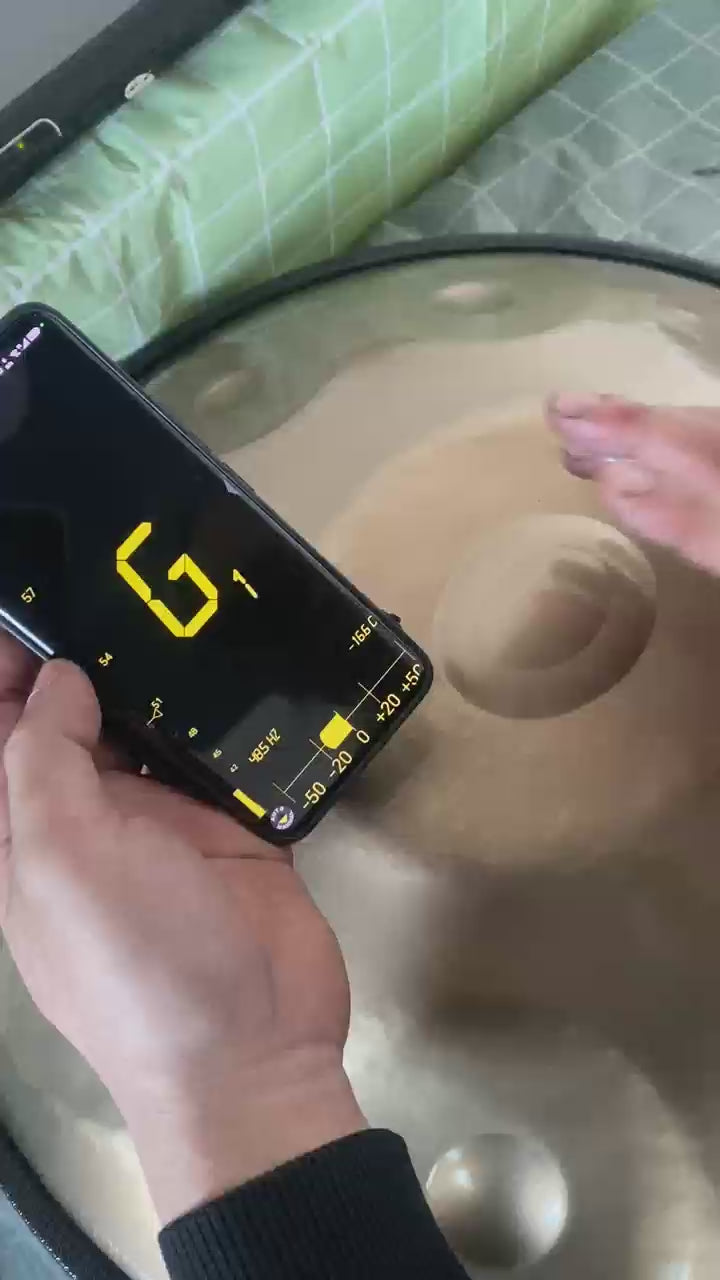
To ensure your instrument remains faithful to its handpan notes chart, regular maintenance is required. Applying a light coating of specialized oil prevents rust, which can dampen vibrations and alter the pitch. In 2026, many Cosmos players use digital tuners to check their instruments against their handpan notes chart once a month to ensure everything is still perfectly calibrated.
Scale Comparison Table
Choosing the right scale is a deeply personal choice. Use the table below to compare how different scales affect the layout of your handpan notes chart.
| Scale Name | Note Count | Emotional Quality | Difficulty Level |
|---|---|---|---|
| D Kurd | 10 Notes | Mystical & Versatile | Beginner |
| Celtic Minor | 9 Notes | Dreamy & Ethereal | Beginner |
| Hijaz | 10 Notes | Exotic & Middle-Eastern | Intermediate |
| Integral | 9 Notes | Deep & Introspective | Beginner |
| Equinox | 11 Notes | Bright & Balanced | Intermediate |
Frequently Asked Questions
No. Because the notes are physically hammered and tuned into the steel, you cannot change the scale of a handpan. This is why it is crucial to research the handpan notes chart and listen to sound samples before making a purchase.
440Hz is the standard for modern music, allowing you to play with other instruments. 432Hz is often used for meditation and is said to be more "in tune" with nature. Both will follow the same handpan notes chart layout, but the base pitch will be slightly different.
A 9 or 10 note handpan is perfect for beginners. It provides enough variety to create beautiful music without the handpan notes chart becoming too cluttered or confusing to navigate.
These are called "bottom notes." They allow for a larger melodic range. While they make the handpan notes chart more complex, they offer more possibilities for advanced players who have mastered the top shell.
References
- The Physics of the Steelpan and Handpan - Acoustic Research Society 2025.
- Ethnomusicology Journal: The Rise of Modern Idiophones in the 21st Century.
Understanding your handpan notes chart is the definitive gateway to a fulfilling musical experience. Whether you are seeking the deep, resonant tones of a 17-note professional instrument or the simple, pure joy of a 9-note beginner pan, your journey begins with the map of the notes. By choosing a quality maker like Cosmos Handpan, you ensure that every strike on the steel is backed by years of craftsmanship and a commitment to acoustic perfection.
May your journey through the world of handpan music be filled with discovery and harmony. As you practice, keep your handpan notes chart close, but eventually, let your hands find their own way through the steel.