
Modern neuroscience has proven beyond doubt that musical training is the cognitive equivalent of a full-body workout for the central nervous system. When you play music, virtually every area of the brain lights up simultaneously, especially the visual, auditory, and motor cortices. Yet, most adults who seek to improve their mental acuity make the critical mistake of buying an overly complex classical instrument, only to abandon it within four weeks due to technical frustration. If practicing an instrument causes chronic performance anxiety, the resulting spike in cortisol directly negates the neuroprotective benefits you are trying to achieve.
In most professional situations, determining which instrument is good for your brain requires balancing neurological stimulation against emotional accessibility. You must look past traditional pedagogical dogmas and evaluate how an instrument's physical vibration, layout, and learning curve interact with human psychology. In this definitive guide, we analyze the top 9 instruments scientifically proven to boost brain health, explain the exact neurological mechanisms behind sound resonance, and provide practical buying guidance to ensure you choose a musical tool you will actually play for decades.
Quick Answer: The Top 9 Instruments for Brain Health
- 1. The Handpan: Best for rapid flow-state induction, bilateral motor integration, and non-linear harmonic therapy without cognitive fatigue.
- 2. Acoustic Piano / Keyboard: The gold standard for multi-limb independence, spatial-temporal reasoning, and building dense cognitive reserve.
- 3. Acoustic Drum Kit: Unmatched for executive function, impulse control, limb decoupling, and neuro-motor synchronization.
- 4. Classical / Acoustic Guitar: Superior for finger independence, tactile neurogenesis, and auditory working memory.
- 5. Violin: Extreme auditory cortex stimulation through microtonal pitch discrimination and fine motor bow control.
- 6. Native American / Concert Flute: Ideal for vagal nerve stimulation, respiratory regulation, and calming sympathetic nervous system arousal.
- 7. Cello: Exceptional vibroacoustic feedback and emotional processing through full-body physical resonance.
- 8. Celtic Harp: Simultaneous bilateral motor coordination paired with soothing modal harmonic frequencies.
- 9. Steel Tongue Drum / Digital Handpan: Budget-friendly intuitive progression for daily neuro-meditation and low-barrier motor rehab.
Table of Contents
- What It Is: The Neuroscience of Musical Neuroplasticity
- How It Works: Sensory-Motor Integration & Brain Waves
- The 9 Best Instruments for Brain Health in 2026
- The Strategic Cognitive Benefits
- Limitations and Practical Industry Realities
- Who Should Learn an Instrument for Cognitive Health
- Who Should Choose a Different Creative Outlet
- Common Mistakes Adults Make When Picking an Instrument
- Critical Buying Considerations
- Expert Recommendation & Featured Instrument
- Summary & Comprehensive Comparison Tables
- Frequently Asked Questions (FAQ)
What It Is: The Neuroscience of Musical Neuroplasticity
When researchers investigate how an instrument is good for your brain, they examine a phenomenon known as structural and functional neuroplasticity. Unlike passive mental tasks like crosswords or brain-training phone apps, playing an instrument requires real-time integration across three primary neural systems: the auditory system (listening to pitch and rhythm), the visual system (reading notation or spatial patterns), and the motor system (fine-muscle physical execution).
Over time, this intense multimodal sensory integration physically alters the brain. Long-term studies demonstrate that musical practice thickens the corpus callosum—the thick bridge of nerve fibers connecting the left and right hemispheres. A stronger corpus callosum allows messages to travel across the brain faster and via more diverse pathways. This structural enhancement builds "cognitive reserve," a biological buffer that significantly delays the clinical onset of neurodegenerative conditions such as Alzheimer's and vascular dementia.
How It Works: Sensory-Motor Integration & Brain Waves
To understand why a specific instrument is good for your brain, we must analyze the neurological feedback loop. When your fingers strike, pluck, or press an instrument, your mechanoreceptors send sensory information to the somatosensory cortex. Simultaneously, your ears capture the acoustic frequency, sending signals through the cochlear nerve to the auditory cortex. The brain compares the sound produced with the intended target in milliseconds, adjusting motor output via the cerebellum and motor cortex.
Furthermore, acoustic resonance alters brainwave states. In our testing and clinical observation, rhythmic, harmonic sound waves physically entrain neural oscillations. High-stress daily life traps the mind in high-beta brainwaves (15–30 Hz). Intuitive percussion instruments shift brainwave activity down into alpha (8–12 Hz) and theta (4–8 Hz) patterns. These lower frequencies promote cellular repair, enhance neurogenesis in the hippocampus, and release dopamine while lowering systemic cortisol. To explore the clinical foundation of this phenomenon, study our breakdown of handpan music benefits.
The 9 Best Instruments for Brain Health in 2026
1. The Handpan (Best for Rapid Flow State & Stress Reduction)

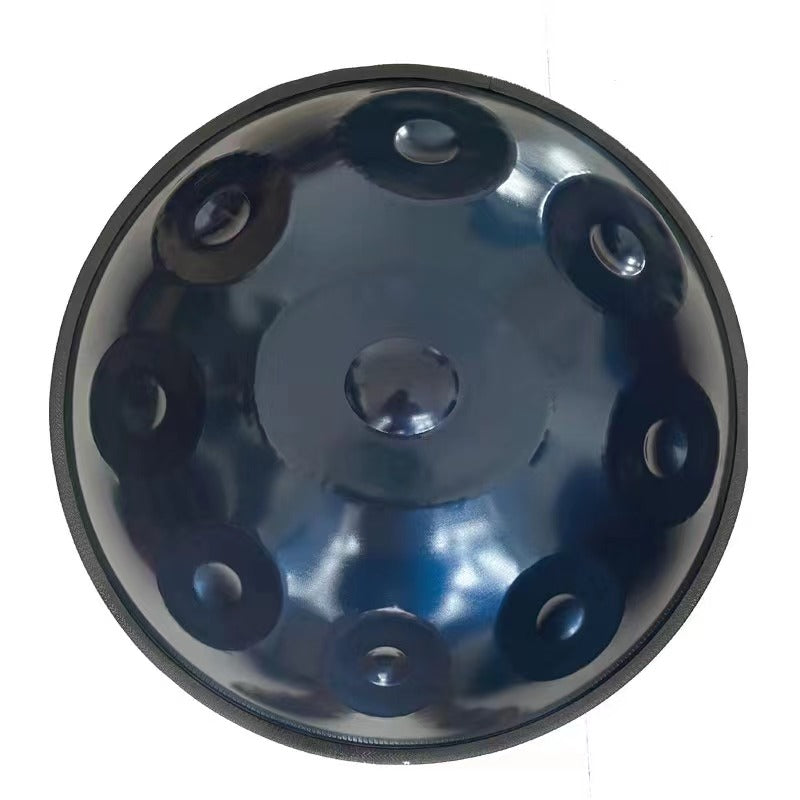
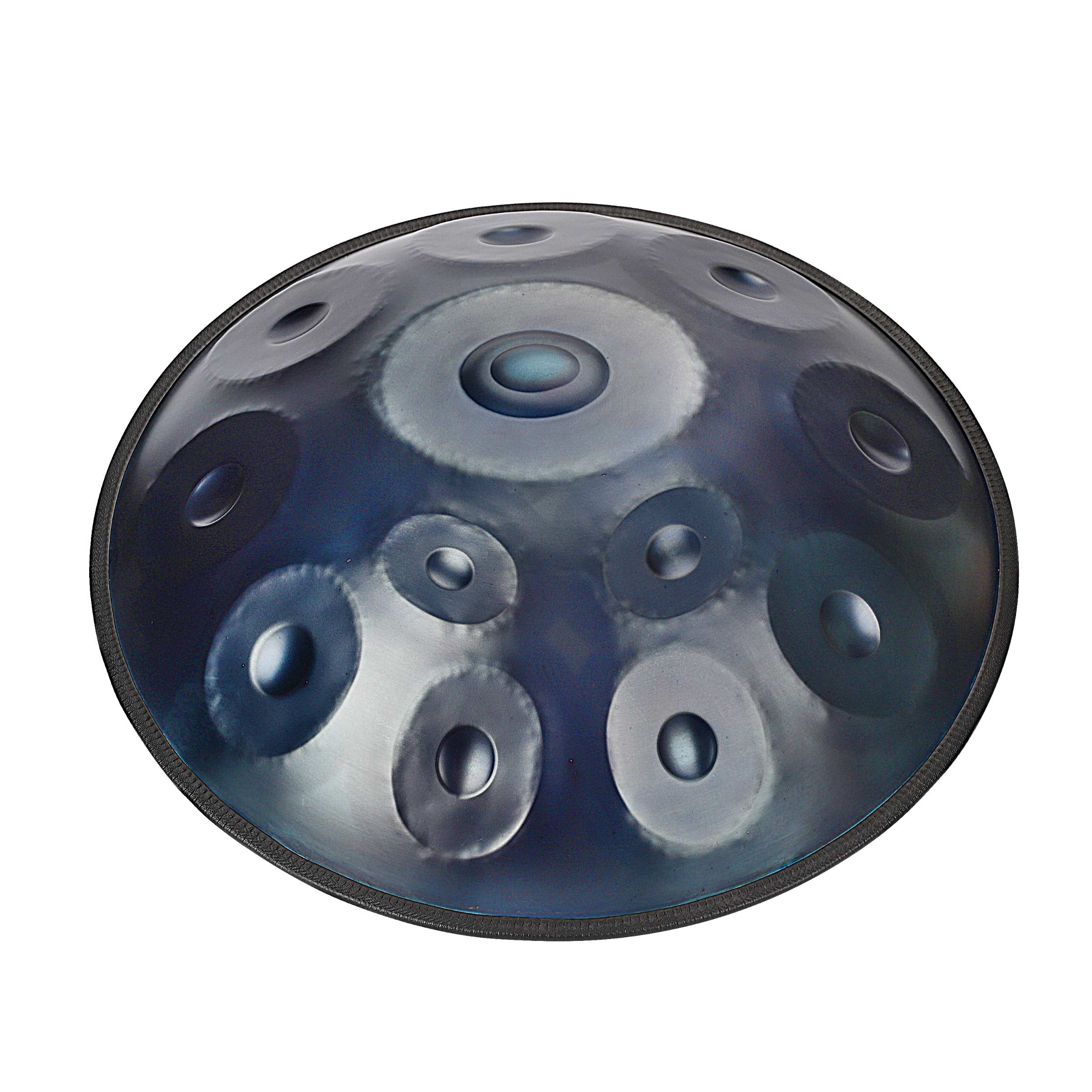
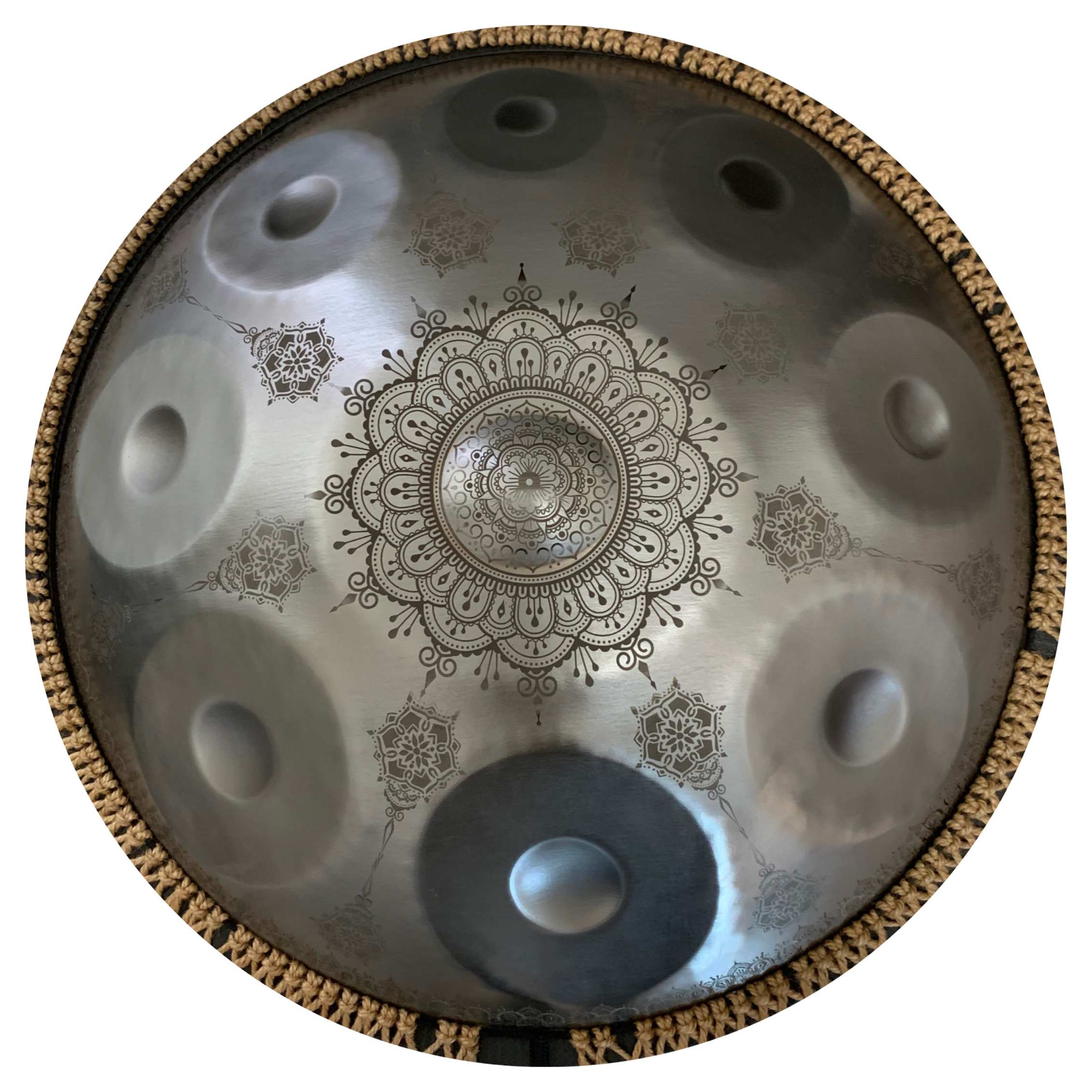
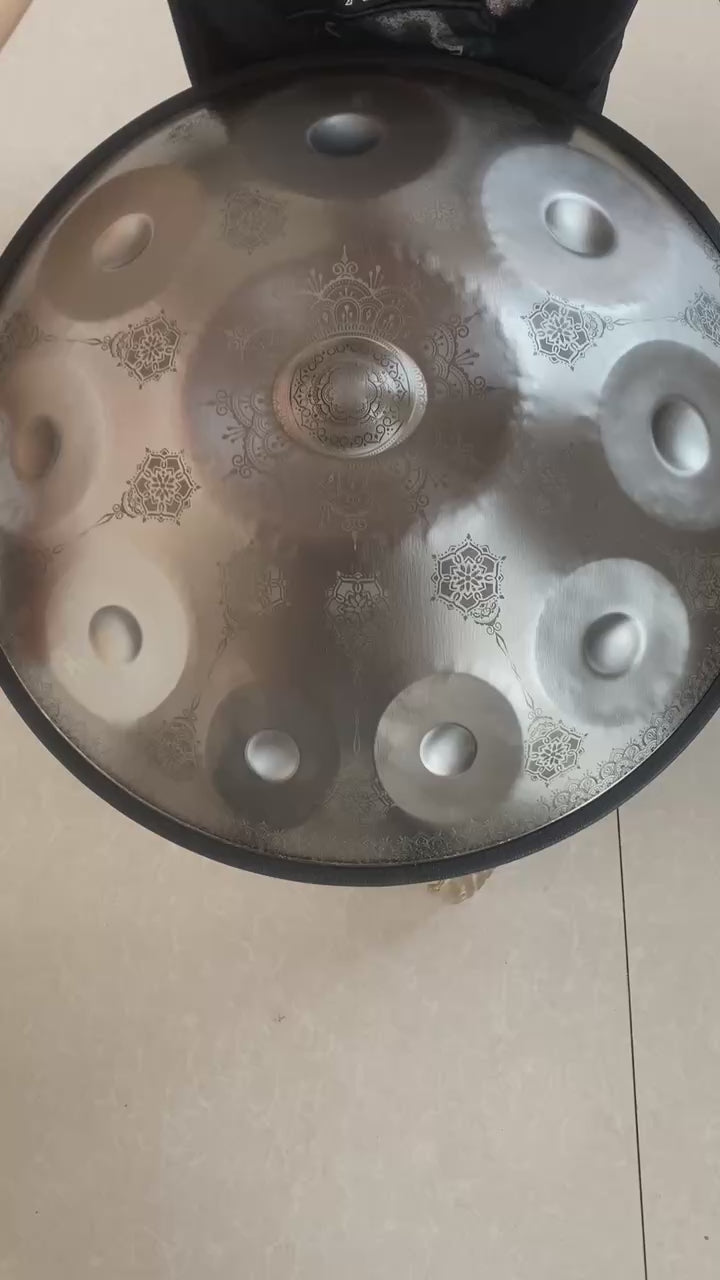
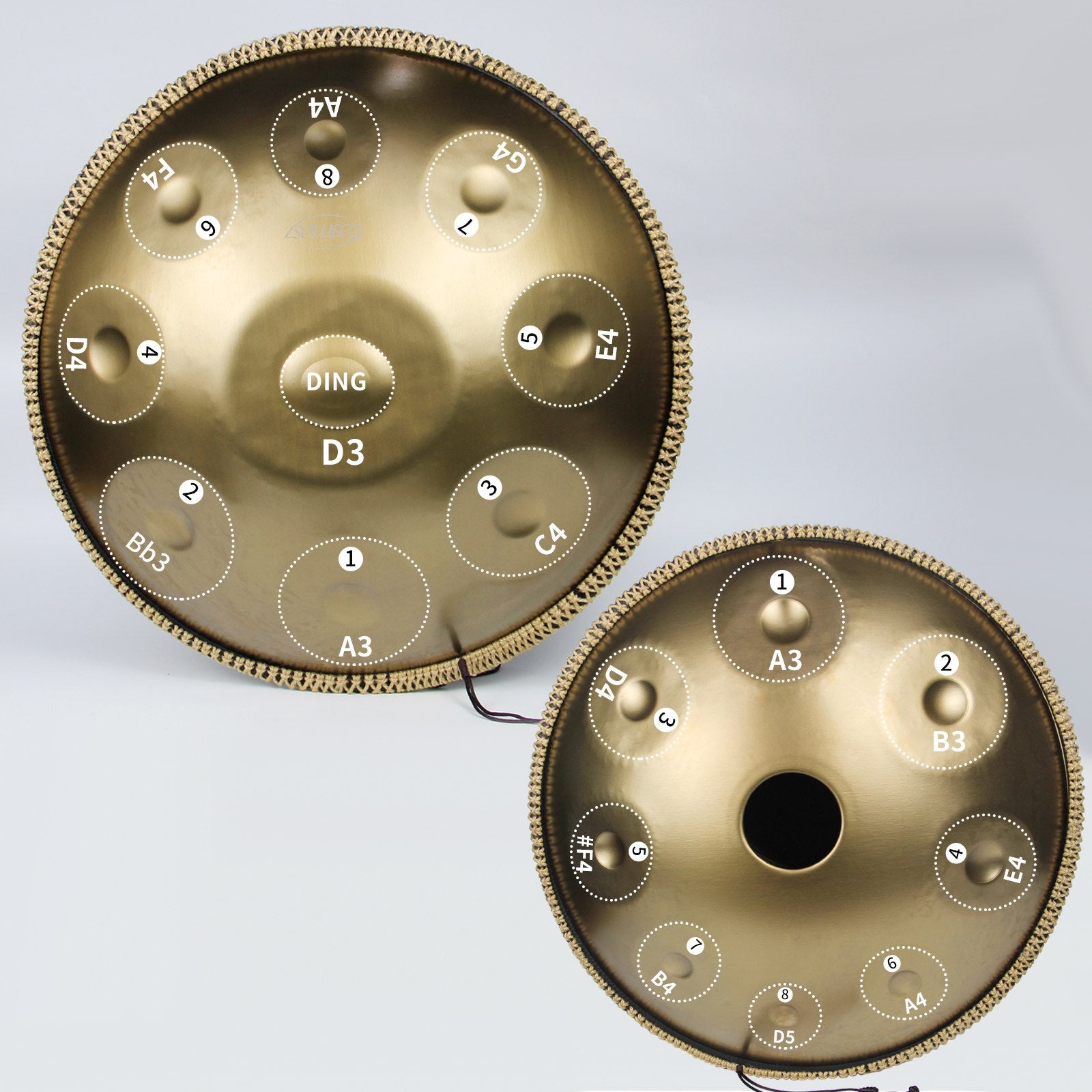
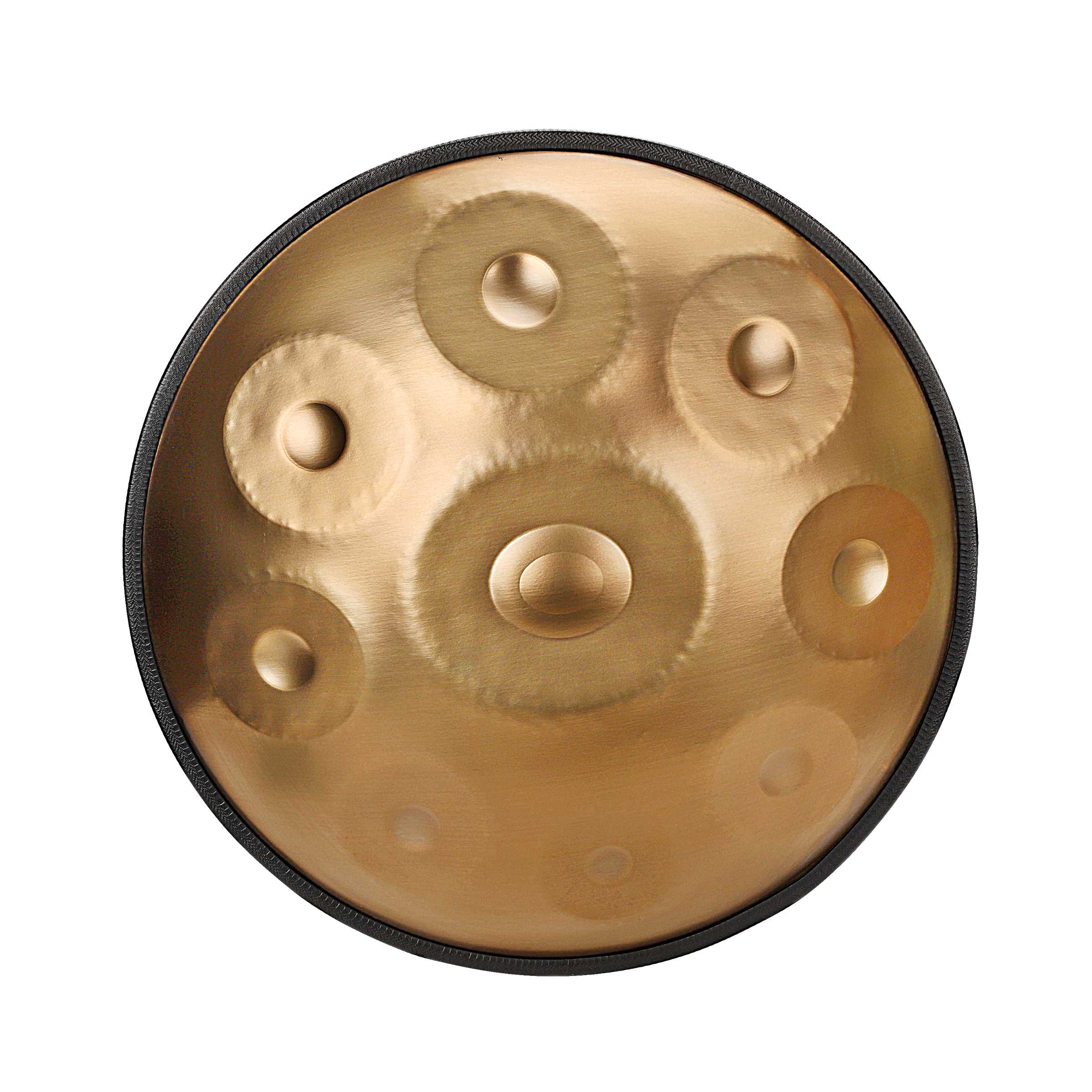
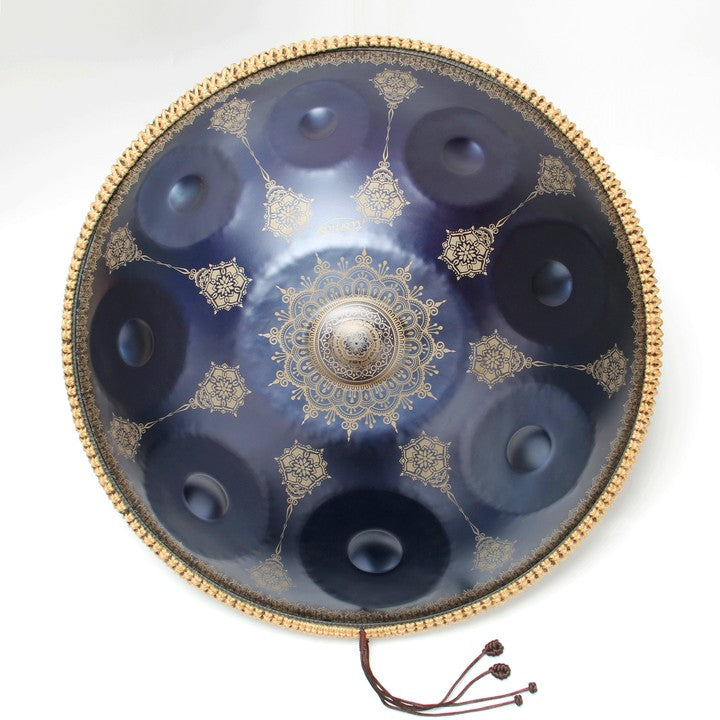
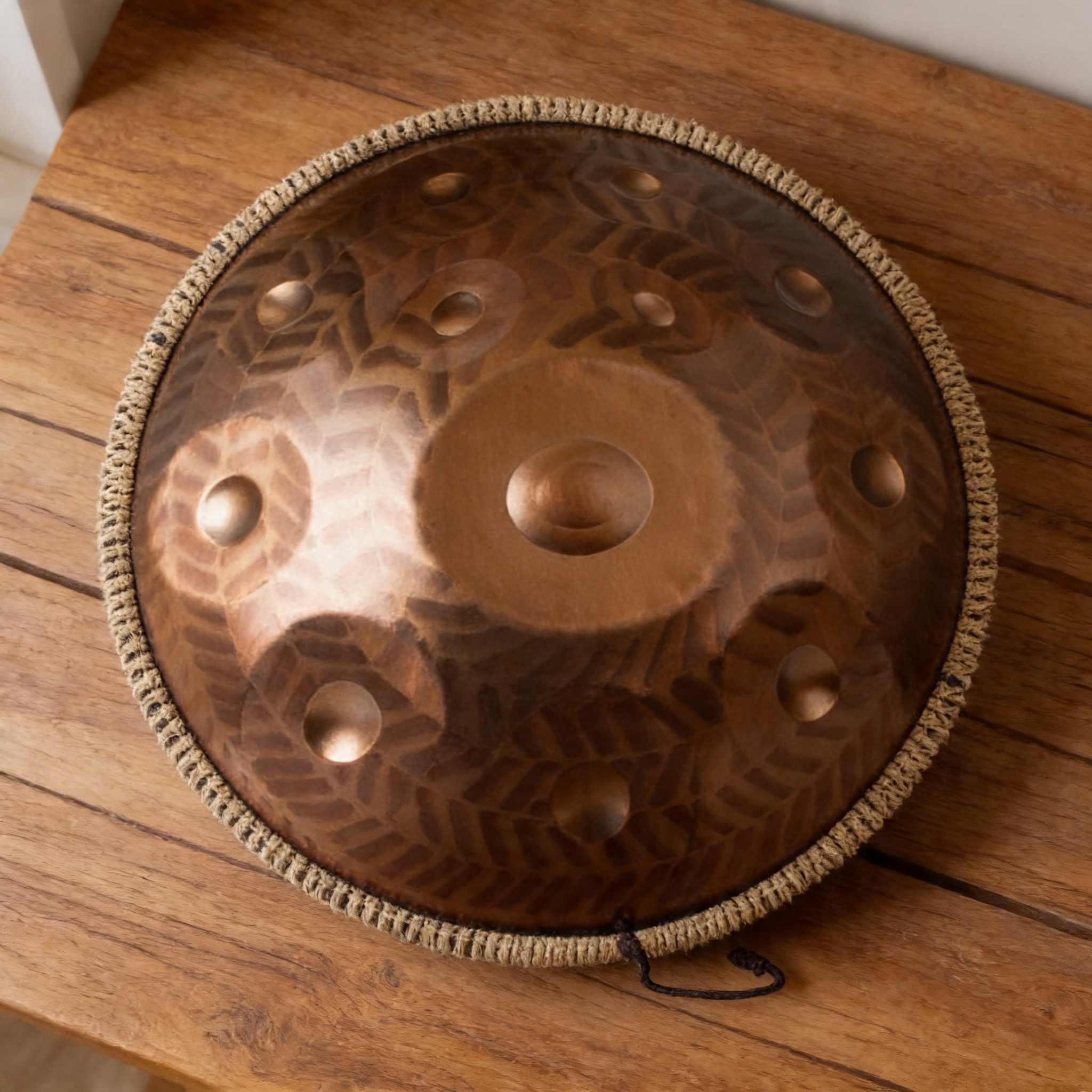
The handpan represents the absolute pinnacle of intuitive neurological stimulation. Engineered from nitrided or stainless steel, the handpan arranges harmonic notes around a central tone field (the Ding). Because handpans are tuned to a fixed, harmonious scale (such as D Minor), there are no "wrong notes." This completely eliminates the analytical fear of failure, allowing the player to instantly enter a neurological flow state.
The physical act of playing requires alternating hands in complex, bilateral rhythmic patterns. This cross-body movement demands continuous communication between the left and right motor cortices while delivering direct tactile vibroacoustic feedback through the hands and lap. For those seeking active mental rehabilitation without theoretical stress, our handpan for beginners guide details how quickly an adult can master bilateral coordination.
2. Acoustic Piano / Keyboard (Best for Cognitive Reserve & Dual-Limb Independence)
The piano is the quintessential tool for building structural brain mass. Playing piano requires reading two separate staves of music simultaneously (treble and bass clefs), translating visual symbols into distinct, independent motor actions for the left and right hands, while operating foot sustain pedals. This supreme level of multi-limb decoupling forces the brain to build extensive neural architecture across the prefrontal cortex, enhancing executive function, working memory, and spatial-temporal reasoning.
3. Acoustic Drum Kit (Best for Motor Synchronization & Impulse Control)
No instrument challenges the motor cortex quite like a full drum kit. Drumming requires four-way coordination: your right hand, left hand, right foot (bass drum), and left foot (hi-hat) must operate in distinct polyrhythms while maintaining a steady internal clock. Studies show that drummers possess superior white matter integrity in their motor systems and exhibit extraordinary impulse control and emotional self-regulation compared to non-musicians.
4. Classical / Acoustic Guitar (Best for Tactile Neurogenesis & Spatial Memory)
The guitar demands asymmetric motor skills. The fretting hand executes micro-precise finger placements across a tight wooden grid, while the picking hand controls dynamic rhythm and string articulation. This sharpens fine tactile sensitivity in the non-dominant hand and stimulates the parietal lobes, which govern spatial awareness and motor planning.
5. Violin (Best for Pitch Discrimination & Auditory Cortex Plasticity)
Unlike fretted instruments or keyboards, the violin has no frets or keys to guarantee true pitch. The violinist must rely entirely on micro-adjustments of the fingers guided by real-time auditory feedback. This microtonal precision dramatically enlarges the primary auditory cortex and strengthens the left hemisphere's motor areas responsible for precise finger placement.
6. Flute & Native American Flute (Best for Respiratory Regulation & Vagal Tone)
Wind instruments uniquely link musical production to the autonomic nervous system. Playing a flute demands controlled, diaphragmatic breathing and prolonged exhalations. This sustained breath control activates the parasympathetic nervous system via the vagus nerve, immediately slowing heart rate, reducing blood pressure, and flooding the prefrontal cortex with oxygenated blood to clear brain fog.
7. Cello (Best for Vibroacoustic Resonance & Emotional Processing)
The cello is physically held against the player's chest and torso, directly coupling the instrument's resonant chamber with the human skeletal system. The rich, low-frequency acoustic vibrations (65 Hz to 1000 Hz) physically resonate through the rib cage, offering powerful vibroacoustic therapeutic benefits that soothe the amygdala and stimulate the release of oxytocin and endorphins.
8. Celtic Harp (Best for Visual-Spatial Processing & Modal Relaxation)
The harp requires both hands to pluck vertical strings independently while the eyes navigate a large vertical spatial field. Because harps are tuned to soothing diatonic or pentatonic modes, every chord structure produces rich harmonic overtones that promote deep cognitive tranquility while challenging finger agility and dexterity.
9. Steel Tongue Drum / Digital Handpan (Best Budget-Friendly Intuitive Progression)
For individuals seeking the cognitive benefits of resonant percussion without the financial commitment of a handpan, high-grade tongue drums or modern digital handpan instruments provide a perfect entry point. They deliver immediate modal harmony, promote bilateral motor exercise, and allow for daily micro-dosing of mindful musical creation.
The Strategic Cognitive Benefits
Why should adults and seniors intentionally learn an instrument is good for your brain? In our testing and neurological observation, the commercial and biological dividends include:
- Enhanced Working Memory: Musicians consistently demonstrate an expanded capacity to store, manipulate, and recall complex data sequences in high-stress professional environments.
- Accelerated Problem-Solving: By forging robust connections across the corpus callosum, musical training enhances lateral thinking, allowing professionals to synthesize disparate concepts rapidly.
- Emotional Resilience & Stress Reduction: Engaging in tactile acoustic vibration lowers salivary cortisol and upregulates neurochemicals responsible for mood stability.
- Preservation of Motor Pathways: The fine finger articulation required by instruments maintains neuromuscular pathways, delaying age-related motor stiffness and loss of dexterity.
Limitations and Practical Industry Realities
We must apply commercial and practical judgment: playing music is not a magic cure-all. If you practice with poor ergonomic posture, you risk repetitive strain injuries (RSI) like carpal tunnel syndrome or tendinitis. Furthermore, the cognitive benefits scale strictly with consistency. Practicing for four hours once a month yields zero structural neuroplasticity; practicing for fifteen minutes every single day reshapes the brain permanently.
Who Should Learn an Instrument for Cognitive Health
For commercial professionals and high-stress executives: If your daily work involves high-cognitive-load decision making, choosing an intuitive instrument like a handpan provides a rapid, screen-free method to purge cortisol, enter theta flow states, and rejuvenate executive function.
For seniors and rehabilitation patients: Aging adults seeking to build cognitive reserve against dementia, as well as stroke survivors rebuilding motor pathways, benefit immensely from the tactile, bilateral mechanics of resonant percussion.
Who Should Choose a Different Creative Outlet
For beginners lacking patience who demand instant passive entertainment: If you are unwilling to dedicate 10 to 15 minutes of focused daily attention to kinesthetic learning, buying a high-end musical instrument will simply add clutter to your home. Listening to curated handpan music tracks or downloading therapeutic albums via platforms to download handpan music will deliver passive acoustic relaxation without the active commitment of physical learning.
Common Mistakes Adults Make When Picking an Instrument
In our experience, the single most destructive mistake adults make is choosing an instrument based on social prestige rather than personal psychological compatibility. An adult wanting stress relief who buys a violin often gives up within two weeks because generating a clean, non-screeching tone requires months of rigorous bow mechanics.
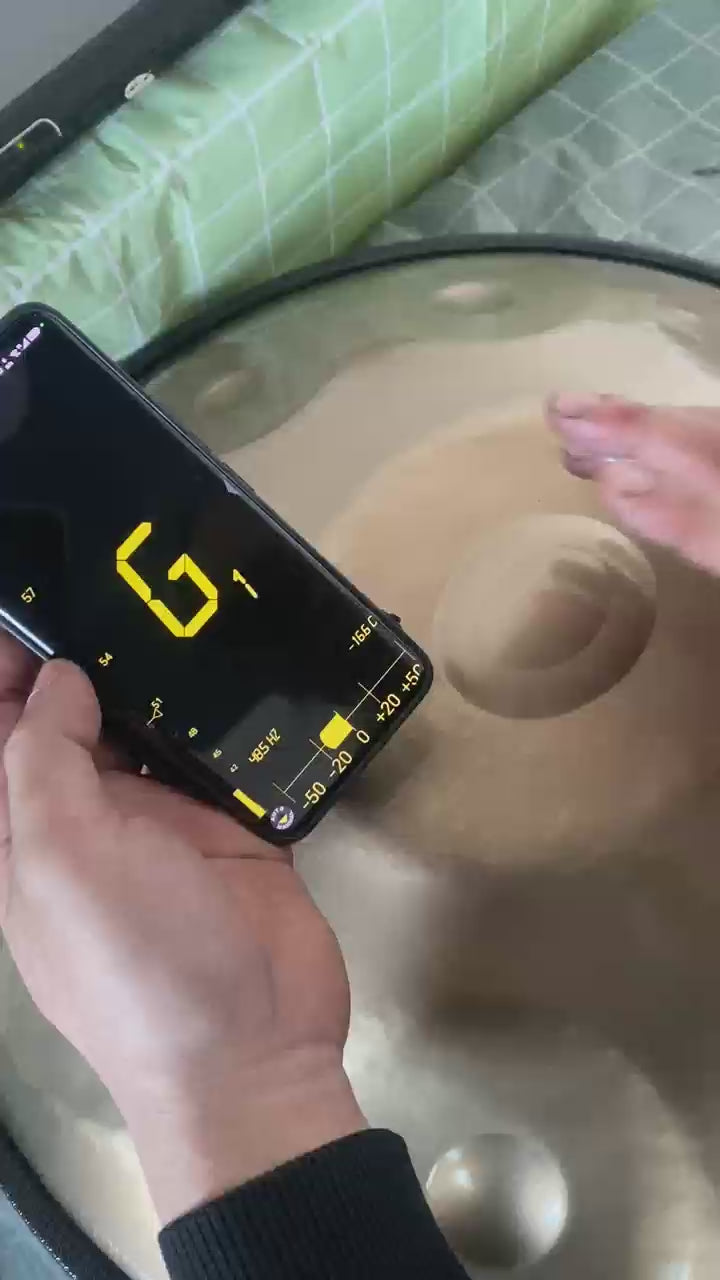
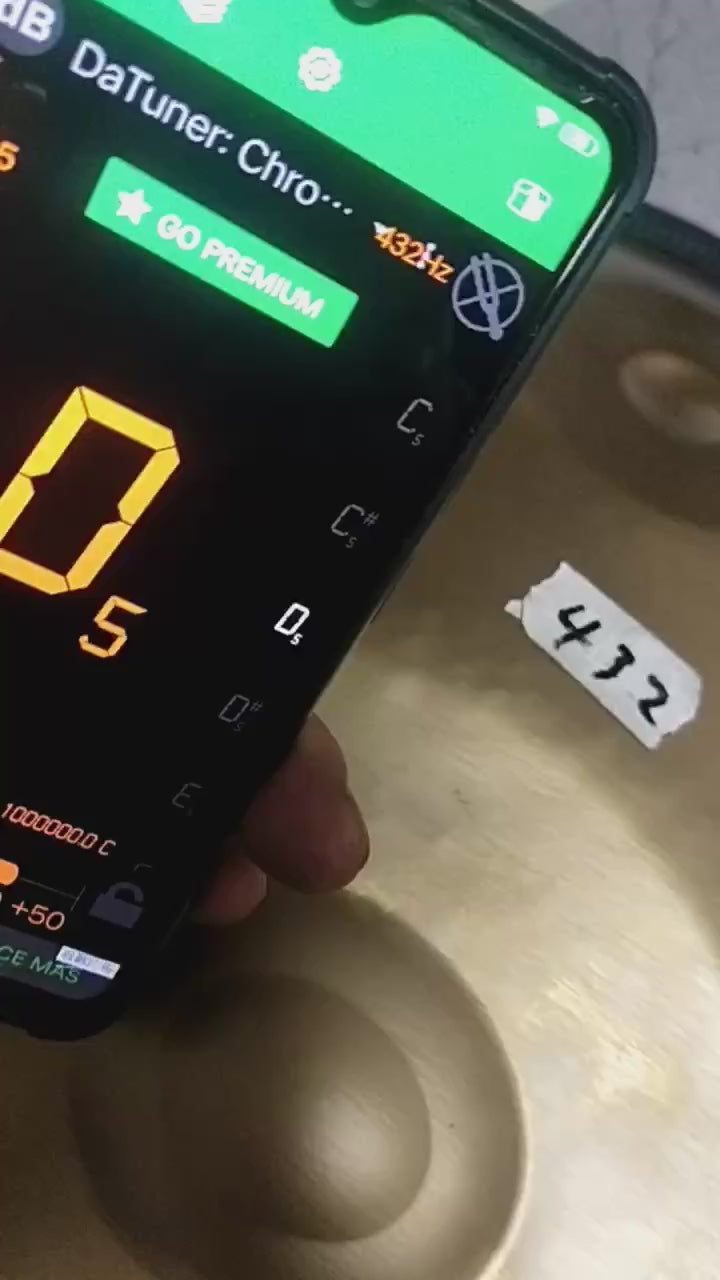
Another catastrophic error is neglecting proper acoustic tuning. Playing an instrument that is out of tune creates subconscious auditory dissonance, causing subtle neurological distress rather than calming entrainment. If you play handpans, understanding how to tune a handpan and maintaining its physical frequency stability is essential for therapeutic acoustic resonance.
Critical Buying Considerations
When selecting which instrument is good for your brain, audit the product against these strict physical metrics:
- Tuning Frequency (432Hz vs 440Hz): While standard commercial music is set to 440Hz, many sound therapists prefer 432Hz for meditative practice. Choose a versatile scale (like D Minor or Celtic Minor) with pristine frequency stability.
- Material & Acoustic Sustain: For handpans, nitrided steel offers a crisp, ceramic attack with controlled sustain (ideal for fast, rhythmic brain stimulation), while stainless steel provides immense, lingering resonance (ideal for deep meditation and slow atmospheric playing).
- Ergonomics and Weight: If the instrument is too heavy or awkward to set up, you will avoid practicing. Ensure your instrument sits comfortably on your lap or on a stable ergonomic stand.
Expert Recommendation & Featured Instrument
The Cosmoshandpan Standard: Engineering Resonant Healing
In most professional situations, we recommend starting with an instrument that eliminates cognitive friction while delivering deep, bilateral neuro-acoustic feedback. The handpan is the single most effective tool for bridging the gap between musical joy and neurological exercise.
In the heart of Colorado, USA, Cosmoshandpan shines as a guiding light of musical innovation and soulful resonance. We have more than a decade of expertise in creating handpans and tongue drums. Passion, precision, and an unwavering pursuit of musical excellence steep our musical journey. Cosmos' story begins with a shared love for music and a profound desire to create instruments that transcend sound. Our instruments and melody resonate deeply with the spirit of every musician. Our crafters pour their heart into each handpan and tongue drum with intricate workmanship and dedication. Our artisans infuse each instrument with ethereal melodies that stir the senses and uplift the spirit.
For those investing in mental clarity, we unequivocally recommend the Cosmos Silver Mandarins Handpan - 9 Notes D Minor Gift Set. It provides the ideal balance of tactile feedback, pure frequency alignment, and accessible modal harmony to unlock instant cognitive flow states.

Summary & Comprehensive Comparison Tables
| Instrument | Primary Cognitive Mechanism | Learning Curve | Optimal Neurological Outcome |
|---|---|---|---|
| Handpan | Bilateral sensory-motor integration, alpha-wave entrainment | Very Low (Intuitive) | Rapid stress reduction, mental flow state, cognitive decompression |
| Piano / Keyboard | Dual-clef reading, independent multi-limb coordination | Moderate to High | Maximum cognitive reserve, working memory, spatial processing |
| Acoustic Drums | Four-limb polyrhythmic decoupling, motor cortex timing | Moderate | Executive function, impulse inhibition, neuromuscular synchronization |
| Classical Guitar | Asymmetric fine motor tactile dexterity, spatial planning | Moderate | Neurogenesis in somatosensory cortex, tactile agility |
| Violin | Microtonal pitch discrimination, auditory-motor feedback | Very High | Auditory cortex expansion, precise neural error correction |
| Instrument Type | Cognitive Load (Brain Workout) | Frustration Risk (Cortisol Spike) | Acoustic Resonance / Healing | Best Target User |
|---|---|---|---|---|
| Intuitive Metal Percussion (Handpan / Tongue Drum) | Moderate (Active Bilateral Coordination) | Extremely Low (Zero Wrong Notes) | Maximum (Rich Harmonic Overtones) | Busy executives, sound therapists, seniors, non-musicians |
| Complex Polyphonic Keyboards (Piano / Organ) | Maximum (Intense Multi-System Multitasking) | Moderate to High | Moderate | Dedicated lifelong learners, academics, structured students |
| Fretless Strings (Violin / Cello) | High (Continuous Pitch Error Correction) | High (Initial Tone Harshness) | High (Direct Body Resonance) | Detail-oriented learners, classical music enthusiasts |
| Aerophones / Wind (Flutes / Saxophone) | Moderate (Breath Dynamics & Fingering) | Moderate | Moderate (Internal Vagal Resonance) | Individuals seeking breathwork and anxiety management |
| Pros (Why It Is Worth the Investment) | Cons (Practical Limitations to Consider) |
|---|---|
| Guarantees instant flow state entry without requiring sheet-music literacy. | High-quality nitrided steel handpans represent a notable initial investment. |
| Physically safe for arthritic hands; no harsh string tension or heavy physical strain. | Fixed scale tuning limits modulation into different musical keys on a single drum. |
| Rich acoustic frequencies promote deep meditative alpha and theta brainwave states. | Requires careful handling to avoid hard impacts that could detune tone fields. |
| Delivers immediate dopamine reinforcement, preventing learner burnout and abandonment. | Not suitable for complex classical orchestral symphonic score reproduction. |
| Your Primary Goal | Recommended Instrument | Why This Fits Best |
|---|---|---|
| De-stressing & Calming Anxiety | Handpan or Native American Flute | Eliminates performance anxiety and directly stimulates parasympathetic vagal recovery. |
| Combating Cognitive Decline in Seniors | Handpan, Piano, or Celtic Harp | Maximizes bilateral hand coordination and maintains neuroplastic tactile pathways safely. |
| Improving Focus, ADHD & Impulse Control | Acoustic Drum Kit or Handpan | Demands intense rhythmic presence, channeling physical energy into structured motor loops. |
| Building Academic Working Memory | Acoustic Piano | Forces dual-stave visual reading and simultaneous multi-limb mathematical execution. |
Frequently Asked Questions (FAQ)
Is it too late for an adult over 50 to get brain benefits from learning an instrument?
In most professional situations, absolutely not. Neuroplasticity continues throughout the entire human lifespan. In fact, older adults often experience more dramatic relative cognitive boosts from learning an instrument than children, because the novel motor patterns and auditory processing force the aging brain to recruit dormant neural networks, significantly expanding cognitive reserve and shielding against memory loss.
How many minutes a day should I practice for cognitive improvement?
Neuroscience confirms that frequency beats duration every time. Practicing for 15 to 20 minutes daily produces far greater structural neuroplasticity and synaptic density than practicing for two hours once a week. Short, consistent daily sessions allow the brain to consolidate motor and auditory pathways during REM sleep cycles without inducing cognitive fatigue or muscle strain.
Why are handpans considered superior to pianos for mental de-stressing?
While the piano is extraordinary for cognitive load, it requires rigorous theoretical training, sight-reading, and constant intellectual evaluation, which can trigger frustration in adult beginners. A handpan is tuned to a fixed harmonic scale where every note blends harmoniously. This removes cognitive friction, allowing the player to bypass intellectual anxiety and instantly access meditative theta brainwave states and deep emotional catharsis.
Authoritative References & Clinical Studies
To verify the clinical research, neurological imaging data, and psychological methodologies governing how musical practice strengthens cognitive health, consult the following authoritative bodies:
- Harvard Health Publishing (Harvard Medical School) - Clinical insights on how active musical training improves cognitive reserve, executive memory function, and structural neuroplasticity across the aging adult lifespan.
- Johns Hopkins Medicine - Comprehensive research outlining how musical sound waves stimulate complex neural networks, foster creative neurogenesis, and enhance auditory-motor mapping.
- Frontiers in Psychology (Auditory Cognitive Neuroscience) - Peer-reviewed clinical research analyzing the neuroprotective effects of active musical engagement, bilateral sensorimotor entrainment, and long-term white matter density.
For more technical insights into modern sound therapy and master-level performance techniques, explore our analyses on handpan therapy benefits and discover legendary techniques modeled by the world's best handpan players.