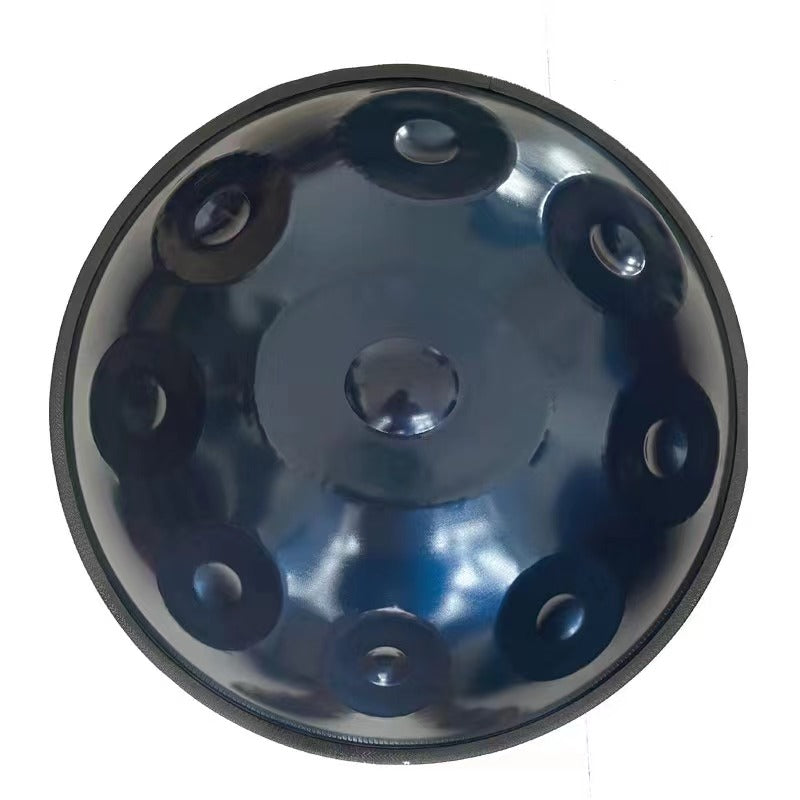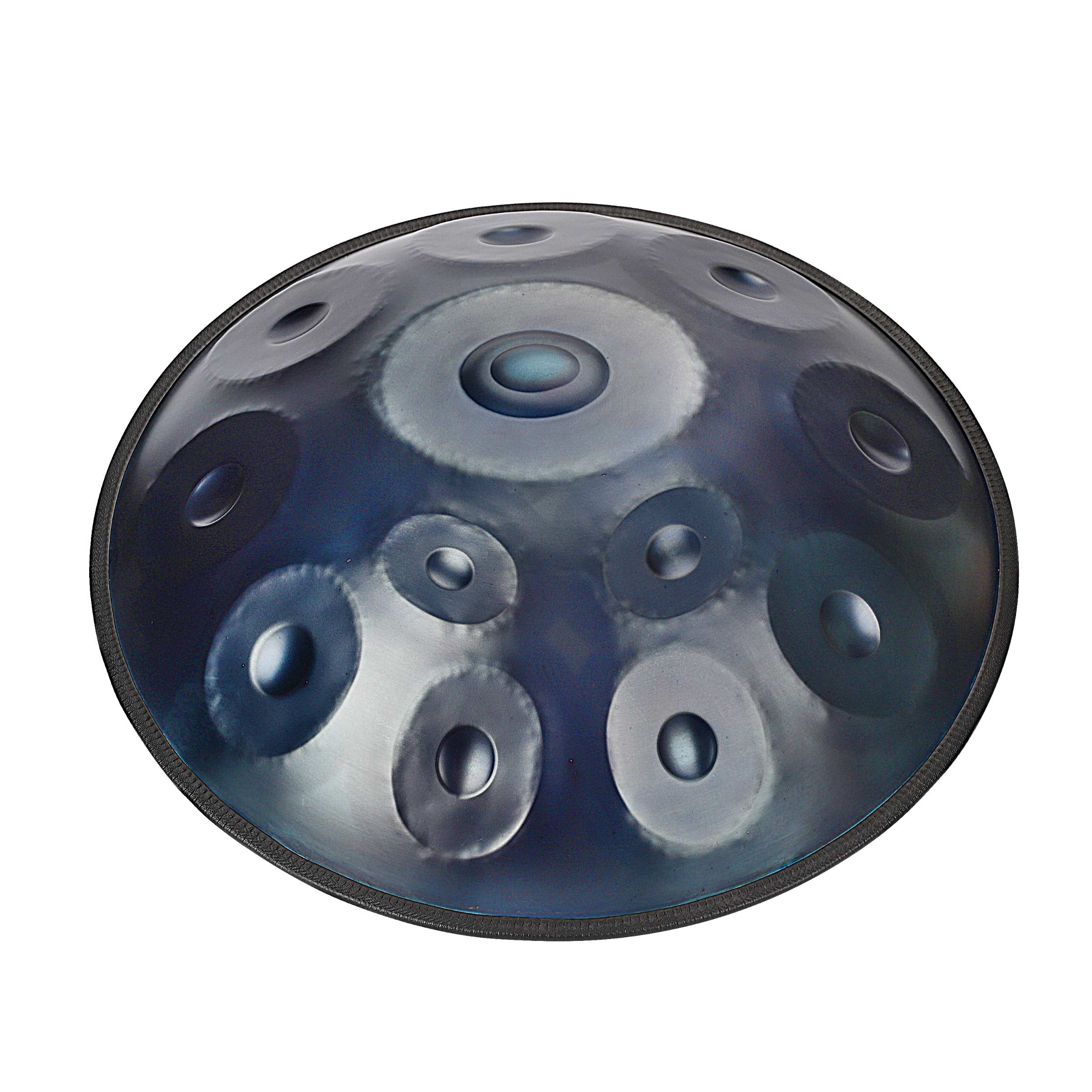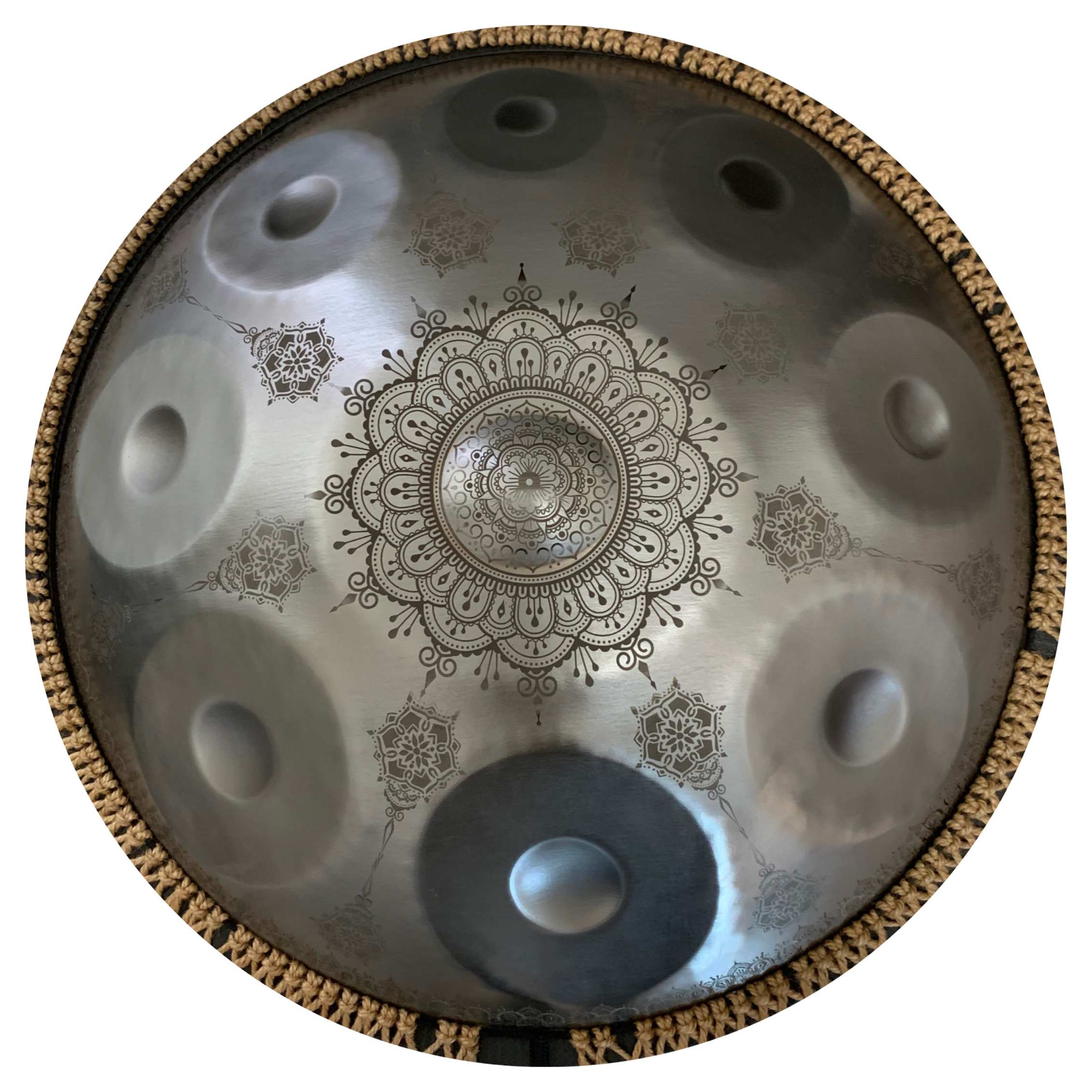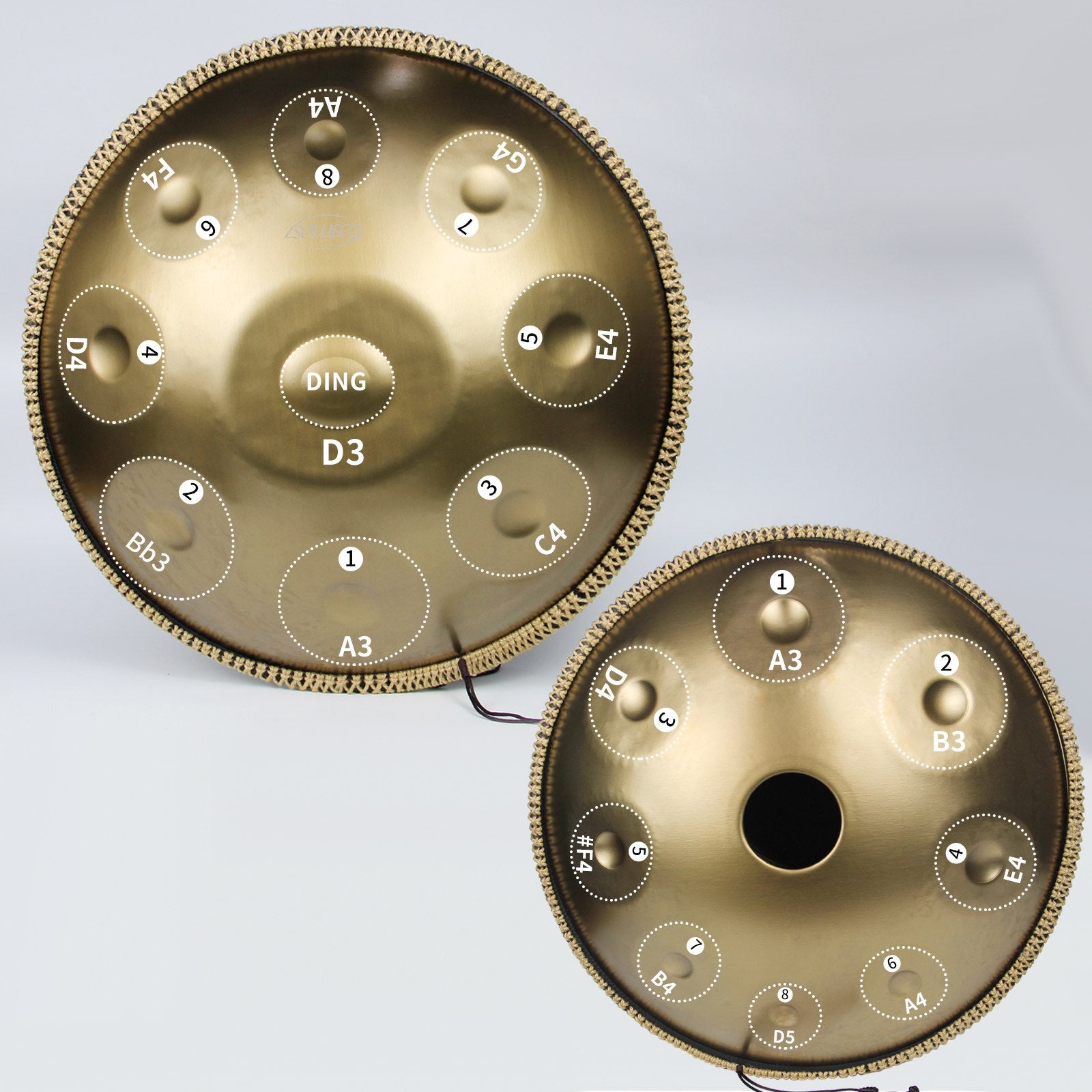

If you are standing at the crossroads of the melodic percussion world, you are likely mesmerized by two instruments that look strikingly similar but offer entirely different musical universes. The steel tongue drum and the handpan both feature a UFO-like metallic chassis, and both promise ethereal, soothing resonances that captivate listeners. However, assuming these instruments are interchangeable is one of the most common—and expensive—mistakes aspiring musicians make today.

From our experience as dedicated instrument crafters, the acoustic physics, manufacturing complexity, playing techniques, and financial investments required for a handpan versus a tongue drum are miles apart. A handpan is a delicate, hand-hammered acoustic masterpiece designed for highly expressive, finger-style playing. In contrast, a steel tongue drum is a robust, laser-cut idiophone that offers immediate accessibility and rugged durability, often played with mallets. In this comprehensive guide, we take a clear position to help you navigate the handpan vs tongue drum dilemma. We will break down the structural acoustics, evaluate the pros and cons with commercial judgment, and explain whether you should invest in a premium handpan or start your journey with a tongue drum.
Quick Answer: Which Instrument is Right for You?
In most professional situations, the choice comes down to your budget, your dedication to learning playing techniques, and your environment.
- Choose the Handpan if: You have a budget exceeding $1,000, you are willing to spend time mastering hand and finger techniques, and you desire the deepest, most immersive harmonic overtones possible. It is the ultimate tool for professional musicians, buskers, and advanced sound healers.
- Choose the Tongue Drum if: Your budget is under $500, you want an instrument that sounds perfect on day one with zero learning curve, or you need a highly durable instrument that can be safely played by children, stored outdoors, or transported without heavy protective flight cases.
| Feature | Handpan | Steel Tongue Drum |
|---|---|---|
| Sound Profile | Warm, layered, immersive, long sustain | Bright, bell-like, staccato, shorter decay |
| Playing Method | Hands and fingers exclusively | Mallets or fingers |
| Durability | Fragile; detunes easily if struck hard | Highly robust; virtually indestructible |
| Average Price | $1,000 – $4,000+ | $50 – $500 |
Table of Contents
- What They Are: Structural Origins
- How They Work: The Acoustic Physics
- Commercial and Musical Benefits
- Limitations and Fragility
- Who Should Use It (And Who Should Not)
- Common Mistakes Buyers Make
- Buying Considerations and Market Realities
- Expert Recommendation from Cosmos Handpans
- Frequently Asked Questions (FAQ)
- Authoritative References
What They Are: Structural Origins
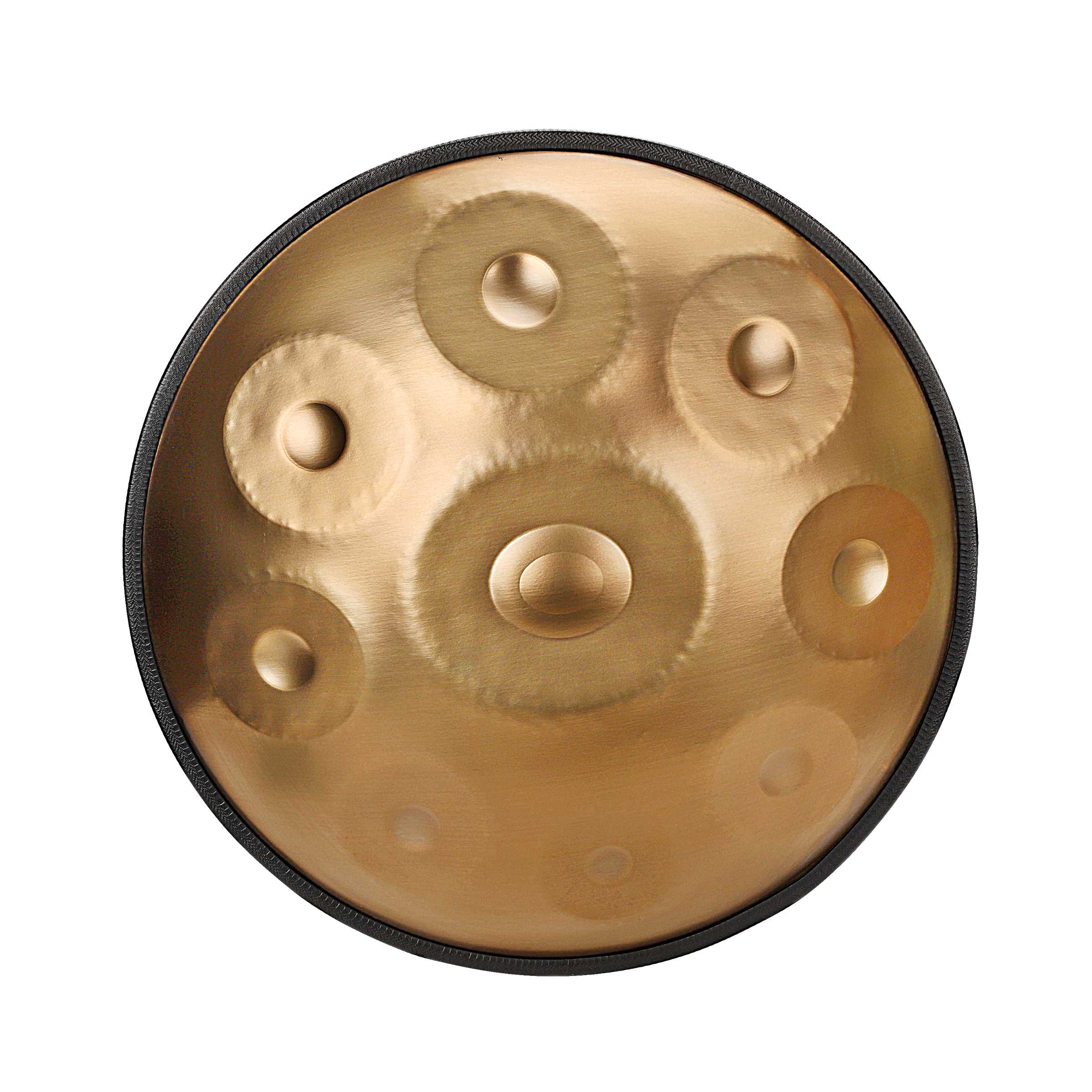
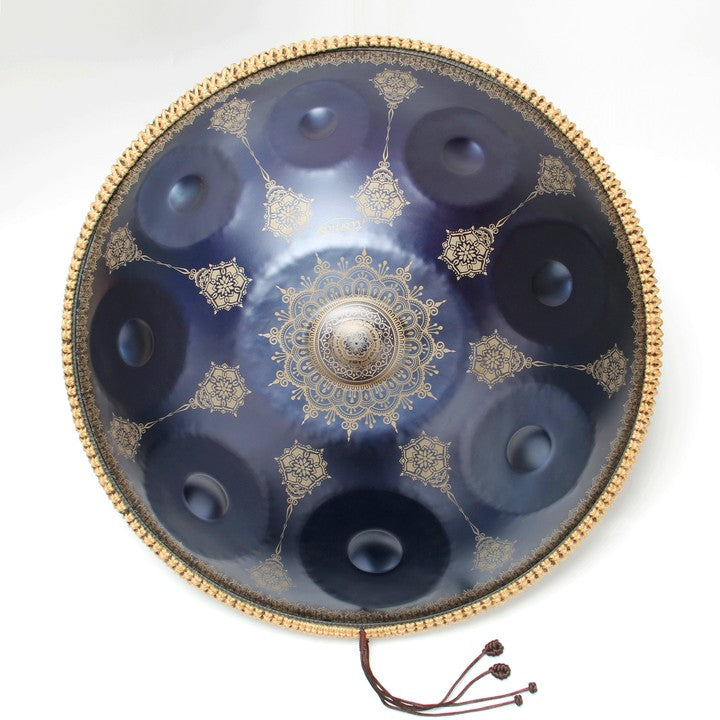
To truly understand the difference, we must look at how these instruments are born. If you have ever wondered where is handpan from, its history traces back to the year 2000 in Switzerland. The original inventors merged the concave layout of the Caribbean steelpan with global percussive traditions to create the "Hang." Today, modern handpans are constructed from two deep-drawn hemispheres of nitrided steel or stainless steel, which are glued or welded together at a central rim. The top hemisphere features a central note known as the "Ding," surrounded by a circle of carefully hammered tone fields. The creation process is agonizingly manual; a master tuner spends up to 40 hours striking the metal with highly calibrated hammer blows to stretch and compress the steel into precise harmonic alignments.
Conversely, the steel tongue drum boasts an industrial heritage. Evolving from modified propane tanks in the mid-2000s, modern tongue drums are mass-produced using thick carbon steel or stainless steel plates. Rather than shaping the steel with a hammer to create tension, manufacturers utilize precise CNC laser cutters to slice U-shaped or V-shaped "tongues" directly into the metal shell. Each tongue functions as a cantilevered vibrating beam. Because the manufacturing process relies on digital laser precision rather than manual artisanal hammering, tongue drums can be produced rapidly and consistently, drastically lowering their retail cost.
How They Work: The Acoustic Physics
The visual similarities of these instruments are a trap; acoustically, they operate in different dimensions. We recommend that buyers thoroughly understand the physics before committing their capital.
The Helmholtz Resonator: Handpan Acoustics

The magic of the handpan lies in its hollow, airtight chamber. The handpan acts as a Helmholtz resonator—the same acoustic principle that governs the body of a cello or an acoustic guitar. When you strike a tone field on the top shell, you are not just vibrating that specific piece of metal; you are exciting the entire internal volume of air. Furthermore, an elite handpan maker tunes each individual tone field to three distinct frequencies simultaneously: the fundamental pitch, the octave (a 1:2 ratio), and the compound fifth (a 1:3 ratio). This creates a massive, swirling overtone series. Because the metal is incredibly thin (often around 1mm to 1.2mm), the handpan responds to the lightest brush of a fingertip, offering a dynamic range that allows players to express subtle emotional nuances. The resulting sound is often described as 3D or holographic.
Free-Vibration Mechanics: Tongue Drum Acoustics
From an acoustics standpoint, the steel tongue drum is a simpler melodic idiophone. The sound is generated purely by the free vibration of the laser-cut tongues, rather than relying on a complex internal air resonance cavity. The pitch of each note is determined entirely by the physical dimensions of the tongue: its length, its width, and the thickness of the steel. A longer tongue yields a lower frequency, while a shorter tongue yields a higher frequency. Because the steel used for tongue drums is significantly thicker (often 2mm or more) to support the cut tongues without warping, the instrument does not respond well to light finger touches. It requires a firm strike, usually with a rubber mallet, to excite the heavy metal. The resulting tone is gorgeous, bell-like, and highly percussive, but it lacks the sympathetic resonance and lingering sustain of a handpan.
| Acoustic Metric | Handpan | Steel Tongue Drum |
|---|---|---|
| Tuning Complexity | 3 frequencies per note (Fundamental, Octave, Fifth) | Usually 1 or 2 frequencies per tongue |
| Material Thickness | Ultra-thin (approx. 1.0mm - 1.2mm) | Thick and rigid (approx. 2.0mm+) |
| Resonance Engine | Helmholtz internal air cavity resonance | Cantilevered free vibration of steel tongues |
| Dynamic Range | Extreme (responds to the lightest touch) | Limited (requires firmer strikes) |
Commercial and Musical Benefits
For commercial users, studio musicians, and holistic practitioners, identifying the correct instrument scale and material is paramount. If you are exploring the handpan therapy benefits, the handpan is the undisputed champion. The complex overtones interact with human brainwaves, inducing states of deep relaxation and meditation. The physical feedback of playing a handpan directly with the skin of your hands creates a tactile, grounding connection between the player and the instrument that mallets simply cannot replicate.
However, the tongue drum has distinct commercial benefits of its own. It is practically indestructible. For traveling yoga instructors, early childhood music educators, or outdoor enthusiasts, a tongue drum can be tossed into a backpack, dropped in the grass, or played enthusiastically by a toddler without any fear of the instrument permanently falling out of tune. Furthermore, many tongue drums can be easily tuned by adding or removing small magnets under the tongues, whereas a handpan is locked permanently into its chosen scale by the hammermaker.
Limitations and Fragility
We must address the harsh realities of owning these instruments. The greatest limitation of the handpan is its severe fragility. The metal membranes are stretched to their absolute physical limit to achieve tuning. A single drop, exposure to extreme heat (like leaving it in a hot car), or playing it with a heavy hand can warp the tone fields, instantly knocking the instrument out of tune. Re-tuning a handpan is not a DIY project; you must ship it back to a professional maker, which can cost hundreds of dollars in shipping and labor.
The tongue drum's limitation is its sonic ceiling. While the sound is pristine, it is linear. You cannot easily bend notes, utilize palm muting to create percussive bass drops, or sweep your hands across the metal to create the "washing" effects that define professional handpan performances. If you listen to modern handpan music tracks, the rhythmic and melodic complexity you hear is physically impossible to replicate on a standard tongue drum.
| Instrument | Pros | Cons |
|---|---|---|
| Handpan | Immersive harmonics, highly expressive touch response, professional studio quality. | Extremely fragile, high financial barrier, requires maintenance (oiling to prevent rust). |
| Tongue Drum | Budget-friendly, highly durable, zero learning curve with mallets, maintenance-free. | Limited dynamic range, heavier weight-to-size ratio, less tactile connection. |
Who Should Use It (And Who Should Not)
For beginners: If you are completely new to music, have no rhythm training, and simply want a relaxing sonic tool for your living room, we highly recommend starting with a tongue drum. You literally cannot play a wrong note, and striking the steel with rubber mallets provides instant gratification.
For professional and dedicated learners: If you are a percussionist, a composer looking to record handpan songs list adaptations, or someone deeply committed to the therapeutic arts, you must upgrade to a handpan. The initial steep learning curve of hand technique is vastly outweighed by the infinite expressive capabilities of the instrument. Refer to a comprehensive handpan for beginners guide to ensure you develop proper touch mechanics early on.
Who does not need a handpan: If you are looking for a casual toy for children, or if you live in a highly corrosive environment (like a salty beachfront) and are unwilling to oil your instrument weekly, spending $2,000 on a handpan is a poor financial decision. Stick to a stainless steel tongue drum.
Common Mistakes Buyers Make
In our testing and customer interactions, we see the same catastrophic mistakes repeated annually. First, never strike a handpan with a mallet. We cannot stress this enough. Mallets deliver highly concentrated kinetic energy that will permanently warp the delicate 1mm steel tone fields of a handpan. Handpans are for hands; mallets are for tongue drums.
Second, do not purchase a handpan based solely on its visual appearance on cheap overseas marketplaces. Handpans requiring 40 hours of master tuning cannot be manufactured and sold for $200. If you see a "handpan" listed for $150, it is either an un-tuned metal shell or it is actually a disguised steel tongue drum. Investing in a cheap, out-of-tune handpan will entirely destroy the handpan music benefits, as dissonant frequencies create cognitive stress rather than relaxation.
Buying Considerations and Market Realities
When you are ready to make a purchase, use this commercial buying guide to evaluate your options. Consider the metallurgical composition: Nitrided steel offers a warmer, more ceramic tone with shorter sustain (ideal for fast percussive playing), whereas Stainless steel offers incredibly long sustain and resistance to rust (ideal for slow, meditative playing).
| Consideration | Recommendation for Handpans | Recommendation for Tongue Drums |
|---|---|---|
| Scale Choice | D Kurd or Celtic Minor (highly versatile for beginners). | C Major or D Major (bright and uplifting). |
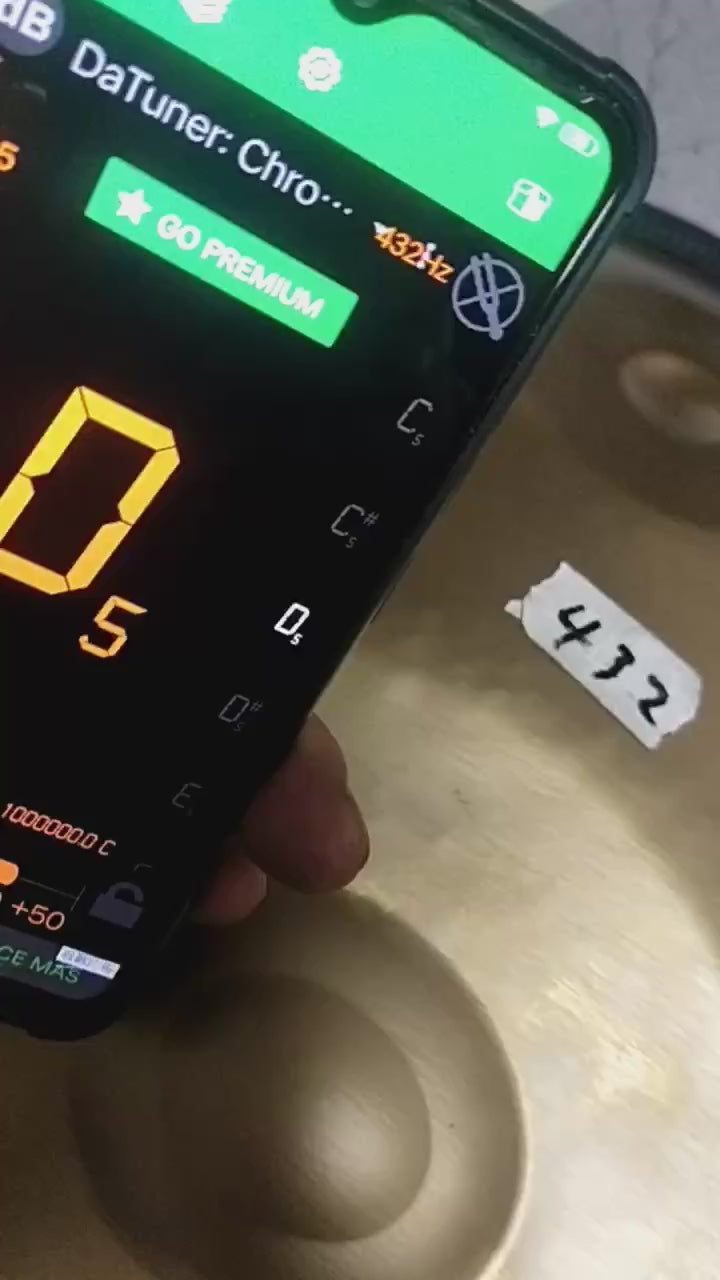
| Frequency Tuning | 440Hz for playing with other musicians; 432Hz for solo therapy. | 440Hz is standard; 432Hz is available on premium models. |
| Material | Stainless steel for damp climates; Nitrided steel for dry climates. | Thick carbon steel or high-grade stainless alloy. |
| Accessories Required | Rigid flight case, high-quality rust preventative oil (FrogLube). | Rubber mallets, basic padded carry bag. |
If you are struggling to understand the tonal differences before buying, we strongly suggest that you download handpan music to critically listen to the sustain and timbre of different scales. You can also research the equipment used by the best handpan players to see how different materials perform in live settings. Alternatively, if traditional metal instruments pose too many logistical hurdles, the emerging market of digital handpan instruments provides a maintenance-free gateway into this percussive layout.
Expert Recommendation from Cosmos Handpans

In the heart of Colorado, USA, Cosmos Handpan shines as a guiding light of musical innovation and soulful resonance. We have more than a decade of expertise in creating handpans and tongue drums. Passion, precision, and an unwavering pursuit of musical excellence steep our musical journey.
Forging Cosmos Connections: Cosmos’ story begins with a shared love for music and a profound desire to create instruments that transcend sound. Our instruments and melody resonate deeply with the spirit of every musician. Our crafters pour their heart into each handpan and tongue drum with intricate workmanship and dedication. Our artisans infuse each instrument with ethereal melodies that stir the senses and uplift the spirit.
Based on our deep acoustic manufacturing experience, our definitive recommendation is this: Do not view the handpan vs tongue drum debate as a hierarchy. They serve different masters. If your goal is heavy-duty outdoor durability and immediate musical joy without the burden of learning complex techniques, invest in a premium Cosmos Tongue Drum. However, if your soul is craving infinite musical expression, and you are willing to treat the instrument like a fine violin, the financial investment in a Cosmos Handpan will reward you with a lifetime of profound acoustic exploration.
Frequently Asked Questions (FAQ)
Are handpans and Hang drums the same thing?
No, though the terms are often confused. "Hang" is a registered trademark owned by PANArt, the Swiss company that invented the instrument in the year 2000. "Handpan" is the universal, generic term adopted by the global community to describe all instruments utilizing this specific convex, hand-hammered steel design.
Can I tune my own handpan or tongue drum?
You cannot tune a handpan yourself. Tuning a handpan requires thousands of hours of apprenticeship to learn how to manipulate the fundamental, octave, and fifth harmonics on a single steel membrane without destroying it. Attempting to do so with a hammer will ruin the instrument. Some steel tongue drums, however, can be micro-tuned by the owner by attaching or removing small neodymium magnets to the underside of the cut tongues.
Why are handpans so much more expensive than tongue drums?
The price disparity reflects the manufacturing process. A steel tongue drum can be cut via automated CNC lasers in minutes. A handpan requires up to 40 hours of highly skilled manual labor to hammer the raw steel, heat-treat the shell in industrial kilns, and meticulously fine-tune the complex overtones by hand. You are paying for artisanal mastery, not just raw metal.
Authoritative References
To support the acoustic science and metallurgical claims in this article, we recommend consulting the following authoritative bodies regarding the physics of steel resonance and tuning modalities:
- Acoustical Society of America (ASA) - Provides peer-reviewed research on the non-linear vibrational modes of Caribbean steelpans and modern handpans.
- Physics Today (AIP Publishing) - Features historical academic papers by Dr. Thomas D. Rossing analyzing the holographic interferograms of steel acoustic instruments.
- National Institutes of Health (NIH) - Hosts clinical studies evaluating the neurological impact of specific harmonic overtones and 432Hz tuning in music therapy applications.