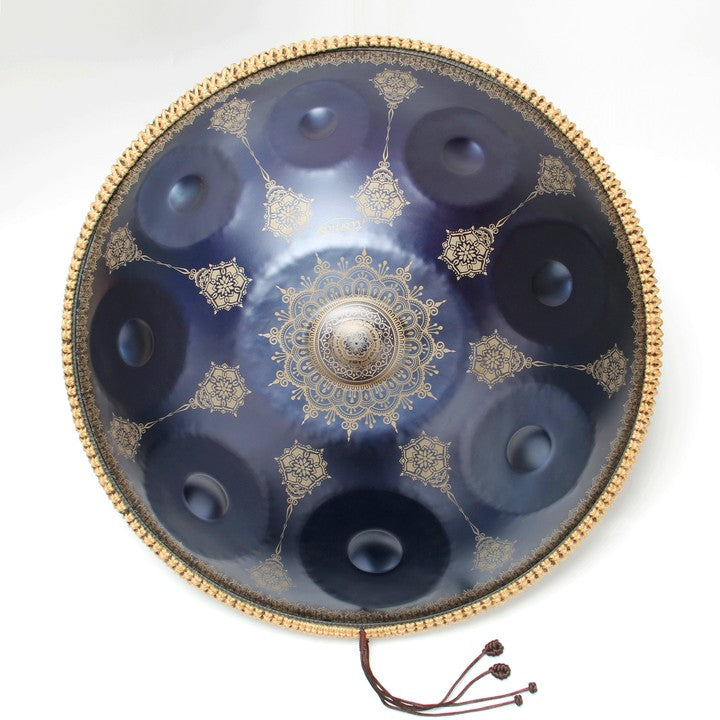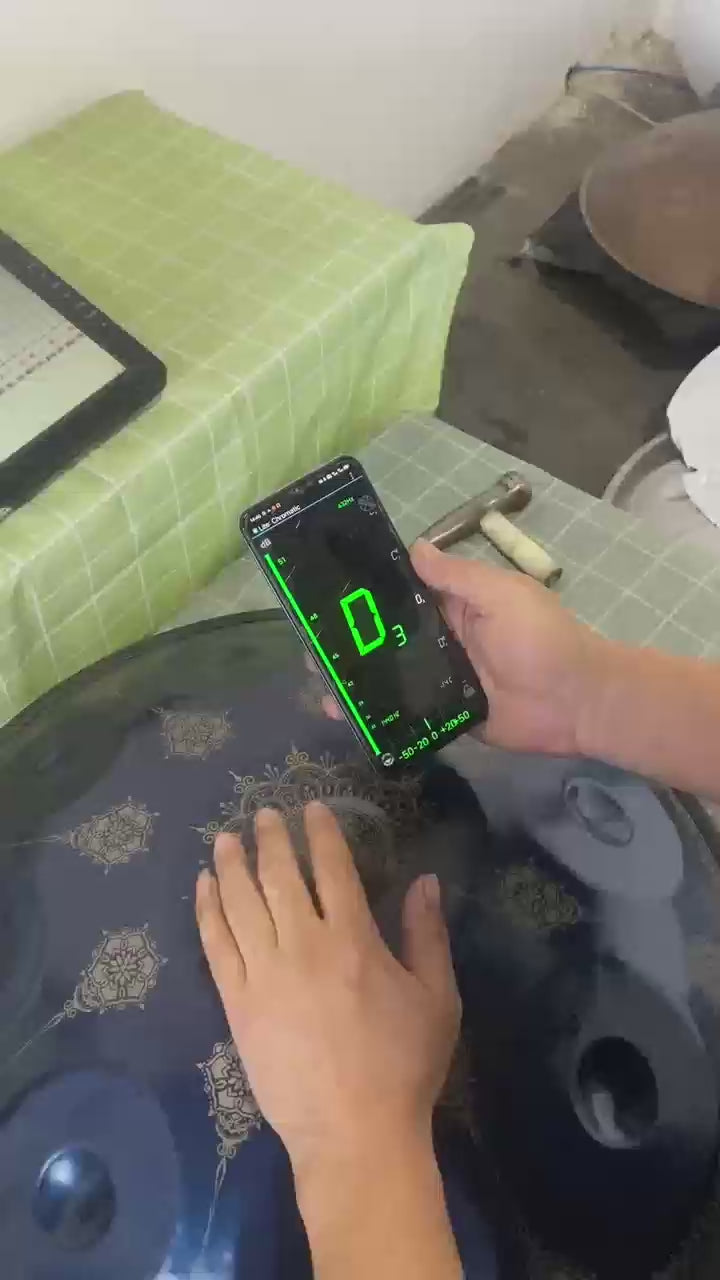
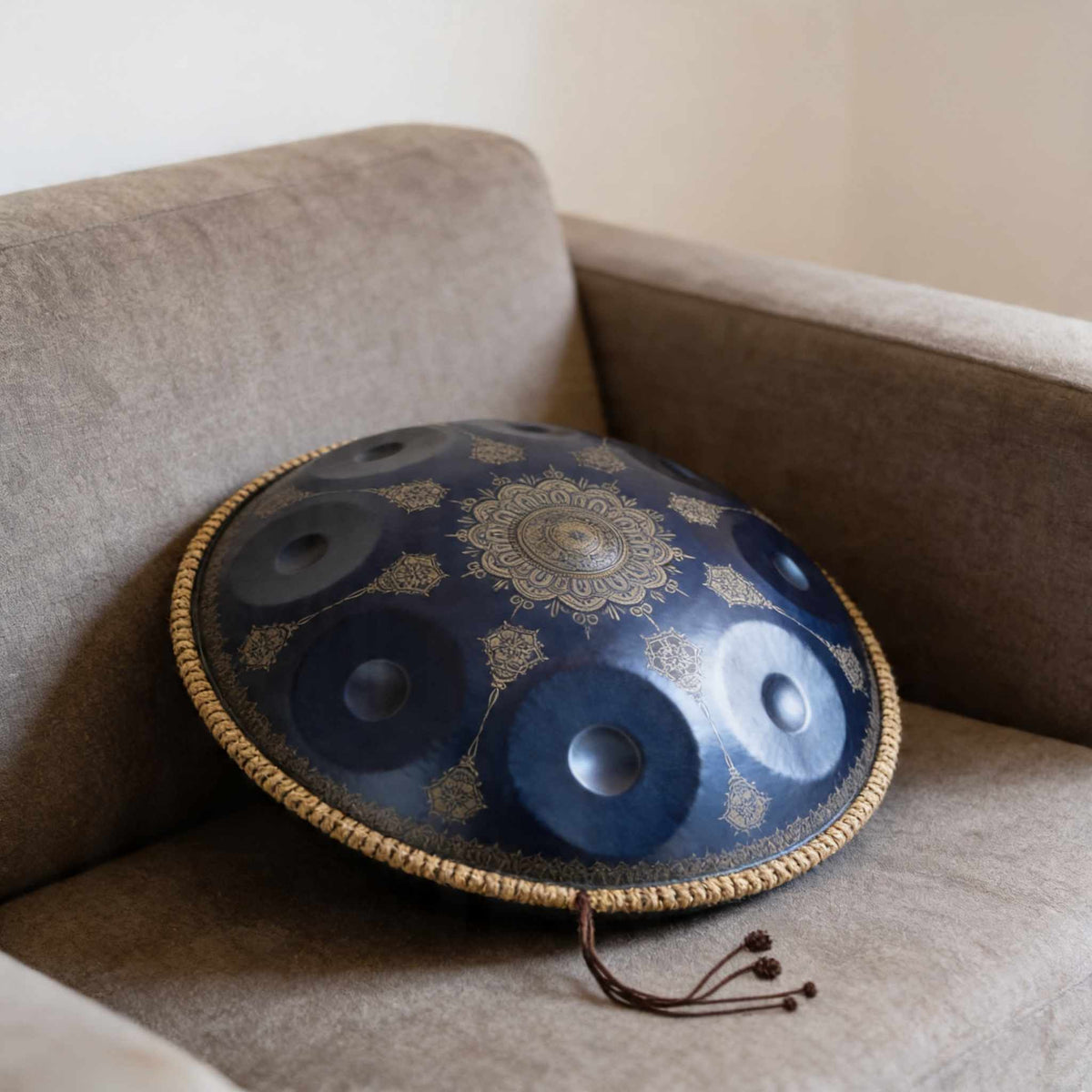
Treating a handpan like a traditional hand drum is the single fastest way to destroy its tuning, deaden its resonance, and ruin an expensive musical investment. Beginners frequently sit down in front of these sculpted steel shells and strike them with the heavy downward palm slaps suited for an African djembe, conga, or bongo. The result is inevitably a muffled, thudding sound accompanied by the creeping terror of knocked-out harmonics. Understanding how hard do you have to hit a handpan is not merely an aesthetic preference for dynamic playing; it is a fundamental mechanical requirement for preserving the acoustic geometry of tuned steel.

From our experience building and tuning precision handpans at CosmoHandpan, the term "hitting" is an inaccurate description of proper handpan technique. You do not hit a handpan to produce volume; you activate it through contact velocity, elastic touch, and instant finger rebound. In this comprehensive guide, we will break down the acoustic physics of steel tone fields, detail the precise physiological touch required for rich harmonic bloom, and provide direct commercial guidance on maintaining your instrument's pitch stability over years of daily playing.
Quick Answer: How Hard Do You Have to Hit a Handpan?
You should hit a handpan with an extremely light to medium touch, never exceeding the physical force of a firm finger tap on an office keyboard. Acoustic volume on a handpan is generated by hand velocity and rapid rebound speed, not physical impact weight. Your contact time with the steel must last mere milliseconds (like quickly touching a hot stove surface). If you leave your finger on the tone field for even a fraction of a second, you absorb the vibration, muffling the sound. Striking with brute force will never make the instrument louder; it will simply detune the delicate fundamental and harmonic dimples, requiring hundreds of dollars in professional hammer re-tuning.
Table of Contents
- What It Is: The Delicate Architecture of a Handpan Tone Field
- How It Works: Strike Velocity vs. Brute Impact
- The Benefits of an Elastic, Lightweight Strike
- The Limitations of Physical Force: What Heavy Hitting Destroys
- Who Needs to Master This Touch (And Who Can Afford a Heavier Hand)
- Common Striking Mistakes That Ruin Tone and Tuning
- Buying Considerations: Nitrided Steel vs. Stainless Steel Resilience
- Summary, Technical Comparison, and Pros vs. Cons
- Expert Recommendation: Instrument Selection & Practice Protocols
- Frequently Asked Questions (FAQ)
- Acoustic and Technical References
What It Is: The Delicate Architecture of a Handpan Tone Field
To understand why force is the enemy of handpan performance, you must first understand what you are striking. A handpan is classified acoustically as a struck idiophone, originally rooted in the lineage of Trinidadian steelpans and modern Swiss instrument making. When tracing handpan origin and history and examining where is handpan from, the instrument evolved specifically away from the harsh wooden-mallet strikes of traditional steel orchestras toward nuanced, direct hand articulation.
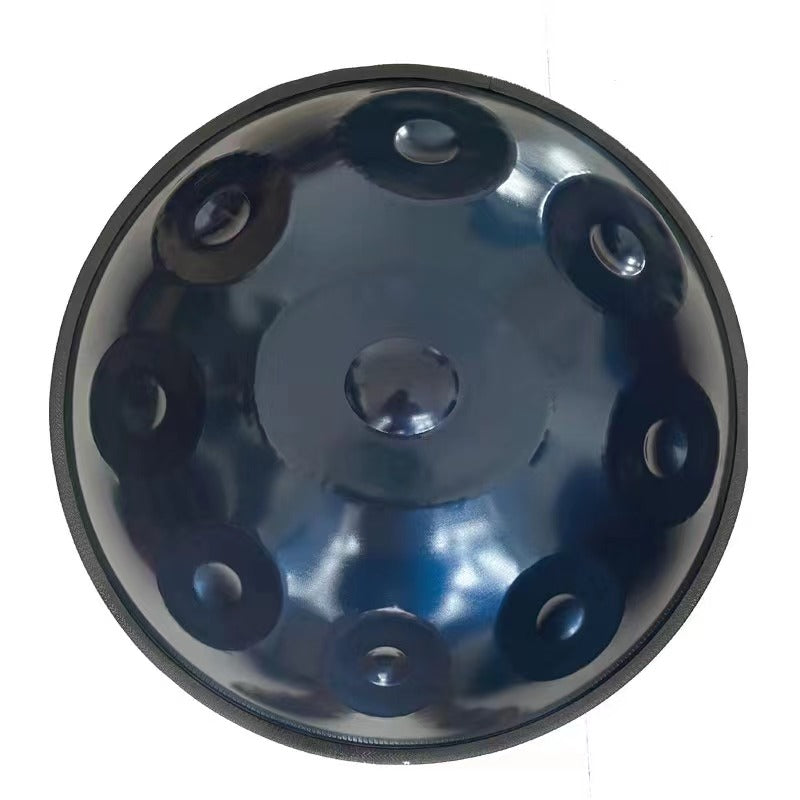
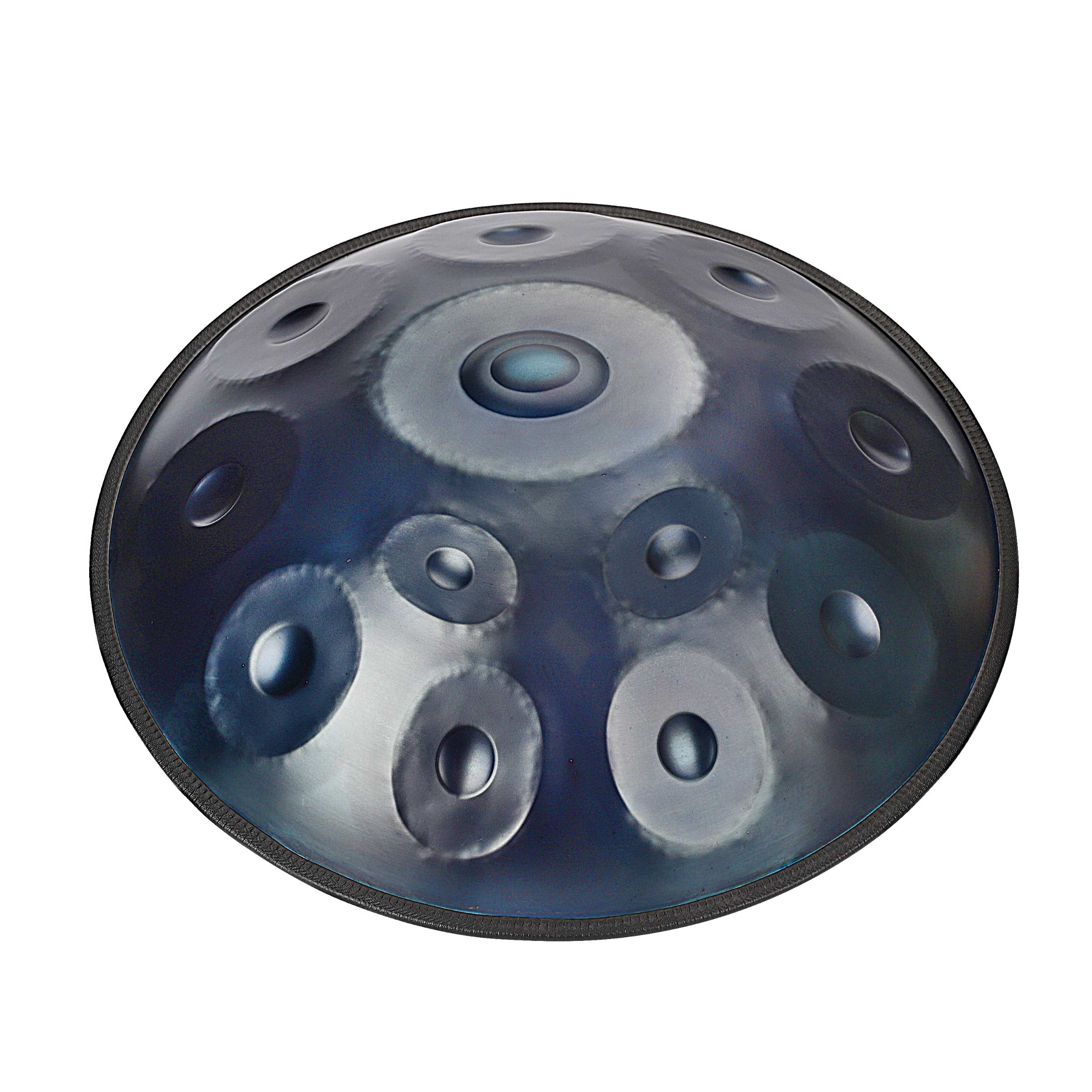
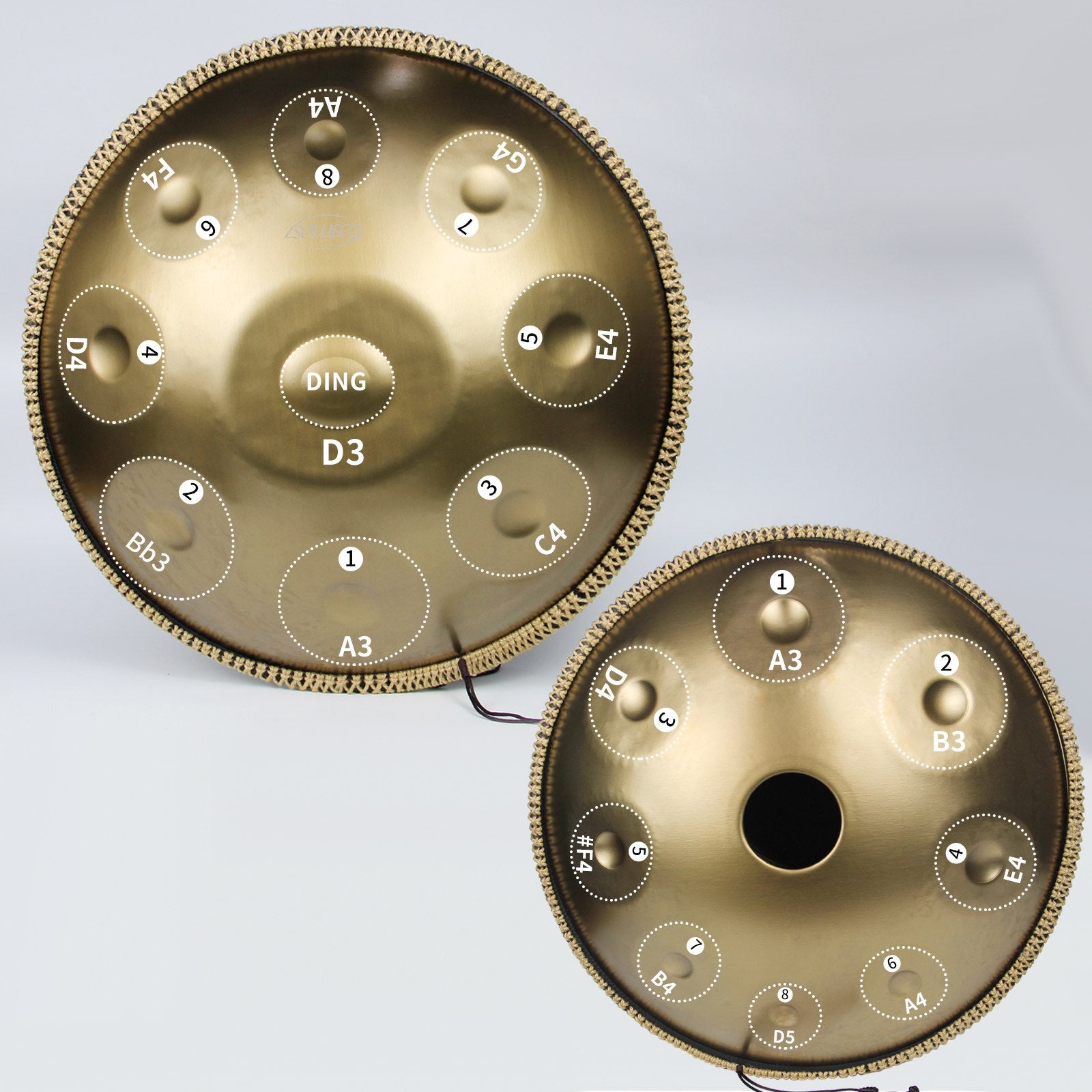
Every note on a handpan—from the central low dome (the Ding) to the surrounding circular tone fields—is a micro-engineered acoustic lens. A tuner spends days with specialized hammers shaping three distinct frequencies into a single elliptical indent: the fundamental frequency (the base pitch), the octave harmonic (tuned along the longitudinal axis), and the compound fifth harmonic (tuned along the transverse axis). When you ask how hard do you have to hit a handpan, remember that these three frequencies coexist across a piece of steel often only 1.0mm to 1.2mm thick. Heavy physical impacts distort the crystalline boundaries of this steel, physically shifting the tuned axes and throwing the compound frequencies completely out of harmony.
How It Works: Strike Velocity vs. Brute Impact
Generating a full, singing tone on steel does not require muscle; it requires speed and release. The physics of handpan excitation rely entirely on an impulse strike. When your finger makes contact with the tone field, it compresses the localized steel membrane. To allow that membrane to oscillate freely at its natural resonant frequencies, the striking mass must decouple immediately.
In most professional situations, master players execute what is known as the "spring-rebound" technique. The movement originates in the wrist and metacarpal joints, not the elbow or shoulder. The striking point is typically the soft, fleshy side of the thumb pad or the lateral edge of the index finger. The finger snaps downward at high velocity, makes contact with the interstitial ring of the note, and retracts upward instantly within a window of 5 to 10 milliseconds. If your contact time exceeds this micro-window, your skin acts as an acoustic damper, absorbing the fundamental tone and leaving only a dull clack. Increasing dynamic volume is achieved by accelerating the snap of the wrist, not by driving your body weight down into the bowl.
The Benefits of an Elastic, Lightweight Strike
Mastering a light, spring-loaded touch delivers immediate acoustic and mechanical rewards. The primary benefit is harmonic bloom. A gentle, rapid tap excites not only the fundamental note you are striking, but also sympathetically activates the Helmholtz resonance inside the central bottom cavity (the Gu) and creates acoustic bleed into complementary octave notes across the shell. This creates the ethereal, cathedral-like sound that attracts people to the instrument in the first place, as heard when listening to curated handpan music tracks and studying compositions from the world's best handpan players.
The secondary benefit is tuning preservation. Handpans are dynamic mechanical sculptures under immense compressive tension. A player who uses an elastic touch can play an instrument daily for five to eight years without ever requiring a re-tuning service. Conversely, a heavy-handed player can render a four-thousand-dollar instrument completely dissonant within three months of aggressive jamming.
The Limitations of Physical Force: What Heavy Hitting Destroys
We do not sugarcoat the mechanical reality: raw physical force offers zero functional benefits on a handpan. In our testing across various steel alloys, pushing past a moderate strike velocity leads directly to acoustic distortion. Beyond a specific kinetic threshold, the thin steel shell cannot convert additional impact energy into musical pitch. Instead, the excess kinetic energy forces the fundamental note to "pitch-bend" sharp upon impact, followed by ugly metallic buzzing as the tone field rattles against neighboring harmonics.
Furthermore, physical force introduces localized plastic deformation. Steel has an elastic limit; stay below it, and the metal returns to its hammered shape indefinitely. Exceed that limit with heavy downward slaps or hard rubber mallets, and the metal permanently stretches. Once a tone field's dome profile flattens by even fractions of a millimeter, the octave and fifth harmonics collapse, leaving an unusable dead note that requires complex, expensive hammer restoration.
Who Needs to Master This Touch (And Who Can Afford a Heavier Hand)
For beginners transitioning from traditional percussion instruments like the djembe, cajon, or acoustic drum kits, retraining muscle memory is non-negotiable. Traditional hand drummers rely heavily on deep bass slaps that leave the meat of the hand resting on the skin head. If you bring that muscle memory to a handpan, you will instantly choke the sound and risk damaging the tone fields. Beginners must deliberately unlearn downward force and practice upward retraction.
Who can afford a slightly heavier hand? Commercial buskers and aggressive performance percussionists performing in noisy street environments often need higher volume output. However, even these players do not hit "harder" in terms of weight; they develop ultra-fast, whip-like flicking techniques using calloused knuckles or specialized soft silicone finger rings. If you refuse to adapt to a light touch and insist on heavy, percussive pounding, you do not need a handpan; you should look into thick-gauge steel tongue drums, which feature laser-cut steel tongues that can withstand significantly higher mechanical abuse without losing their pitch.
Common Striking Mistakes That Ruin Tone and Tuning
In our diagnostic workshops, we observe the same four catastrophic striking errors repeatedly:
- The "Dead Finger" Dwell: Leaving the striking finger resting on the metal for even 50 milliseconds after impact. This acts as an immediate mute, killing sustain and leaving you wondering why your expensive instrument sounds like a tin can.
- Striking with the Fingertip Bone: Striking directly with the tip of the fingernail or the hard distal phalanx bone. This produces an unpleasant, high-pitched mechanical clicking sound that masks the note's fundamental tone. You must use the soft, fleshy lateral pad of your thumb or finger.
- Center-Dimple Pounding: Directing maximum force straight into the center dimple of a tone field. The dimple is responsible for stabilization and specific higher harmonics; the sweet spot for exciting the fundamental tone is actually the flat or convex interstitial ring surrounding the dimple.
- Using Drumsticks or Hard Mallets: Utilizing wooden drumsticks, glockenspiel mallets, or stiff rubber sticks on a handpan. Unless mallets are explicitly wrapped in thick, soft yarn or low-density foam designed for handpans, rigid beaters will dent the tuned profiles immediately.
Buying Considerations: Nitrided Steel vs. Stainless Steel Resilience
When you are researching the handpan price guide and deciding how much does a handpan cost, the chemical treatment and metallurgy of the shell dictate how the instrument responds to physical touch. You must factor material properties into your usage habits.
Nitrided steel involves a thermochemical process where nitrogen is diffused into the surface of low-carbon steel. This creates an ultra-hard ceramic-like case depth that resists rust and provides a stiff, punchy response with short, controllable sustain. Nitrided handpans offer slightly higher resistance to accidental heavy strikes, making them popular for fast, rhythmic, percussive players. Stainless steel, on the other hand, is softer, highly rust-proof, and produces extraordinarily long sustain with warm, blooming overtones. However, stainless steel demands an even lighter, more disciplined touch. Because its sustain is so expansive, hitting a stainless handpan with excessive force causes the notes to bleed into each other, creating a chaotic wall of dissonant sound. Understanding these metallurgical differences is essential when evaluating the best handpan brands or comparing premium instruments against cheap handpan options that often use untreated, unstable sheet metal.
Summary, Technical Comparison, and Pros vs. Cons
| Touch Dynamic | Contact Mechanism | Acoustic Output | Tuning Impact |
|---|---|---|---|
| Light Spring Tap (Optimal) | Fleshy thumb pad; <10ms contact with rapid wrist snap. | Pure fundamental tone, singing octave/fifth harmonics, rich sustain. | Zero risk; preserves factory tuning indefinitely. |
| Heavy Downward Slap | Flat palm or full finger pad driving down through the shell. | Muffled thud; prominent metallic clank; choked resonance. | Severe; collapses harmonic axes and detunes the instrument rapidly. |
| Fingernail / Rigid Tap | Hard bone or nail striking the center dimple. | Harsh transient click; weak fundamental activation. | Moderate risk of localized micro-denting over time. |
| Instrument | Primary Striking Force | Contact Time | Primary Excitation Tool | Risk of Damage from Heavy Strikes |
|---|---|---|---|---|
| Handpan (Pantam) | Very Low (Touch Velocity) | Instant Rebound (<10ms) | Fleshy pads of thumbs/fingers | Critical (Easily knocked permanently out of tune) |
| Steel Tongue Drum | Moderate to High | Short to Medium | Rubber mallets or bare hands | Very Low (Thick gauge cut steel retains shape) |
| West African Djembe | High (Full Arm Weight) | Variable (Slap vs. Base) | Open palms, flat fingers | Low (Leather skin handles massive physical force) |
| Traditional Caribbean Steelpan | Moderate | Rapid Rebound | Rubber-tipped wooden mallets | Moderate (Requires periodic re-tuning by nature) |
| Striking Style | Pros | Cons |
|---|---|---|
| Light Elastic Touch (Recommended) | Maximizes acoustic sustain; unlocks complex overtones; prevents hand fatigue; preserves expensive tuning for years. | Requires patience and deliberate practice to build wrist coordination; lower absolute volume in loud outdoor settings. |
| Heavy Forceful Strike (Discouraged) | Feels intuitive to untrained drummers coming from traditional skin hand percussion. | Destroys multi-frequency tuning; chokes acoustic resonance; causes tendonitis in fingers; voids manufacturer warranties. |
Expert Recommendation: Instrument Selection & Practice Protocols
From our experience diagnosing detuned instruments sent to our workshop, 95% of premature tuning failures are caused by players trying to force volume out of their instrument. If you want more volume, you do not hit harder; you play in a resonant room, sit over a hard floor that reflects sound from the bottom Gu, or use external condenser microphones.
When learning how hard do you have to hit a handpan, we recommend a simple daily isolation drill: Place your thumb 1 inch above the Ding (central note). Drop the thumb using only the wrist, and let it bounce off the steel as if the metal were red-hot. Do not push down. Listen to the duration of the sustain. If the note rings cleanly for 5 to 8 seconds, your velocity and release are calibrated correctly. If you hear a dull "thump," your contact time is too long.
For serious practitioners, choosing an instrument built from high-hardness stainless steel provides superior durability and structural elasticity, making it far more forgiving for everyday melodic practice and meditation.
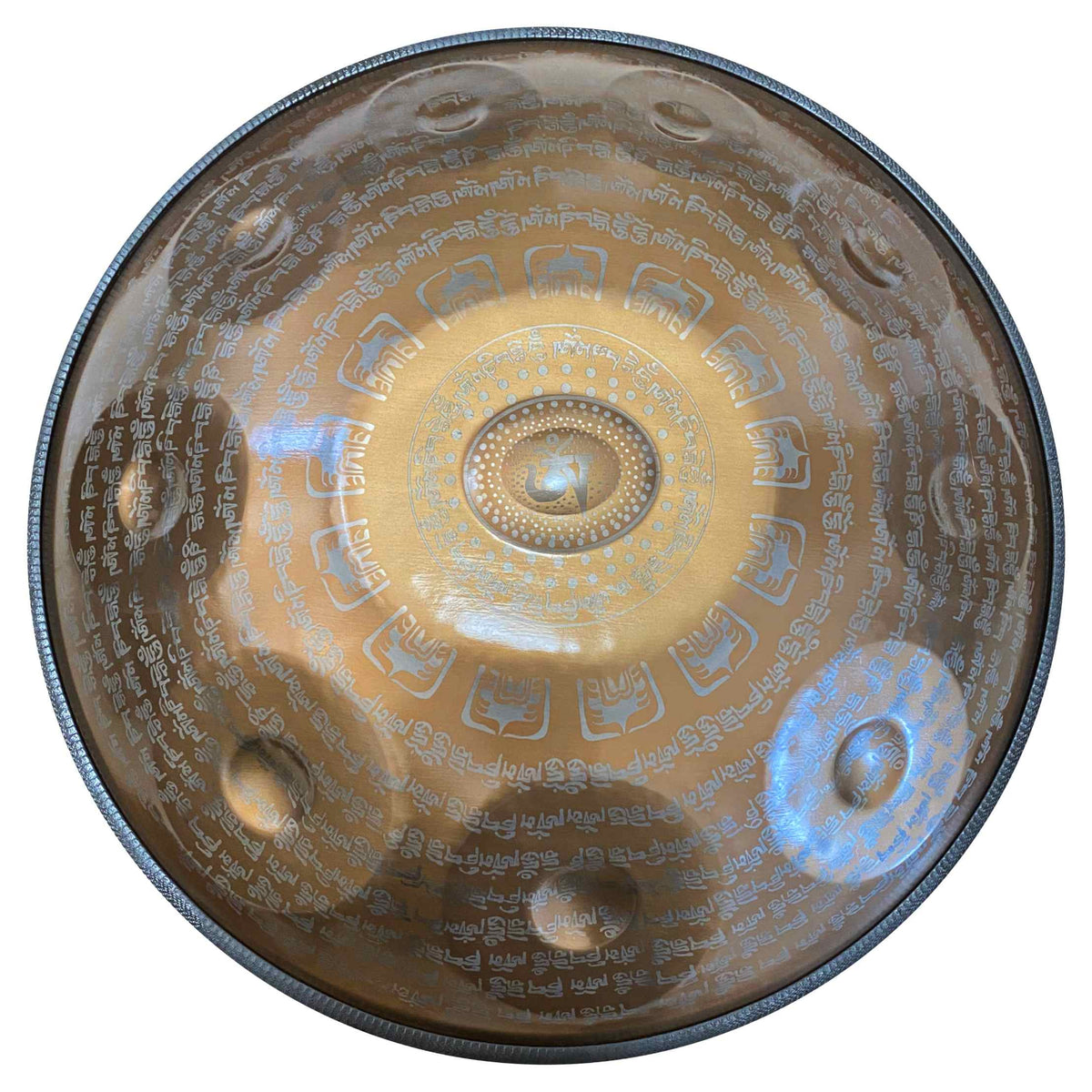
Featured Instrument: Cosmos Tantra Tibetan Handpan Gift Set
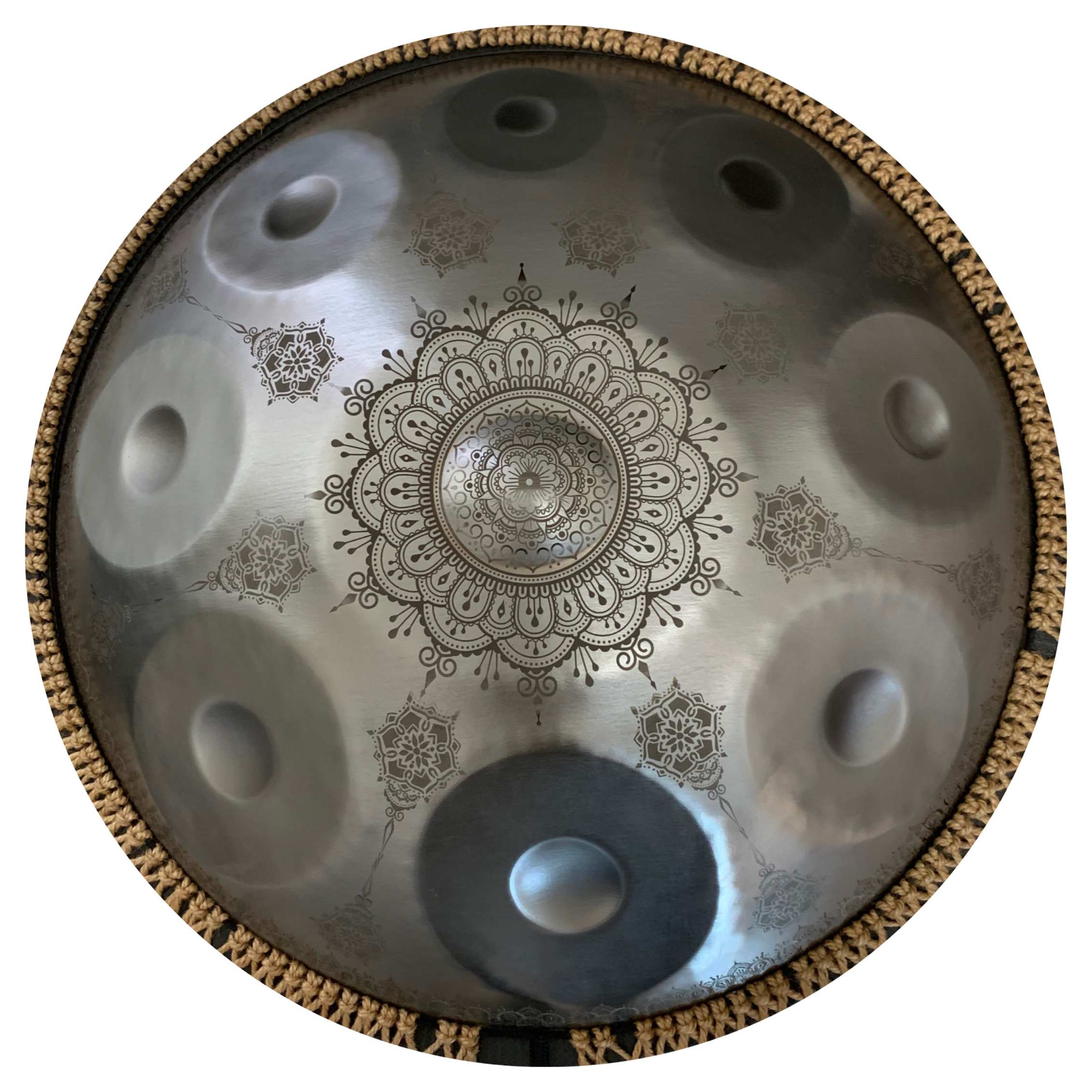
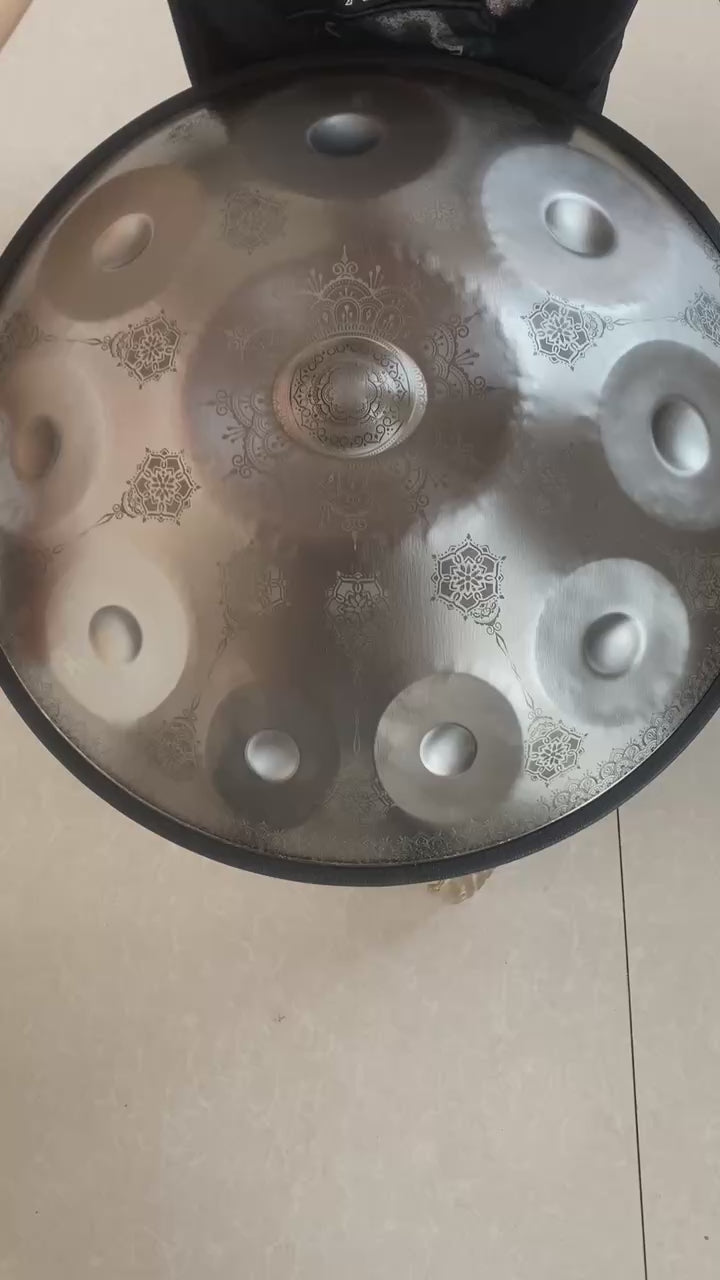
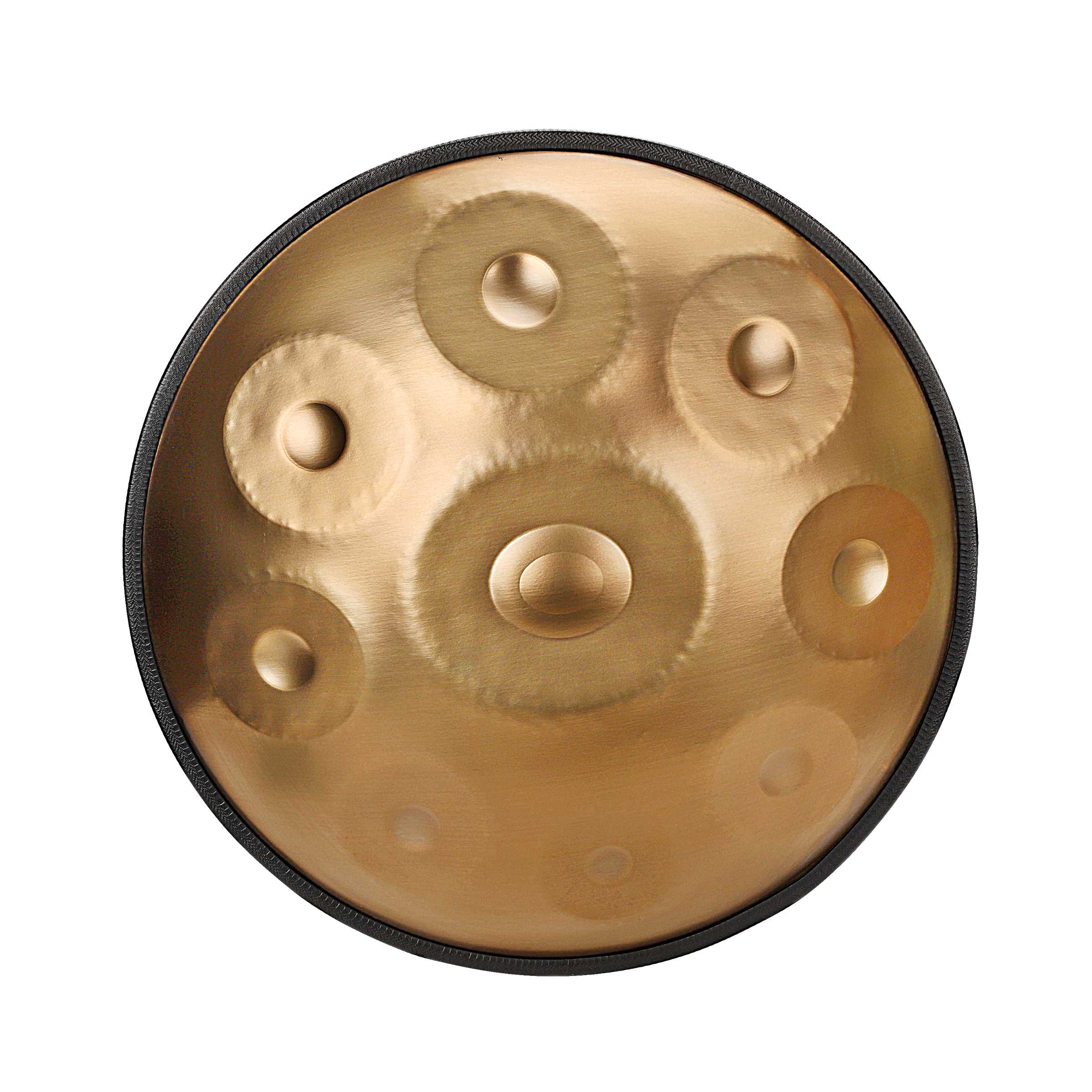
The Cosmos Tantra Tibetan Handpan is specifically engineered for melodic practice, meditation, and performance. Its note architecture is built to respond effortlessly to an elastic, lightweight touch, allowing players to draw out rich, cathedral-like sustain without having to exert force.
- Scale: D Minor (Universal, highly resonant harmonic tuning)
- Note Configurations: Available in 9, 10, or 12 notes
- Material Architecture: High-hardness stainless steel (1.07 mm thickness for balanced structural tension)
- Dimensions: 22-inch diameter, 10.2-inch height
- Acoustic Profile: Extended sustain with crystal-clear octave and fifth harmonic separation
Equipped with a protective carry case and full accessories, this instrument provides the exact acoustic sensitivity required to master an effortless, non-destructive touch. You can explore the Cosmos Tantra Tibetan Handpan specifications and pricing here.
Frequently Asked Questions (FAQ)
No, you should never hit a handpan with standard wooden drumsticks, hard rubber mallets, or glockenspiel beaters. Doing so will immediately dent the precision-hammered tone fields and knock the fundamental frequencies and harmonics out of tune. Handpans should be played exclusively with bare hands or specialized, ultra-soft mallets designed specifically for handpans.
A dull or muffled sound is almost always caused by leaving your finger on the steel for too long after striking. This is known as "damping." To produce a clear, ringing tone, your finger must make contact and bounce off instantly (within milliseconds). Ensure you are striking with the soft fleshy pad of your finger or thumb and immediately snapping your wrist back upward.
To increase volume safely, focus on touch velocity rather than downward weight. A faster wrist snap activates the steel's resonance more efficiently without pushing the metal beyond its elastic limit. Additionally, position your handpan over reflective flooring (such as hardwood or tile) so sound exiting the bottom port (the Gu) radiates into the room, or use a high-quality stereo microphone pair for amplification.
Professional handpan re-tuning typically costs between $200 and $400 USD, excluding two-way insured shipping which can add another $100 to $200. Re-tuning requires specialized artisanal hammer work by an experienced tuner. In severe cases where the metal has been stretched or creased from aggressive hitting, the tone field may be permanently damaged and impossible to retune.
Acoustic and Technical References
To ensure our technical guidance aligns with established principles of idiophone acoustics and metallurgical standards, our methodology references the following authoritative sources:
- The Journal of the Acoustical Society of America (JASA) - Modal Analysis and Acoustics of Caribbean and Hand-Played Steel Drums
- Percussive Arts Society (PAS) - Research and Standards for Ergonomic Hand Percussion and Idiophone Maintenance
- Materials Science and Metallurgy Standards - Plastic Deformation, Elastic Limits, and Work Hardening in Deep-Drawn Sheet Steels