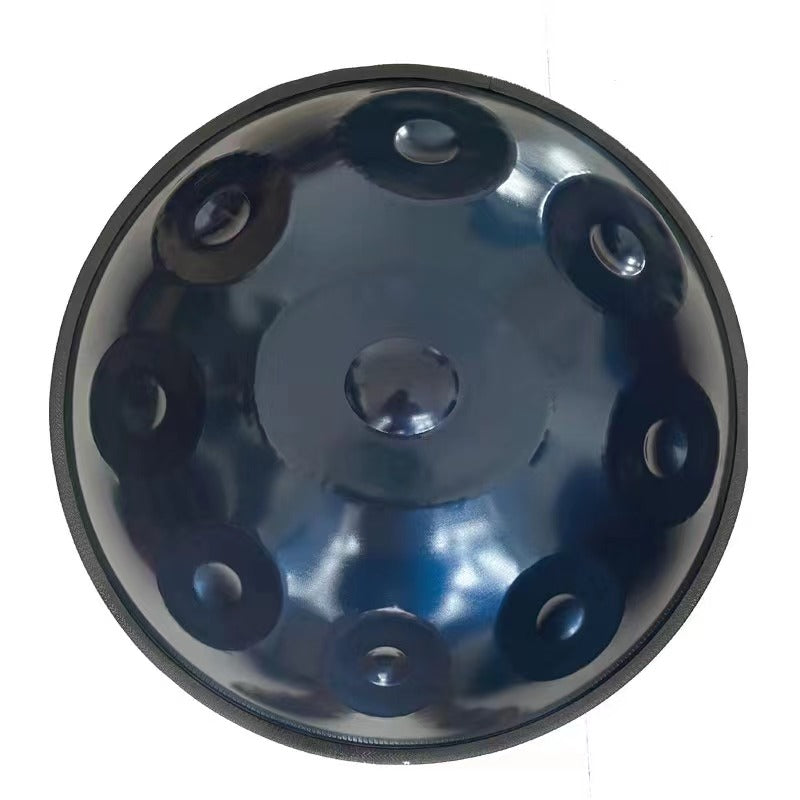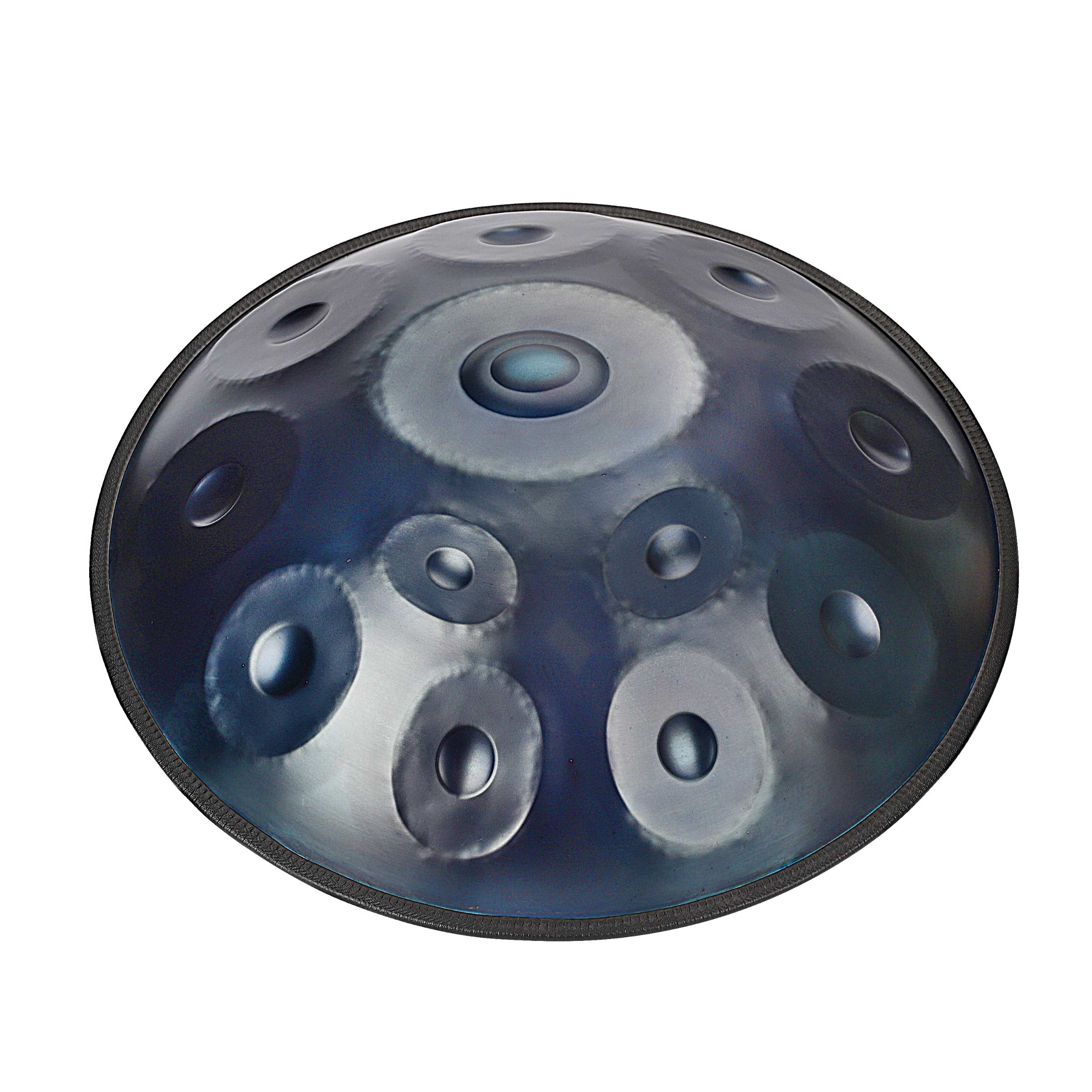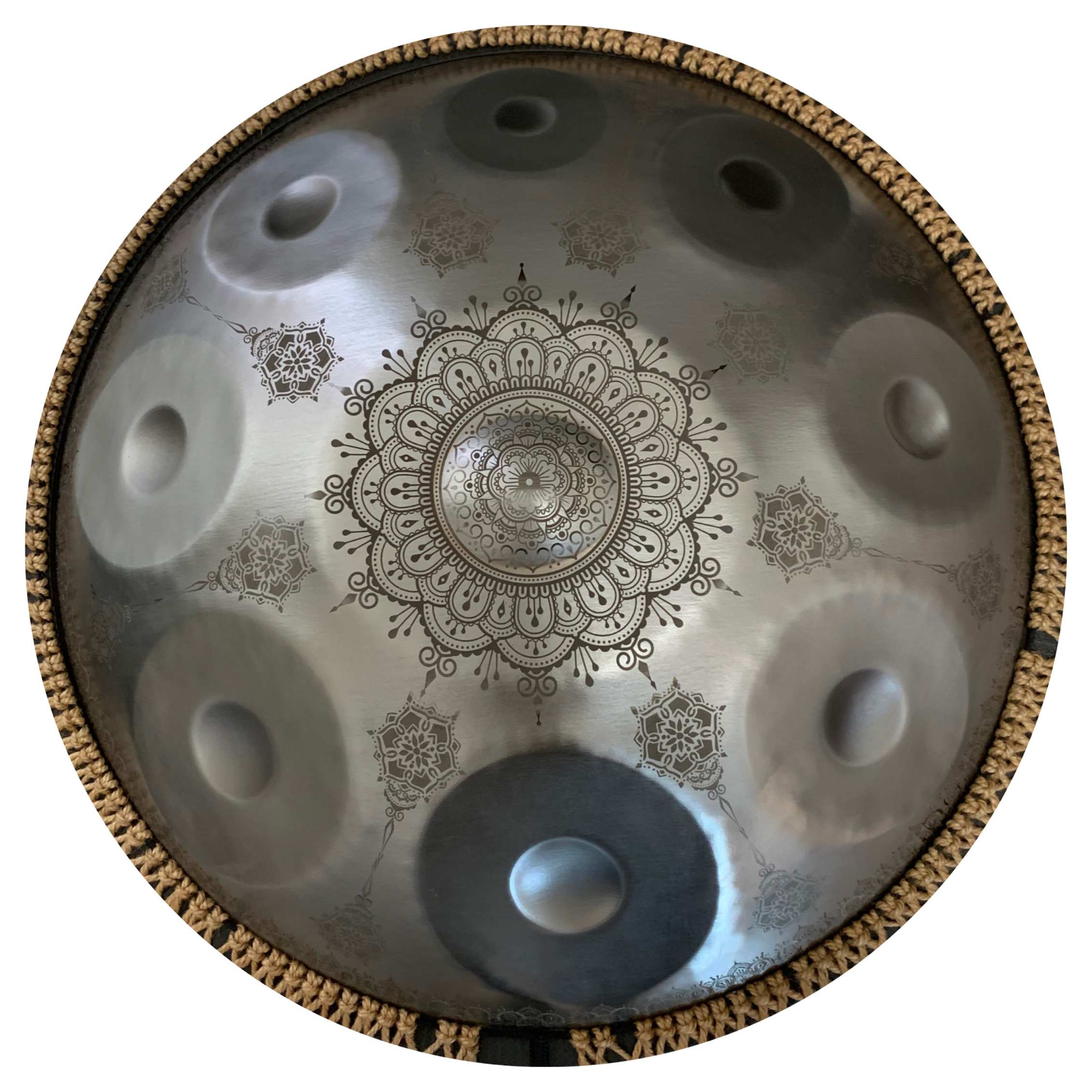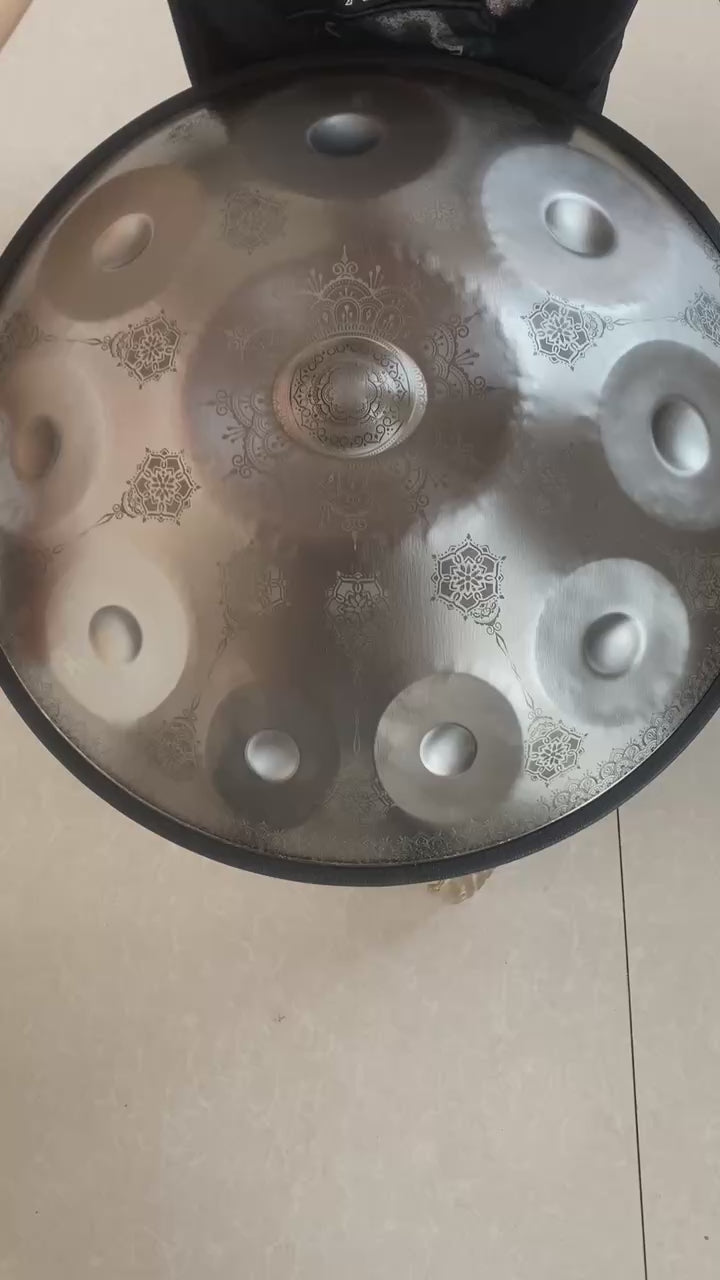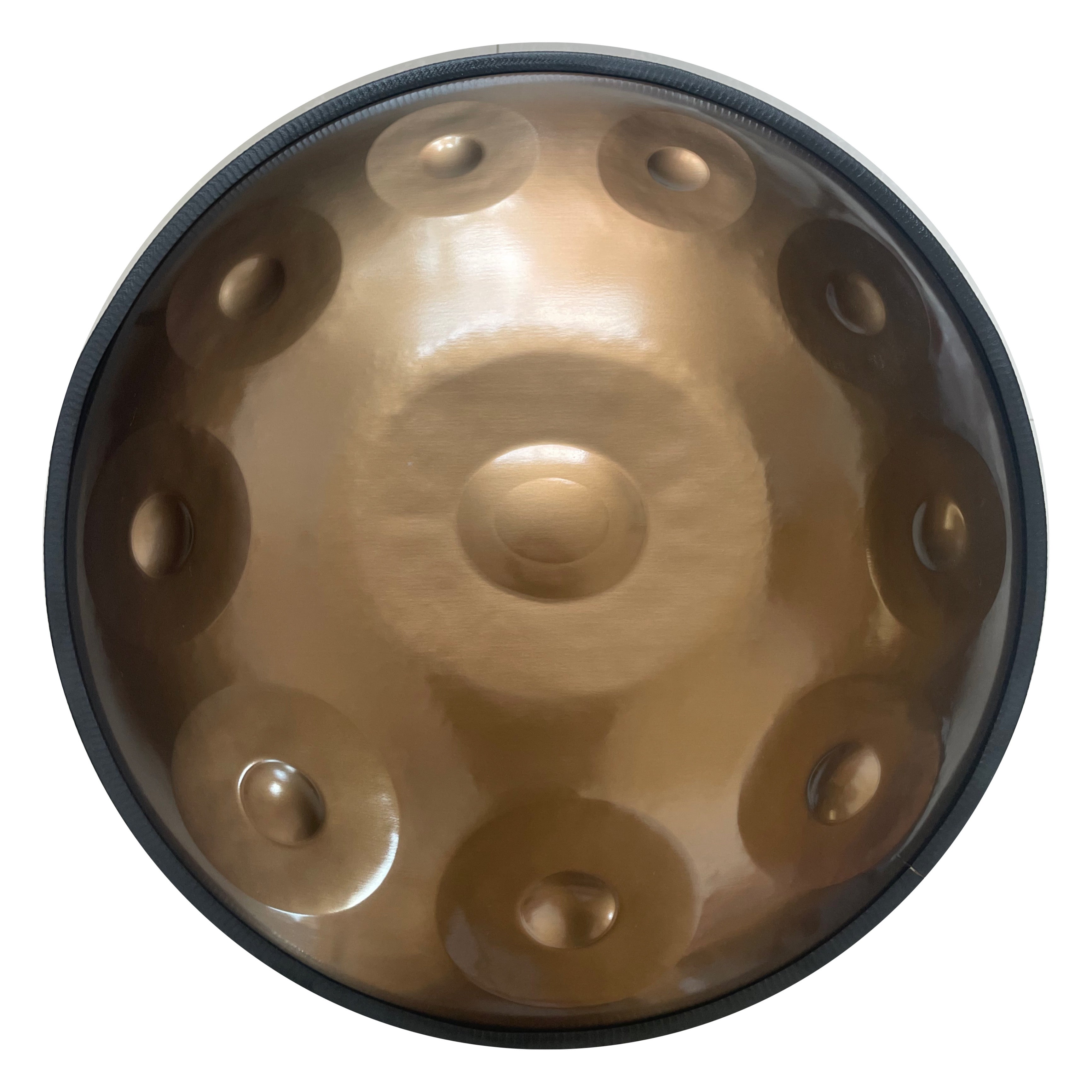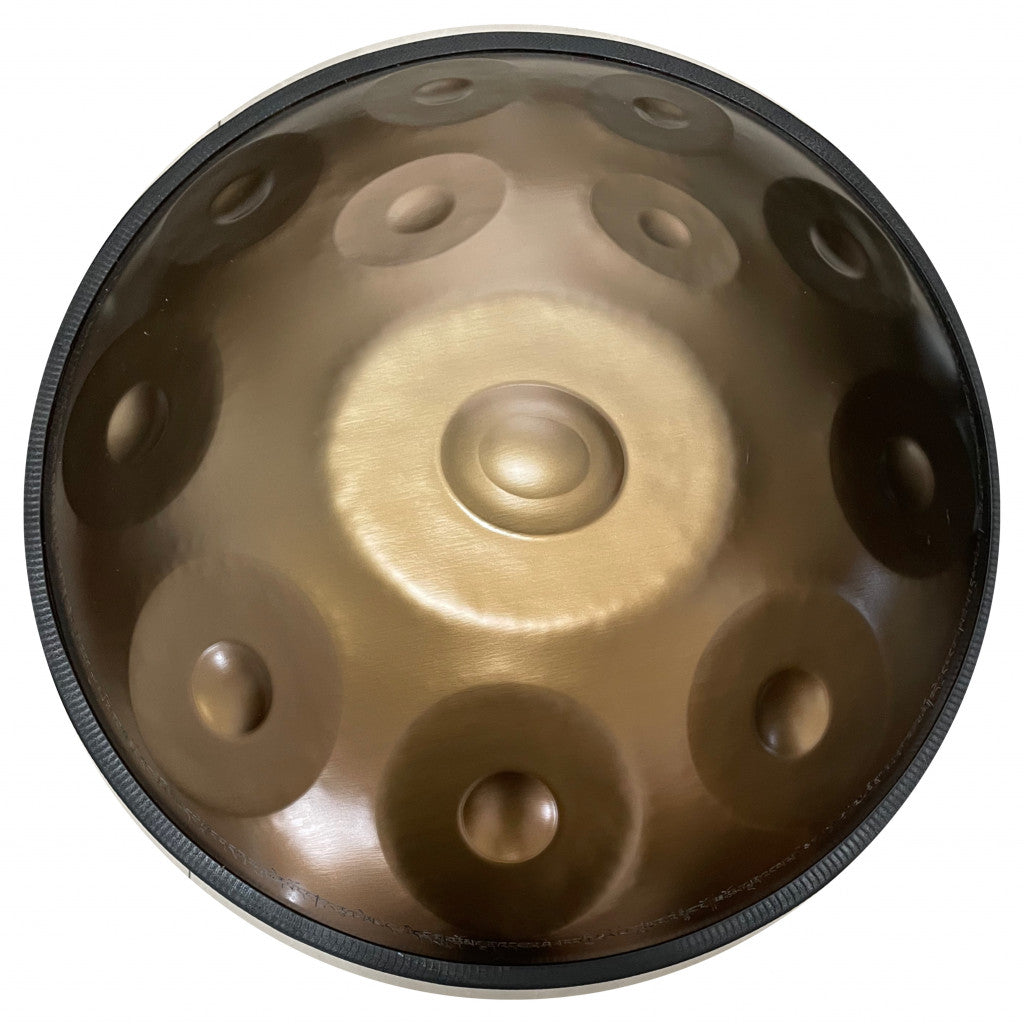

If you have recently browsed social media groups, Reddit threads, or YouTube comment sections dedicated to the handpan community, you have likely seen headlines and rumors screaming about a potential ban. For musicians, collectors, and makers alike, a single, terrifying question is dominating the conversation: is the handpan going to become illegal?

From our experience as industry practitioners and master craftsmen, we know that misinformation spreads faster than the speed of sound. The short and direct truth is that your instrument is not a criminal object, and law enforcement is not coming to confiscate it from your living room. However, what is actually happening in the European civil courts is a complex legal battle over intellectual property, applied art copyright, and the future of independent manufacturing. For commercial users and independent workshops, the threat is entirely real.
In this comprehensive guide, we will cut through the panic, break down the recent 2026 court rulings, and explain the commercial and practical realities of what these lawsuits actually mean for the global handpan ecosystem. We will explore exactly who needs to worry, how it affects your buying decisions this year, and why we strongly advocate for an open, innovative musical community.
Quick Answer: The Legal Status of the Handpan
No, there is absolutely no criminal ban, and no government is outlawing the ownership, playing, or performance of handpans. The fear surrounding the question of whether the handpan going to become illegal stems entirely from private civil copyright lawsuits initiated by PANArt (the Swiss inventors of the original Hang). Recent court rulings in Switzerland and Germany have treated the distinct shape of the Hang as "applied art," allowing PANArt to sue certain independent manufacturers for copyright infringement. In short: players are 100% safe; independent makers operating in specific European jurisdictions face the risk of civil manufacturing bans if their designs are deemed too similar to the original Hang.
Forging Cosmos Connections: Our Stand on the Handpan Community
In the heart of Colorado, USA, Cosmos Handpan shines as a guiding light of musical innovation and soulful resonance. We have more than a decade of expertise in creating handpans and tongue drums. Passion, precision, and an unwavering pursuit of musical excellence steep our musical journey.
Cosmos’ story begins with a shared love for music and a profound desire to create instruments that transcend sound. Our instruments and melody resonate deeply with the spirit of every musician. Our crafters pour their heart into each handpan and tongue drum with intricate workmanship and dedication. Our artisans infuse each instrument with ethereal melodies that stir the senses and uplift the spirit. We firmly believe that the future of this instrument relies on open innovation, respect for acoustic science, and global accessibility.
Table of Contents
- 1. What It Is: Understanding the Applied Art Copyright Lawsuits
- 2. How It Works: Civil Litigation vs. Criminal Bans
- 3. Quick Summary Table: Legal Landscape 2026
- 4. Benefits of an Open Manufacturing Ecosystem
- 5. Limitations of the Copyright Ruling
- 6. Pros and Cons Table: Copyrighting Instruments
- 7. Comparison: The Original Hang vs. Modern Handpans
- 8. Who Should Use It & Who Does Not Need to Worry
- 9. Common Mistakes and Misconceptions
- 10. Buying Considerations for 2026
- 11. Expert Recommendation
- 12. Frequently Asked Questions (FAQ)
1. What It Is: Understanding the Applied Art Copyright Lawsuits
To understand why people are asking if the handpan going to become illegal, we must look at the handpan origin and history. The original instrument, called the Hang, was invented in 2000 by Felix Rohner and Sabina Schärer of PANArt in Switzerland. Fast forward to the present day, and there are over 300 independent makers worldwide producing similar instruments, commonly referred to as handpans or pantams.
Since 2020, PANArt has aggressively pursued civil lawsuits claiming that the lenticular (UFO-like) shape, central dome (ding), and surrounding circular tone fields constitute a unique work of "applied art," rather than just a functional acoustic shape. In July 2024, the Supreme Court of the Canton of Berne ruled in favor of PANArt, confirming copyright protection under Swiss, German, and Dutch law. More recently, on June 16, 2026, the Bern Commercial Court published a further decision upholding design protections, prompting the Handpan Community United (HCU)—a non-profit defending independent makers—to appeal and rally global support.
2. How It Works: Civil Litigation vs. Criminal Bans
The rumor mill regarding the handpan going to become illegal confuses criminal law with civil copyright law. If an object is criminally illegal (like illicit drugs or banned weapons), the state will confiscate it and arrest you. This is completely false regarding the handpan.
In a civil copyright dispute, a private entity (PANArt) petitions the court to order other businesses (independent makers) to cease and desist manufacturing products that infringe on their copyrighted design. If the court enforces this, independent makers in those specific jurisdictions could face severe financial penalties or be forced to stop building. The narrative of the handpan going to become illegal only applies to the unauthorized commercial production of instruments that mimic the exact aesthetic dimensions of the PANArt Hang, not the general existence or playing of the instrument.
3. Quick Summary Table: Legal Landscape 2026
| Legal Aspect | Current Status (2026) | Impact on the Community |
|---|---|---|
| Player & Musician Rights | 100% Legal globally. | No restrictions on playing, recording, or performing. |
| Manufacturing Rights (Europe) | Highly Restricted (Switzerland, Germany, Netherlands, France). | Makers face cease-and-desist orders if their shape directly mimics the Hang. |
| Manufacturing Rights (USA & Asia) | Currently largely unaffected by EU rulings. | Makers outside EU jurisdiction continue robust production. |
| Second-hand Market | Legal to buy and sell. | Used instruments remain fully tradeable. |
4. Benefits of an Open Manufacturing Ecosystem
From our experience, the evolution of any acoustic instrument relies on the open sharing of ideas. When discussing the question of whether the handpan going to become illegal, we must advocate for the benefits of a free market. Independent makers have taken the original concept and evolved it tremendously. Today, we have bottom-note layouts, mutant layouts, stainless steel variations for extended sustain, and ember steel variations.
Monopolizing the physical shape of a steel acoustic resonating chamber limits the access to the instrument. We recommend supporting independent makers because competition drives down prices, increases accessibility for beginners, and fosters a rich diversity of handpan music tracks across the globe. Without independent makers, the waitlist for an instrument would be years long, and prices would skyrocket to exclusionary levels.
5. Limitations of the Copyright Ruling
When analyzing the fear of the handpan going to become illegal, it is crucial to recognize the limitations of these court rulings. Intellectual property law is geographically bound. While the courts in Bern and Düsseldorf have ruled in favor of PANArt's applied art claims, these decisions do not automatically translate to a global manufacturing ban.
Furthermore, a court cannot copyright the laws of physics. The concave shape, the Helmholtz resonator hole (Gu), and the dimpled tone fields are acoustic necessities derived directly from Trinidadian steelpan tuning techniques. Manufacturers who clearly differentiate the aesthetic finish, the metal type, and the structural profile of their instruments are successfully arguing that their creations are functional tools, not aesthetic copies. According to the June 2026 Bern ruling, instruments with an "impex" (inward) central note instead of an apex dome, or those using a "mutant layout" that breaks the circular pattern, do NOT infringe on PANArt's copyright.
6. Pros and Cons Table: Copyrighting Instruments
Here is a professional breakdown of what happens when applied art copyright is enforced on musical instruments.
| Pros of Copyrighting the Shape | Cons of Copyrighting the Shape |
|---|---|
| Protects the original artistic vision and financial investment of the initial inventors. | Stifles global innovation and prevents modern acoustic improvements by independent artisans. |
| Prevents cheap, low-quality mass-produced knockoffs from flooding the market under false pretenses. | Creates artificial scarcity, driving up prices and making the instrument inaccessible to average musicians. |
| Clearly establishes the instrument as a protected "social sculpture". | Threatens the livelihood of hundreds of independent, highly-skilled craftspeople worldwide. |
7. Comparison: The Original Hang vs. Modern Handpans

To understand the nuances of the hang drum vs handpan debate, we must look at how the instruments have diverged.
| Feature | PANArt Hang (Original) | Modern Independent Handpans (e.g., Cosmos) |
|---|---|---|
| Material | Pang (Nitrited steel sheet). | Stainless steel, Ember steel, high-carbon steel. |
| Tuning Style | Initially integrated 440Hz, later varied free-tuning. | Precision 440Hz or 432Hz standard chromatic/diatonic scales. |
| Acoustic Layout | Standard 7 to 8 notes plus central Ding. | Up to 20+ notes, including complex bottom-shell and mutant layouts. |
| Availability | Extremely limited, no longer produced in original form. | Accessible, custom-built to the musician's exact scale preference. |
8. Who Should Use It & Who Does Not Need to Worry
If you are panicking about the handpan going to become illegal, take a deep breath.
Who does not need to worry: If you are a musician, a sound healer, a beginner looking to buy their first instrument, or a fan searching for the best handpan players to listen to, you have zero legal exposure. You can confidently download handpan music, travel with your instrument, and perform on stage. The police are not monitoring instrument ownership.
Who should worry (and take action): Independent makers, particularly those operating within the European Union. Commercial users such as wholesale distributors must be highly diligent about the specific structural designs of the instruments they import to ensure they do not run foul of the applied art rulings.
9. Common Mistakes and Misconceptions
In most professional situations, the biggest mistake consumers make is assuming that because PANArt invented the Hang, they invented the physics of tuned steel. This is factually incorrect. The fundamental architecture of tuning isolated notes on a hammered steel shell was pioneered decades earlier by the creators of the Trinidadian Steelpan. To dig deeper into this, we highly recommend reading up on where is handpan from.
Another common mistake is halting a purchase because of the anxiety surrounding the handpan going to become illegal. Waiting for the legal dust to settle could take years of appeals. If you want to learn to play, there is no legal risk in buying an instrument today from a reputable, distinct manufacturer.
10. Buying Considerations for 2026
For those looking to invest in an instrument this year, we recommend commercial and practical judgment. With the narrative of the handpan going to become illegal heavily affecting European supply chains, buyers should look for manufacturers who have established distinct, proprietary designs that do not blindly copy the aesthetic of the PANArt Hang.
Look for makers who use unique metal treatments (like polished stainless steel or custom patina finishes), innovative bottom-note layouts, and proprietary shell shapes. By purchasing instruments that clearly feature unique engineering, you are supporting the legal defense that handpans are a broad category of functional acoustic instruments, not a single monopolized sculpture.
11. Expert Recommendation
From our experience, the attempt to lock down an entire category of musical instruments through litigation is detrimental to the global arts community. Regarding the rumors of the handpan going to become illegal, we advise you to ignore the fear-mongering and focus on the music.
At Cosmos Handpans, we stand firmly with the global community of makers and players represented by Handpan Community United (HCU). We pour our hearts into creating distinct, legally sound, and acoustically breathtaking instruments that honor the craft while pushing the boundaries of metallurgical science. We strongly recommend that buyers continue to support independent artisans. If you are ready to start your musical journey, choose a maker that focuses on precision, transparency, and innovation.

12. Frequently Asked Questions (FAQ)
Is the handpan going to become illegal to own or play?
No. There is no criminal ban on the handpan. Owning, playing, and performing with a handpan is 100% legal worldwide. The legal disputes are strictly civil copyright matters targeting manufacturers, not musicians.
Will my handpan be confiscated at customs when traveling?
No. Customs agents are not seizing handpans from traveling musicians. The civil copyright lawsuits deal with the commercial manufacturing and mass distribution of infringing designs, not personal property carried by an individual player.
Why did PANArt sue other handpan makers?
PANArt claims that the specific physical shape and aesthetic design of their original Hang is a protected work of "applied art". They sued makers who produced instruments that too closely replicated this visual form without permission.
What is Handpan Community United (HCU)?
HCU is a non-profit organization formed to defend independent handpan makers in court. Their goal is to prove that the shape of the instrument is dictated by its acoustic function, ensuring that the handpan remains an open, un-monopolized instrument category for all.
Authoritative References
- Handpan Community United (HCU) - Official organization representing the legal defense of independent makers, musicians, and promoters worldwide against monopolistic copyright claims.
- PANArt Hang Manufacturing Ltd. - Official statements and court ruling summaries regarding the copyright protection of the Hang as a work of applied art.
- World Intellectual Property Organization (WIPO) - International framework and legal definitions distinguishing between functional industrial designs and protected applied art.