Buying a used handpan can save money, but it is not a purchase where the lowest asking price should win. A handpan is a carefully tuned acoustic instrument. Hidden tuning problems, dents near tone fields, corrosion, poor repair work, and an unreliable seller can turn an attractive secondhand deal into an expensive mistake. The safest approach is to inspect the instrument's sound and physical condition, verify its history, test it properly, and use a payment method that gives you a clear record of the transaction.

How Can You Buy Used Handpans Safely?
You can buy used handpans safely by purchasing from a verifiable seller, requesting recent sound and condition videos, checking every note for tuning consistency, inspecting the shell for damage and corrosion, and arranging a protected payment or return process. If possible, have an experienced handpan player or instrument technician assess it before you pay.
Our position is straightforward: a used handpan is worth considering only when its condition can be demonstrated. A beautiful finish, a famous maker's name, or a seller's assurance that the instrument "sounds perfect" is not enough. The sound fields and their tuning are the instrument's core value. If those are compromised, cosmetic quality will not make the purchase worthwhile.
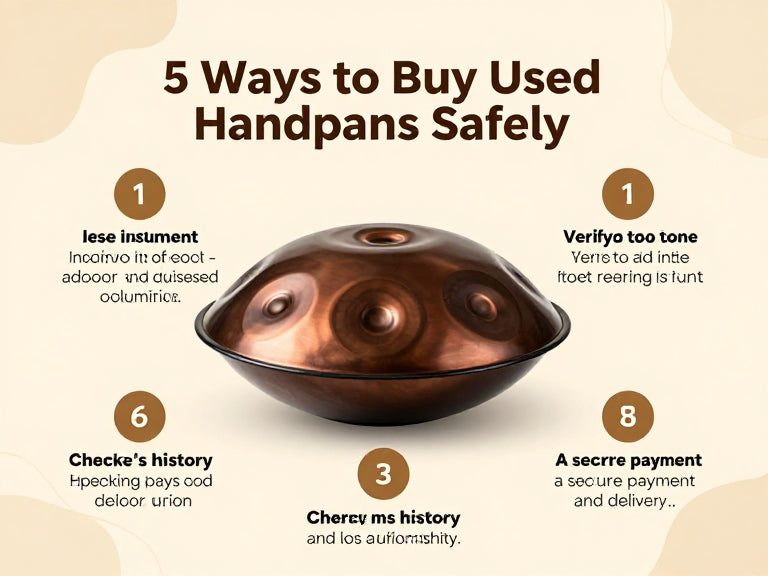
To buy used handpans safely, follow these five steps:
- Verify the seller's identity, ownership, and instrument history.
- Request clear, recent videos demonstrating every note and the overall sound.
- Inspect the shell, tone fields, corrosion, dents, and previous repairs.
- Compare the price with the maker, scale, material, condition, and repair risk.
- Use a documented payment method and agree on shipping, insurance, and return terms before paying.
For beginners, we recommend involving an experienced player or choosing a new instrument from a reputable maker if the used instrument cannot be tested properly.
- What makes a used handpan worth buying?
- Quick summary table
- 1. Verify the seller and instrument history
- 2. Listen to every note and check tuning
- 3. Inspect the shell and physical condition
- 4. Compare price, maker, and repair risk
- 5. Protect payment, shipping, and returns
- Used vs. new handpans
- Pros and cons of buying used
- Common secondhand buying mistakes
- When a new handpan is the better choice
- Expert recommendation
- Frequently asked questions
What Makes a Used Handpan Worth Buying?
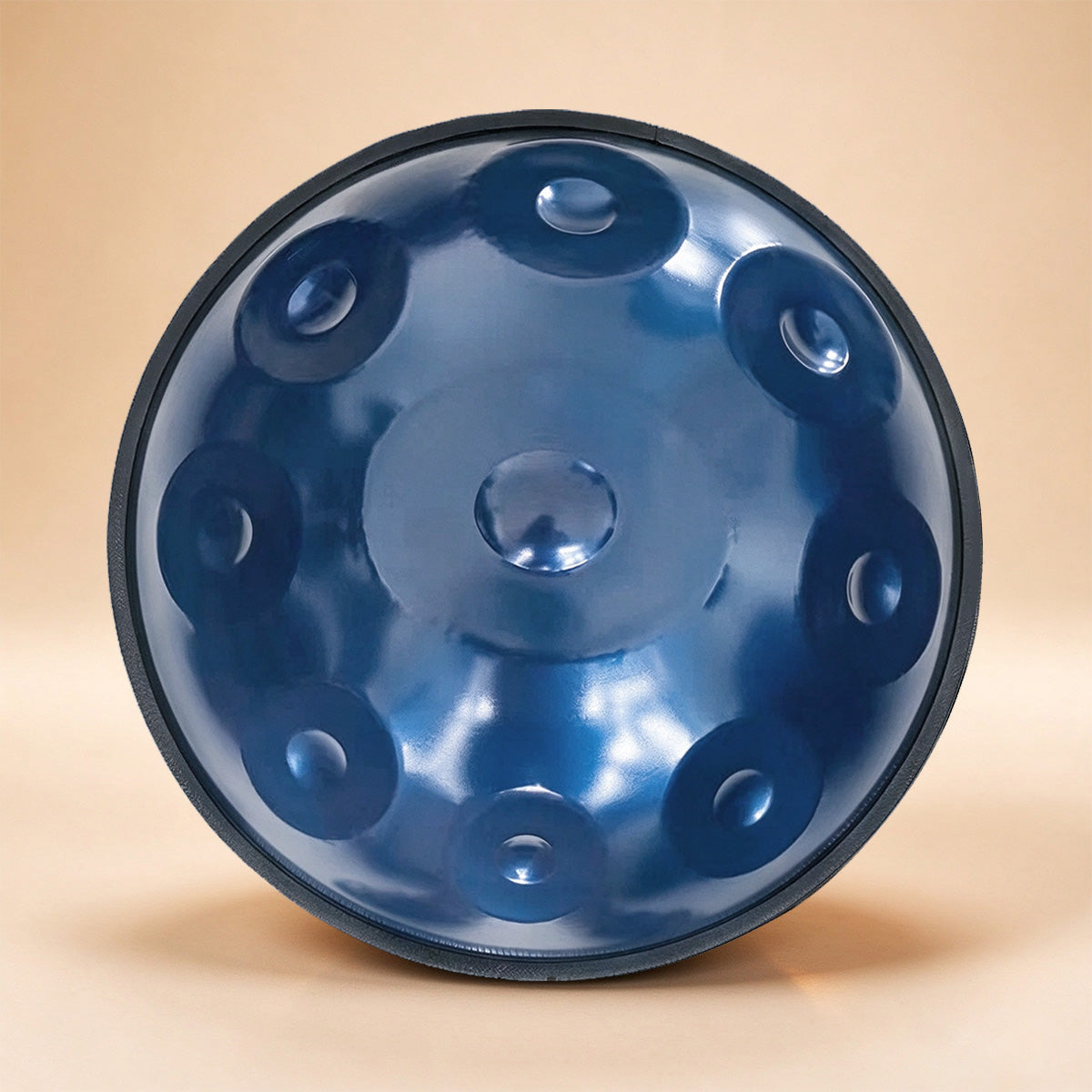
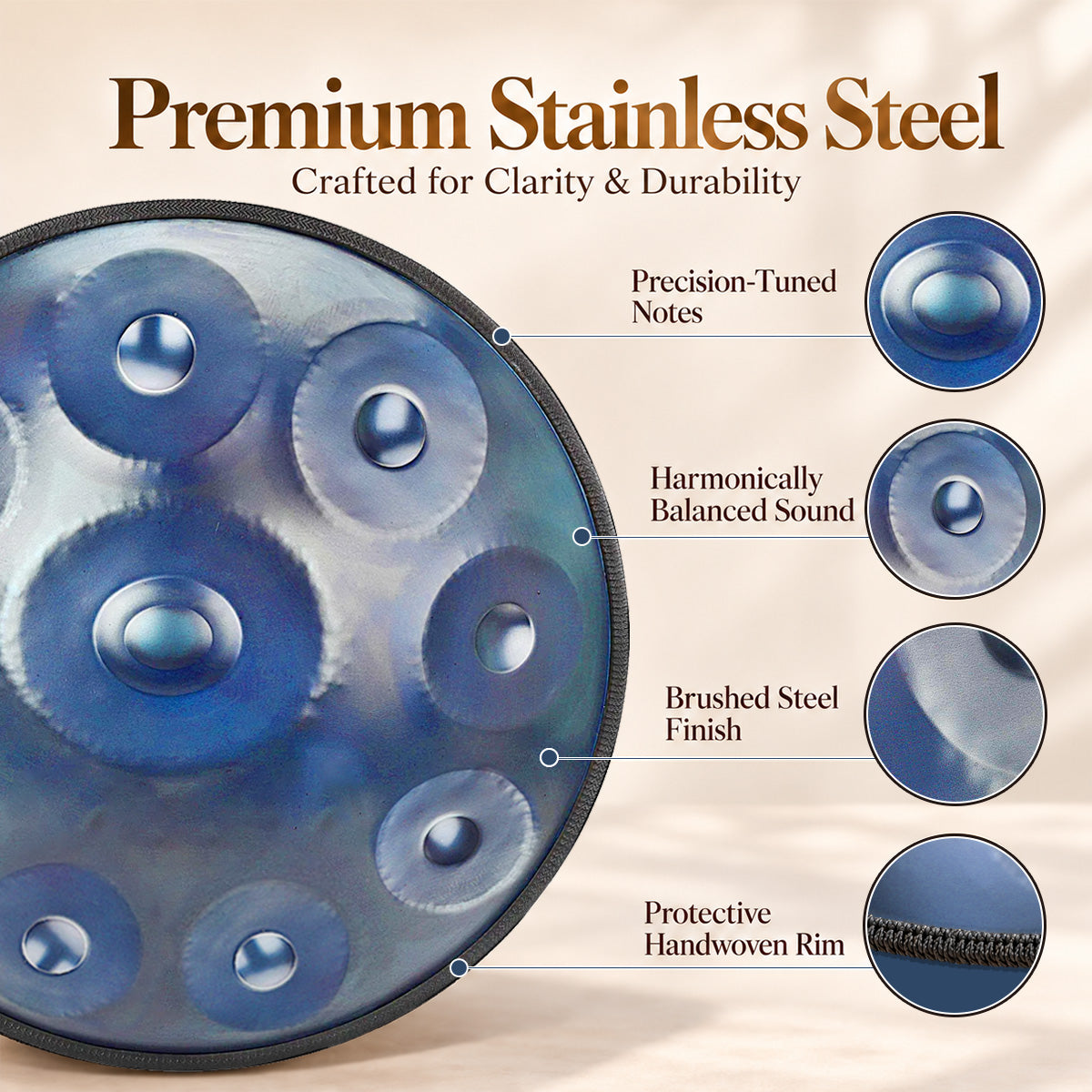
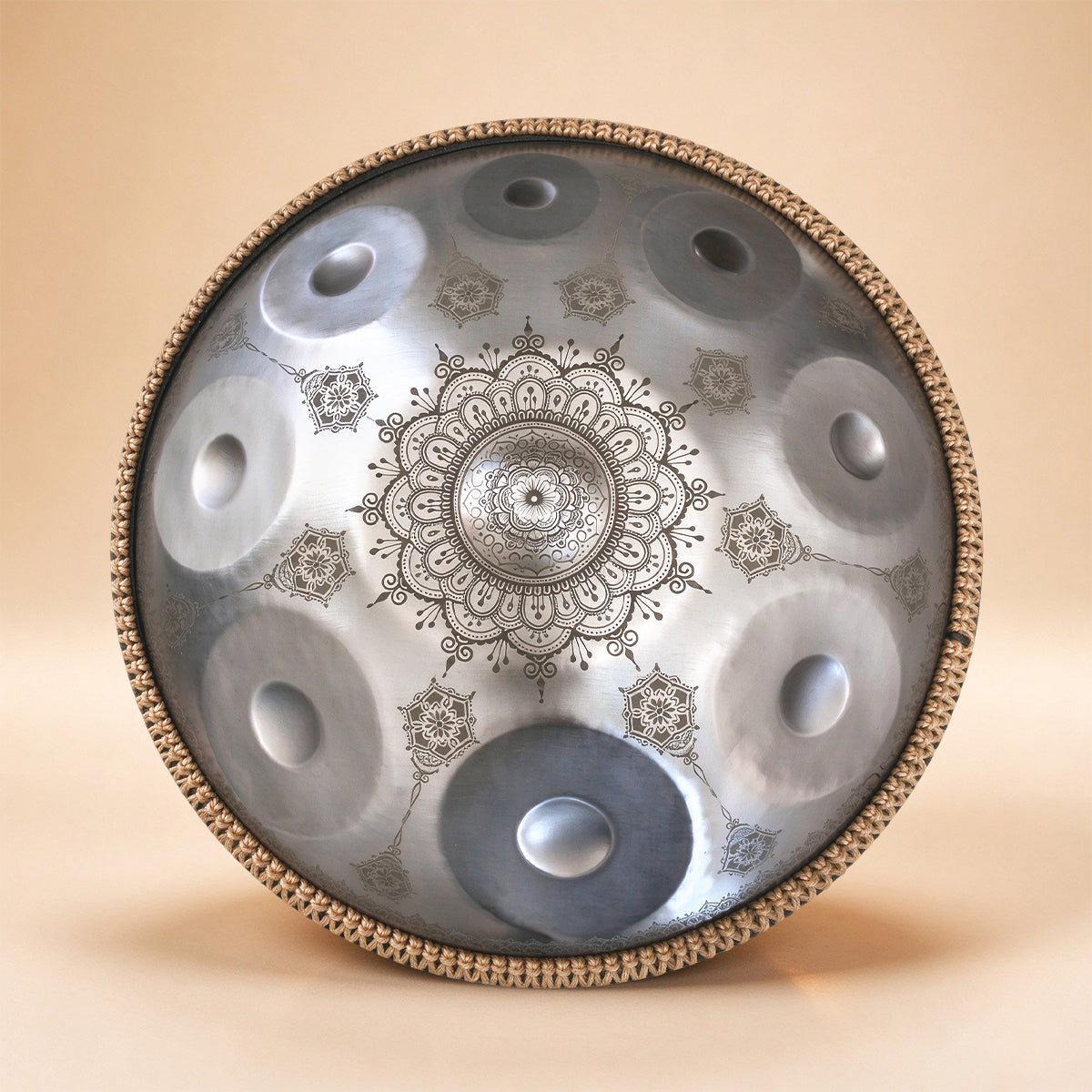
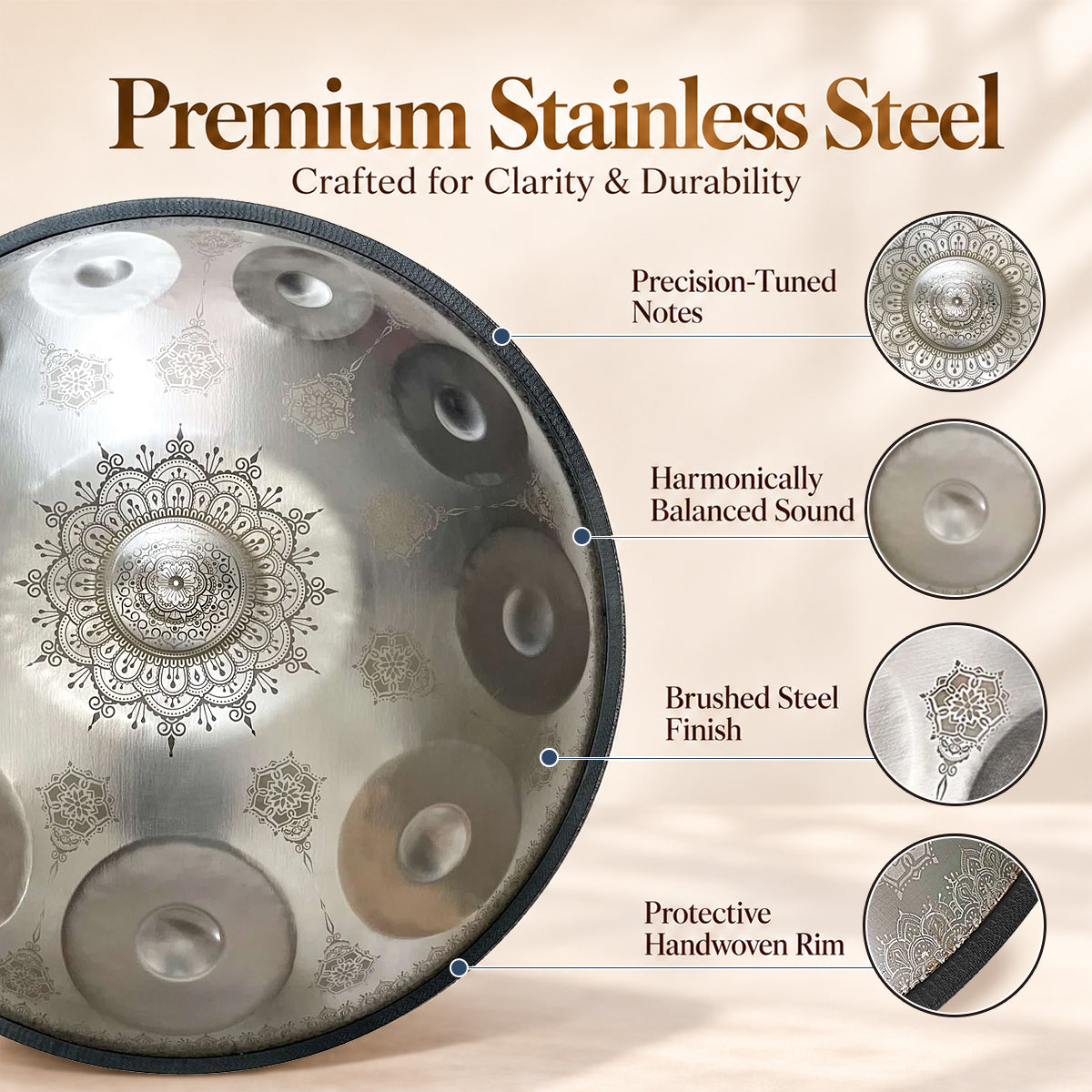
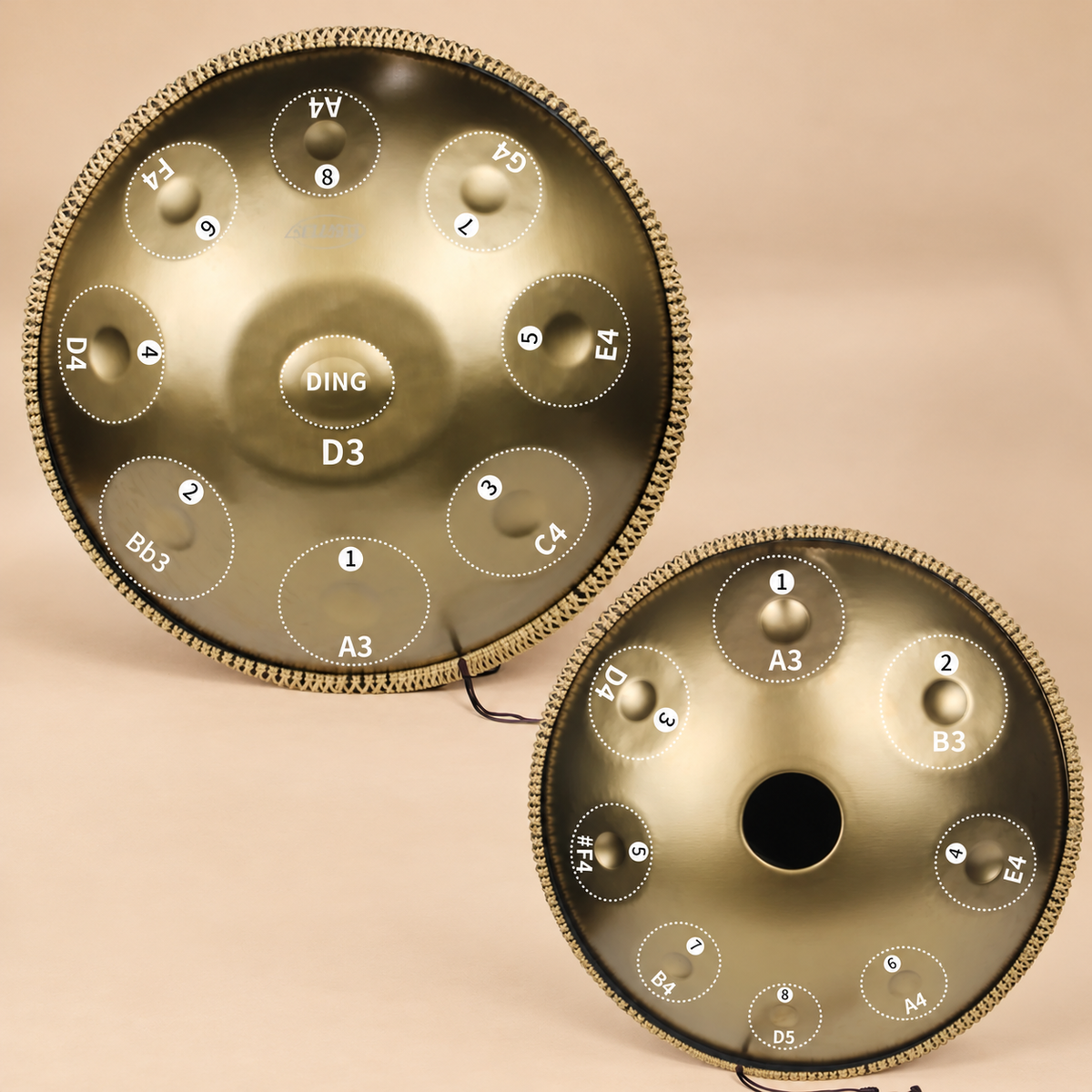
A used handpan is a previously owned steel percussion instrument with a central note, surrounding tone fields, and a resonating shell. Each tone field is shaped and tuned to produce a specific pitch and harmonic character. Unlike a simple metal drum, a handpan's musical response depends on the relationship between the note fields, the shell, and the instrument's overall construction.
That is why secondhand buying requires more care than purchasing an ordinary household item. A handpan may look clean but have tuning instability. It may have a small dent that affects the response of a nearby note. It may also have a history of being dropped, stored in damp conditions, or adjusted by someone without the right experience.
How a handpan works and why condition matters
When you strike a tone field with your hands or fingers, the shaped steel vibrates and produces a fundamental note together with harmonics. The note field's geometry and the surrounding shell influence the instrument's sustain, clarity, and response. Damage or poorly executed repair work can alter that behavior.
In practical terms, a used handpan should be judged by more than whether it produces sound. You need to know whether the notes are stable, whether they respond consistently at normal playing strength, and whether the instrument still produces the musical character expected from its scale.
Who should consider buying a used handpan?
- Experienced players: Players who understand scales, tuning, note response, and instrument condition can identify a worthwhile secondhand instrument more confidently.
- Budget-conscious buyers: A used instrument can make sense when the maker and condition are verifiable and the price reflects its age and wear.
- Collectors: A discontinued scale or instrument from a respected maker may be worth considering if its provenance and tuning condition are documented.
- Studios and facilitators: A second instrument may be useful for teaching, workshops, or group sessions, provided it is dependable and easy to maintain.
Who should avoid an uncertain secondhand purchase?
For beginners who have never played a handpan, an unverified used instrument is often a poor first purchase. You may not yet know how to recognize a false note, unstable tuning, or an instrument that responds badly to normal touch. If the seller cannot provide convincing evidence and no knowledgeable person can inspect it, buying new from a reputable source is usually the safer decision.
Quick Summary: Five Ways to Buy Used Handpans Safely
| Safety step | What to check | Why it matters | Risk if ignored |
|---|---|---|---|
| Verify the seller | Identity, ownership, maker, serial or identifying details, purchase history | Establishes whether the seller has the right to sell the instrument and whether its background is credible | Misrepresentation, stolen property, or unverifiable claims |
| Test the sound | Every note, scale consistency, sustain, buzzing, unwanted rattling | Reveals musical and possible tuning problems | Paying for an instrument that needs specialist work |
| Inspect condition | Dents, cracks, corrosion, shell distortion, repairs, case condition | Physical damage can affect playability and long-term reliability | Hidden structural or maintenance issues |
| Evaluate the price | Maker, material, scale, age, condition, accessories, repair costs | Shows whether the discount is worth the risk | Overpaying for a damaged or difficult-to-service instrument |
| Secure the transaction | Payment protection, written description, insurance, packaging, return agreement | Reduces disputes and shipping-related losses | Limited recourse if the item arrives damaged or differs from its description |
1. Verify the Seller and the Used Handpan's History
The first safety check happens before you listen to a single note. You need to establish who is selling the instrument, whether the seller owns it, and whether the description is credible. A seller who avoids basic questions is already giving you a reason to pause.
Ask for the maker and purchase information
Request the original maker or brand, approximate purchase date, scale, tuning reference if known, and any documentation that came with the instrument. An original invoice, maker's certificate, order confirmation, or previous service record can help establish its history.
Not every handpan has a formal serial number or standardized ownership document. Do not reject a legitimate instrument solely because one is absent. Instead, ask for consistent identifying details and compare them with the maker's records or product information where possible.
Ask why the owner is selling
A straightforward reason, such as changing musical preferences, upgrading to another scale, or reducing a collection, is not a guarantee of quality. However, it gives you context. More important is whether the seller answers questions consistently and allows reasonable inspection.
Be cautious when a seller:
- Refuses to provide a recent video of the actual instrument.
- Uses only stock photos or images copied from a maker's website.
- Cannot identify the maker, scale, or approximate age.
- Pressures you to pay immediately because another buyer is supposedly waiting.
- Requests an irreversible payment method without offering a credible reason.
- Claims the instrument is perfect but refuses an independent inspection.
Use a live video call for higher-value purchases
A live video call is more useful than a collection of old photographs. Ask the seller to show the instrument from several angles, play each note, and demonstrate any area you are concerned about. You can also ask them to write a short identifying phrase on paper and place it beside the instrument during the call. This helps confirm that the seller has access to the actual handpan being offered.
2. Listen to Every Note and Check the Handpan's Tuning

This is the most important technical step. A used handpan can have surface marks and still be a good instrument. A handpan with unstable or damaged tuning is a much more serious concern because tuning is central to its musical function.
Request a complete note-by-note video
Ask for a recent recording that includes the central note and every surrounding tone field. The seller should play each note individually at a consistent, moderate volume, then play simple patterns across the scale. A video that shows only a few attractive phrases is not enough to evaluate the instrument.
Listen for:
- Clear note identity: Each note should sound recognizable rather than muddy or indistinct.
- Consistent response: Notes should respond without requiring unusually hard strikes.
- Unwanted buzzing: Listen for rattling, metallic buzzing, or extra sounds that do not belong to the instrument's normal voice.
- Unusual sustain: A note that dies away much faster or behaves very differently from neighboring notes deserves further investigation.
- Musical consistency: Notes should work together in the stated scale without an obvious clash caused by a tuning problem.
Do not confuse a different tone with a tuning defect
Handpans can differ in timbre, sustain, volume, and harmonic emphasis. Those differences may be intentional characteristics of the maker, steel, construction, and tuning approach. A darker sound is not automatically better, and a bright sound is not automatically a defect.
What matters is whether the instrument performs consistently with its intended design. If possible, compare the recording with a reference recording from the same maker and model. A qualified handpan tuner or experienced player can help identify problems that are difficult for a beginner to hear.
Check the tuning reference, but do not treat 432Hz or 440Hz as a quality ranking
Some instruments are tuned around A=440Hz, while others are made around A=432Hz. These are reference tuning standards, not a simple measure of instrument quality. If you already own a handpan or play with other musicians, compatibility matters. Ask the seller which reference was used and whether the instrument has been retuned.
For a more informed buying decision, learn the relationship between scale and note layout through a handpan notes chart and this guide to understanding handpan notes. Knowing the scale helps you judge whether the instrument suits your music rather than buying solely on appearance.
3. Inspect the Shell, Tone Fields, and Physical Condition
Once the sound has passed an initial check, inspect the body carefully. A handpan is typically made from formed steel shells. The condition of those shells, the note fields, and the surface treatment affects both appearance and the instrument's ability to remain dependable.
Check for dents and deformation
Look across the top and bottom shells under even lighting. Pay particular attention to the tone fields, their surrounding areas, the central note, and the rim. A dent near a tuned area deserves more attention than a minor cosmetic mark in a non-critical location.
Ask the seller whether the handpan has ever been dropped, struck against a hard surface, or transported without a protective case. If damage is visible, request a close-up video and ask whether the instrument has been inspected or retuned afterward.
Look for corrosion and moisture damage
Surface discoloration can have several causes, and not every mark indicates serious corrosion. However, visible rust, pitting, flaking surface treatment, or signs of prolonged moisture exposure should not be ignored. Ask how the instrument has been stored and cleaned.
Steel handpans require sensible care. Moisture, sweat, and unsuitable cleaning products can affect the finish and create maintenance problems. A used instrument with corrosion may need specialist attention, so include that risk in your price assessment.
Inspect previous repairs
Ask directly whether the handpan has ever been retuned, repaired, reshaped, or modified. Professional tuning work is not automatically a negative. In fact, a documented service history may be reassuring. The concern is undocumented work, poor-quality repair, or repeated adjustments that have not resolved the underlying problem.
If a seller says the instrument was recently retuned, ask who performed the work and whether a current sound recording is available. A repair claim without evidence should not justify a higher asking price.
Check the case and accessories
A protective case is useful because handpans are vulnerable to impacts during storage and transport. Check the zipper, padding, handles, straps, and internal fit. Confirm whether the listing includes a stand, mallets, or other accessories, but do not let free accessories distract you from the instrument's actual condition.
4. Compare the Price, Maker, Scale, and Repair Risk
A used handpan should be priced according to what you are actually receiving, not simply the seller's original purchase price. A respected maker, desirable scale, documented maintenance, and excellent condition can support a stronger resale value. Cosmetic wear, missing accessories, uncertain tuning, or expensive shipping should reduce what you are willing to pay.
Compare the same type of instrument
When evaluating a listing, compare it with instruments that have a similar number of notes, scale, material, maker, age, and condition. A nine-note beginner instrument should not be compared directly with a complex twelve-note instrument from a specialist maker.
Use a realistic cost calculation:
If the used instrument needs professional tuning, a replacement case, or repair work, the initial discount may disappear. For heavy-duty applications such as regular workshops, studio use, or frequent travel, reliability should carry more weight than a small saving.
Understand the maker's reputation
Research the maker's construction approach, available scales, service options, and reputation among players. A brand name alone does not guarantee that a particular secondhand instrument is in good condition. Conversely, an instrument from a less widely known maker may still be a good purchase if its sound, construction, and history are verifiable.
Our guide to the best handpan brands can help you build a shortlist of makers to research. You should still evaluate the individual instrument rather than relying on brand reputation as a substitute for inspection.
Do not let a low price override the evidence
A used handpan offered far below comparable instruments may be a legitimate opportunity, but it may also signal hidden damage, a rushed sale, or an unreliable listing. Ask why the price is low. If the seller cannot explain it and will not provide a proper inspection, walk away.
For a wider price comparison, read our handpan price guide and review budget handpan options. The goal is not to find the lowest price; it is to find the best instrument you can verify within your budget.
5. Protect Payment, Shipping, and Returns
Even a technically sound handpan can become a bad purchase if it is damaged in transit or the seller refuses to resolve a dispute. The transaction process deserves the same attention as the instrument itself.
Use a payment method with a clear dispute process
Prefer a reputable marketplace or payment provider with documented buyer-protection terms. Read the rules before paying because coverage varies by platform, transaction type, and payment method. Avoid assuming that a bank transfer, cash transfer, cryptocurrency payment, or friends-and-family payment offers the same protection as a protected commercial transaction.
Keep copies of the listing, seller messages, photographs, videos, payment confirmation, and agreed condition description. If the instrument arrives with a significant undisclosed defect, this documentation can help explain what was promised and what was delivered.
Agree on the condition in writing
Before payment, ask the seller to confirm in writing:
- The maker, scale, note count, and tuning reference, if known.
- Whether the instrument has dents, corrosion, cracks, or repaired areas.
- Whether it has been retuned or serviced.
- Which accessories and case are included.
- Who pays shipping and whether the shipment is insured.
- What happens if the instrument arrives damaged or materially differs from the description.
Insist on suitable packaging and shipping insurance
A handpan should be protected against movement, compression, and impact. A soft bag alone is not sufficient for a long-distance shipment. Ask the seller to use a suitable padded case or protective packaging, secure the instrument inside the outer box, and use a shipping service with tracking and appropriate insurance.
Ask for photographs of the packed instrument before dispatch. When the parcel arrives, photograph the packaging before opening it, then inspect the instrument promptly. If there is visible shipping damage, document it and contact the carrier and seller within the relevant reporting period.
Used Handpan vs. New Handpan: Which Is the Better Buy?
Buying used is not automatically smarter than buying new. The better choice depends on your experience, budget, access to inspection, and how important predictable condition is to you.
| Buying factor | Used handpan | New handpan | Our recommendation |
|---|---|---|---|
| Initial price | Can be lower, depending on maker and condition | Usually higher for a comparable instrument | Used can win when condition is verified |
| Tuning confidence | Depends on current condition and service history | Usually supplied with a new tuning specification | Ask for a current sound demonstration either way |
| Physical condition | May show wear, dents, or corrosion | New finish and unused shell | New is safer for buyers who cannot inspect damage |
| Scale selection | Limited to what is currently available | May allow more choice from the maker's catalogue | Choose the scale for your music, not availability alone |
| Warranty and support | May be limited or unavailable | Depends on the seller's written policy | Confirm support terms before payment |
| Delivery risk | Depends on seller packaging and shipping arrangements | Depends on maker or retailer fulfillment | Require tracking and suitable insurance |
| Best buyer | Experienced players and informed value buyers | Beginners and buyers who prioritize predictable condition | Choose based on inspection ability and risk tolerance |
If you can inspect a used handpan in person or obtain a credible assessment, the secondhand market can offer good value. If you are buying your first instrument and cannot evaluate tuning, a new handpan from a reputable seller may be worth the additional cost.
Pros and Cons of Buying a Used Handpan
| Pros | Cons |
|---|---|
| Potentially lower purchase price than a comparable new instrument. | Previous damage or tuning issues may not be obvious in photographs. |
| Access to discontinued scales or older instruments no longer offered by the maker. | Limited choice because you can only buy what is currently available. |
| May include a case, stand, or other accessories. | Accessories may be worn or unsuitable and should not inflate the instrument's value. |
| Can be a practical second instrument for experienced players. | Warranty and after-sales support may be limited. |
| Good value is possible when the maker, sound, and condition are verified. | Inspection, repairs, shipping, and payment risks can reduce the savings. |
When a New Handpan Is the Better Choice
If you are a beginner, do not have access to an experienced inspector, or cannot obtain a complete sound demonstration, a new instrument may be the more sensible investment. You get a clearer product specification, a known condition at purchase, and the opportunity to ask the seller about scale, tuning, accessories, and care before ordering.
Cosmos Handpan offers instruments for different playing levels and musical needs. For a first purchase, the scale and note layout should be easy to understand, comfortable to explore, and suited to the music you want to make. More notes are not automatically better. A well-chosen nine-note instrument can be more useful to a beginner than a larger layout that feels unfamiliar.

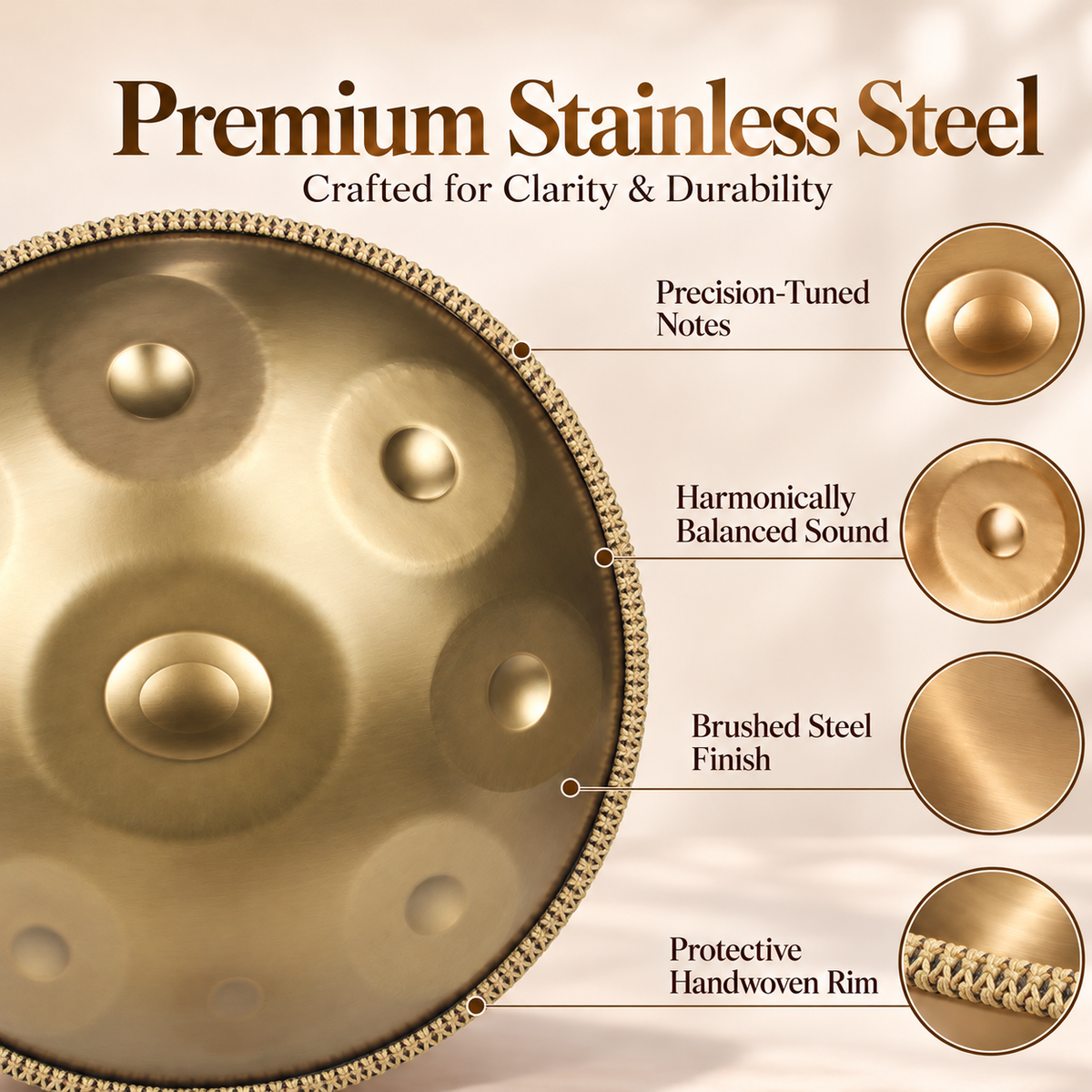
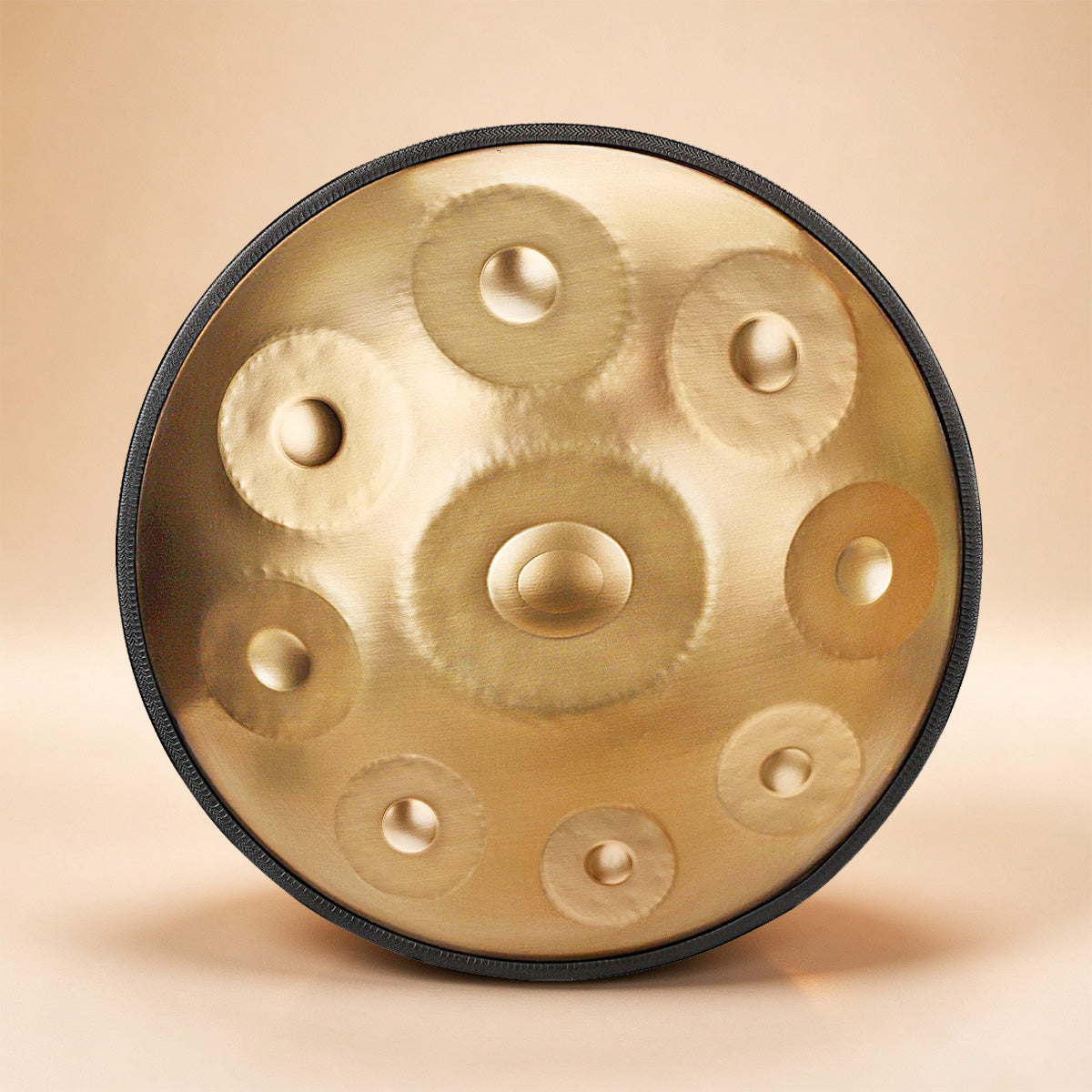
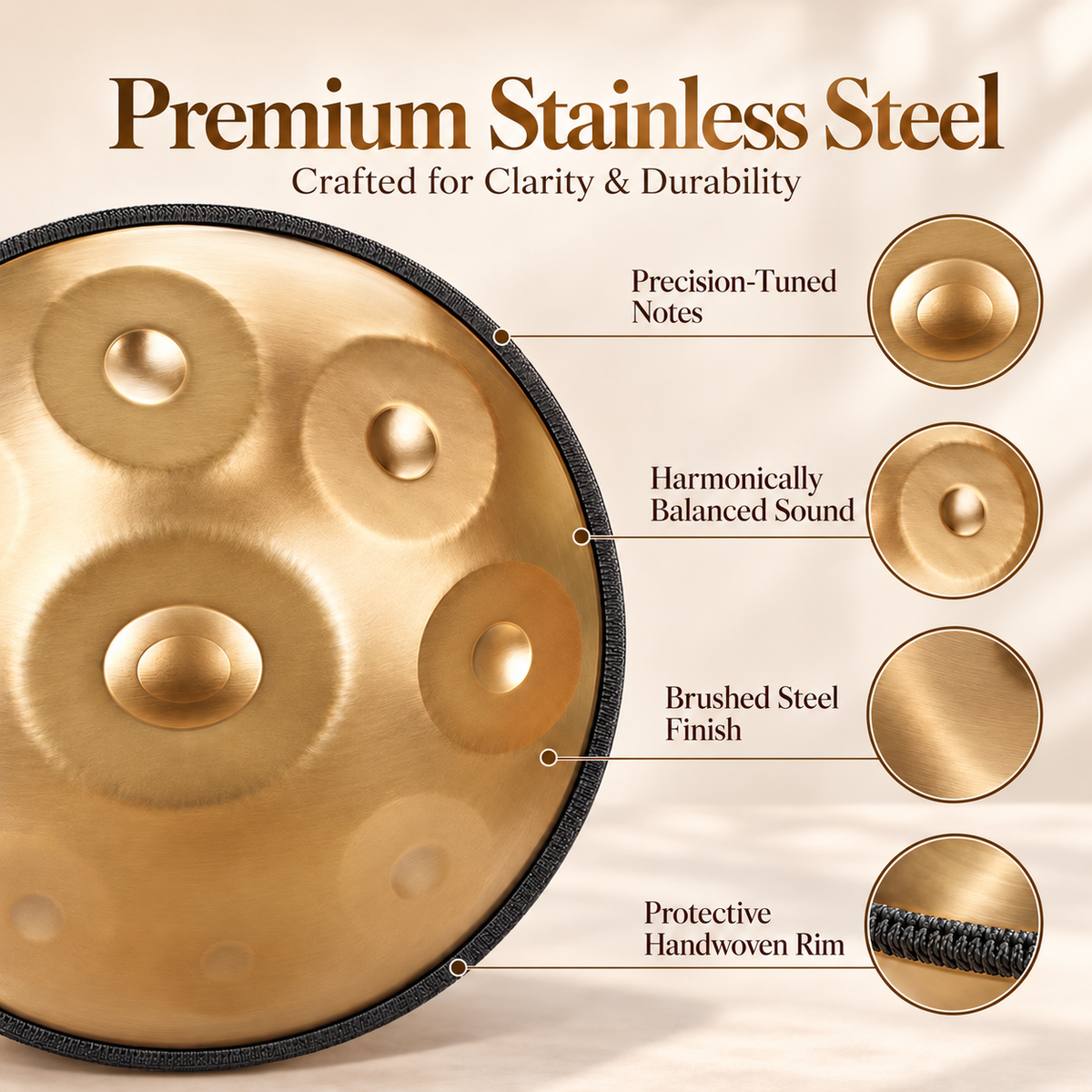
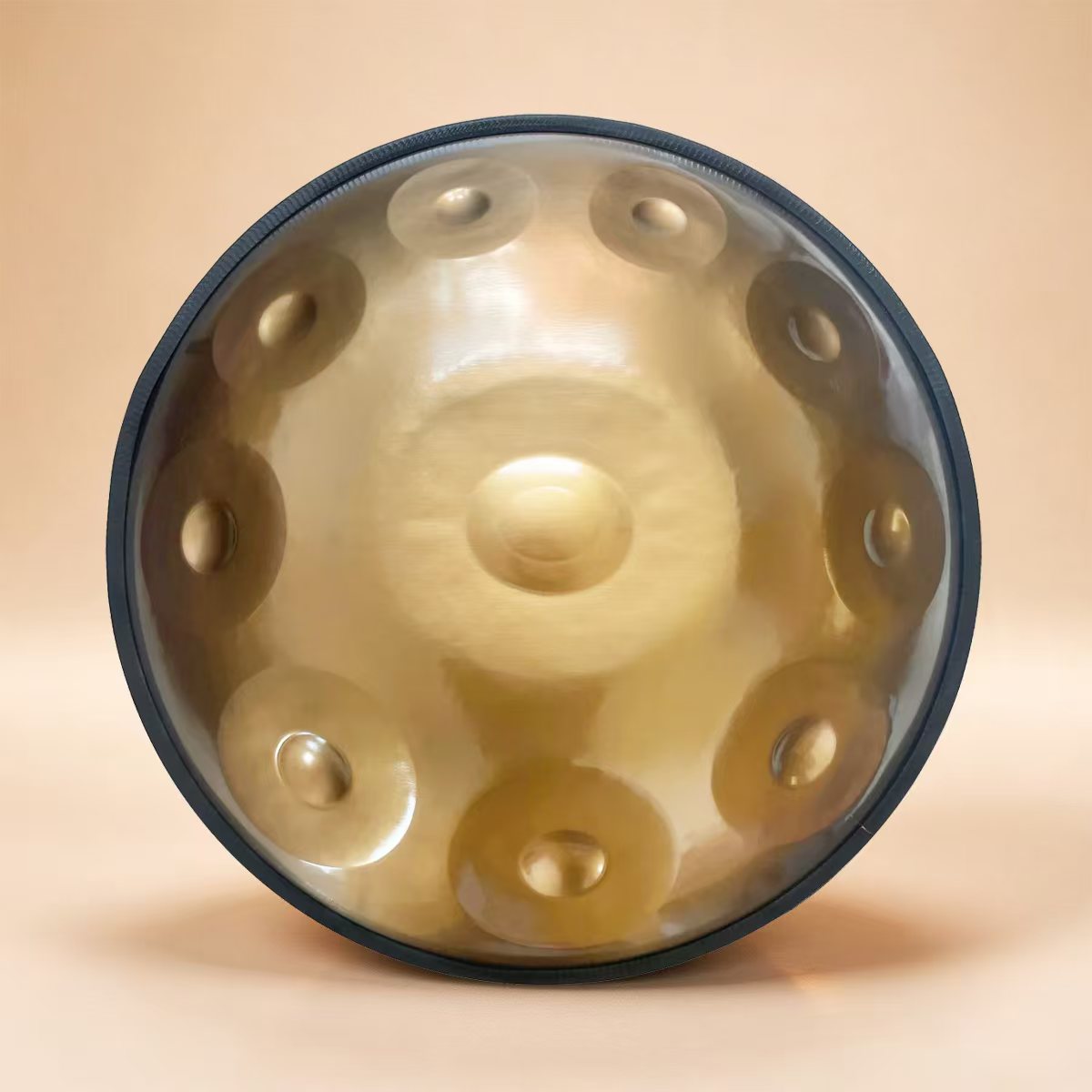
Cosmos Handpan Golden Elegance – 9 Notes D Minor Gift Set
This beginner-friendly 9-note D Minor handpan is designed for players who want a straightforward layout for improvisation, meditation, relaxation, and small performances. It is available with 432Hz or 440Hz tuning options.
The gift set includes a protective carry bag, handpan stand, pair of mallets, and cleaning cloth. Its clear sustain and smooth, calming tone make it a practical starting point for buyers who prefer a defined new-instrument specification over the uncertainty of an unverified secondhand listing.
Choose the right number of notes for your ability
For beginners, a nine-note handpan is often a sensible starting point because the layout is relatively approachable and gives you room to develop rhythm, touch, and simple melodic patterns. Players with more experience may prefer a wider note range when their compositions require it.
- 9 Notes handpans for approachable first instruments.
- 10 Notes handpans for players who want additional melodic options.
- 12 Notes handpans for players who need a broader note layout.
If you are still deciding between a handpan and another steel percussion instrument, compare the playing experience before purchasing. A tongue drum may be a more accessible alternative for some casual players, while a handpan offers a different playing response and musical expression.
Common Mistakes to Avoid When Buying Used Handpans
1. Buying based on appearance alone
A polished finish and attractive color do not prove that the notes are correctly tuned. Always prioritize sound, response, and condition over photographs.
2. Listening to only one or two notes
A seller may demonstrate the best-sounding part of an instrument while leaving a problematic note untested. Request a complete note-by-note recording and a simple musical sequence across the scale.
3. Assuming every tuning issue is easy to fix
Handpan tuning is specialized work. Repair feasibility and cost depend on the instrument, the type of damage, and the technician's experience. Do not buy a damaged instrument on the assumption that a quick adjustment will solve everything.
4. Paying extra for accessories while ignoring the instrument
A case, stand, or mallets can be useful, but they do not compensate for poor tuning or structural damage. Evaluate the instrument first and accessories second.
5. Skipping the written agreement
Verbal assurances are difficult to rely on when a transaction goes wrong. Save the listing and confirm the condition, included accessories, shipping terms, and return arrangements in writing.
6. Choosing a scale without considering musical goals
A good instrument can still be the wrong instrument for you. Understand the scale and note layout before buying. If you are new to the instrument, review a handpan buying guide and compare the sound and layout of instruments that match your intended style.
Expert Recommendation: Our Safe Buying Checklist
From our experience with handpan buying decisions, the safest purchase is the one where the seller can demonstrate the instrument clearly and the buyer understands what is being paid for. We would rather reject an attractive bargain than accept a handpan with unknown tuning or an unclear ownership history.
Use this checklist before committing to a secondhand instrument:
- Confirm the seller's identity and ownership.
- Identify the maker, scale, note count, and tuning reference.
- Request a recent video of every note being played individually.
- Listen for buzzing, rattling, inconsistent response, and unusual sustain.
- Inspect the top and bottom shells for dents, corrosion, and repairs.
- Ask about drops, retuning, previous maintenance, and storage conditions.
- Compare the asking price with similar instruments and likely repair costs.
- Confirm the included case and accessories.
- Agree on payment protection, shipping insurance, and return terms.
- Have a qualified player or tuner inspect the instrument if you are unsure.
If two or more important checks cannot be completed, do not treat the instrument as a low-risk bargain. Either negotiate a price that reflects the uncertainty or walk away. For beginners, buying a new instrument with clear specifications and support is often the more dependable route.
Cosmos Handpan's approach is to help players choose an instrument according to their experience, scale preference, and intended use. If you need guidance on selecting a suitable instrument, you can learn more about Cosmos Handpan's story or contact the team with your questions before making a decision.
Frequently Asked Questions About Buying Used Handpans Safely
1. Is it safe to buy a used handpan online?
It can be safe if you verify the seller, request recent videos of every note, inspect the instrument's physical condition, and use a payment method with a clear dispute process. Avoid listings that rely only on stock photos or refuse reasonable questions.
2. How do I know if a used handpan is out of tune?
Listen to each note individually and compare it with the instrument's stated scale and tuning reference. Look for notes that sound noticeably unstable, clash unexpectedly, buzz, or respond inconsistently. A qualified handpan tuner or experienced player can provide a more reliable assessment than a beginner listening alone.
3. Are dents on a handpan a serious problem?
They can be. A small cosmetic mark away from a tuned area may have little practical effect, while damage near a tone field or shell can affect vibration and tuning. Ask for close-up photographs and a sound demonstration, and seek specialist inspection when the damage is near a note.
4. Should beginners buy a used handpan?
Beginners can buy used, but it is safer when an experienced player or technician can inspect the instrument. If you cannot verify tuning, condition, and seller history, a new handpan from a reputable seller is usually the more dependable first purchase.
5. What should I ask a used handpan seller?
Ask for the maker, scale, note count, tuning reference, purchase date, service history, and reason for selling. Also ask whether the instrument has been dropped, repaired, retuned, or exposed to moisture, and request a recent video showing every note.
6. Can a used handpan be retuned?
Many tuning issues can be assessed by an experienced handpan tuner, but repair feasibility depends on the instrument and the type of damage. Retuning is specialized work and should not be assumed to be inexpensive or guaranteed to restore the original sound.
7. Is a 432Hz handpan better than a 440Hz handpan?
Neither tuning reference is automatically better. The right choice depends on your musical preferences and whether you play with other instruments. Confirm the tuning reference before buying, especially if you plan to play with an existing ensemble or instrument collection.
8. How much should I pay for a used handpan?
There is no single fair price for every used handpan. Compare instruments with similar makers, scales, note counts, materials, age, and condition. Include inspection, repair, accessories, and shipping costs when calculating the real purchase price.
9. What is the biggest risk when buying a secondhand handpan?
The biggest risk is paying for an instrument with hidden tuning or structural problems that are difficult or expensive to correct. Seller misrepresentation and shipping damage are also important risks. A complete sound test, physical inspection, and documented transaction reduce these problems.
10. Is a new handpan worth the extra cost?
For beginners and buyers who cannot inspect a used instrument, a new handpan can be worth the extra cost because its specifications and condition are clearer at purchase. Experienced players may find better value in a verified secondhand instrument, provided the discount justifies any remaining risk.
References
- ISO 10012 – Measurement management systems. A useful reference for understanding the importance of controlled measurement processes when evaluating technical specifications and tuning claims.
- U.S. Consumer Product Safety Commission – Online Shopping Safety. Consumer guidance relevant to evaluating online sellers and purchasing risks.
- FedEx – How to Ship. Practical carrier guidance for preparing, packaging, and shipping goods securely.