The right handpan should sound beautiful, feel comfortable to play, and suit the music you want to create. A 22 inch handpan drum is a popular choice for musicians who want a full, resonant instrument with a practical playing surface. But diameter alone does not determine sound quality. Scale, note layout, steel quality, tuning, craftsmanship, and your experience level all deserve attention.
This guide explains the six specifications worth checking before you buy, how to compare 9-, 10-, and 12-note models, and when a Cosmos Handpan instrument is a worthwhile investment.
The Direct Answer: What Should You Look for in a 22 Inch Handpan Drum?
A good 22 inch handpan drum should offer a scale that suits your musical goals, clearly tuned notes, a comfortable playing layout, resonant construction, stable tuning, and a finish that protects the instrument. The 22-inch diameter provides a generous playing surface, but it does not guarantee superior sound over a smaller or larger instrument.

Our recommendation is to choose the musical scale and tuning first, then compare the material, note count, craftsmanship, and included accessories. Beginners often get more value from a well-tuned 9- or 10-note handpan than from paying extra for notes they are not ready to use. Experienced players may prefer a 12-note layout when they need more melodic options.
Quick Answer
| What it is | A steel percussion instrument with a central note and surrounding tuned tone fields, played with the hands. |
|---|---|
| How it works | Carefully shaped and tuned steel vibrates when tapped, producing a fundamental tone and related overtones. |
| Benefits | Expressive sound, intuitive playing, portability compared with many larger instruments, and suitability for solo or ensemble music. |
| Limitations | Quality instruments can be expensive, tuning can be affected by impact or mishandling, and note layouts limit the available musical choices. |
| Who should use it | Beginners, musicians, sound practitioners, educators, and players who enjoy melodic percussion. |
| Who may not need it | People who need a chromatic instrument, require conventional keyboard-style note access, or want a virtually maintenance-free instrument. |
| Common mistakes | Choosing by diameter alone, confusing note count with sound quality, and selecting a scale without considering musical goals. |
| Buying considerations | Scale, number of notes, tuning reference, steel quality, finish, craftsmanship, sound samples, warranty, and accessories. |
| Expert recommendation | Start with a well-tuned D Minor handpan in a comfortable note layout. Choose 9 or 10 notes for simplicity, or 12 notes when additional melodic range is genuinely useful. |
Quick Summary: 22 Inch Handpan Drum Specifications
| Specification | What to check | Why it matters |
|---|---|---|
| Diameter | 22 inches | Playing surface, instrument size, and handling comfort |
| Scale | D Minor or another scale that suits your music | Sets the instrument's musical character and available tonal relationships |
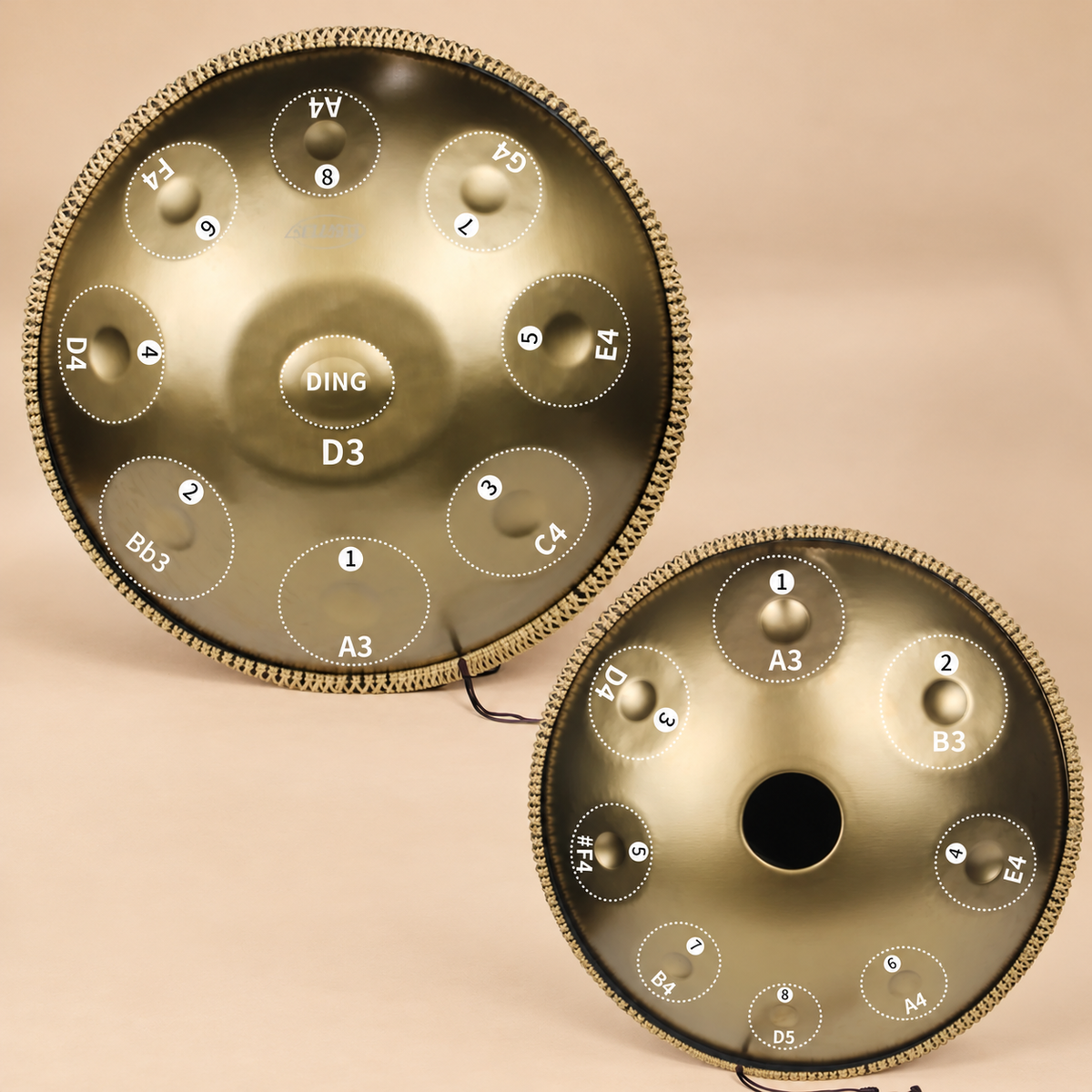
| Number of notes | 9, 10, or 12 notes | Balances simplicity with melodic range |
| Material | Steel type, thickness, and construction quality | Influences response, resonance, durability, and tuning stability |
| Tuning | 432 Hz or 440 Hz options where offered | Helps the instrument work with your musical context and other instruments |
| Finish | Protective treatment and consistent surface quality | Appearance, maintenance, and resistance to surface corrosion |
| Craftsmanship | Consistent note response, clear separation, and stable tuning | Determines the quality of the playing experience |
What Is a 22 Inch Handpan Drum?
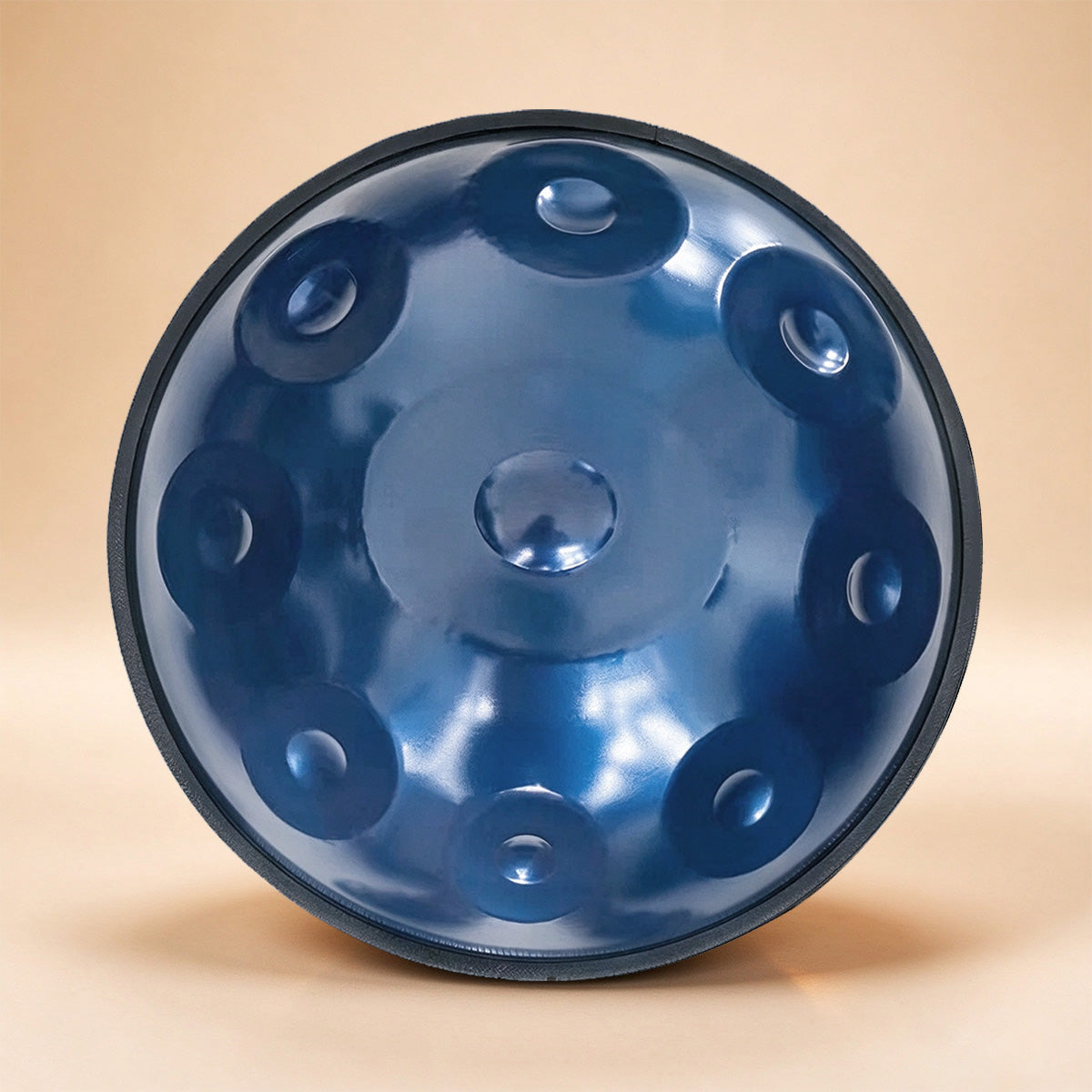
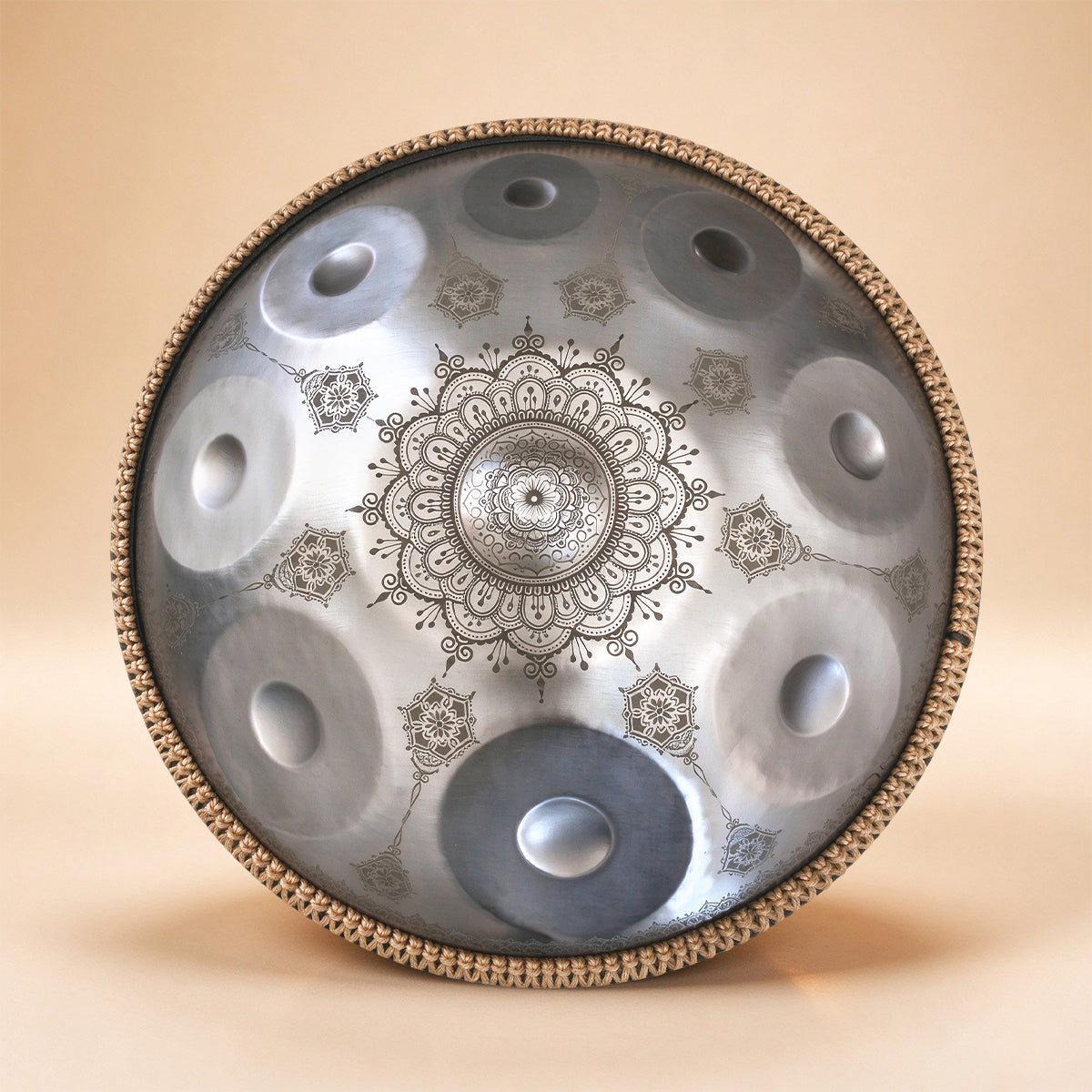
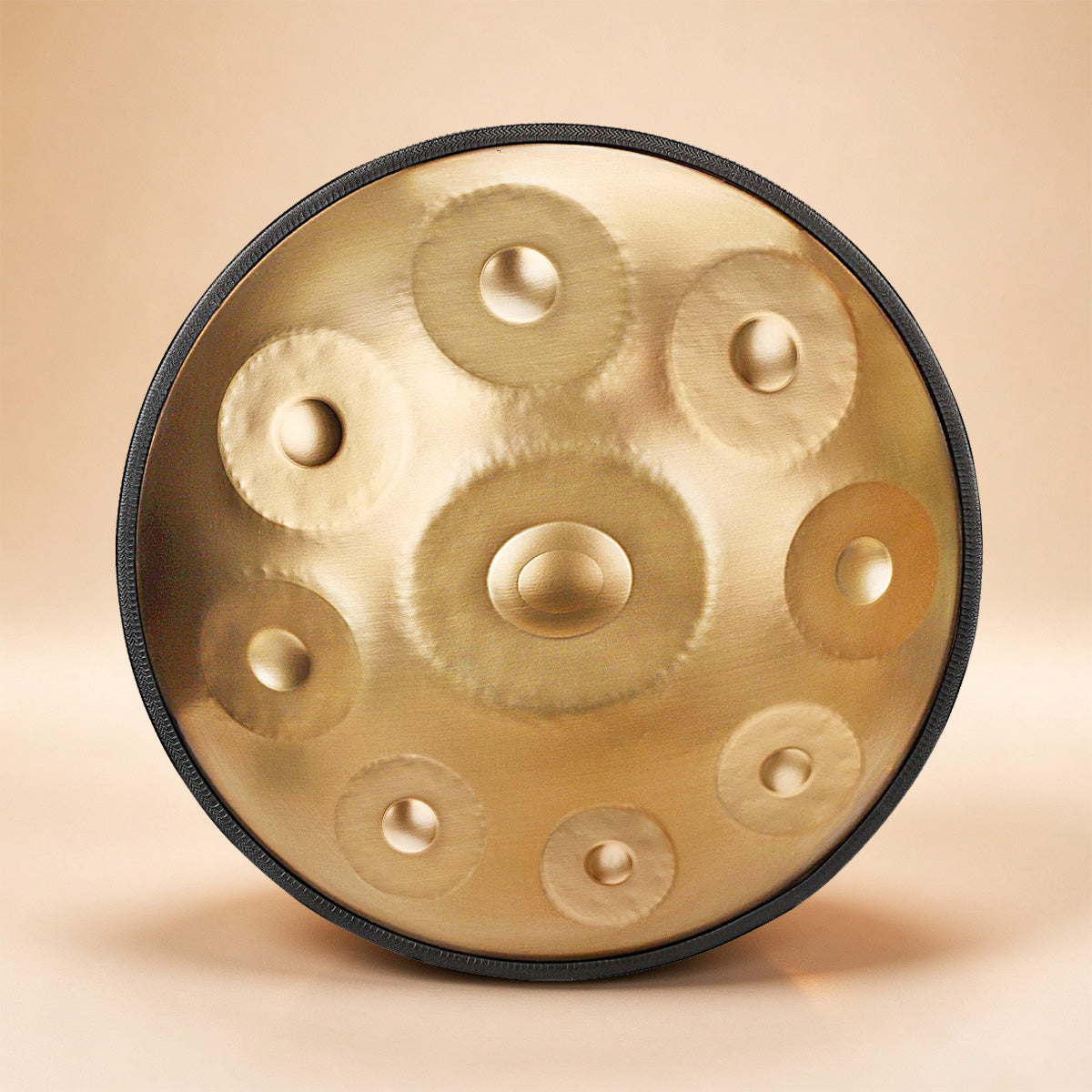
A handpan is a melodic steel percussion instrument shaped into a convex shell, with a central tone area and surrounding note fields. Players strike the tuned areas gently with their fingertips and hands to create notes with a distinctive blend of fundamental tones, overtones, and natural decay.
The 22-inch measurement refers to the instrument's approximate diameter. This size offers a substantial playing surface for reaching the central note and surrounding tones without the instrument becoming as large as some oversized models. However, handpan dimensions can vary by maker, so confirm the actual measurements before buying.
A 22 inch handpan drum is not automatically louder, more resonant, or better tuned than every smaller instrument. Sound depends on the shell geometry, steel, note shaping, tuning precision, and the individual instrument. A well-made smaller handpan can outperform a poorly tuned larger one.
For beginners, the most useful starting point is a model with clear note separation and a scale that makes intuitive playing enjoyable. If you are new to the instrument, read our step-by-step handpan guide for beginners before choosing your first note layout.
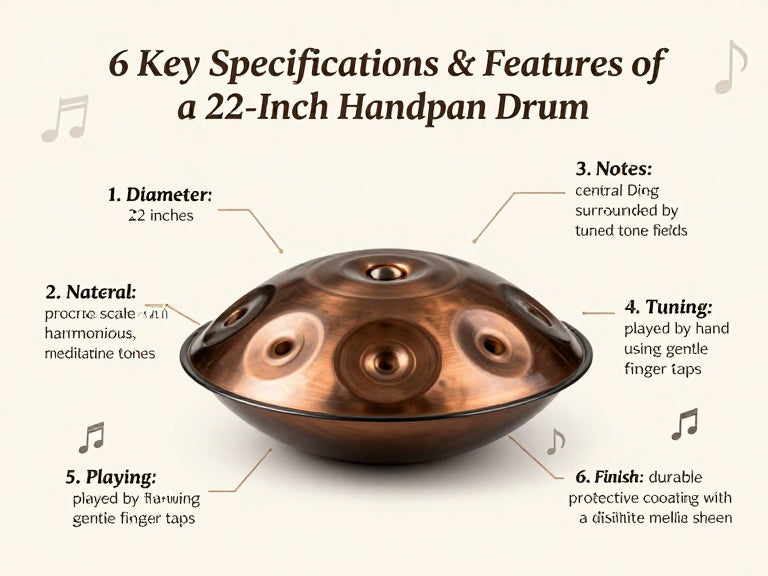
6 Key Specifications and Features of a 22 Inch Handpan Drum
1. Scale: Choose the Musical Character Before Anything Else
The scale determines which notes are available and how they relate musically. D Minor is a popular option because its notes can support reflective, atmospheric, rhythmic, and melodic playing. It is a practical choice for solo improvisation and for players who want a broad emotional range without needing a complicated setup.
However, no scale is universally best. If you perform with a guitarist, keyboardist, singer, or other instruments, confirm that the handpan's notes fit the music you intend to play. A handpan with a fixed scale cannot provide the same unrestricted chromatic access as a piano or a fully chromatic percussion instrument.
We recommend: listen to several full-length sound samples before buying. Do not choose a scale solely because its name sounds appealing. Listen for the mood, note relationships, and whether the instrument inspires the kind of music you actually want to make.
2. Number of Notes: 9, 10, or 12?
Note count affects the available melodic range, but more notes do not automatically mean a better instrument. Layout, note quality, and the player's ability to use the available tones matter more than the largest number printed on a product page.
- 9 notes: a focused layout that can be easier to learn and navigate. It suits beginners and players who prefer repeating patterns, simple melodies, and improvisation within a compact musical range.
- 10 notes: a useful middle ground for players who want extra melodic options without a substantially more complex layout.
- 12 notes: offers more tonal possibilities and can support broader melodic ideas, but requires the player to become familiar with additional note positions and relationships.
For beginners, a well-tuned 9-note instrument is often enough to develop timing, touch, and melodic phrasing. Choose 10 or 12 notes if you already have a clear reason for needing the extra range. Explore 9-note handpans for beginners, 10-note handpans, and 12-note handpan options to compare configurations.
3. Material and Thickness: Construction Influences Response
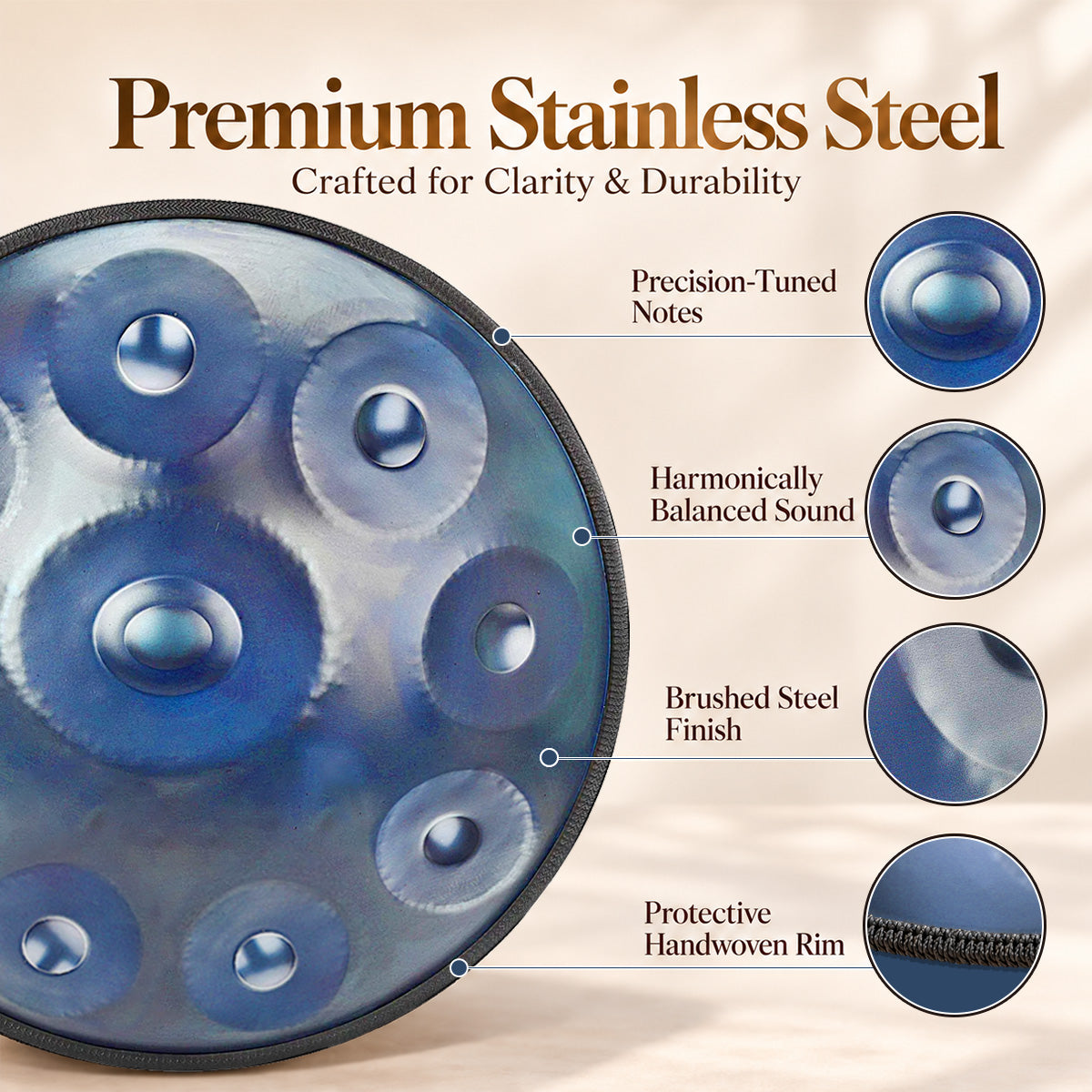
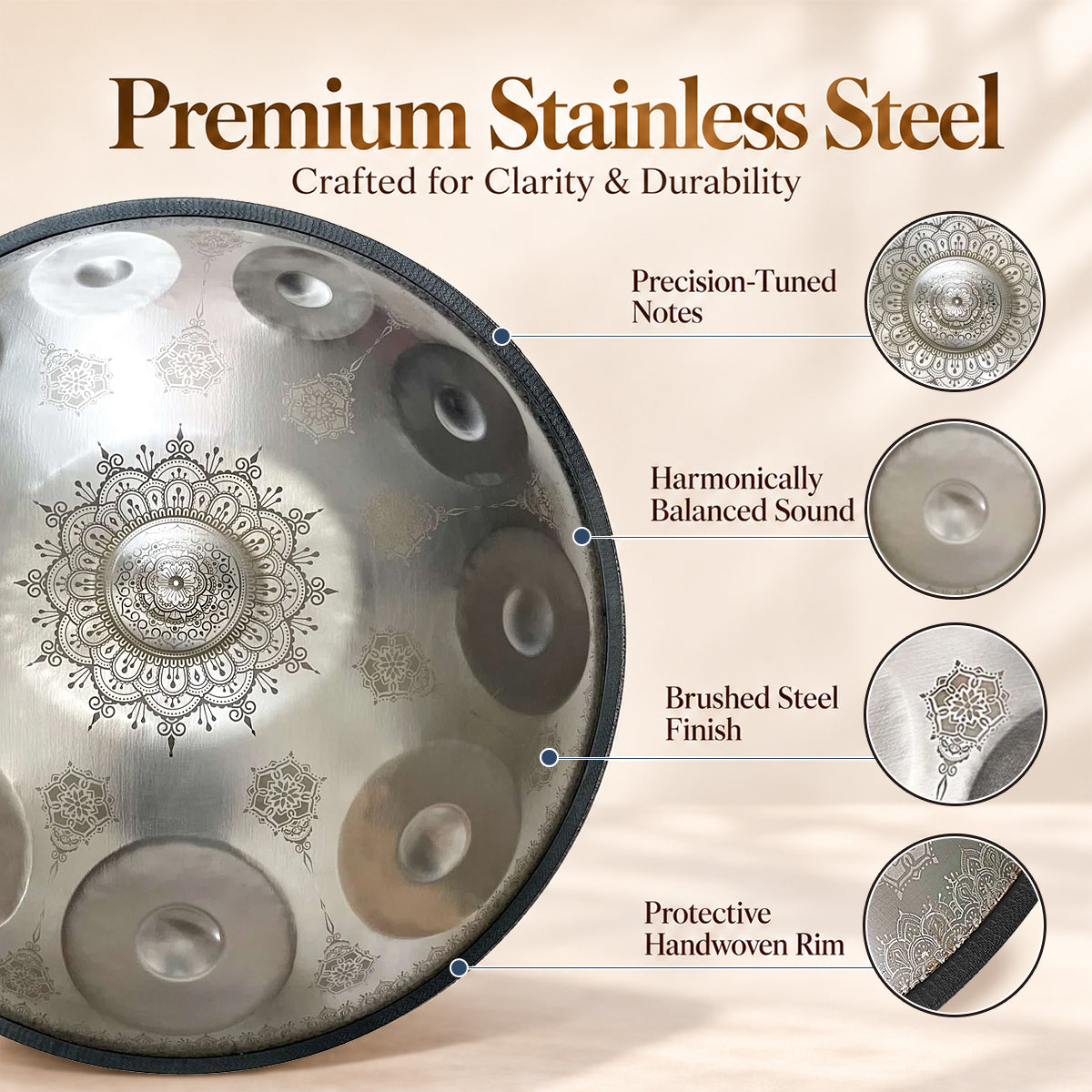
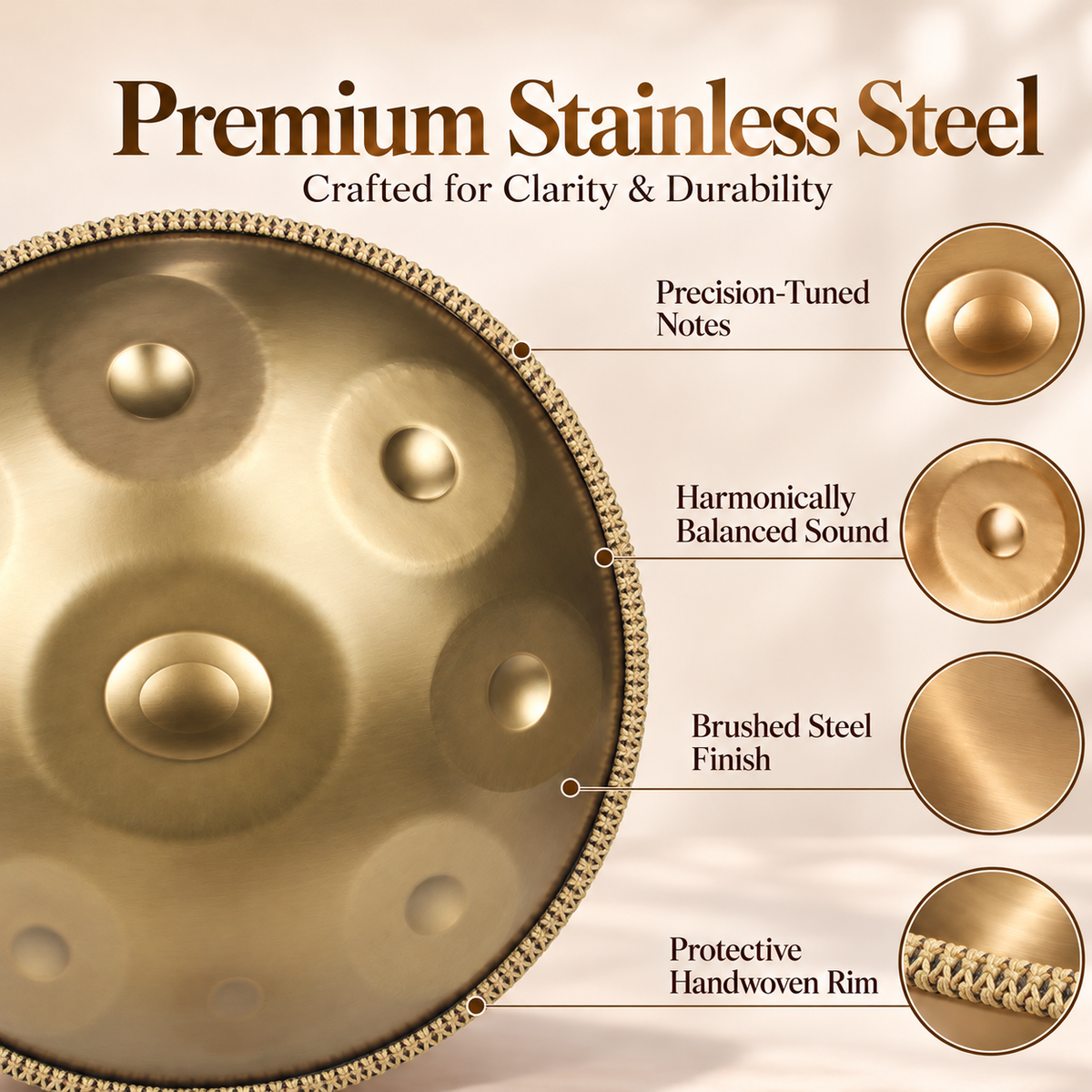
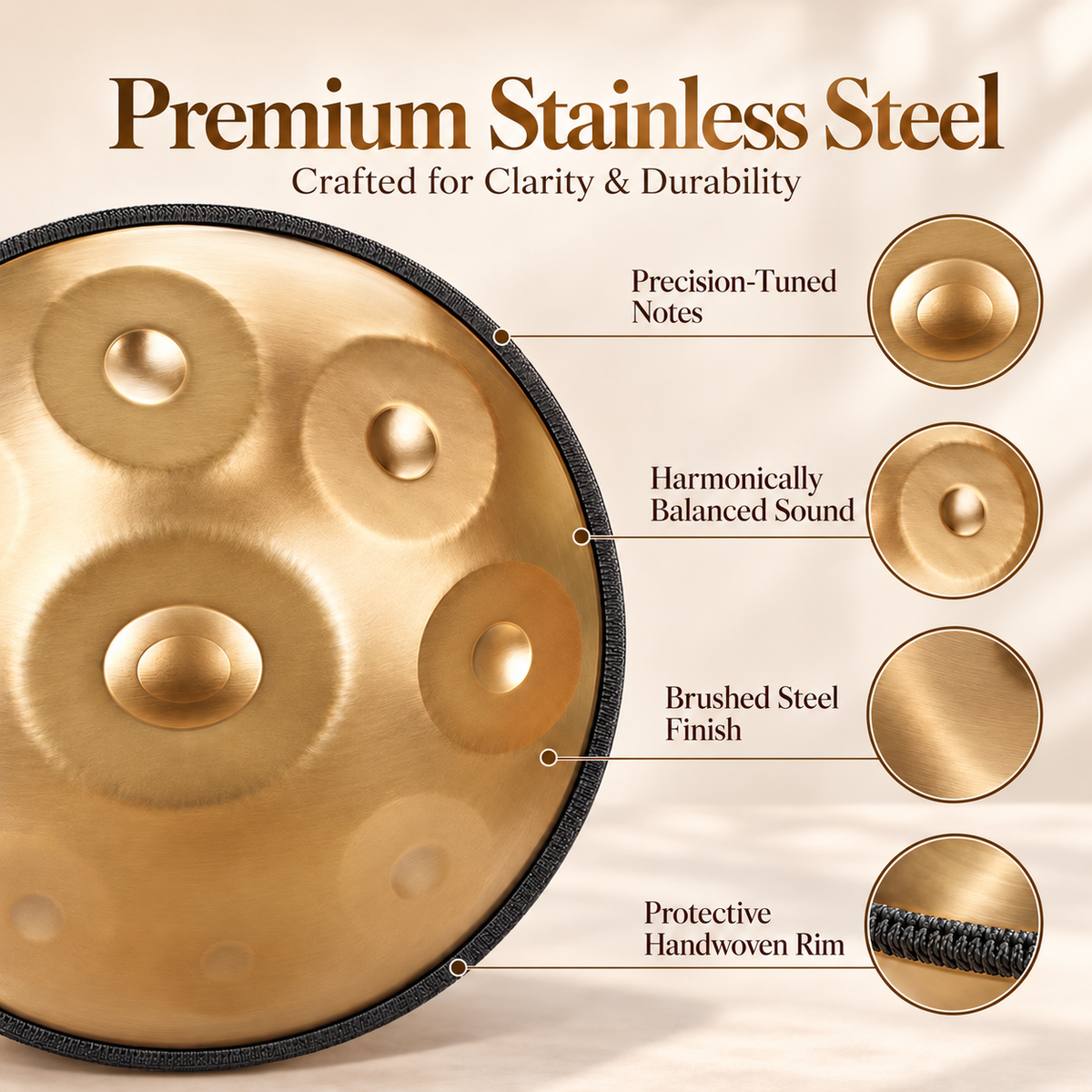
The type of steel and how it is shaped and treated influence the instrument's response, resonance, and long-term behavior. Cosmos lists its featured handpan as high-hardness stainless steel with a thickness of 1.07 mm. This is a useful specification to compare, but thickness alone cannot establish sound quality or tuning stability.
Two instruments made from nominally similar steel can sound different because of shell geometry, heat treatment, note-field shaping, and tuning work. The practical test is how clearly each note speaks, whether notes remain distinct when played in sequence, and whether the instrument has unwanted rattles or excessive interference between tones.
Stainless steel may offer useful corrosion resistance, but it still needs proper care. Sweat, moisture, abrasive cleaners, and careless storage can affect the surface. Follow the manufacturer's maintenance instructions rather than assuming that stainless steel is completely maintenance-free.
4. Tuning Reference: 432 Hz or 440 Hz
Tuning reference is a buying decision, not a universal quality ranking. A 440 Hz reference is widely used in contemporary musical settings, while some musicians prefer 432 Hz for personal, artistic, or ensemble reasons. Choose according to the instruments you play with and the sound context you prefer.
Do not assume that one reference is inherently healthier, more relaxing, or objectively better sounding for every listener. Claims about special health effects from a particular tuning reference require evidence beyond a product description. What matters for practical musicianship is whether the instrument is accurately tuned and compatible with the music being performed.
If you plan to play with another handpan, guitar, keyboard, or recorded accompaniment, confirm the tuning reference before purchase. A difference between 432 Hz and 440 Hz can matter when instruments are played together, especially when they cannot be retuned easily.
5. Diameter and Height: Playing Comfort and Resonance
A 22-inch diameter gives players a generous surface for reaching the central note and the surrounding fields. Cosmos lists its featured model at 22 inches in diameter and 10.2 inches in height. These measurements can help you assess whether the instrument will sit comfortably on your lap or stand.
Fit matters more than a larger measurement. If the shell is too large for your arms and preferred playing position, reaching the notes cleanly may become tiring. If you travel frequently, consider the instrument's actual weight, case dimensions, and how you will carry it. The diameter alone does not tell you how easy it is to transport.
When comparing handpans, try to hear and handle the instrument in a realistic playing position. A slightly different shell size may feel more natural even if the specifications appear similar on paper.
6. Finish and Craftsmanship: Look Beyond Appearance
Cosmos lists quenching and color treatment as the finish process for its featured model. Surface treatment can influence appearance and may contribute to the instrument's protection, but a striking finish should never be used as a substitute for sound checks and tuning information.
Before buying, listen for consistent response across the note fields, clean note separation, and an absence of unwanted buzzing or rattling. Ask how the instrument is checked before dispatch, what the warranty covers, and whether tuning service is available if a note shifts after an impact.
For an instrument you expect to play for years, quality control and after-sales support are meaningful parts of the purchase. A cheaper handpan that arrives with inconsistent notes or is difficult to service can become poor value very quickly.
How a 22 Inch Handpan Drum Produces Sound
Each tuned note field is shaped to vibrate in a controlled way when struck. The vibration produces a fundamental tone alongside related overtones, creating the layered, ringing quality associated with handpan music. The shell also vibrates and contributes to the overall sound.
Handpans are sensitive instruments. The angle, location, and force of a strike affect how clearly a note speaks. A light, controlled touch generally gives the player more musical control than hitting the surface hard. Excessive force can make notes sound harsh and may damage tuning over time.
From our experience with the practical questions buyers ask, many new players focus too much on specifications and too little on technique. Even a carefully made handpan needs a little practice to develop consistent tone, timing, and dynamic control. The instrument should support learning, not be expected to produce a polished performance without practice.
22 Inch Handpan vs. Other Sizes and Note Configurations
When comparing handpans, separate two questions: how large an instrument you want and how many notes you need. These are related to the playing experience, but they are not the same decision.
| Option | Main advantage | Potential trade-off | Best suited to |
|---|---|---|---|
| Smaller handpan | May be easier to carry and position | Playing surface and note layout may feel more compact | Travel-conscious players and those who prefer a smaller instrument |
| 22-inch handpan | Generous playing area with a familiar, versatile format | Still requires a suitable case and careful transport | Beginners, hobbyists, performers, and mixed-use players |
| Larger handpan | May provide a different playing layout and acoustic character | Can be less convenient to transport or position | Players who prefer the feel and sound of a larger shell |
| 9-note model | Focused, approachable note layout | Fewer available melodic choices | Beginners and players who value simplicity |
| 10-note model | Balance between simplicity and range | Still limited to its designed scale | Players seeking a little more flexibility |
| 12-note model | More available notes and melodic possibilities | More note positions to learn and navigate | Experienced beginners and developing or advanced players |
There is no universal rule that a 22-inch model sounds better than a 20-inch or 24-inch instrument. Makers use different shell geometries and tuning approaches, so compare real sound samples and playing comfort rather than relying on size alone.
If you want to compare different instrument types, browse the Cosmos Handpan collection alongside the tongue drum collection. Tongue drums can be an accessible alternative for some beginners, though their construction, playing response, and musical range differ from handpans.
Pros and Cons of a 22 Inch Handpan Drum
| Pros | Cons |
|---|---|
| Generous playing surface for reaching central and surrounding notes | May be less convenient to transport than a smaller instrument |
| Can provide a rich, layered sound when well made and tuned | Sound quality varies significantly between individual instruments |
| Suitable for beginners and experienced players when the scale and layout fit | Fixed scale limits access to notes outside the instrument's design |
| Works for solo practice, musical performances, and selected group settings | Requires a careful touch and ongoing care |
| 9-, 10-, and 12-note options allow buyers to match the layout to their goals | More notes can increase cost without helping every player |
| Stainless-steel construction may offer useful corrosion resistance | Protective finishes and tuning can still be affected by moisture, impacts, and poor storage |
A 22-inch handpan is worth the investment when its scale, sound, and construction fit your needs. It is not automatically the best choice for every musician. If portability is your priority, compare smaller models; if you need broad chromatic flexibility, consider whether a handpan's fixed note layout is appropriate at all.
Who Should Buy a 22 Inch Handpan Drum?
Beginners Who Want an Instrument They Can Grow With
A 22-inch handpan can be a strong first instrument when its layout feels comfortable and the scale inspires regular practice. A 9- or 10-note D Minor configuration offers a focused place to learn touch, timing, and simple melodic patterns. Choose the 12-note version if you specifically want additional notes and are comfortable learning a broader layout.
Do not assume that buying the largest note count will accelerate learning. A clear, consistent instrument that encourages daily practice is usually a better starting point than a more complex model selected for its specification list.
Musicians and Songwriters
Handpans can add a distinctive percussive melody to acoustic arrangements, ambient music, and improvisation. Musicians should pay particular attention to scale and tuning compatibility. If you intend to perform with other instruments, choose a model that fits your existing musical setup rather than relying on later adjustments to make it work.
For inspiration, explore handpan music tracks worth listening to and this collection of famous songs adapted for handpan. These can help you assess the instrument's musical possibilities before choosing a scale.
Sound Practitioners and Mindfulness Facilitators
Some practitioners use handpan music in relaxation sessions, meditation, or wellness settings because of its expressive timbre and the way it can support a calm musical atmosphere. The instrument can be useful as part of a broader session, but it should not be presented as a medical treatment or a guaranteed way to produce a particular psychological or physical outcome.
If this is your intended use, choose a scale and sound that suit your session format, and consider portability, durability, and the ability to play at controlled volumes. Read more about the research context and limitations in our guide to handpan use in therapy settings.
Who May Not Need One?
A handpan may not be the right choice if you need a fully chromatic instrument, must match a specific arrangement with many key changes, or want an instrument that can be left unattended without care. Its fixed scale is part of its character, but it also limits the notes available.
If you need a more accessible entry point, want a different tonal layout, or prefer a more compact practice instrument, compare alternatives before buying. The right choice depends on the music you want to play, not on whether one instrument is considered more prestigious than another.
Common Mistakes When Buying a 22 Inch Handpan Drum
Mistake 1: Choosing by Diameter Alone
A 22-inch shell does not guarantee superior resonance, louder projection, or better tuning. Listen to recordings of the actual model where possible, and evaluate note clarity, decay, and consistency across the instrument.
Mistake 2: Assuming More Notes Means Better Value
Extra notes are useful only when they expand the music you want to play. A beginner who is still learning touch and timing may benefit more from a simple layout than from a complex instrument that is harder to navigate.
Mistake 3: Confusing 432 Hz with Better Quality
Neither 432 Hz nor 440 Hz automatically indicates superior craftsmanship. Select the reference that suits your musical context, then check the instrument's actual tuning and compatibility with other instruments.
Mistake 4: Buying Based Only on a Video
Recordings are helpful, but microphones, room acoustics, editing, and playing technique can influence what you hear. Seek multiple sound samples and ask about the seller's quality-control process, return policy, and warranty.
Mistake 5: Ignoring Care and Transport
Handpans need protection from impacts and unsuitable storage conditions. Budget for an appropriate case and follow the manufacturer's instructions for cleaning, moisture management, and handling. Do not strike the instrument with hard objects or attempt tuning adjustments without the appropriate expertise.
Buying Guide: How to Choose the Right 22 Inch Handpan Drum
Step 1: Choose the Scale by Listening
Start with the musical mood and context you want. Listen to D Minor and other available scales in complete performances rather than relying on a short demonstration. If you play with other musicians, confirm compatibility with their instruments and repertoire.
Step 2: Match the Note Count to Your Experience
Choose 9 notes for a focused, beginner-friendly layout; 10 notes for a modest increase in flexibility; or 12 notes if the extra range supports your playing plans. If you are unsure, a simpler layout is a sensible starting point. You can always expand your musical skills before investing in a more complex instrument.
Step 3: Ask About Tuning and Quality Control
Confirm the stated tuning reference and ask how each instrument is checked before shipping. A trustworthy product description should identify the scale, note count, materials, dimensions, included accessories, and warranty terms. If sound quality is central to your decision, request recordings that let you hear individual notes as well as transitions between notes.
Step 4: Evaluate Material and Finish
Steel type and thickness are useful comparison points, but they cannot replace evidence of good tuning and workmanship. Ask about the care routine for the specific finish, how to store the instrument, and whether professional tuning support is available if a note changes after accidental impact.
Step 5: Calculate the Full Cost of Ownership
The purchase price is only part of the decision. Consider the protective case, stand, maintenance, shipping, return terms, and any accessories that are not included. A complete set can be more convenient than buying components separately, but only if the included items are useful and of suitable quality.
For players who plan to practice frequently or perform outside the home, a protective case and reliable support can be worth paying for. For occasional home use, avoid buying accessories you do not need. Compare the total package and service terms, not just the headline price.
Step 6: Check the Seller's Support
Ask who to contact if a note sounds abnormal, how the warranty handles tuning issues, and whether the seller can advise on care and playing technique. A handpan is a carefully tuned instrument, so support can make a meaningful difference to the ownership experience.
Cosmos Handpan provides a range of note configurations and product options. Learn more about the brand through the Cosmos Handpan story and contact the team through its customer contact page if you need clarification about a specific model.
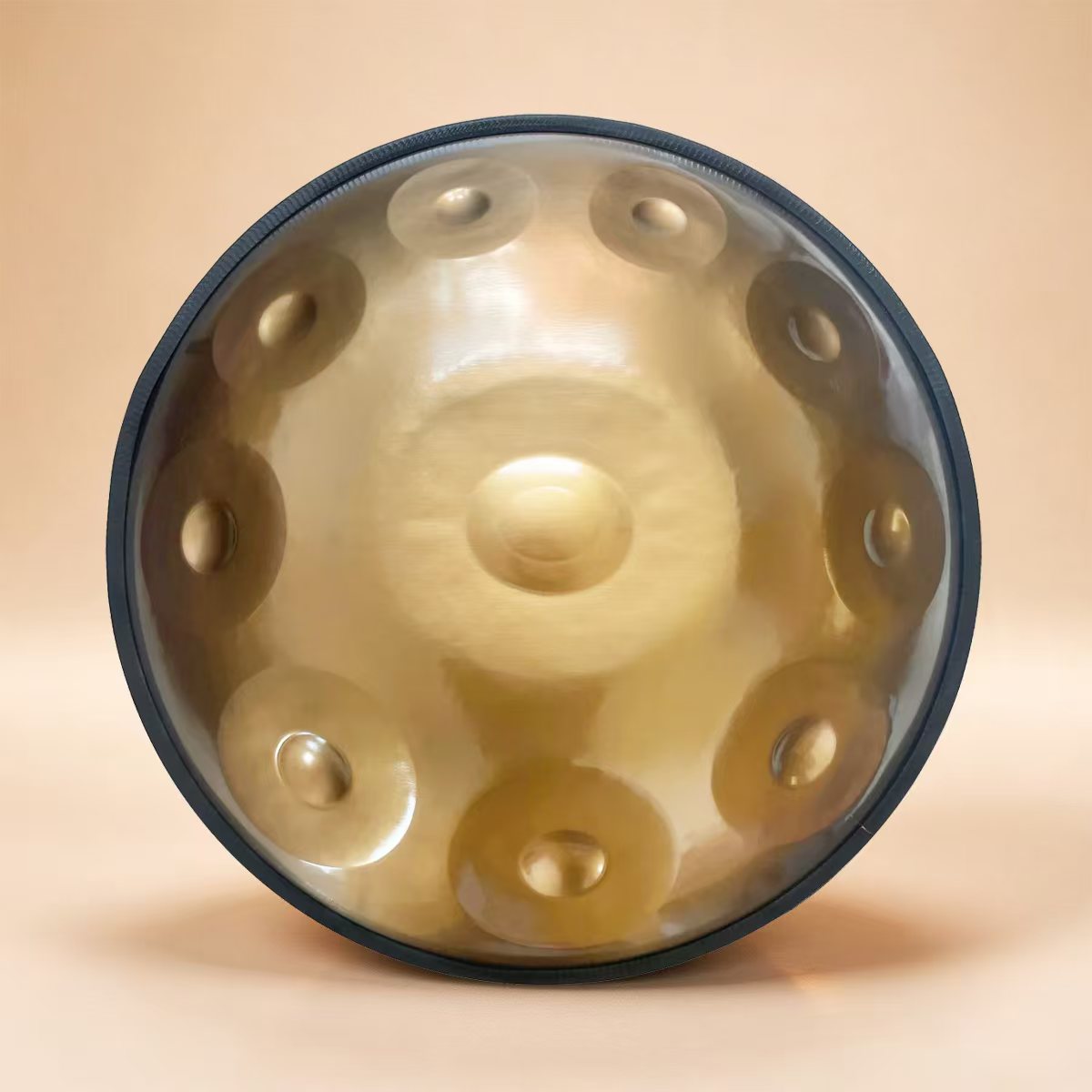
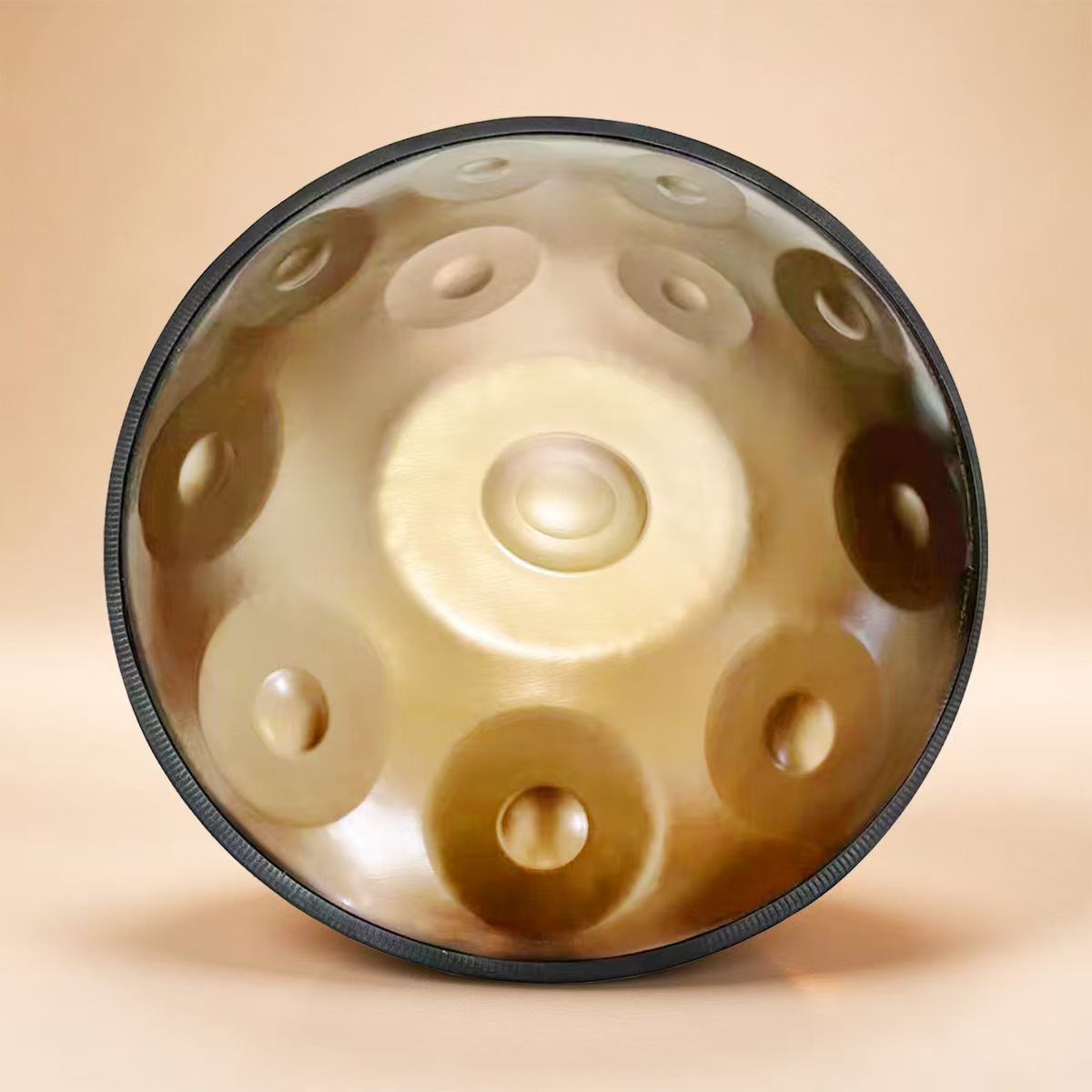
Featured Option: Cosmos Hand-Pounded Handpan, 9/10/12 Notes, D Minor
The Cosmos Hand-Pounded Handpan D Minor Gift Set is one option for buyers who want a 22-inch instrument with a choice of note layouts and tuning references. It is listed at $949.00 USD. The important buying advantage is the ability to choose the configuration that fits your musical needs rather than assuming every player should select the same note count.

Cosmos Hand-Pounded Handpan - 9/10/12 Notes D Minor Gift Set
$949.00 USD
This model is listed with a D Minor scale, stainless-steel construction, and selectable 9-, 10-, or 12-note configurations. It also offers a choice between 432 Hz and 440 Hz tuning references.
| Scale | D Minor |
|---|---|
| Note options | 9 notes, 10 notes, or 12 notes |
| Tuning options | 432 Hz or 440 Hz |
| Material | High-hardness stainless steel |
| Steel thickness | 1.07 mm listed |
| Diameter | 22 inches |
| Height | 10.2 inches |
| Finish process | Quenching and color treatment |
| Listed price | $949.00 USD |
Which Cosmos Configuration Should You Choose?
Choose 9 notes if you are a beginner or want a focused layout for intuitive playing. It is a sensible way to learn consistent touch, simple melodic phrases, and rhythmic patterns without feeling overwhelmed by too many note positions.
Choose 10 notes if you want a little more melodic flexibility but still prefer a relatively compact arrangement. This is a practical middle ground for hobbyists who are progressing beyond their first lessons.
Choose 12 notes if you know you will use the extra notes for broader melodic ideas or more varied improvisation. The added range is valuable when it supports your playing; it is not an automatic upgrade for everyone.
For the tuning reference, choose 440 Hz if you need the common reference used in many contemporary musical contexts, or 432 Hz if it better suits your musical preferences and ensemble. Confirm the exact variation before ordering, because the available tuning references are separate options rather than interchangeable labels.
At $949.00 USD, the instrument should be assessed as a considered musical purchase. Compare the exact configuration, included gift-set items, delivery terms, warranty, and support with other handpans in a similar price range. A product's stated material and dimensions are useful, but the final decision should also depend on sound samples and the seller's quality-control process.
Is a 22 Inch Handpan Drum Worth the Investment?
For someone who genuinely enjoys handpan music and plans to practice, a well-made instrument can provide years of creative use. Its appeal comes from the combination of melodic notes, expressive touch, and the ability to improvise without needing an elaborate setup. The instrument can be used for personal practice, performance, songwriting, and selected group activities.
However, the value depends on how often you play and whether the instrument suits your goals. If you are uncertain about committing to a handpan, start by listening to complete performances, attending a workshop if one is available, or trying an instrument before buying. If you already know you enjoy the sound and expect to practice regularly, spending more for reliable tuning and build quality may be worthwhile.
Some people also explore handpan music as part of relaxation or mindfulness routines. Our article on how handpan music may affect the brain discusses the topic in greater detail. Treat wellness claims thoughtfully: musical enjoyment and relaxation are individual experiences, not guaranteed clinical outcomes.
Expert Recommendation: Which 22 Inch Handpan Should You Buy?
We recommend starting with the scale you love listening to and the note layout you can comfortably learn. For many first-time buyers, a 9- or 10-note D Minor model offers a practical balance of approachability and musical expression. Choose a 12-note configuration when you have a specific reason to use the additional notes.
- For beginners: prioritize clean note response, an intuitive layout, a protective case, and clear support from the seller.
- For experienced players: compare note layout, tuning compatibility, dynamic response, and how the instrument supports the melodies you want to perform.
- For sound practitioners: select a scale and sound that fit the session, and avoid presenting the instrument as a substitute for professional healthcare.
- For frequent travelers: check the actual weight, case dimensions, and protection offered before choosing a 22-inch model.
- For buyers comparing price: compare sound quality, tuning support, included accessories, warranty, and total delivered cost rather than choosing by price alone.
The Cosmos Hand-Pounded D Minor model is worth considering if you want a 22-inch stainless-steel handpan with 9-, 10-, and 12-note options. The best configuration is the one that matches your current ability and future musical plans, not necessarily the most expensive or the one with the most notes.
Before ordering, confirm the selected tuning reference, note count, included gift-set accessories, and current product terms. If you have questions about the model, contact Cosmos Handpan before making the final decision.
Frequently Asked Questions About 22 Inch Handpan Drums
1. Is a 22 inch handpan drum good for beginners?
Yes. A 22-inch handpan can be a good beginner instrument if the note layout feels comfortable and the instrument is well tuned. Many beginners will find a 9- or 10-note configuration easier to learn than a more complex layout.
2. Is a 22-inch handpan better than a smaller handpan?
Not automatically. A 22-inch instrument provides a generous playing surface, but sound quality depends on construction, tuning, and design. A smaller handpan may be easier to transport or fit a player's reach better.
3. Should I choose 9, 10, or 12 notes?
Choose 9 notes for a focused layout, 10 notes for a middle ground, and 12 notes if the extra range supports your musical goals. More notes do not automatically improve sound quality or make learning easier.
4. What is the difference between 432 Hz and 440 Hz handpans?
These are different tuning references. The best choice depends on your preferred musical context and whether you need to play with other instruments or recordings. Neither reference automatically guarantees better craftsmanship or a specific health benefit.
5. Is stainless steel a good material for a handpan?
Stainless steel can offer useful corrosion resistance and a durable surface, but material alone does not determine the instrument's sound. Tuning, note shaping, shell design, and workmanship remain essential. Follow the manufacturer's care guidance even with stainless-steel models.
6. How much should I spend on a handpan?
Set a budget that includes the instrument, suitable protection, delivery, and any necessary accessories. Compare tuning quality, sound samples, warranty terms, and seller support rather than selecting by price alone. The right amount depends on how often you plan to play and the level of craftsmanship you need.
7. Can a handpan go out of tune?
Yes. Impacts, rough handling, and other stresses can affect tuning. Use a protective case, handle the instrument carefully, and consult a qualified handpan tuner if a note changes significantly. Do not attempt to adjust the note fields yourself without the appropriate expertise.
8. How do I care for a 22 inch handpan drum?
Follow the maker's instructions for cleaning, moisture management, storage, and handling. Keep the instrument protected from impacts and avoid abrasive cleaners or unapproved treatments. Use a suitable case when transporting it.
9. Is a handpan suitable for meditation or sound therapy?
Some people use handpan music in meditation, relaxation, and wellness sessions because they enjoy its sound. Individual responses vary, and the instrument should not be described as a guaranteed treatment for a health condition or a replacement for professional care.
10. What should I check before buying a Cosmos Handpan?
Confirm the scale, note count, tuning reference, material, dimensions, included accessories, warranty, shipping terms, and available support. Listen to sound samples if available and verify the exact product variation before placing an order.
References
The following sources provide background on music, wellness practice, and music therapy. They should not be interpreted as proof that a specific handpan scale or tuning reference produces a guaranteed medical outcome.
- National Center for Complementary and Integrative Health (NCCIH): Mind and Body Practices — background on complementary practices and the importance of evaluating evidence for health claims.
- American Music Therapy Association — information about music therapy as a professional practice and the role of qualified music therapists.
- Journal of Alternative and Complementary Medicine: Research on Music, Stress, and Well-Being — a research reference relevant to evaluating claims about music and wellness. Interpret findings in context rather than assuming they apply directly to every handpan, listener, or therapeutic setting.
Final Thoughts
A 22 inch handpan drum can be a rewarding instrument when its scale, tuning, note layout, and construction fit the way you want to play. The six specifications that deserve the most attention are scale, number of notes, material and thickness, tuning reference, diameter and height, and finish and craftsmanship.
For most beginners, the smartest purchase is a well-tuned instrument with a comfortable layout rather than the model with the highest note count. For experienced players, the extra notes are worthwhile when they open up real musical possibilities. For every buyer, sound quality, reliable support, and appropriate care matter more than marketing claims.
Cosmos Handpan's 22-inch D Minor model offers a choice of 9, 10, or 12 notes and 432 Hz or 440 Hz tuning references. Compare those options carefully, confirm the exact configuration, and choose the instrument that will encourage you to keep playing.
The best handpan is not simply the one with the most specifications. It is the one whose sound makes you want to sit down and play.