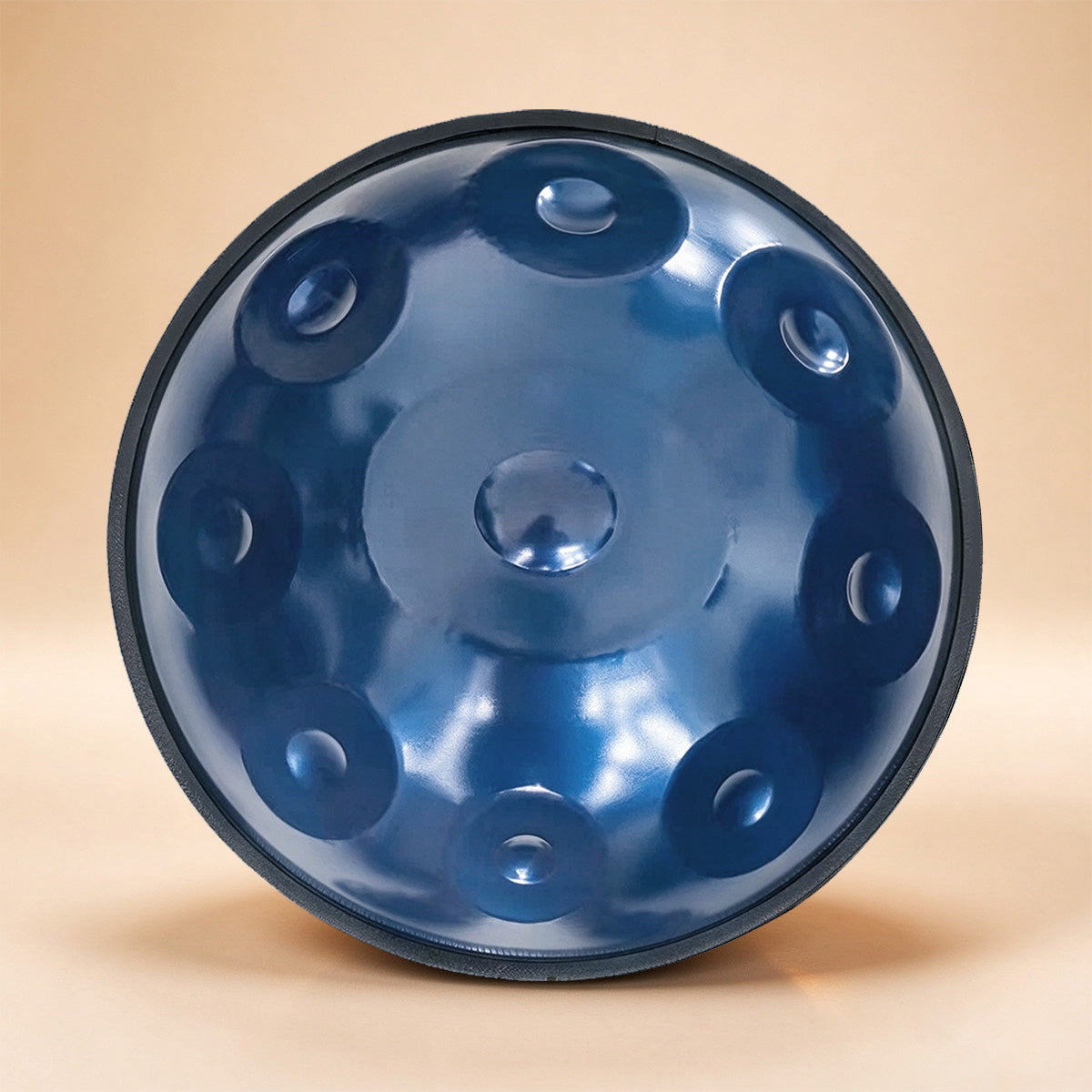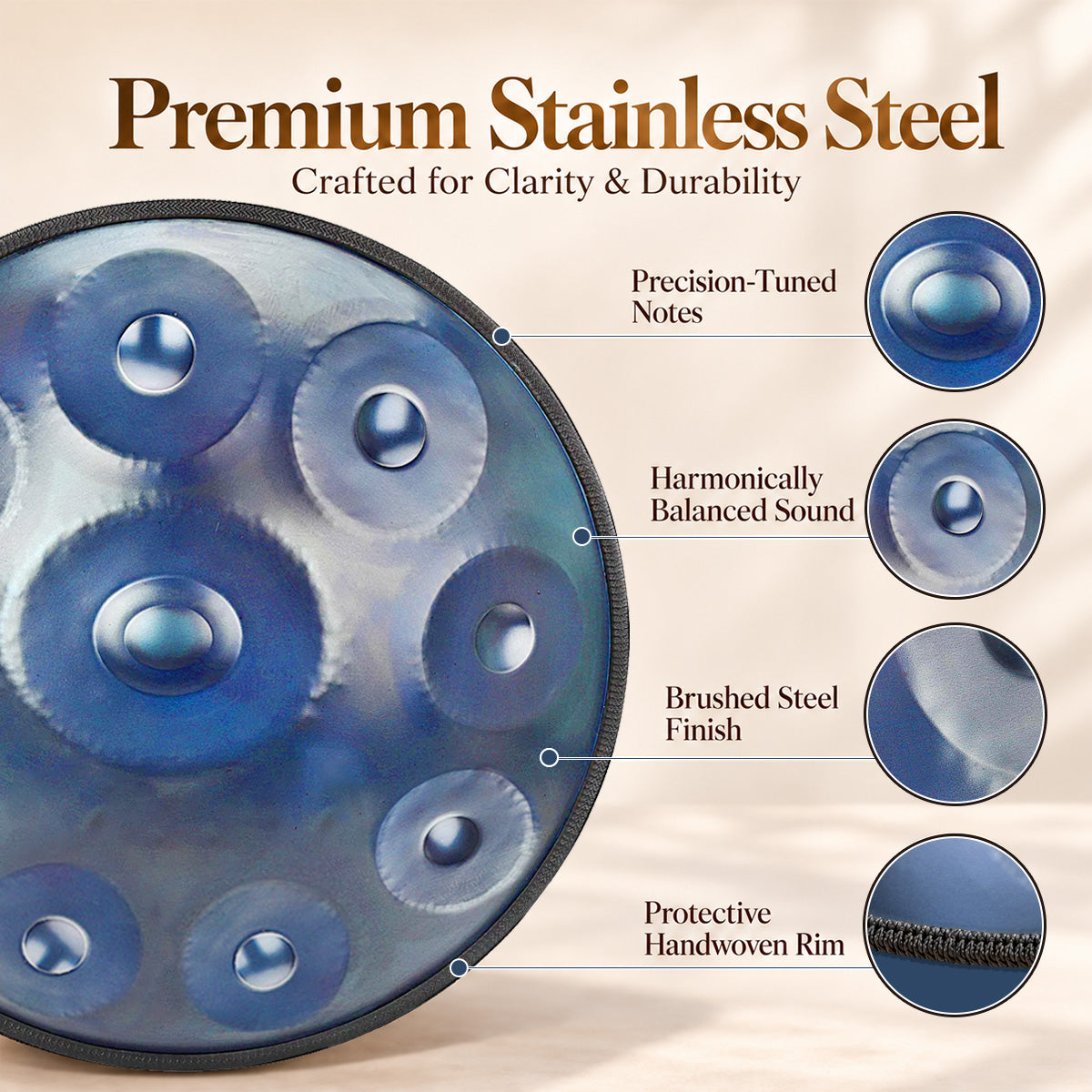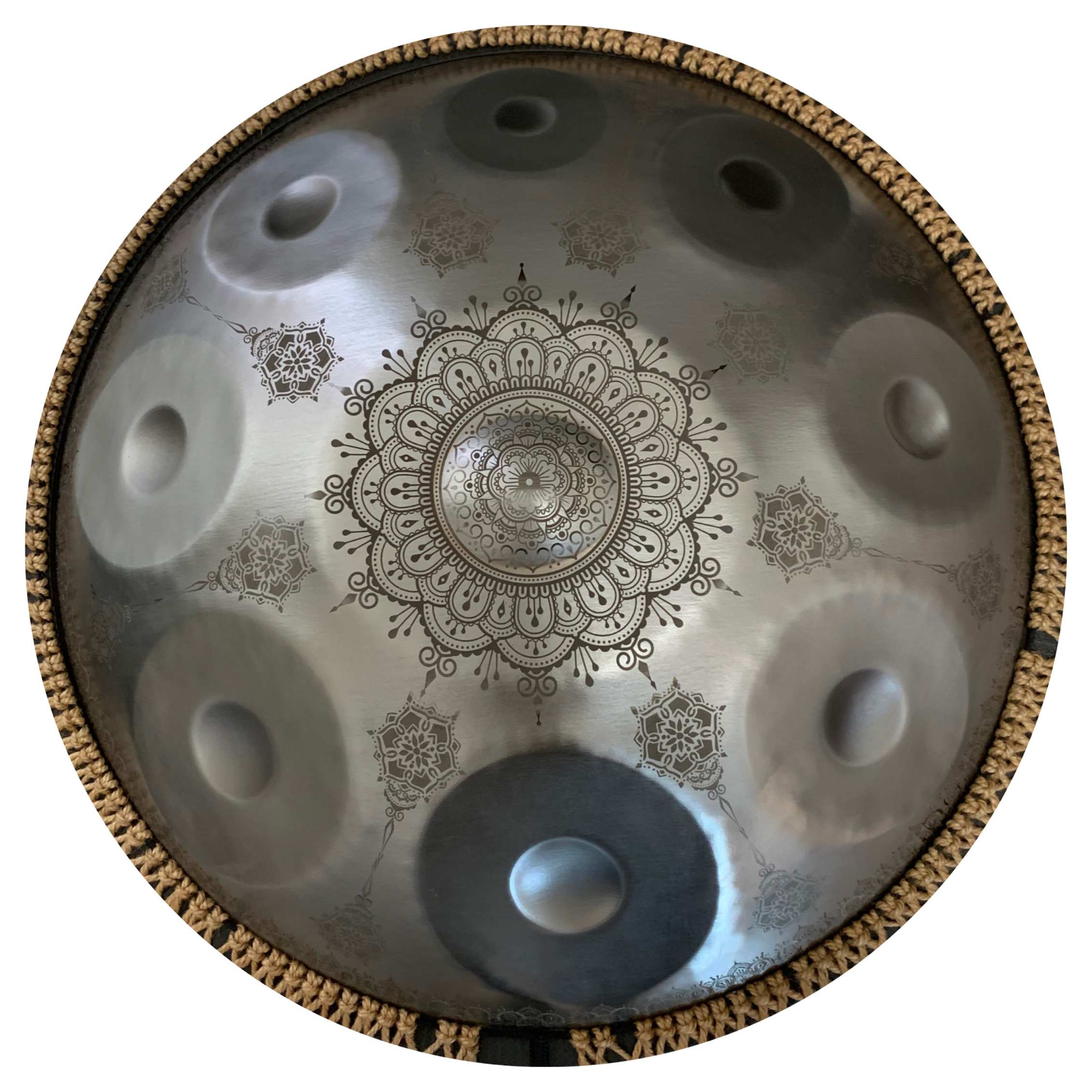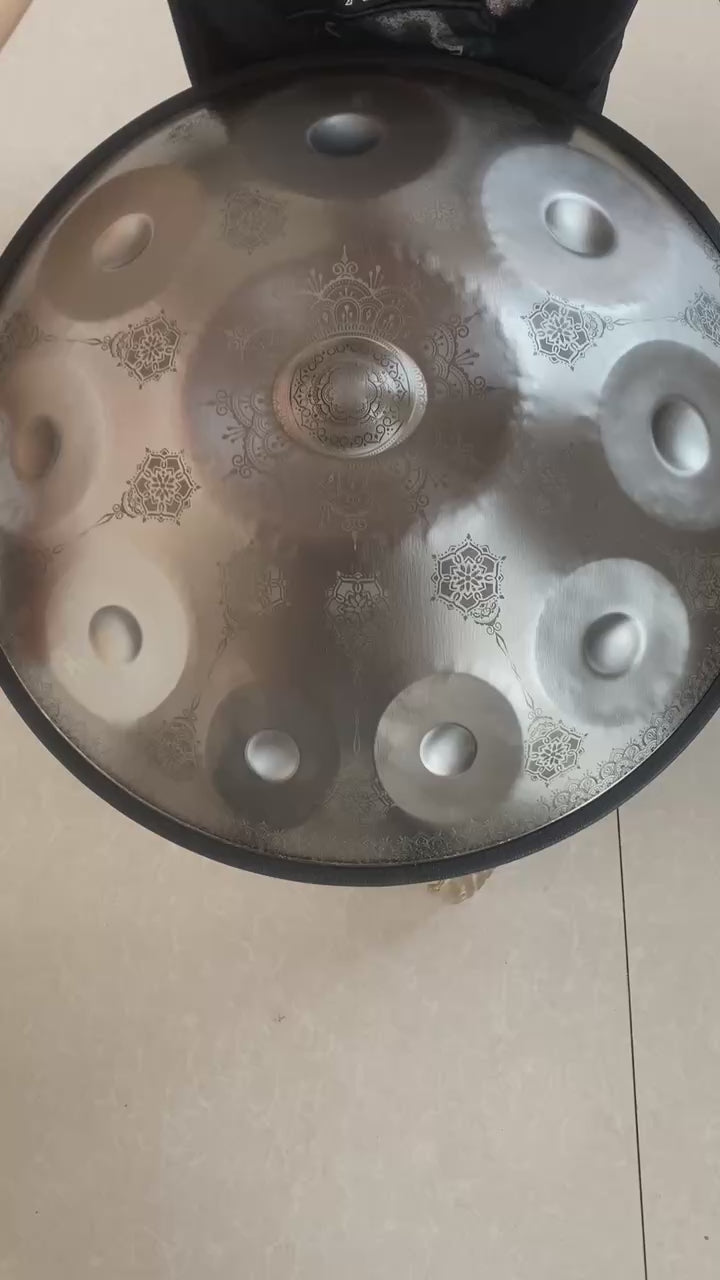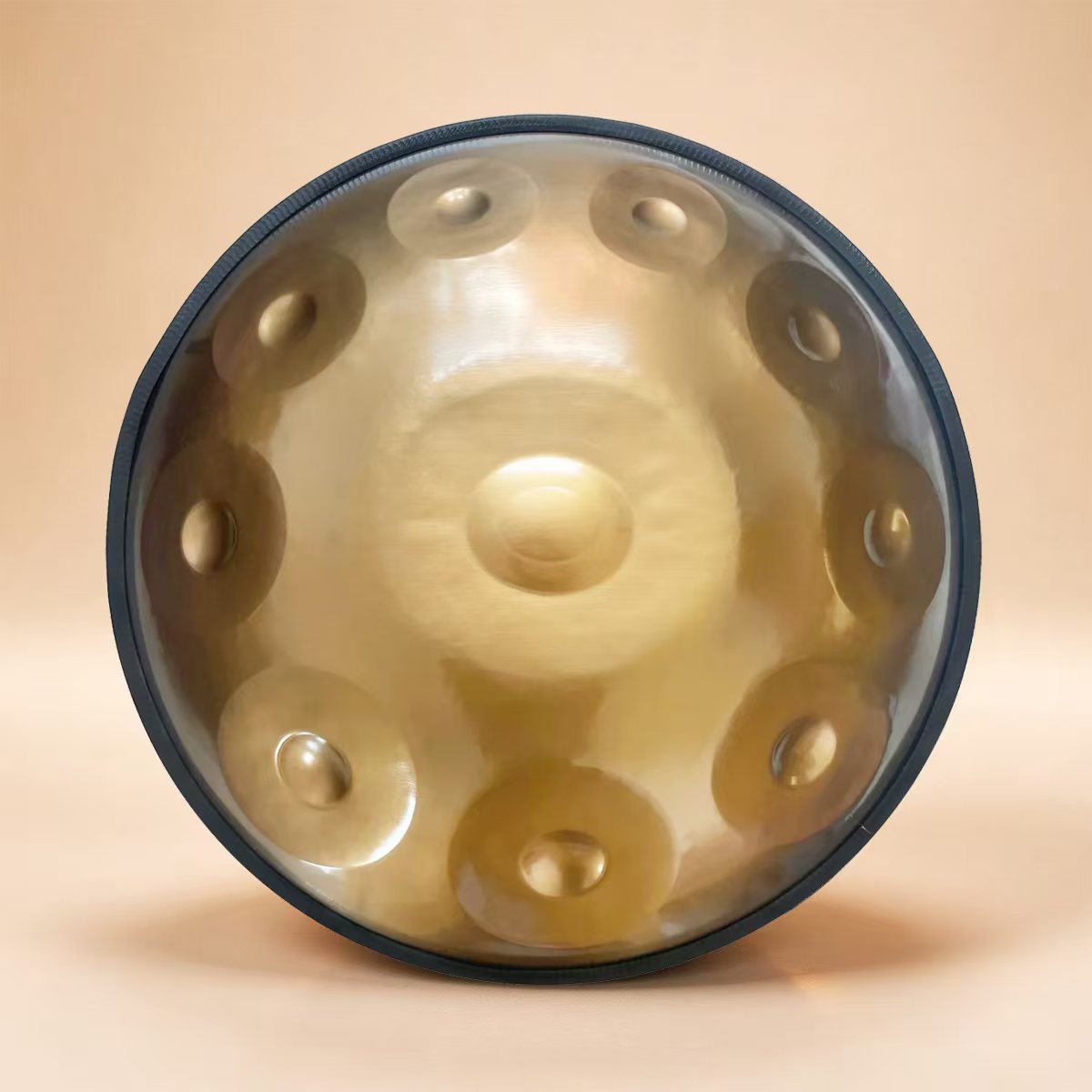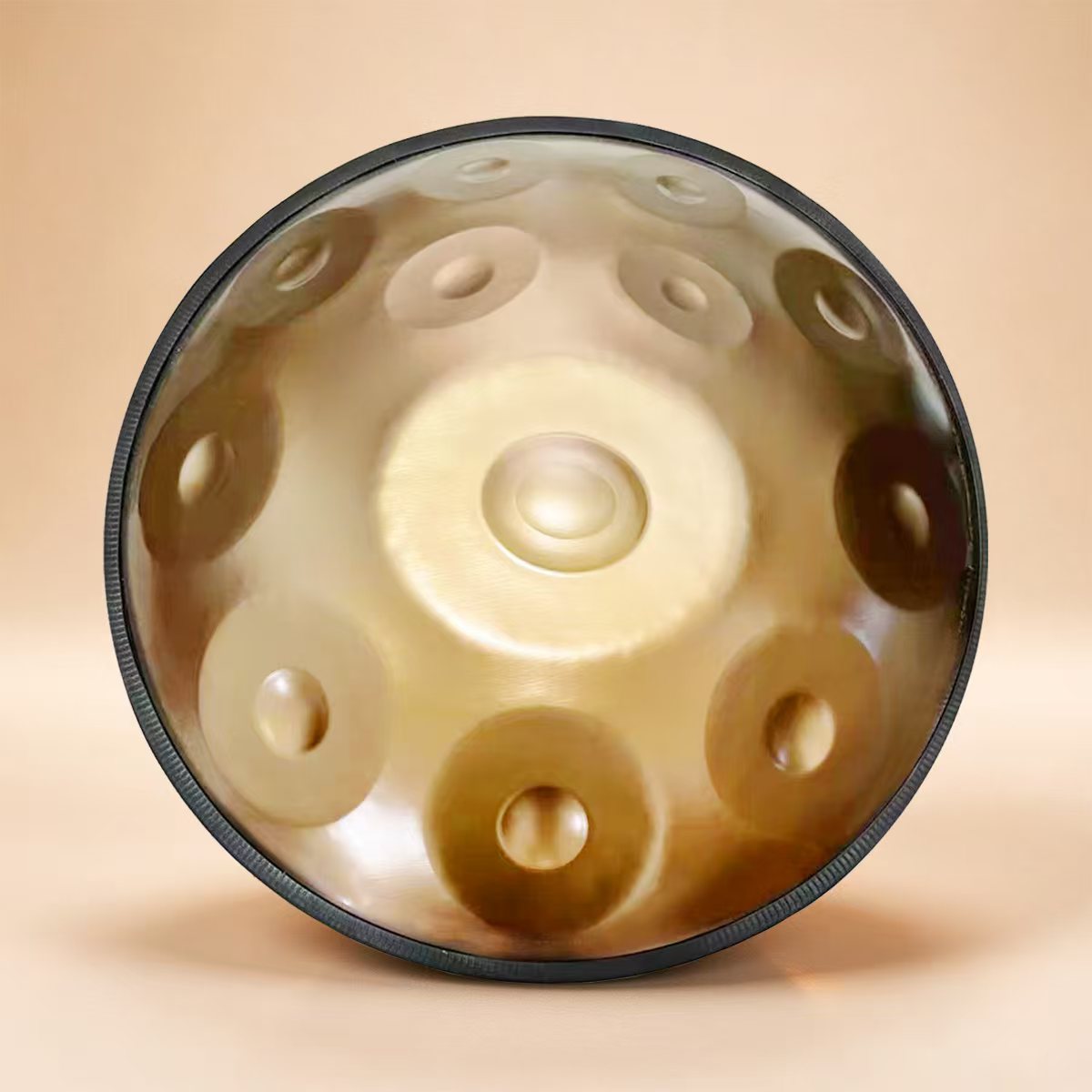

If you have ever wandered through a city park or scrolled through ambient music videos online, you have likely encountered the ethereal, haunting sound of the handpan. This instrument, often described as a UFO-shaped steel drum, has captured the global imagination since its inception in the early 21st century. One peculiar detail that many beginners and enthusiasts quickly notice is the ubiquity of one specific tuning. So, why are handpans in D minor? This question touches upon physics, musical history, and the emotional resonance that makes this instrument so special.

Table of Contents
- The Historical Origins: The Hang and the D Kurd
- The Physics of Steel: Why D Minor Works Best
- The Cosmos Handpan Story
- The Emotional Landscape of D Minor
- Why Cosmos Handpans are Ideal for Beginners
- Cultural Influence and the Viral Effect
- Popular Cosmos Handpan Products
- Scale Comparison Table
- Frequently Asked Questions
- References
The Historical Origins: The Hang and the D Kurd
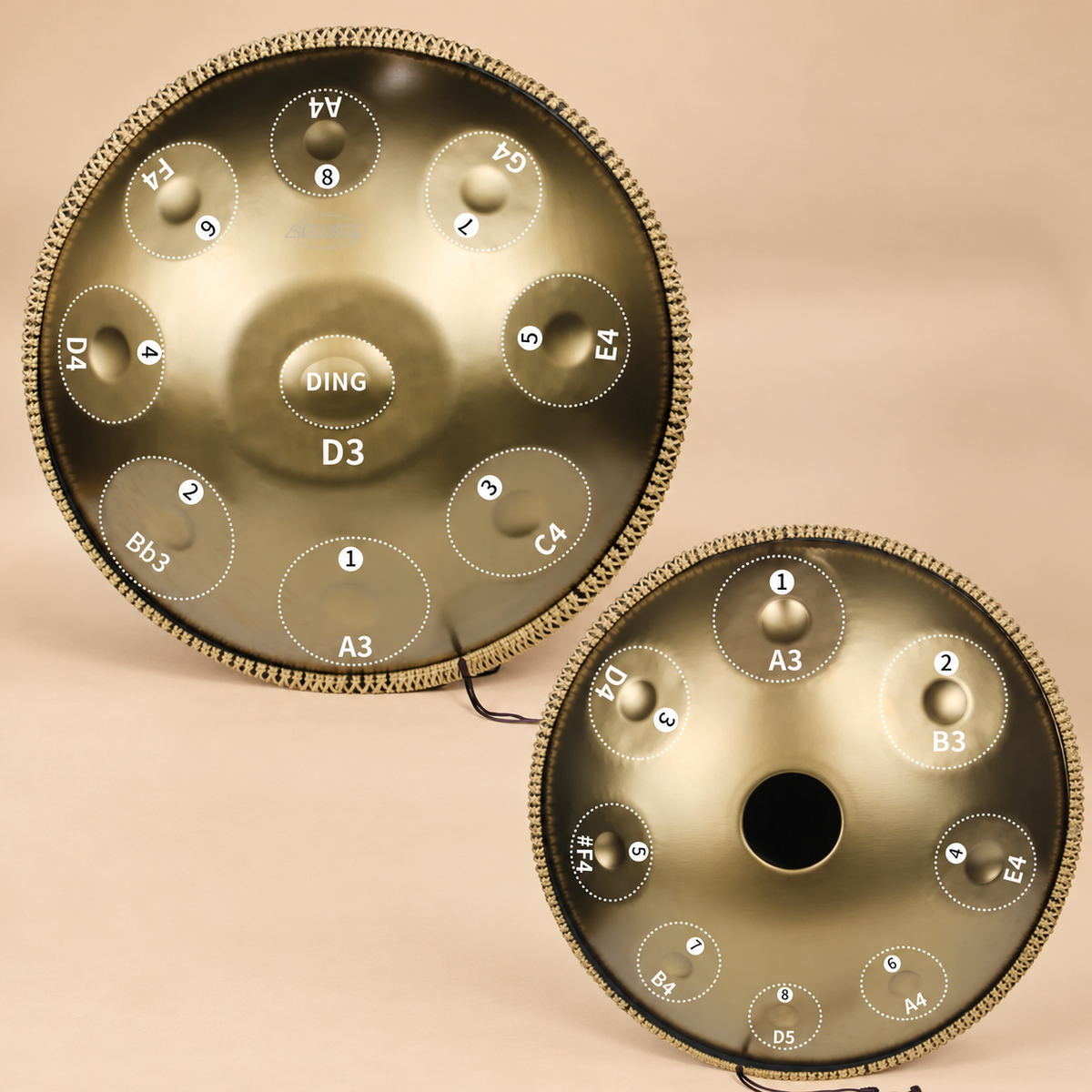
To understand why are handpans in D minor, we must look back to Switzerland in the year 2000. Felix Rohner and Sabina Schärer of PANArt created the first Hang. The early models were heavily inspired by the steelpan traditions of Trinidad but reimagined for play with the hands. The very first Hang was tuned to what we now call the D Minor Integral scale.
The choice of D3 as the central note (the Ding) was not accidental. It provided a deep, grounding bass that felt resonant against the player’s lap. As other makers began to emerge around the world, they followed the blueprint laid out by the pioneers. The D Minor scale, particularly the D Kurd variation, became the industry standard because it offered a complete musical journey without requiring a vast number of notes. This historical precedent established a foundation where most educational resources, sheet music, and online tutorials were created for handpans in D minor.
The Physics of Steel: Why D Minor Works Best
There is a significant technical reason why are handpans in D minor so prevalent. Tuning a handpan involves hammering the steel to create specific tension zones that vibrate at certain frequencies. The physical size of a standard handpan—usually between 53 to 58 centimeters in diameter—is perfectly suited to the D3 note.
If a maker tries to tune a handpan much lower, such as a B2 or A2, the notes require more surface area to resonate clearly, often leading to a muffled sound or requiring a much larger, more cumbersome instrument. Conversely, tuning much higher can lead to a sound that is too "bright" or lacks the sustain that players crave. D3 sits in the "Goldilocks zone" of steel acoustics. It allows for a rich bass in the center while leaving enough room for a beautiful octave of notes around the rim. This harmonic balance is why handpans in D minor remain the most sought-after instruments in the market today.
The Cosmos Handpan Story
A Legacy of Sound

The story of Cosmos Handpan began with a shared dream among passionate music lovers—to create an instrument capable of inspiring people around the world. Their journey took them through years of experimentation with shapes, materials, and acoustic engineering until they discovered the perfect formula for producing the signature Cosmos sound.
The Cosmos team consists of highly skilled craftsmen dedicated to precision, tonal purity, and artistic excellence. Every handpan is made with care, combining artistic beauty with acoustic perfection. By focusing on the intrinsic qualities that answer the question why are handpans in D minor, they have perfected the art of the D Kurd and D Celtic scales.
The Emotional Landscape of D Minor
Music theory tells us that different scales evoke different emotions. D minor has often been described as the "saddest" or "most melancholic" key. However, in the context of the handpan, D minor is remarkably versatile. It can feel meditative, mysterious, suspenseful, or even hopeful.
When playing handpans in D minor, the absence of the leading tone in some variations (like the D Celtic) makes the music feel "open-ended." It allows the player to drift through melodies without the pressure of resolving to a final chord. This makes it the ideal companion for sound baths, yoga, and personal meditation. The emotional depth provided by handpans in D minor is a major reason why they are the first choice for therapists and spiritual practitioners.
Why Cosmos Handpans are Ideal for Beginners
Starting a musical journey can be intimidating, but the right equipment makes all the difference. When considering why are handpans in D minor so popular for students, the answer lies in accessibility.
- Consistent Quality: Every instrument meets rigorous quality standards, ensuring that every handpan in D minor stays in tune for years.
- Beginner-Friendly Designs: Thoughtfully crafted for new players, with note layouts that make sense intuitively.
- Excellent Support: Comprehensive resources for learning, often specifically tailored to the D minor scale.
- Value Pricing: Professional quality at accessible prices, making the dream of owning a handpan a reality.
- Community Access: Connect with other Cosmos players worldwide to share tips and songs.
Cultural Influence and the Viral Effect
In the age of social media, handpans in D minor have benefitted from a powerful feedback loop. Influential artists like Daniel Waples and Hang Massive popularized the D Minor sound through viral videos reaching millions. As viewers sought to emulate their favorite performers, they naturally looked for handpans in D minor to match the tutorials and songs they heard online.
This cultural momentum created a ecosystem where the D minor scale became the "lingua franca" of the handpan world. If you meet another player at a festival, chances are they are playing a handpan in D minor, allowing you to jam together instantly without worrying about clashing keys.
Popular Cosmos Handpan Products
Choosing the right number of notes is just as important as the scale itself. Here is a breakdown of the most popular Cosmos offerings:
9 Notes Handpan
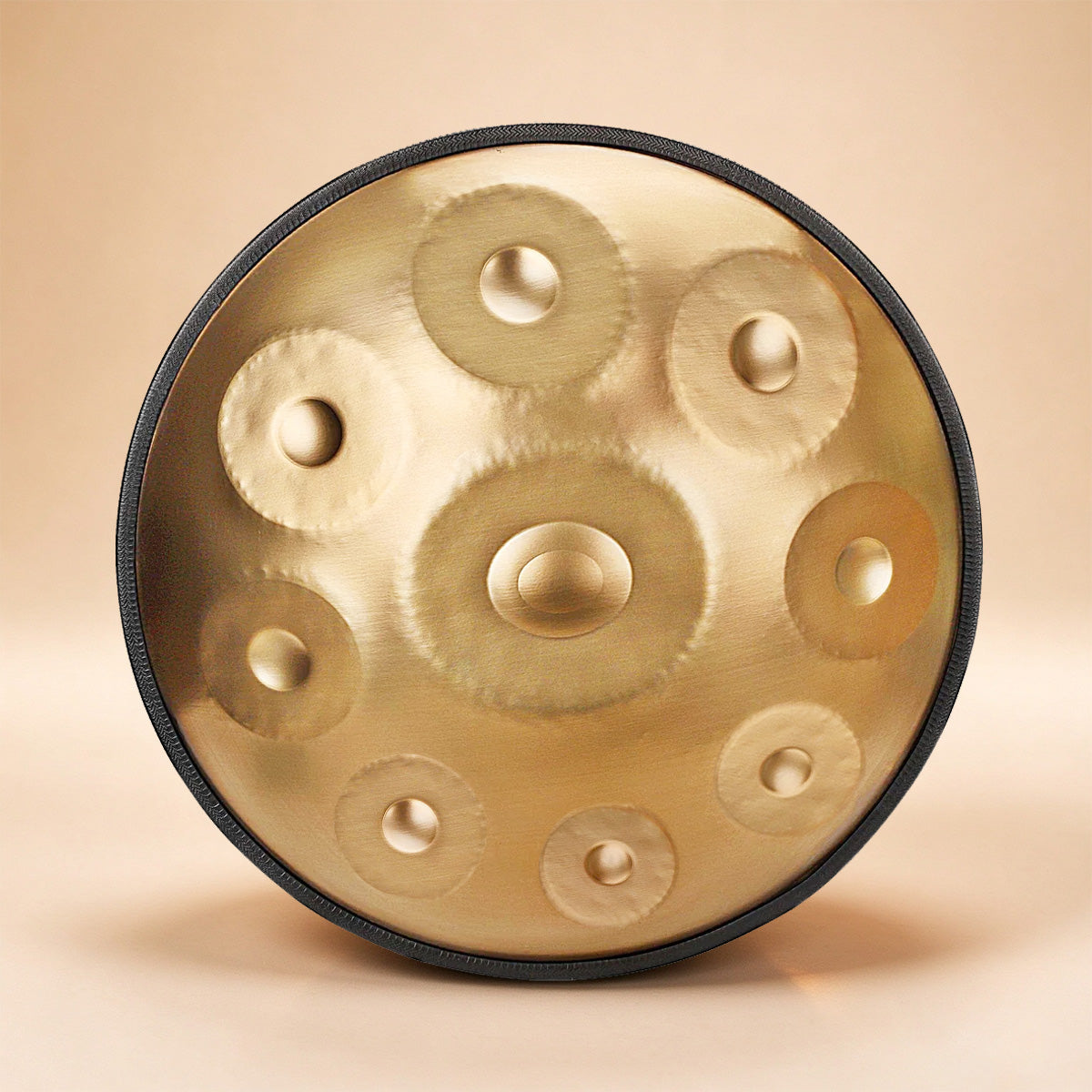
Perfect For: Absolute beginners. This is the most simple, affordable entry into handpan music, usually featuring the core D3 Ding and 8 notes in the circle.
10 Notes Handpan
Perfect For: Most beginners. This model offers a balanced versatility and playability, adding one higher note to the 9-note layout for more melodic freedom.
12 Notes Handpan
Perfect For: Committed learners. An extended range for musical exploration, allowing for more complex harmonies and chords.
17 Notes Handpan
Perfect For: Serious enthusiasts. These instruments often include bottom notes, providing maximum musical possibilities for professional-grade performances.
Scale Comparison Table
| Scale Name | Key Signature | Vibe / Emotion | Best For |
|---|---|---|---|
| D Kurd | D Minor (Full) | Versatile, Story-telling | Modern melodies, jamming |
| D Celtic | D Minor (Hexatonic) | Dreamy, Ethereal | Meditation, Sound healing |
| D Integral | D Minor (Classic) | Nostalgic, Deep | Traditional handpan sound |
| A Akebono | A Minor (Japanese) | Zen, Exotic | Nature-inspired play |
Frequently Asked Questions
Absolutely. While the D minor key has a reputation for being serious, the rhythm and the way you bridge notes can create uplifting and rhythmic tribal sounds that feel energizing rather than sad.
It is widely considered the best starting point. Because so many handpans in D minor exist, you will find ten times more instructional content for this scale than any other, making your learning curve much smoother.
D Kurd includes the 6th note of the scale (Bb), making it a complete minor scale. D Celtic removes this note, creating a "gap" that makes it impossible to play a "wrong" note, which is why it is so popular for relaxation.
Not at all. Most of the world's most famous handpan songs were written for 8 or 9-note instruments. Mastery comes from your touch and rhythm, not the number of notes.
References
1. Rohner, F. & Schärer, S. (2007). "History of the Hang." PANArt Hangbau AG.
2. Handpan Insider (2025). "Scale Popularity Report: The Dominance of D Minor."
The dominance of D minor in the world of handpans is a beautiful confluence of necessity and artistry. From the physics of the steel to the historical legacy of the first Swiss makers, every hammer strike has pointed toward this resonant key. Whether you are looking for your very first instrument or adding to a collection, handpans in D minor offer a lifetime of musical discovery.