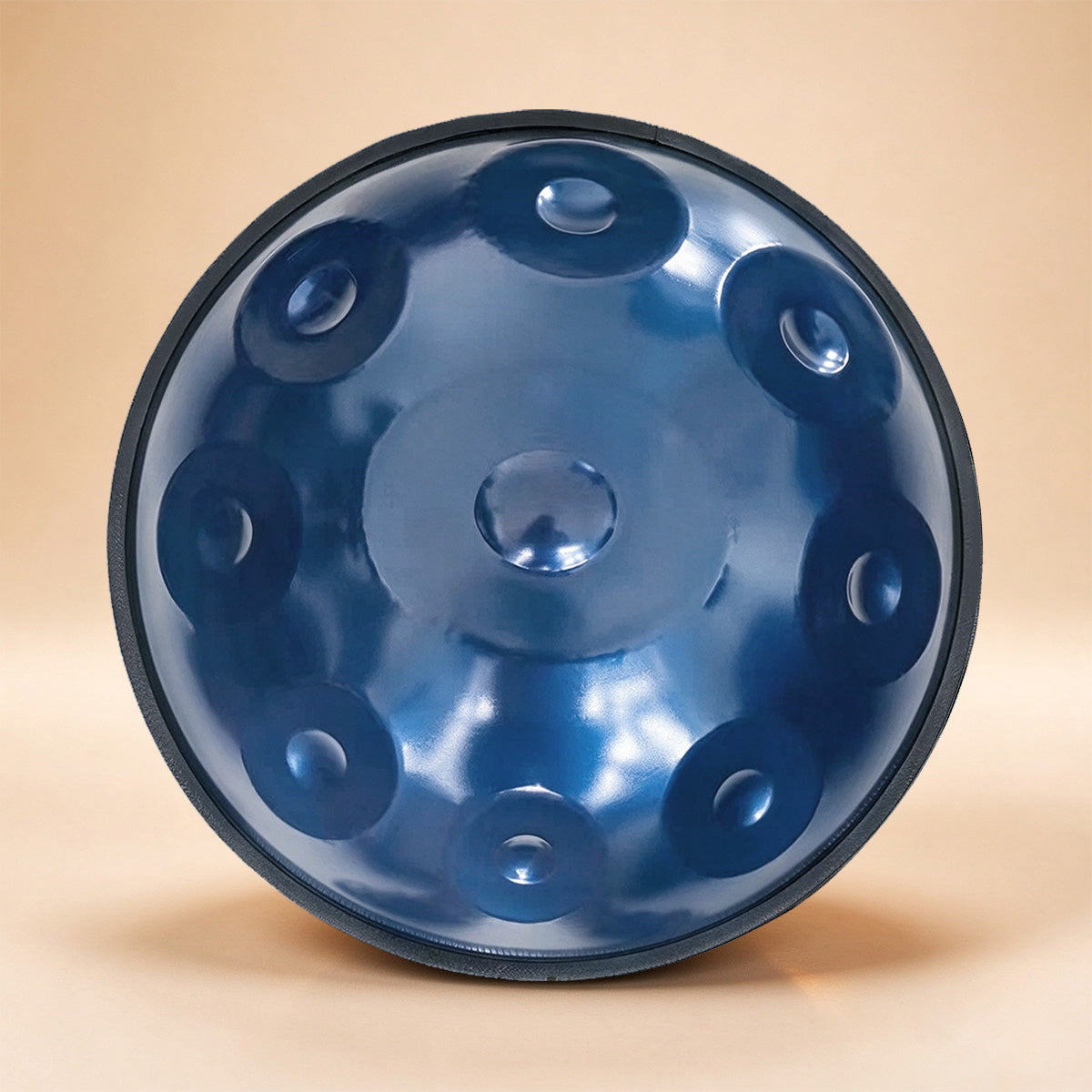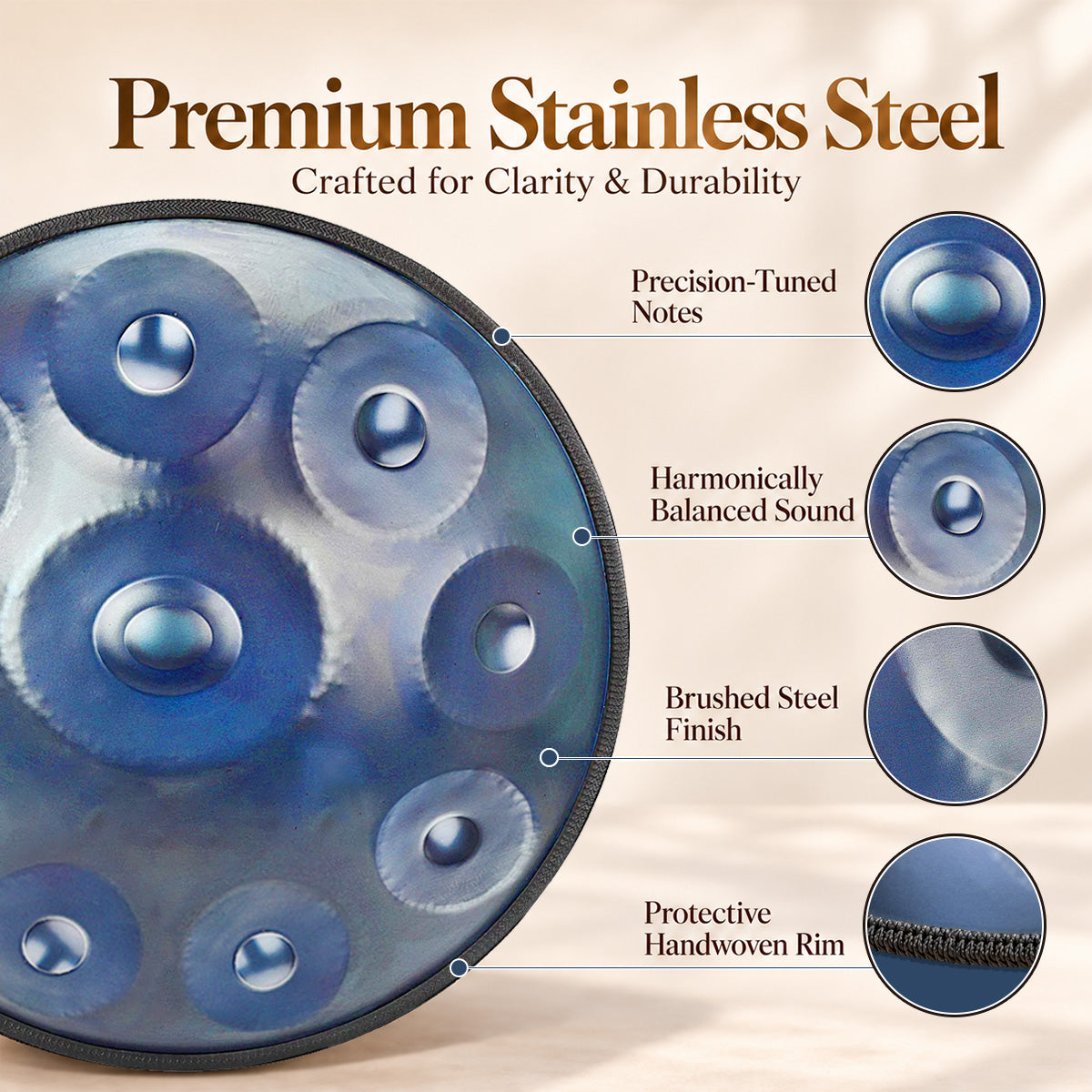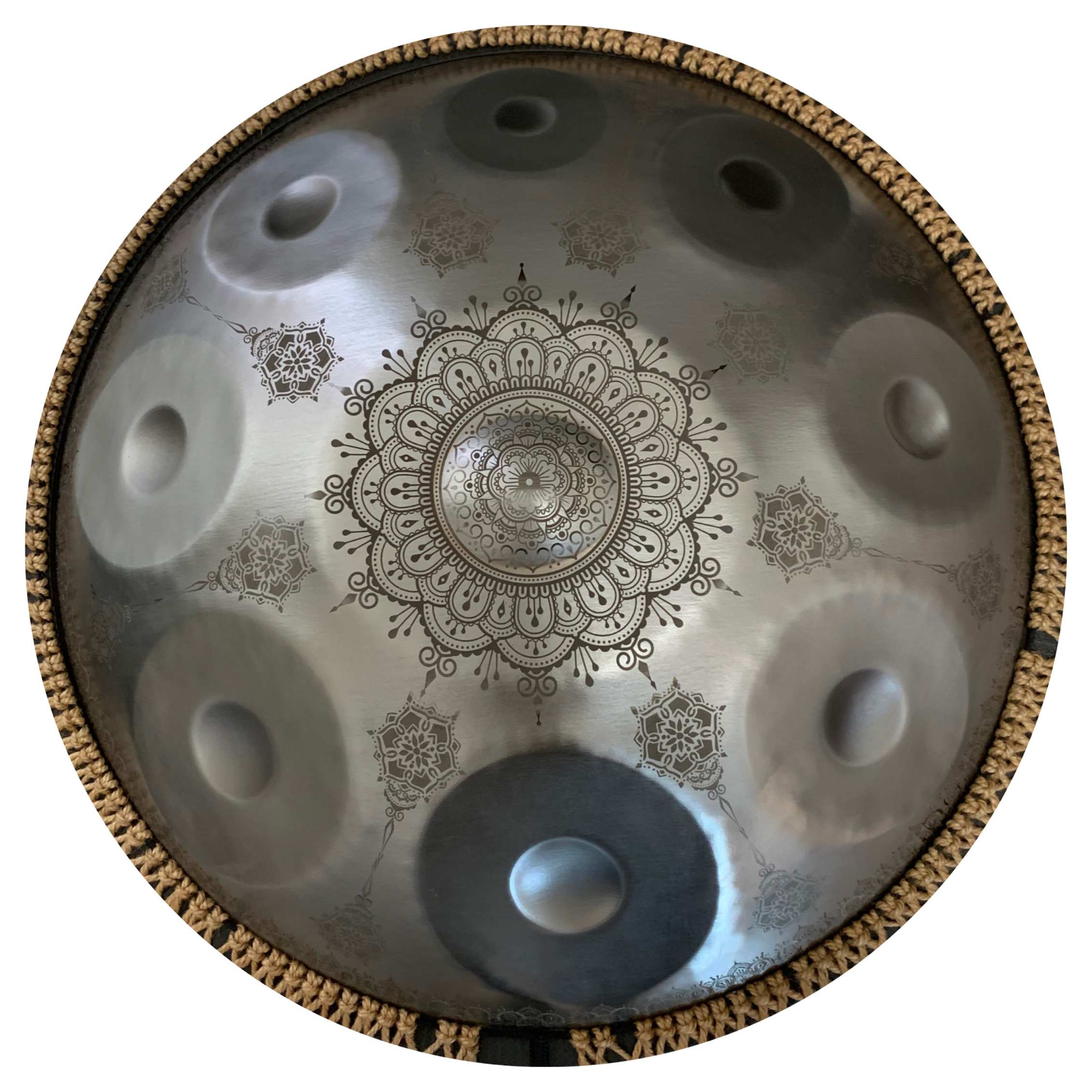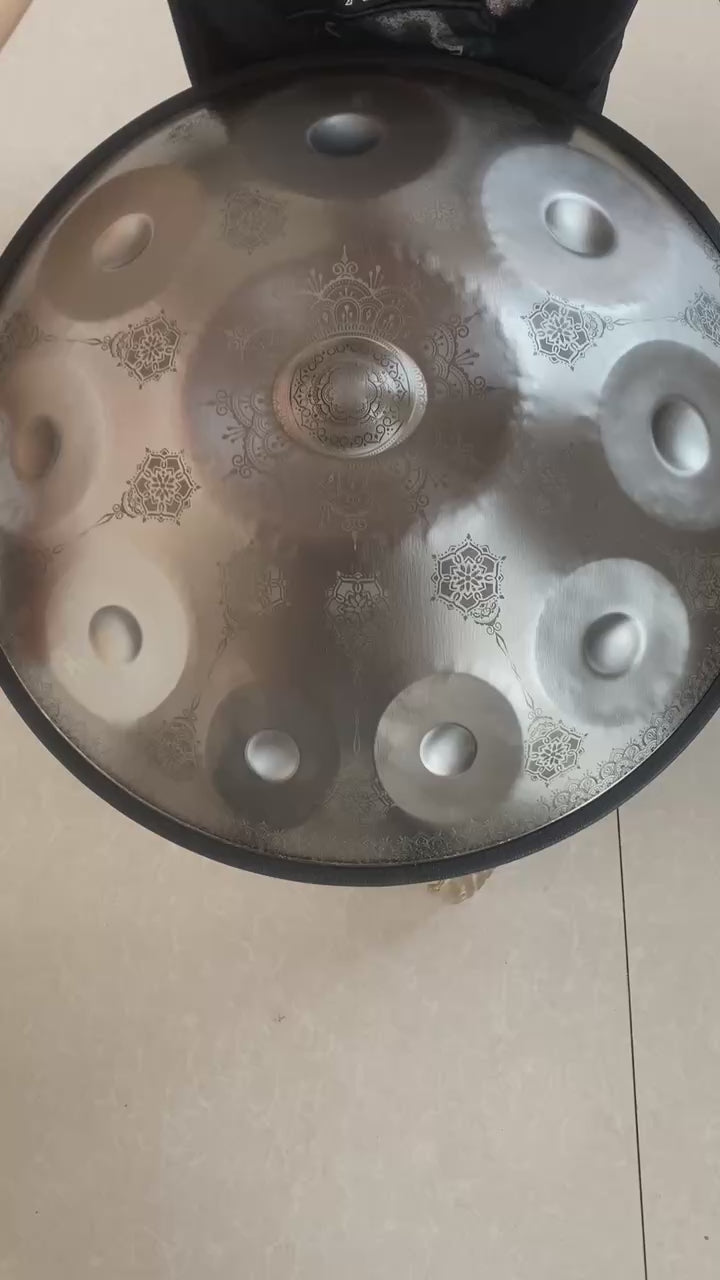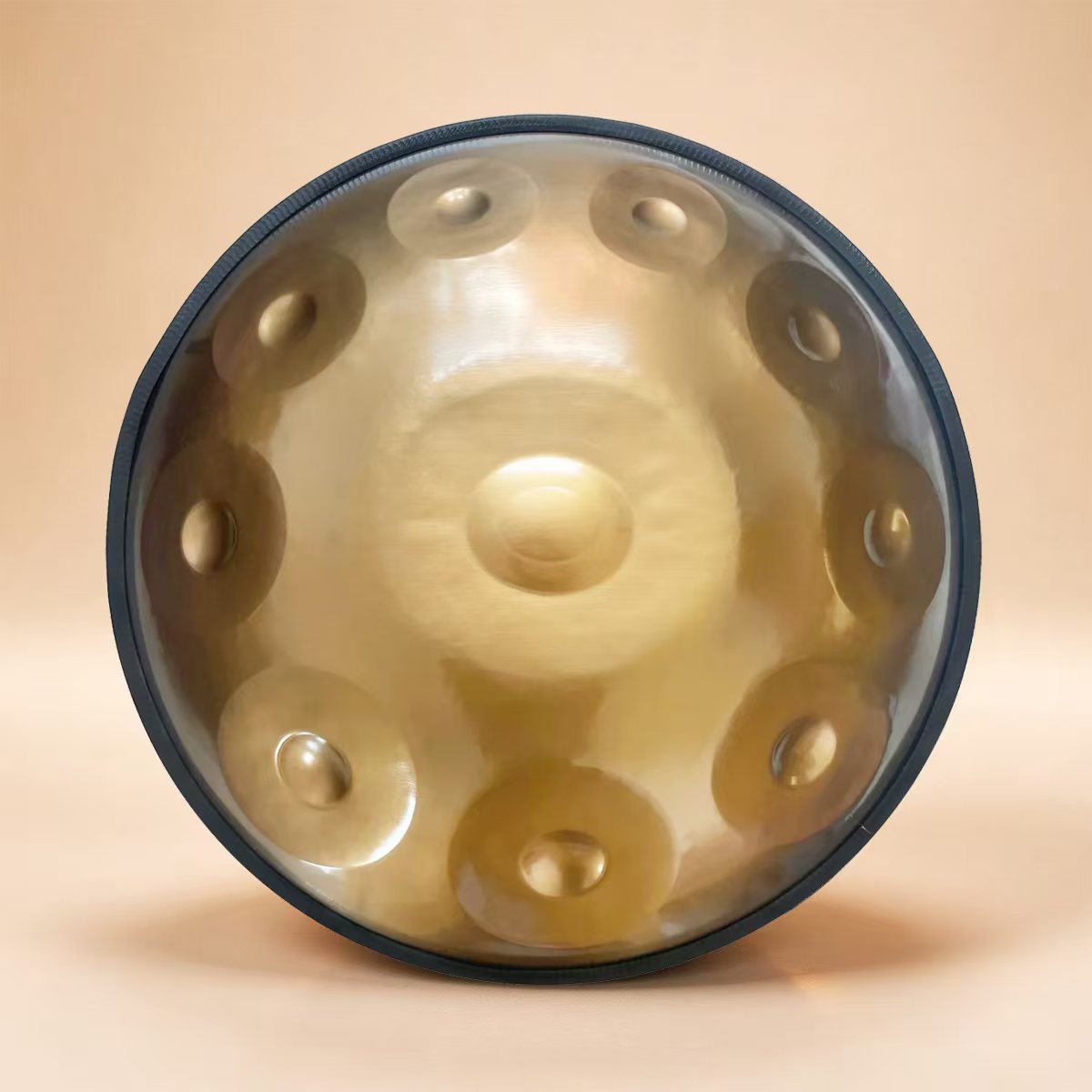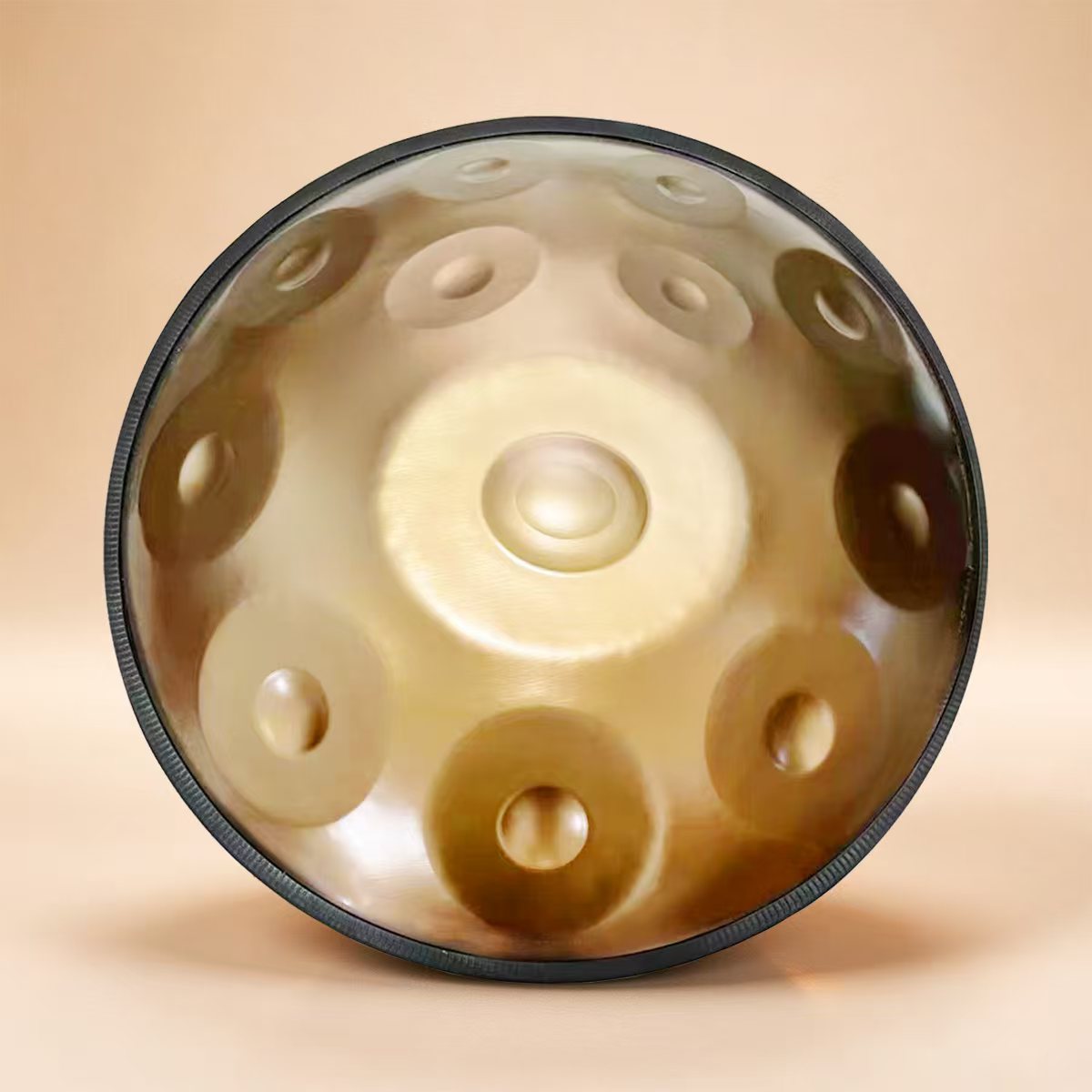
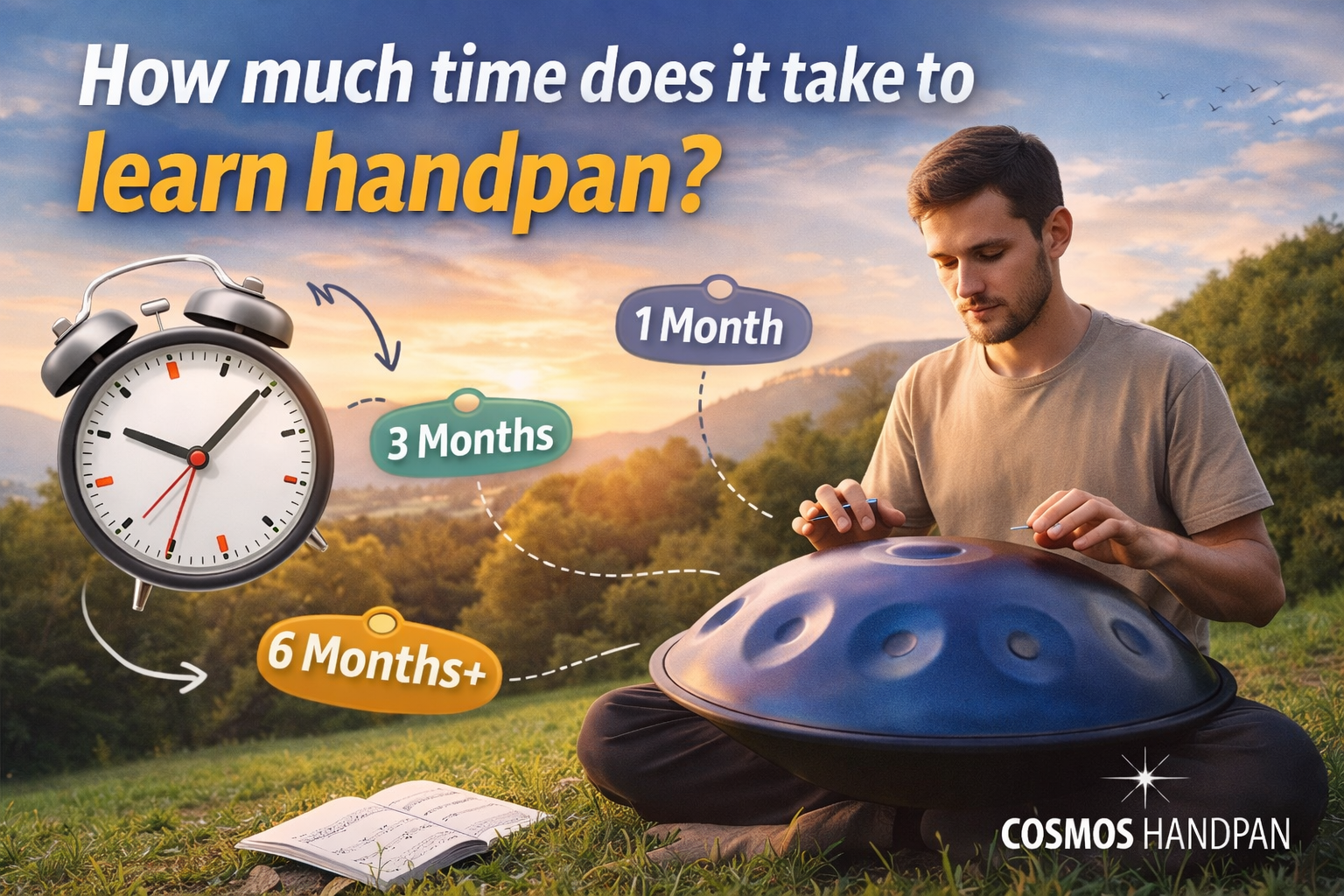
The mesmerizing, ethereal sound of the handpan has captivated musicians and audiences worldwide. As its popularity surges, prospective players frequently approach us with a singular, pressing question: How much time does it take to learn handpan? From our experience at Cosmos Handpan, the answer is uniquely encouraging compared to traditional instruments like the violin or piano. The handpan is inherently intuitive, designed around specific musical scales that make playing discordant or incorrect notes nearly impossible. This structural advantage drastically accelerates the initial learning curve.

However, while producing a beautiful sound might happen on day one, mastering the intricate percussive techniques, developing hand independence, and understanding rhythmic composition requires dedication. To fully extract the benefits of playing a handpan, the quality of the instrument is non-negotiable. At Cosmos Handpan, we use specialized nitriding processes and meticulous hand-tuning to ensure absolute harmonic synergy. In this authoritative guide, we will break down the timeline of learning this fascinating instrument, providing professional insights into the biomechanics of playing, practice methodologies, and the key factors that determine exactly How much time does it take to learn handpan.
Table of Contents
- Summary Table: Handpan Learning Timeline
- The First 30 Days: Establishing the Touch
- Months 1 to 6: Rhythmic Independence and Arpeggios
- Months 6 and Beyond: Advanced Composition and Mastery
- Crucial Factors Influencing How much time does it take to learn handpan
- Choosing Your Cosmos Handpan for the Best Journey
- Frequently Asked Questions (FAQs)
- References and Further Reading
Summary Table: Handpan Learning Timeline
To provide a clear, high-level overview of How much time does it take to learn handpan, we have compiled a summary table detailing the realistic expectations for a dedicated student practicing 20 to 30 minutes daily.
| Learning Stage | Timeframe | Key Milestones Reached | Recommended Focus |
|---|---|---|---|
| Beginner | 1 to 30 Days | Producing clean, resonant tones; memorizing the scale layout; playing simple 4/4 beats. | Striking technique (the touch), posture, and basic alternating hand patterns. |
| Intermediate | 1 to 6 Months | Playing chords, integrating ghost notes, understanding syncopation, fluid hand movements. | Hand independence, dynamic control, exploring minor/major chord progressions. |
| Advanced | 6 to 12 Months | Complex polyrhythms, rapid arpeggios, composing original pieces, double strokes. | Emotional expression, speed, advanced percussive slaps, utilizing the Gu (bottom hole). |
| Mastery | 1 Year + | Seamless improvisation across multiple instruments, performing live, teaching others. | Developing a unique personal style, integrating with other musicians. |
The First 30 Days: Establishing the Touch
When analyzing How much time does it take to learn handpan, the first month is arguably the most critical. Unlike striking a snare drum with a wooden stick, the handpan requires a delicate, physics-driven technique often referred to as the touch. The tone fields of a handpan are highly sensitive membranes of tuned steel. If your finger remains on the metal a fraction of a second too long, it dampens the resonance, producing a dull thud rather than a singing note.
Biomechanics of the Strike
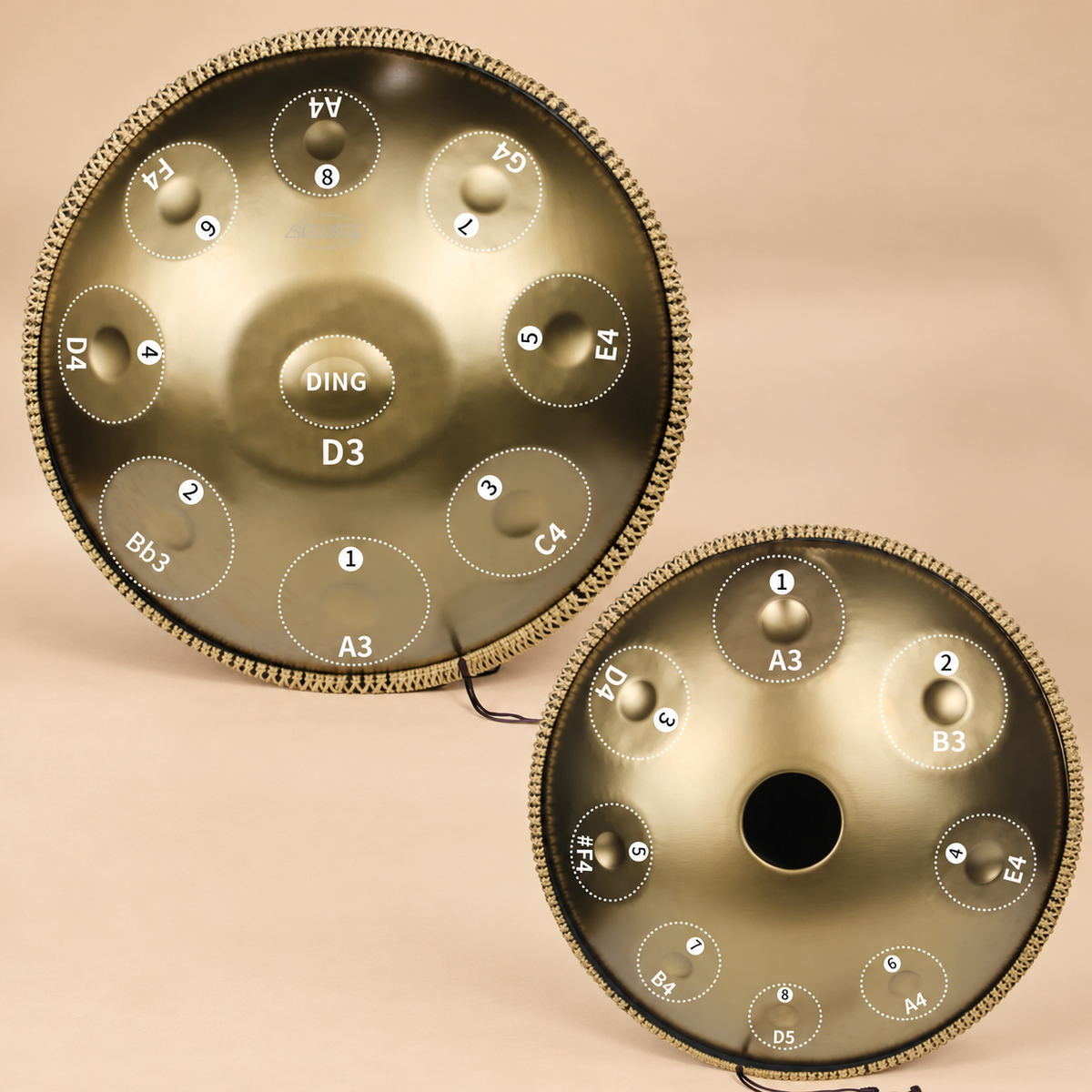
From our experience, the secret to a rapid progression lies in mastering the thumb and index finger strike. The motion must be akin to touching a hot stove—a quick, elastic bounce. During your first few weeks, your sole objective should be drawing out the fundamental frequency, the octave, and the compound fifth that our tuners carefully hammer into every single note. We recommend spending ten minutes of every practice session simply striking the central Ding (the lowest note) and the surrounding tone circles to build muscle memory. If you ask a professional How much time does it take to learn handpan basics, they will confirm that a solid touch can be developed in just a few weeks if you remain disciplined.
Memorizing the Scale
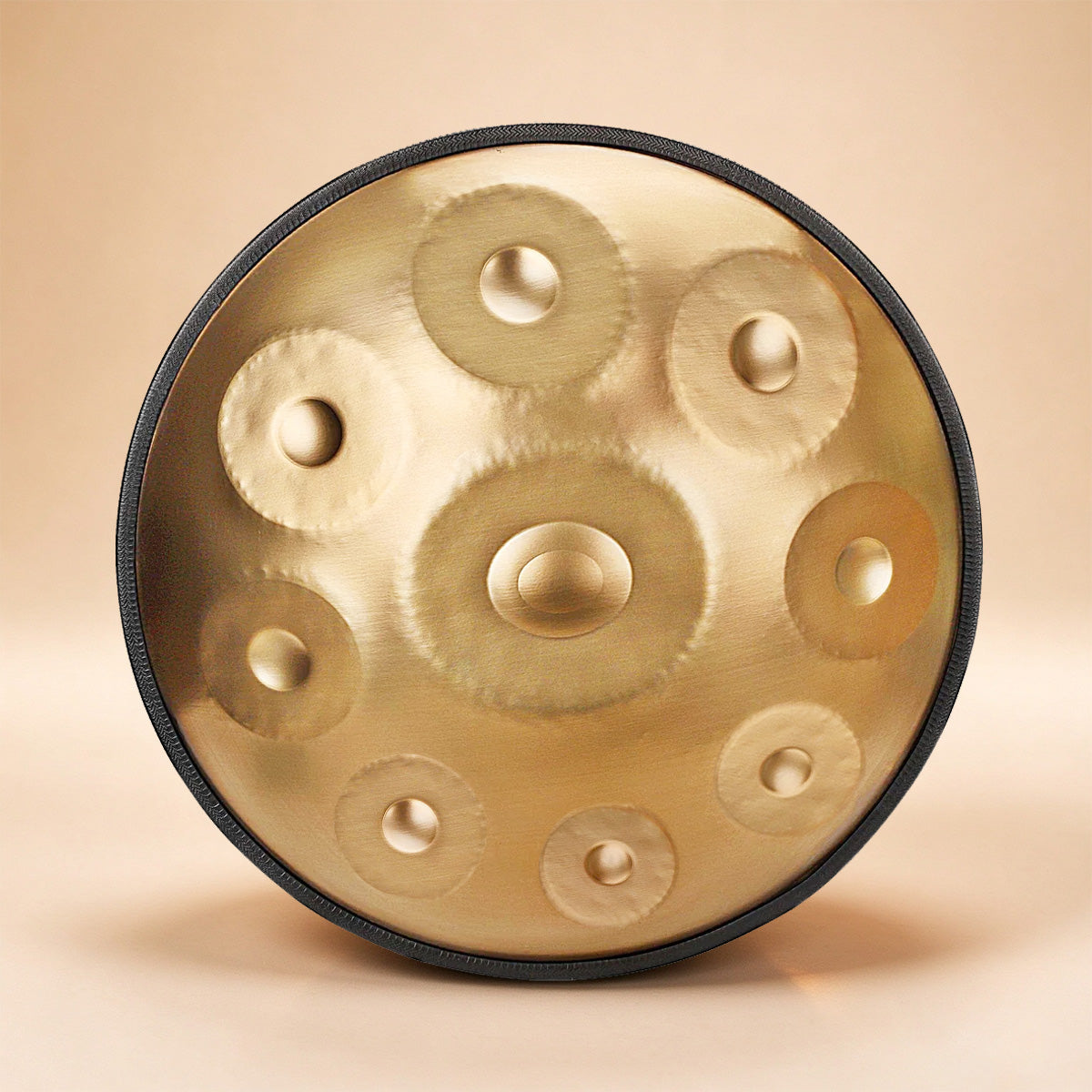
Most handpans feature a circular layout that alternates left and right as the pitch ascends. In the first 30 days, your brain will map this physical space. By the end of your first month, provided you have a high-quality instrument, you will be able to play simple, intuitive melodies with your eyes closed.
Months 1 to 6: Rhythmic Independence and Arpeggios
Once you have secured a resonant strike, the question of How much time does it take to learn handpan transitions from tone production to musical composition. The intermediate stage spans roughly the first to the sixth month. During this period, the neurological pathways connecting your left and right hands begin to operate independently. This is where the instrument truly opens up.
Integrating Ghost Notes
Ghost notes are the quiet, percussive taps played in the interstitial spaces between the main melodic notes. They serve as the rhythmic glue of handpan music. Learning to play a strong, resonant note on the Ding with your right hand while simultaneously tapping a soft, driving ghost note rhythm on the shoulders (the flat areas between tone fields) with your left hand is a significant milestone. It transforms a simple melody into a full, captivating song.
Chords and Harmonics
Because our instruments are tuned to specific, harmonically cohesive scales, striking two or three notes simultaneously produces rich, beautiful chords. In this phase, we recommend practicing arpeggios—breaking down chords and playing the individual notes in rapid succession. The timeline regarding How much time does it take to learn handpan chords depends heavily on practice consistency. A student playing 30 minutes a day will comfortably weave complex chords into their playing by month four.
Months 6 and Beyond: Advanced Composition and Mastery
Beyond the six-month mark, How much time does it take to learn handpan becomes a question of personal ambition. You have the foundational skills; now you must develop your unique voice. Advanced players focus on dynamic range—the ability to play incredibly softly (pianissimo) to incredibly loudly (fortissimo) with absolute control.
Advanced techniques include double strokes, percussive slaps, and utilizing the Helmholtz resonance by manipulating the Gu (the circular opening on the bottom shell). Furthermore, advanced players often require expanded musical ranges. Moving from a standard 9-note setup to a more complex layout demands a recalibration of spatial awareness. However, the foundational touch remains the same. Mastery is an ongoing journey of sonic exploration.
Crucial Factors Influencing How much time does it take to learn handpan
While we provide general timelines, several variables directly impact How much time does it take to learn handpan for each individual.
1. Prior Musical Experience
If you have a background in percussion (like the djembe or congas), you will adapt to the rhythmic requirements and ghost notes very rapidly. Conversely, if you have a background in piano or guitar, your understanding of melody and chord progressions will allow you to compose beautiful pieces sooner. However, even with zero musical background, the intuitive design of the handpan scale ensures a smooth learning curve.
2. Quality of the Instrument
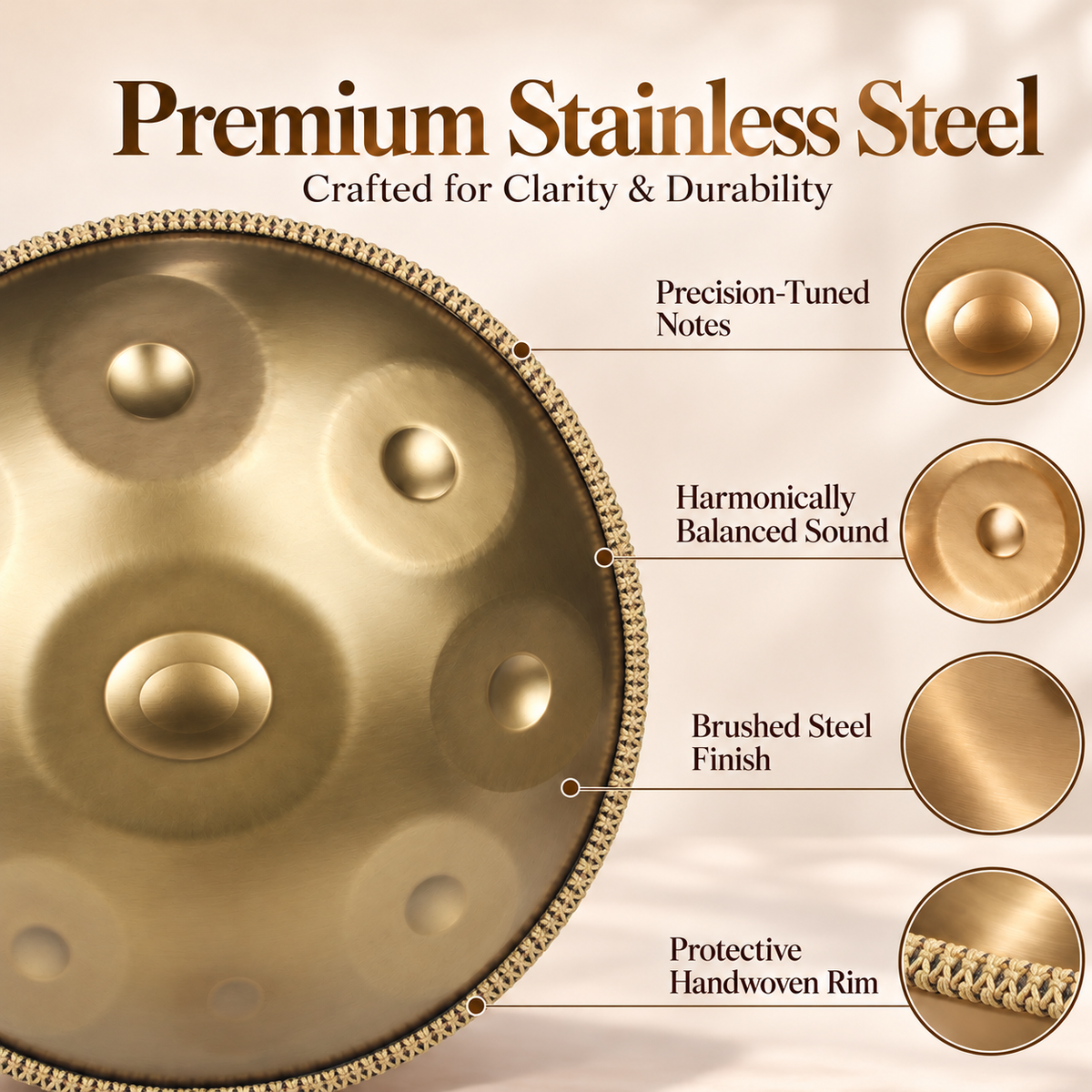
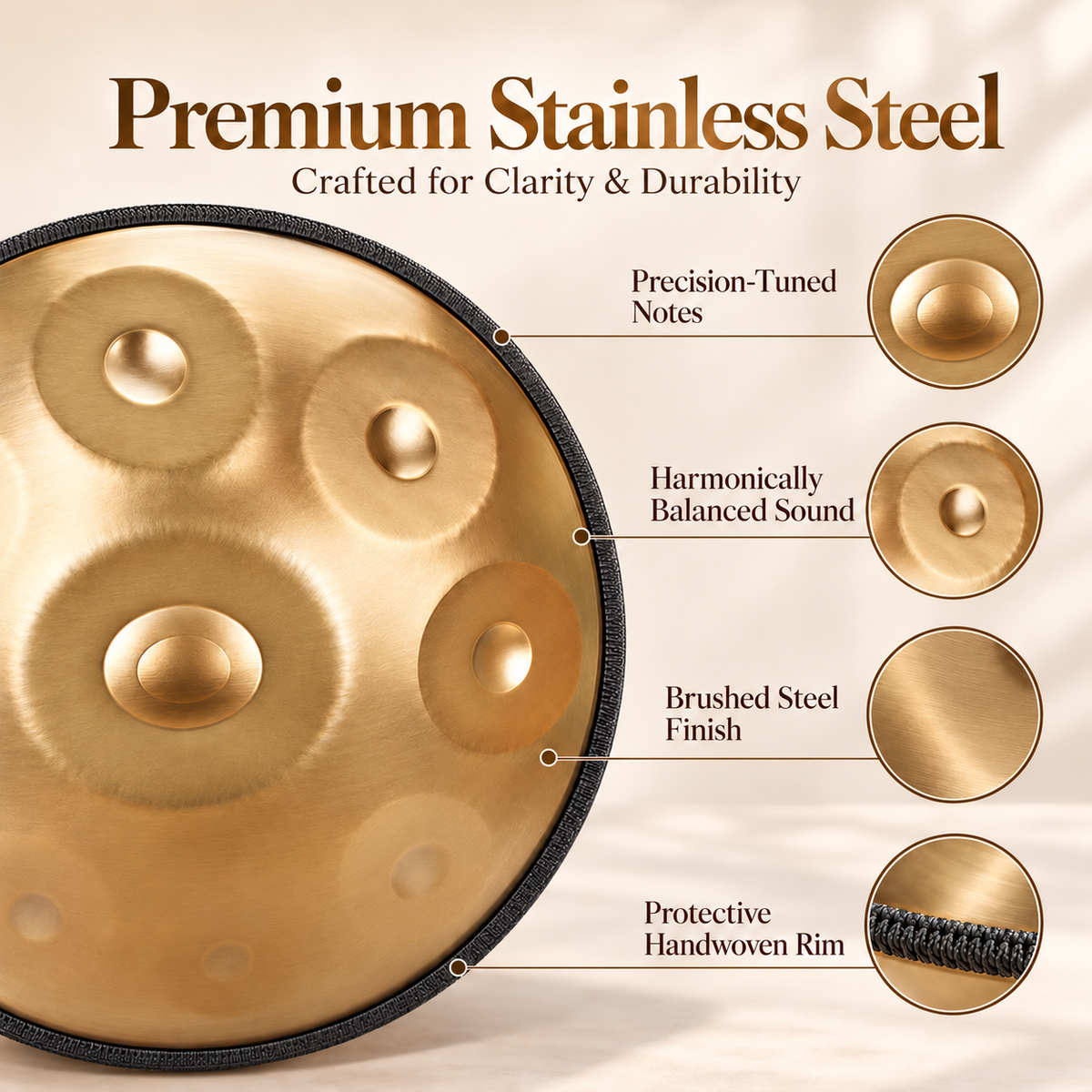
We cannot overstate this: the quality of your instrument dictates your progress. A poorly built, un-tuned, or mass-produced instrument will frustrate you. If the notes require excessive force to activate, or if the harmonics clash, your ear will become confused, and your hands will fatigue. To fully extract the benefits of playing a handpan, the quality of the instrument is non-negotiable. At Cosmos Handpan, we use specialized nitriding processes and meticulous hand-tuning to ensure absolute harmonic synergy.
3. Consistency Over Duration
When clients ask How much time does it take to learn handpan, we emphasize frequency over duration. Practicing for 20 minutes every single day builds neurological muscle memory far faster than practicing for two hours once a week. The instrument requires a high degree of fine motor skill that must be reinforced daily.
Choosing Your Cosmos Handpan for the Best Journey

The specific model you choose will also influence How much time does it take to learn handpan. A larger array of notes provides more musical freedom but presents a steeper learning curve for absolute beginners. We recommend the following from our elite Cosmos Handpan catalog to achieve the best results for your specific musical journey:
- 9 Notes Handpan: Perfect for focused, melodic exploration and beginner-friendly performance.
- 10 Notes Handpan: Balanced standard for modern players seeking a versatile instrument.
- 12 Notes Handpan: Expanded range for complex compositions and intermediate musicians.
- 17 Notes Handpan: Ultimate professional instrument with an extended scale for advanced compositions.
- Handpan for Beginners: Specially tuned for ease of play and rapid learning.
-
Handpan Drum Instrument: General-purpose high-quality options for various music styles.
Frequently Asked Questions (FAQs)
Exactly How much time does it take to learn handpan if I have no musical background?
From our experience, an adult with zero musical background can learn to produce a beautiful tone within the first week. Within 30 to 60 days of consistent, daily practice, you will be able to play cohesive, relaxing melodies and simple rhythmic patterns.
Does the scale I choose affect How much time does it take to learn handpan?
Yes. Minor scales (such as Kurd or Celtic Minor) are highly intuitive and generally easier for beginners to improvise on, as they inherently sound emotive and complete. Complex scales, such as harmonic minors or middle-eastern scales, may require a bit more theoretical understanding to utilize effectively.
Why is a nitrided Cosmos Handpan better for learning?
Nitriding is a specialized heat-treatment process that hardens the steel and makes it highly resistant to rust. More importantly, it creates a slightly shorter sustain and a more percussive, ceramic-like timbre. This crisp articulation makes it easier for beginners to hear their mistakes and correct their touch rapidly, positively impacting How much time does it take to learn handpan.
Should I start with a 17 Notes Handpan?
We generally do not recommend a 17 Notes Handpan for absolute beginners. The bottom notes require flipping the instrument or reaching underneath, which complicates the foundational learning stage. A 9 Notes Handpan or 10 Notes Handpan is the optimal starting point.
References and Further Reading
To further your understanding of acoustic resonance, metallurgy, and the pedagogical approaches to learning percussive instruments, we recommend consulting the following authoritative sources:
- The Acoustical Society of America (ASA) - Research on the physics of tuned steel percussion and non-linear acoustics.
- University Music Departments - Pedagogical studies on fine motor skill acquisition in adult music learners.
- ASM International - Materials Information Society: Data regarding gas nitriding processes in high-carbon steel applications.