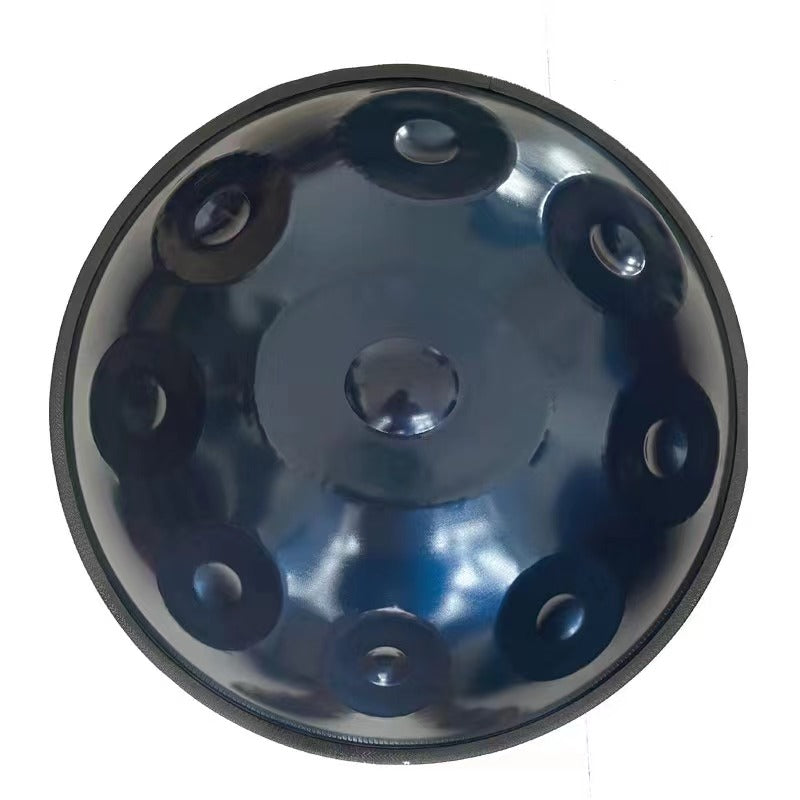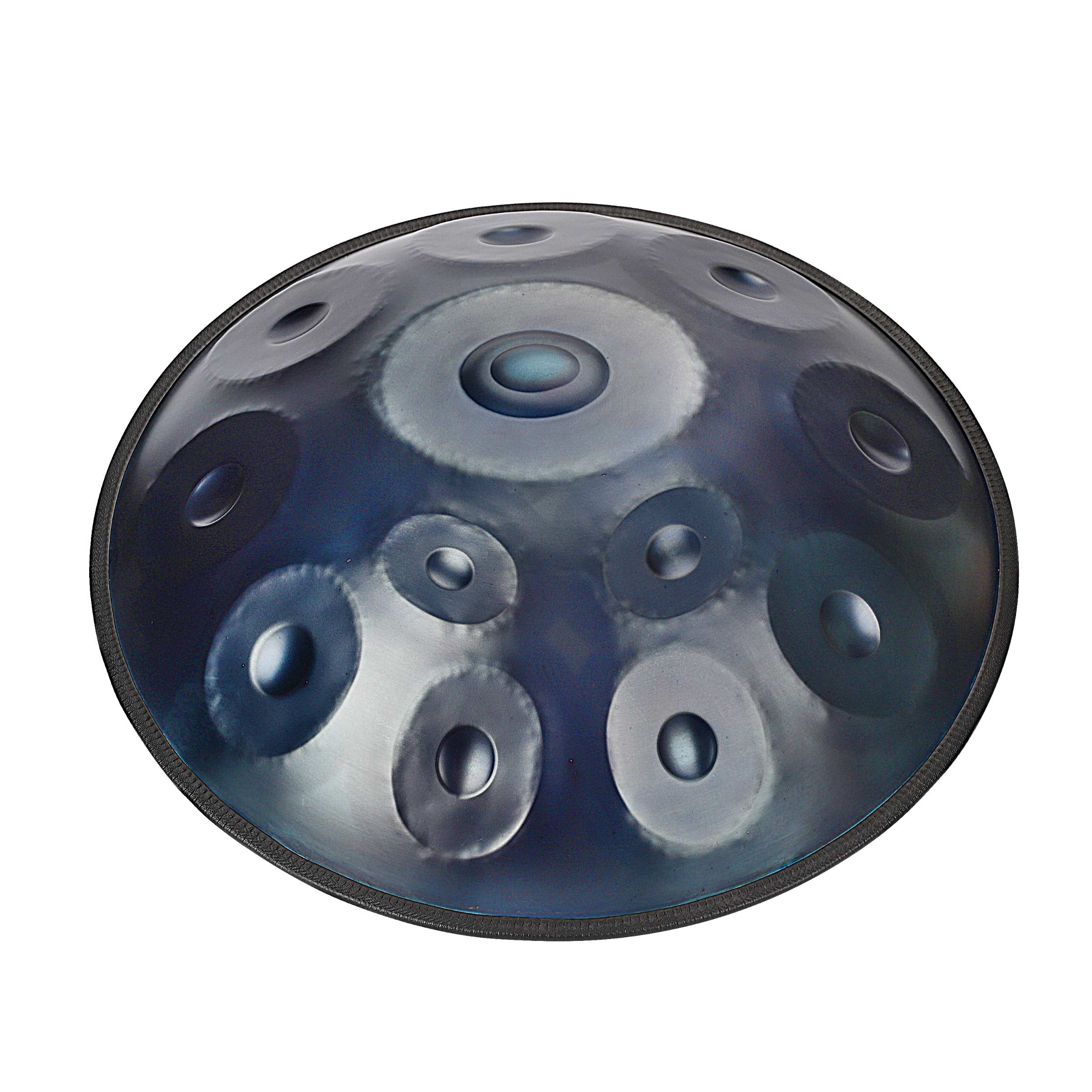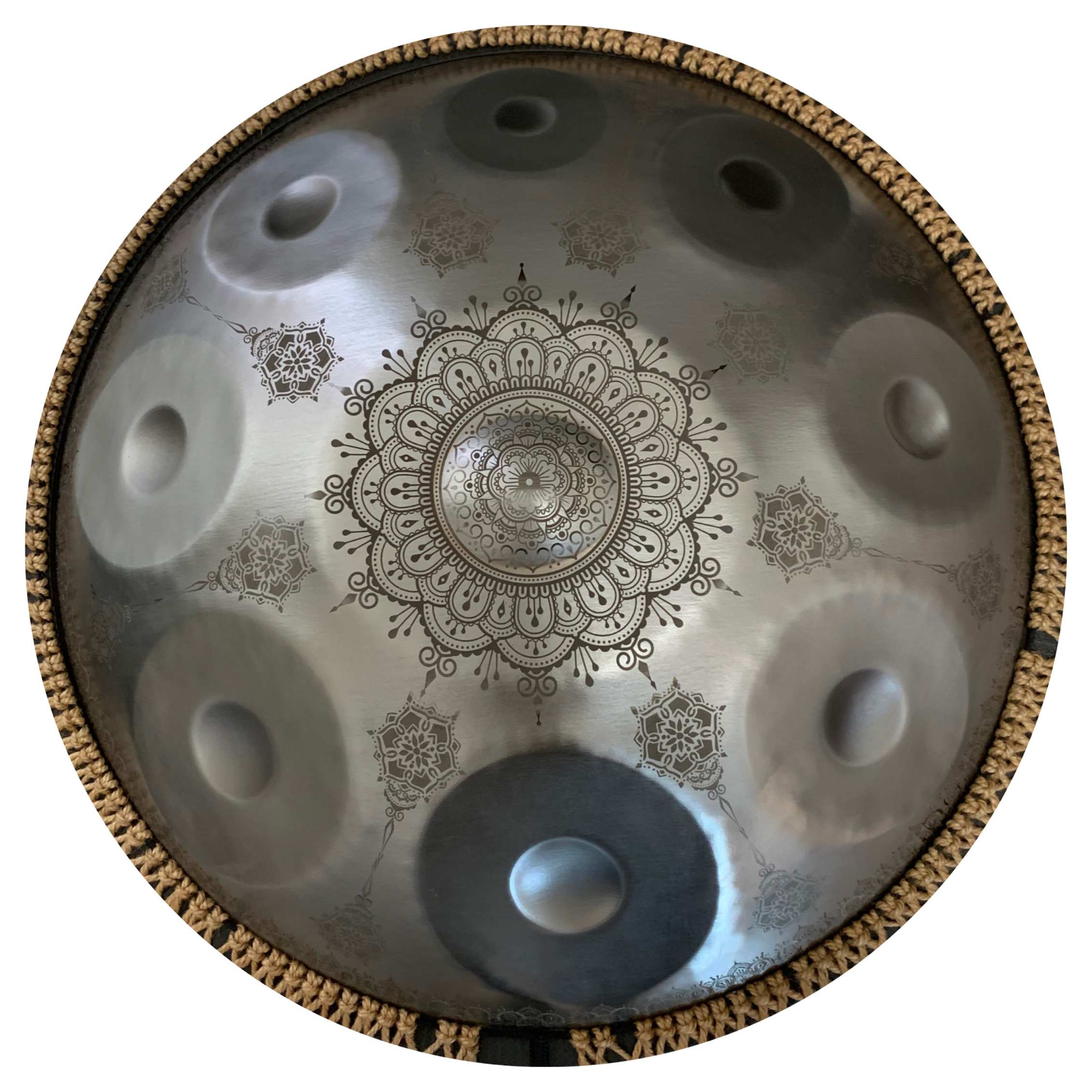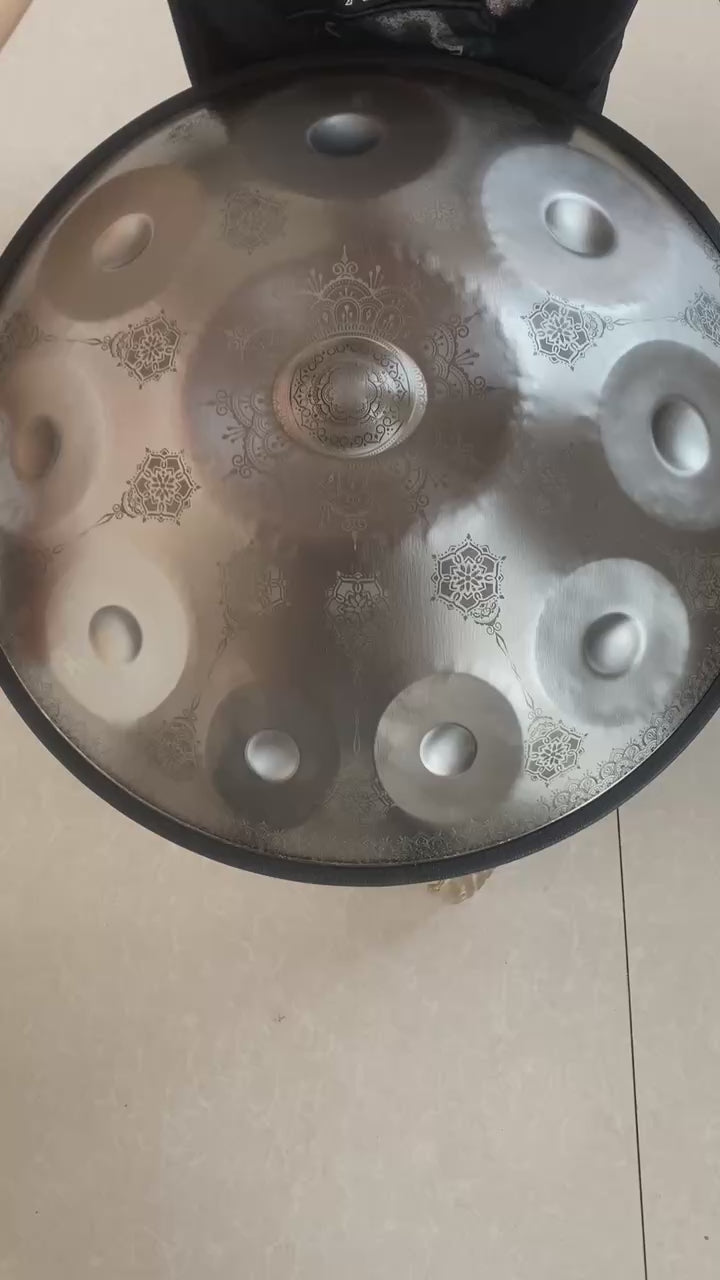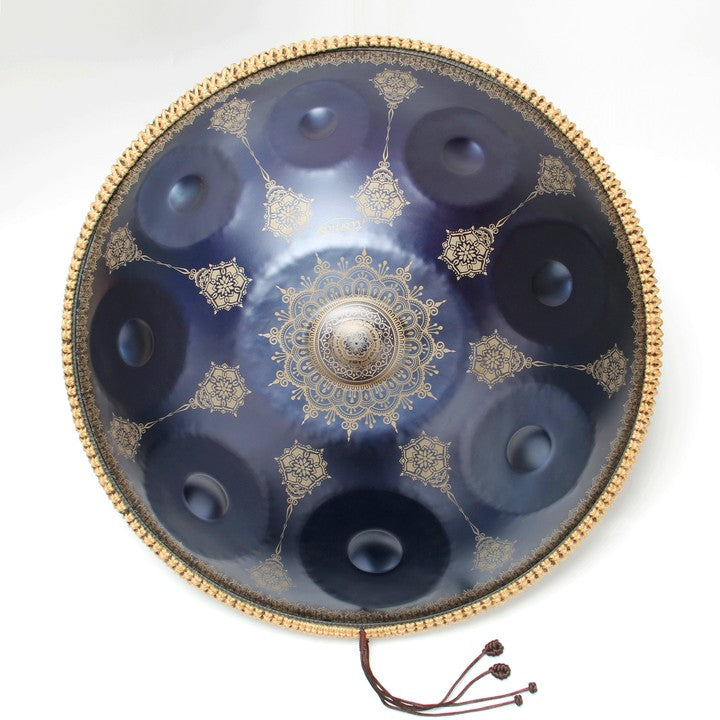
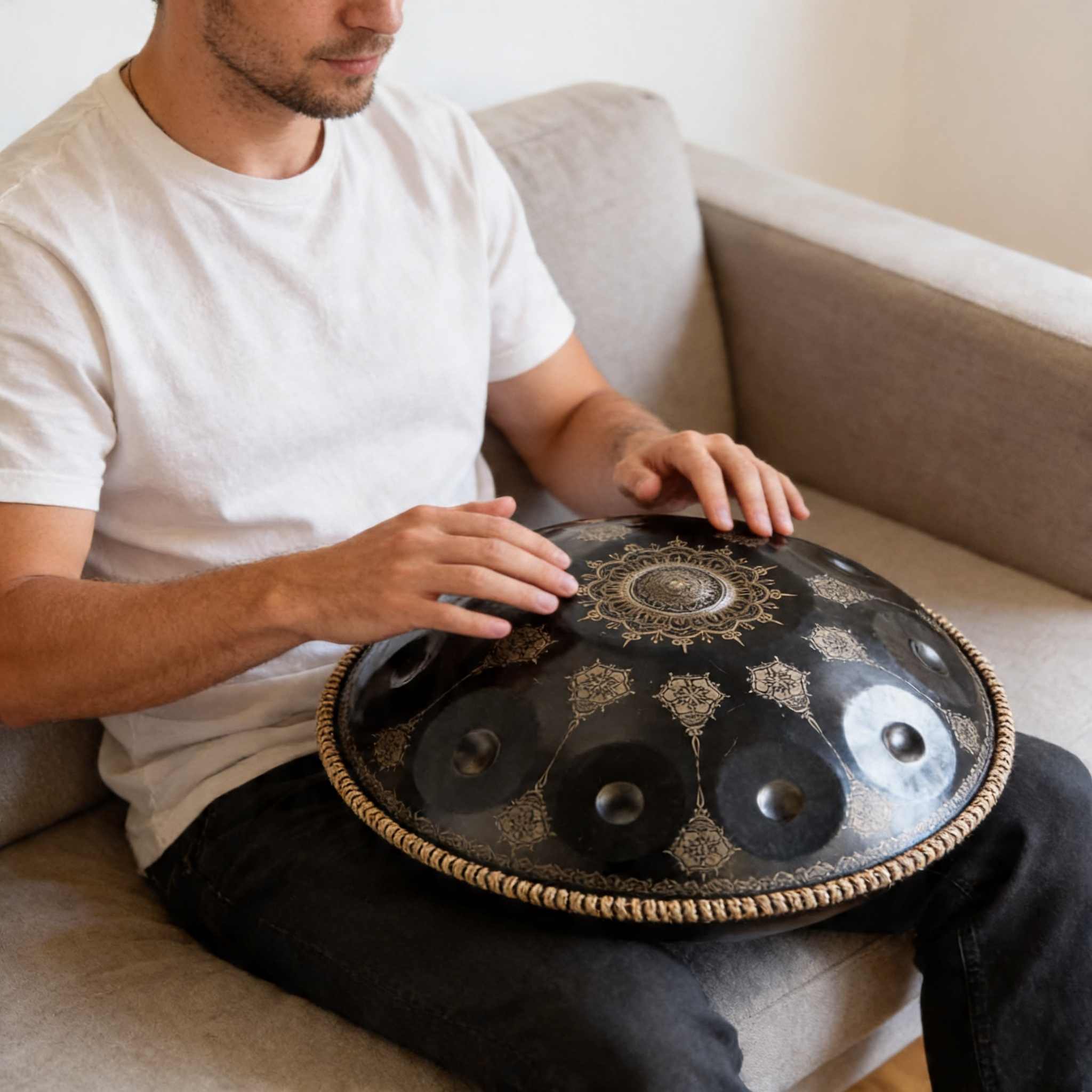
When selecting the perfect instrument, the scale dictates your entire musical landscape. Many players default to safe, standard minor scales, missing out on the profound emotional depth available in the broader handpan universe. If you are seeking an instrument that immediately commands attention with a mysterious, exotic, and highly resonant voice, the Handpan d hijaz is unparalleled. Navigating the world of modal tuning can be intimidating, but understanding the precise architecture of this scale will fundamentally elevate your playing style.

Quick Answer
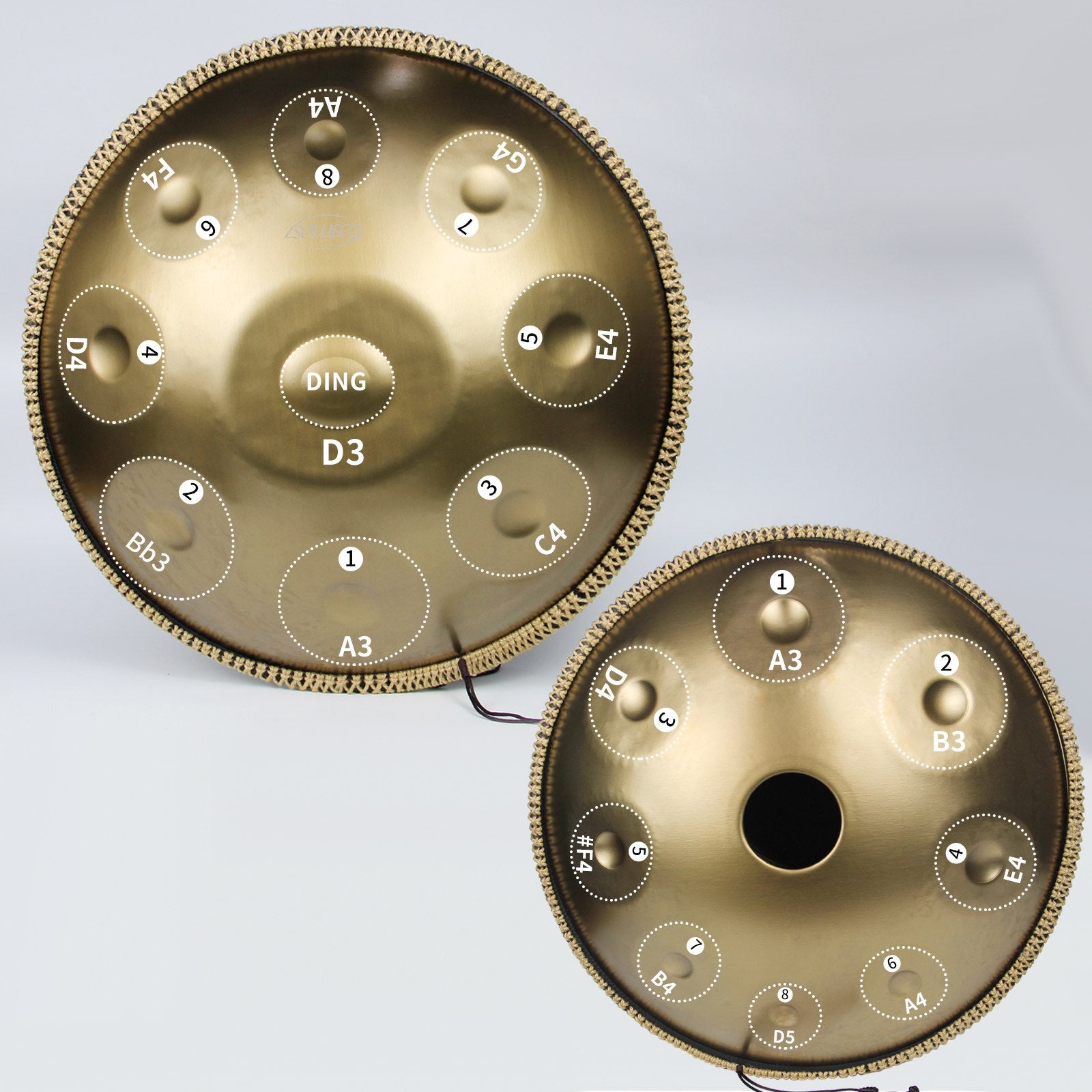
The Handpan d hijaz scale typically features a central D note (the Ding) surrounded by a specific sequence of notes, often arranged as D / A, Bb, C#, D, E, F, G, A (when treated as a variation of Harmonic Minor) or D / Eb, F#, G, A, Bb, C, D (when treated as a Phrygian Dominant sequence).
- Vibe: Mysterious, exotic, melancholic yet triumphant, strongly associated with Middle Eastern and Spanish Flamenco roots.
- Difficulty: Intermediate to Advanced. The tension between notes requires a more mindful approach to chord building than standard pentatonic scales.
- Best For: Solo performers, world music composers, and players seeking deep emotional storytelling in their music.
If you are ready to venture beyond standard tunings, the Handpan d hijaz offers an incredibly rewarding, rich emotional palette.
What is the Handpan D Hijaz?
To fully grasp the magic of the Handpan d hijaz, we must look at its underlying musical theory. Unlike Western diatonic scales that feel resolved and strictly linear, the Hijaz scale thrives on tension. It is heavily utilized in traditional Arabic music, classical Flamenco, and modern cinematic soundtracks. The hallmark of this scale is the augmented second interval—a significant sonic jump between the second and third degrees of the scale that instantly transports the listener to a different cultural soundscape.
In the handpan community, builders often interpret the Handpan d hijaz in two primary ways: either as a D Phrygian Dominant scale or as a variation of an A Harmonic Minor scale built around a D Ding. Regardless of the specific layout the maker chooses, the inclusion of a sharpened note (such as the F# against an Eb, or a C# against a Bb) provides a compelling major chord structure embedded within a predominantly minor atmosphere. This duality allows the Handpan d hijaz to sound simultaneously sorrowful and triumphant.
The Story of Cosmos Handpans

In the heart of Colorado, USA, Cosmos Handpan shines as a guiding light of musical innovation and soulful resonance. We have more than a decade of expertise in creating handpans and tongue drums. Passion, precision, and an unwavering pursuit of musical excellence steep our musical journey.
Forging Cosmos Connections
Cosmos’ story begins with a shared love for music and a profound desire to create instruments that transcend sound. Our instruments and melody resonate deeply with the spirit of every musician. Our crafters pour their heart into each handpan and tongue drum with intricate workmanship and dedication. Our artisans infuse each instrument with ethereal melodies that stir the senses and uplift the spirit.
Understanding the handpan origin and history is crucial when exploring complex scales like the Handpan d hijaz. As the instrument evolved from its early days in Switzerland, makers began experimenting with global scales to push the boundaries of acoustic resonance.
How It Works
The acoustic mechanics of the Handpan d hijaz rely on the relationship between the central Ding and the surrounding tone fields. Every note on a high-quality handpan is tuned not just to its fundamental frequency, but also to its octave and compound fifth overtones. When you strike the D Ding of a Handpan d hijaz, you are activating a massive sympathetic resonance across the shell.
From our experience, the real magic happens when you play chords or double-stops (striking two notes simultaneously). Because the Handpan d hijaz contains that signature augmented second interval, certain note combinations will create intense dissonance, while others will resolve beautifully. This requires the player to adopt a more deliberate, melodic playing style rather than just randomly tapping notes. You cannot simply hit any two notes and expect a perfectly consonant pop-music chord. Instead, you weave narratives, dancing around the root note and leaning into the tension.
Benefits of the Handpan D Hijaz
In most professional situations, a musician chooses the Handpan d hijaz to make a statement. The benefits of this scale are heavily tied to its unique voice:
- Emotional Depth: The Handpan d hijaz commands a room. It is highly evocative, making it perfect for meditation, sound healing, and solo performances where you want to captivate an audience.
- Solo Versatility: Because the scale contains both minor and major characteristics, a skilled player can shift the mood of their performance dramatically just by changing which note they use as their temporary root.
- Cultural Resonance: If you are interested in world music, fusing your handpan playing with percussion instruments like the darbuka or frame drum, the Handpan d hijaz fits perfectly into Middle Eastern rhythms and Flamenco progressions.
Limitations
We must apply commercial and practical judgment here: the Handpan d hijaz is not for everyone. The very tension that makes it beautiful also restricts it. If you want to join a casual jam session with guitarists playing standard pop chords, the Handpan d hijaz will clash. It does not naturally harmonize with standard Western major/minor progressions. Furthermore, if you are looking to learn hang drum vs handpan techniques through generic online tutorials, you will find that 80% of tutorials are designed for the D Kurd minor scale. Translating those tutorials to the Hijaz layout requires a solid grasp of music theory.
Who Should Use It
For commercial users, film composers, and sound therapists, the Handpan d hijaz is a magnificent asset. It provides instant cinematic atmosphere. We highly recommend it as a second or third instrument for experienced players who have already mastered a standard minor scale and are looking to expand their musical vocabulary. If you are building a collection, pairing a D Kurd with a Handpan d hijaz allows you to switch between accessible, flowing melodies and deep, exotic storytelling.
Who Does Not Need It
For beginners purchasing their very first instrument, we advise caution. The Handpan d hijaz is less forgiving of mistakes than a pentatonic or natural minor scale. If you hit a wrong note combination, the dissonance is immediately obvious. If your goal is purely intuitive, eyes-closed relaxation without thinking about music theory, you should explore our guide on the best handpan for beginners and look toward a D Kurd or Celtic Minor instead.
Common Mistakes
In our testing and direct interaction with customers, the most common mistake buyers make is purchasing a Handpan d hijaz solely because they liked a specific YouTube video, without realizing the technical demands of the scale. Another frequent error is ignoring the specific layout variations. Some makers place the root note on the Ding, while others place the fifth of the scale on the Ding to build tension. Failing to confirm the exact note layout before purchasing can leave you with an instrument that does not align with your playing style. Always check the maker's note chart.
Buying Considerations
When you are ready to invest, you need to look past cheap knockoffs. Producing the complex overtones required for a crisp Handpan d hijaz demands exceptional craftsmanship. You must consider the material: nitrided steel offers a more controlled, ceramic, percussive sound ideal for fast, rhythmic Flamenco styles, whereas stainless steel provides a long, lush sustain perfect for slow, meditative playing.
Also, consider your budget. If you are researching how much does a handpan cost, be aware that high-quality tuning for exotic scales is rarely found in the ultra-budget tier. While there are cheap handpan options on the market, poorly tuned Hijaz intervals sound aggressively out of tune. You must prioritize reputable manufacturers with strong quality control.
Expert Recommendation
Is the Handpan d hijaz actually worth buying? Absolutely, provided you understand its purpose. From our experience, the Handpan d hijaz is one of the most creatively fulfilling scales a musician can own. It challenges you to become a better composer and rewards you with sounds that simply cannot be replicated by standard instruments. We recommend it for intermediate players, acoustic performers, and anyone drawn to the rich, spicy tonalities of Eastern music. For heavy-duty applications in sound healing, a stainless steel Handpan d hijaz will wash over a room with incredible presence.
Summary and Comparison Tables
| Feature | Details |
|---|---|
| Scale Family | Modal (Phrygian Dominant / Harmonic Minor variation) |
| Atmosphere | Exotic, spicy, mysterious, triumphant |
| Skill Level | Intermediate to Advanced |
| Common Layout Example | D / A, Bb, C#, D, E, F, G, A |
| Best Material | Stainless Steel (for sustain) or Nitrided Steel (for percussive play) |
| Attribute | Handpan D Hijaz | Handpan D Kurd (Natural Minor) |
|---|---|---|
| Vibe / Mood | Middle Eastern, Flamenco, intense, mysterious | Melancholic, sweet, introspective, resolving |
| Intervals | Contains an augmented second (creates tension) | Standard diatonic intervals (smooth flowing) |
| Beginner Friendly? | No. Requires deliberate chord selection. | Yes. Highly intuitive and forgiving. |
| Jamming Capability | Limited. Clashes with standard Western pop/rock. | High. Easily pairs with guitars and pianos. |
| Pros | Cons |
|---|---|
| Produces an incredibly unique, captivating sound that stands out. | Difficult to integrate into typical Western band settings. |
| Allows for complex, highly emotional solo performances. | Requires a deeper understanding of scale structure to avoid dissonance. |
| Perfect for pairing with world percussion instruments (darbuka, djembe). | Fewer online tutorials available specifically for this scale layout. |
| Offers both minor melancholy and major triumphant chord options. | Can sound harshly out of tune if purchased from a low-quality budget maker. |
| Consideration | What to Look For | Why It Matters |
|---|---|---|
| Material Choice | Stainless Steel vs. Nitrided Steel | Stainless gives long sustain for meditation; Nitrided is punchy for fast rhythms. |
| Number of Notes | 9 to 10 notes (including Ding) | 9 notes provide a complete scale; 10 notes offer expanded melodic range. |
| Maker Reputation | Established brand with clear tuning guarantees | The augmented second interval must be tuned flawlessly, or the scale fails. |
| Root Note Placement | Root on Ding vs. Fifth on Ding | Changes the fundamental feeling of resolution when returning to the center note. |
Frequently Asked Questions (FAQ)
Is the Handpan D Hijaz suitable for a total beginner?
In most professional situations, we do not recommend the Handpan d hijaz as a first instrument for a complete beginner. The scale features tension-filled intervals that require deliberate playing. Beginners are usually better served by a natural minor scale, such as D Kurd or Celtic Minor, which are much more forgiving when improvising.
Can I play a Handpan D Hijaz with other instruments?
Yes, but it requires coordination. Because the Handpan d hijaz uses a Phrygian Dominant or Harmonic Minor structure, it will clash with standard pop or folk songs written in basic major or natural minor keys. However, it pairs brilliantly with other world music instruments, strings playing modal scales, and Middle Eastern percussion.
Does the material of the handpan change how the Hijaz scale sounds?
Absolutely. If you want to play fast, percussive Flamenco or Arabic rhythms on your Handpan d hijaz, nitrided steel is ideal because it has a shorter sustain, preventing the notes from muddying together. If you want slow, ambient, cinematic soundscapes, stainless steel provides the lush, lingering resonance required for that style.
References
- Sound-Sculpture: Complete Guide to Handpan Scales - Detailed acoustic breakdown of major, minor, and modal handpan families.
- Saraz Handpans: Hijaz, Harmonic Minor, and Phrygian Dominant Scales - Comprehensive builder insights on the structural layout and variations of the Hijaz scale on handpans.
- Sound Artist: Hijaz Scale in Handpan Drums - Musical analysis of the augmented intervals and cultural resonance of the Hijaz tuning.