The term mystical handpan has flooded the digital sound healing and percussion markets over the past few years. If you are browsing online for a melodic steel drum, you have likely encountered instruments boasting ethereal qualities, cosmic frequencies, and transcendent resonance. But as an informed buyer, you must separate marketing terminology from acoustical physics.

From our experience as dedicated handpan builders, a mystical handpan is not a specific, patented category of instrument. Instead, it is an industry descriptor used to classify handpans built from specific steel alloys, tuned to minor or pentatonic scales, and often calibrated to alternative frequencies designed specifically to elicit deep emotional and meditative responses. In most professional situations, when a sound healer or yoga instructor requests a mystical handpan, they are looking for an instrument with prolonged sustain, rich overtone isolation, and an introspective scale profile.
Quick Answer: What Exactly is a Mystical Handpan?
A mystical handpan refers to a handpan (a convex steel drum played with the hands) that has been specifically tuned and treated to produce an ethereal, meditative sound.
- The Sound: It produces long, lingering sustain and rich overtones.
- The Scale: It is almost always tuned to a minor, Celtic, Kurd, or Pygmy scale to evoke a sense of mystery, introspection, or melancholy.
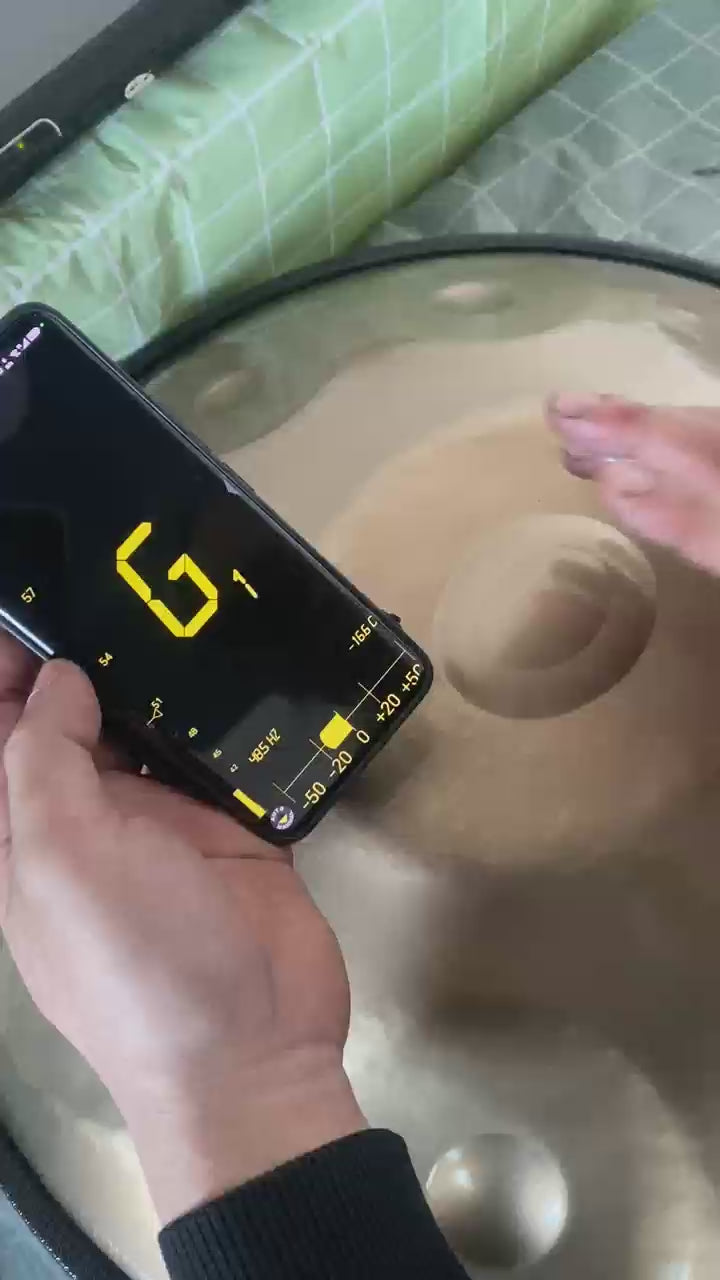
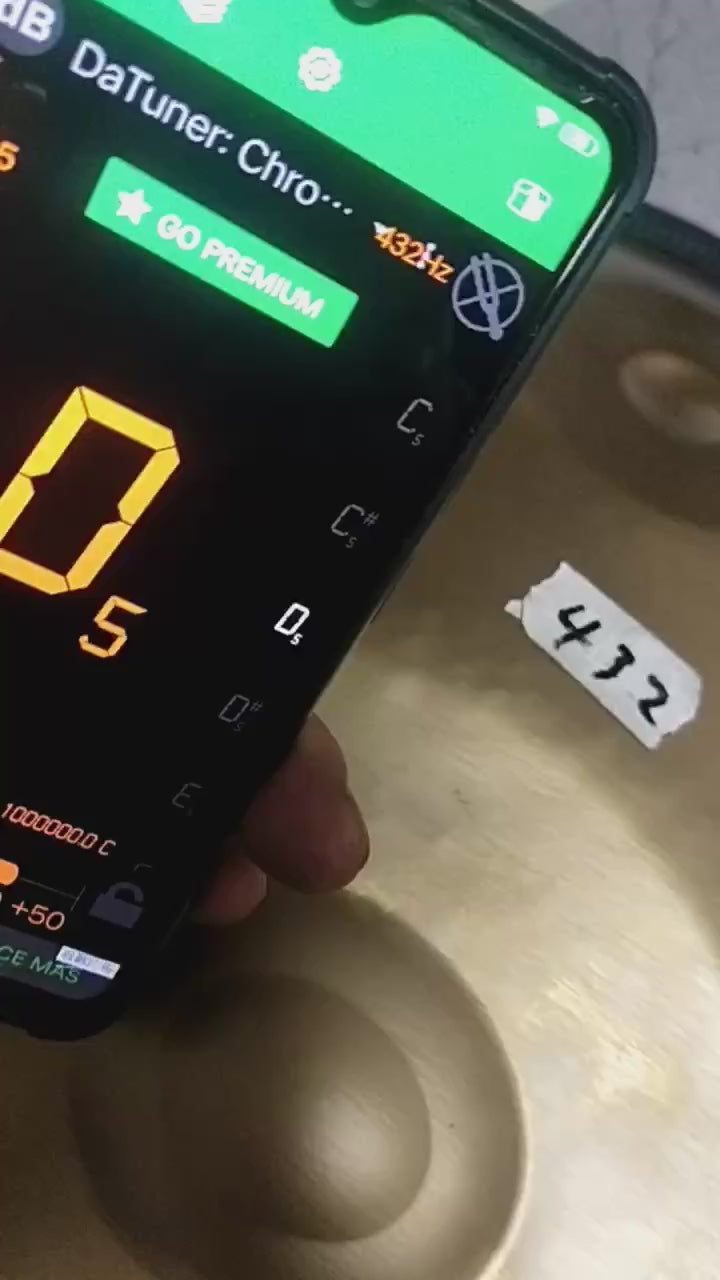
- The Tuning: It is frequently tuned to alternative frequencies, such as 432 Hz or 1111 Hz, which are favored in sound therapy.
- The Verdict: If you are buying an instrument for relaxation, sound baths, or personal meditation, a handpan marketed with these "mystical" acoustical properties is absolutely worth the investment. However, you must avoid cheap, machine-stamped knockoffs that use the word purely as a marketing gimmick.
Table of Contents
- What is a Mystical Handpan?
- How It Works: The Physics of Ethereal Sound
- Quick Summary Table
- Benefits of Playing a Mystical Handpan
- Limitations You Must Consider
- Who Should Use It & Who Does Not Need It
- Common Mistakes Buyers Make
- Comparison: Mystical vs. Percussive Handpans
- Commercial Buying Considerations
- Pros and Cons Breakdown
- Expert Recommendation from Cosmos Handpans
- Frequently Asked Questions
What is a Mystical Handpan?

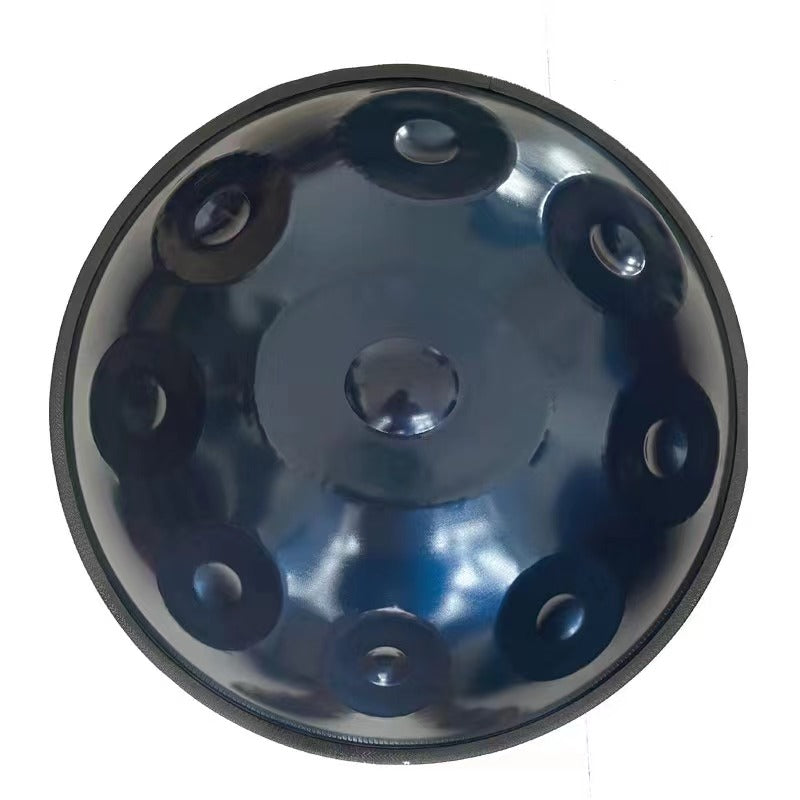
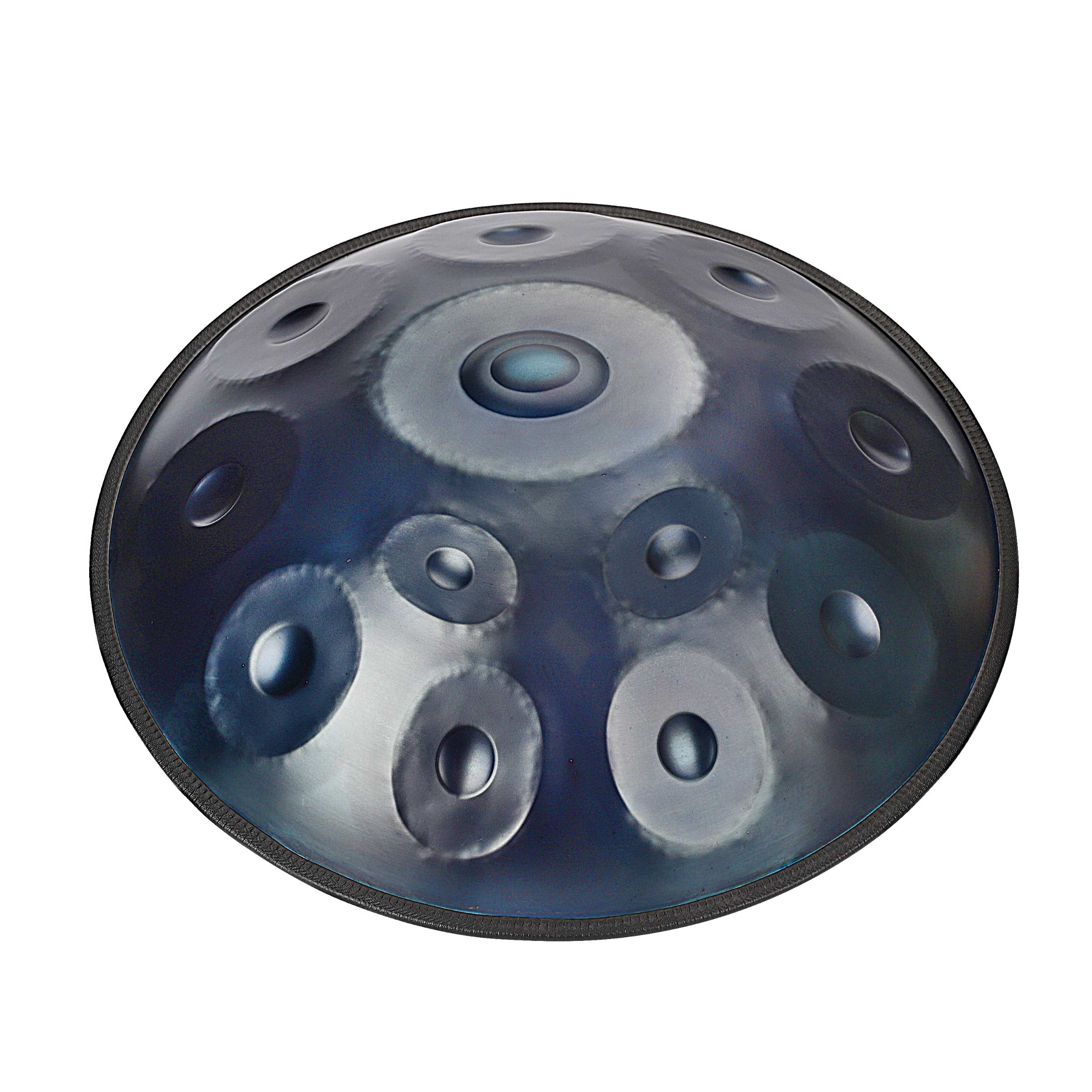
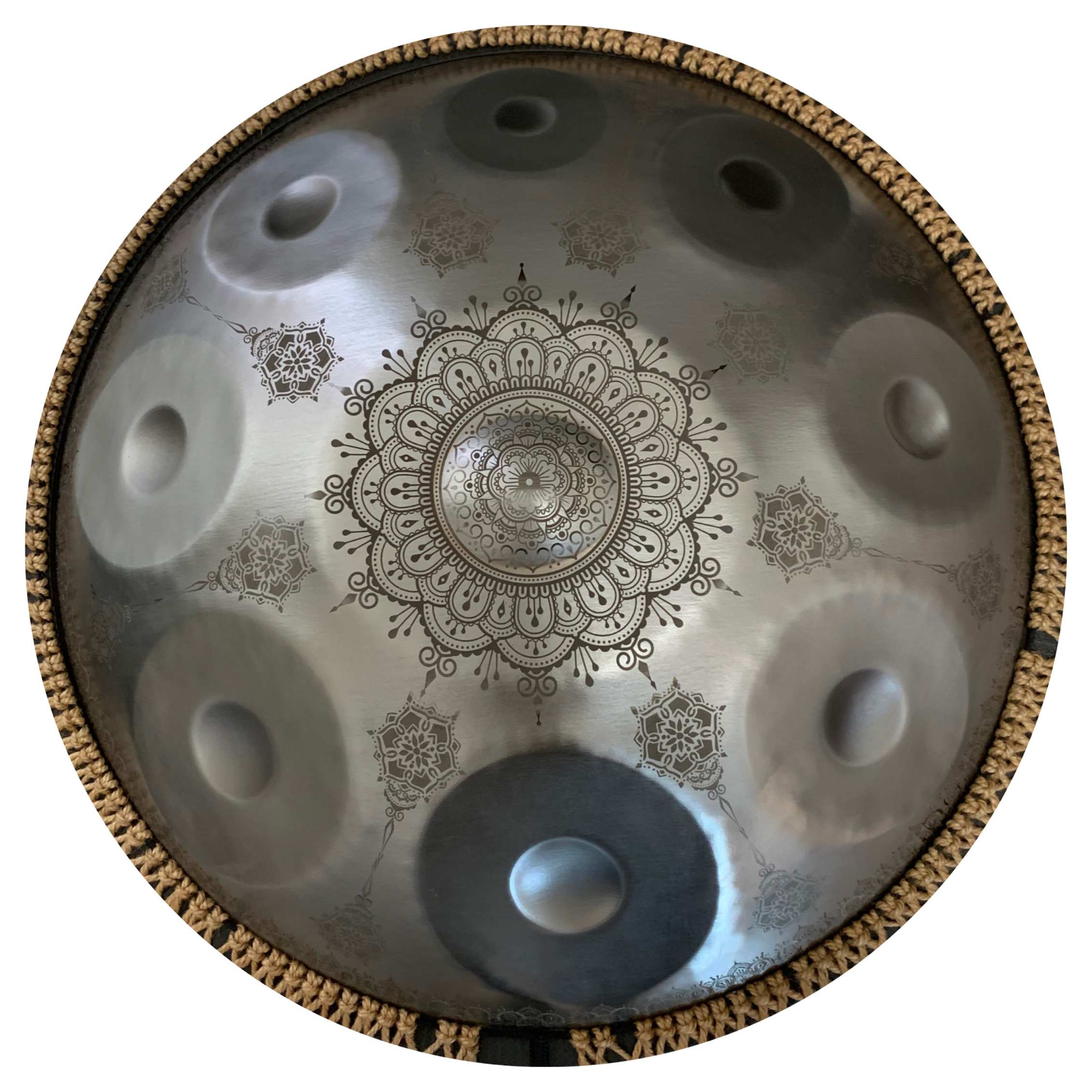
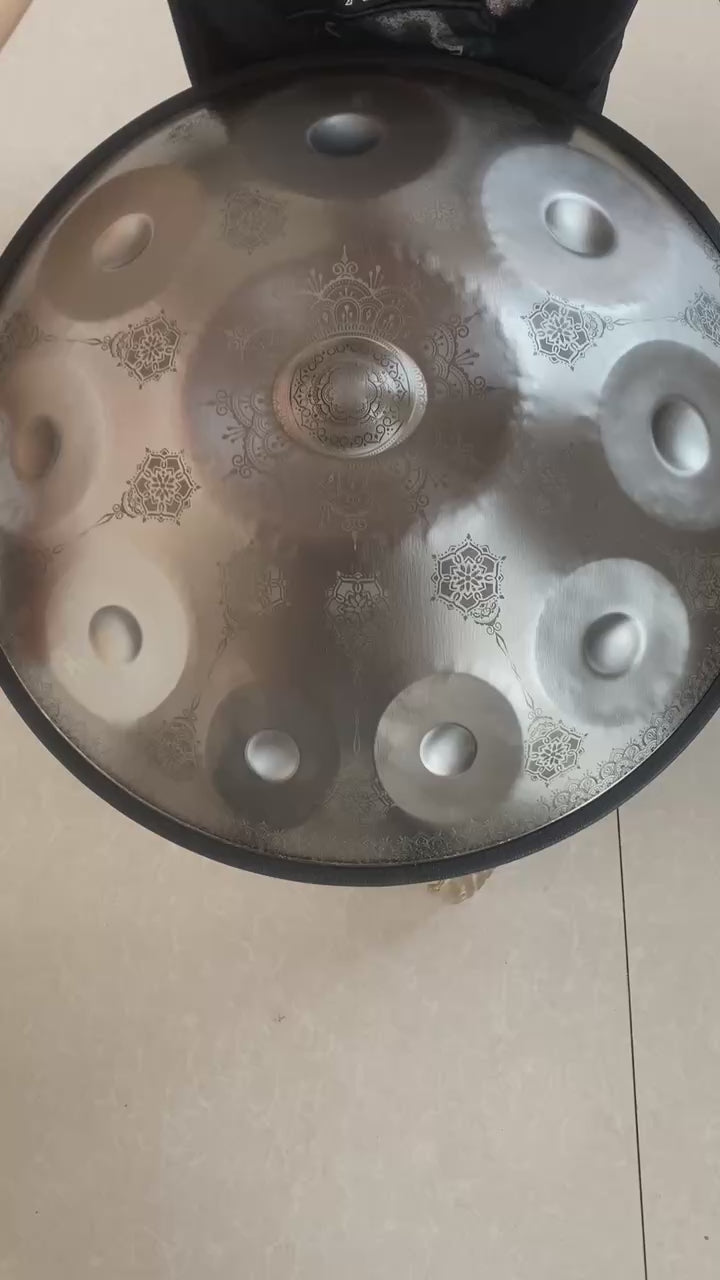
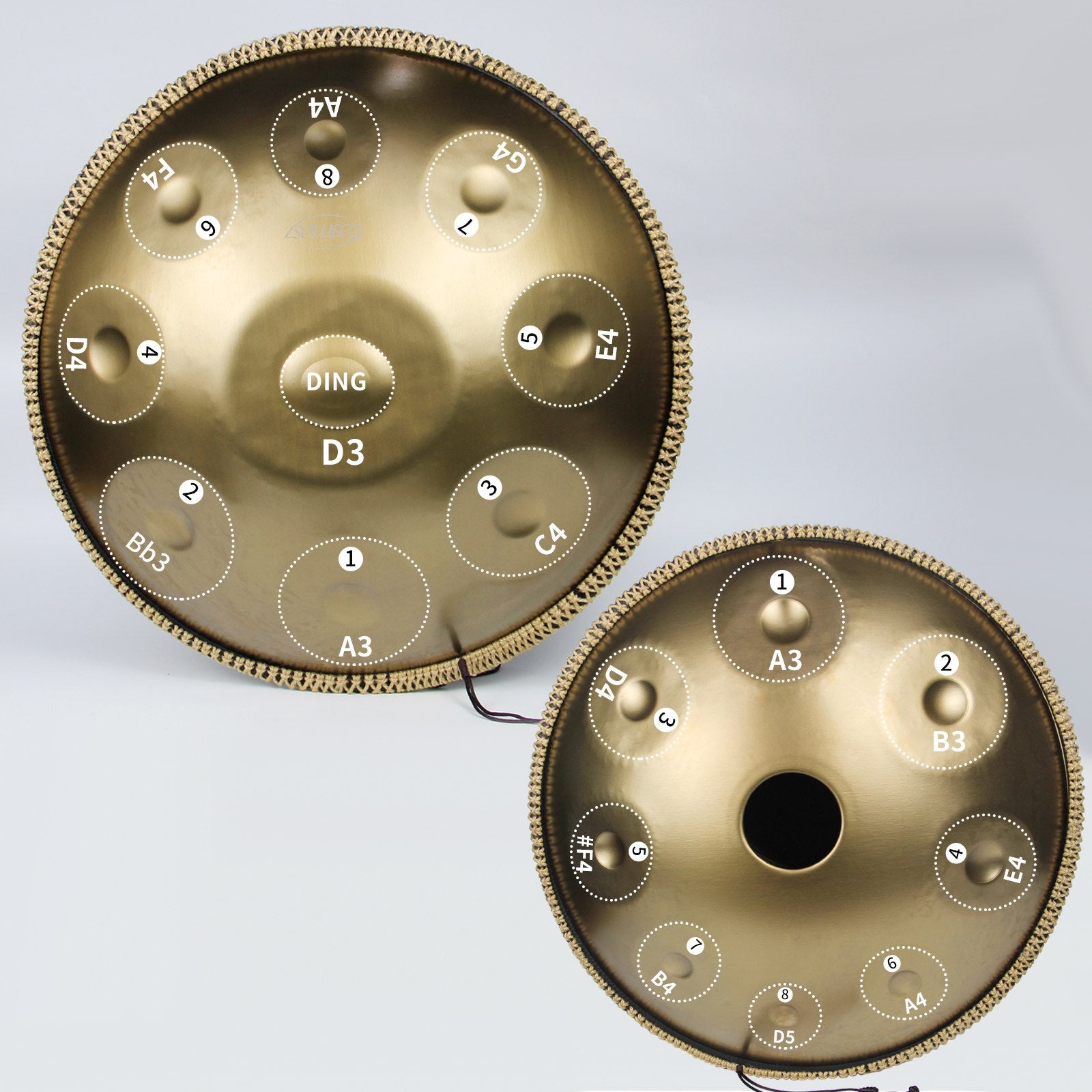
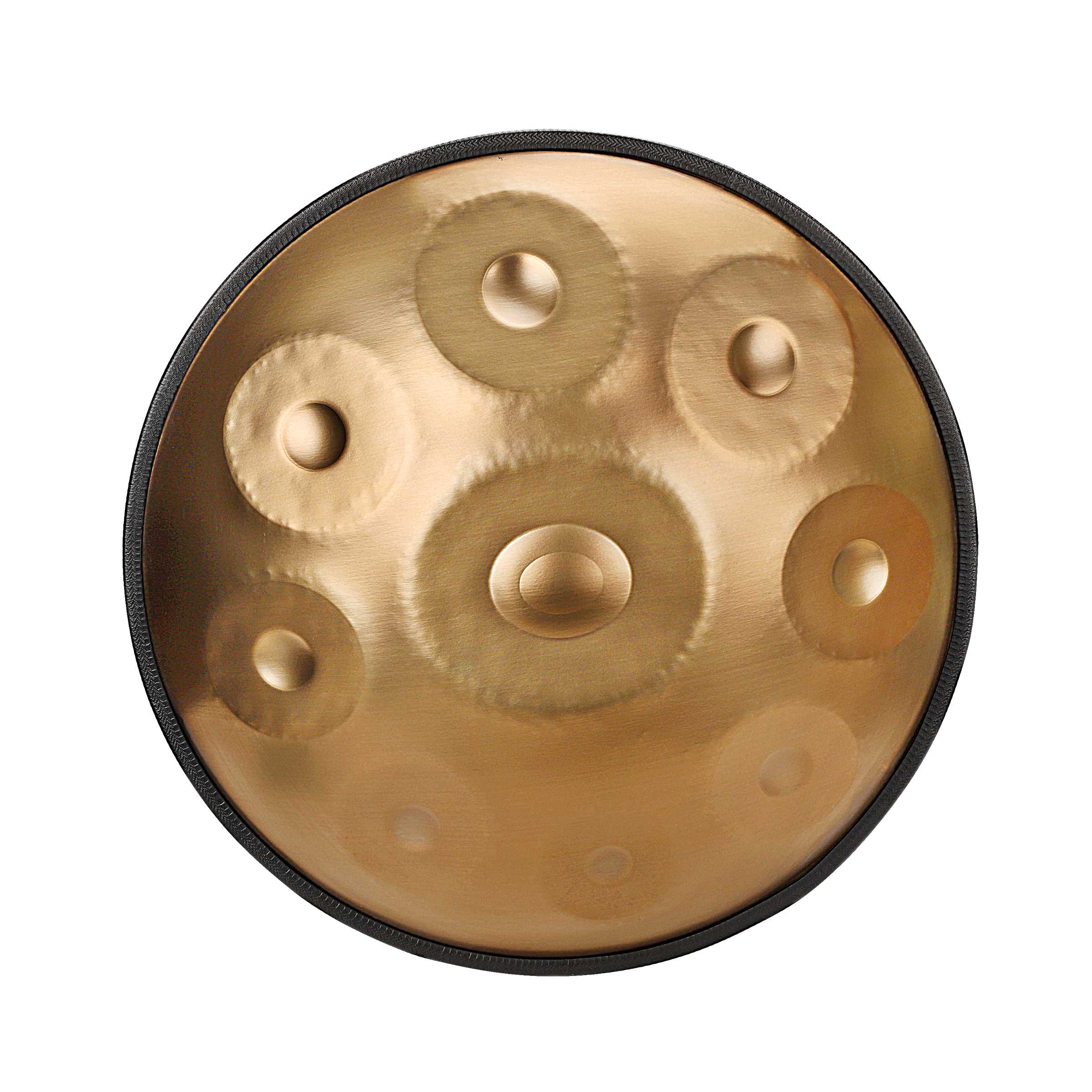
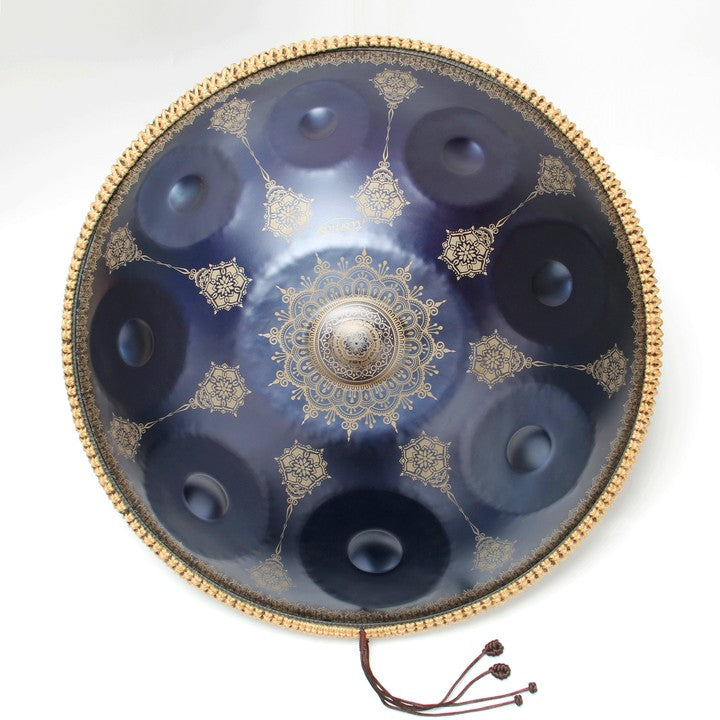
To understand what a mystical handpan is, we must look at the instrument through the lens of metallurgy and musical theory. A standard handpan is comprised of two deep-drawn steel shells glued together at a central rim. The top shell features a central dome (the Ding) surrounded by a circle of tone fields.
What elevates a standard pan to a mystical handpan is the intentional manipulation of its sustain and scale. Builders achieve a "mystical" sound profile primarily by utilizing stainless steel or specific ember steel alloys. These materials allow the sound waves to travel with less impedance, creating a "wet" sound with a very long decay. When you strike a note on a mystical handpan, the sound lingers, overlapping with the subsequent notes you play to create a lush, haunting wash of harmony.
Furthermore, these instruments are deeply tied to specific tuning frequencies. While standard Western music is tuned to A=440 Hz, many mystical handpans utilize alternative reference pitches. For a deep dive into these alternative tuning practices, we highly recommend reading our 432 hz handpan guide, as well as understanding the rising popularity of the 1111 hz handpan meaning in modern sound therapy.
How It Works: The Physics of Ethereal Sound
The magic of a mystical handpan is not magic at all; it is highly precise acoustic engineering. When a player strikes a tone field on a high-quality handpan, they are not just activating a single note. They are activating three distinct frequencies simultaneously.
In our testing and building process, every single dimple on the top shell must be hammered by hand to align the fundamental note (the lowest pitch), the octave (the note exactly one register higher), and the compound fifth (the harmonic overtone). The mystical, chorus-like effect occurs because the long sustain of stainless steel allows these three frequencies to vibrate together and trigger sympathetic resonance in the other tone fields across the instrument. This is known as Helmholtz resonance. If you want to master how to strike these fields to activate the overtones properly, you must dedicate time to understanding handpan notes and their layout.
Quick Summary: The Anatomy of a Mystical Handpan
| Characteristic | Mystical Handpan Specification | Reasoning |
|---|---|---|
| Material | Stainless Steel or Ember Steel | Provides maximum sustain, creating a "wet," lingering echo ideal for slow, meditative playing. |
| Scale Type | Minor, Harmonic Minor, Pygmy, Kurd | Minor scales naturally evoke feelings of introspection, mystery, and deep emotion. |
| Tuning Frequency | 432 Hz, 444 Hz, or 1111 Hz | Aligns with somatic healing practices and offers a perceived warmer, rounder auditory experience. |
| Note Count | Typically 9 to 12 notes | Prevents the sound from becoming too cluttered, allowing each overtone room to breathe. |
Benefits of Playing a Mystical Handpan
For commercial users, therapists, and individual enthusiasts, the benefits of a mystical handpan are vast. The primary benefit is its utility in somatic healing and stress reduction. The long sustain and deep vibrations physically resonate through the player's body. In most professional situations regarding sound baths or yoga retreats, practitioners require an instrument that can fill a room with continuous sound using very few physical strikes.
Additionally, these instruments are incredibly intuitive. Because they are tuned to a specific diatonic or pentatonic scale, there are no "wrong" notes. You do not need to read sheet music or understand complex chord progressions to create beautiful music. This makes them the absolute best handpan for beginners who want immediate musical gratification without years of formal training.
Limitations You Must Consider
We believe in commercial and practical judgment, and we must address the limitations of these instruments. A mystical handpan made from stainless steel is highly sensitive to fast, aggressive playing. If you attempt to play rapid, percussive beats, the long sustain will cause the notes to bleed into one another, creating a muddy, dissonant wall of sound. They require a slow, deliberate touch.
Furthermore, tuning stability is a concern. Stainless steel is softer than heavily nitrided steel. If you strike the instrument with excessive force, or if it is left in a hot car, it can fall out of tune. Retuning a handpan requires shipping it back to a professional maker, which is an expensive logistical hurdle.
Who Should Use It & Who Does Not Need It
Who should use it: We recommend a mystical handpan for sound healers, yoga instructors, ambient musicians, and anyone seeking a personal tool for meditation and anxiety relief. If your goal is to sit quietly in a forest or a studio and create haunting, relaxing melodies, this is exactly the instrument you need. If you are just starting out, reviewing a comprehensive handpan for beginners guide will help you navigate your first purchase.
Who does not need it: Fast-paced street buskers, heavy percussionists, or musicians who need to cut through the mix of a loud acoustic band. If you want to play fast, rhythmic, upbeat music, you do not need a mystical handpan. You need a nitrided steel handpan tuned to a major scale (like C Major) with short sustain. Alternatively, if you want limitless scale options and volume control, you might be better suited exploring digital handpan instruments.
Common Mistakes Buyers Make
The single biggest mistake we see consumers make is buying cheap, machine-stamped handpans from massive online retailers because they feature the word "mystical" in the product title. You cannot mass-produce a handpan. The overtones must be tuned by hand with a hammer. Cheap knock-offs lack overtone tuning, resulting in a dull, metallic "clank" rather than a singing note.
Another mistake is ignoring the scale choice. Many buyers purchase a mystical handpan without listening to a sound sample of the specific scale. A Celtic Minor will sound vastly different from an Akebono scale. You must listen to the scale before buying to ensure it matches the emotional resonance you are seeking.
Comparison: Mystical Handpan vs. Percussive Handpan
| Feature | Mystical Handpan | Percussive Handpan |
|---|---|---|
| Steel Type | Stainless Steel / Ember Steel | Nitrided Raw Steel |
| Sustain (Decay Time) | Very Long (Echoes and overlaps) | Short to Medium (Crisp and distinct) |
| Ideal Playing Style | Slow, melodic, meditative, chordal | Fast, rhythmic, aggressive, percussive |
| Common Scales | D Kurd, C# Minor, F Pygmy | C Major, D Major, E Amara |
| Primary Environment | Sound therapy studios, quiet nature | Street performing, playing with bands |
Buying Considerations
When you are ready to invest, you must evaluate the instrument based on strict commercial criteria. First, ask yourself how much does a handpan cost realistically? A true, handcrafted mystical handpan will cost between $1,200 and $3,000. Anything under $500 is almost certainly an untuned scam.
Second, consider the number of notes. While some instruments feature up to 15 notes, more notes on a single shell can lead to unwanted sympathetic resonance (crosstalk). For the purest mystical sound, we usually recommend sticking to 9 or 10 notes. If you are unsure, consult our guide on how many notes should a handpan have.
Finally, consider your physical size. A mystical handpan is typically larger to accommodate lower, deeper notes. Ensure you know the standard handpan size (usually around 21 to 22 inches in diameter) to ensure it fits comfortably in your lap.
Pros and Cons Table
| Pros of a Mystical Handpan | Cons of a Mystical Handpan |
|---|---|
| Produces incredibly relaxing, therapeutic sounds. | Stainless steel is prone to detuning if hit too hard. |
| Highly intuitive; no musical background required. | High upfront cost for a quality, hand-hammered instrument. |
| Rust-resistant (when made from high-quality stainless steel). | Long sustain makes fast, complex rhythms sound muddy. |
| Perfect for solo playing and meditation environments. | Alternative tunings (432 Hz) cannot be played with standard 440 Hz bands. |
Expert Recommendation
 In the heart of Colorado, USA, Cosmos Handpan shines as a guiding light of musical innovation and soulful resonance. We have more than a decade of expertise in creating handpans and tongue drums. Passion, precision, and an unwavering pursuit of musical excellence steep our musical journey.
 Forging Cosmos Connections: Cosmos’ story begins with a shared love for music and a profound desire to create instruments that transcend sound. Our instruments and melody resonate deeply with the spirit of every musician. Our crafters pour their heart into each handpan and tongue drum with intricate workmanship and dedication. Our artisans infuse each instrument with ethereal melodies that stir the senses and uplift the spirit.
From our experience building these instruments for over a decade, we firmly believe that the true value of a mystical handpan lies in its ability to force the player to slow down. If you are looking for an instrument to aid in personal wellness, anxiety reduction, or professional sound therapy, a high-quality stainless steel handpan tuned to a minor scale is an unparalleled investment.
We recommend prioritizing the builder's reputation over the marketing adjectives. A genuinely mystical handpan is born from the hammer strikes of an artisan who understands the delicate balance of fundamental notes and overtones. Take your time, consult a thorough handpan buying guide, and choose a scale that resonates directly with your spirit.
Frequently Asked Questions
Are mystical handpans always tuned to 432 Hz?
No. While many mystical handpans are tuned to 432 Hz because of its association with sound healing and nature, you can absolutely purchase a handpan with a deeply mystical, ethereal sustain that is tuned to the standard 440 Hz. We recommend 440 Hz if you ever plan to play alongside other conventional instruments.
Can I use a mystical handpan for busking outdoors?
You can, but it is not optimal. Mystical handpans (usually stainless steel) are generally quieter and more resonant. In noisy outdoor environments, their subtle overtones can get lost. Nitrided steel handpans are much better suited for loud, outdoor street performances.
How do I keep my mystical handpan in tune?
Never use mallets or drumsticks on a handpan; always play with the pads of your fingers. Keep the instrument out of direct, prolonged sunlight, as extreme heat can temporarily warp the steel and permanently alter the tuning. If you need a deep dive into maintenance, review our guide on how to tune a handpan.
Authoritative References & Industry Standards
To ensure our acoustic and metallurgical recommendations meet the highest industry standards, we reference the following authorities:
- The Acoustical Society of America (ASA) - Research on Non-Linear Acoustics in Steel Shell Instruments
- PubMed Central (National Institutes of Health) - Clinical Studies on the Efficacy of Sound Therapy and Overtone Resonance
- The Sound Healing Academy - Best Practices for Somatic Resonance and Therapeutic Instrument Tuning