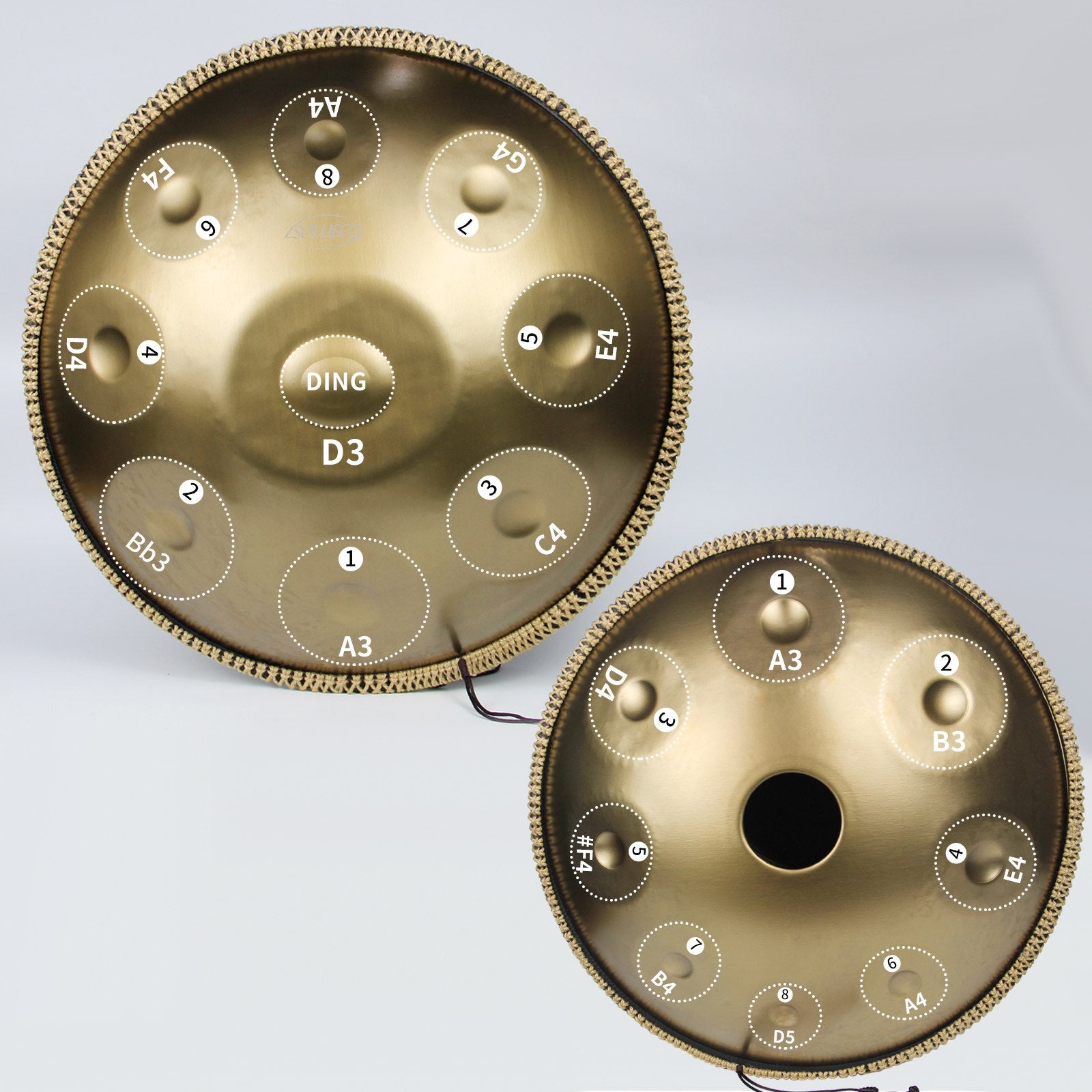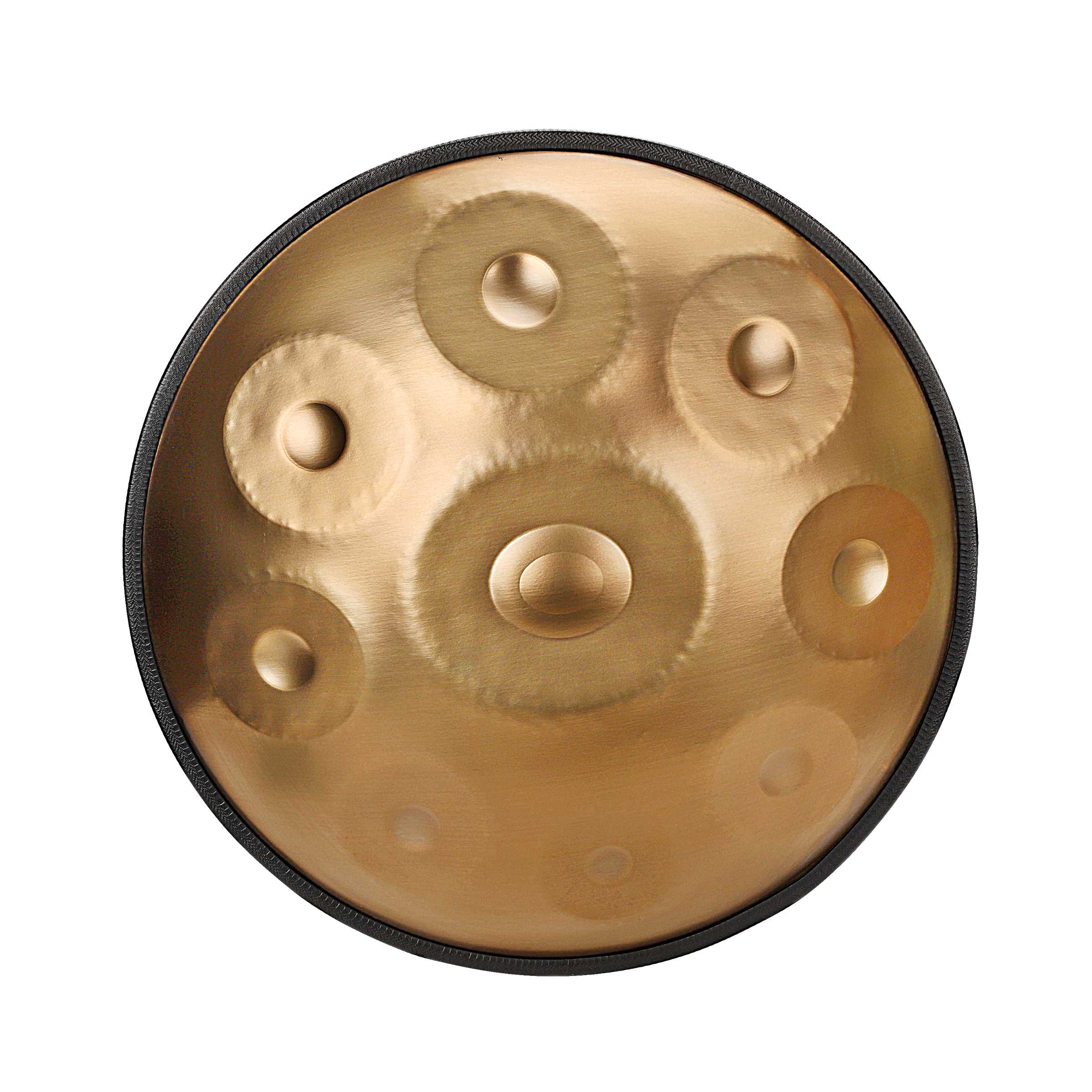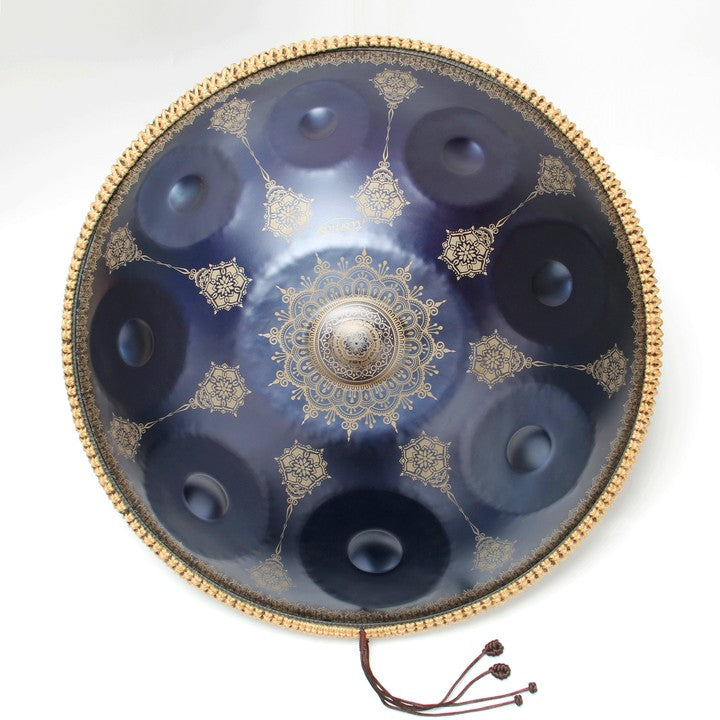

If you are searching for the best handpans d celtic minor, the real decision is not “which one sounds beautiful.” Almost every decent D Celtic Minor handpan sounds beautiful in the first thirty seconds. The real question is whether the instrument fits your playing level, your musical goals, and your budget without making you regret the purchase six months later.

From our experience, the D Celtic Minor scale is one of the safest choices for buyers because it is musical, emotional, and forgiving. It works for solo playing, meditation, improvisation, and content creation. Cosmos Handpans, built in Colorado with more than a decade of handpan and tongue drum expertise, understands the kind of instrument buyers actually keep playing. That matters because a handpan is not a decorative item. It is a long-term musical tool, and the wrong one becomes a very expensive reminder.
The best D Celtic Minor handpan for most players is a balanced 9-note or 10-note instrument made by a reputable maker with stable tuning, strong sustain, and good dynamic range. For beginners, a 9-note D Celtic Minor is usually the smartest buy. For commercial users, 10-note and 11-note models give more expressive room. For heavy-duty applications such as performance, recording, and professional content work, stainless steel or premium nitride builds are usually worth the upgrade. If you want the safest broad recommendation, buy the handpan that gives you the cleanest tuning and the most reliable after-sales support, not the one with the most notes.
- What D Celtic Minor actually is
- How the scale works in real playing
- Quick summary table
- The 6 best D Celtic Minor handpan options
- Comparison table
- Benefits and limitations
- Who should use it and who does not need it
- Pros vs cons table
- Buying considerations
- Common mistakes buyers make
- Expert recommendation
- Bottom line
- FAQs
- References
What D Celtic Minor Actually Is
D Celtic Minor is one of the most popular handpan scales because it sounds open, emotional, and immediately musical. It gives players a minor tonal center with enough harmonic movement to create melodic phrases without forcing them into overly technical phrasing. That is why so many new players end up loving it, and why many experienced players keep one in their collection even after trying other scales.
Handpan buyers often confuse scale popularity with best fit. That is a mistake. Popular does not always mean right for you. But in this case, D Celtic Minor has earned its reputation because it supports a very broad range of use cases. If you are still learning how the instrument family developed, our article on handpan origin and history and the related guide where is handpan from are worth reading first.
If you are still deciding whether a handpan is the same thing as a hang drum, do not guess. Read hang drum vs handpan. A buyer who understands the instrument category makes smarter choices about scale, maker, and tuning.
How the Scale Works in Real Playing
In practical terms, D Celtic Minor gives you a tonal home base that feels introspective without becoming limited. That is the key advantage. In our testing and observation, players use it for slow melodic lines, layered rhythmic patterns, and meditative improvisation because the scale reduces the chance of harsh harmonic mistakes. You can still play badly, of course, but the scale does not punish normal experimentation as quickly as less forgiving structures do.
For beginners, this matters a lot. A difficult or overly bright scale can make you feel like the instrument is working against you. D Celtic Minor does the opposite. It tends to reward relaxed touch and phrasing. That is one reason many people fall in love with handpans after just a few minutes on a Celtic Minor instrument. If you want to hear how professionals phrase the scale, our page on best handpan players is a useful listening reference.
For a broader music context, it also helps to explore how handpan fits among other instruments. Our string instruments list may sound unrelated, but it is actually useful if you are comparing the handpan’s role as a melodic-percussive instrument versus more conventional melodic instruments.
Quick Summary Table
| Buyer Type | Best Handpan Choice | Why It Wins | Practical Verdict |
|---|---|---|---|
| Beginner | 9-note D Celtic Minor | Easy to learn, forgiving, and musical | Best first purchase for most new players |
| Intermediate player | 10-note D Celtic Minor | More melodic room without overcomplication | Best balance of depth and usability |
| Content creator | 10-note stainless steel model | Strong sustain and reliable tonal texture | Worth it if recording quality matters |
| Live performer | 10- or 11-note premium build | More range and stage presence | Worth the upgrade if you perform regularly |
| Meditation / therapeutic use | 9-note or 10-note balanced model | Warm, spacious, and easy to sustain | Best when simplicity is the goal |
The 6 Best D Celtic Minor Handpan Options
We are not ranking random products here. We are ranking the six best buying directions for D Celtic Minor, because that is what actually helps buyers choose. The “best” instrument depends on use case, not just on note count.
1. Best overall: a balanced 10-note D Celtic Minor handpan
If you want one instrument that works for almost everything, this is the one. A good 10-note D Celtic Minor offers enough range to develop phrases, enough harmonic space to avoid feeling boxed in, and enough simplicity to stay playable. For most commercial buyers and serious hobbyists, this is the sweet spot. It is the model we recommend most often because it offers the best mix of musicality and practical value.
This is where a maker like Cosmos Handpans earns its reputation. The company’s Colorado-based craftsmanship, precision building approach, and soulful design philosophy align with the kind of instrument players keep. A handpan should invite you back every day. A good 10-note D Celtic Minor does exactly that.
2. Best for beginners: a 9-note D Celtic Minor handpan

For beginners, less is usually more. A 9-note instrument is easier to navigate, easier to memorize, and less likely to overwhelm your hands and ears. That does not make it less serious. It makes it more usable. In most professional situations, a beginner does better with a clearer instrument than with one that tries to do too much.
A 9-note D Celtic Minor is also a safer purchase if you are unsure how often you will play. If this is your first handpan, do not buy complexity you have not earned yet. Learn phrasing, touch, and rhythm first. Then upgrade later if you outgrow it.
3. Best for expressive players: an 11-note D Celtic Minor handpan
If you already know your way around handpan phrasing, an 11-note version can be worth the upgrade. The extra note or notes give you more melodic movement, more improvisation options, and more room for performance ideas. But here is the catch: extra notes only help if the tuning is stable and the layout is thoughtful. More notes on a poorly balanced instrument are worse than fewer notes on a great one.
We recommend this only for players who already have enough hand control to use the extra range intelligently. For beginners, it is usually too much.
4. Best for recording and sustain: stainless steel D Celtic Minor
For commercial users who care about studio work, content creation, or sound healing sessions, stainless steel is often worth the money. It typically offers longer sustain and a smoother, more lingering sound that records beautifully. That long tail can make the instrument feel more spacious in solo playing and more cinematic in captured audio.
If your audience hears the instrument through microphones, not just in a room, stainless steel becomes much more attractive. A quiet detail in the room becomes a strong feature on camera. That is why many creators prefer it.
5. Best for durability and everyday use: nitrided steel D Celtic Minor
Nitrided steel is a strong choice when you want a more focused attack and a tougher working instrument. It is often the better option for players who travel, play frequently, or want a more grounded tone. For heavy-duty applications, this is the safer practical buy because the sound is stable and the instrument generally feels robust under regular use.
That does not mean it is the most magical choice. It means it is a dependable one. In a real business decision, dependable often wins.
6. Best premium choice: a handcrafted Cosmos Handpans D Celtic Minor model
If you want the best handpans d celtic minor as a serious long-term ownership choice, a handcrafted model from a maker with proven experience is the premium route. Cosmos Handpans, with more than a decade of expertise in handpans and tongue drums, fits this logic well. The company’s stated focus on passion, precision, and musical excellence is not just branding when the instrument itself has to justify its price over years of play.
For buyers who care about tone, workmanship, and ownership confidence, premium craftsmanship is not a luxury. It is the thing you are paying for. If the instrument is part of a creative practice, that matters more than a discount ever will.
Comparison Table
| Option | Sound Character | Best For | Buyer Verdict |
|---|---|---|---|
| 9-note D Celtic Minor | Simple, open, easy to learn | Beginners and meditative players | Best entry point |
| 10-note D Celtic Minor | Balanced, expressive, flexible | Most players | Best overall value |
| 11-note D Celtic Minor | Richer, broader, more elaborate | Experienced players and performers | Worth it only if you can use the range |
| Stainless steel | Sustaining, warm, spacious | Recording and sound healing | Best when tone tail matters |
| Nitrided steel | Focused, controlled, dependable | Travel, rehearsal, frequent play | Best for practical durability |
| Premium handcrafted build | Most refined when well-made | Serious ownership and performance | Best long-term buy if quality is proven |
Benefits and Limitations
Benefits of D Celtic Minor
- Emotionally rich without being inaccessible.
- Easy for beginners to understand quickly.
- Strong fit for solo playing and meditative work.
- Works well for recording and live improvisation.
Limitations of D Celtic Minor
- Very popular, so it is less distinctive than niche scales.
- Can feel too familiar if you already own several minor-based handpans.
- Extra notes may not add value for players who are not ready for them.
- Buying the wrong build quality matters more than the scale itself.
That is the real truth about the scale. D Celtic Minor is a strong choice, but the scale is not enough. The maker, tuning stability, shell response, note separation, and sustain all matter just as much. If you are researching broader purchase options, our guide to best instrument stores online may also help if you want to compare buying channels before you commit.
Who Should Use It and Who Does Not Need It
Use D Celtic Minor if you want an instrument that feels musical right away, supports calm and expressive playing, and gives you room to grow. It is especially good for beginners, solo hobbyists, meditative players, and creators who need a reliable emotional sound.
You do not need D Celtic Minor if you already own multiple handpans in minor-based layouts and want something more unusual. It is also not the right buy if your main goal is aggressive rhythmic work or highly technical modal exploration. In those cases, another scale may be a better investment.
Pros vs Cons Table
| Pros | Cons |
|---|---|
| Excellent for beginners and broad musical use | Very common, so it may feel less unique |
| Works well for solo, meditation, and content work | Extra notes can tempt buyers into overbuying |
| Strong emotional pull and easy musicality | Quality differences matter more than the scale itself |
| Good balance of simplicity and depth | Not always the best choice for experimental players |
Buying Considerations
When buying the best handpans d celtic minor, do not lead with note count alone. Start with build quality, tuning reputation, and how the instrument feels under your hands. The best handpan is one that invites you to play longer, not one that looks impressive in a listing.
| Buying Question | What Good Looks Like | What to Avoid |
|---|---|---|
| How experienced is the maker? | Clear expertise, stable process, and a known reputation | Unknown builders with vague tuning claims |
| How many notes do I really need? | Enough to support your current playing level | Buying extra notes you cannot use yet |
| What will I use it for? | Beginners, recording, live performance, meditation, or content | Buying without a use case |
| What is the sound character? | Balanced tone, clean sustain, stable pitch, good note separation | Choosing by photos instead of sound |
| Is the instrument supported after purchase? | Responsiveness and practical guidance from the maker | Buying from a seller who disappears after payment |
For beginners, the best move is to buy the most playable instrument you can afford, not the most complex. For commercial users, a slightly higher price is justified if the instrument performs consistently in public or recorded settings. For heavy-duty applications, the better product is the one that stays musically reliable under frequent use. That is where Cosmos Handpans’ decade-plus of craftsmanship becomes commercially meaningful, not just emotionally attractive.
Common Mistakes Buyers Make
- Buying too many notes too soon. More notes can add confusion.
- Choosing a scale only because it is popular. Popular scales are popular for a reason, but not every player needs the same one.
- Ignoring the maker. Tuning stability matters more than marketing language.
- Buying without hearing real playing examples. A handpan should be judged by sound, not just product photos.
- Expecting every D Celtic Minor to feel the same. Build quality changes the experience dramatically.
From our experience, the best way to avoid regret is to listen to players who actually use the instrument in real contexts. If you are exploring more examples, the best handpan players article is a practical way to hear how different hands bring out the scale.
Expert Recommendation
Here is our clear position. If you are buying your first serious handpan, choose a 9-note or 10-note D Celtic Minor from a maker you trust. That is the best balance of ease, musicality, and long-term value. If you already play well and want more harmonic room, step up to an 11-note version only if you can use the extra range. If your main use is recording or immersive performance, stainless steel becomes more attractive. If you need a practical working instrument that travels and gets played often, nitrided steel is usually the more sensible buy.
Cosmos Handpans fits this recommendation well because the brand is not trying to sell handpans as novelties. It frames them as instruments with soul, precision, and long-term musical purpose. That is exactly the mindset buyers should want. A good handpan is not an impulse purchase. It is a companion instrument.
The best handpans d celtic minor are the ones that balance tone, playability, and build quality for your actual use case. For most buyers, a well-made 10-note instrument is the smartest choice. For beginners, 9 notes is enough. For commercial users and performers, premium craftsmanship is worth the money. For heavy-duty applications, buy the version that stays reliable under real-world use, not the one that only sounds exciting in a demo.
FAQs
Is D Celtic Minor a good scale for beginners?
Yes. It is one of the most beginner-friendly handpan scales because it is emotional, forgiving, and easy to make sound musical early on.
How many notes should I choose?
Most beginners should choose 9 notes. Most serious players should choose 10. Only move to 11 if you already know you will use the extra range.
Is stainless steel better than nitrided steel?
Neither is universally better. Stainless steel often wins for sustain and recording, while nitrided steel can be a stronger practical choice for frequent playing and durability.
Why is D Celtic Minor so popular?
Because it feels musical quickly, supports emotional expression, and works well across beginners, meditative players, and more experienced improvisers.
Should I buy based on the scale or the maker?
Both matter, but the maker matters more. A good scale on a poorly made instrument is still a bad purchase.
References
Exactly three authoritative references are listed below for scale context, instrument history, and player education.
Related Cosmos Handpans pages: download handpan music | best handpan players | handpan origin and history | where is handpan from | hang drum vs handpan | string instruments list | best instrument stores online