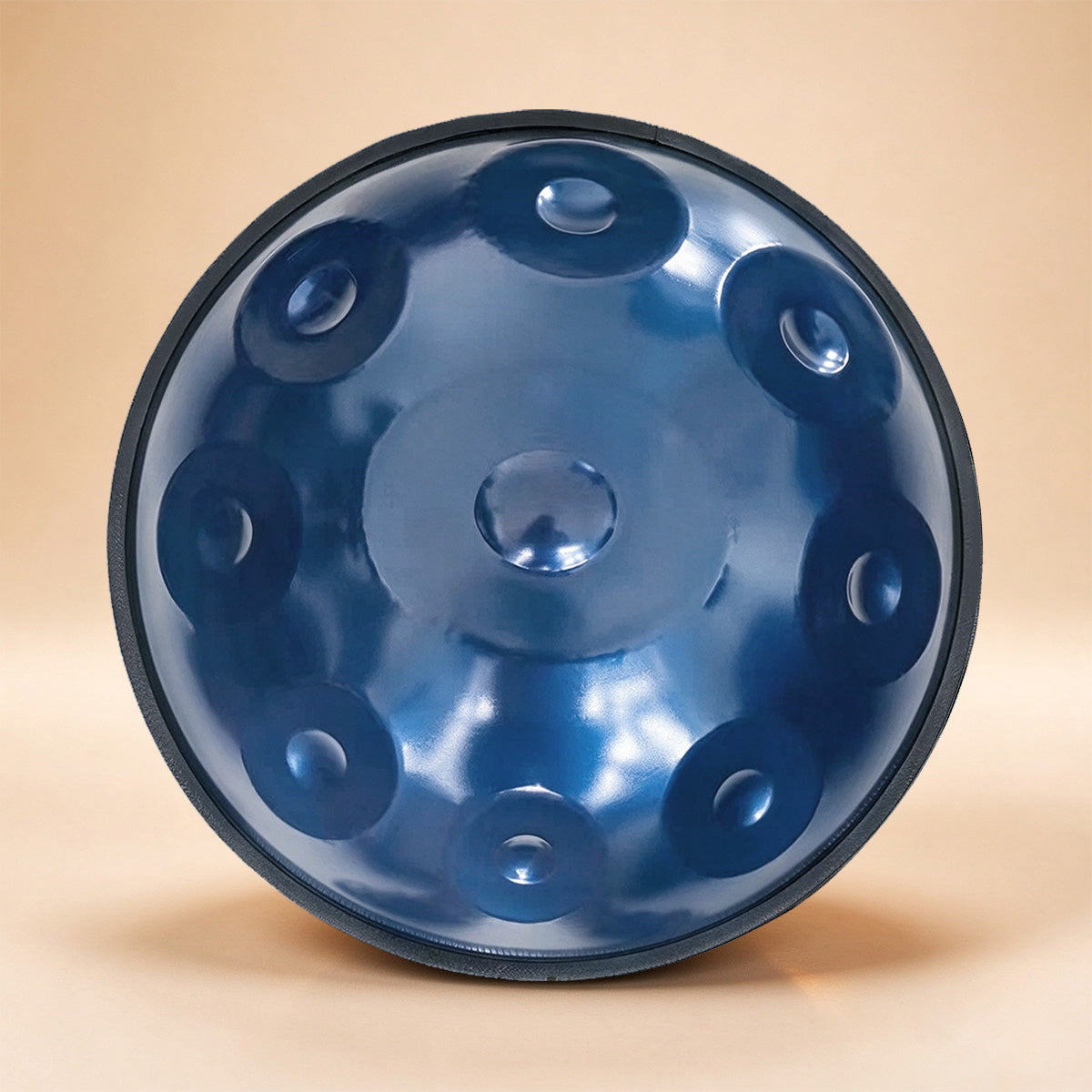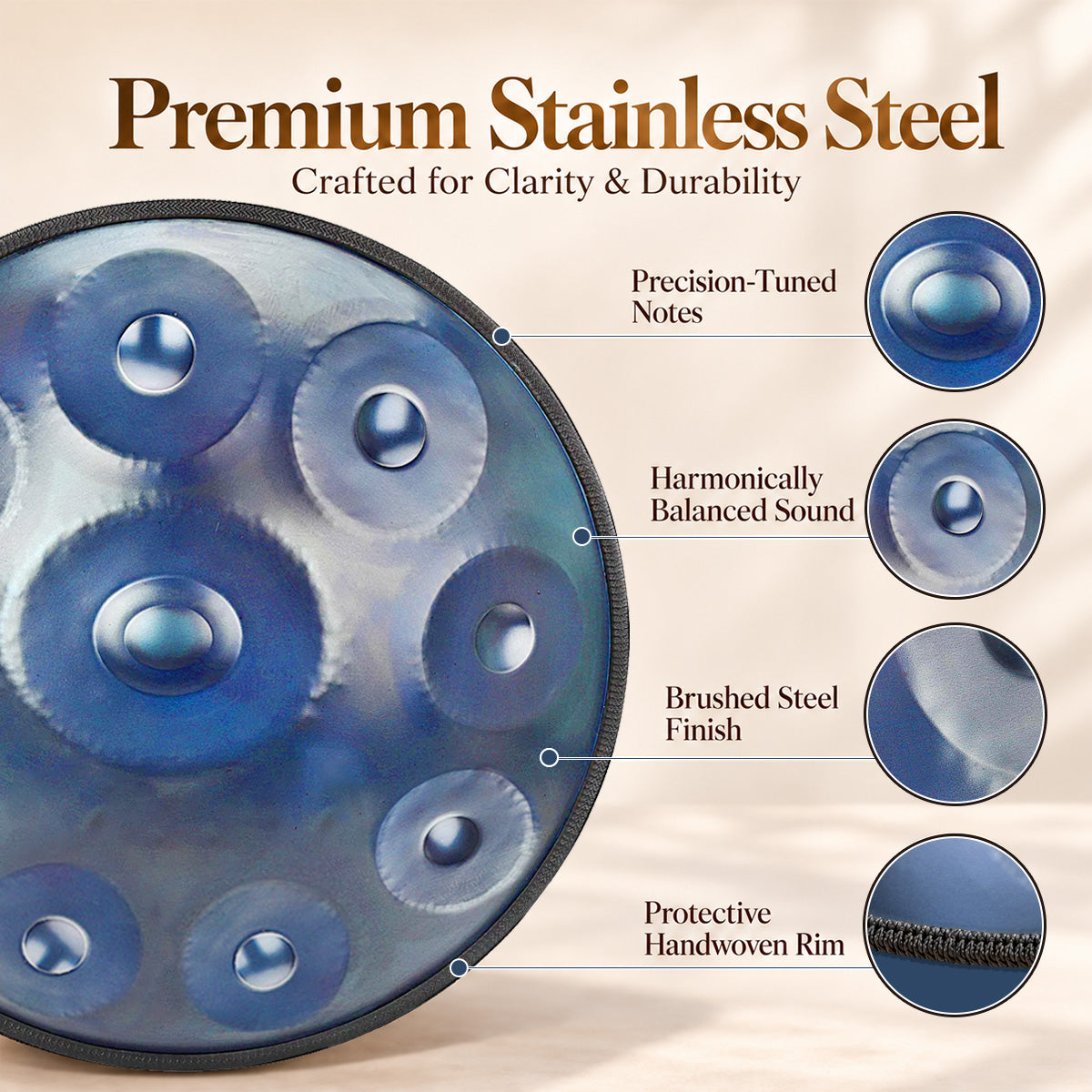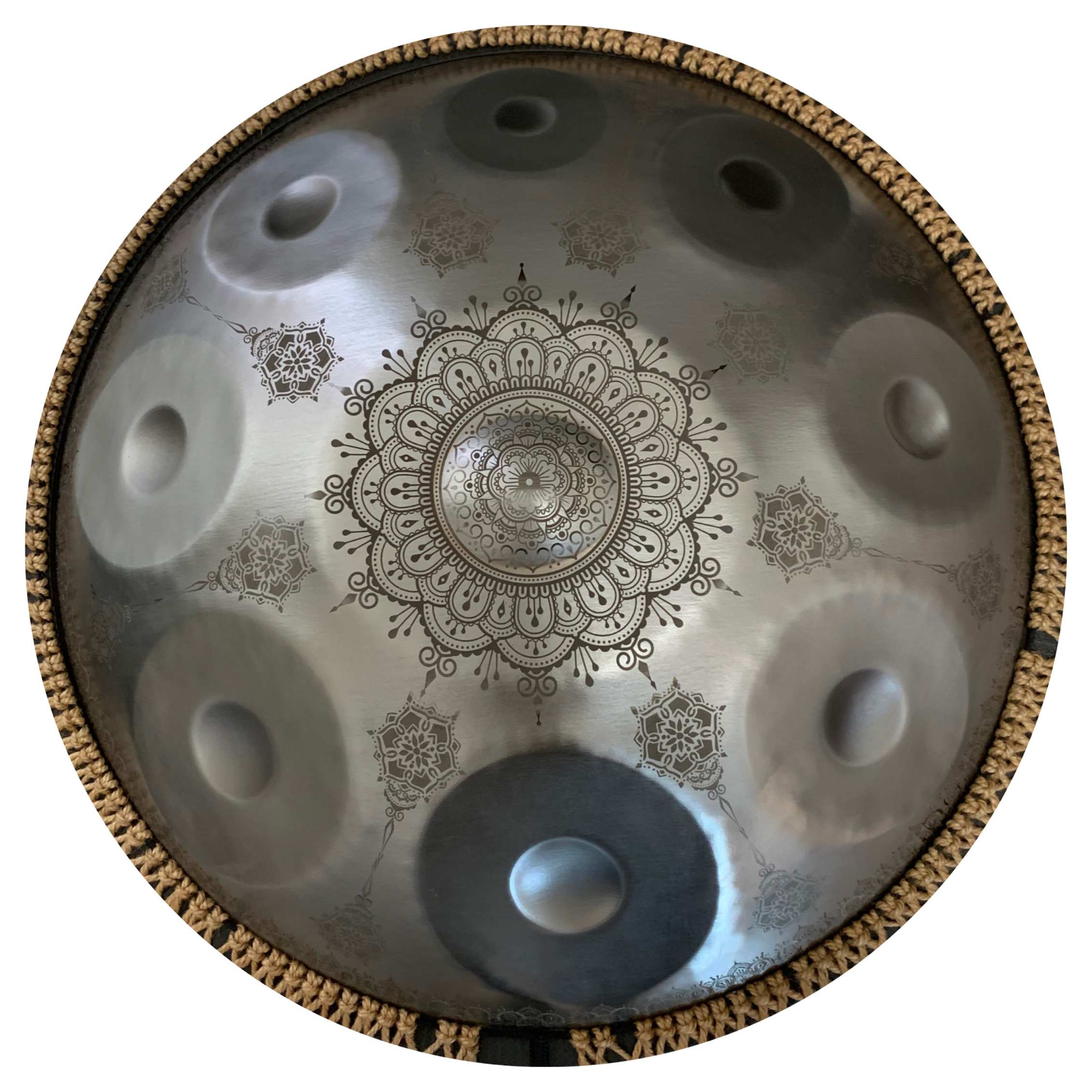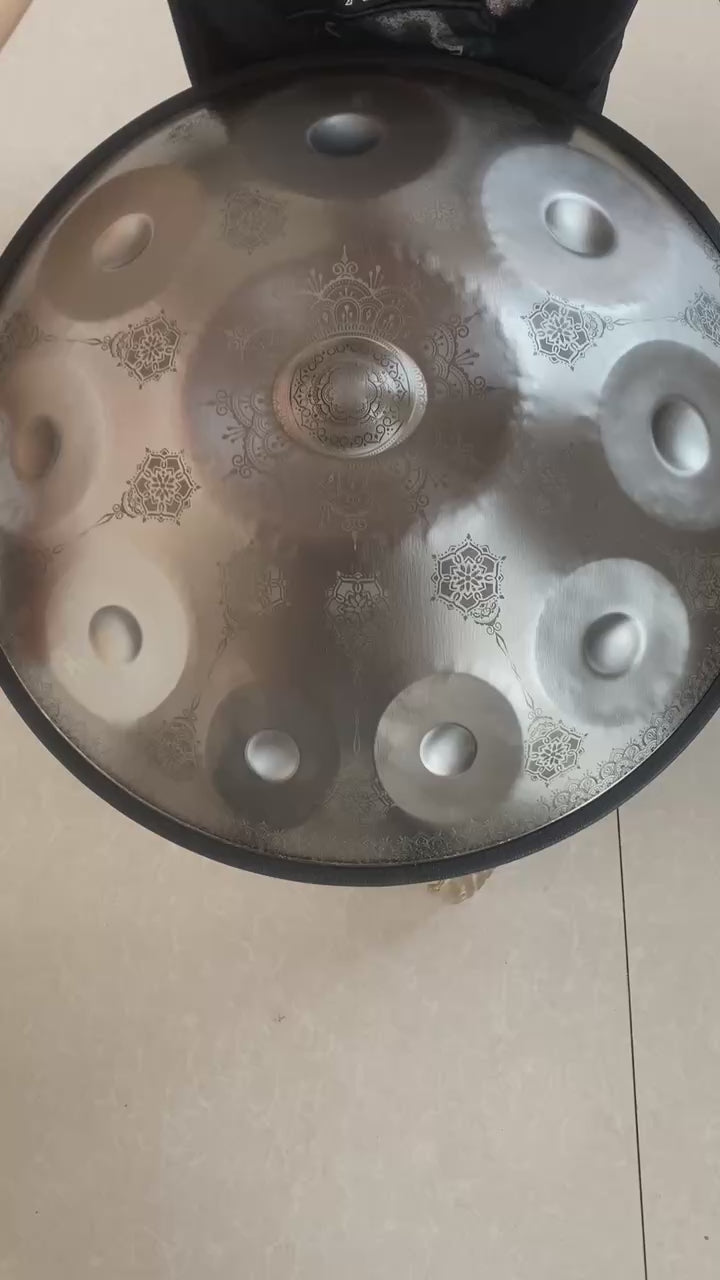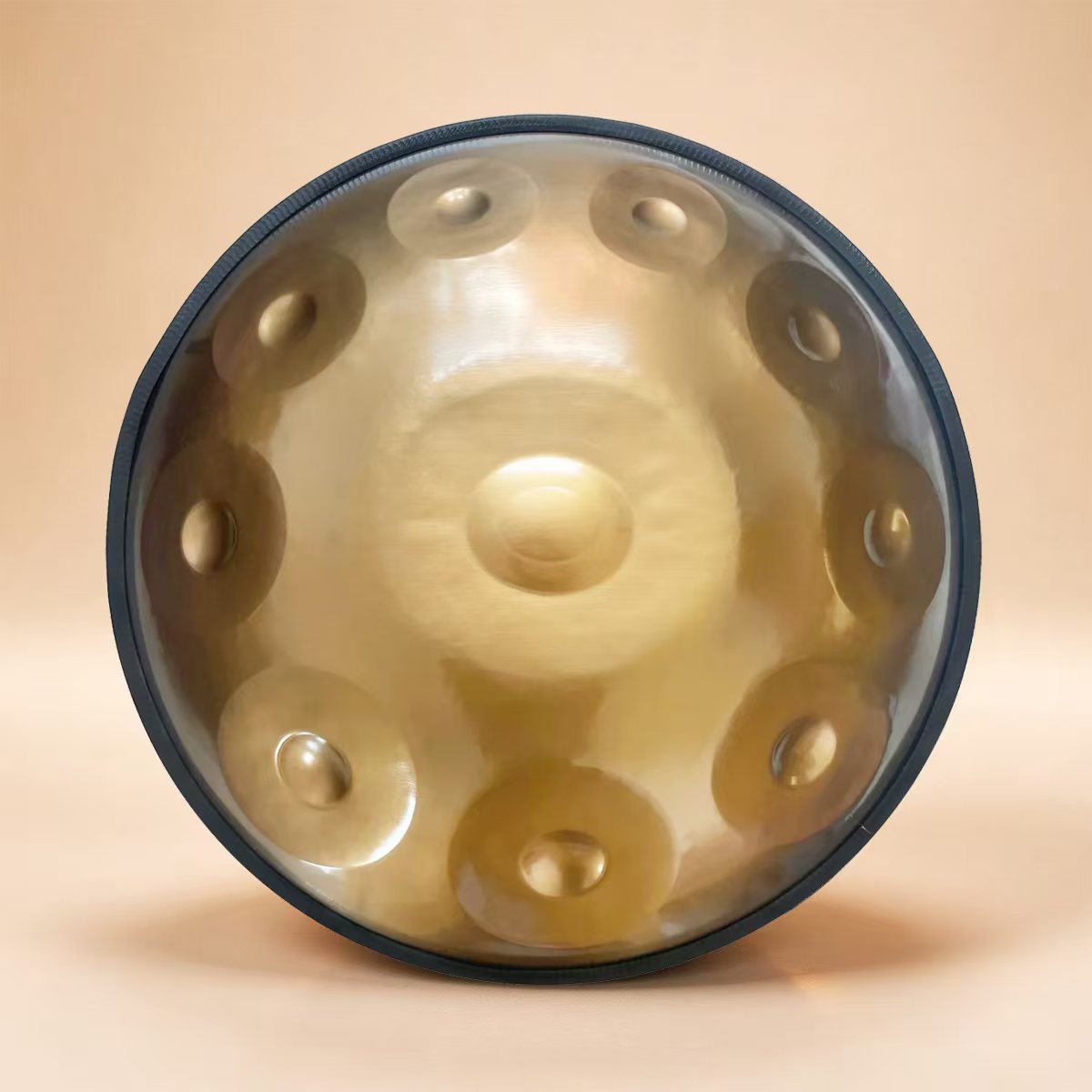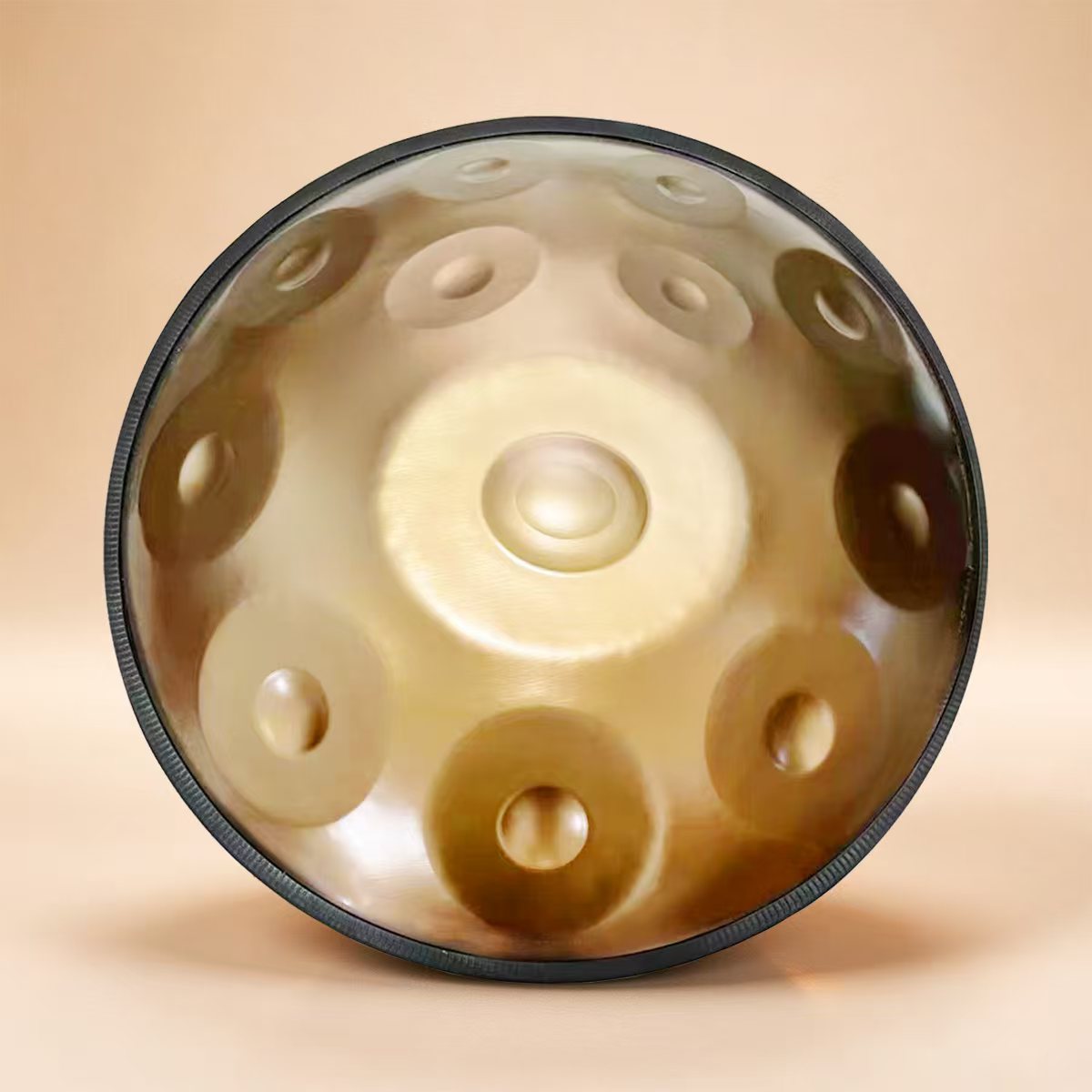
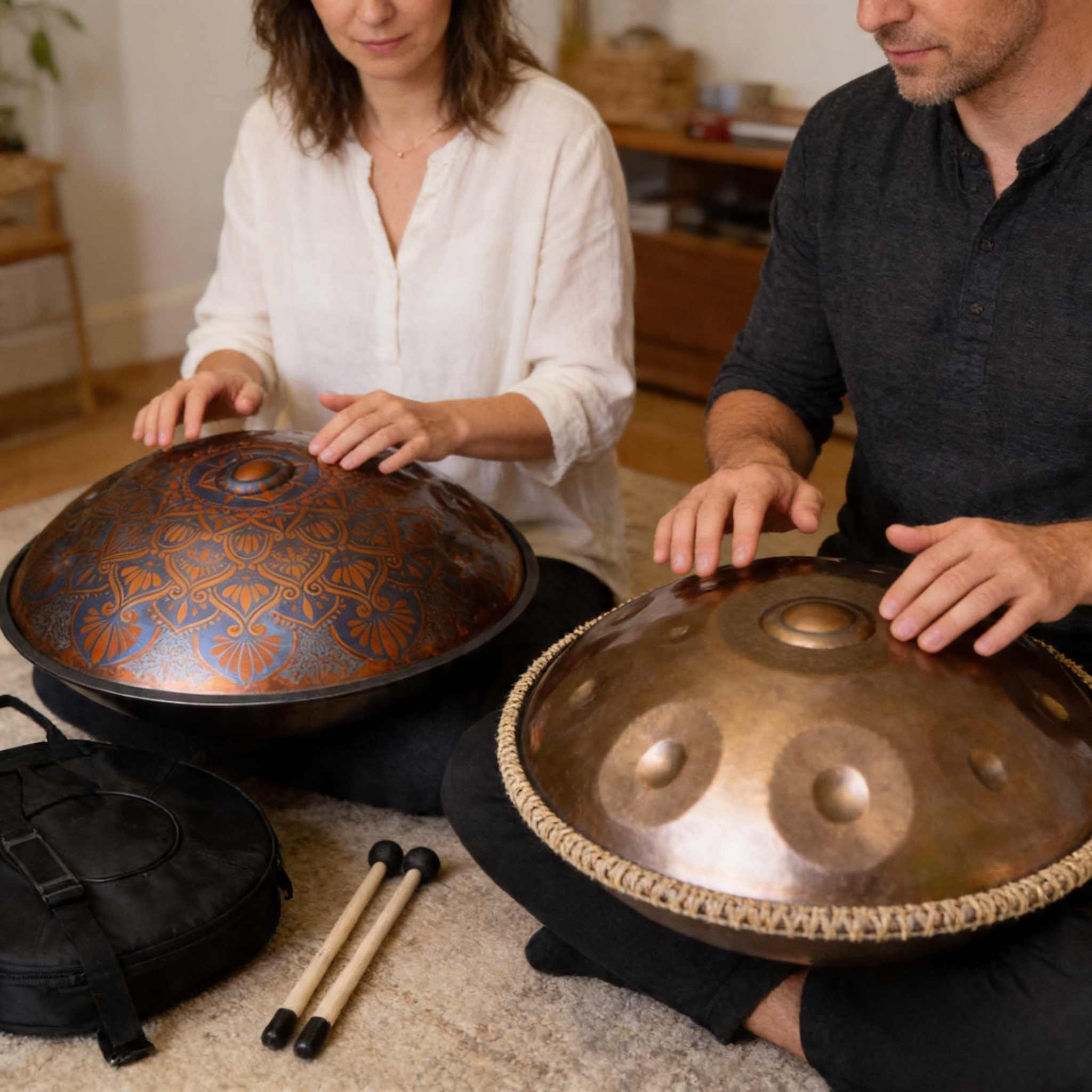
The global sound sculpture market has expanded rapidly into an era of advanced metallurgy and complex musical tuning options. Once considered rare novelty instruments confined to niche busking circles, handpans have established themselves as prominent tools for therapeutic ambient soundscapes, professional percussion sets, and cinematic compositions. Unlike mass-produced string or keyboard instruments, every handpan is a uniquely forged metal microgrid where minor alterations in steel thickness, nitrogen composition, or dome depth completely transform structural note sustain and overtone isolation. Navigating the digital storefronts to find your ideal acoustic companion requires a careful procurement strategy based on physics and musical principles.

At Cosmos Handpans, operating in the heart of Colorado, USA, we stand as a guiding light of musical innovation and soulful resonance. Backed by more than a decade of specialized expertise in creating handpans and tongue drums, our crafters steep our musical journey in passion, precision, and an unwavering pursuit of musical excellence. Our artisans infuse each instrument with ethereal melodies that stir the senses and uplift the spirit, partnering with well-known creators worldwide to ensure uncompromised sonic brilliance. From our experience, many novice players buy instruments based solely on introductory pricing or aesthetic appearance, completely ignoring critical variables like material thermal stability, cross-talk interference, and scale alignment. This comprehensive guide delivers 7 essential tips to choosing a handpan, outlining steel treatments, frequency choices, and note density layouts to optimize your musical journey.
- 1. Sourcing Matrix: Overview of Steel Families and Note Capacities
- 2. 7 Essential Tips to Choosing a Handpan
- 3. Acoustic Evolution: Understanding Origins and Structural Terminology
- 4. Expanding the Symphony: Integrating Alternative Melodic Formats
- 5. Frequently Asked Questions (FAQs)
- 6. Professional Acoustical and Metallurgical References
1. Sourcing Matrix: Overview of Steel Families and Note Capacities
Before launching an interactive sound design session or finalizing purchasing terms, musicians must evaluate mechanical structural platforms. The table below outlines standard configurations available across professional instrument architectures in 2026.
| Material / Steel Family Class | Average Note Range Capacity | Sonic Character / Sustain Profile | Atmospheric Rust Immunity | Optimal Playing Setting |
|---|---|---|---|---|
| Nitrided Low-Carbon Steel | 9 to 13 Notes (Single Side) | Ceramic, crisp, fast attack, dry control | Moderate (Requires regular oil treatments) | Fast rhythmic patterns, percussive styles, street busking |
| Stainless Steel (Ember / AISI Grades) | 9 to 17+ Notes (Multi-Side) | Ethereal, bright, exceptionally long sustain | High (Excellent humidity defense) | Meditation, sound therapy, ambient recordings, slow chords |
| Ember Steel (Specialized Stainless) | 11 to 20+ Notes (Extended) | Deep, warm, balanced overtones, minimal cross-talk | Exceptional | Professional tracking studios, advanced multi-scale playing |
| Steel Tongue Drums (10-14 Inches) | 8 to 15 Pre-cut Tongues | Bell-like, localized, high structural rigidity | High (Often powder-coated or sealed) | Early beginners, casual travel, outdoor yoga, youth clinics |
2. 7 Essential Tips to Choosing a Handpan
Tip 1: Select Your Steel Platform Based on Your Playing Style

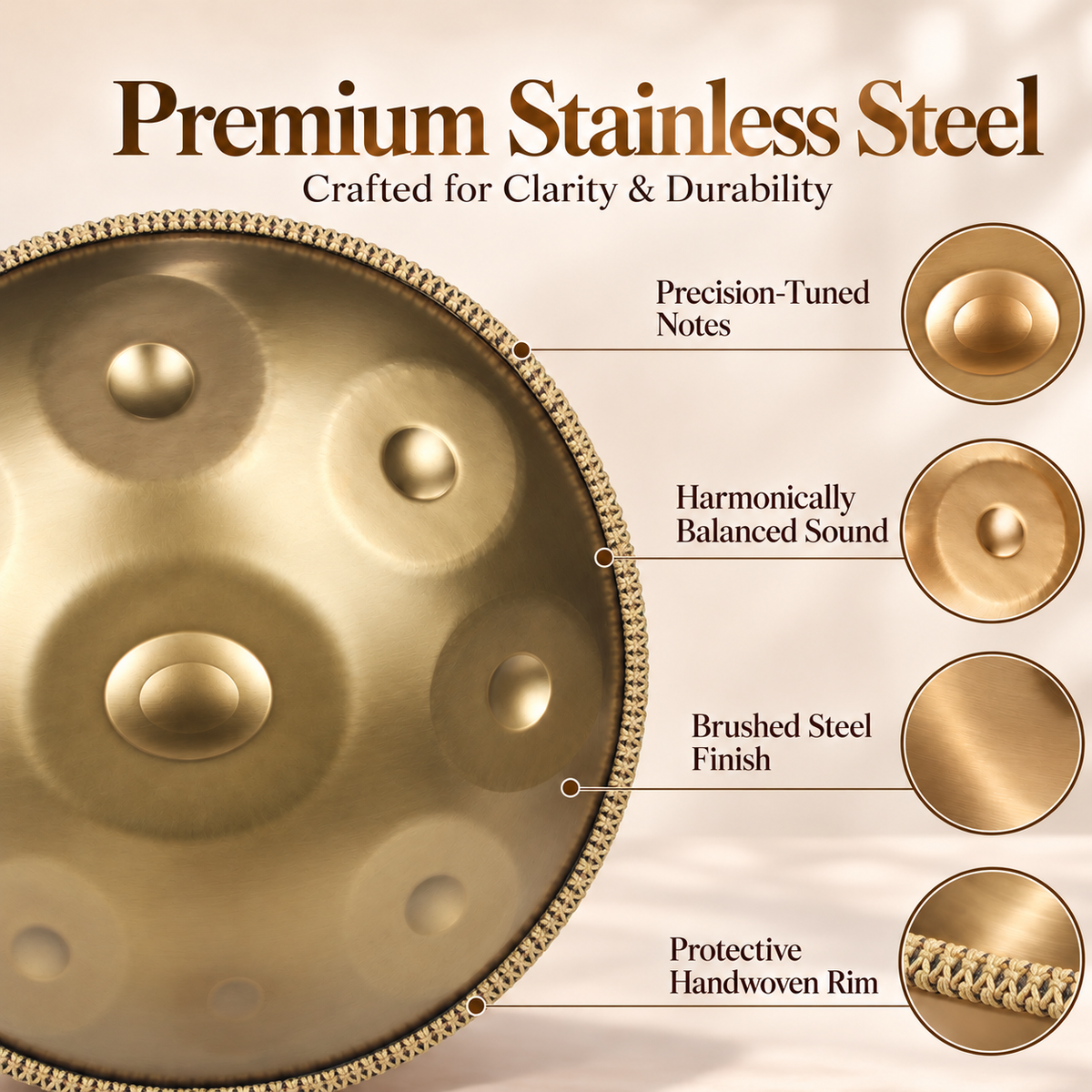
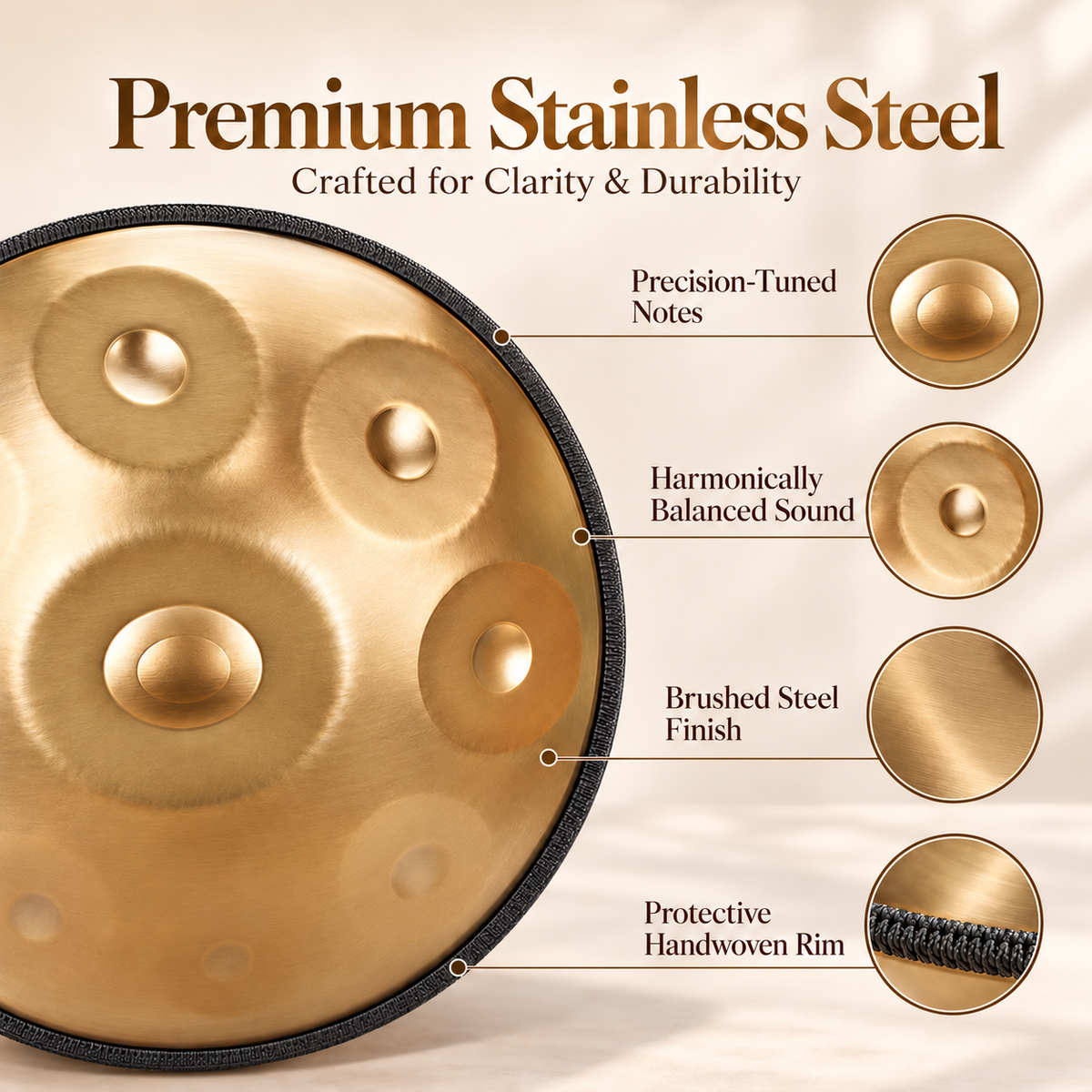
The choice of metal is the absolute foundation of your instrument's acoustic personality. Nitrided steel undergoes a gas-nitriding oven cycle that hardens the metal's surface, delivering a fast percussive attack, clean dampening control, and a warm, traditional tone. We recommend nitrided steel for fast, energetic playing where individual note articulation must remain clean without blurring together. Stainless steel, conversely, offers incredibly long sustain and singing brightness. From our experience, stainless steel models are highly optimized for slow, meditative melodies, ambient sound healing, and yoga spaces due to their expansive, rich sound fields.
Tip 2: Balance Your Expertise Level with the Correct Note Count
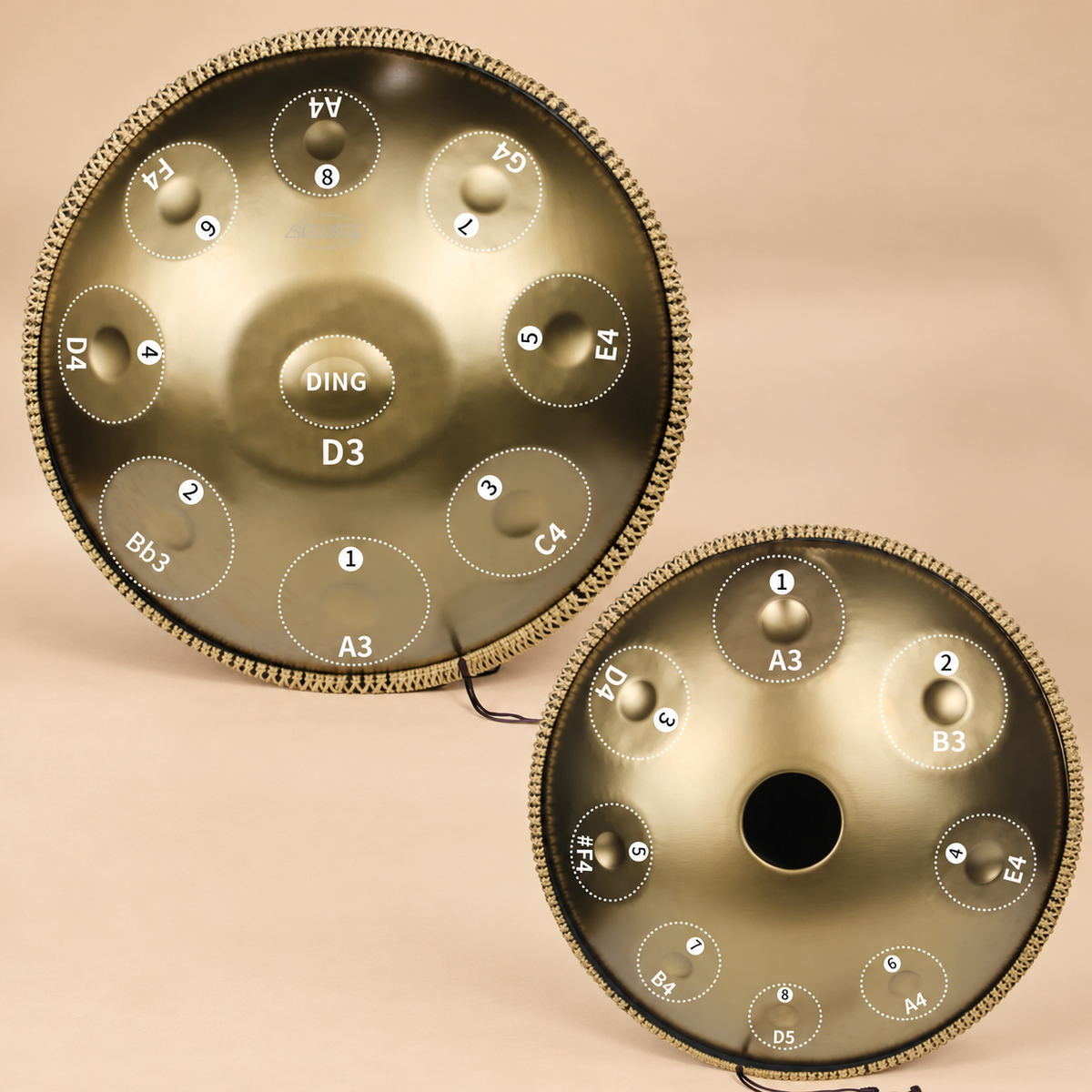
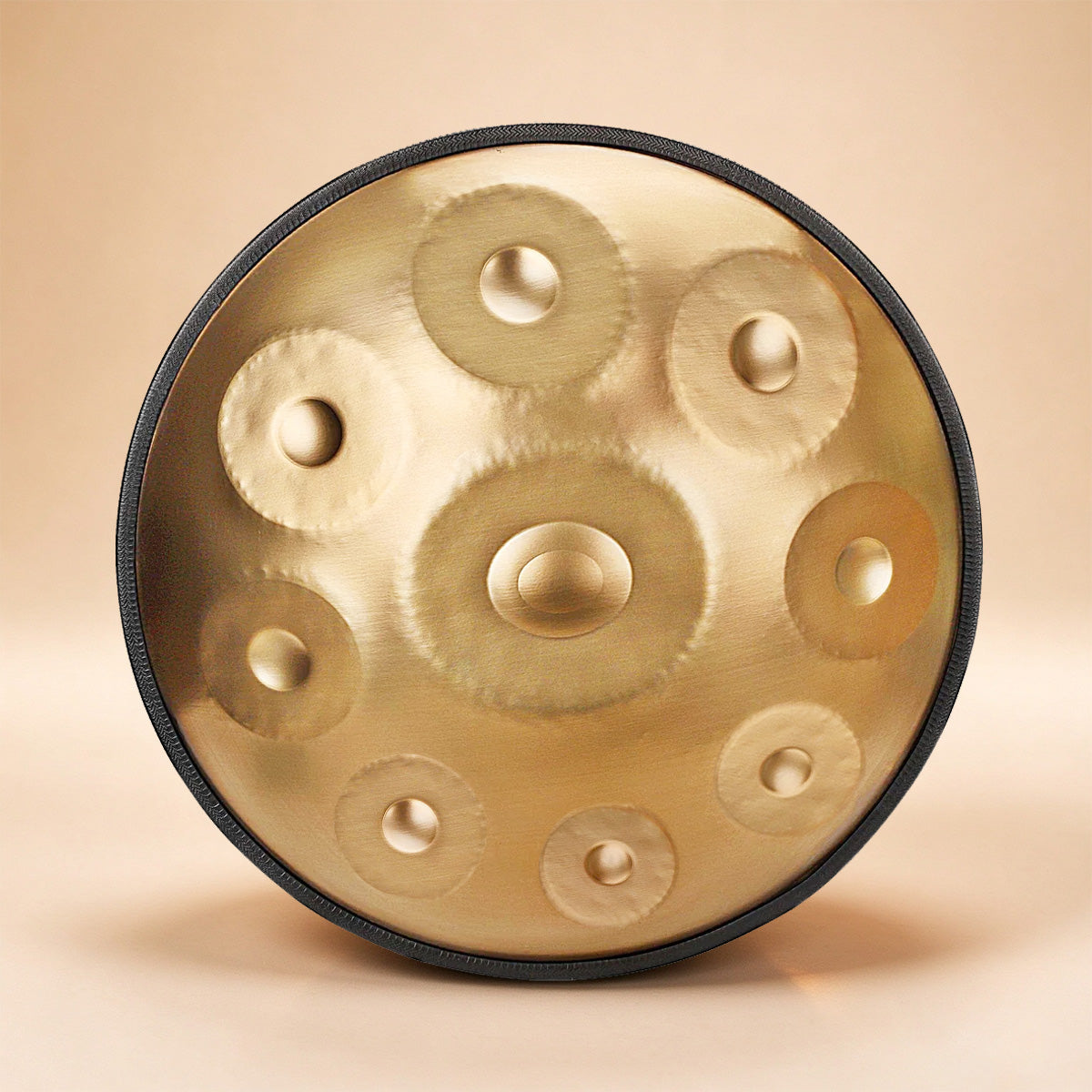
When analyzing the technical architecture of a sound sculpture, modern models are engineered with anywhere from 9 to 17 notes. For beginners and intermediate players entering the space, we highly recommend a standard 9-note or 10-note layout. This configuration features a central heavy bass note—commonly called the Ding—surrounded by a circular field of 8 or 9 tuned note fields. Attempting to manage advanced multi-side instruments with notes carved on both the top and bottom shells early on can clutter your geometric orientation, making it challenging to build stable muscle memory for clean finger strikes.
Tip 3: Lock in the Universally Adaptable D Minor Scale

Handpans are modal instruments tuned to a fixed, permanent scale layout, meaning you cannot adjust notes on the fly like a guitar or violin. Therefore, picking a scale requires matching your emotional intent with the correct musical mode. If you are buying your first instrument, we recommend selecting the classic D Minor scale (often configured as D Kurd or D Celtic Minor). This scale is widely considered the universal standard of the handpan community, blending deep emotional mystery with easy playability, and ensuring your instrument coordinates perfectly with instructional videos and community jam groups worldwide.
We recommend avoiding unvetted instruments packed with excessive low-frequency notes on small-diameter shells. Squeezing ultra-deep bass notes into a tight space requires making the tuned fields very large. If the instrument's structural shell architecture isn't expanded concurrently, these large note zones will cause sympathetic vibration bleeding—a technical defect where striking one note causes neighboring notes to muddy your performance. True structural separation requires precise artisan hammer tuning.
Tip 4: Verify the 1:2:3 Harmonic Tuning Calibration
A professional note field is not tuned to a single isolated pitch; it contains a highly calibrated layout of three distinct frequencies tuned simultaneously. When a player strikes a note field cleanly, the ear registers the fundamental frequency, an exact octave harmonic on the longitudinal axis (a 1:2 ratio), and a compound fifth overtone on the transverse axis (a 1:3 ratio). Before completing a procurement cycle, ensure your provider subjects each note to strict strobe-tuner checks to guarantee these harmonic overtones are completely isolated and free from pitch distortion.
Tip 5: Factor in Local Climate and Rust Immunity Risks
Because these sculptures rely on thin, stressed metal membranes to project sound, atmospheric humidity presents a continuous maintenance risk. If you live in a coastal area, high-humidity tropical zone, or travel frequently for outdoor festivals, traditional carbon steel requires meticulous daily cleaning with specialized protective oils to prevent pitting rust. For complete ease of mind across variable outdoor conditions, we recommend sourcing stainless steel variants, which feature high chromium alloy boundaries that stop oxidation completely without continuous oil treatments.
Tip 6: Ensure Your Instrument Includes an Ergonomic EVA Hard-Shell Case
Handpans are finely calibrated precision instruments; a minor accidental drop against a curb or intense structural pressure inside an airline overhead bin can knock note fields out of tune instantly, requiring expensive re-tuning work by a master maker. Never carry your instrument in a basic unpadded canvas backpack. Ensure your procurement package includes an ergonomic, impact-resistant EVA hard-shell case fitted with high-density internal foam padding to isolate your metal shells from external impacts and daily travel shifts.
Tip 7: Choose Creators Who Test and Inspect Every Batch
The marketplace has seen an influx of low-grade, machine-pressed steel shells that bypass precision artisan oversight, resulting in instruments that drop out of tune within a few months of intense play. We recommend sourcing your handpans directly from established makers who inspect and hand-test every single instrument before shipping. Every instrument we forge at Cosmos Handpans undergoes a multi-phase quality evaluation, ensuring optimal stability, pristine internal resonance, and unmatched quality control parameters to inspire your musical journey.
3. Acoustic Evolution: Understanding Origins and Structural Terminology

To communicate effectively within international music communities, players must understand the engineering history and structural terms that define the contemporary handpan market.
To discover the legendary artists and modern masters pushing the boundaries of handpan composition today, browse our curated global directory profiling the best handpan players. To explore the foundational roots of these sculptures and trace their development from initial prototyping to today's global movement, read our historical analysis tracking the handpan origin and history. To follow the geographical manufacturing shifts and deep cultural roots of this instrument across Europe and the Americas, check our global research report exploring where is handpan from. Finally, to clarify standard terminology and avoid common naming mistakes, consult our technical breakdown analyzing the hang drum vs handpan material differences.
4. Expanding the Symphony: Integrating Alternative Melodic Formats
Building a complete acoustic meditation or professional percussion catalog often requires combining your handpan lines with alternative, highly resonant folk or classical instruments.
| Acoustic Percussion Class | Structural Dimensions Base | Note Tuning Architecture | Cosmos Handpans Sourcing Link |
|---|---|---|---|
| Artisan Handpan Array | 22-Inch Standard Diameter | 9 to 17 Notes (Hand-hammered) | Handpan Procurement Portal |
| Compact Steel Tongue Drum | 10 to 14 Inch Shells | 8 to 14 Notes (Laser-cut) | Tongue Drum Catalog |
| Multi-String Classical Harps | Variable Frame Sizes | Diatonic / Chromatic Scales | String Instruments List |
Blending Percussion with Folk String Textures
While handpans deliver beautiful, wide-area spatial resonance, blending your percussion setup with acoustic string arrangements adds wonderful textural depth to studio tracking runs. To explore acoustic string combinations that harmonize beautifully with metal overtones, check our comprehensive illustrated overview outlining our curated string instruments list. For early beginners, children, or wellness practitioners looking for a more compact, budget-friendly entry point before investing in a full-scale handpan, stepping down to our laser-cut 10-to-14-inch steel tongue drums provides a highly resilient, beautifully resonant alternative that fits easily into any travel pack.
5. Frequently Asked Questions (FAQs)
6. Professional Acoustical and Metallurgical References
For more technical data sheets, acoustical wave analyses, and international steel treatment metrics regarding percussion instruments, consult these authoritative organizations:
- Acoustical Society of America (ASA). Acoustical Physics and Vibrational Mode Analysis of Idiophone Convex Sound Sculptures. Melville, NY.
- International Organization for Standardization. ISO 4957: Tool and Low-Alloy Carbon Steel Gas-Nitriding and Thermal Treatment Standards. Geneva, Switzerland.
- National Institute of Standards and Technology (NIST). Resonance Calibration and Harmonic Overtone Matrix Databases for Steel Idiophones. Gaithersburg, MD.