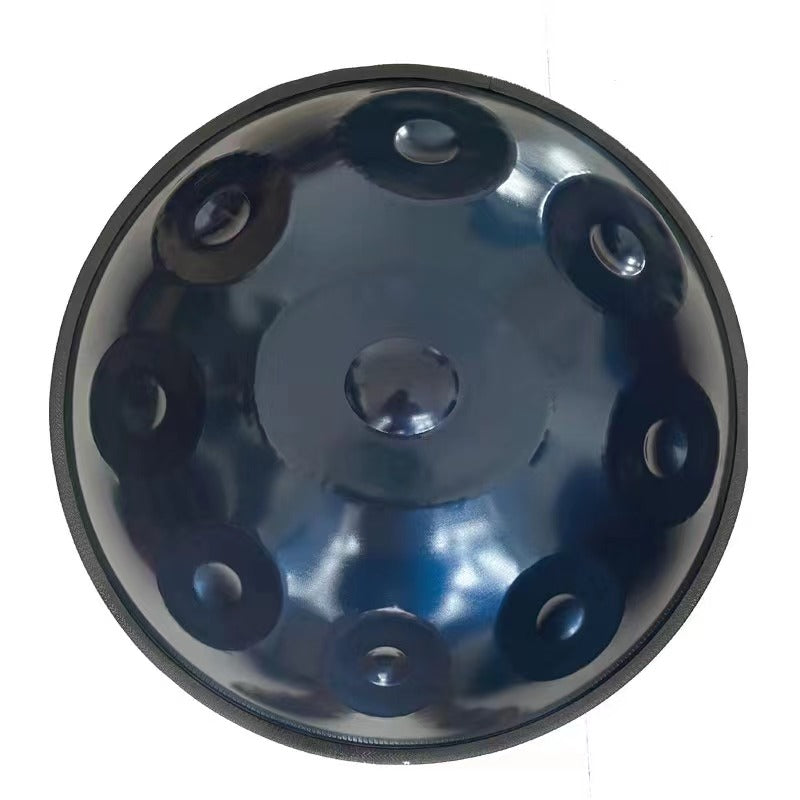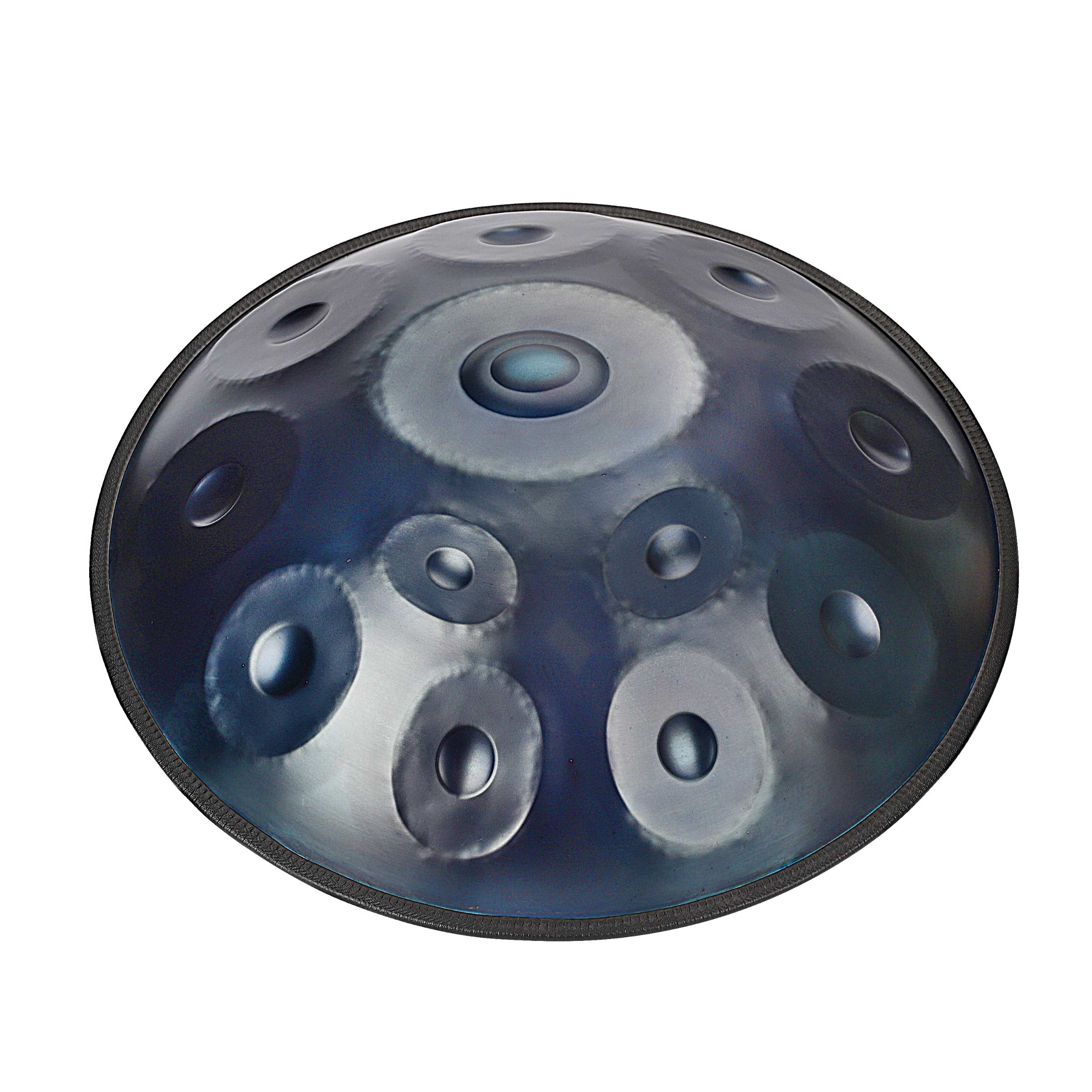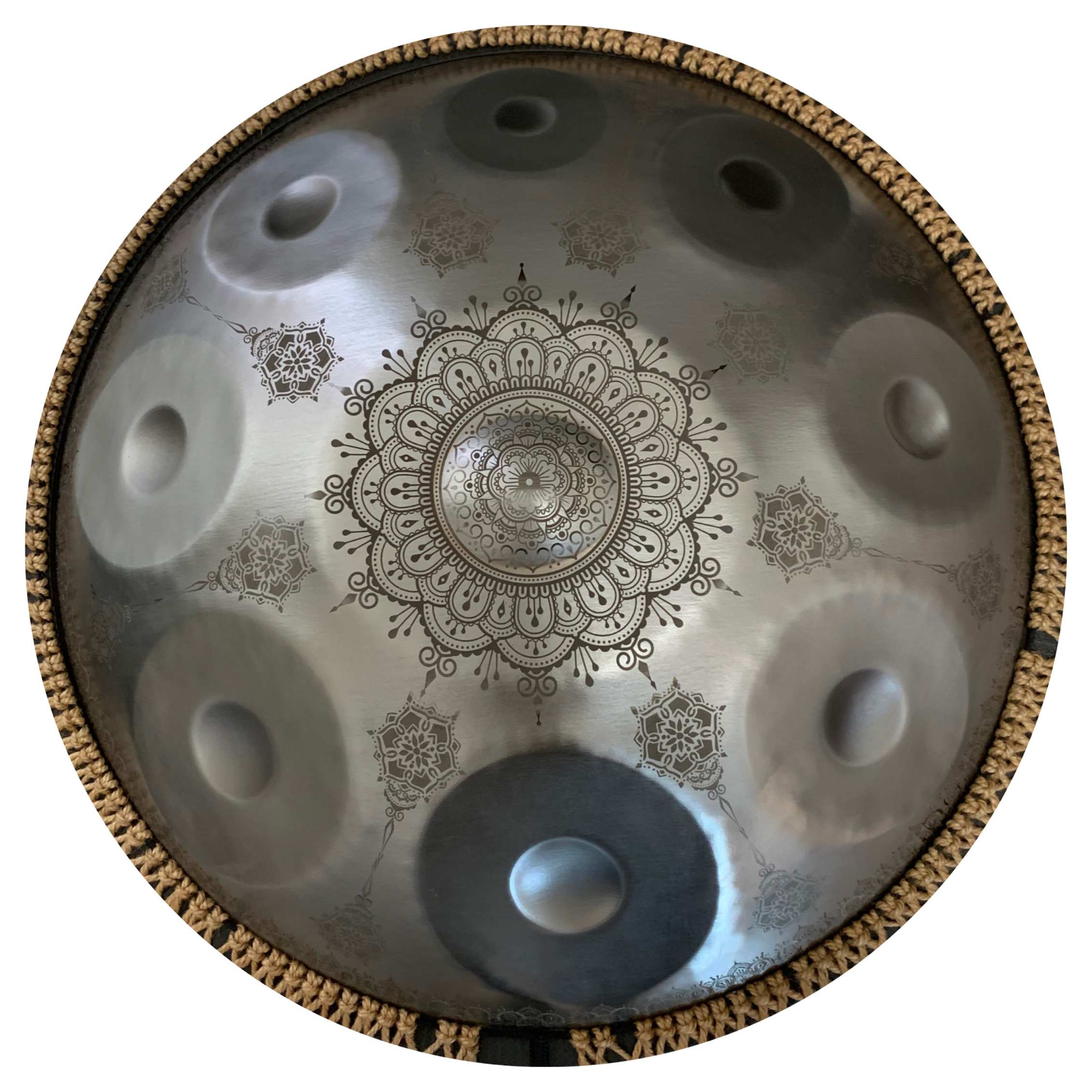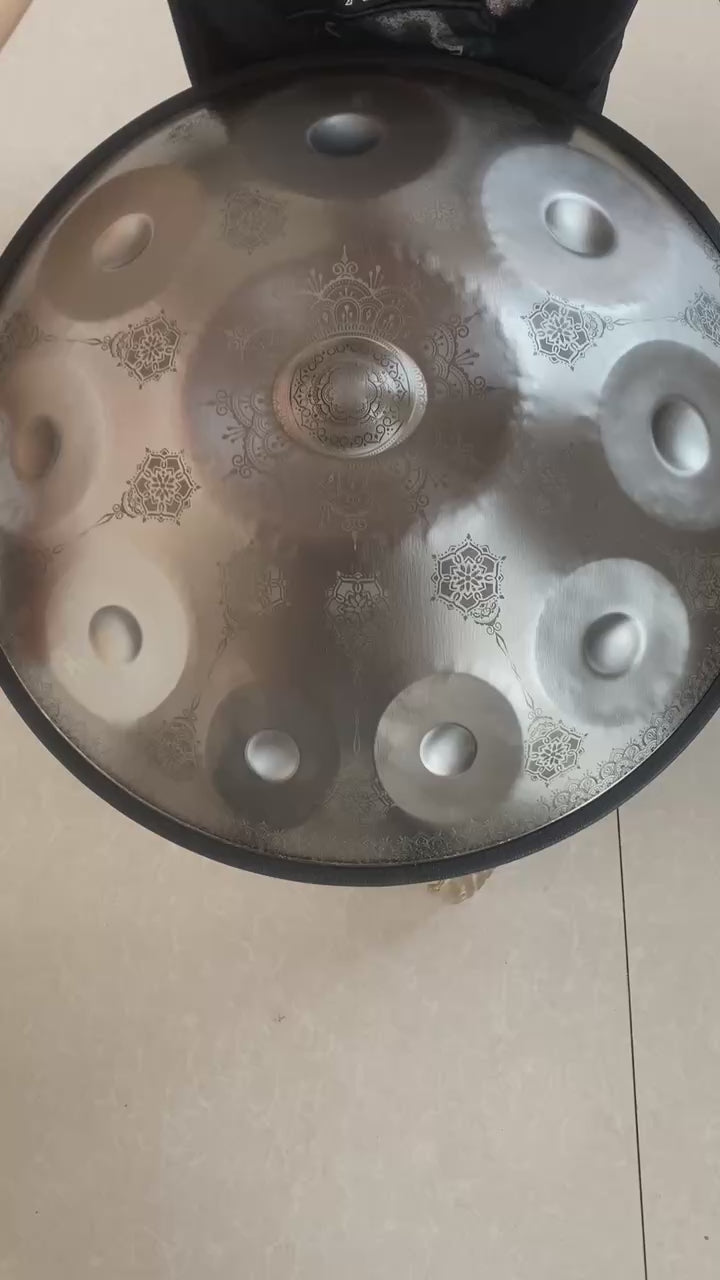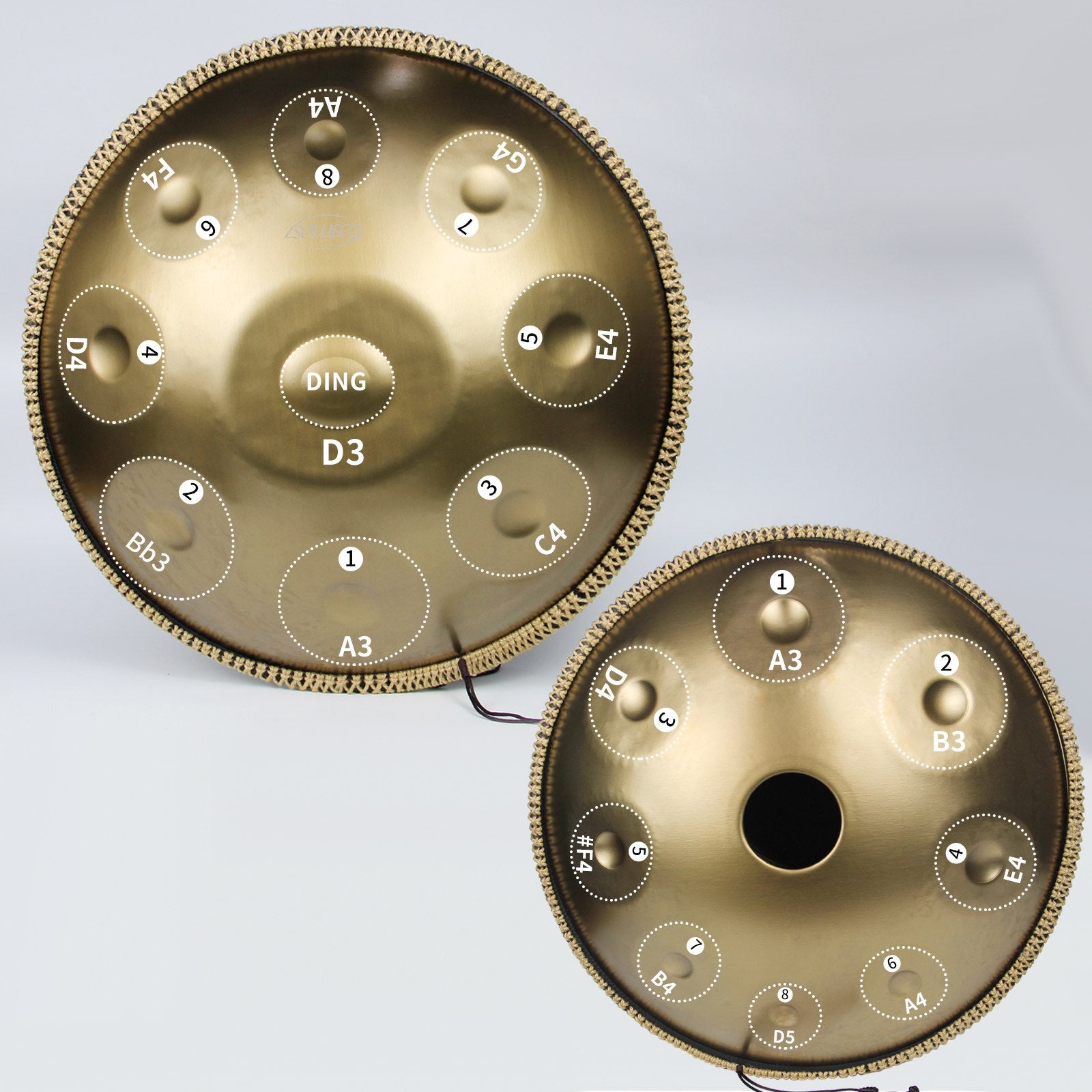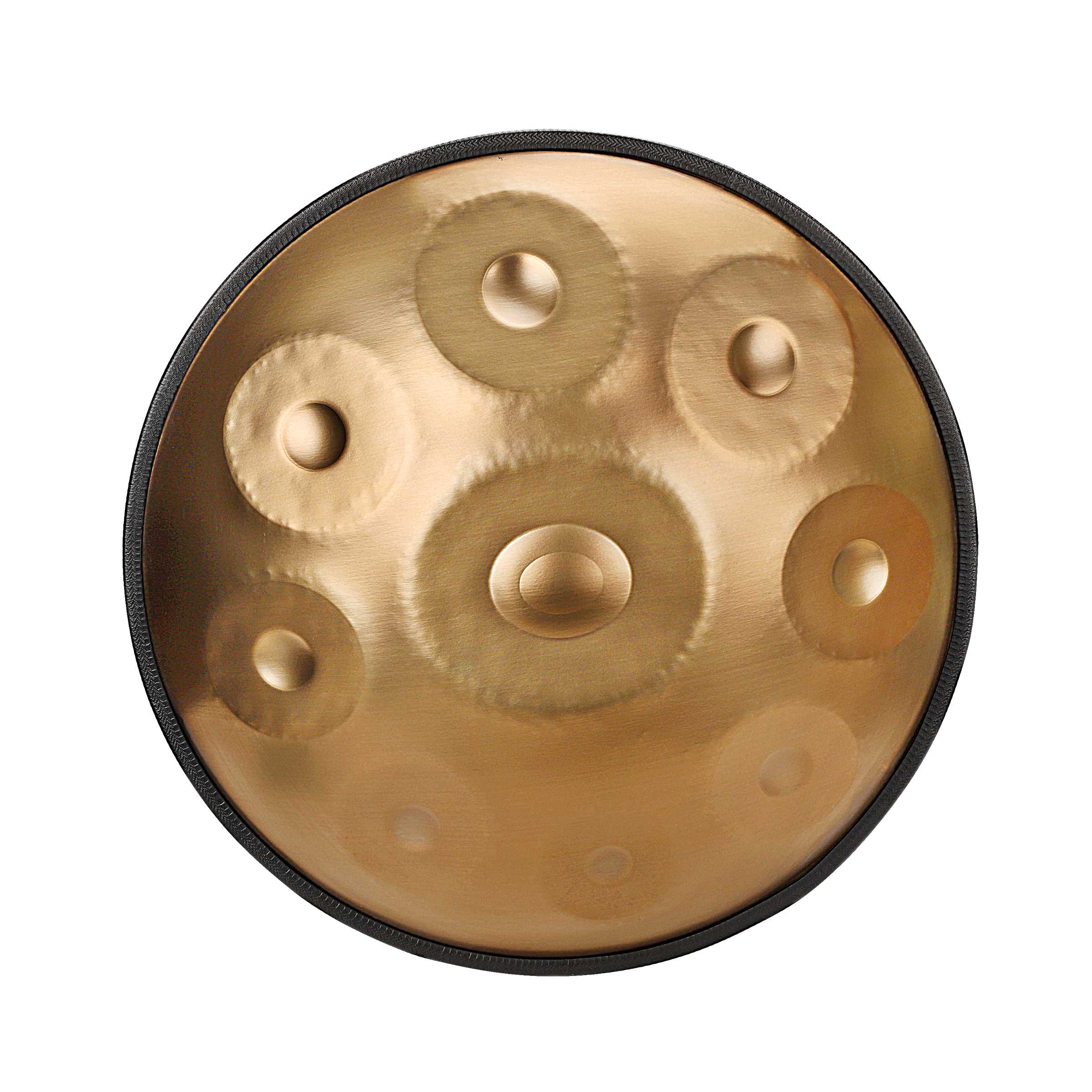
In the heart of Colorado, USA, Cosmos Handpan shines as a guiding light of musical innovation and soulful resonance. We have more than a decade of expertise in creating handpans and tongue drums. Passion, precision, and an unwavering pursuit of musical excellence steep our musical journey. We forge cosmos connections because our story begins with a shared love for music and a profound desire to create instruments that transcend sound. Our crafters pour their heart into each handpan and tongue drum with intricate workmanship, infusing each instrument with ethereal melodies that stir the senses and uplift the spirit.

Because we manufacture both of these magnificent melodic percussion instruments, we frequently encounter musicians who misunderstand the mechanical and physical demands of playing them. There is a pervasive misconception that if you can play one, you can automatically play the other. From our experience, this is fundamentally false. Understanding the playing techniques of handpan versus steel tongue drum is critical for anyone looking to pull true resonance from steel. These are vastly different acoustic ecosystems. One requires the agility of a ghost, while the other demands the deliberate strike of a mallet.
In this authoritative guide, we will break down the precise biomechanics, striking methods, and theoretical approaches required for each instrument, ensuring you approach your musical journey with the correct technical foundation.
Table of Contents
Summary Comparison Table
Before diving into the granular mechanics, it is essential to understand the high-level distinctions in the playing techniques of handpan versus steel tongue drum. We recommend studying this comparison to align your expectations.
| Attribute | Handpan | Steel Tongue Drum |
|---|---|---|
| Primary Striking Tool | Thumbs, index fingers, middle fingers, palms | Rubber or felt mallets, finger pads (advanced) |
| Strike Velocity | Ultra-fast, instantaneous release ("hot stove" touch) | Deliberate, slightly heavier follow-through |
| Acoustic Generation | Tensioned membrane vibration (tone fields) | Cantilevered metal cut-outs (tongues) |
| Dynamic Range | Extremely wide (ghost notes, slaps, harmonics) | Moderate (focused primarily on melodic chiming) |
| Learning Curve for Touch | Steep; requires high finger dexterity and control | Gentle; immediate gratification when using mallets |
The Anatomy of Resonance: Tension vs. Cut
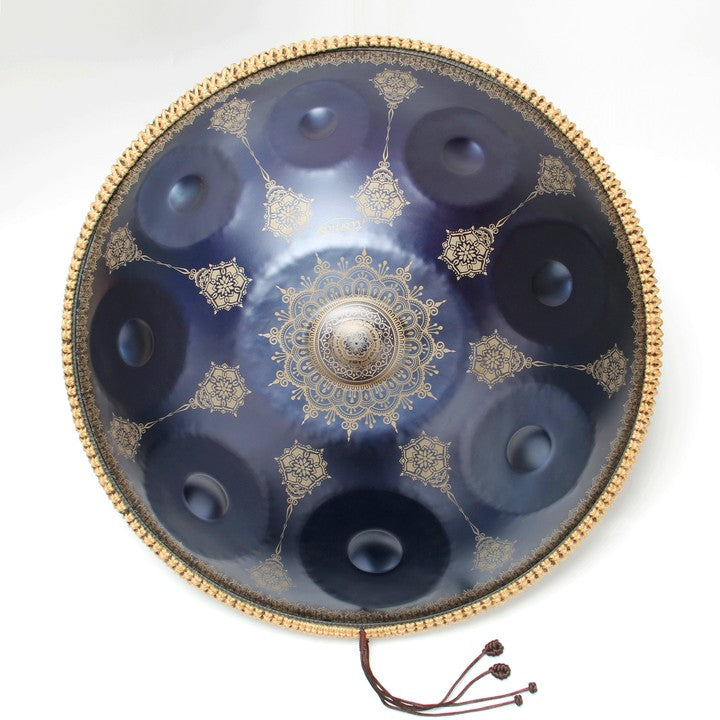
To truly grasp the playing techniques of handpan versus steel tongue drum, you must first understand how they generate sound. If you look closely at the handpan origin and history, you will see it evolved from the Caribbean steelpan. A handpan consists of two deep-drawn half-shells of nitrided or stainless steel glued together. The notes (tone fields) are hammered into the metal under immense tension. When you strike a tone field, the entire membrane of the instrument vibrates, triggering a fundamental note, an octave harmonic, and a compound fifth harmonic simultaneously.
Conversely, a steel tongue drum generates sound through precision-cut "tongues" in a hollow steel shell. The pitch is determined by the length, width, and weight of the cut tongue. There is no stretched membrane. Because the steel tongue is rigid, it requires a different kind of kinetic energy to activate. This mechanical divergence is exactly why the playing techniques of handpan versus steel tongue drum cannot be used interchangeably. A light tap that produces a roaring sound on a handpan will yield only a dull metallic click on a tongue drum.
Handpan Technique: The Art of the Quick Release
The mastery of the handpan lies almost entirely in the brevity of your physical contact with the steel. We firmly tell our students: if your finger stays on the metal for a fraction of a millisecond too long, you will mute the note. We call this the "hot stove" technique. You must strike the tone field as if the metal will burn you.
The Thumb Strike
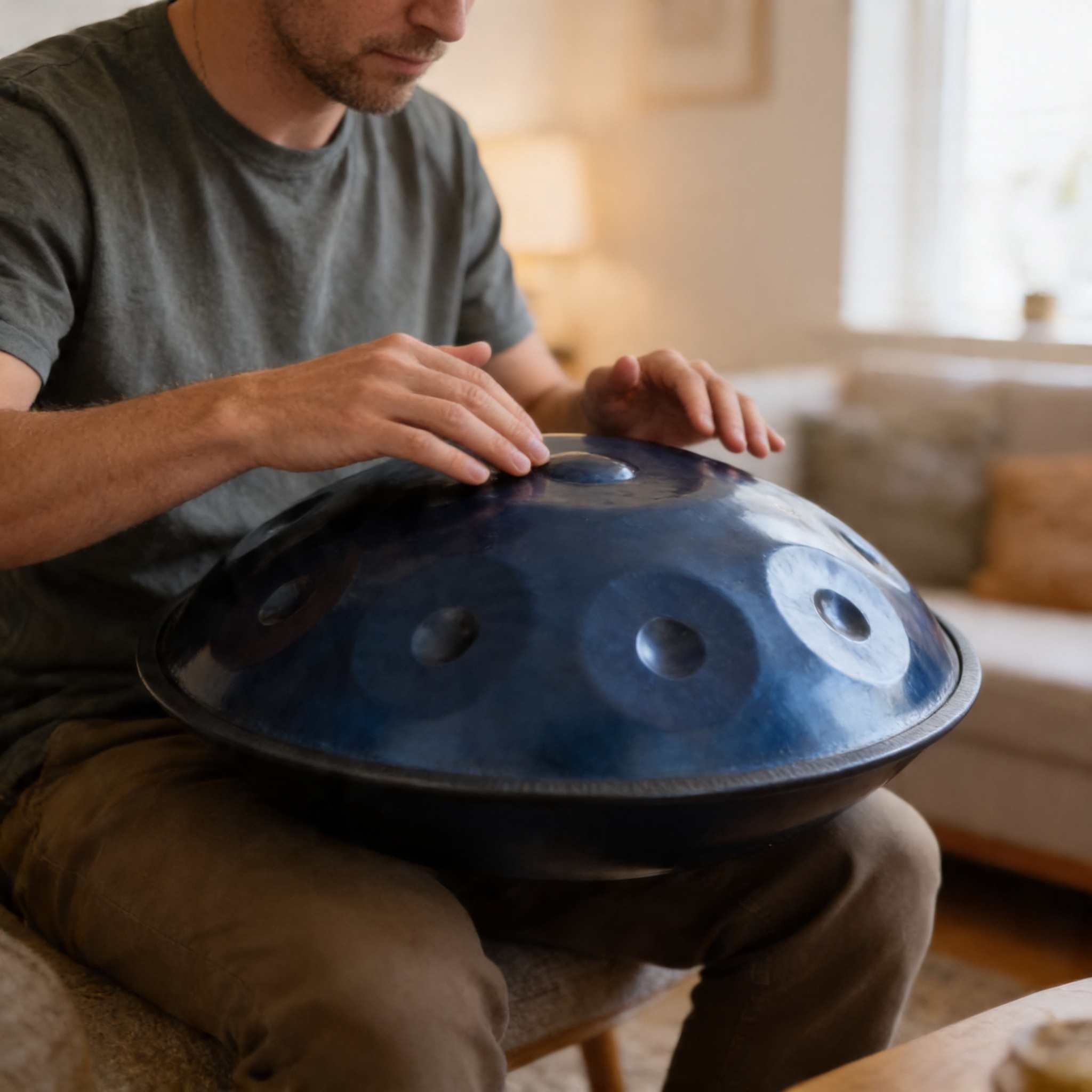
The foundation of handpan playing is the thumb strike. The thumb strikes the side of the tone field (the dimple's outer ring) using the side of the knuckle, not the fleshy pad. By utilizing the bony structure of the thumb joint, players create a sharp, defined attack that instantly excites the steel tension. Watching the best handpan players in the world, you will notice their thumbs operate like microscopic hammers, bouncing off the steel with zero residual pressure.
Ghost Notes and Percussive Slaps
One of the most thrilling aspects of the playing techniques of handpan versus steel tongue drum is the handpan's ability to act as a full percussive drum kit. The interstitial spaces between the tone fields (the "Gu" and the shoulders of the instrument) are used to create "ghost notes"—light, rhythmic taps that create a driving beat underneath the melody. Players use the flats of their fingers and the heels of their hands to slap the center dome (the Ding) for deep, booming bass notes. The handpan is a highly percussive instrument that demands full hand engagement.
Harmonic Bending
Because the handpan relies on membrane tension, advanced players can bend pitches and isolate harmonics. By lightly resting a finger on the fundamental axis of a tone field and striking the harmonic axis with another finger, you can force the instrument to "sing" an octave higher. This level of nuanced expression is akin to techniques used on traditional acoustic instruments, much like those found on a string instruments list.
Steel Tongue Drum Technique: The Power of the Strike
When analyzing the playing techniques of handpan versus steel tongue drum, the tongue drum presents a much more accessible entry point for beginners, primarily because it embraces the use of external tools.
Mallet Dominance
From our experience, we recommend that 90% of beginner tongue drum players start with mallets. The tongues cut into the steel require significant kinetic force to vibrate optimally. A rubber or felt mallet provides the perfect combination of weight and rebound. When using mallets, the technique requires a loose, relaxed wrist. The mallet should strike the very tip of the tongue (the most flexible point) and bounce back immediately. A rigid grip will choke the resonance.
"Using mallets on a high-end handpan is a cardinal sin that will instantly knock the instrument out of tune. Using mallets on a tongue drum, however, is the intended mechanical pathway to achieve its purest, bell-like tone."
Finger Playing on Tongue Drums
While mallets produce the cleanest sound, finger playing is entirely possible on a tongue drum—it simply requires a heavier hand than the handpan. Instead of the delicate "hot stove" touch, tongue drum finger technique utilizes the fleshy pads of the index and middle fingers. The player must strike firmly and decisively. Some musicians even use silicone finger picks to simulate the hardness of a mallet while retaining the dexterity of hand playing. However, because there are no tensioned membranes, attempting percussive ghost notes between the tongues will usually just result in a dull, unmusical thud.
If you are exploring the semantic confusion between these instruments, it helps to understand the nomenclature. Many people confuse the two, which is why reading up on hang drum vs handpan terminology can clear up the distinct physical properties that necessitate these different playing styles.
From Our Experience: Which Should You Learn?

Understanding the playing techniques of handpan versus steel tongue drum forces a musician to ask what kind of relationship they want with their instrument. Are you looking to sit by a campfire, enjoying simple, meditative chimes? If so, the steel tongue drum is practically foolproof. Its robust nature makes it perfect for outdoor excursions—you can safely pack it alongside your Tesla Car Camping Tents and not worry about atmospheric detuning.
However, if you are asking where is handpan from and diving deep into its Swiss origins, you likely crave deep, expressive musicality. The handpan is a jealous master. It requires daily practice to build the calluses and muscle memory necessary for a clean strike. But the reward is an instrument that responds to your exact emotional input.
If you are ready to invest in a lifetime of musical exploration, we strongly urge you to avoid cheap knock-offs on generic marketplaces. We recommend sourcing your instrument directly from dedicated artisans or consulting the best instrument stores online to ensure you receive a properly tuned, high-quality steel canvas. For those ready to take the leap, you can Buy Handpan instruments directly from our Colorado workshop, knowing each is forged with cosmic precision.
Frequently Asked Questions
Handpan tone fields are meticulously tuned by hammering the steel into a delicate state of tension. Striking this tensioned metal with a dense mallet applies concentrated, excessive force that will permanently warp the membrane, instantly destroying the tuning of the instrument.
Yes. The handpan has a significantly steeper learning curve. Producing a clean, resonant note on a handpan requires precise finger placement, angle, and release speed. A steel tongue drum will produce a pleasant sound immediately upon being struck with a mallet.
No. Both instruments are typically tuned to specific diatonic or pentatonic scales, meaning there are no "wrong" notes. You do not need to know how to read sheet music. The challenge lies entirely in mastering the physical striking techniques, not in music theory.
You can attempt them, but the acoustic result will be underwhelming. Tongue drums lack the thin, responsive membrane required to project light ghost notes or deep percussive slaps. The shell of a tongue drum is rigid, making advanced handpan percussive techniques largely ineffective.
Academic References
- Morrison, A., & Rossing, T. D. (2009). The Acoustics of the Steelpan and Handpan. Journal of the Acoustical Society of America. This paper outlines the physical tension required to generate compound harmonics in hammered steel instruments.
- Fletcher, N. H., & Rossing, T. D. (1998). The Physics of Musical Instruments. Springer. A foundational text detailing the vibrational modes of cantilevered beams (the physics governing steel tongue drums).
- Kuwata, K. (2015). Acoustical Analysis of the Hang and Similar Instruments. Journal of New Music Research. This study breaks down the exact millisecond contact time required for optimal finger-strike resonance on membrane-based idiophones.