Rhythm is the fundamental pulse of all musical expression. As we navigate the evolving acoustic landscape of 2026, the demand for versatile, resonant, and expressive rhythmic tools has never been higher. Whether you are outfitting a professional recording studio, expanding a symphony orchestra, or curating a progressive acoustic jam session, understanding the modern hierarchy of percussive tools is critical. Many directors and producers frequently ask us to compile a definitive percussion instruments list that balances traditional rhythmic foundation with modern melodic innovation.

From our experience at Cosmos Handpan, the definition of percussive utility has expanded. Modern ensembles are moving away from purely strict timekeeping and are increasingly demanding percussive instruments that carry distinct melodic weight and harmonic resonance. Compiling a definitive percussion instruments list requires evaluating acoustic projection, dynamic control, and tonal versatility. In this authoritative guide, we will break down the essential tools every serious musician or ensemble director should consider, providing our expert evaluation of the 8 best instruments that define the modern percussion instruments list.
Table of Contents
1. The Evolution of Percussive Sound
When analyzing any comprehensive percussion instruments list, one must recognize the divide between unpitched (membranophones and idiophones used purely for rhythm) and pitched percussion (instruments capable of producing specific musical notes). In previous decades, a standard percussion instruments list was heavily biased toward unpitched drum shells and cymbals. However, the contemporary acoustic environment demands more.
Today, acoustic and unplugged performances reign supreme in intimate venues. Musicians require instruments that project warmly without the need for heavy electronic amplification. This shift has elevated instruments crafted from resonant steel, specialized tone woods, and synthetic membranes that mimic traditional animal hides while offering superior tuning stability. When you review our curated percussion instruments list, you will notice a strategic balance between instruments designed to anchor the tempo and instruments designed to carry the harmonic progression.
2. The Ultimate 8 Best Percussion Instruments List
To assist educators, studio engineers, and performing artists, we have rigorously evaluated the global acoustic market to present the top 8 entries that belong on every professional percussion instruments list in 2026.
2.1 The Handpan (The Melodic Centerpiece)

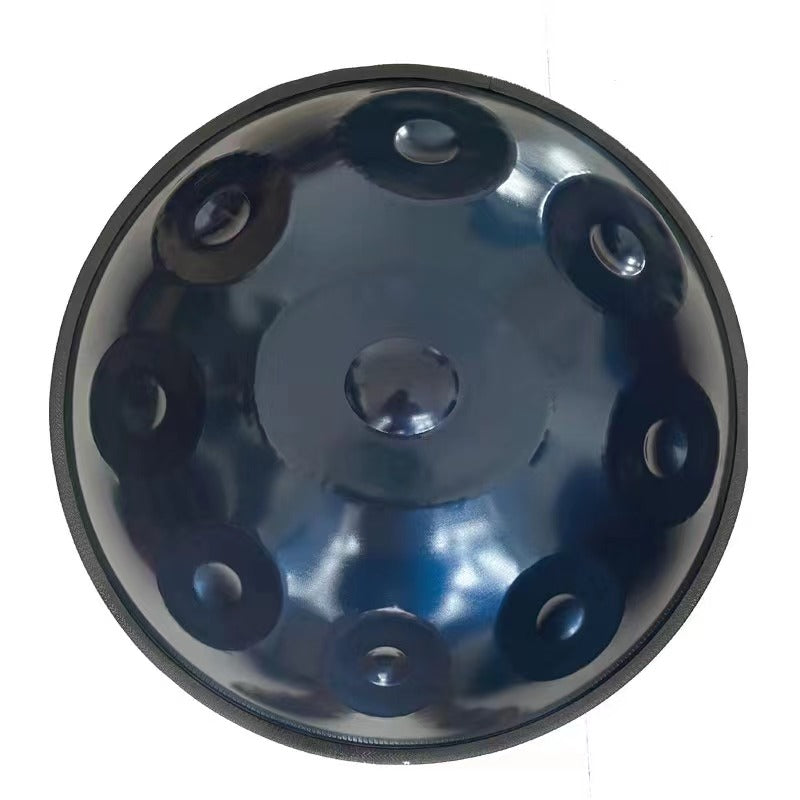
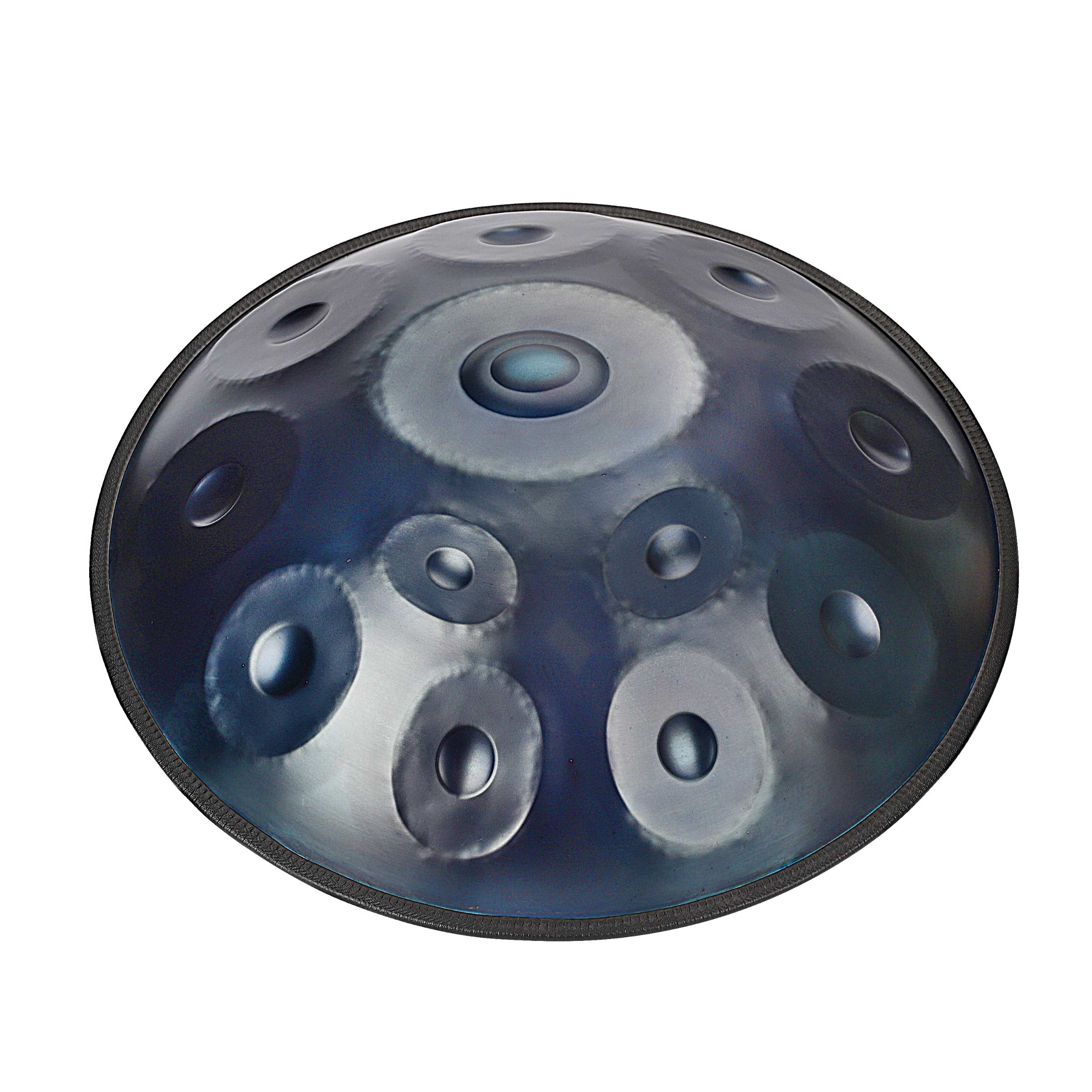
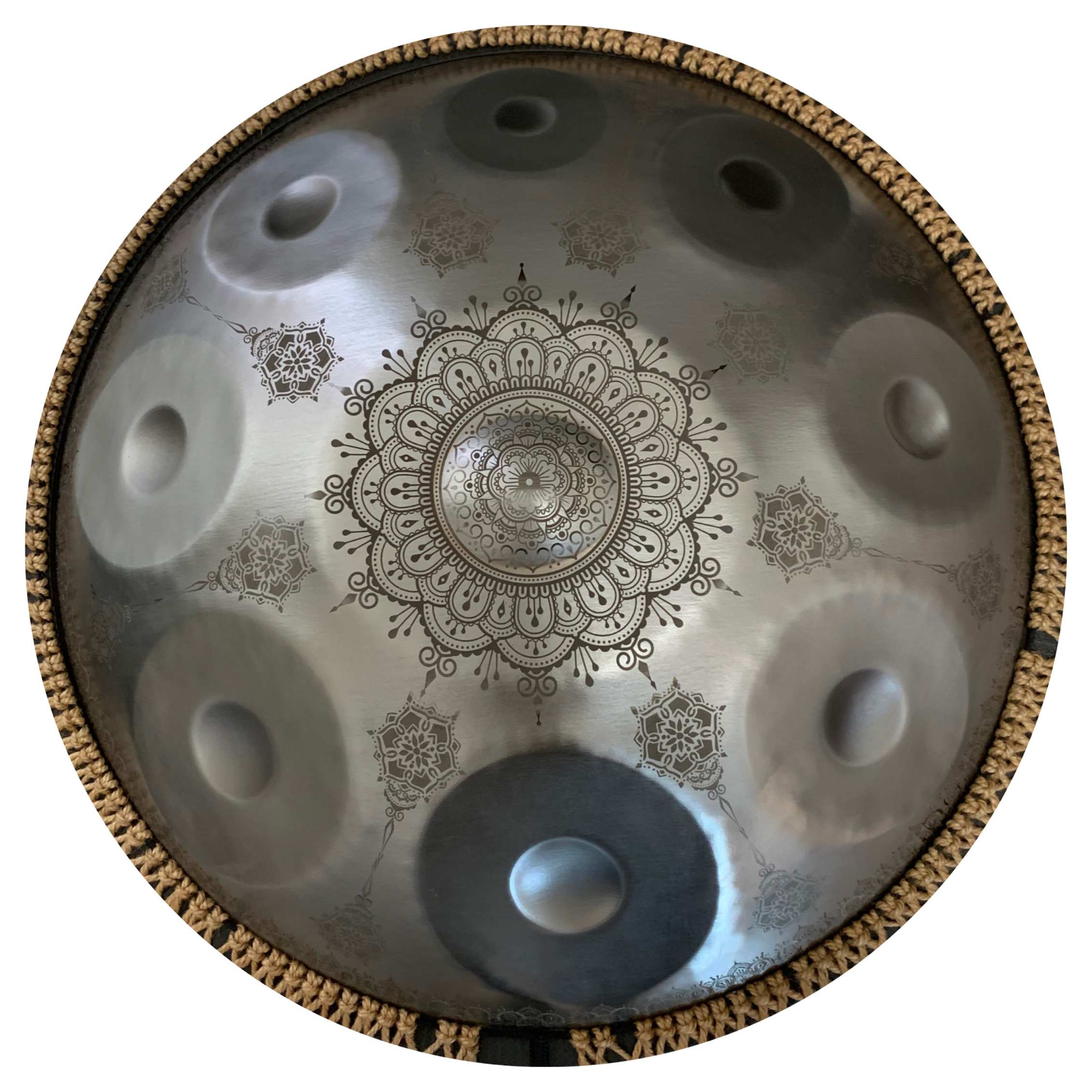
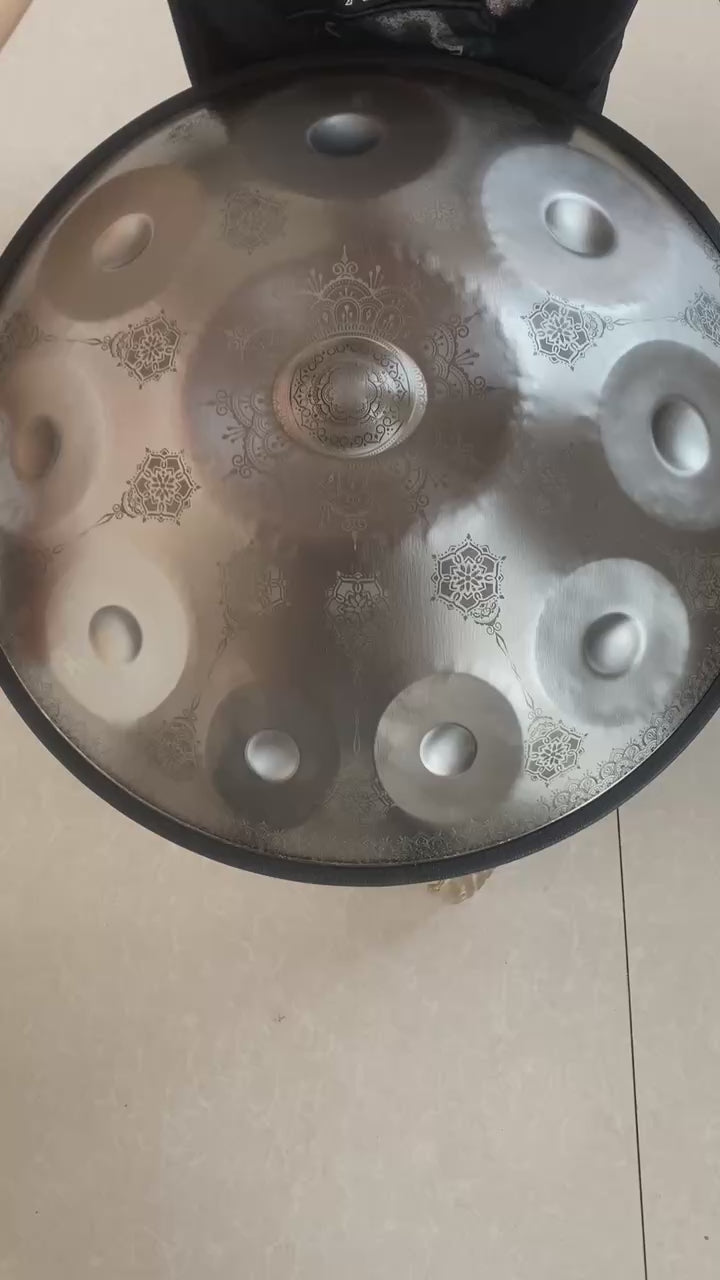
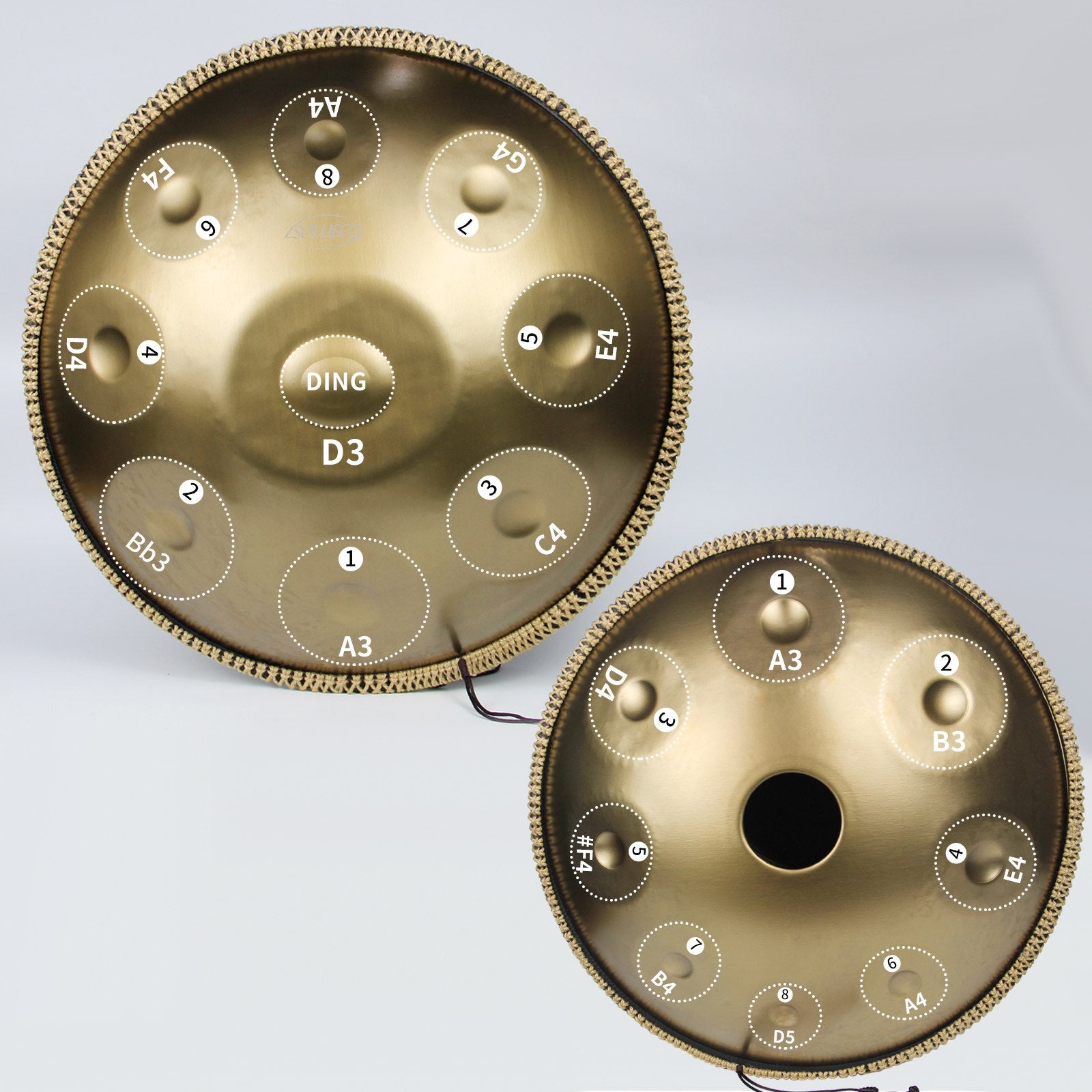
At the absolute forefront of our percussion instruments list is the handpan. Unlike a standard drum, a handpan is a melodic percussive instrument. It provides a haunting, ethereal sustain that can mimic the drone of a fiddle while simultaneously offering a rhythmic tap that complements the mandolin's chop. Constructed from deep-drawn, nitrided or stainless steel, the handpan represents the pinnacle of modern acoustic metallurgy. To match the specific needs of different musicians, we recommend the following from our Cosmos Handpan catalog:
- 9 Notes Handpan: Perfect for focused, melodic exploration and beginner-friendly performance.
- 10 Notes Handpan: Balanced standard for modern players seeking a versatile instrument.
- 12 Notes Handpan: Expanded range for complex compositions and intermediate musicians.
- 17 Notes Handpan: Ultimate professional instrument with an extended scale for advanced compositions.
- Handpan for Beginners: Specially tuned for ease of play and rapid learning.
-
Handpan Drum Instrument: General-purpose high-quality options for various music styles.
2.2 The Acoustic Drum Kit
No percussion instruments list is complete without the standard acoustic drum kit. Acting as the rhythmic foundation for nearly all modern popular music, a well-tuned kit featuring a snare, bass drum, toms, and a bronze cymbal array provides unparalleled dynamic range. In 2026, we see a trend toward shallower shell depths crafted from maple and walnut, providing a quicker decay and enhanced microphone isolation for studio recording.
2.3 The Marimba

For orchestral and ensemble settings, the marimba is a mandatory inclusion on a professional percussion instruments list. Utilizing rosewood or high-density synthetic bars suspended over metallic resonators, the marimba provides a warm, woody, and highly articulate melodic voice. It requires precise mallet technique (often four-mallet grips) and is essential for contemporary classical, jazz, and progressive percussion ensembles.
2.4 The Cajon
Originating from Peru, the cajon has become the ultimate portable drum set substitute, earning its permanent place on the modern percussion instruments list. By striking the wooden faceplate (tapa), the player can produce a deep bass tone near the center and a sharp snare crack near the top edges, thanks to internal guitar strings or snare wires. We highly recommend the cajon for acoustic guitar duos, street performances, and intimate coffeehouse gigs where a full drum kit would be sonically overpowering.
2.5 The Djembe

When evaluating hand drums for your percussion instruments list, the West African djembe is unmatched in its volume and tonal variation. Carved traditionally from a single piece of hardwood and topped with a tension-tuned goatskin head, the djembe produces roaring bass notes, round open tones, and piercing slaps. It is the driving force behind drum circles and world-music fusion stages, offering incredible rhythmic drive and acoustic projection.
2.6 The Conga
Essential for Afro-Cuban, salsa, and Latin jazz, congas (typically played in sets of two or three: the tumba, conga, and quinto) are tall, narrow drums that provide a distinct, syncopated groove. Any culturally diverse percussion instruments list must feature high-quality congas. We recommend fiberglass shells for touring musicians needing weather resistance, or traditional oak shells for studio purists seeking maximum warmth.
2.7 The Vibraphone
Similar in layout to the marimba but crafted with aluminum bars, the vibraphone is a unique entry on the pitched percussion instruments list. It features a sustain pedal and motor-driven rotating discs inside its resonators, producing a signature, pulsating vibrato. It is the defining sound of mid-century jazz and provides a shimmering, metallic sustain that cuts beautifully through dense orchestral arrangements.
2.8 The Orchestral Tambourine

Often dismissed as a simple accessory, a high-quality orchestral tambourine is a highly technical instrument and a vital component of any strict percussion instruments list. Featuring a calfskin head and specialized metal zills (jingles) crafted from beryllium copper or phosphor bronze, it provides bright, articulated accents and complex finger-roll techniques that elevate the dynamic tension of a musical passage.
3. Acoustic Principles: Why the Handpan Elevates Any Ensemble
When looking beyond the most common marching band instruments or traditional string setups to add unique flavor to a halftime show, a progressive acoustic jam, or a world-music fusion stage, we highly recommend integrating a handpan. From our experience at Cosmos Handpan, we recognize that the acoustic principles governing the instruments in bluegrass—resonance, dynamic control, and unamplified projection—are the exact same principles that govern our high-quality handpans.
A comprehensive percussion instruments list should not solely consist of instruments that simply keep time; it must include instruments that inspire harmonic creativity. The nitrided steel surface of a Cosmos Handpan responds to the lightest touch of the fingertips, activating a central fundamental note, an octave harmonic, and a compound fifth. This sympathetic resonance allows a single percussionist to fill the sonic space typically requiring two or three separate string players. This makes our 10 Notes Handpan and 12 Notes Handpan ideal bridging instruments, connecting the rhythmic section directly to the melodic section of your ensemble effortlessly.
4. Summary Table: The 2026 Percussion Instruments List
To assist procurement managers, educators, and musicians in refining their studio or stage setup, we have summarized our expert percussion instruments list below.
| Instrument | Classification | Primary Sonic Characteristic | Ideal Application |
|---|---|---|---|
| Cosmos Handpan | Pitched Idiophone | Ethereal, resonant, melodic sustain | Acoustic fusion, solo performance, sound healing |
| Acoustic Drum Kit | Mixed (Membrano/Idio) | Dynamic range, powerful transients | Rock, pop, jazz, studio recording |
| Marimba | Pitched Idiophone | Warm, woody, articulate melody | Orchestral, contemporary classical |
| Cajon | Unpitched Idiophone | Dry bass, sharp snare crack | Unplugged sessions, flamenco, acoustic pop |
| Djembe | Unpitched Membranophone | Booming bass, piercing slaps | World music, drum circles, street performance |
| Congas | Unpitched Membranophone | Warm, pitched rhythmic groove | Latin jazz, salsa, Afro-Cuban ensembles |
| Vibraphone | Pitched Idiophone | Metallic sustain with mechanical vibrato | Jazz ensembles, cinematic scoring |
| Orchestral Tambourine | Mixed (Membrano/Idio) | Bright, metallic accents and rolls | Symphonic orchestras, dynamic pop accents |
5. Frequently Asked Questions (FAQs)
Why is the handpan considered a percussion instrument if it plays melodies?
On any formal percussion instruments list, instruments are categorized by how their sound is produced—specifically, by striking, scraping, or shaking. Because the handpan is played by striking the tuned tone fields with the hands and fingers, it is definitively a percussion instrument (specifically, a pitched idiophone), despite its highly melodic output.
How do I choose the right handpan from your catalog?
From our experience, your choice depends on your musical background. We recommend the 9 Notes Handpan or the specific Handpan for Beginners for those new to music, as the scales are highly intuitive. If you are an experienced composer requiring complex chord voicings, the 17 Notes Handpan provides the extensive range needed for advanced performance.
What is the difference between pitched and unpitched percussion?
When curating a percussion instruments list, pitched instruments (like the marimba, vibraphone, and handpan) are tuned to exact musical frequencies (like C, D, E) and can play melodies and chords. Unpitched instruments (like a snare drum, cajon, or cymbals) produce complex frequencies that the human ear does not perceive as a distinct musical note, making them ideal for pure rhythmic timekeeping.
Can I play the handpan with mallets like a marimba?
We strongly recommend against this. A handpan is engineered to be activated by the soft tissue of the hands and fingers. Striking a handpan with hard mallets can detune the delicate tone fields and permanently damage the instrument's structural architecture.
6. Industry References
To further explore the acoustic science, historical origins, and educational standards behind the instruments on our percussion instruments list, we recommend consulting the following authoritative organizations: