Bluegrass music is a uniquely American art form characterized by its driving energy, intricate acoustic arrangements, and high, lonesome vocal harmonies. Rooted deeply in the traditional music of the Appalachian region, it draws heavily from English, Scottish, and Irish ballads, as well as African American blues and jazz. However, the true defining characteristic of this genre lies in its specific orchestration. To truly understand this music, one must ask: what are the core instruments in bluegrass?

Unlike classical orchestras or modern rock bands, a traditional bluegrass ensemble relies on a very strict, unamplified acoustic lineup. There are no drum kits and no electric guitars in the purist tradition. Instead, the rhythm, melody, and percussive drive are entirely generated by strings. From our experience studying acoustic resonance and ensemble dynamics, the interplay between the classic instruments in bluegrass represents one of the most sophisticated examples of acoustic engineering and musical teamwork. In this comprehensive guide, we will explore the fundamental five instruments in bluegrass, detail their specific roles, and discuss how modern acoustic fusion is expanding this historic lineup.
Table of Contents
- 1. The Acoustic Foundation of Bluegrass
- 2. The 5 Traditional instruments in bluegrass
- 3. Progressive Acoustic Music: Expanding the Tradition
- 4. Integrating Cosmos Handpan into Acoustic Fusion
- 5. Summary Table: Roles of the instruments in bluegrass
- 6. Frequently Asked Questions (FAQs)
- 7. Industry References
1. The Acoustic Foundation of Bluegrass
Before diving into the specific instruments in bluegrass, it is crucial to understand how a bluegrass band functions as a cohesive unit. In genres like rock or country, the drum set provides the percussive backbone, dictating the tempo and groove. In bluegrass, however, percussive duties are distributed among the stringed instruments. The musicians must operate with immense precision, listening to one another to maintain the driving, syncopated rhythm that the genre demands.
This strict adherence to acoustic instrumentation means that every player must master dynamics—knowing exactly when to play loudly to cut through the mix during a solo, and when to drop back to support the vocalist or another soloist. The primary instruments in bluegrass are engineered for maximum acoustic projection. When played together, they cover the entire frequency spectrum, from the deep, resonant thud of the upright bass to the piercing, crystalline highs of the mandolin and fiddle.
2. The 5 Traditional instruments in bluegrass
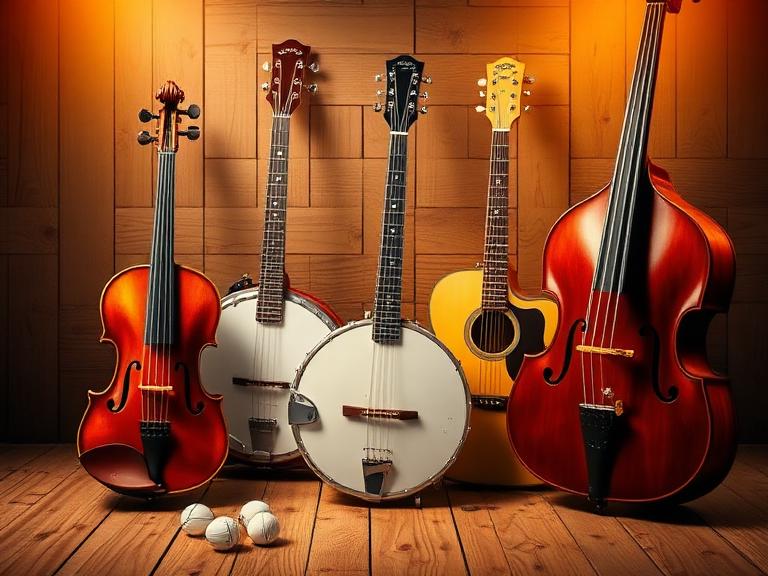
When Bill Monroe, widely recognized as the father of bluegrass, formalized the genre in the 1940s with his band, the Blue Grass Boys, he established the blueprint for the ensemble. The classic lineup consists of exactly five instruments. Understanding the specific responsibilities of these five instruments in bluegrass is essential for any aspiring acoustic musician.
2.1 The Acoustic Guitar

The steel-string acoustic guitar—specifically the large-bodied dreadnought model—is the rhythmic anchor among the instruments in bluegrass. While it frequently takes melodic solos (a style known as flatpicking), its primary job is to provide a relentless, driving rhythm. The guitarist typically plays the root note of the chord on the downbeat and strums the full chord on the offbeat.
Furthermore, the acoustic guitar is responsible for the famous G-run, a rapid, descending bass line that signals the end of a musical phrase or vocal line. The sheer volume and low-midrange projection of a high-quality acoustic dreadnought guitar are essential for holding the fast-paced tempo of traditional bluegrass standards together.
2.2 The Five-String Banjo

If the guitar is the anchor, the five-string banjo is the engine. The banjo is arguably the most recognizable of all the instruments in bluegrass. Unlike the tenor banjos used in early jazz, the bluegrass banjo utilizes a unique fifth string that acts as a high drone.
Popularized by the legendary Earl Scruggs, the three-finger picking style (Scruggs style) involves playing rapid, syncopated arpeggios called rolls. These rolls create a continuous, cascading wall of sound that gives bluegrass its distinctive, highly energetic drive. The banjo's sharp, metallic attack cuts through the acoustic mix effortlessly, making it the primary vehicle for high-speed melodic variations and instrumental breaks.
2.3 The Mandolin
The mandolin serves a dual purpose within the core instruments in bluegrass. With its eight strings (four pairs of double strings tuned in fifths), it has a brilliant, cutting tone. When taking a solo, the mandolin delivers rapid, articulate melodies characterized by intense tremolo picking.
However, its most vital role is rhythmic. Because a traditional bluegrass band lacks a snare drum, the mandolin fills that void. The mandolin player executes a technique known as the chop—playing closed-position chords heavily on the second and fourth beats of a 4/4 measure and immediately muting the strings. This creates a sharp, percussive thwack that mimics a snare drum, establishing the backbeat that drives the entire ensemble forward.
2.4 The Fiddle
The fiddle (which is physically identical to the classical violin but played with a vastly different stylistic approach) is the primary melodic voice among the instruments in bluegrass, alongside the vocals. It provides long, sustaining notes that contrast beautifully with the sharp decay of the banjo and mandolin.
Fiddle players in bluegrass rely heavily on double stops—playing two strings simultaneously to create a richer, harmonized sound. The fiddle weaves in and out of the vocal lines, providing fills, emotional resonance, and high-energy improvisational solos. It is the instrument most closely tied to the genre's Celtic and Appalachian folk roots.
2.5 The Upright Bass
The acoustic upright bass (or double bass) provides the critical low-end foundation. It is the largest of the instruments in bluegrass and acts as the ensemble's metronome. The bass player typically plucks the root and fifth notes of the chord on the first and third beats of the measure.
This steadfast, unyielding rhythm is what allows the banjo and mandolin to experiment with complex syncopation without the song falling apart. While bass solos do occur, they are relatively rare in traditional settings. The upright bass is the heartbeat of the music, providing the deep, resonant thump that grounds the high-frequency acoustic chaos occurring above it.
3. Progressive Acoustic Music: Expanding the Tradition
While purists maintain that the aforementioned five are the only true instruments in bluegrass, the genre has evolved significantly over the decades. The introduction of the Dobro (a resonator guitar played with a slide) added a distinct, crying blues element to the music, leading many to consider it the unofficial sixth instrument. Today, Newgrass and progressive acoustic fusion bands are constantly pushing the boundaries of the traditional lineup.
These modern ensembles seek new tonal textures to layer beneath the rapid-fire picking of the classic strings. While drum kits are still largely avoided, acoustic musicians are increasingly turning to melodic percussion to add depth, earthy resonance, and a unique flavor to their soundscapes.
4. Integrating Cosmos Handpan into Acoustic Fusion

From our experience at Cosmos Handpan, we recognize that the acoustic principles governing the instruments in bluegrass—resonance, dynamic control, and unamplified projection—are the exact same principles that govern our high-quality handpans. When looking beyond the most common marching band instruments or traditional string setups to add unique flavor to a halftime show, a progressive acoustic jam, or a world-music fusion stage, we highly recommend integrating a handpan.
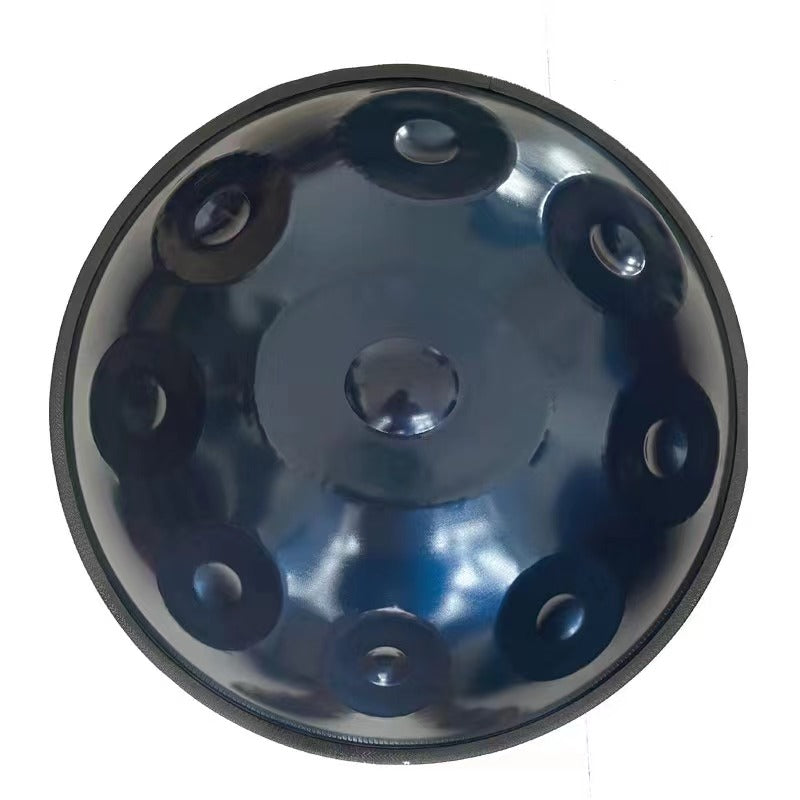
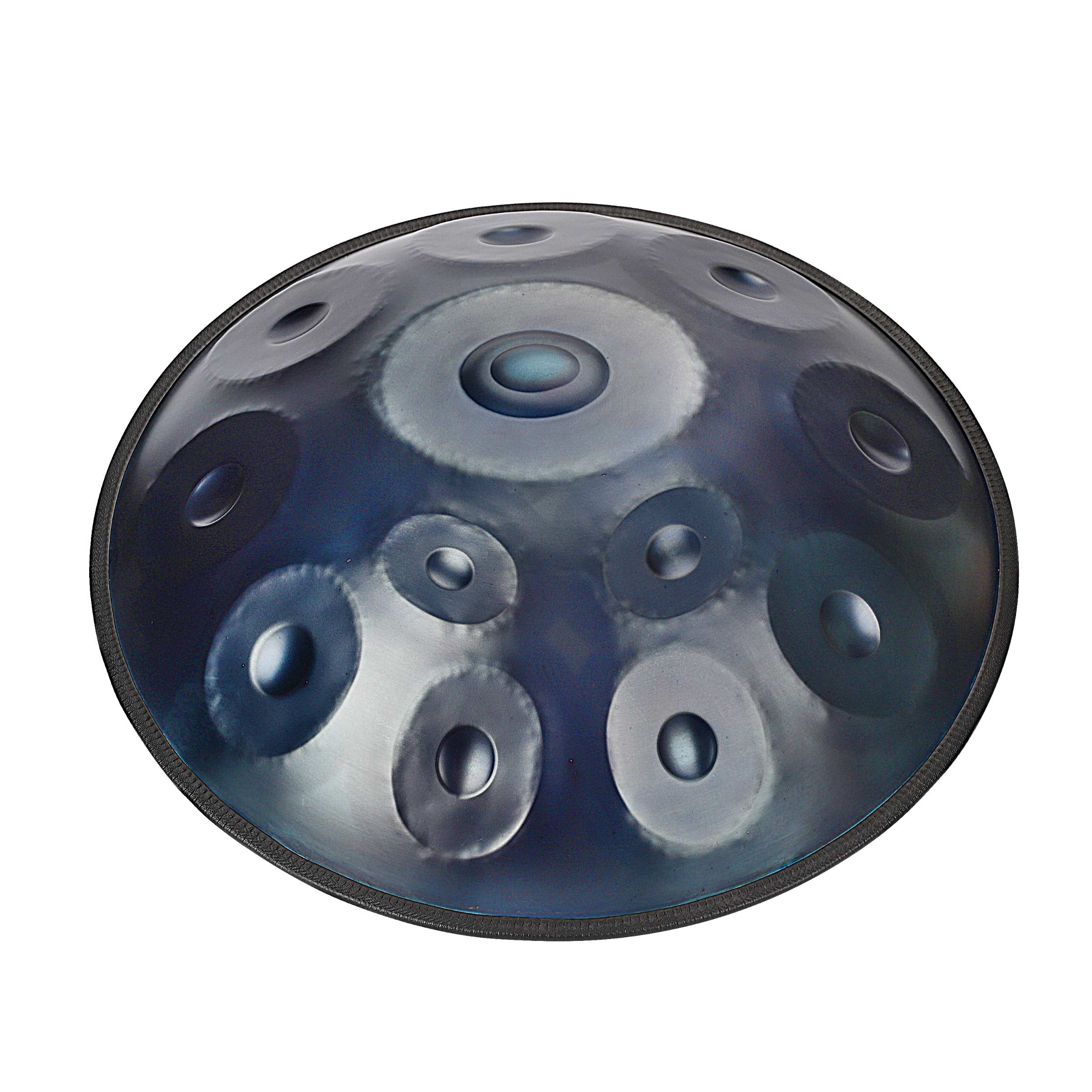
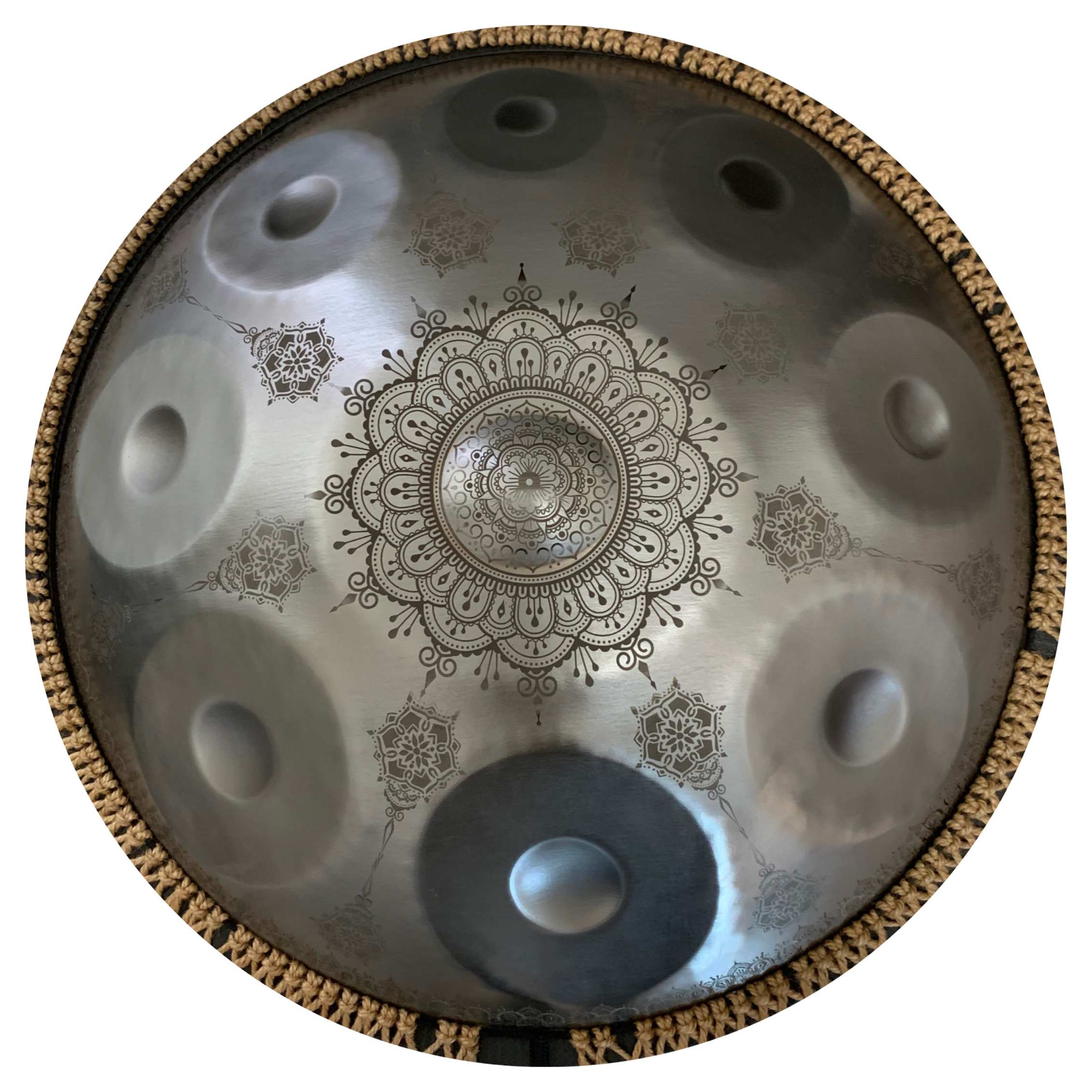
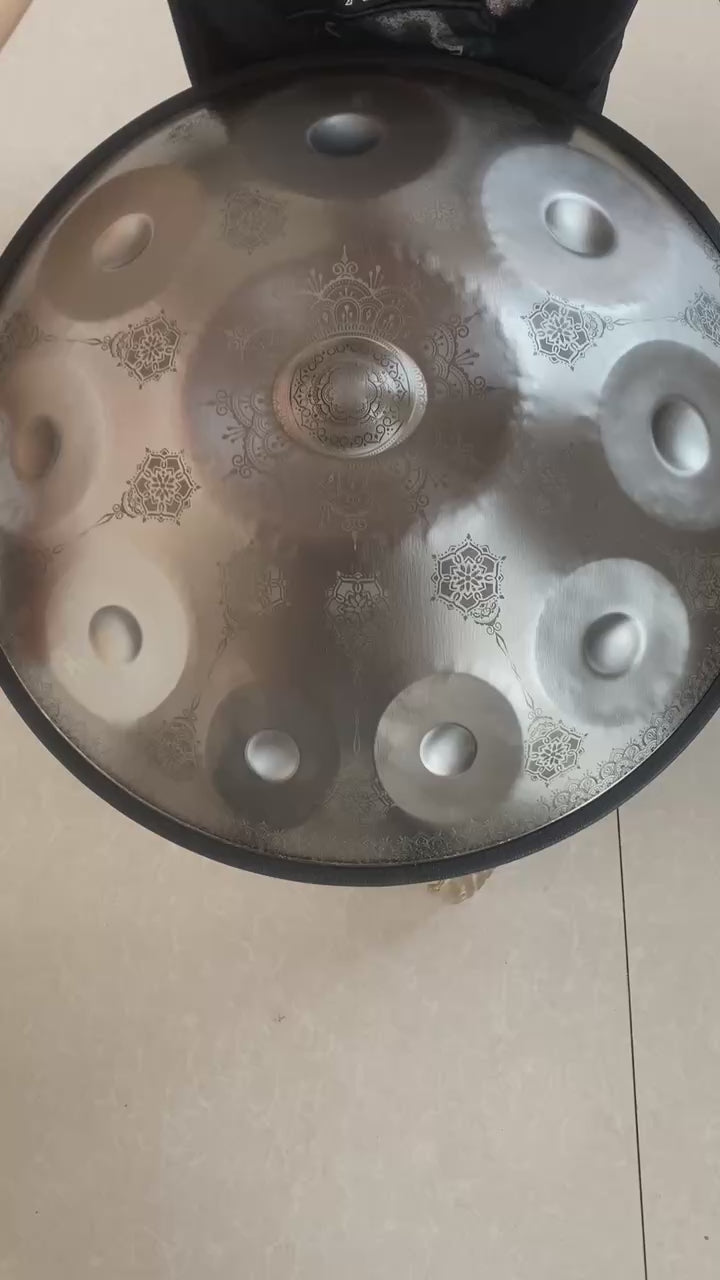
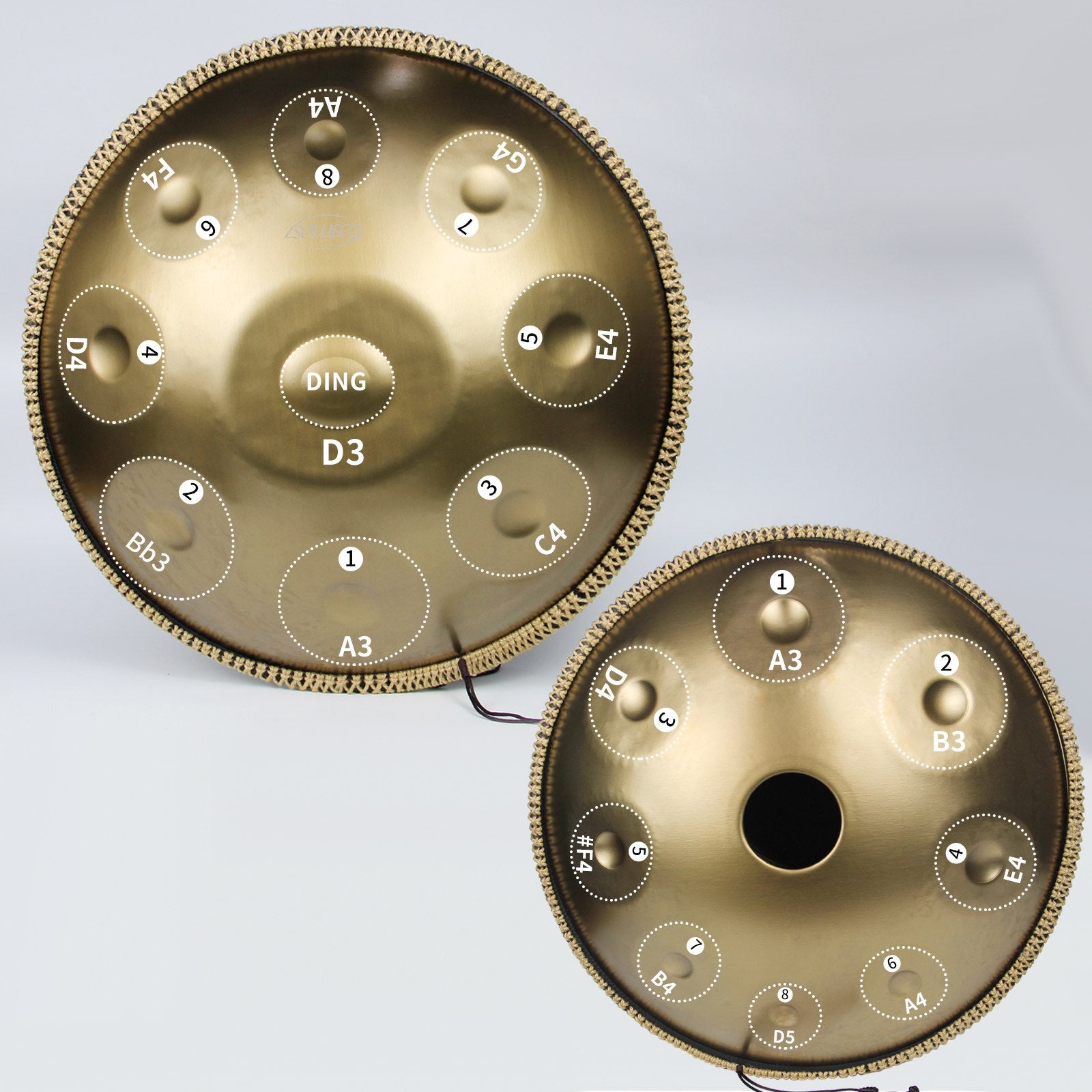
Unlike a standard drum, a handpan is a melodic percussive instrument. It provides a haunting, ethereal sustain that can mimic the drone of a fiddle while simultaneously offering a rhythmic tap that complements the mandolin's chop. To match the specific needs of different musicians, we recommend the following from our catalog:
- 9 Notes Handpan: Perfect for focused, melodic exploration and beginner-friendly performance.
- 10 Notes Handpan: Balanced standard for modern players seeking a versatile instrument.
- 12 Notes Handpan: Expanded range for complex compositions and intermediate musicians.
- 17 Notes Handpan: Ultimate professional instrument with an extended scale for advanced compositions.
- Handpan for Beginners: Specially tuned for ease of play and rapid learning.
-
Handpan Drum Instrument: General-purpose high-quality options for various music styles.
5. Summary Table: Roles of the instruments in bluegrass
To provide a clear understanding of how the traditional acoustic ensemble functions, we have compiled a summary table detailing the specific roles of the five core instruments in bluegrass.
| Instrument | Primary Role | Key Technique | Sonic Contribution |
|---|---|---|---|
| Acoustic Guitar | Rhythm and Bass Runs | Flatpicking, G-Runs | Low-midrange foundation, driving rhythm. |
| Five-String Banjo | Drive and Melody | Scruggs Style (Rolls) | Bright, metallic attack, syncopated energy. |
| Mandolin | Rhythm and Solos | The Chop, Tremolo | Acts as the acoustic snare drum (backbeat). |
| Fiddle | Sustain and Lead Melody | Bowing, Double Stops | Smooth, sustaining highs, fills vocal gaps. |
| Upright Bass | Rhythmic Foundation | Plucking on beats 1 & 3 | Deep sub-frequencies, the metronome of the band. |
6. Frequently Asked Questions (FAQs)
Why are there no drums in traditional bluegrass bands?
In traditional settings, the roles of a drum kit are fulfilled by the stringed instruments in bluegrass. The upright bass provides the kick drum sound on beats 1 and 3, while the mandolin provides the snare drum sound (the chop) on beats 2 and 4. This creates a complete rhythm section without the need for external percussion.
Is the Dobro considered one of the core instruments in bluegrass?
The core foundation established by Bill Monroe includes only five instruments. However, the Dobro (resonator guitar) was introduced shortly after and has become so ubiquitous in modern bluegrass that it is widely considered the unofficial sixth member of the traditional lineup, prized for its sliding, vocal-like qualities.
How does a handpan fit into acoustic music genres like bluegrass?
While not traditional, the acoustic nature of a handpan makes it an excellent addition to progressive acoustic or "Newgrass" ensembles. Instruments like our 10 Notes Handpan or 12 Notes Handpan offer melodic, resonant percussion that blends naturally with acoustic guitars and upright basses without overpowering them like a standard drum kit would.
Do the instruments in bluegrass require amplification?
Historically, no. The instruments in bluegrass were chosen and engineered specifically for their loud acoustic volume so they could be heard at square dances and over single-microphone radio broadcasts. Today, while bands often use centralized condenser microphones for large venues, the instruments themselves remain purely acoustic.
7. Industry References
To further explore the rich history, acoustic engineering, and evolving techniques surrounding the primary instruments in bluegrass, we recommend consulting the following authoritative organizations: