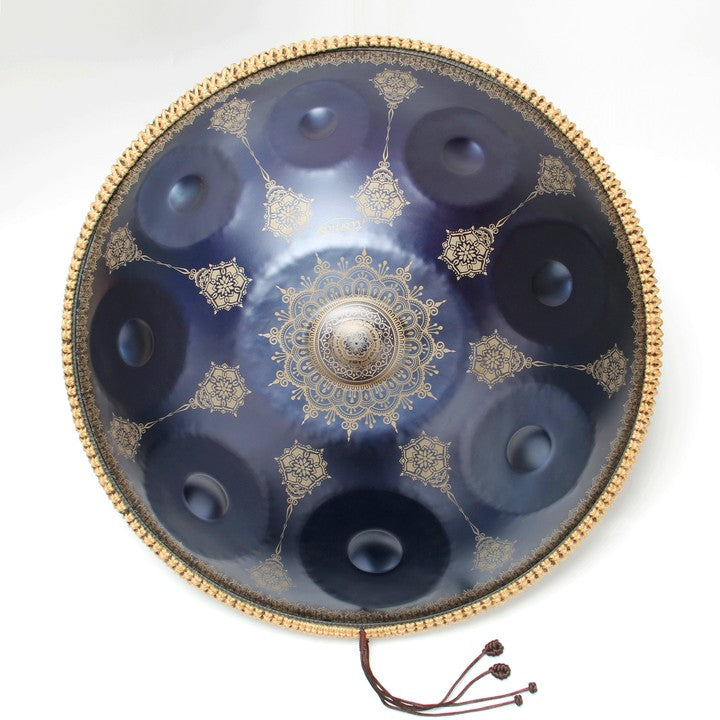

When you first strike the resonant steel of a handpan, the immediate impulse is to play it like a traditional percussion instrument—tapping out linear rhythms one note at a time. However, to truly unlock the celestial, spatial soundscapes this instrument is capable of, you must transition from treating it as a drum to treating it as a harmonic canvas. Mastering handpan notes chords is the critical evolutionary step between amateur tapping and professional, emotive composition.

From our experience building and tuning premium steel instruments at Cosmos Handpan in Colorado, we consistently observe that the players who command the highest engagement are those who understand sympathetic resonance. Unlike a piano, where every chromatic key is available, the handpan is a fixed-scale instrument. This constraint is actually a blessing; it forces you to find specific, highly resonant dyads (two notes) and triads (three notes) that work within your specific scale. In this comprehensive, opinionated guide, we will break down the exact physics of hitting multiple tone fields simultaneously, identify the 6 most reliable chords, and provide you with the commercial and practical judgment needed to select an instrument capable of rich harmonic expression.
Quick Answer: How Do You Play Chords on a Handpan?
Because most handpans feature a fixed diatonic or pentatonic scale, playing traditional piano triads can be difficult. Instead, handpan notes chords are primarily played as dyads (two simultaneous notes). The most reliable and commonly used chord on any handpan is the Power Chord (Root + Fifth), usually achieved by striking the central Ding alongside the fifth scale degree on the tone circle. Other essential combinations include the Minor Third, Major Third, Octave Stack, Sus4, and the Sixth transition. Mastering these combinations creates a rich, sustained soundscape without causing muddy harmonic dissonance.
Table of Contents
- What Are Handpan Notes Chords?
- How Harmonic Resonance Works in Steel
- The Benefits of Chordal Playing
- Acoustic Limitations to Consider
- Who Should Use Chords (And Who Does Not Need To)
- The 6 Commonly Used Handpan Notes Chords
- Common Mistakes Players Make
- Comparison Table: Scale Types for Chords
- Pros vs Cons: Single Notes vs Chords
- Buying Considerations for Harmonic Players
- Expert Recommendation from Cosmos Handpan
- The Bottom Line
- Frequently Asked Questions
What Are Handpan Notes Chords?
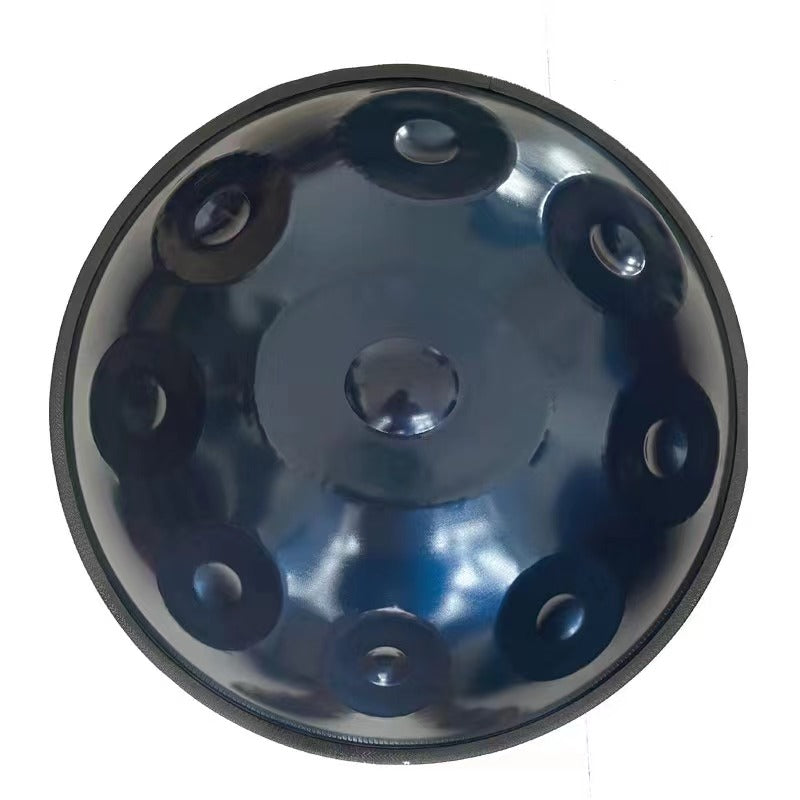
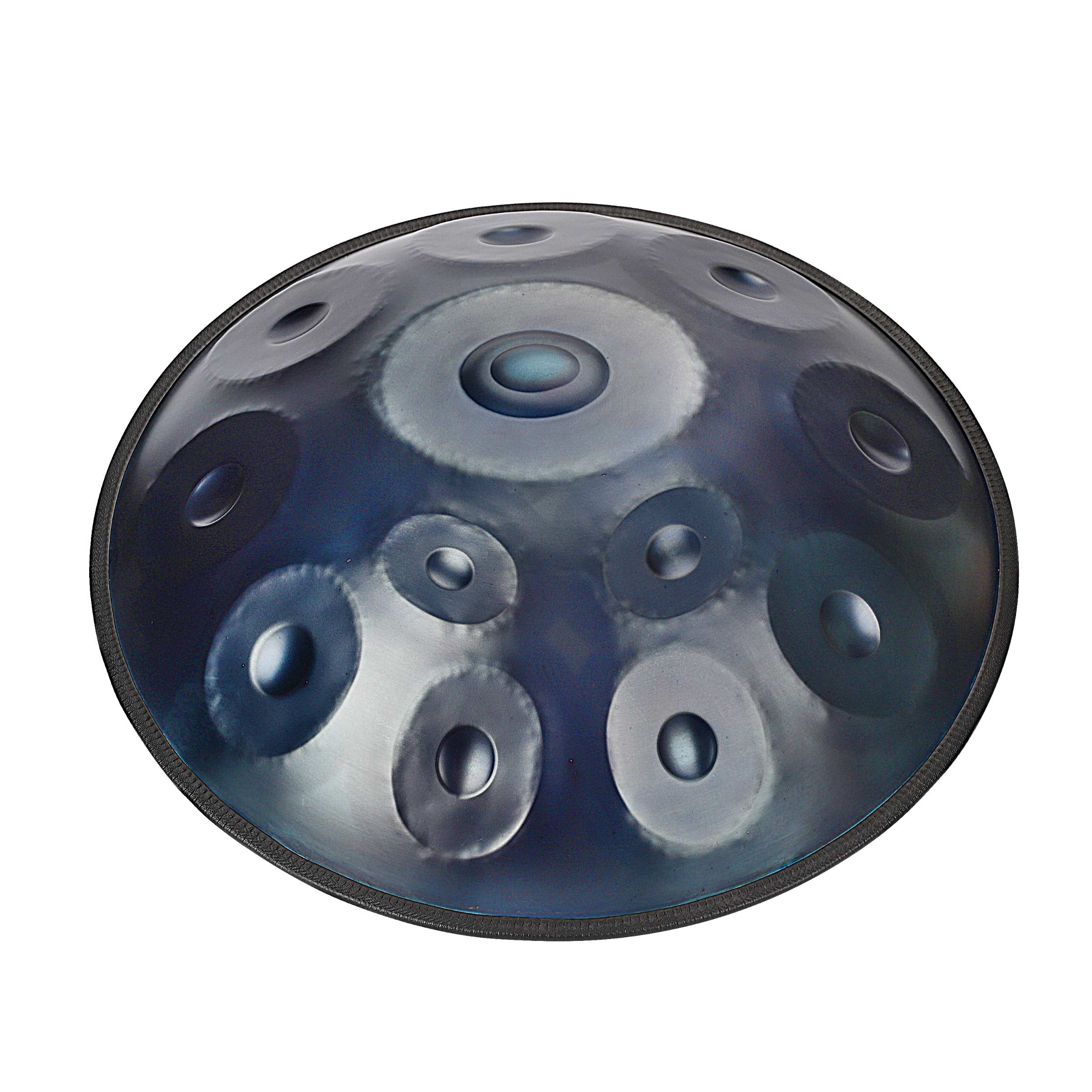
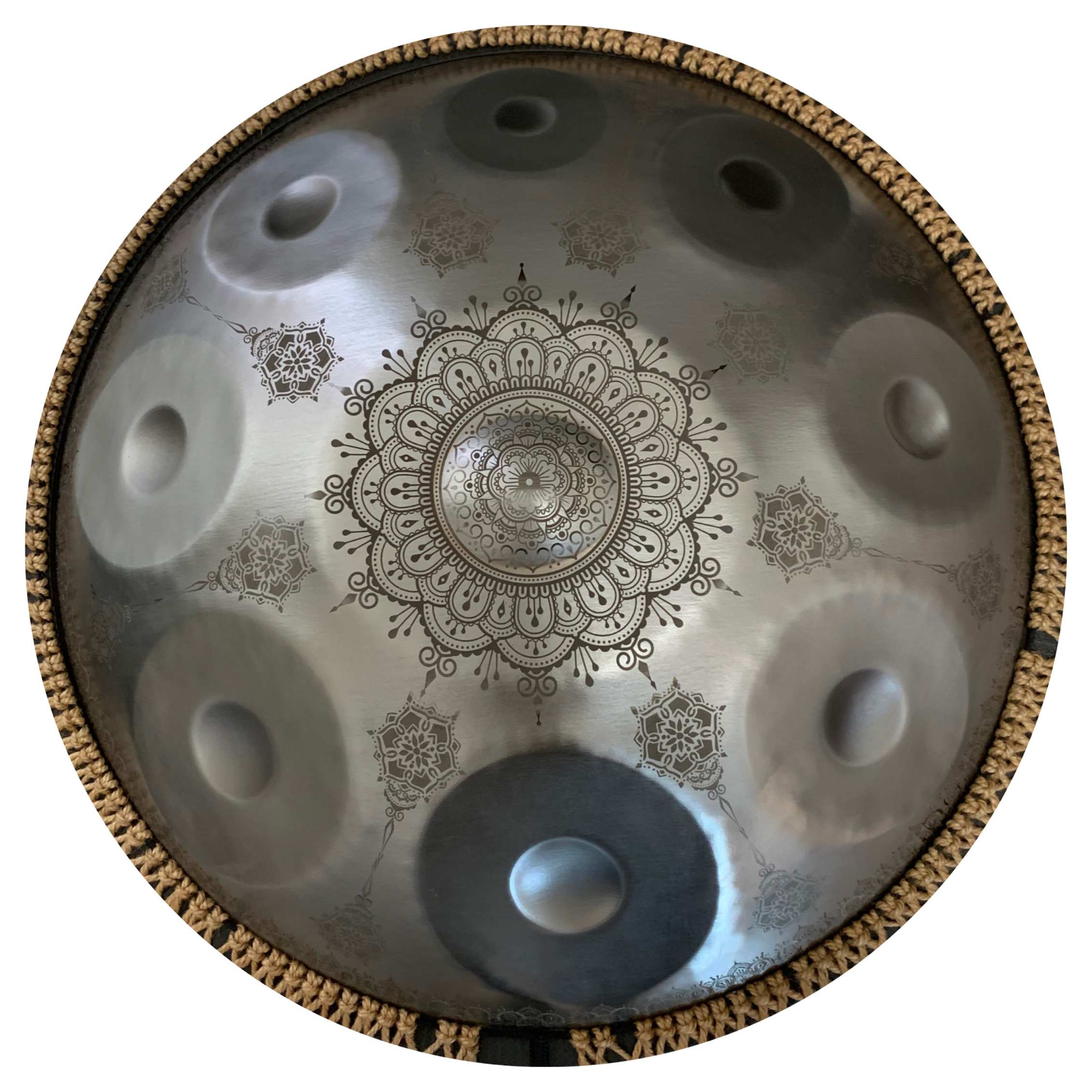
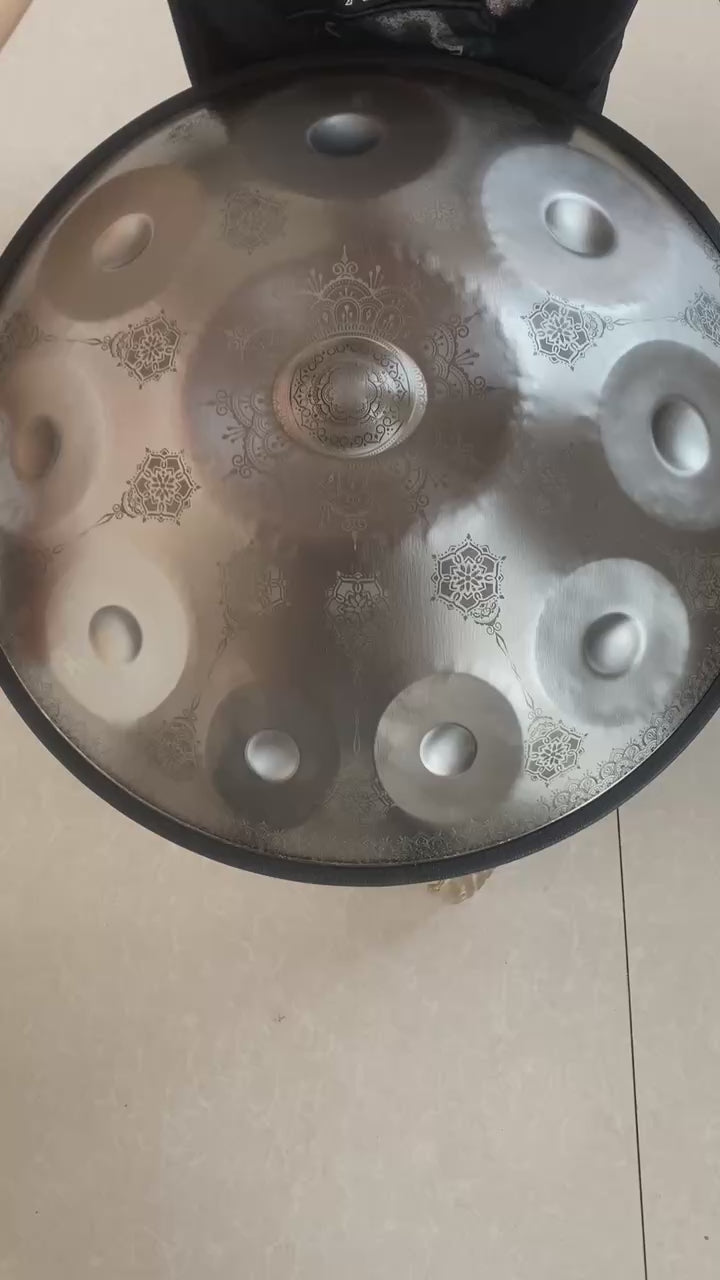
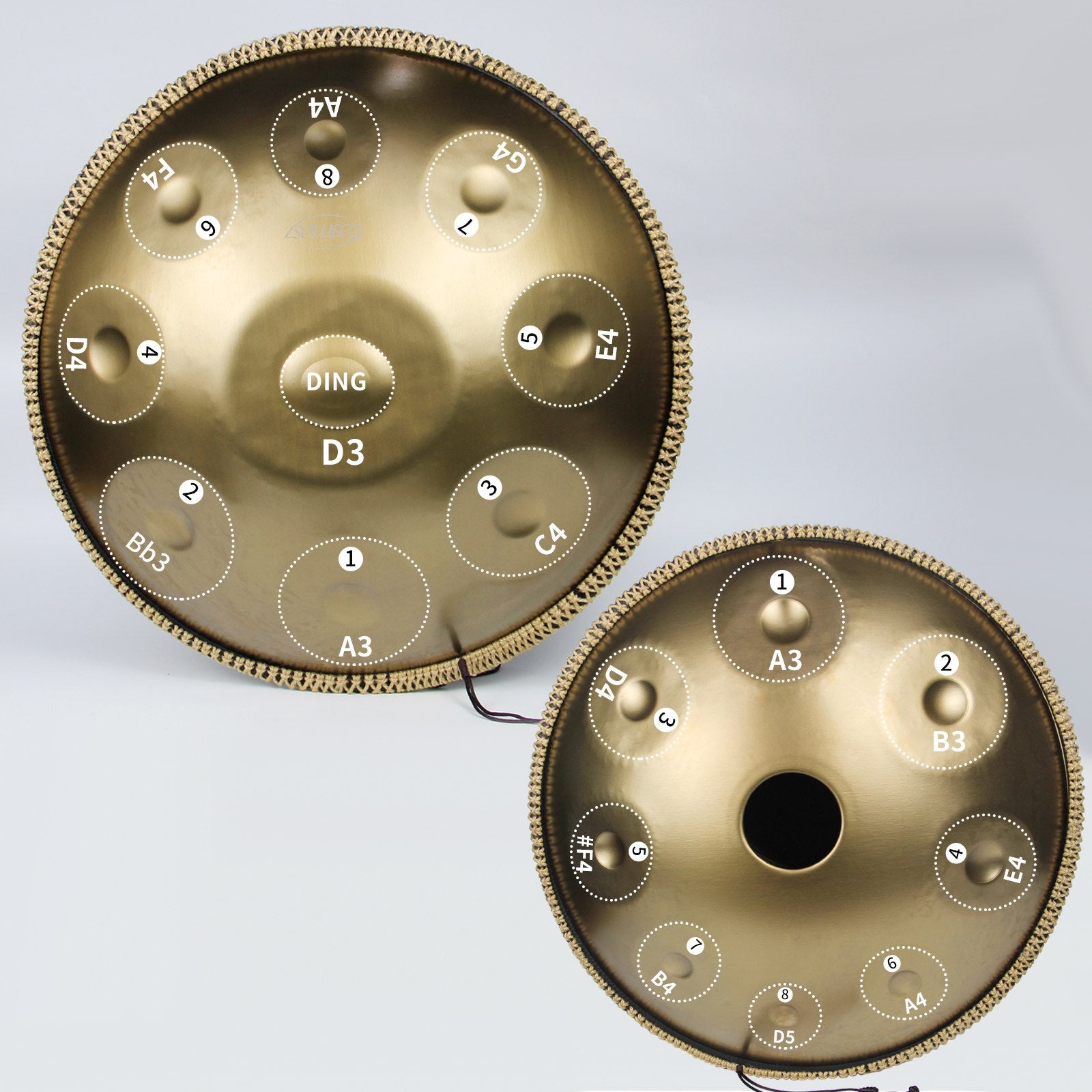
In traditional music theory, a chord is three or more notes played simultaneously. However, in the world of fixed-scale steel instruments, the definition is adapted. Handpan notes chords generally refer to striking two (a dyad) or three (a triad) tone fields at the exact same moment. Because the instrument is tuned to a specific mode—such as D Kurd or C# Minor—the notes available to you are pre-selected. You cannot play a C Major chord if your pan does not have a C, E, and G.
Therefore, understanding your specific handpan notes chart is an absolute prerequisite. When you strike multiple notes, you are activating multiple Helmholtz resonators within the hollow steel chamber. If the notes complement each other mathematically (like a perfect fifth), the resulting sound is expansive and soaring. If they conflict (like a minor second), the resulting sound is a muddy, wobbling dissonance that fatigues the listener's ear.
How Harmonic Resonance Works in Steel
To understand why certain handpan notes chords work and others fail, you must understand how we tune the steel. At Cosmos Handpan, we do not just tune the fundamental pitch of a tone field. A high-quality handpan tone field contains three tuned frequencies: the fundamental tone (the main note), the octave (the note an octave higher), and the compound fifth.
When you strike two tone fields at once, you are actually unleashing six distinct frequencies into the steel shell. This is called sympathetic resonance. If you strike the central Ding and a note that is musically related to it, the frequencies reinforce each other, creating a sound that sustains significantly longer than a single note. In our testing, attempting to play a complex jazz chord (four or more notes) on a standard 9-note pan almost always results in phase cancellation—the steel becomes "confused" by the competing frequencies, and the sustain is choked out immediately.
The 6 Commonly Used Handpan Notes Chords
Based on the standard architecture of most modern handpans (typically a central Ding surrounded by 7 to 9 tone fields), these are the six most effective, commercially viable, and musically pleasing chords you can deploy.
1. The Power Chord (Root + Fifth)
This is the undisputed king of handpan notes chords. In music theory, a power chord is simply the root note and the fifth note of the scale. It contains no major or minor third, making it incredibly open, versatile, and resonant. You play this by striking the central Ding (the Root) and the tone field corresponding to the perfect fifth. It creates a massive, grounding drone that serves as the perfect foundation for ambient compositions.
2. The Minor Third (Root + Minor 3rd)
If you own a minor scale handpan (like the highly popular D Kurd or Celtic Minor), striking the root note alongside the minor third creates an instantly recognizable, melancholy, and deeply emotional texture. This dyad is highly utilized in sound healing and cinematic scoring because it establishes the "sad" or "reflective" mood of the scale immediately.
3. The Major Third (Root + Major 3rd)
Conversely, if you are playing a major scale instrument (like a D Major or Sabye scale), striking the root and the major third produces a bright, uplifting, and triumphant sound. We highly recommend utilizing this chord during the climax of a performance to instantly shift the emotional energy of the room.
4. The Octave Stack (Low Note + High Note of Same Pitch)
Most standard handpans include at least one octave duplication (for example, a low A on the bottom of the tone circle and a high A on the top). Striking both simultaneously does not change the harmonic structure, but it drastically thickens the sound. In most professional situations, players use the Octave Stack to emphasize the downbeat of a new musical phrase.
5. The Suspended Fourth (Root + Fourth)
The Sus4 chord is characterized by a feeling of unresolved tension. It sounds like it "wants" to move somewhere else. By playing the root and the fourth degree of your scale simultaneously, you create a momentary suspension in the music. We recommend using this chord right before transitioning back to the Power Chord to give your composition a sense of forward momentum.
6. The Sixth Transition (Root + Major/Minor Sixth)
The sixth interval is dreamy and slightly unstable. Striking the root and the sixth tone field is widely used by advanced players to bridge two different sections of a song. It implies a chord progression even when you are playing a fixed-scale instrument, tricking the listener's ear into hearing complex harmonic movement.
The Benefits of Chordal Playing
If you only play single notes, your music will inevitably sound like a monophonic melody—similar to someone whistling a tune. By integrating handpan notes chords, you instantly elevate your playing to polyphony. This means you can provide your own bassline, rhythm, and melody simultaneously. For commercial users recording studio tracks or professionals busking in city centers, chordal playing is mandatory because it creates a "wall of sound" that fills acoustic spaces without requiring backing tracks or additional musicians.
Acoustic Limitations to Consider
You cannot play a handpan like a piano. The primary limitation of playing handpan notes chords is the physical layout of the instrument. Sometimes, the two notes you want to strike simultaneously are located on the exact same side of the tone circle, making it physically awkward for your hands to reach them cleanly at the same time. Furthermore, for heavy-duty applications like playing rapidly at 120 BPM, striking heavy block chords can cause the steel to ring out of control, resulting in a muddy, chaotic soundscape if you do not master hand-dampening techniques.
Who Should Use Chords (And Who Does Not Need To)
For intermediate to advanced players: If you have already mastered your understanding handpan notes and have a clean, percussive touch, you must begin incorporating dyads and triads. It is the only way to compose full, standalone musical pieces.
For beginners: If you have just purchased your first instrument, do not worry about chords yet. Focus entirely on your striking technique. If you attempt to hit multiple notes before learning how to pull your fingers off the steel rapidly, you will simply produce a dull "thwack." If you are still evaluating your first purchase, consult our guide on the best handpan for beginners to ensure you buy a scale that is forgiving to learn on.
Common Mistakes Players Make
The most egregious mistake we see is the "heavy hand." When players try to hit two notes at once, they tend to strike the steel much harder than they would a single note. This overwhelms the metal, causes the notes to bend out of tune momentarily, and kills the sympathetic resonance. You must strike chords with the exact same light, fleeting touch as a single note.
Another common error is ignoring scale limitations. A player might randomly strike three notes hoping for a beautiful triad, but accidentally hit a tritone (an incredibly dissonant interval). You must memorize your scale degrees. If you are struggling, reviewing the offerings from the best handpan brands often reveals that premium makers provide scale maps specifically to help you avoid these dissonant clusters.
Comparison Table: Scale Types for Chords
| Scale Type | Chordal Potential | Vibe / Mood | Best Used For |
|---|---|---|---|
| Diatonic (Major/Minor) | High. Contains 3rds, 4ths, and 5ths. | Highly emotional, cinematic. | Complex compositions and studio recording. |
| Pentatonic | Moderate. Lacks half-steps. | Open, Asian-inspired, resolving. | Intuitive, meditative playing. Impossible to play wrong notes. |
| Hexatonic | High. Offers unique tension chords. | Mysterious, bluesy, or suspended. | Advanced players looking for unique harmonic voicing. |
Pros vs Cons: Single Notes vs Chords
| Playing Style | Pros | Cons |
|---|---|---|
| Single Note (Melodic) | Clean, distinct sound; easier to play fast rhythms; highly percussive. | Can sound thin or empty without accompaniment; lacks harmonic depth. |
| Chordal (Harmonic) | Massive, rich soundscapes; fills acoustic space; emotionally powerful. | Risk of muddy phase cancellation; requires precise dual-hand coordination. |
Buying Considerations for Harmonic Players
If your ultimate goal is to play lush, complex chords, you must buy an instrument designed for it. A standard 8-note or 9-note handpan severely limits your chordal options. We recommend evaluating "mutant" handpans—instruments that feature bottom notes (bottom shell tone fields). A 12-note or 15-note handpan gives you the extended bass notes required to play inverted chords and complex triads.
However, more notes mean a higher manufacturing cost. If you are budgeting for a harmonic-heavy instrument, you should review a verified handpan price guide. Do not settle for ultra-cheap, mass-produced pans from unverified sources. If the fundamental, octave, and compound fifth are not tuned in perfect alignment by a master maker, your chords will sound horribly out of tune. While there are cheap handpan options available for rhythmic practice, harmonic chordal playing requires precision tuning.
Expert Recommendation
The Cosmos Handpan Perspective

In the heart of Colorado, USA, Cosmos Handpan shines as a guiding light of musical innovation and soulful resonance. We have more than a decade of expertise in creating handpans and tongue drums. Passion, precision, and an unwavering pursuit of musical excellence steep our musical journey.
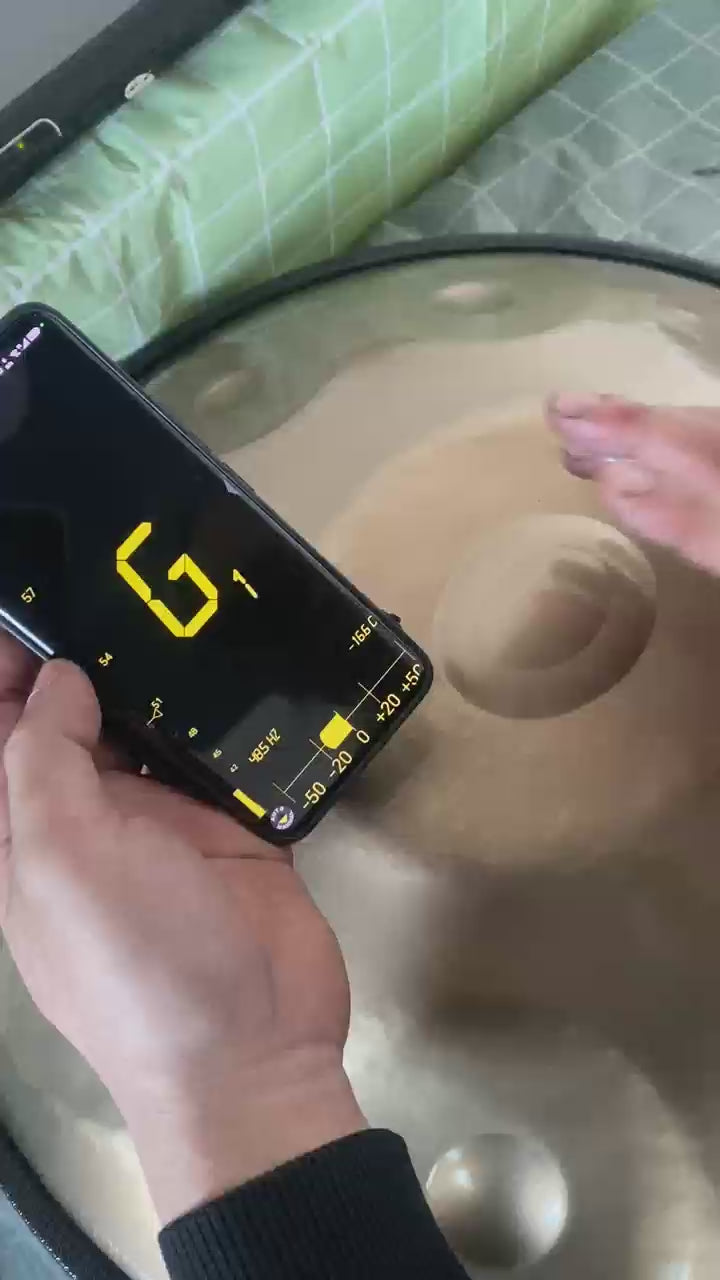
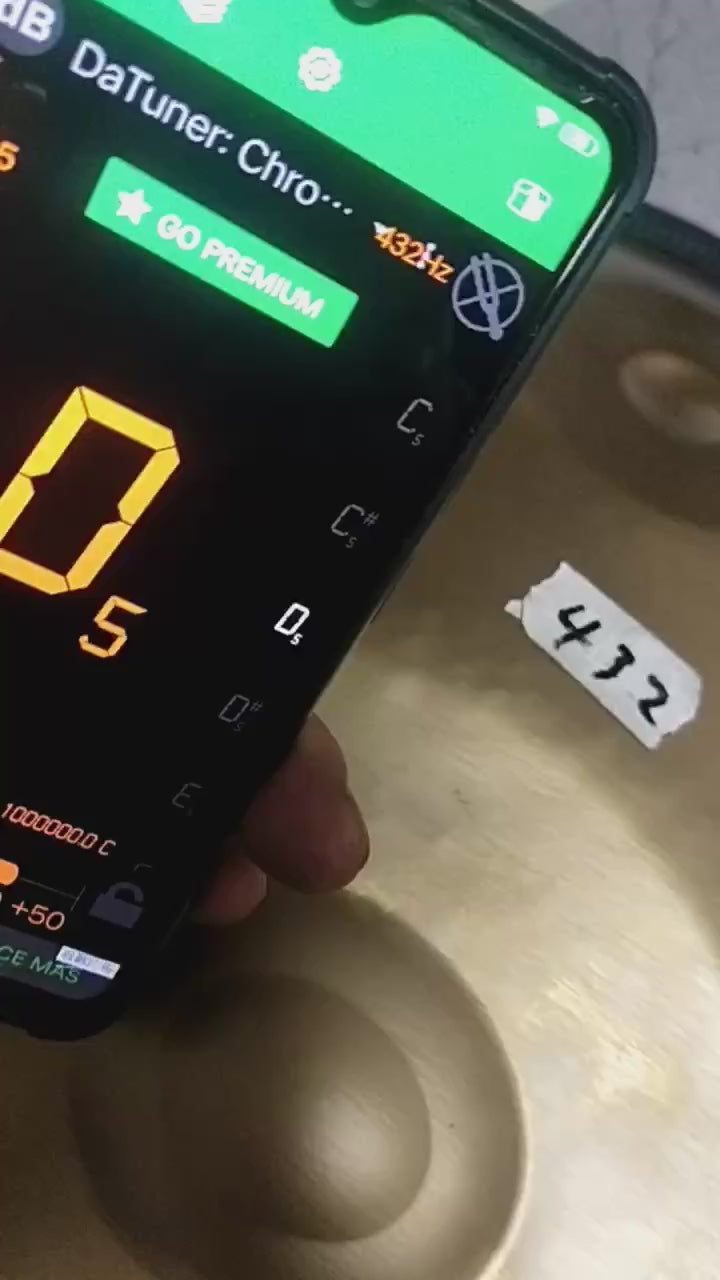
Forging Cosmos Connections: Cosmos’ story begins with a shared love for music and a profound desire to create instruments that transcend sound. Our crafters pour their heart into each handpan and tongue drum with intricate workmanship and dedication. When building an instrument, we meticulously align the partial frequencies on every single tone field. We recommend that any player serious about mastering handpan notes chords heavily scrutinize the tuning stability of their instrument. If you are wondering how much does a handpan cost that can actually hold a chord without warbling, you must prioritize bespoke craftsmanship over mass production. Our artisans infuse each instrument with ethereal melodies that stir the senses and uplift the spirit.
The Bottom Line
Playing handpan notes chords is the definitive threshold that separates a casual percussionist from a true harmonic composer. By mastering the Power Chord, the emotional thirds, and the suspended transition chords, you unlock the full architectural capability of the steel. Remember that this is a game of physics: strike lightly, respect the sympathetic resonance of your specific scale, and ensure your instrument is tuned with absolute precision. We highly suggest utilizing a comprehensive handpan buying guide to secure an instrument capable of handling the complex frequencies you are about to unleash.
Frequently Asked Questions
Can I play standard piano chords on a handpan?
Usually, no. Standard piano chords (like a C Major triad containing C, E, and G) can only be played if your handpan's specific fixed scale contains all three of those exact notes. Most handpan players rely on dyads (two notes) rather than full triads to avoid the acoustic muddiness caused by too many frequencies bouncing inside the steel chamber.
Why do my handpan chords sound muddy or out of tune?
Muddy chords are typically caused by three things: 1) Striking the steel too hard, which bends the pitch; 2) Playing two notes that are mathematically dissonant (like a minor second interval); or 3) Playing a poorly tuned instrument where the overtone frequencies (the octave and compound fifth) are misaligned, causing phase cancellation.
How many notes do I need on a handpan to play good chords?
While you can play basic root-fifth power chords on a standard 8 or 9-note handpan, serious harmonic players usually prefer instruments with 10 to 15 notes (often utilizing bottom notes). This extended range provides the necessary bass and treble notes to construct complex, inverted chords.
Authoritative Industry References
- Acoustical Society of America (ASA) - For research regarding the non-linear physics and acoustic impedance of tuned steel shells.
- Percussive Arts Society (PAS) - For standards in idiophone performance techniques and percussive harmonic theory.
- Music Teachers National Association (MTNA) - For foundational guidelines on chord progressions, dyads, and diatonic scale theory.