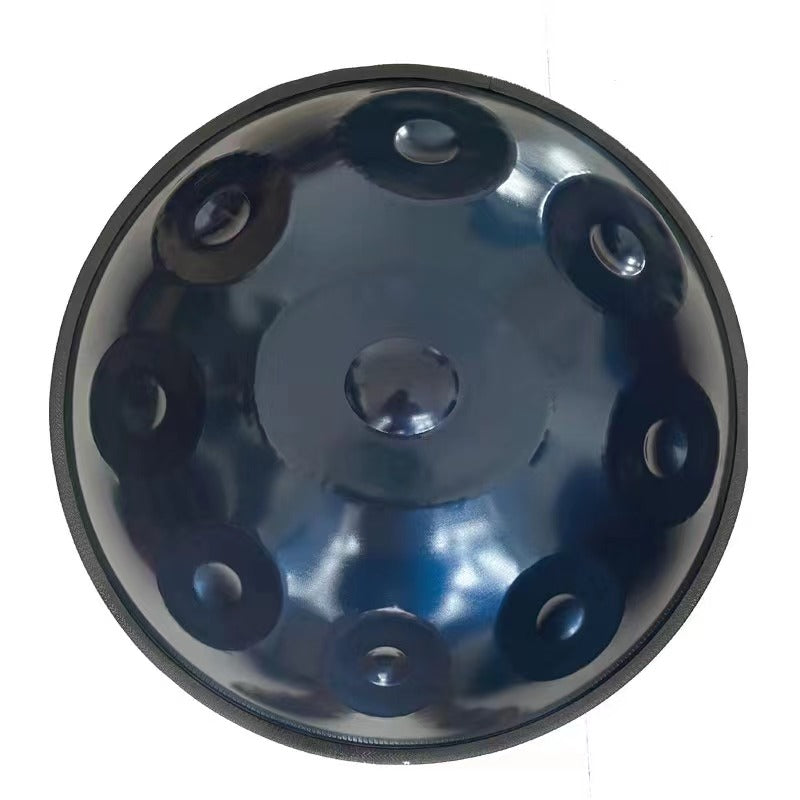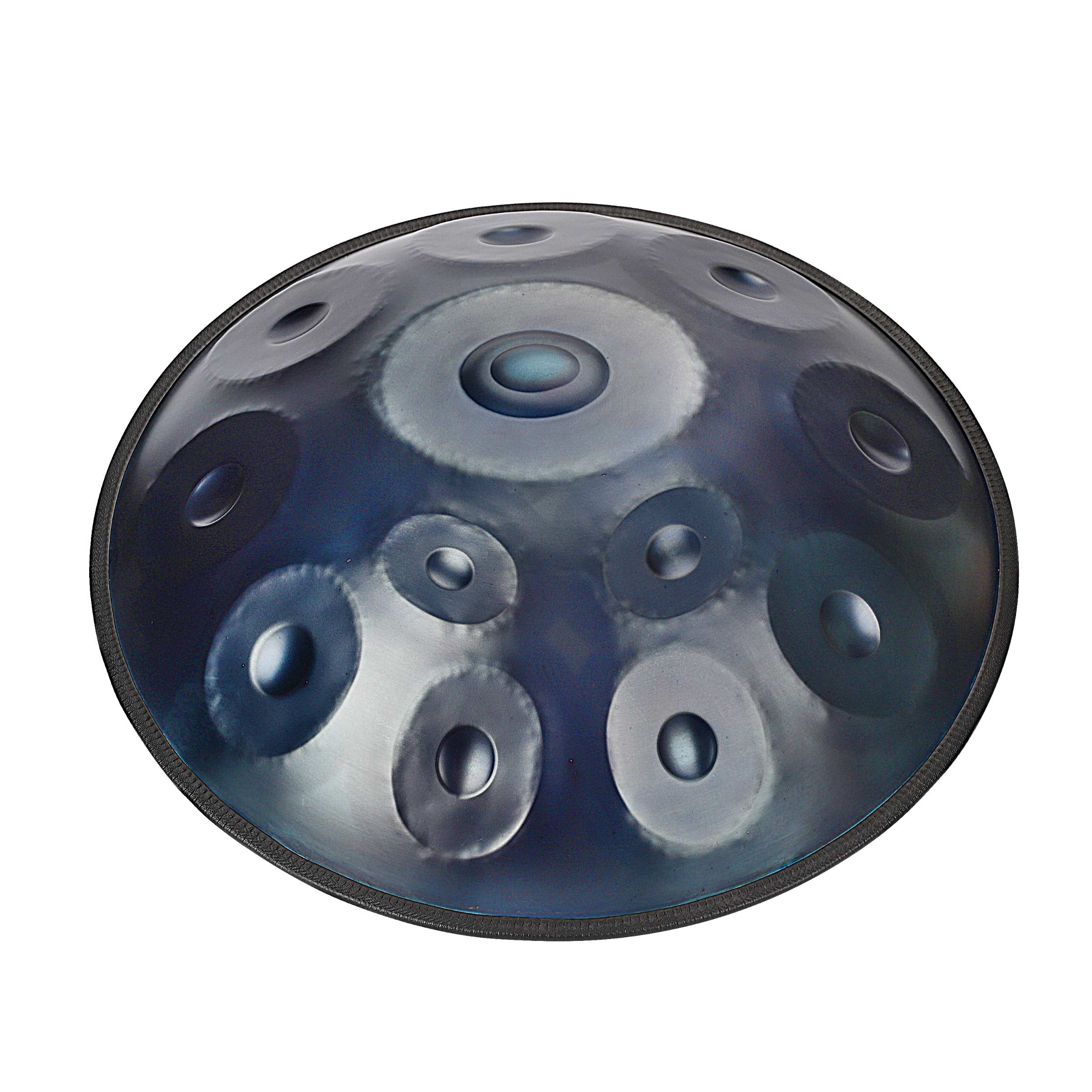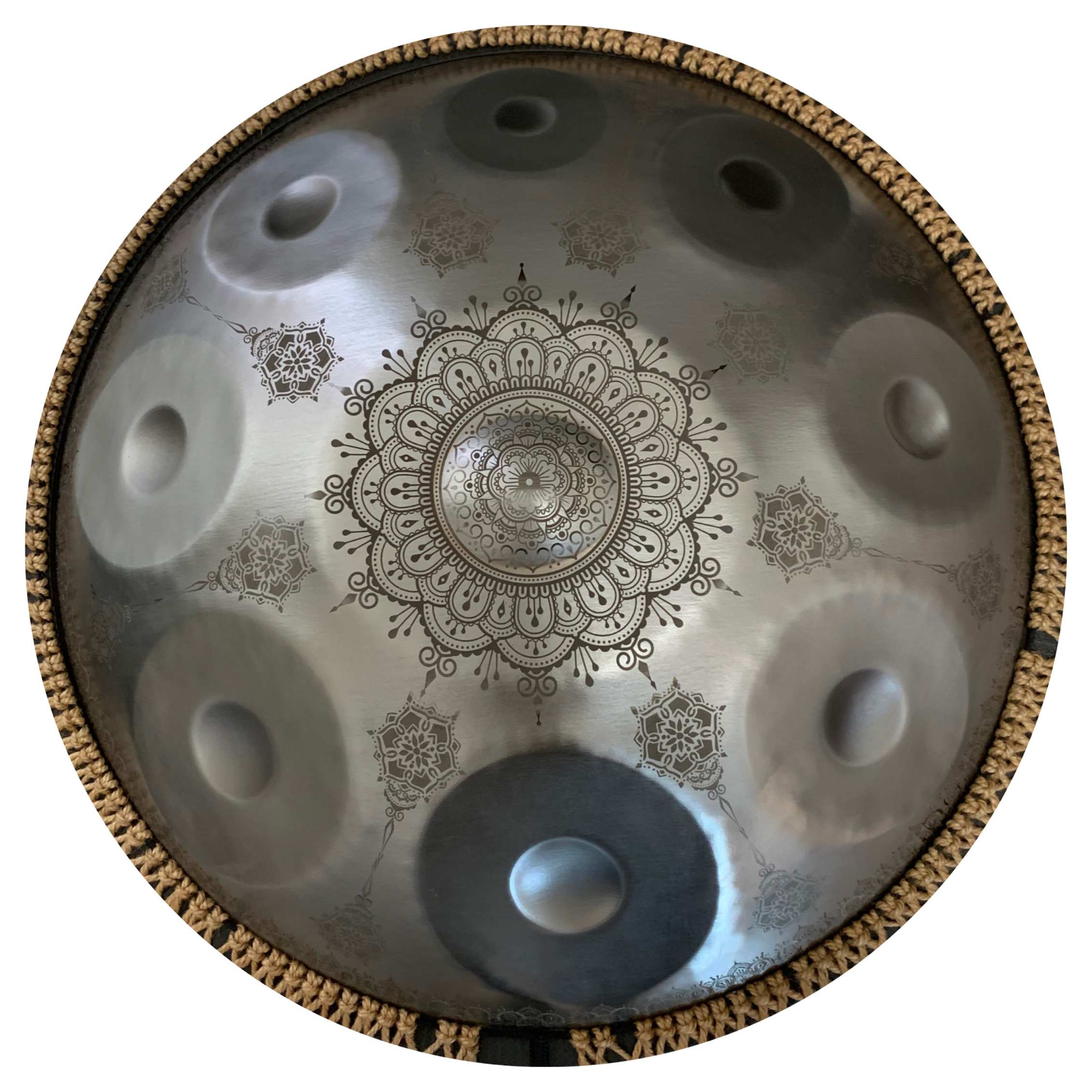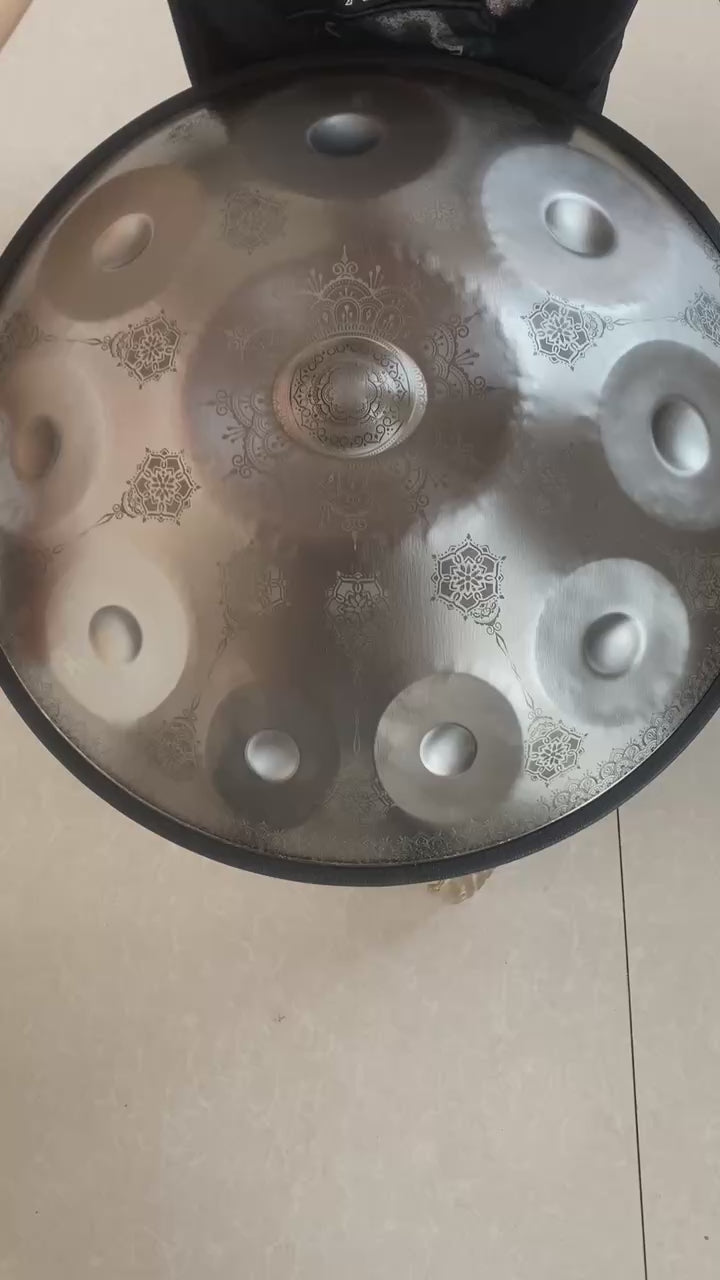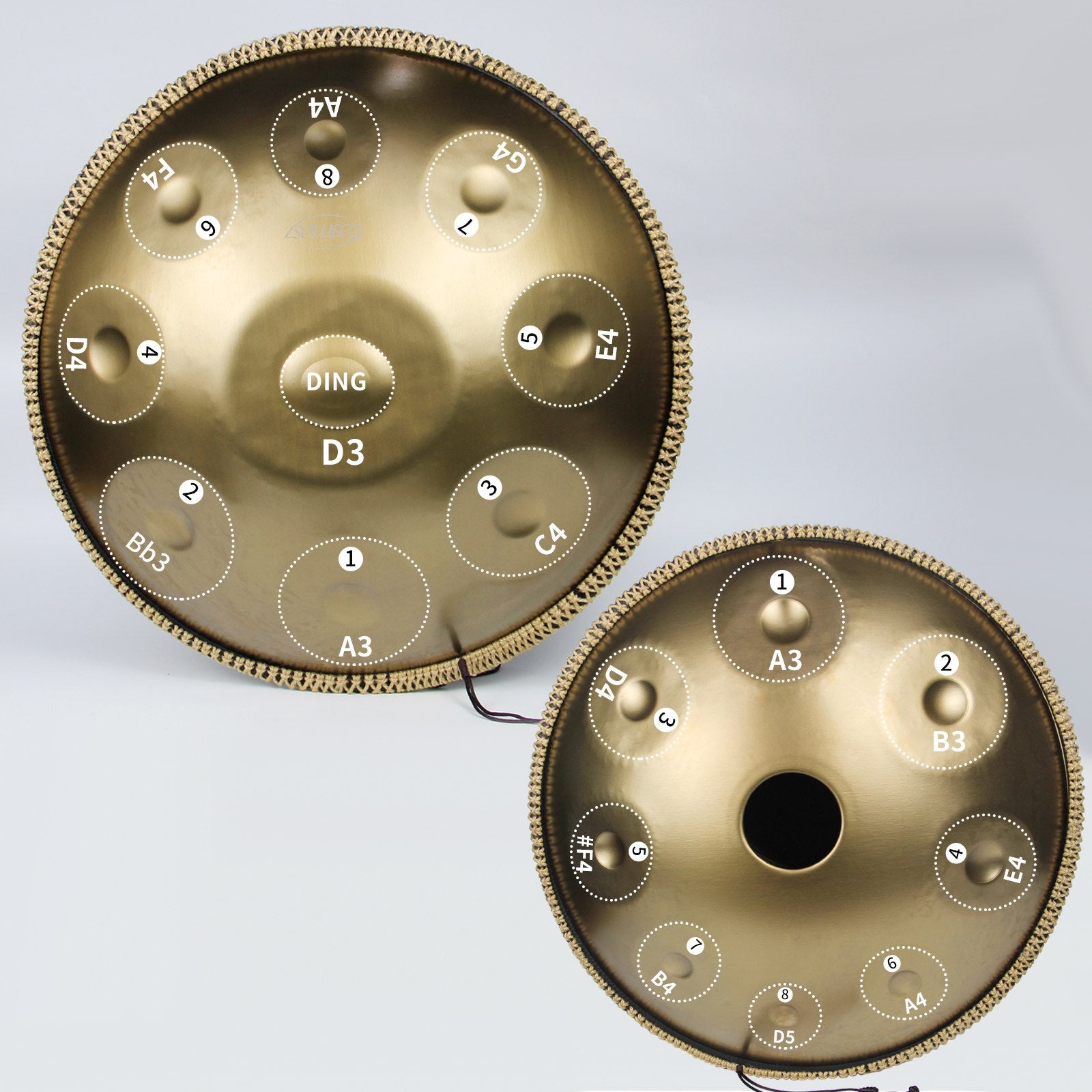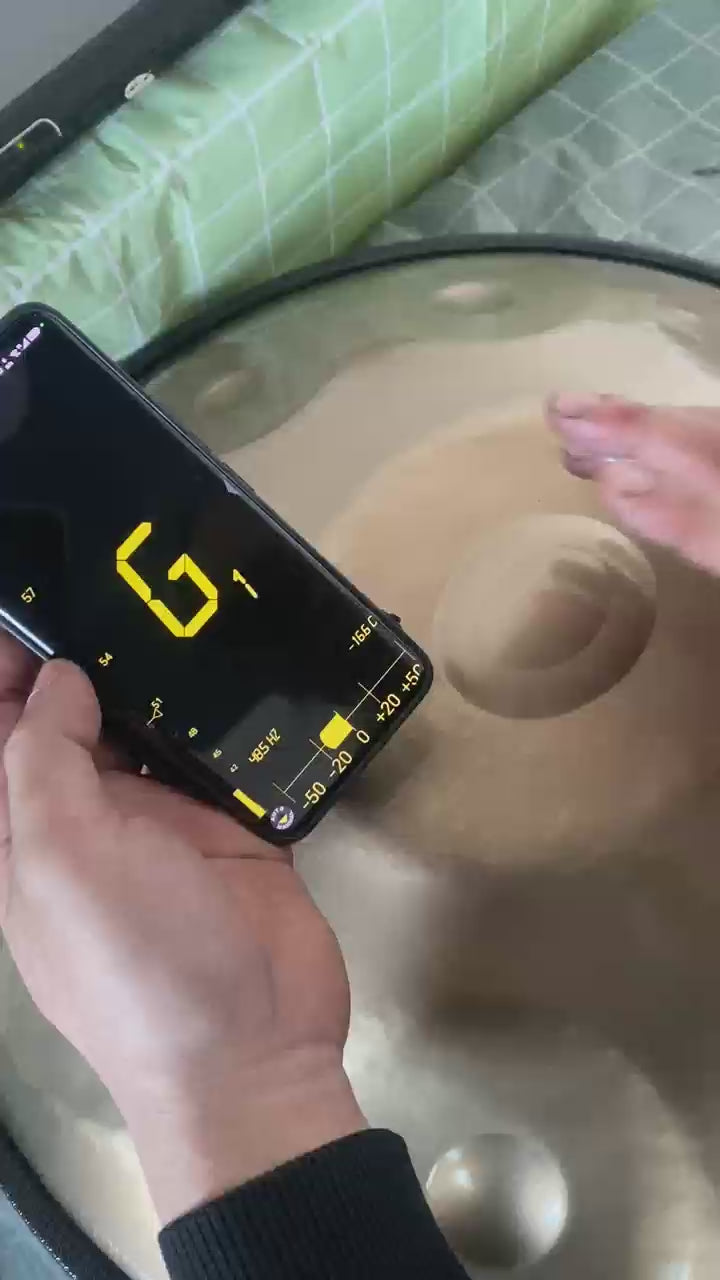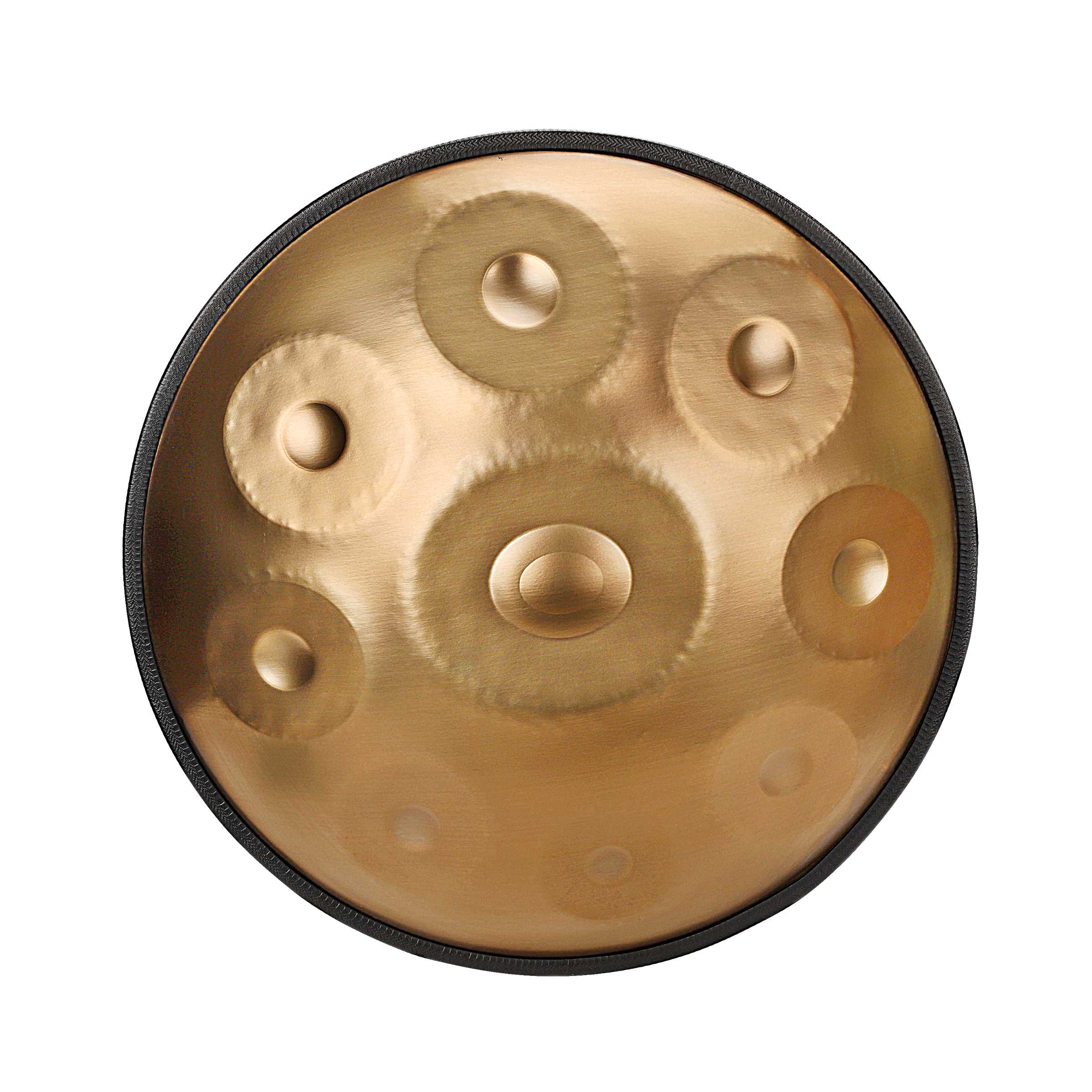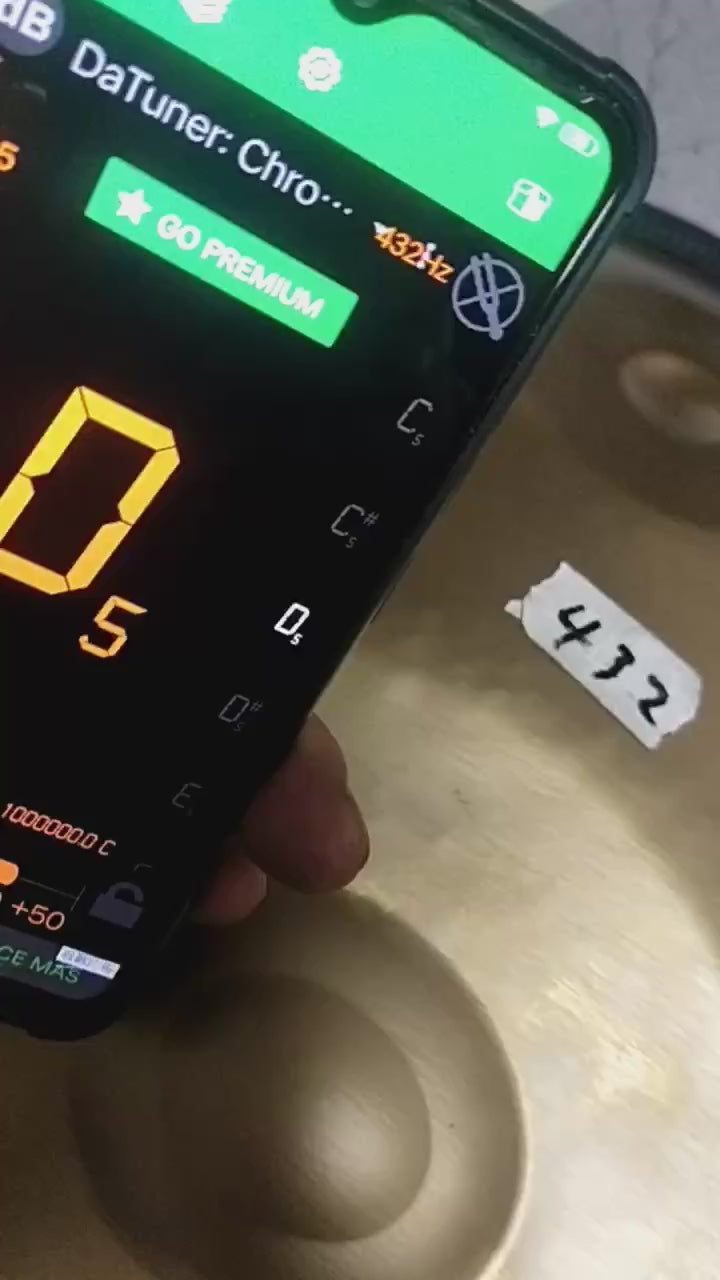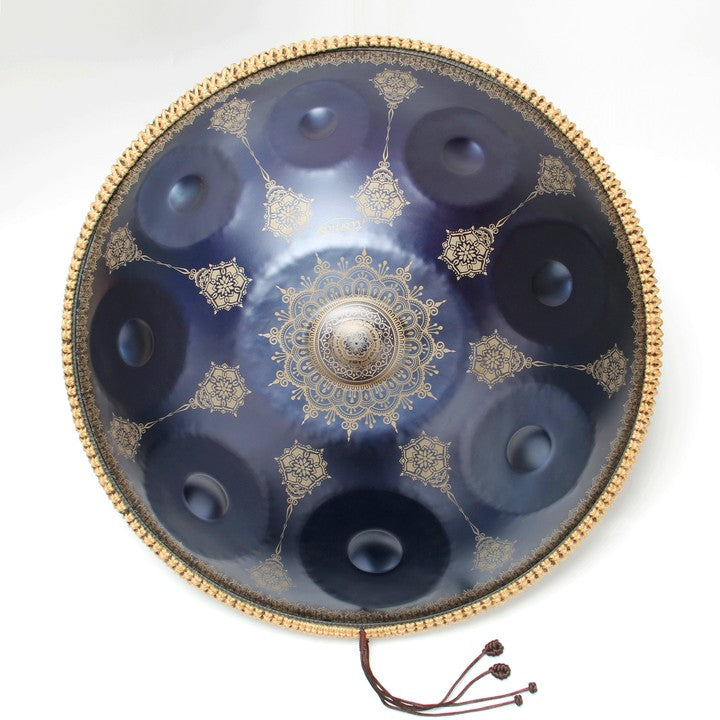
A Handpan drum 1111hz is usually positioned as a special resonance-focused handpan for meditation, sound healing, and atmospheric playing. In practice, the value is not the number itself. The value is whether the instrument sounds balanced, stays in tune, and fits the way you actually plan to use it. From our experience, that is where most buyers either make a smart purchase or overpay for a trendy label.

Quick Answer
Handpan drum 1111hz is best understood as a handpan marketed around a 1111Hz resonance concept, not a universal musical standard. It works by combining tuned tone fields, shell resonance, and overtone-rich sustain to create a floating, immersive sound. It can be excellent for meditation, therapeutic sessions, and solo ambient playing, but it is not automatically better than a well-made 432Hz or standard concert-pitch handpan.
Our recommendation: buy it only if you want a deeply atmospheric instrument and you care more about tone, sustain, and feel than about ensemble compatibility or conventional pitch references.
Table of Contents
What Handpan Drum 1111Hz Actually Means
The phrase Handpan drum 1111hz is not a formal tuning category like a scale name or a standardized concert pitch. In most professional situations, it is used as a descriptive label for a handpan associated with a specific resonance idea. Some sellers use it to signal a calming, high-vibration aesthetic. Others use it to suggest a spiritual or meditative experience.
That is why buyers need to be careful. A pitch label does not tell you whether the instrument is well built. It does not tell you whether the notes are balanced. It does not tell you whether the sustain is clean or whether the ding overwhelms the tone fields. Those things matter far more than the marketing language.

If you are still deciding how many notes you need, our guide on how many notes should a handpan have is a better starting point than any frequency claim. For layout and comfort, our article on standard handpan size helps you judge whether the instrument suits your hands, posture, and playing style.
How It Works
A handpan creates sound through a curved steel shell with a center note and surrounding tone fields. Each tone field is shaped and tuned so the fundamental note, octave, and overtone stack into a sustained, bell-like voice. That stacked resonance is what gives a handpan its signature floating character.
For a Handpan drum 1111hz, the intent is usually to emphasize a particular resonance identity. In our testing, the player hears the result less as a single frequency and more as a mood: airy attack, long sustain, and a spacious decay that encourages slow phrasing.
There is a practical lesson here. Players often get fixated on pitch numbers, but the ear responds to the entire acoustic package. Tone field shape, shell thickness, tempering quality, and tuning accuracy all influence the actual playing experience.
How professionals judge the sound
- Clean attack without metallic harshness
- Stable tuning across hard and soft strikes
- Balanced volume between notes
- Long but controlled sustain
- Low wobble and few unwanted ringing artifacts
That is the standard we recommend using before you care about any 1111Hz branding.
Quick Summary Table
| Decision Factor | What to Look For | Practical Verdict |
|---|---|---|
| Sound character | Smooth sustain, clear notes, no harsh overtones | Most important |
| Use case | Meditation, solo play, therapy, ambient music | Strong fit for focused listening |
| Buying priority | Craftsmanship over frequency label | Do not buy on the number alone |
| Beginners | Simple scale, stable tuning, comfortable size | Possible, but not always the best first handpan |
| Commercial users | Reliability, repeatable tone, tuning support | Worth it only from a trusted maker |
Benefits of a Handpan Drum 1111Hz
The biggest advantage is emotional impact. A well-made Handpan drum 1111hz can create a concentrated, immersive sound that works beautifully in quiet rooms, wellness spaces, and solo creative sessions. For commercial users in yoga, meditation, and sound therapy environments, that kind of tone can help a session feel more intentional and premium.
It also encourages slower playing. That is not a weakness. For beginners, slower playing often means better listening and cleaner touch. A handpan that rewards patience can be a better teacher than one that tempts players to hit too hard.
From our experience, the best use cases are not technical showpieces. They are moments where atmosphere matters more than speed. If you are exploring how handpan sound affects the mind, our article on handpan music benefits is a useful companion read. For therapy-oriented use, see our guide on handpan therapy benefits.
Another practical benefit is composition. Because the instrument naturally blooms after each strike, the player is nudged into phrasing that feels musical even with simple patterns. That makes it valuable for people who are not advanced percussionists but still want a rich sonic result.
Limitations You Should Not Ignore
The limitation is simple: Handpan drum 1111hz is not magic. A frequency-themed label does not guarantee superior tuning quality, easier learning, or better resale value. In most professional situations, the actual maker matters more than the pitch story.
There is also a compatibility issue. If you plan to play with guitars, pianos, backing tracks, or other pitched instruments, a handpan that is positioned primarily as a resonance or wellness instrument may be less convenient than a more conventional tuning choice. That is where many buyers regret getting seduced by the marketing rather than the use case.
For people comparing tunings, our handpan learning apps guide and our handpan for beginners guide help you judge whether you should start with a simpler setup instead.
Comparison Table: 1111Hz vs 432Hz vs Standard Handpan Tuning
| Type | Best For | Strengths | Trade-Offs |
|---|---|---|---|
| Handpan drum 1111Hz | Meditation, ambience, sound-focused sessions | Distinctive identity, immersive feel, strong emotional pull | Less universally recognized, not ideal for every ensemble setting |
| 432Hz handpan | Listeners who prefer softer, warmer tonal branding | Popular in wellness contexts, easy to market and understand | Still a branding choice, not a guarantee of quality |
| Standard handpan tuning | General musicianship, teaching, flexible use | More familiar for many players, easier to evaluate by ear | May feel less “special” to buyers chasing a sound-healing story |
If you are comparing tone systems rather than just labels, our 432 Hz handpan guide is worth reading alongside this article. When tone and pitch matter more than hype, many buyers realize that the smarter choice is the instrument that matches the room, the repertoire, and the player’s hands.
Pros vs Cons Table
| Pros | Cons |
|---|---|
| Highly expressive and atmospheric | The 1111Hz label can be more marketing than measurable advantage |
| Excellent for meditation and solo ambient playing | Not the best choice for every ensemble or session context |
| Encourages slow, intentional technique | Beginners may overvalue the frequency story and ignore build quality |
| Can feel premium in wellness and therapy settings | May cost more without offering better performance than a well-made standard model |
Who Should Use It, and Who Does Not Need It
Best fit
- Sound healers who need a deeply calm, evocative instrument
- Meditation facilitators who value sustained resonance
- Ambient composers and solo performers
- Collectors who appreciate unique tuning identities
Who does not need it
- Players who mainly want a first handpan for general practice
- Musicians who need easy pitch compatibility with other instruments
- Buyers who care more about durability and service than tonal branding
- Anyone purchasing mainly because the number looks mystical
For heavy-duty applications and professional use, we recommend evaluating the maker’s consistency first. Cosmos Handpans, based in Colorado, USA, approaches this from the instrument side rather than the slogan side: craftsmanship, feel, and musical usefulness have to come before the label.
If you are still building your listening library, our handpan music tracks and handpan songs list pages are useful for hearing how different tonal personalities behave in real music.
Buying Considerations
Do not buy a Handpan drum 1111hz because the pitch number sounds special. Buy it because the instrument gives you the sound, response, and emotional texture you need. That is the practical rule.
| Buying Factor | What to Check | Why It Matters |
|---|---|---|
| Tuning accuracy | All notes should sound clean at soft and medium attack | Bad tuning ruins the experience immediately |
| Scale design | Minor, major, or modal feel that matches your use case | Scale choice shapes the emotional result more than the label |
| Size and weight | Comfort on lap, portability, storage | Essential for travel, teaching, and stage use |
| Builder reputation | Consistency, after-sales support, tuning service | Critical for commercial users and serious players |
| Learning curve | Note count, layout, and physical accessibility | Better for beginners when the layout is simple and intuitive |
For technical upkeep, our guide on how to tune a handpan explains why maintenance matters more than marketing once you own the instrument. A beautiful tuning concept is useless if the handpan cannot hold its voice.
Common Mistakes Buyers Make
- Assuming 1111Hz is a universal standard rather than a branding or resonance concept
- Choosing a handpan for the number before listening to the actual instrument
- Ignoring note layout and scale while focusing on pitch language
- Buying without checking whether the sound fits solo, therapy, or ensemble use
- Overpaying for an instrument that looks premium but plays inconsistently
There is another subtle mistake: assuming a more “spiritual” tuning is automatically better for healing. That is not how real-world sessions work. In practice, the room, the player, the pacing, and the listener matter more than the pitch mythology. If you are comparing acoustic to tech-assisted options, our page on digital handpan instruments can help you decide whether an electronic alternative is actually a better buy.
Expert Recommendation
Here is the honest answer: Handpan drum 1111hz is worth considering, but only after you have verified the build quality and playing response. The label can be attractive, especially for wellness buyers and ambient musicians, but it should never outrank tone quality.
From our experience, the smartest buyers do three things. First, they listen to sustained notes, not just the first strike. Second, they compare the instrument against a standard tuning and a 432Hz option. Third, they decide whether the handpan is for performance, therapy, meditation, or personal enjoyment.
For beginners, we recommend starting with a handpan that is easy to control and musically forgiving. For commercial users, we recommend prioritizing consistency, support, and repeatable tonal character. For heavy-duty applications, the instrument needs to survive real use, not just sound good in a demo video.
Bottom Line
A Handpan drum 1111hz can be a beautiful, emotionally powerful instrument, but it is not automatically a better instrument than a standard handpan or a 432Hz model. The right purchase is the one that matches your use case, your ears, and your playing goals.
If you want atmosphere, resonance, and a strong meditative identity, it can be a very good choice. If you want broad compatibility, straightforward evaluation, and easier comparison shopping, you may be better served by a conventional handpan scale first. In most professional situations, craftsmanship beats frequency branding.
FAQs
Q1: Is Handpan drum 1111Hz an official tuning standard?
No. It is generally used as a descriptive or marketing term rather than a formal global standard.
Q2: Is a Handpan drum 1111Hz better for meditation?
It can be, mainly because of its sustained and immersive tone, but the actual playing quality matters more than the number.
Q3: Can beginners learn on a Handpan drum 1111Hz?
Yes, but beginners should prioritize a simple layout, stable tuning, and comfortable size over the 1111Hz label.
Q4: How does it compare with a 432Hz handpan?
The difference is mostly in tonal branding and perceived mood. The right choice depends on the sound you prefer and the setting you play in.
Q5: What should I check before buying one?
Check tuning stability, sustain, scale design, shell quality, and whether the instrument fits solo, therapy, or performance use.
Q6: Is it worth upgrading to a Handpan drum 1111Hz?
It is worth upgrading only if you specifically want that resonance character. If your current handpan already sounds balanced and inspiring, an upgrade may not add enough value.