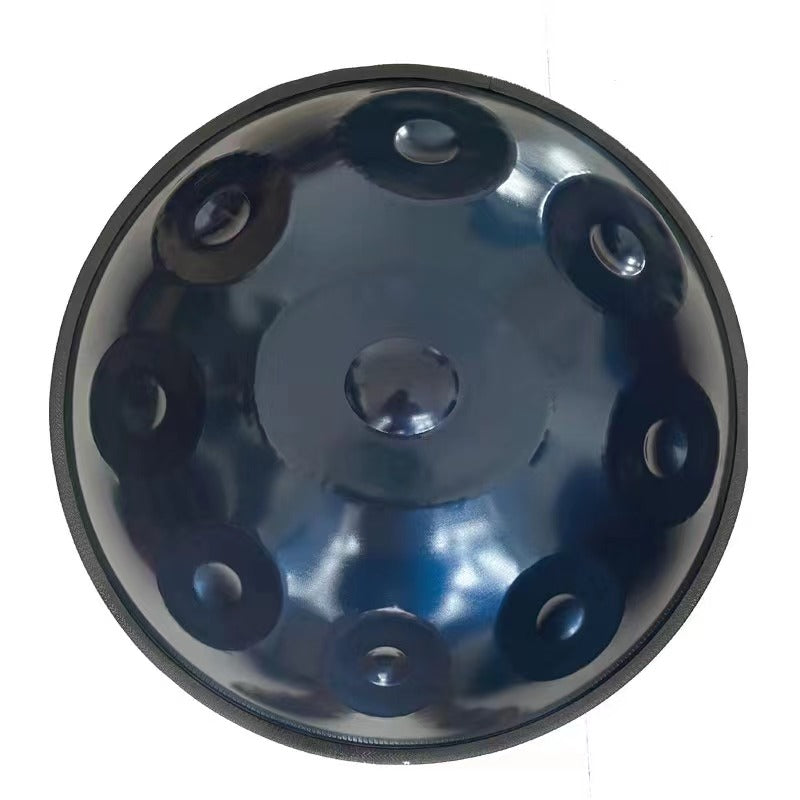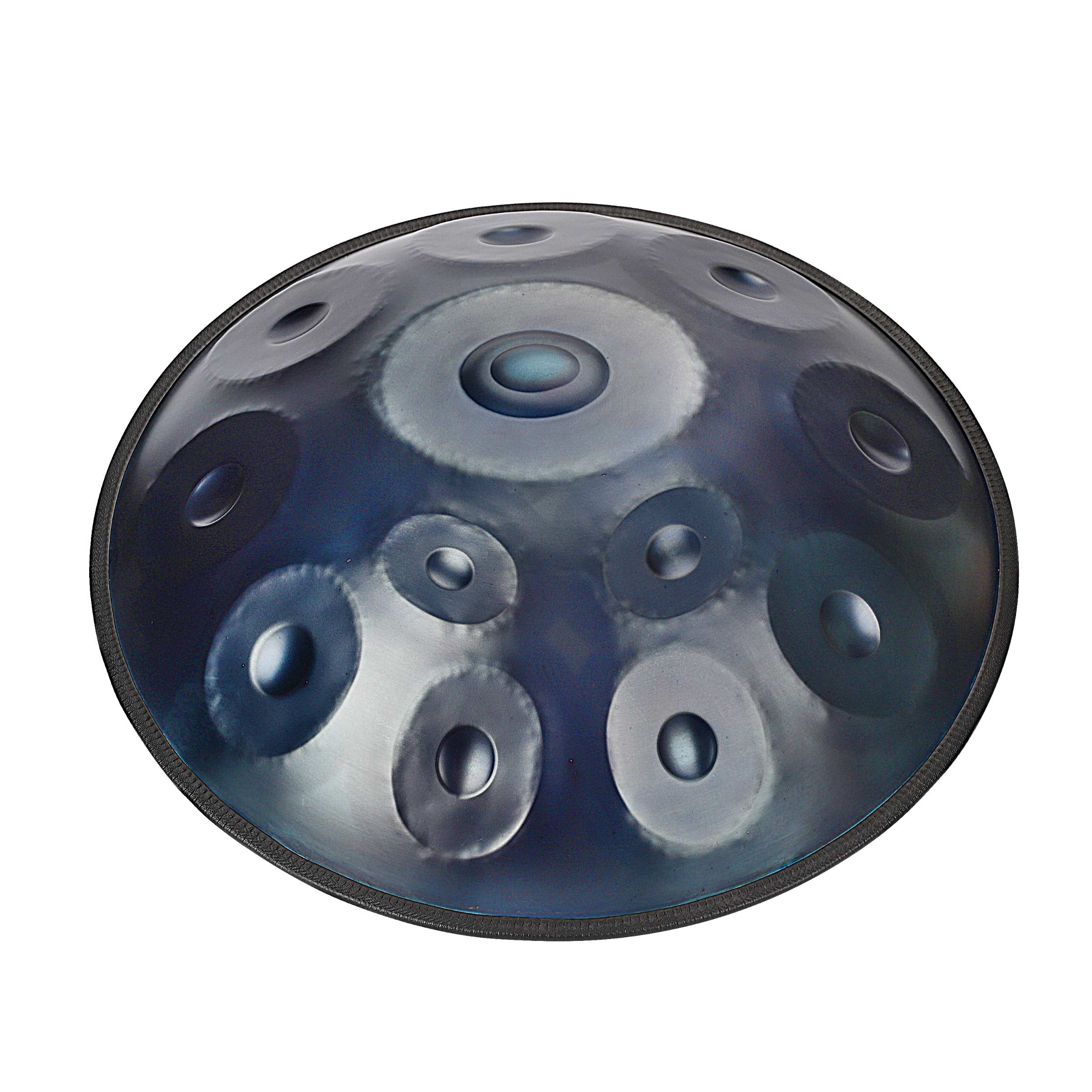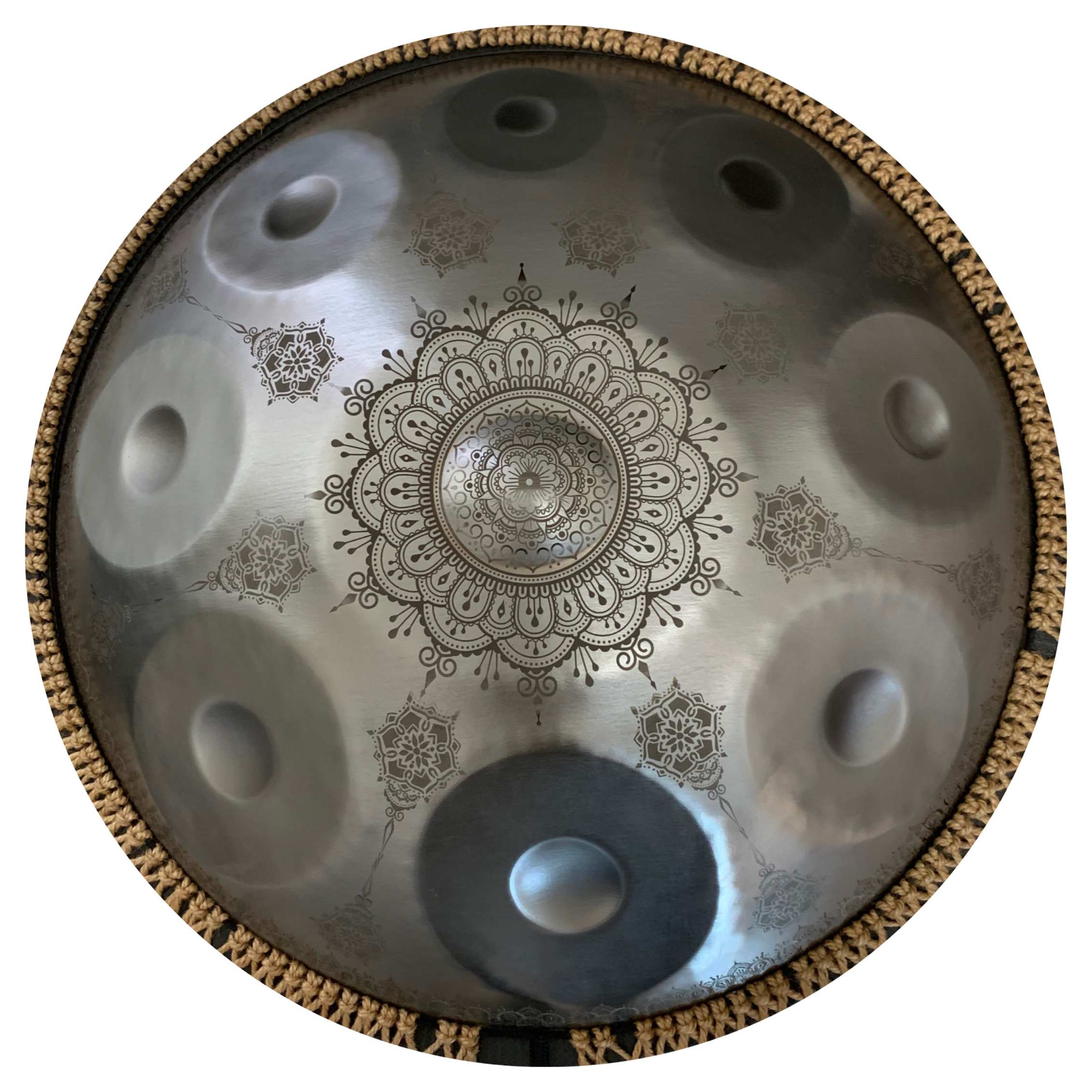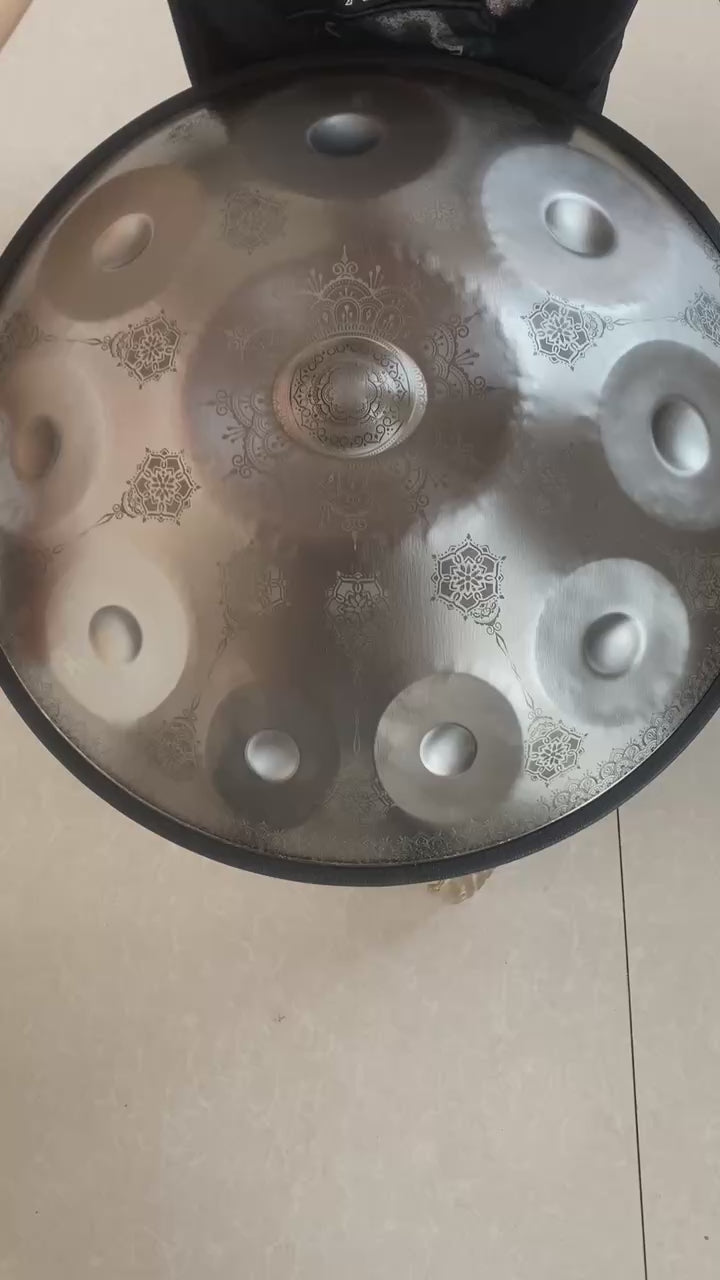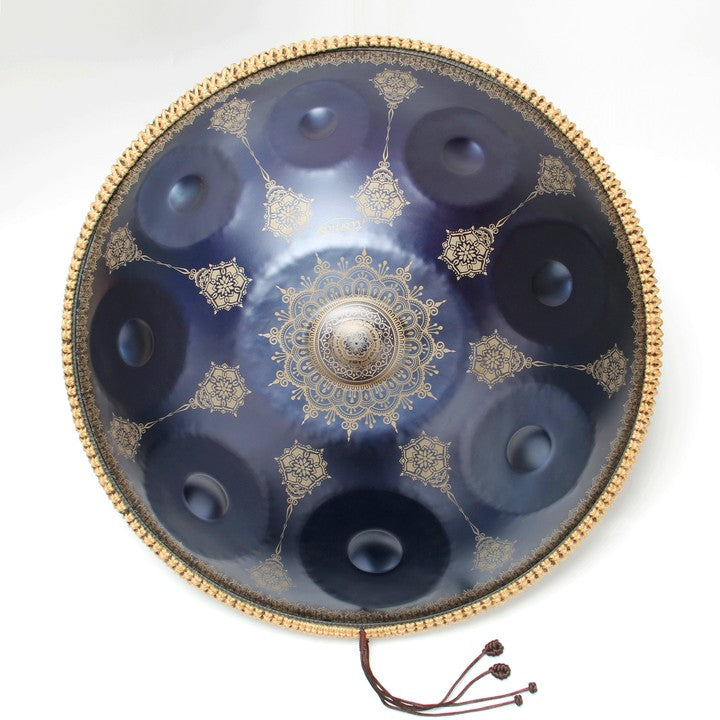
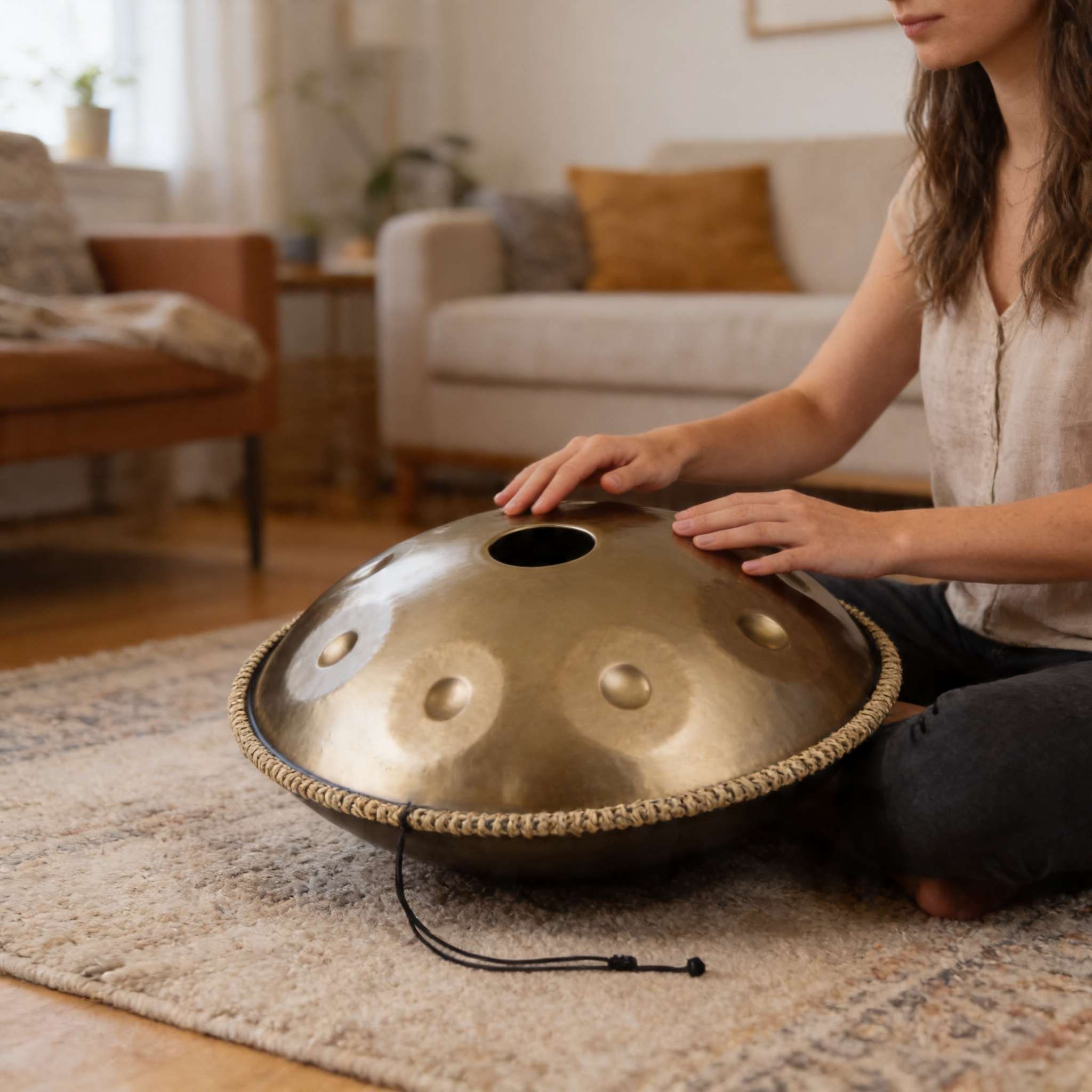
The hypnotic, ethereal sound of the handpan has captured the attention of musicians, sound healers, and casual listeners globally. However, for years, the barrier to entry was steep. With artisan, hand-hammered instruments commanding prices upwards of $2,500, a massive gap in the market opened up for budget manufacturers. Enter the mass-produced budget handpans, most notably the Antetok brand found across massive retail platforms. If you are reading this, you are likely intrigued by the accessible price tag but skeptical about the quality, leading you to search for viable alternatives to the Antetok handpan.

From our experience as industry practitioners and instrument designers at CosmosHandpan, we know that buying your first melodic steel instrument is an emotional and financial commitment. While budget brands have democratized access to this beautiful instrument, they often suffer from poor tuning stability, lack of overtone resonance, and harsh metallic timbres. We take a clear position here: a cheap handpan that arrives out of tune is not a bargain; it is a deterrent to your musical journey. In this comprehensive guide, we will break down exactly what you should look for and provide five legitimate, affordable alternatives to the Antetok handpan that deliver true musical value.
Quick Answer: What are the best alternatives to the Antetok handpan?
If you are looking for superior tuning stability and resonance without entering the $2,000+ artisan price bracket, the absolute best alternatives to the Antetok handpan include the Cosmos Double-Sided Handpan, high-quality digital handpans (like the Lumen), reputable entry-level tongue drums (like the RAV Vast), specialized second-hand artisan pans, and mid-tier stainless steel brands that offer quality control guarantees. For the best balance of price, scale layout (D Minor), and acoustic projection, we recommend investing in a professionally heat-treated stainless steel handpan from a dedicated maker rather than a mass-market retail listing.
Table of Contents
- What is a Budget Handpan & How Does it Work?
- Benefits and Limitations of Mass-Market Pans
- Who Should Use It & Who Does Not Need It
- Common Mistakes When Buying Entry-Level Handpans
- Crucial Buying Considerations
- The 5 Best Affordable Alternatives to the Antetok Handpan
- Essential Comparison Tables & Buying Guides
- Expert Recommendation
- Frequently Asked Questions (FAQ)
What is a Budget Handpan & How Does it Work?
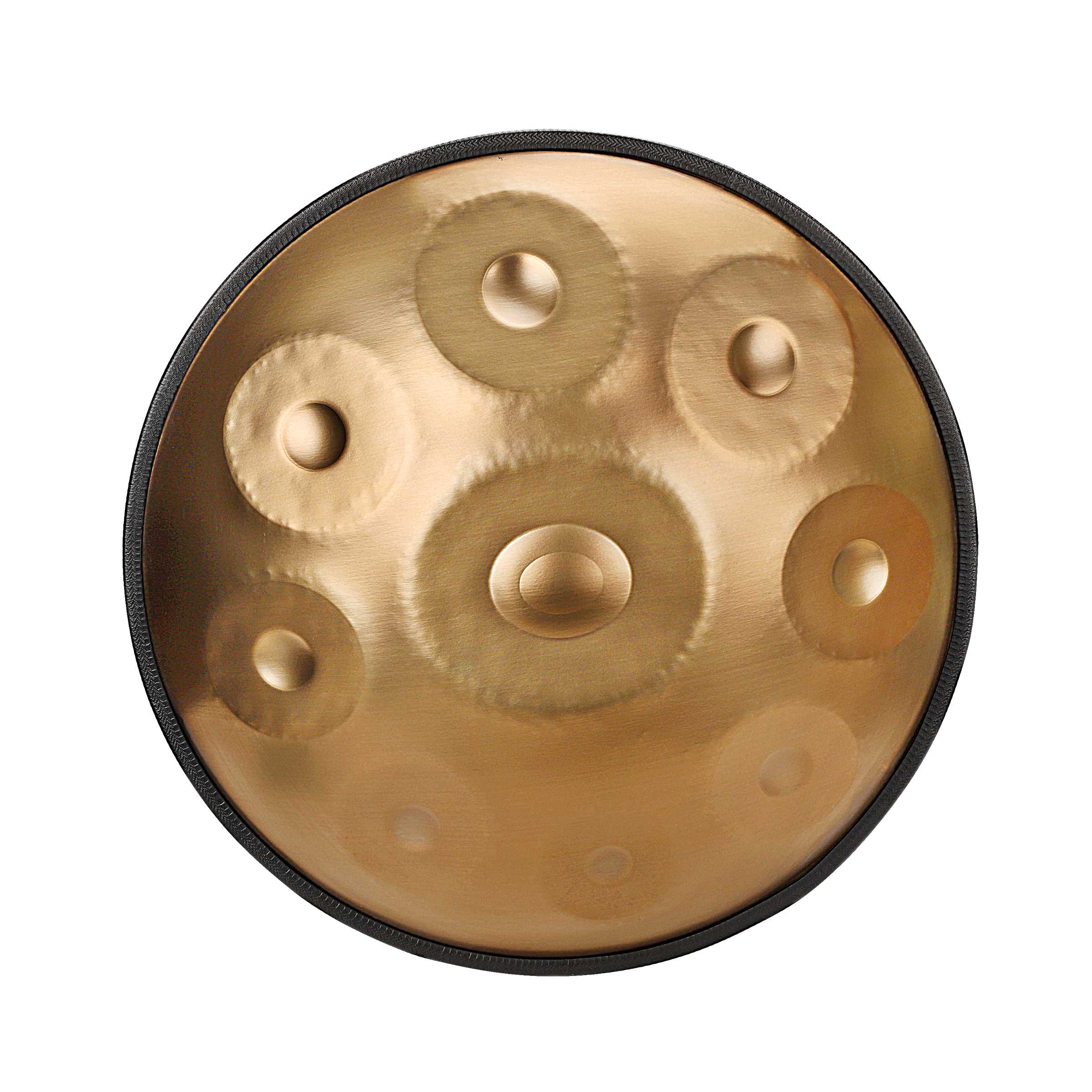
To understand why you might need alternatives to the Antetok handpan, you must first understand the mechanics of the instrument itself. Whether you refer to it as a handpan, a pantam, or by researching hang drum vs handpan, the physics remain the same. The instrument consists of two half-shells of deep-drawn steel glued together. The top shell (the Ding side) contains multiple indented tone fields.
How it works is a marvel of acoustic engineering. Each tone field is essentially three notes in one: a fundamental tone, an octave overtone, and a compound fifth overtone. When you strike the field, these frequencies must vibrate in perfect harmony. In high-end instruments, a skilled tuner spends hours hammering the steel to align these frequencies. In mass-produced budget handpans like the Antetok, the tone fields are often stamped by machines, and the final hand-tuning is rushed. This results in "cross-talk" (striking one note causes an unwanted note to vibrate) and a generally stiff, unyielding sound.
Benefits and Limitations of Mass-Market Pans
We believe in applying commercial and practical judgment. Budget pans like the Antetok exist for a reason, but their limitations are stark.
The Benefits: The singular benefit of mass-produced Amazon-style handpans is price accessibility. They allow someone with no musical background to experience the tactile joy of striking steel without draining their savings. They look the part and are often shipped rapidly.
The Limitations: The limitations are entirely sonic. In our testing of various mass-market models, we consistently found that the higher notes (often the 8th or 9th notes on the scale) lack sustain and sound like striking a flat tin pan. Furthermore, because the steel is often not properly nitrided (heat-treated with nitrogen for rust resistance and surface tension), they easily fall out of tune. Finding a professional tuner willing to retune a mass-produced stamped pan is nearly impossible, as the steel memory is inherently flawed.
Who Should Use It & Who Does Not Need It

Who Should Use Budget Mass-Market Pans: Individuals who view the handpan strictly as a visual prop, absolute beginners on a microscopic budget who just want to test their rhythm, or those buying a gift for a child who may abandon the instrument in a week.
Who Does Not Need It: In most professional situations, anyone serious about music production, seeking genuine handpan therapy benefits, or looking to play alongside other instruments (like guitars or pianos) should strictly avoid bottom-tier budget pans. If you plan to record handpan music tracks, an out-of-tune instrument will ruin your mix instantly.
Common Mistakes When Buying Entry-Level Handpans
When searching for alternatives to the Antetok handpan, consumers frequently repeat the following mistakes:
- Prioritizing Color Over Steel Type: Many buyers choose an instrument because it is painted a beautiful gold or deep purple. Paint deadens resonance. You should be choosing between Stainless Steel (longer sustain, ideal for slow melodic play) and Nitrided Steel (shorter sustain, ideal for fast, percussive play).
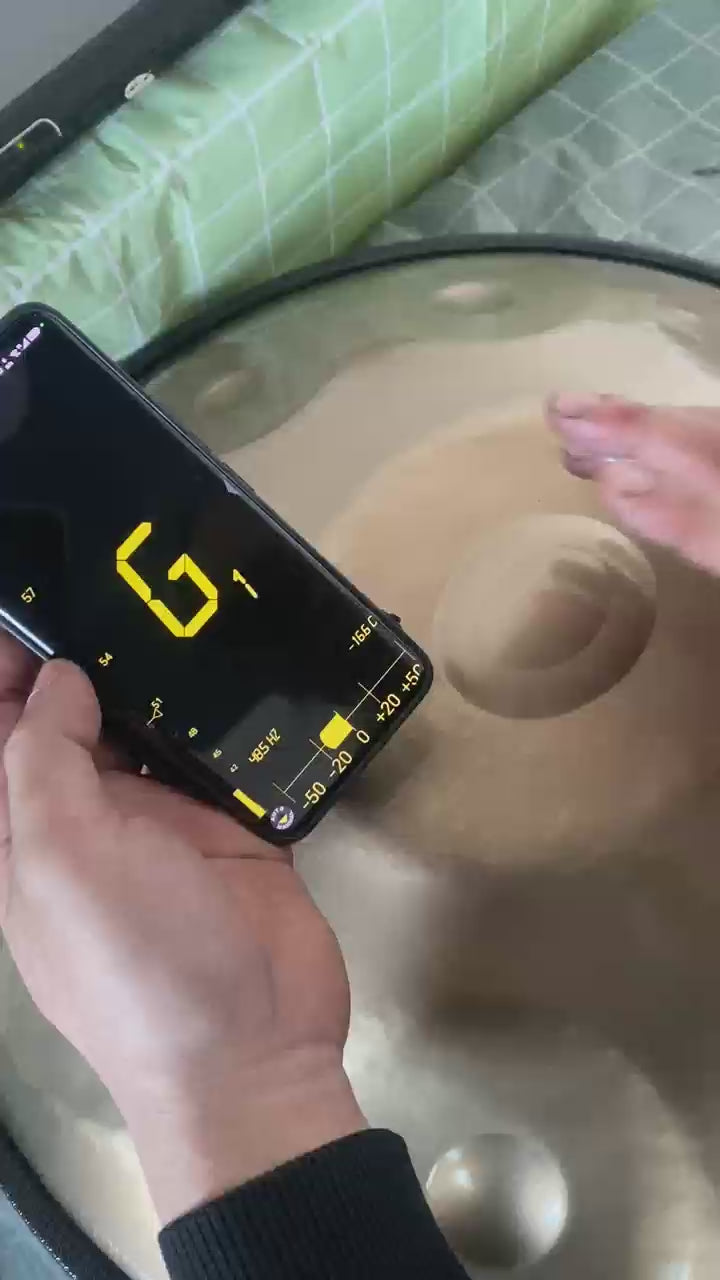
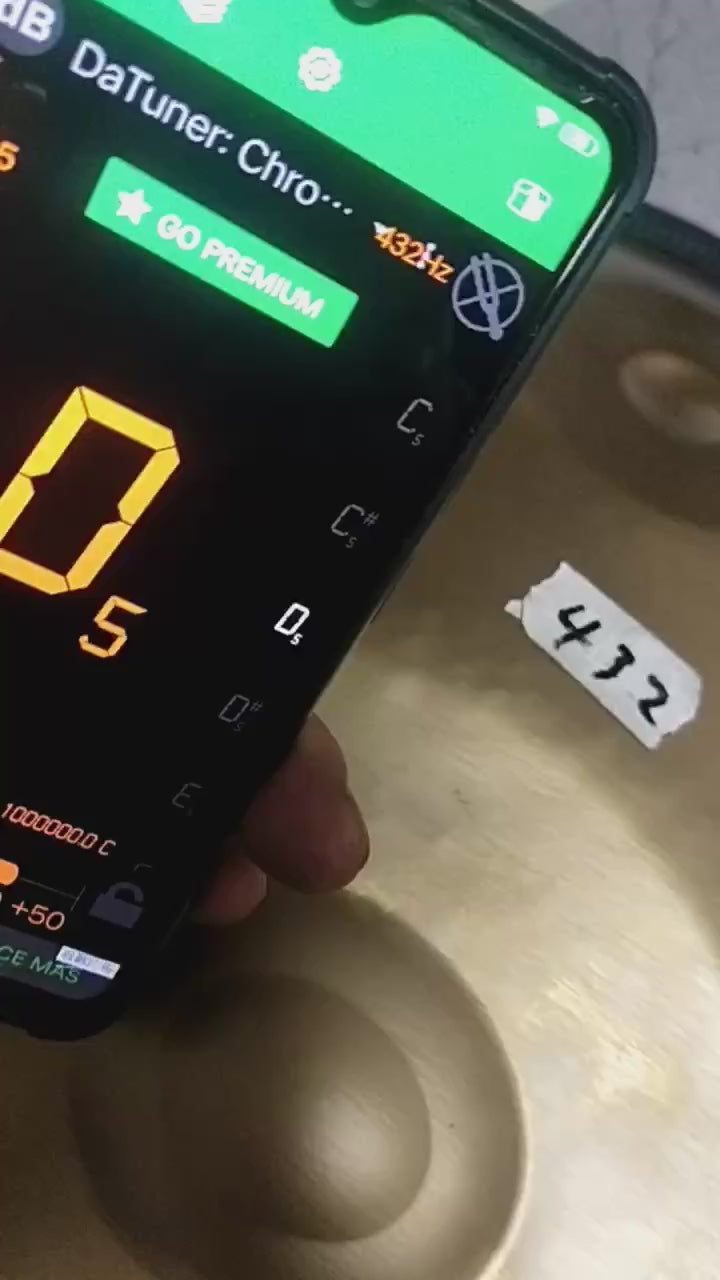
- Ignoring the 432Hz vs. 440Hz Trap: Budget sellers push 432Hz as a "healing frequency." While beautiful for solo meditation, if you buy a 432Hz handpan, you cannot easily play it alongside standard pianos or guitars tuned to the international 440Hz standard.
- Counting Notes Instead of Quality: A 12-note handpan that sounds terrible is worse than a 9-note handpan that sounds divine. Do not assume more notes equal a better instrument. The surface area of a standard handpan (around 53-56cm) can only comfortably hold 9 to 10 notes before cross-talk becomes severe.
Crucial Buying Considerations
To prioritize helping readers make a buying or usage decision, you must consider scale and material. For beginners, the D Minor scale (often called D Kurd or D Celtic) is the industry standard. It is melancholy, intuitive, and almost impossible to play a "wrong" note on. If you are learning by watching the best handpan players on YouTube, 90% of their tutorials are in D Minor.
For heavy-duty applications—like busking outdoors or traveling in humid climates—we heavily advise purchasing a Stainless Steel instrument, as it requires significantly less maintenance and oiling than traditional nitrided steel.
The 5 Best Affordable Alternatives to the Antetok Handpan
1. The Cosmos Double-Sided Handpan (The Ultimate Upgrade)
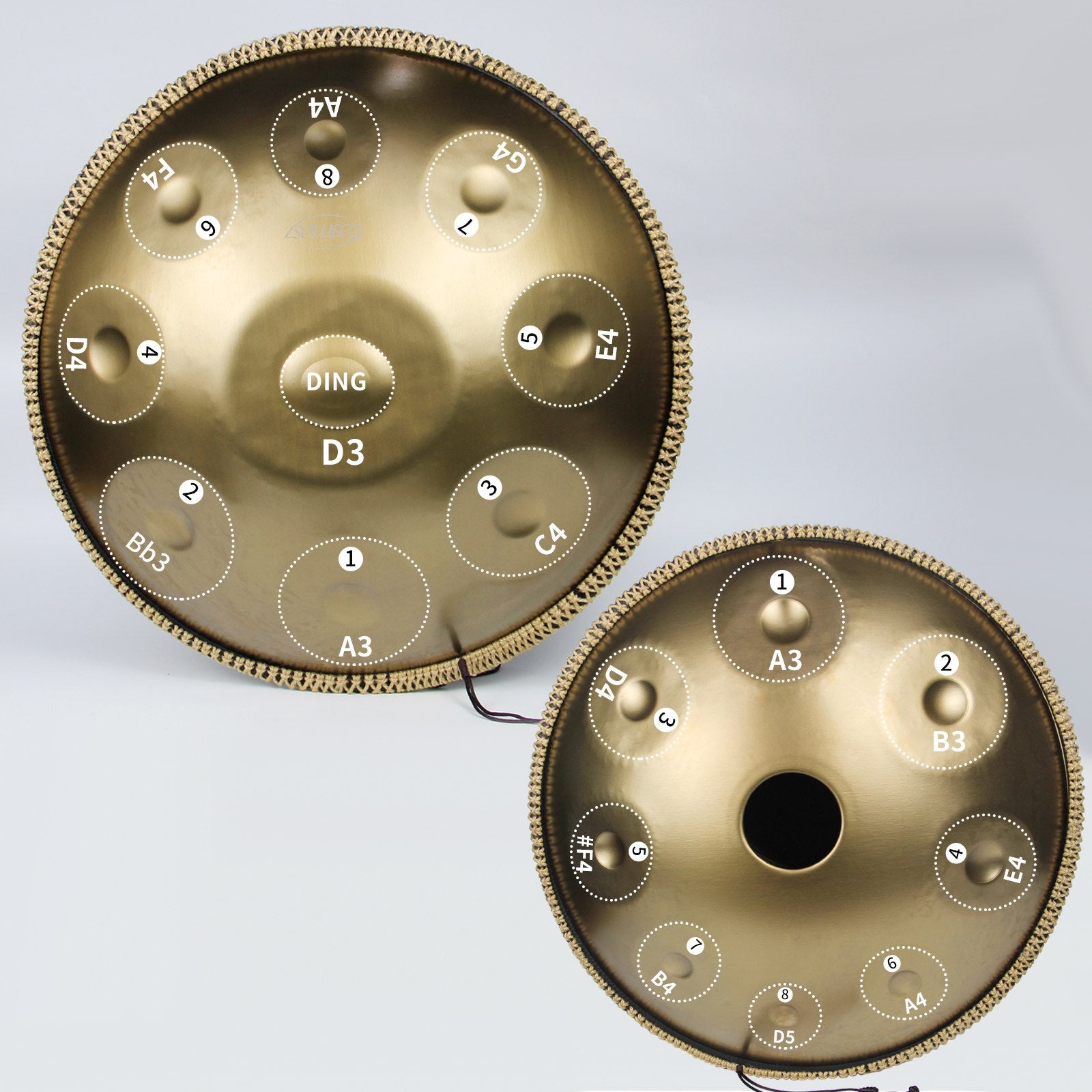
If you want the best value-to-performance ratio in the industry, this is our definitive answer. Rather than buying a cheap single-sided pan, the Cosmos Double-Sided handpan offers unparalleled versatility. By utilizing both sides of the instrument, you gain access to 17 notes, allowing for complex compositions and extended range, all crafted from high-grade STL 430 stainless steel.
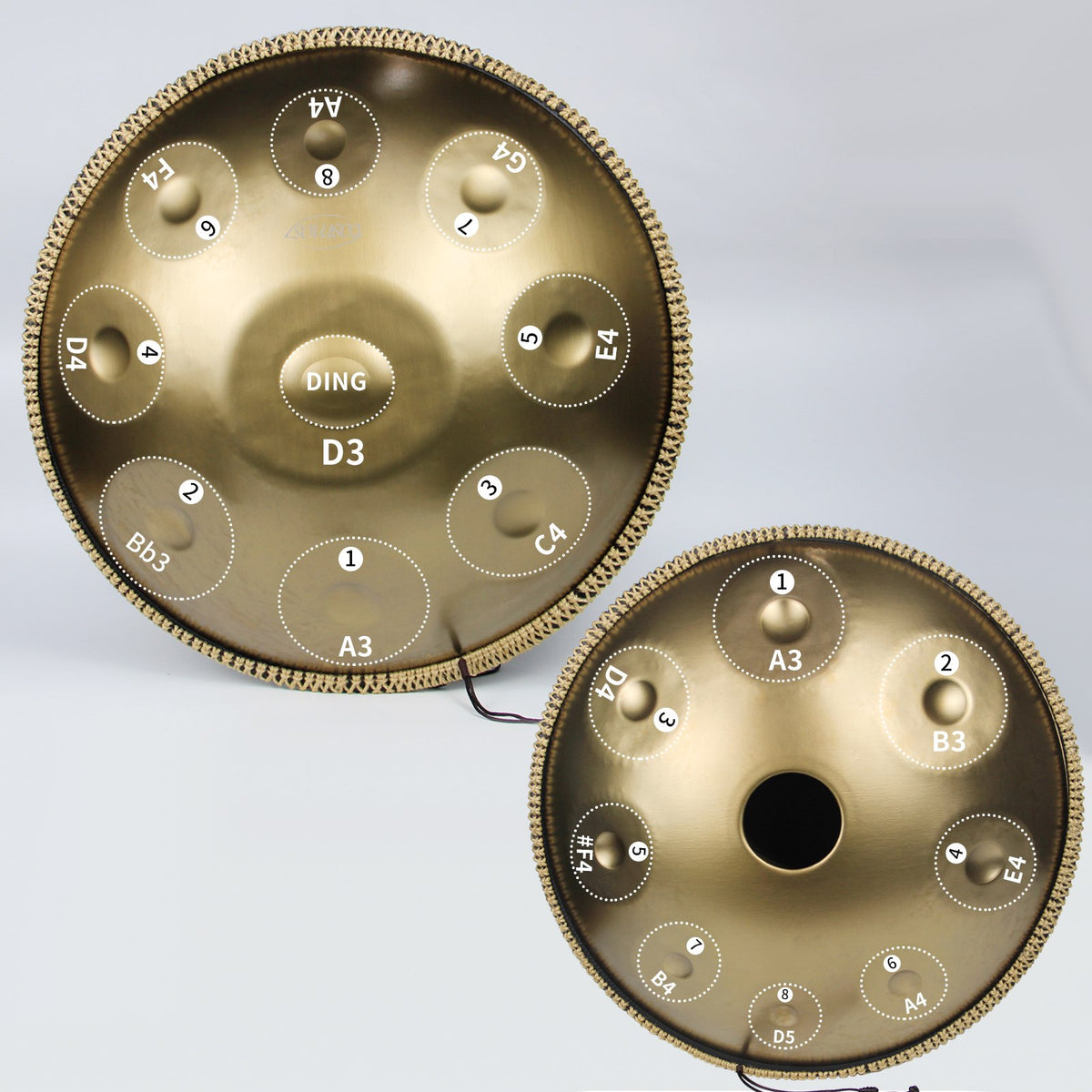
Cosmos Double-Sided Handpan - 17 Notes D Minor
Designed for melodic practice, meditation, and performance. The note layout supports intuitive improvisation and a perfectly balanced playing experience, completely eliminating the stiff "tin-can" sound of cheaper alternatives.
- Scale: D Minor (Ideal for beginners and professionals)
- Tuning options: Available in 432HZ or 440HZ
- Material: STL 430 Stainless Steel (Rust-resistant, long sustain)
- Dimensions: Diameter 55.6 cm, Height 25 cm, Weight 4 Kg
2. High-Quality Tongue Drums (RAV Vast)
If your budget strictly aligns with the Antetok price point, we recommend pivoting instruments entirely. A high-end steel tongue drum (like the RAV Vast or Muta) costs the same as a low-end handpan but offers infinitely better tuning stability and a beautiful, ethereal sustain. They are smaller, heavier, and practically impossible to knock out of tune.
3. Digital Handpan Controllers
For apartment dwellers or music producers, digital handpan instruments (like the Lumen Handpan or Oval) are revolutionary. While they lack the acoustic vibration against your body, they allow you to plug in headphones, connect to MIDI, and cycle through dozens of different scales and sounds without buying multiple physical instruments.
4. Second-Hand Artisan Handpans
The used market is a goldmine for alternatives to the Antetok handpan. By browsing dedicated Facebook swap groups or the best instrument stores online, you can often find a genuine, hand-hammered artisan pan (from makers like Ayasa, Yishama, or CFoulke) for 40% off the retail price. A used masterpiece is always better than a brand-new mass-produced toy.
5. Mid-Tier Dedicated Makers (NovaPans)
If you absolutely must have a brand new acoustic handpan on a budget, look for mid-tier brands that bridge the gap between mass-production and artisan craftsmanship. Brands like NovaPans offer entry-level instruments that undergo a strict quality control tuning check before shipping, ensuring you don't receive a musically dead instrument.
Essential Comparison Tables & Buying Guides
| Alternative Type | Best Use Case | Average Price Range | Key Advantage over Antetok |
|---|---|---|---|
| Cosmos Double-Sided | Serious beginners & performers | $700 - $1,100 | 17 beautifully tuned notes, STL 430 Stainless steel, incredible sustain. |
| Premium Tongue Drums | Budget buyers, percussive players | $400 - $800 | Never goes out of tune; highly portable. |
| Digital Handpans | Producers, quiet practice | $600 - $1,200 | MIDI connectivity, multiple built-in scales. |
| Used Artisan Pans | Purists seeking top-tier sound | $1,000 - $1,800 | World-class resonance at a depreciated price point. |
| Mid-Tier QC Brands | Entry-level acoustic learners | $600 - $900 | Guaranteed tuning checks before shipping. |
| Feature | CosmosHandpan (Stainless 430) | Generic Mass-Market Pans (Antetok) |
|---|---|---|
| Tuning Process | Precision hand-hammered and tested for harmonic alignment. | Machine stamped, rushed final tuning. |
| Sustain & Resonance | Long, ethereal sustain perfect for melodic play. | Short, often rigid or "metallic" sounding. |
| Material | STL 430 Stainless Steel (Highly rust-resistant). | Generic DC04 Carbon Steel (Prone to rapid rusting). |
| Note Bleed (Cross-talk) | Minimal; isolated tone fields. | High; striking one note often triggers discordant vibrations. |
| Pros of Upgrading | Cons of Upgrading |
|---|---|
| Inspires you to play more due to beautiful, harmonious sound. | Requires a slightly higher initial financial investment. |
| Holds its resale value significantly better on the used market. | May have a longer shipping lead time if custom-tuned. |
| Can be retuned by professional tuners if it eventually drifts. | Stainless steel requires a lighter playing touch than carbon steel. |
| Tuning Frequency | Vibe & Application | Our Recommendation |
|---|---|---|
| 440Hz (Standard) | Bright, universal. Compatible with 99% of all other musical instruments (pianos, guitars, backing tracks). | Highly Recommended. Best for busking, recording, and jamming with friends. |
| 432Hz (Healing) | Slightly deeper, associated with relaxation and meditation. Incompatible with standard tuned instruments. | Recommended only for solo sound bath facilitators and private meditation practice. |
Expert Recommendation
From our experience engineering and playing these instruments for years, we urge you not to compromise on your first handpan. The frustration of trying to learn on an instrument that actively fights against you with sour notes and dead overtones will kill your musical passion before it starts. The Cosmos Double-Sided 17 Note Handpan is, in our professional opinion, the premier alternative to the Antetok handpan. It offers the expansive scale of a top-tier instrument, the durability of STL 430 stainless steel, and a price point that remains respectful to beginners and commercial users alike. Stop compromising on mass-produced metal, and invest in true resonance.
Frequently Asked Questions
Are cheap handpans on Amazon worth it?
In most professional situations, no. While brands like Antetok offer an accessible entry point, they frequently suffer from poor tuning stability, lack of overtone alignment, and use inferior steel that is prone to rust. Investing slightly more in a dedicated alternative yields an exponentially better instrument.
What is the difference between a tongue drum and a handpan?
While both are melodic steel percussion instruments, a tongue drum features laser-cut "tongues" that vibrate when struck, resulting in a bell-like chime. A handpan uses hammered tone fields (dimples) that produce a warmer, more resonant, and complex overtone structure. Handpans are generally larger, louder, and more expensive to manufacture. Read our full guide on different instrument types to understand acoustic variations.
Where was the handpan originally invented?
The handpan evolved from the "Hang," which was invented in Bern, Switzerland in the year 2000 by Felix Rohner and Sabina Schärer of PANArt. It was heavily inspired by the Trinidadian steelpan and the Indian Ghatam. Discover more about handpan origin and history here.
Can I learn to play the handpan if I have no musical experience?
Absolutely. Handpans are uniquely intuitive. Because they are tuned to a specific scale (like D Minor), all the notes harmonize with each other. It is incredibly difficult to hit a "wrong" or dissonant note, making it the perfect instrument for absolute beginners to start exploring rhythm and melody immediately.
Authoritative References & Further Reading
To ensure our acoustic and historical claims meet the highest industry standards, we referenced the following authoritative institutions:
- The University of New South Wales (UNSW) Acoustics Laboratory - The Physics of Musical Instruments and Steel Resonance
- Percussive Arts Society (PAS) - Global Standards and History of Percussion Instruments
- National Institutes of Health (NIH) - Clinical Studies on the Benefits of Music Therapy and Acoustic Resonance