
If you're asking "Can anyone play a handpan?", the short answer is yes. In fact, among all modern melodic instruments, the handpan is one of the easiest instruments for complete beginners to start enjoying on day one.
From our experience working with new players, children, retirees, meditation practitioners, music therapists, and professional musicians, the handpan has an unusually low barrier to entry. Unlike piano, guitar, violin, or drums, you do not need years of technical training before creating beautiful sounds.

That does not mean mastering a handpan is effortless. Advanced rhythm control, dynamic expression, composition, and performance still require practice. However, almost anyone can begin producing pleasant, musical tones within minutes.
Quick Answer
Can anyone play a handpan? Yes. Most people can learn basic handpan playing within a few hours, regardless of age or previous musical experience.
- Best for: Beginners, relaxation seekers, meditation practitioners, musicians, therapists, children, and older adults.
- Not ideal for: People seeking highly technical, fast-paced instrumental performance.
- Learning difficulty: Easy to start, challenging to master.
- Main advantage: Beautiful sounds with minimal learning curve.
- Main limitation: Less note range compared with piano or guitar.
Table of Contents
- What Is a Handpan?
- How Does a Handpan Work?
- Can Anyone Really Play a Handpan?
- Who Is a Handpan Suitable For?
- Who Might Not Need a Handpan?
- Benefits of Learning Handpan
- Limitations You Should Know
- Handpan vs Other Instruments
- Common Beginner Mistakes
- Buying Considerations
- Expert Recommendation
- Bottom Line
- FAQs
What Is a Handpan?
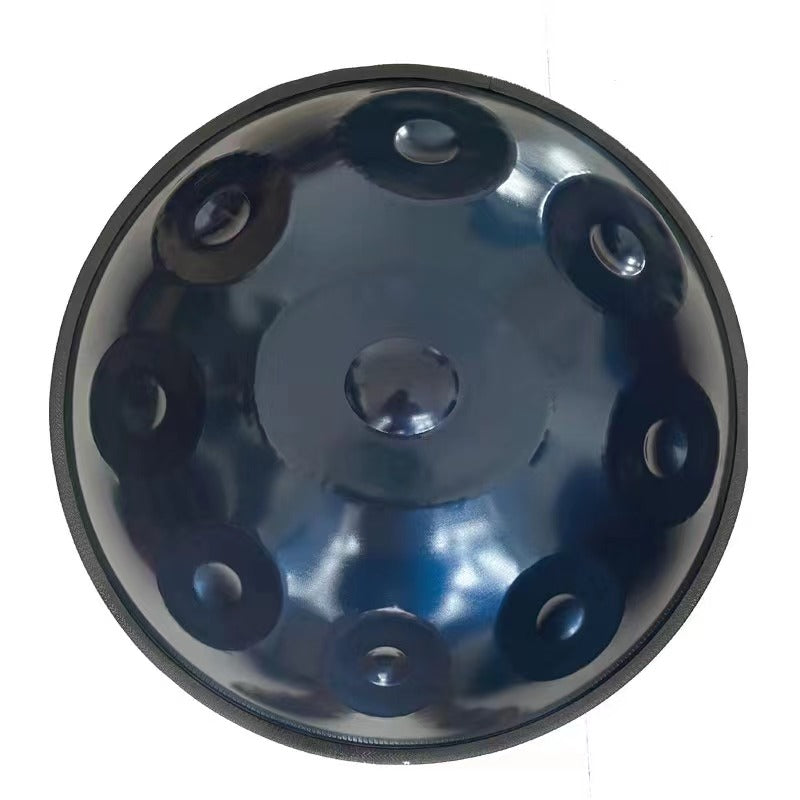
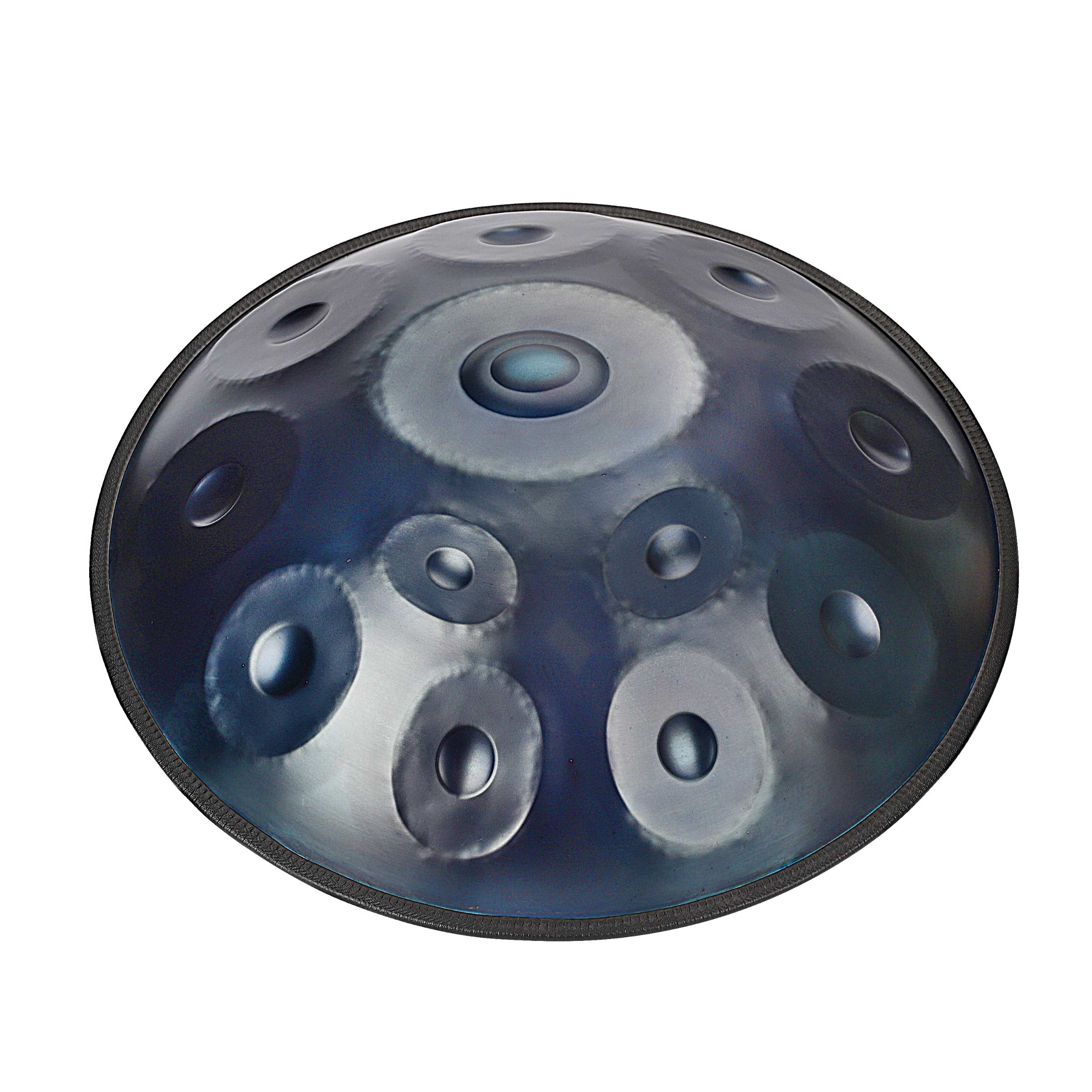
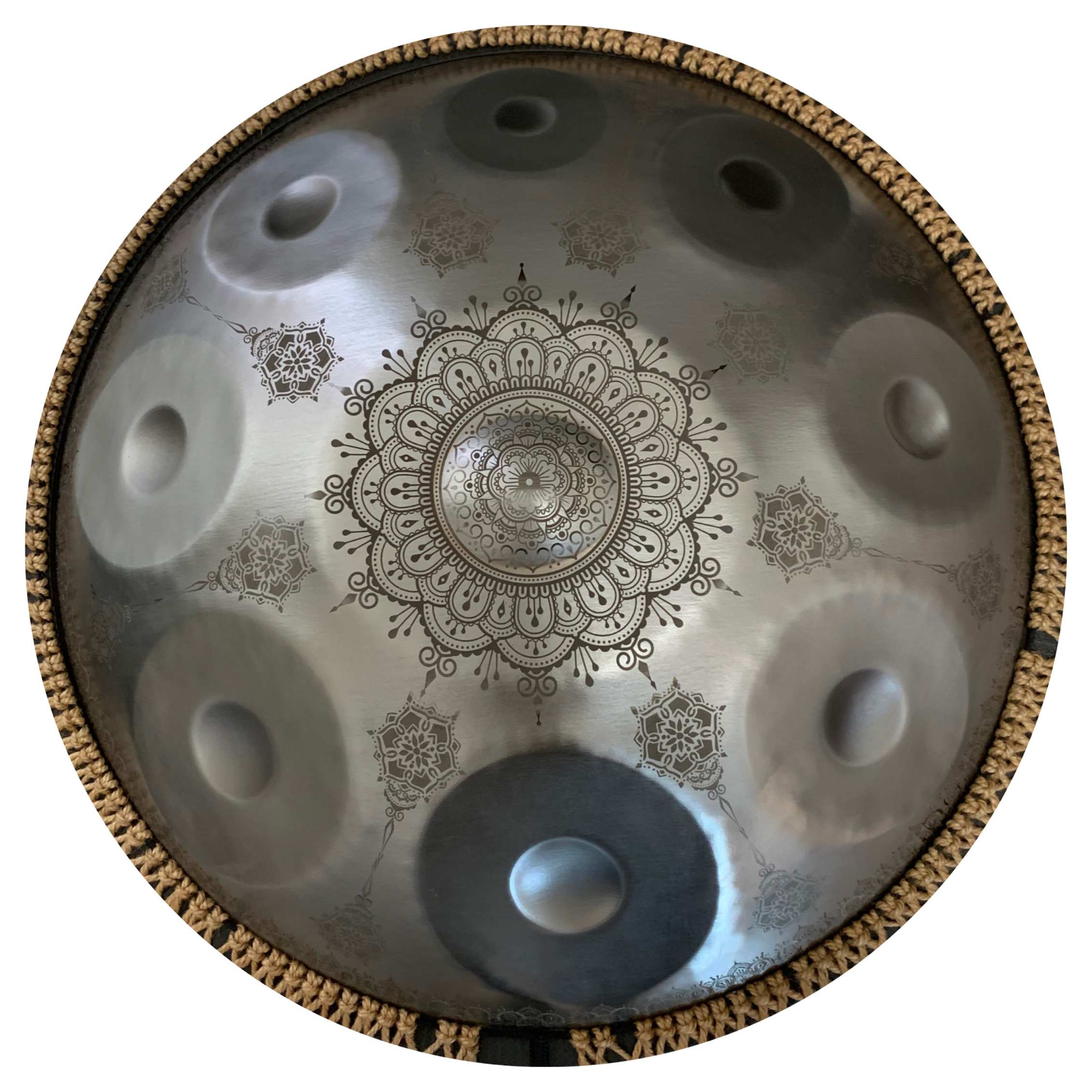
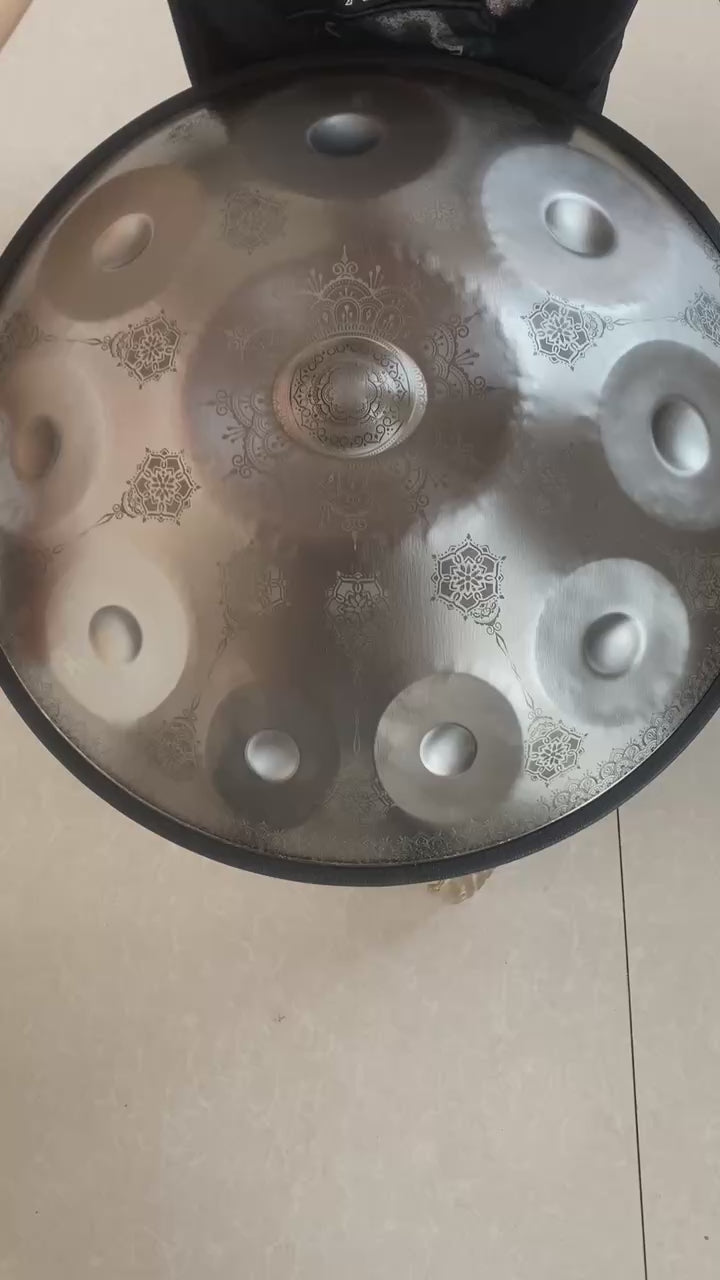
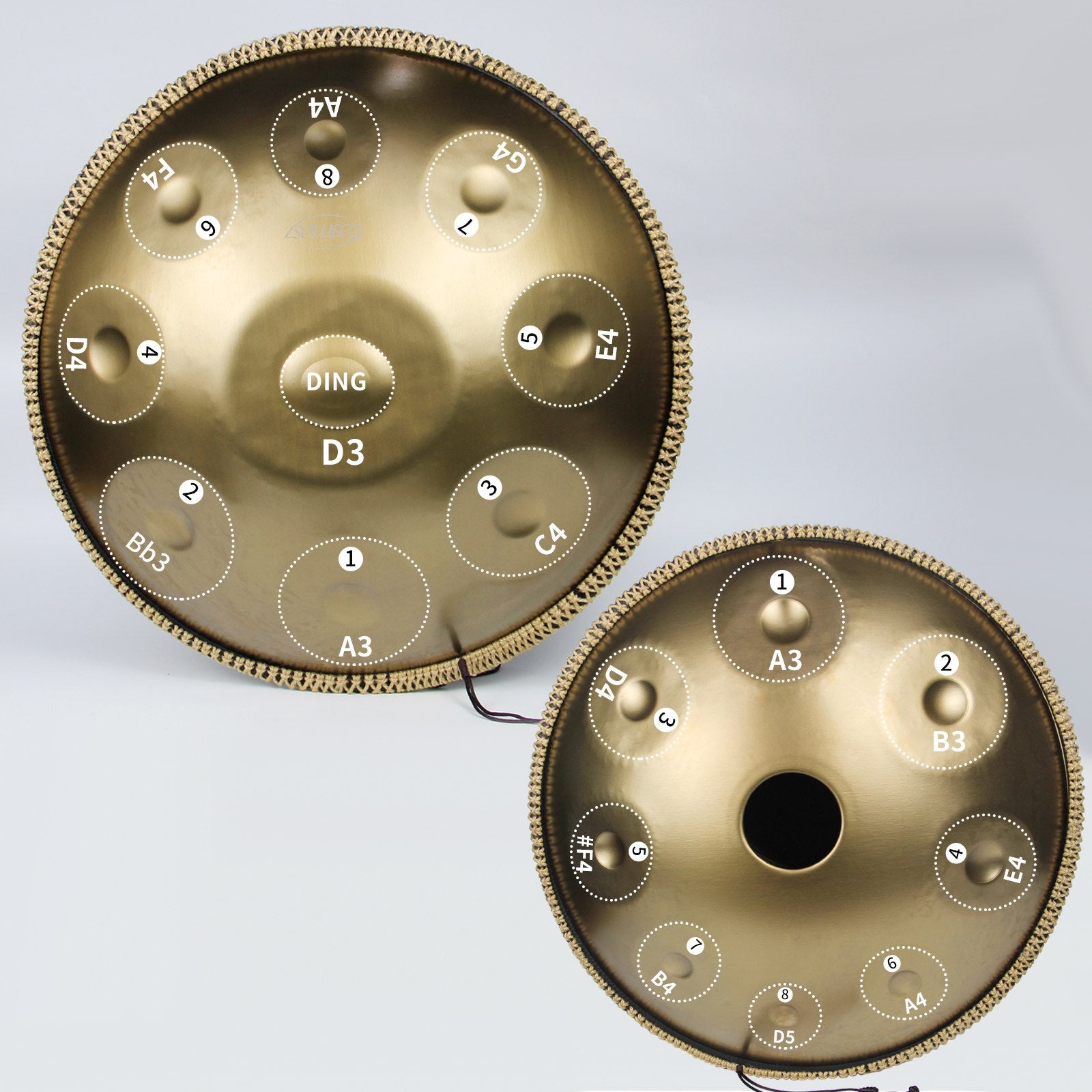
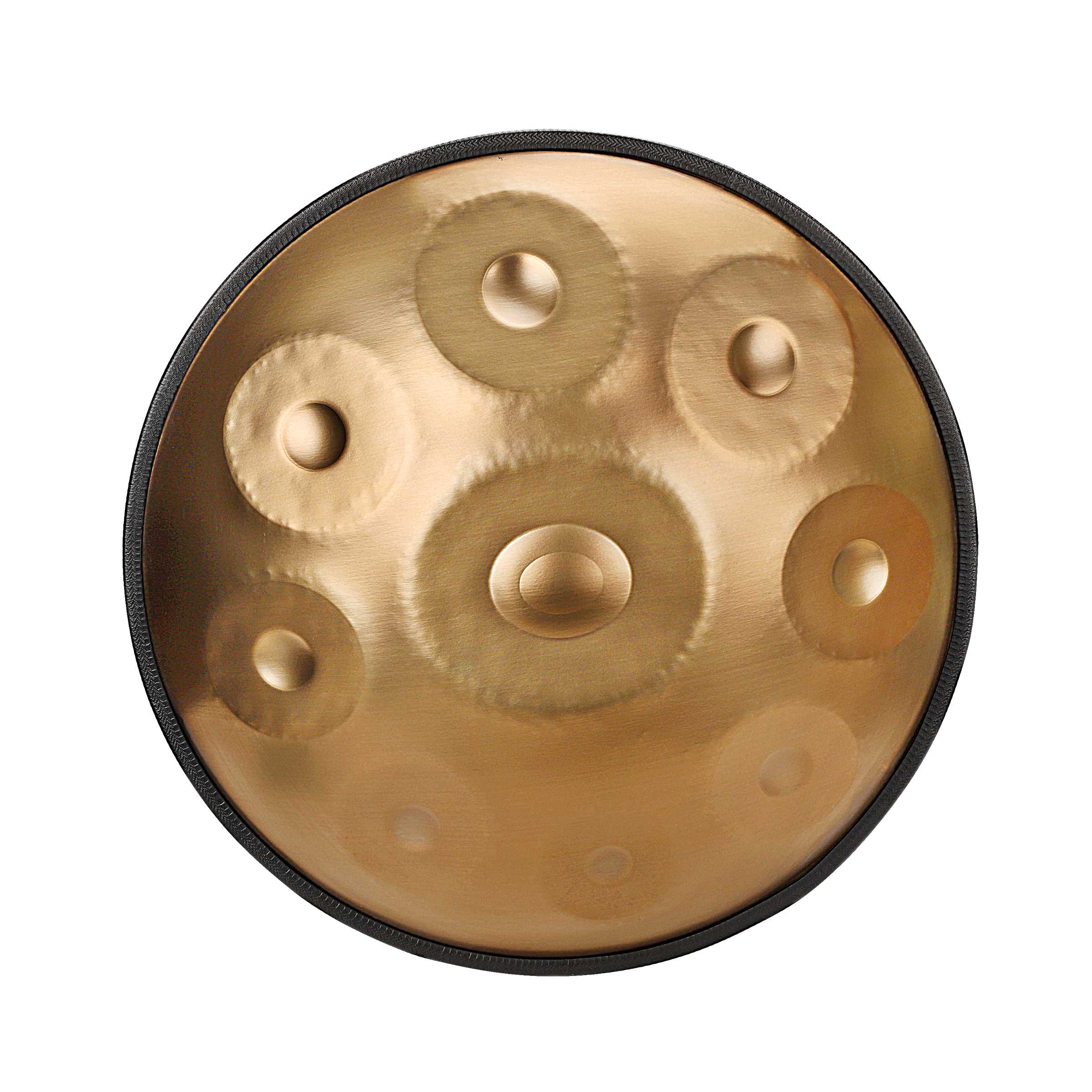
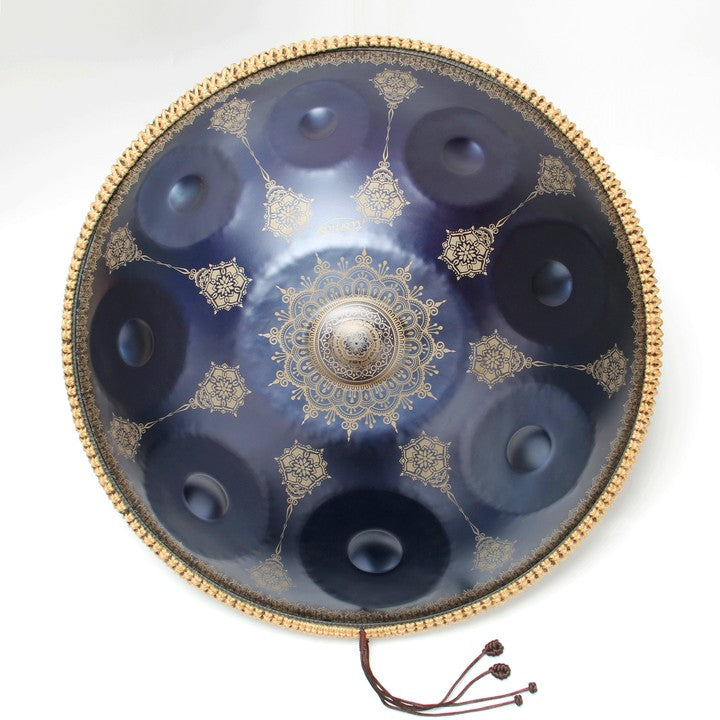
A handpan is a steel melodic percussion instrument played using the hands and fingers. It consists of two metal shells joined together with carefully tuned note fields on the top surface.
The instrument creates warm, resonant, atmospheric sounds that many listeners associate with relaxation, meditation, nature, and emotional expression.
If you're new to the instrument, learning about the handpan origin and history can provide valuable context about how this remarkable instrument evolved.
Many people confuse it with the Hang Drum, but there are important distinctions. We explain those differences in our guide about hang drum vs handpan.
How Does a Handpan Work?
Every note field on the handpan is tuned to a specific pitch. When tapped gently with the fingers, the metal vibrates and produces rich harmonic overtones.
Unlike a piano where wrong notes are easy to hit, most handpans are tuned to a fixed scale. This means many note combinations naturally sound harmonious.
For beginners, this is one of the biggest reasons the instrument feels accessible. The scale itself helps guide musical expression.
| Feature | How It Helps Beginners |
|---|---|
| Pre-tuned scale | Reduces dissonant notes |
| Hand-played | No picks or accessories required |
| Compact design | Easy portability |
| Natural resonance | Creates rich sound instantly |
| Visual note layout | Easy to understand patterns |
Can Anyone Really Play a Handpan?

Yes, almost anyone can play a handpan.
In our testing with complete beginners, most people create enjoyable sounds within the first 10 minutes.
Unlike violin, trumpet, or guitar, there is no painful beginner phase where every note sounds unpleasant.
This is why handpans have become increasingly popular among:
- Adults with no musical background
- Meditation enthusiasts
- Children
- Retirees
- Yoga instructors
- Music therapists
- Professional performers
We recommend the handpan as one of the best entry points into music-making for people who have always believed they are "not musical."
Who Is a Handpan Suitable For?
1. Complete Beginners
For beginners, the handpan is exceptionally forgiving.
You don't need music theory, notation reading, or advanced coordination.
Compared to instruments listed in traditional string instruments list guides, the handpan requires much less initial technical development.
2. Meditation and Wellness Practitioners
The soothing frequencies and flowing melodies make handpans ideal for mindfulness sessions.
Many yoga instructors use them during classes to create immersive sound environments.
3. Children
Children often achieve quick success because they can immediately create pleasant sounds without learning complex finger positions.
4. Older Adults
Many retirees appreciate the instrument's accessibility.
The learning process is gentle, creative, and mentally stimulating.
5. Professional Musicians
Experienced musicians often use handpans to expand their sound palette.
Listening to performances from the best handpan players demonstrates the instrument's professional potential.
Who Does Not Need a Handpan?
Although handpans are versatile, they are not ideal for everyone.
| User Type | Recommendation |
|---|---|
| People wanting orchestral range | Consider piano |
| Rock or metal musicians | Electric guitar may fit better |
| Technical virtuoso players | Drums or piano offer broader complexity |
| Those seeking low-cost instruments | Entry handpans are relatively expensive |
In most professional situations, the handpan excels at atmosphere, emotion, improvisation, and relaxation rather than aggressive or highly technical performance styles.
Benefits of Learning Handpan
| Pros | Cons |
|---|---|
| Easy for beginners | Limited note range |
| Instantly pleasing sound | Higher purchase cost |
| Portable | Requires proper care |
| Excellent for relaxation | Quality varies significantly |
| No music theory required initially | Advanced mastery takes years |
From our experience, the emotional and therapeutic value often outweighs the limitations for most recreational players.
Limitations You Should Know
No instrument is perfect.
The handpan's simplicity is both its greatest strength and its biggest limitation.
- Fewer notes than piano
- Limited key changes
- High-quality models require investment
- Tuning maintenance may eventually be necessary
- Not ideal for every music genre
Understanding these realities helps buyers make better decisions.
Handpan vs Other Popular Instruments
| Instrument | Learning Curve | Portability | Beginner Friendliness | Expressiveness |
|---|---|---|---|---|
| Handpan | Easy | High | Excellent | High |
| Piano | Moderate | Low | Good | Very High |
| Guitar | Moderate | High | Moderate | High |
| Violin | Difficult | High | Low | Very High |
| Drums | Moderate | Low | Moderate | High |
If your goal is fast enjoyment and relaxation, handpans outperform many traditional instruments.
Common Beginner Mistakes
Buying the Cheapest Instrument
Low-quality handpans often have tuning issues and poor sustain.
Hitting Too Hard
Beginners frequently assume louder strikes produce better sound.
In reality, gentle touch creates cleaner resonance.
Ignoring Listening Practice
Many new players focus entirely on technique.
We recommend regularly listening to quality handpan music tracks and exploring curated handpan songs list collections.
Expecting Instant Mastery
Easy entry does not mean instant expertise.
Advanced improvisation still requires dedication.
Buying Considerations
| Factor | Why It Matters | Recommendation |
|---|---|---|
| Scale | Defines mood and versatility | D Kurd for beginners |
| Material | Affects tone and durability | Nitrided or stainless steel |
| Craftsmanship | Impacts tuning stability | Buy from reputable makers |
| Price | Reflects quality | Avoid extremely cheap options |
| Support | After-sales service matters | Choose established brands |
If you're researching where to purchase, reviewing trusted resources like best instrument stores online can help avoid costly mistakes.
Expert Recommendation
At Cosmos Handpan, we have observed thousands of customer journeys from complete beginners to experienced performers.
Our recommendation is straightforward:
If your goal is relaxation, creativity, mindfulness, personal enjoyment, or emotional expression, a handpan is absolutely worth considering.
For beginners, few instruments offer such a rewarding balance between accessibility and musical depth.
The instrument's growing popularity is not a trend driven by marketing. It is driven by genuine user experience.
Many customers who initially purchase a handpan for meditation eventually discover a lifelong musical passion.
You can also enrich your learning experience by exploring resources to download handpan music and studying performances from leading artists.
About Cosmos Handpan

Cosmos Handpan was founded by passionate musicians dedicated to creating instruments that inspire creativity and emotional connection. Through years of craftsmanship, experimentation, and refinement, the company has developed handpans designed to deliver exceptional resonance, accessibility, and musical enjoyment for players of all experience levels.
Bottom Line
Can anyone play a handpan? In practical terms, yes.
The handpan is one of the most beginner-friendly instruments available today. It allows people with no prior musical experience to create beautiful sounds almost immediately.
From our experience, it is particularly suitable for beginners, wellness practitioners, hobby musicians, retirees, children, and anyone seeking a creative outlet.
While it does have limitations compared with larger instruments such as piano or guitar, the balance of accessibility, emotional expression, portability, and sound quality makes it an outstanding choice for most new players.
If your goal is to enjoy music rather than struggle through years of technical training before hearing good results, a quality handpan is one of the smartest investments you can make.
Frequently Asked Questions
Can someone with no musical experience play a handpan?
Yes. Most beginners can create pleasant melodies within their first session.
How long does it take to learn handpan?
Basic playing can be learned in hours, while advanced mastery may take years.
Is handpan easier than guitar?
For most beginners, yes. The learning curve is generally much gentler.
Are handpans good for children?
Yes. Many children enjoy the intuitive layout and immediate musical feedback.
Is a handpan worth the money?
For people seeking relaxation, creativity, and personal musical expression, the value is often excellent.
What scale should beginners choose?
D Kurd remains one of the most versatile and beginner-friendly scales.