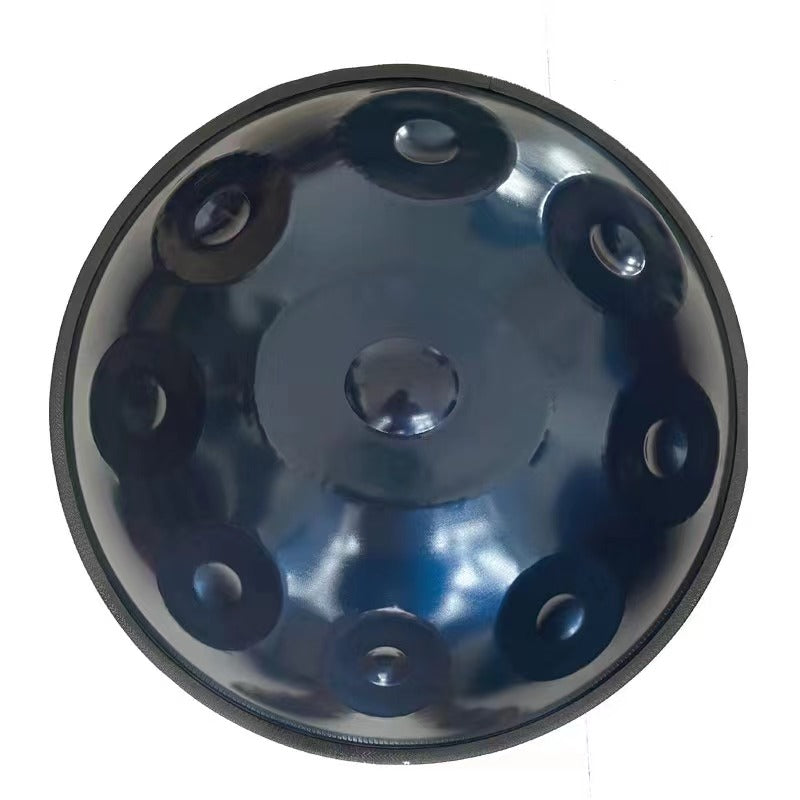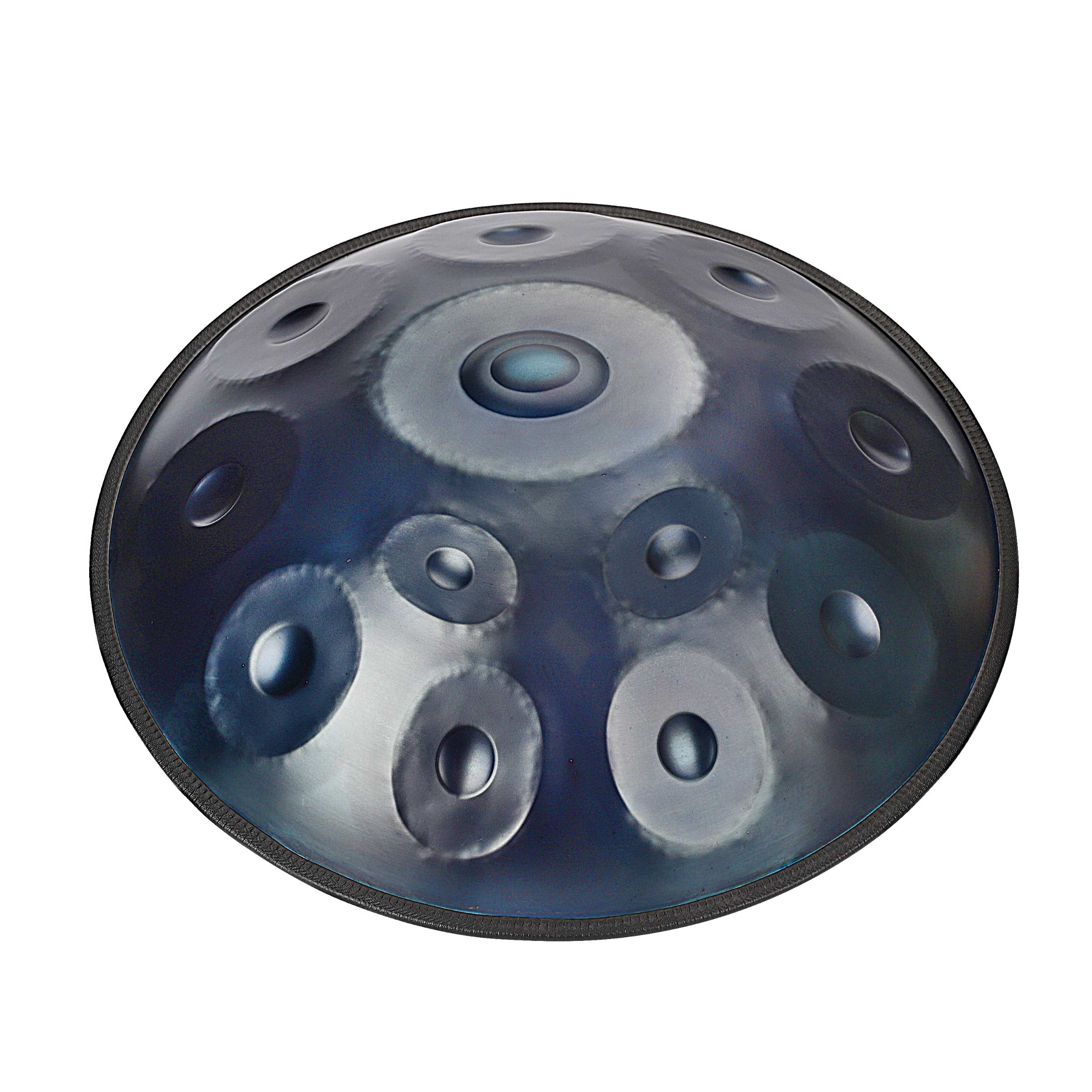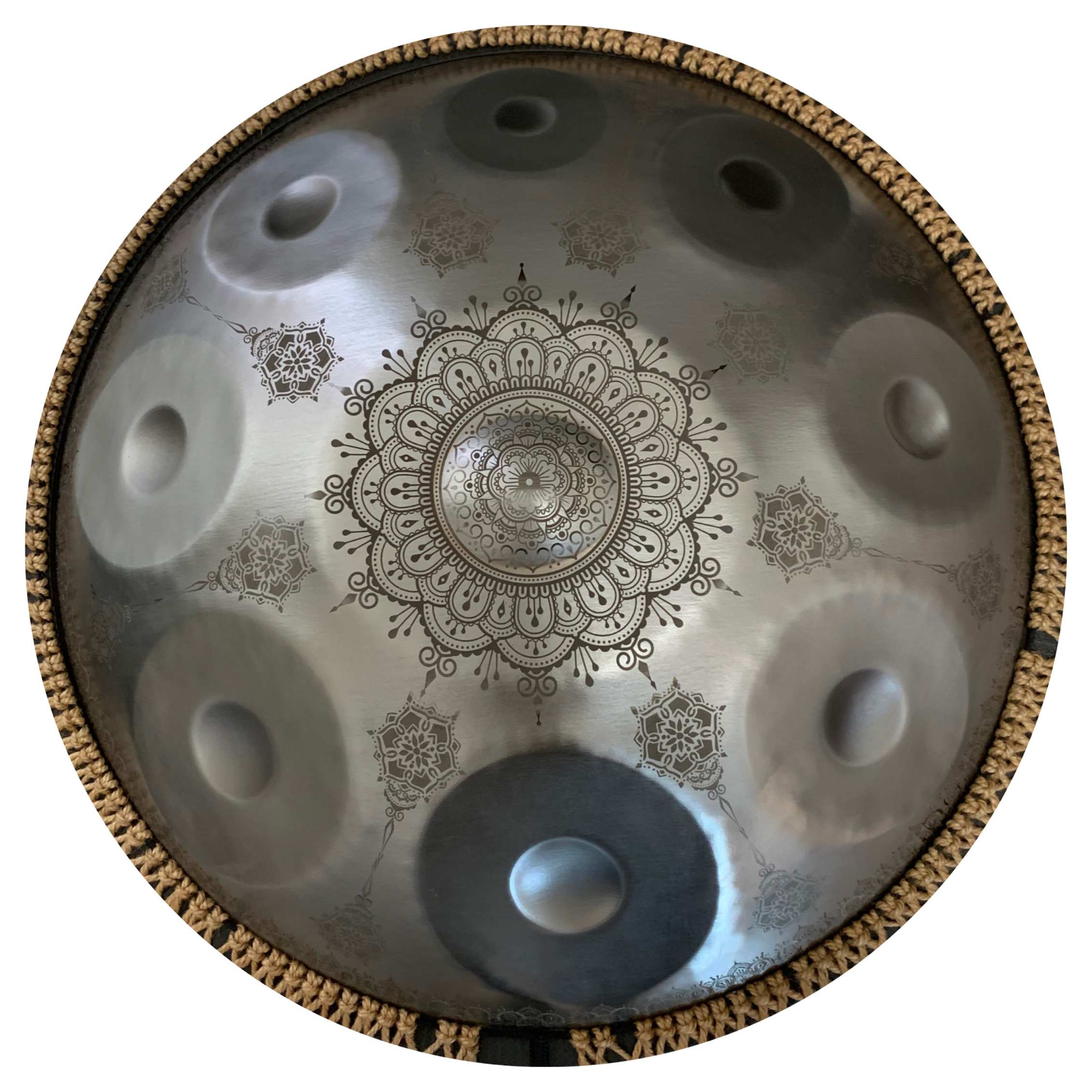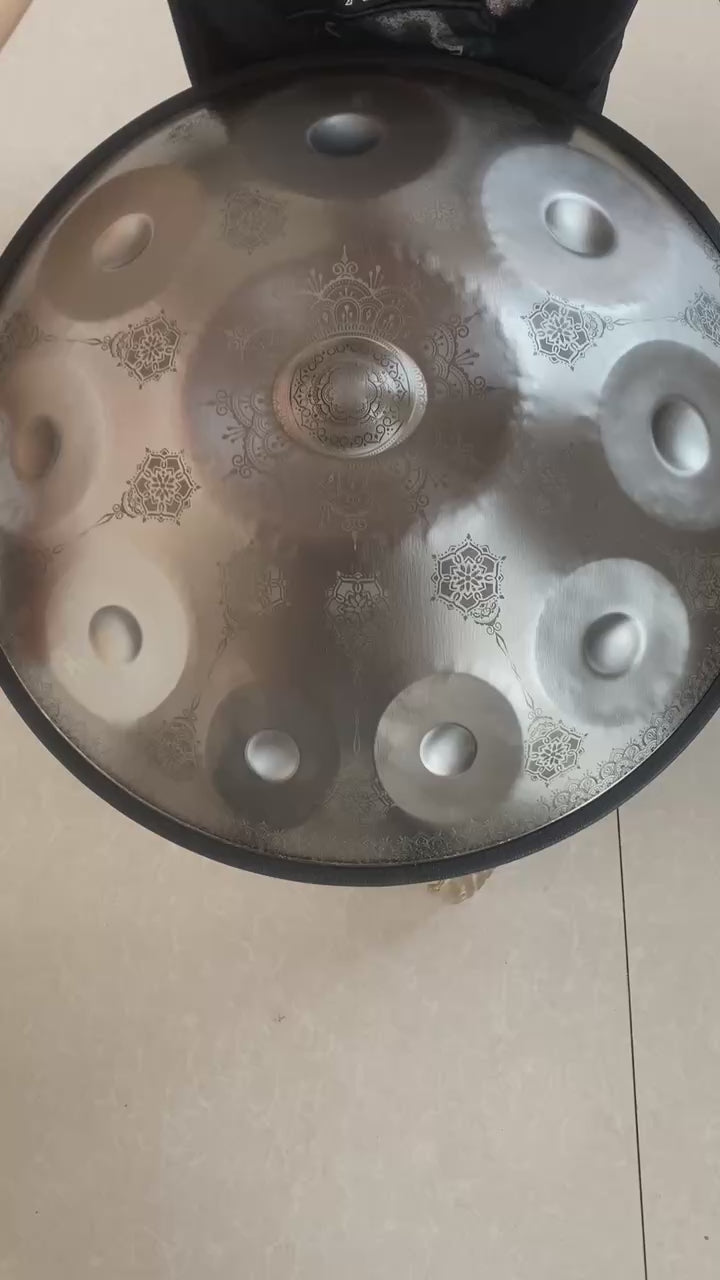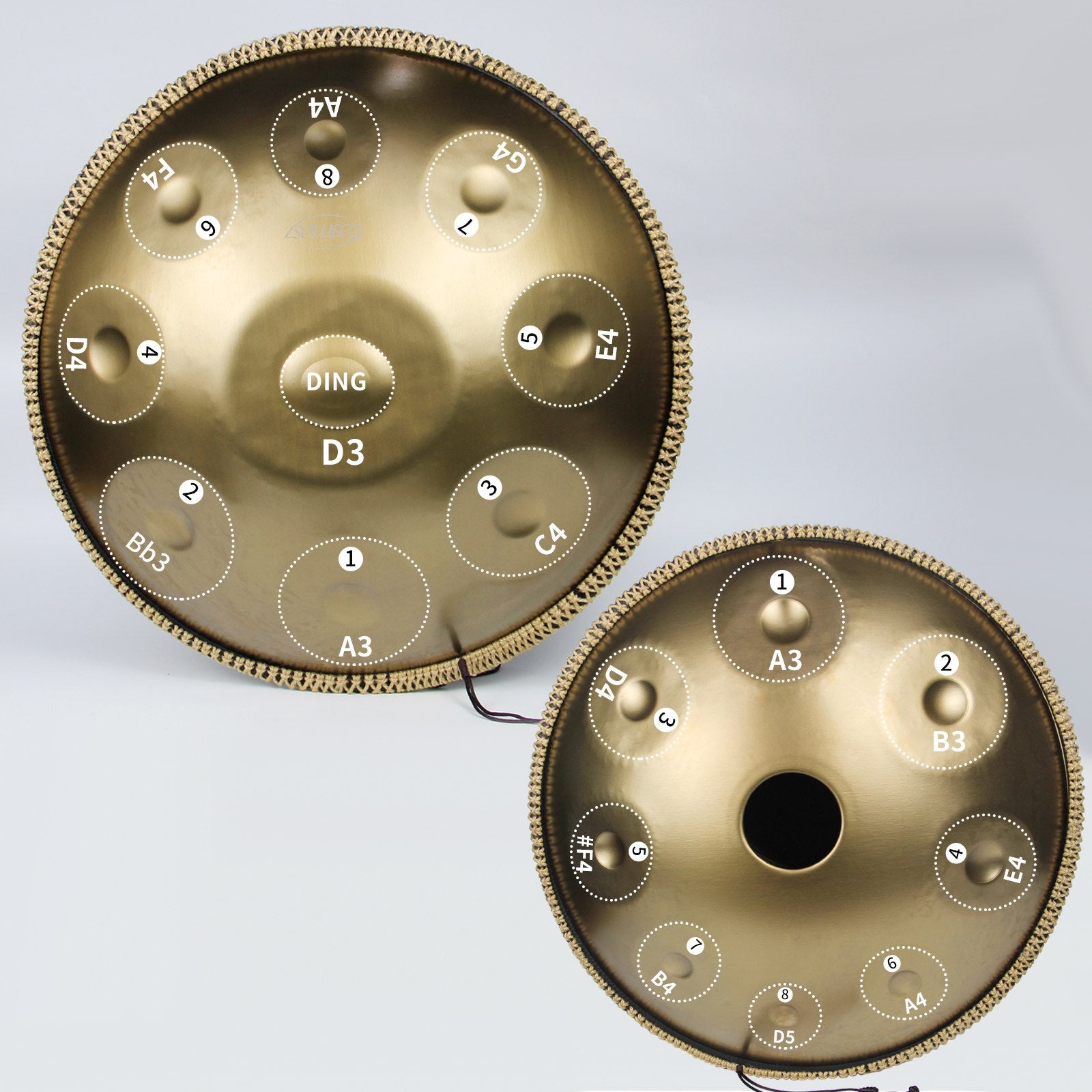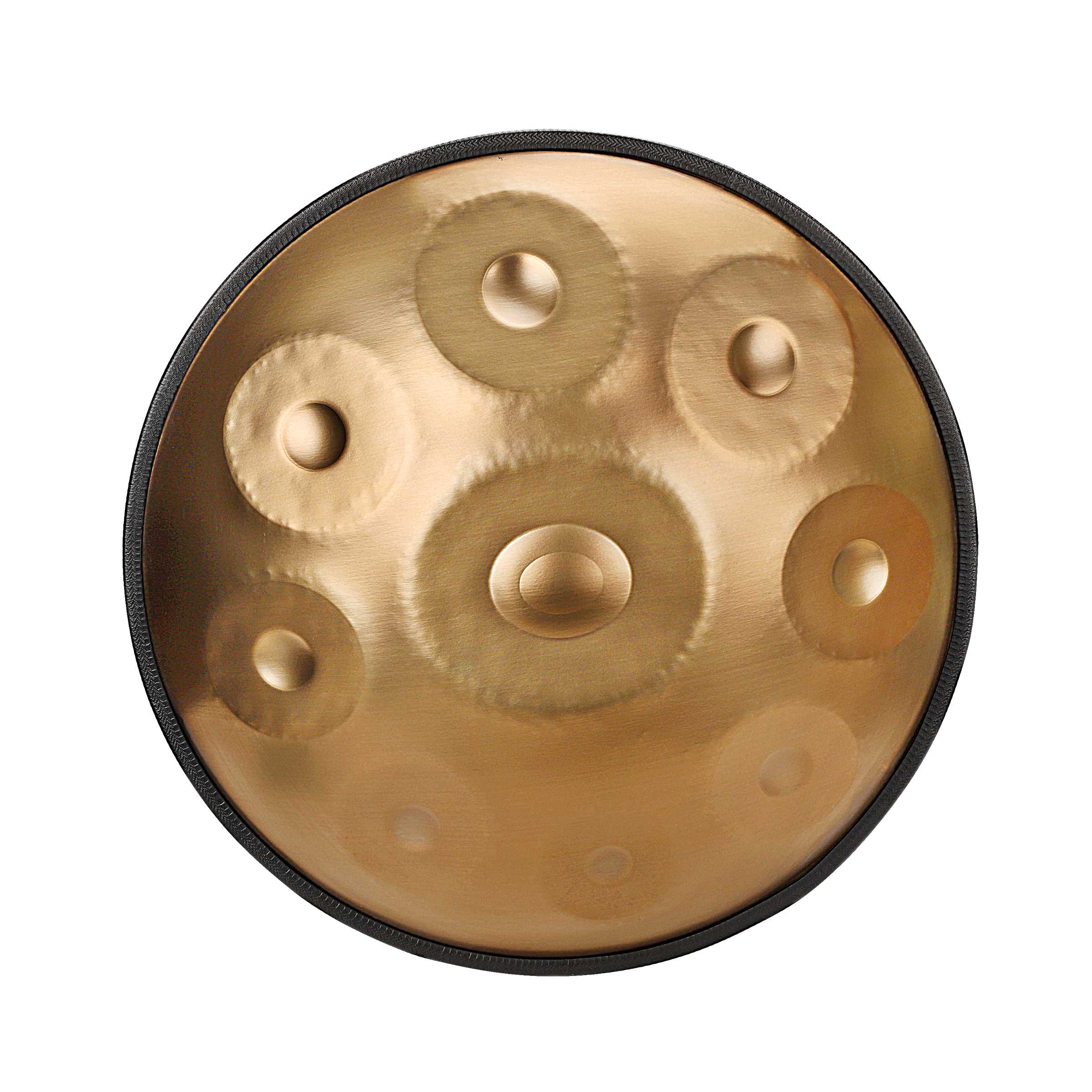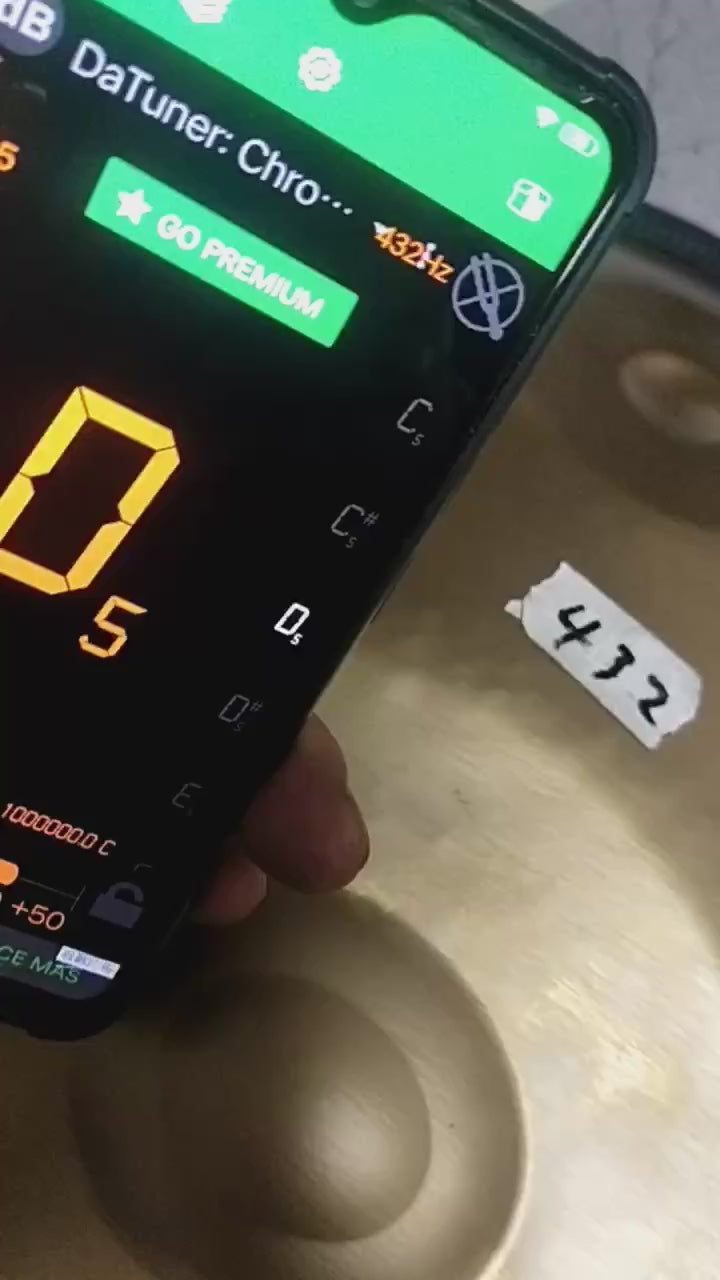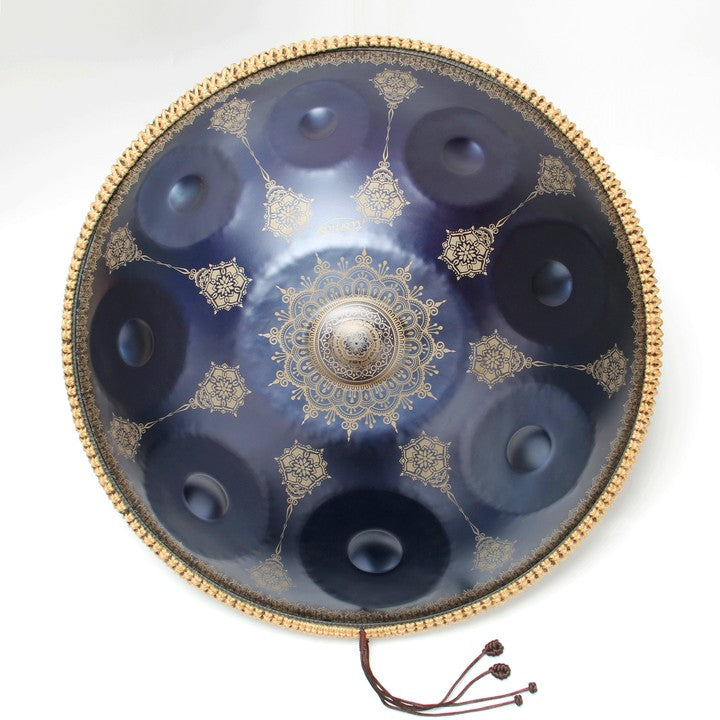
The modern handpan market is currently saturated with generic advice, leading many aspiring musicians to purchase instruments that actively fight against their intended playing style. For years, nitrided steel was the undisputed industry standard. Today, the conversation has entirely shifted to a heated debate regarding Ember Steel vs. Stainless Steel Handpans. Choosing between these two materials is not merely an aesthetic decision; it dictates the acoustic limitations, maintenance requirements, and fundamental character of your instrument.

From our experience working with both emerging artists and seasoned professionals, purchasing the wrong alloy is the single biggest mistake a player can make. A percussive player attempting to play fast, complex rhythms on a highly resonant stainless steel handpan will be met with a muddy, washed-out wall of sound. Conversely, a sound healer attempting to draw long, ethereal tones from a heavily dampened nitrided pan will feel severely restricted. We take a firm position on this: your playing style must dictate your material choice.
In this comprehensive guide, we dissect the absolute truths behind Ember Steel vs. Stainless Steel Handpans. We will bypass the marketing jargon to explain exactly how these materials behave under real-world conditions, helping you make a precise, highly informed buying decision.
Quick Answer: Which Material Should You Choose?
When comparing Ember Steel vs. Stainless Steel Handpans, the decision boils down to your desired sustain and playing speed.
- Stainless Steel produces a massive, ethereal, long-lasting sustain. It is highly rust-resistant and incredibly loud. It is the absolute best choice for slow, melodic playing, meditation, and outdoor environments.
- Ember Steel offers a warm, controlled, ceramic-like tone with a shorter sustain. It provides a distinct "snap" or "crunch" when struck, making it the superior choice for fast, percussive, and highly articulated playing styles.
Expert Advice: If you plan to play fast, complex rhythms, buy Ember Steel. If you want to bathe a room in sustained vibrations for yoga or sound healing, buy Stainless Steel.
Table of Contents
- Quick Summary Table
- What It Is: The Metallurgy Explained
- How It Works: Acoustics and Resonance
- 6 Pros and Cons: Ember Steel vs. Stainless Steel Handpans
- Benefits and Limitations Examined
- Alloy Comparison Table
- Who Should Use It (And Who Does Not Need It)
- Common Mistakes When Buying and Maintaining
- Buying Considerations and Guide Table
- Expert Recommendation
- The Bottom Line
- Authoritative References
- Frequently Asked Questions
Quick Summary Table
| Feature | Ember Steel Handpans | Stainless Steel Handpans |
|---|---|---|
| Sound Profile | Warm, focused, ceramic-like, slightly muted. | Bright, expansive, highly resonant, ethereal. |
| Sustain Length | Moderate. Allows for fast note separation. | Extremely long. Notes bleed into one another easily. |
| Rust Resistance | High (but requires occasional oiling). | Very High (near immunity in normal conditions). |
| Ideal Playing Style | Fast, percussive, rhythmic, complex articulation. | Slow, melodic, sound baths, meditative. |
| Dynamic Range | Excellent control at low to medium volumes. | Exceptionally loud; can be overwhelming if hit hard. |
What It Is: The Metallurgy Explained
To truly understand the debate of Ember Steel vs. Stainless Steel Handpans, you must look at the raw chemistry of the shells before the hammer ever strikes.
Stainless Steel: In the context of handpans, stainless steel (typically an alloy containing a high percentage of chromium) is prized for its structural integrity against oxidation. The inclusion of chromium creates a passive layer on the surface that prevents rust. However, this elemental addition fundamentally changes the stiffness and elasticity of the steel. When drawn into a handpan shell, stainless steel becomes incredibly vibrant, allowing energy (sound waves) to travel across the surface with minimal impedance.
Ember Steel: Ember steel is not a generic industrial material; it is a proprietary, specially formulated carbon steel designed specifically for the handpan industry. It is deep-drawn and undergoes a highly controlled heat treatment process that alters its crystalline structure. This process gives the steel its namesake amber/bronze coloring and results in a material that bridges the gap between traditional nitrided steel and stainless steel. It offers the rust resistance of stainless, but retains the controlled, earthy timbre of nitrided steel.
For those curious about how these materials shaped the history of the instrument, reviewing the handpan origin and history reveals how early pioneers constantly battled with rust before the advent of these modern alloys.
How It Works: Acoustics and Resonance
When you strike a tone field on a handpan, you are exciting three distinct frequencies simultaneously: the fundamental note, the octave, and the compound fifth. How it works visually is much like dropping a stone into a pond; the ripples travel outward.
In a stainless steel handpan, those ripples encounter very little resistance. The energy sustains for a remarkable amount of time. This creates a "chorus" effect, where a chord played on the instrument will hover in the air for several seconds. If you are exploring handpan therapy benefits, this massive sustain is precisely what induces a trance-like, meditative state in listeners.
Ember steel operates differently. The heat-treated carbon structure acts as a natural dampener. When you strike an ember steel pan, the fundamental note speaks clearly, but the ripples dissipate much faster. This shorter sustain prevents "frequency washing"—a phenomenon where playing fast notes causes the sounds to crash into one another, creating a muddy, dissonant noise. This physical reality is why the best handpan players who utilize rapid, percussive techniques heavily favor ember or nitrided alloys.
6 Pros and Cons: Ember Steel vs. Stainless Steel Handpans

In our testing and manufacturing experience, neither material is objectively "better" in a vacuum. However, they possess distinct advantages and glaring disadvantages depending on the application.
| Material Aspect | Ember Steel Handpans | Stainless Steel Handpans |
|---|---|---|
| 1. Timbre and Warmth (Pro/Con) | Pro: Delivers a distinctly warm, ceramic, "earthy" tone that many purists prefer. | Con: Can sound overly bright or "metallic/glassy" to some ears, lacking the traditional warmth. |
| 2. Sustain Control (Pro/Con) | Pro: Shorter sustain allows for intricate, fast-paced rhythmic playing without notes blurring. | Pro: Massive sustain is unparalleled for slow, deeply emotional, chordal playing. |
| 3. Environmental Durability (Pro/Con) | Con: While highly rust-resistant, it is not immune. Still requires regular maintenance in humid climates. | Pro: Exceptional resistance to rust. Ideal for busking on the beach or living in high-humidity areas. |
| 4. Tuning Stability (Pro/Con) | Pro: The material absorbs shock well, making it somewhat resilient to heavy-handed playing. | Con: Stainless steel can be "brittle" in its tension. If struck too hard by an inexperienced player, it can detune rapidly. |
| 5. Volume & Projection (Pro/Con) | Con: Generally quieter. Requires more physical effort to project sound in a large outdoor space. | Pro: Exceptionally loud. A light touch produces a massive volume, great for unamplified outdoor gigs. |
| 6. Percussive "Snap" (Pro/Con) | Pro: Provides a satisfying, crisp "tak" sound when hitting the interstitial spaces (the shell between the notes). | Con: The shell is so resonant that percussive slaps often accidentally trigger adjacent tone fields, muddying the rhythm. |
Benefits and Limitations Examined
A major misconception is that stainless steel is the ultimate upgrade from all other materials. This is a myth driven by marketing. The primary limitation of a stainless steel handpan is its lack of percussive isolation. If you slap the side of a stainless pan to keep a beat, the entire instrument rings out. This severely limits a player's ability to use the instrument as a traditional drum. If you want to hear this difference in action, we recommend utilizing handpan learning apps to listen to digital samples of both materials before buying.
Conversely, the limitation of ember steel is its volume ceiling. In most professional situations where a player is busking on a noisy street corner without amplification, an ember steel handpan can get drowned out by ambient city noise. Stainless steel, however, will cut through that noise effortlessly.
Alloy Comparison Table
| Technical Specification | Ember Steel | Stainless Steel |
|---|---|---|
| Primary Alloy Base | High-Carbon Steel (Proprietary Heat Treat) | Chromium-Alloy Steel |
| Surface Coloration | Deep Amber, Bronze, Gold, Blue hues | Shiny Silver, Gold, or Iridescent Heat Colors |
| Tuning Difficulty (For Makers) | Highly malleable, predictable shaping | Stubborn, requires immense precision and heat control |
| Required Lubrication | Moderate (Every 2-4 weeks) | Low (Every 1-2 months, mostly for cleaning) |
Who Should Use It (And Who Does Not Need It)
For beginners: We strongly advise starting your journey with a comprehensive handpan for beginners guide. However, regarding material, Stainless Steel is highly forgiving for novices. Because it requires a very light touch to produce a beautiful sound, beginners find it instantly rewarding. Furthermore, its rust resistance means if a beginner forgets to oil the instrument for a month, it will not instantly degrade.
For commercial users and sound healers: If you are a yoga instructor, a meditation guide, or a music therapist, you absolutely need a Stainless Steel handpan. The long sustain and ethereal overtones are scientifically proven to aid in relaxation.
For heavy-duty applications and percussive masters: If you are a drummer transitioning to the handpan, or if you intend to play fast, syncopated rhythms, Ember Steel is mandatory. A drummer's natural instinct is to strike firmly and quickly. Doing this on stainless steel results in a chaotic wash of sound. Ember steel handles the heavy-handed, rapid-fire approach with clarity and grace.
Who does not need either: If you are a producer strictly looking to sequence handpan sounds into an electronic music track, you do not need to spend $2,000 on a physical instrument. You are better off exploring digital handpan instruments and VST plugins that offer pristine, pre-recorded samples of both alloys.
Common Mistakes When Choosing an Alloy
From our experience, the most heartbreaking mistake a buyer makes is ignoring their local climate. Buying a carbon steel or ember steel handpan while living directly on the coast or on a boat is asking for trouble. The saline moisture in the air will aggressively attack the steel. In highly corrosive environments, stainless steel is the only pragmatic choice.
Another common mistake is applying the wrong tuning techniques. Understanding how to tune a handpan is a highly specialized skill. Many players attempt to forcefully retune a stainless steel handpan themselves when it goes out of tune, only to permanently ruin the architecture of the note. Stainless steel holds immense tension; it requires a master tuner to adjust it without breaking the frequency matrix.
Buying Considerations for 2026
When you are ready to make a purchase, do not rely on generic YouTube reviews. You must evaluate the instrument based on your specific use case. Use the following buying guide table to finalize your decision regarding Ember Steel vs. Stainless Steel Handpans.
| Consideration | Ember Steel Recommendation | Stainless Steel Recommendation |
|---|---|---|
| Primary Playing Speed | Ideal for tempos above 100 BPM. | Ideal for tempos below 90 BPM. |
| Playing Environment | Indoor studios, dry climates, amplified stage gigs. | Outdoor busking, humid climates, acoustic sound baths. |
| Scale Selection | Excels in minor, driving scales (e.g., Kurd, Celtic). | Excels in major, uplifting scales (e.g., Sabye, Ashakiran). |
| Maintenance Commitment | Must be willing to oil and wipe down regularly. | Requires minimal ongoing maintenance. |
"In our testing, we consistently find that players who buy stainless steel expecting to play rapid, percussive funk beats end up frustrated by the overtone clash. Conversely, players who buy ember steel for sound baths feel the notes die out too quickly. Align your material with your musical intention, not the current internet hype."
Expert Recommendation
The Cosmos Handpans Philosophy

In the heart of Colorado, USA, Cosmos Handpan shines as a guiding light of musical innovation and soulful resonance. We have more than a decade of expertise in creating handpans and tongue drums. Passion, precision, and an unwavering pursuit of musical excellence steep our musical journey.
We recommend a highly pragmatic approach. If this is your first instrument and you are drawn to the mystical, resonating sounds commonly associated with the instrument, choose Stainless Steel. It is durable, loud, and incredibly rewarding to play. However, if you are a multi-instrumentalist, a percussionist, or someone looking to record highly articulated studio tracks, Ember Steel is the superior, more controllable medium.
The Bottom Line
The debate between Ember Steel vs. Stainless Steel Handpans is not a battle to crown a single winner; it is an evolution of acoustic choice. Ember steel brings the warmth, control, and percussive "snap" reminiscent of the original Swiss Hang, optimized for complex modern playing. Stainless steel pushes the boundaries of resonance, offering an ethereal, highly durable instrument that thrives outdoors and in therapeutic settings. Assess your playing speed, your local climate, and your musical goals, and invest in the alloy that empowers your specific style.
Authoritative References
To ensure this guide provides accurate metallurgical and acoustic data, we reference standards established by the following authoritative organizations:
- Acoustical Society of America (ASA) - For peer-reviewed research regarding the modal vibrations and resonance frequencies of steel idiophones.
- Percussive Arts Society (PAS) - The leading authority on percussive instrument standards, playing techniques, and material evaluations for professional musicians.
- American Music Therapy Association (AMTA) - For clinical guidelines on utilizing resonant acoustic instruments, such as stainless steel handpans, in therapeutic and sound healing environments.
Frequently Asked Questions
In most professional situations, Stainless Steel is considered better for absolute beginners. It requires a much lighter touch to activate the notes, producing a beautiful sound instantly. Additionally, its high resistance to rust is very forgiving for beginners who may forget to establish a strict oiling and maintenance routine.
Ember steel is a proprietary carbon steel that undergoes a specialized heat treatment, making it highly rust-resistant compared to traditional raw or nitrided steel. However, it is not entirely rust-proof. If exposed to high humidity, salty coastal air, or acidic sweat without proper oiling, it will eventually develop surface rust.
Stainless steel handpans are engineered for maximum sustain. When you play rapidly, the sound waves from the previously struck notes are still heavily vibrating. Striking new notes causes these frequencies to crash into one another, creating a dissonant, muddy "wash" of sound. This is why Ember Steel is preferred for fast, percussive playing.
Yes. Due to the dampening nature of the heat-treated carbon structure, Ember steel handpans have a lower volume ceiling and shorter projection. Stainless steel handpans are significantly louder and carry their sound much further, making them ideal for outdoor busking without electronic amplification.