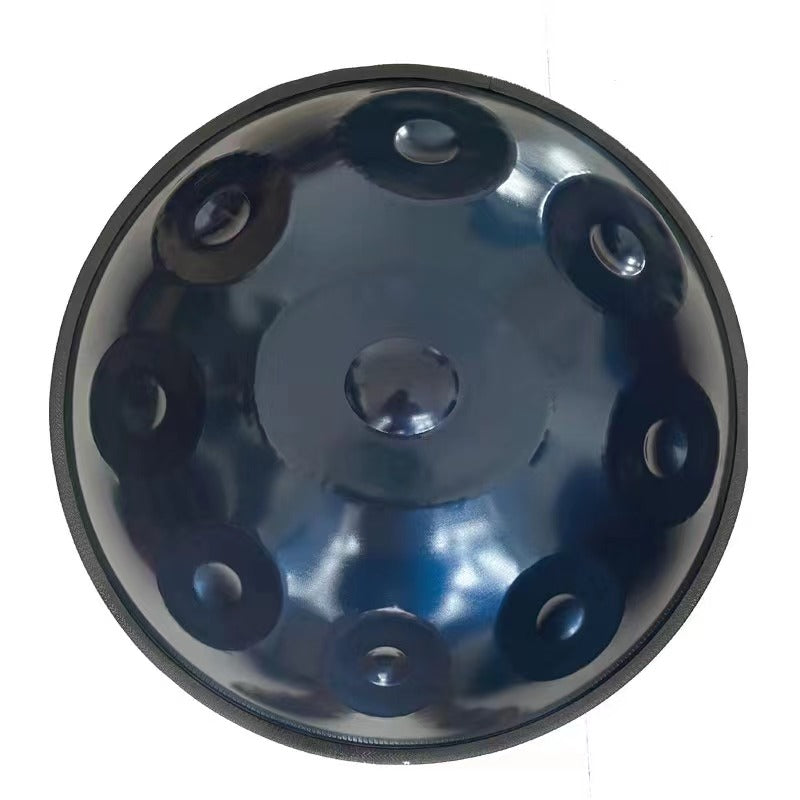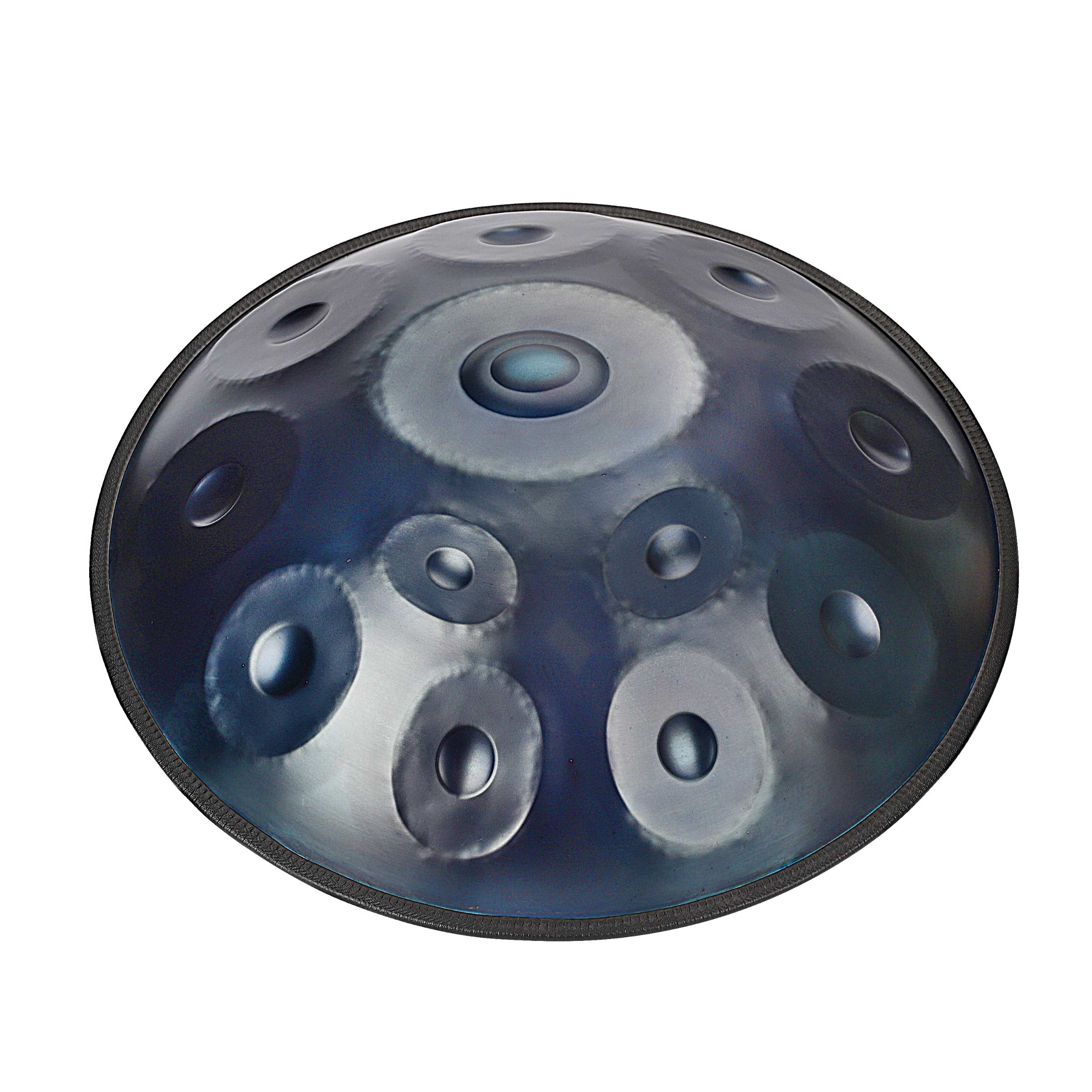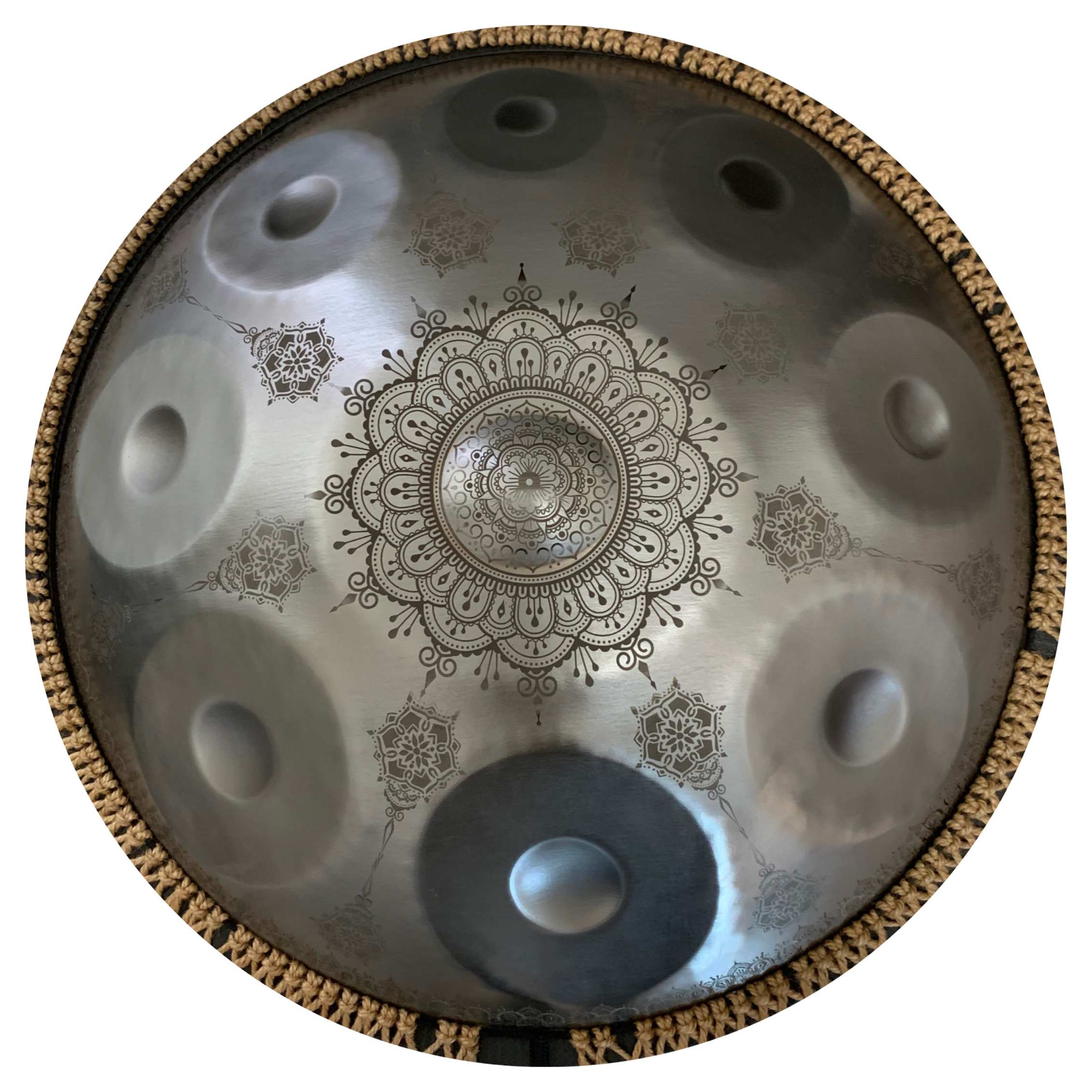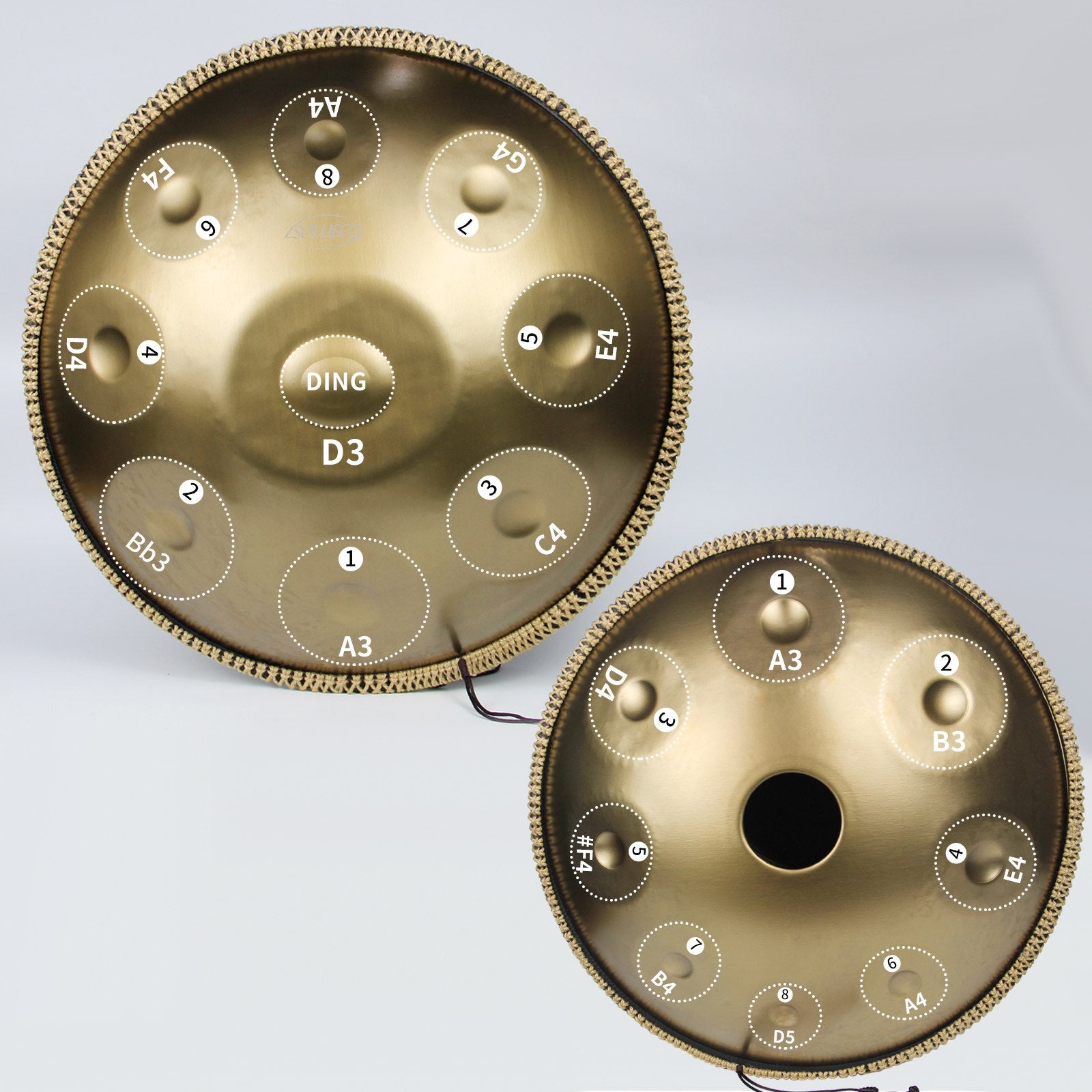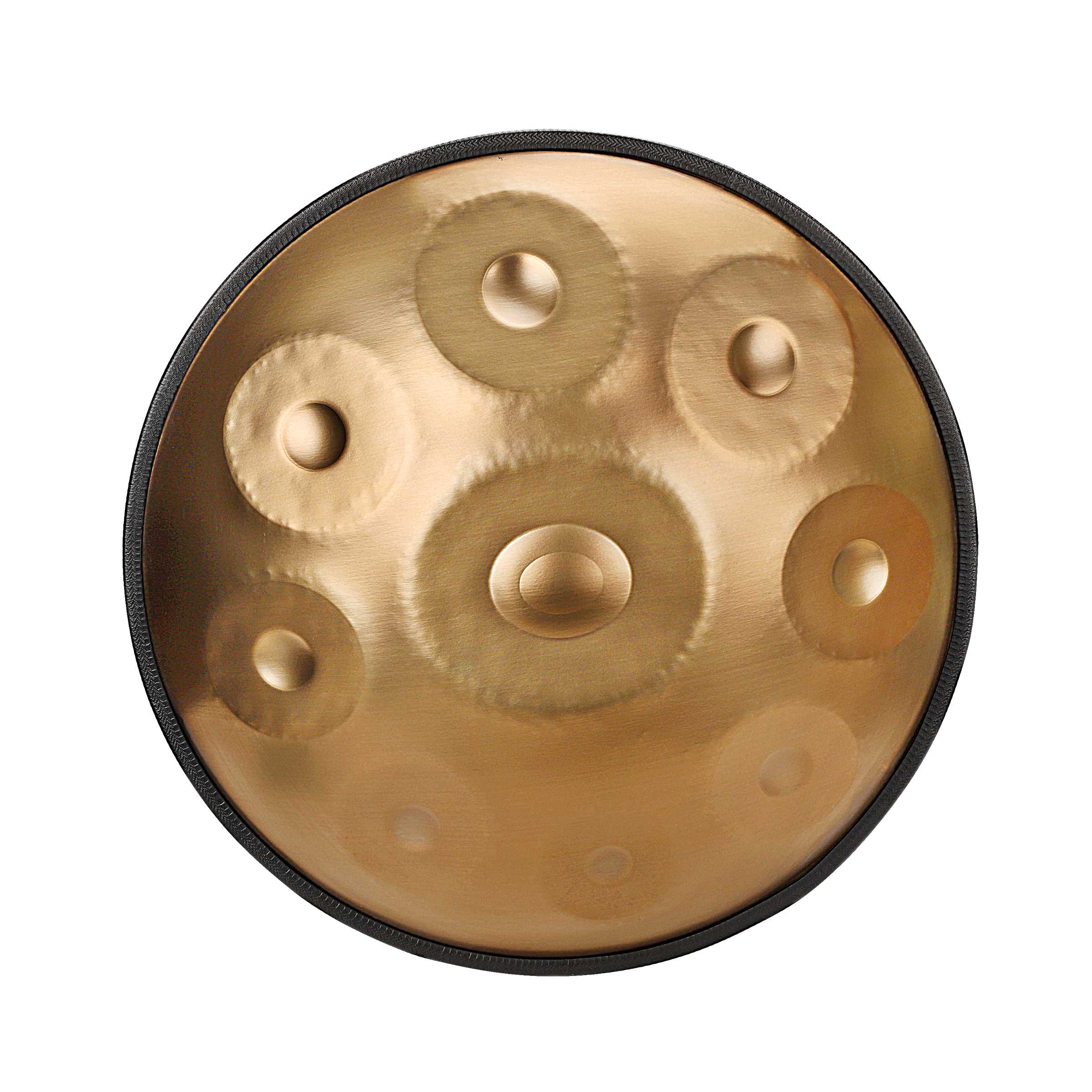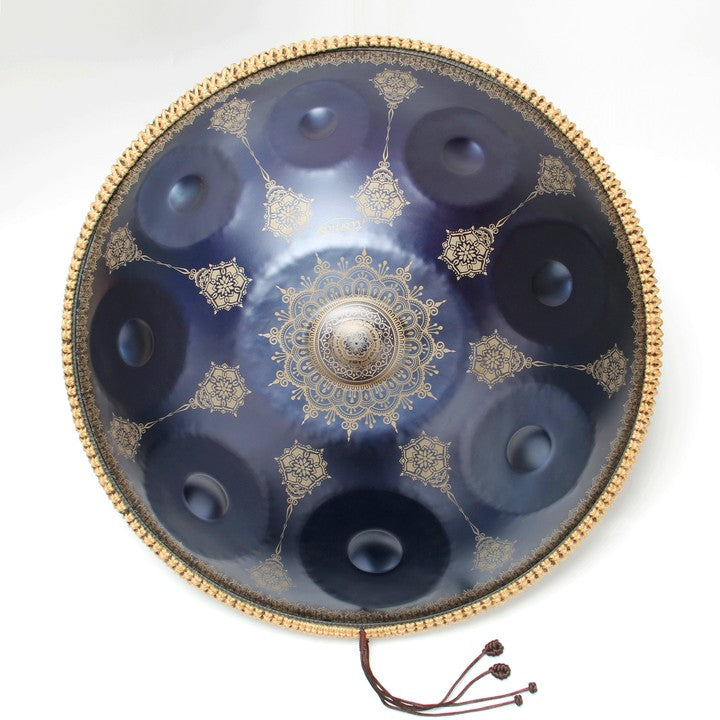

In the heart of Colorado, USA, Cosmos Handpans shines as a guiding light of musical innovation and soulful resonance. We have more than a decade of expertise in creating handpans and tongue drums. Passion, precision, and an unwavering pursuit of musical excellence steep our musical journey. Cosmos’ story begins with a shared love for music and a profound desire to create instruments that transcend sound. Our instruments and melody resonate deeply with the spirit of every musician. Our crafters pour their heart into each handpan and tongue drum with intricate workmanship and dedication. Our artisans infuse each instrument with ethereal melodies that stir the senses and uplift the spirit.

Because our instruments accompany artists on global tours, retreats, and personal journeys, the most frequent logistical question we receive from our community is: can I bring a handpan on a plane? Transporting a delicate, precision-tuned acoustic instrument constructed from nitrided steel or stainless steel requires strict operational foresight. Commercial air travel introduces severe physical hazards, fluctuating atmospheric pressures, and restrictive baggage policies. This comprehensive engineering and travel guide details exactly how you can safely bring a handpan on a plane without compromising the instrument's structural integrity or sonic tuning.
Table of Contents
- 1. Understanding Aviation Regulations for Musical Instruments
- 2. Evaluating Carry-On vs. Checked Baggage When You Bring a Handpan on a Plane
- 3. Structural Specifications for Handpan Flight Cases
- 4. Expert Boarding Strategies to Bring a Handpan on a Plane
- 5. Altitude and Temperature Impact on Metal Tuning
- 6. Alternative Options: Digital Instruments and Therapy
- 7. Summary Table: Airline Handpan Travel Matrix
- 8. Frequently Asked Questions (FAQs)
- 9. Regulatory References
1. Understanding Aviation Regulations for Musical Instruments
Before you attempt to bring a handpan on a plane, you must understand the legal framework governing musical instruments on commercial aircraft. In the United States, the Federal Aviation Administration (FAA) Modernization and Reform Act of 2012, specifically Section 403, requires air carriers to accept musical instruments as carry-on baggage provided there is space in the overhead bins or under the seats at the time of boarding. However, a standard handpan typically measures between 21 and 24 inches in diameter. When enclosed in a protective bag, the dimensions frequently exceed standard airline carry-on limits (usually 22 x 14 x 9 inches).
This dimensional discrepancy makes the decision to bring a handpan on a plane as a carry-on a matter of airline discretion and crew compliance. From our experience supplying touring professionals, international carriers operating large wide-body aircraft (such as the Boeing 777 or Airbus A350) feature expansive overhead bins capable of accommodating a soft-cased handpan. Narrow-body domestic flights, conversely, almost guarantee intervention by flight attendants. Understanding this regulatory gray area is the foundation of successful instrument transport.
2. Evaluating Carry-On vs. Checked Baggage When You Bring a Handpan on a Plane
The primary dilemma when you bring a handpan on a plane is choosing between the cabin and the cargo hold. Each method presents distinct logistical requirements and mechanical risks to the instrument.
The Carry-On Strategy
Attempting to bring a handpan on a plane as a carry-on item is the preferred method for preserving the instrument's intonation. Bypassing the baggage carousel eliminates the risk of high-velocity impacts from automated sorting belts and careless ground handlers. When executing this strategy, the handpan must be housed in a streamlined, reinforced soft bag or a hybrid semi-rigid case that minimizes external dimensions while maximizing foam density. We recommend utilizing gig bags with rigid inserts that protect the central ding and the fragile tone fields along the outer rim.
The Checked Baggage Reality
If overhead bin space is unavailable, or if you are flying on a regional jet, you will be forced to check the instrument. To bring a handpan on a plane in the cargo hold without suffering catastrophic detuning or metal deformation, the instrument must be encased in a military-grade, crush-proof flight case. The physics of baggage handling subject cargo to lateral compression and vertical drops. A standard soft bag will not protect the delicate tuning areas from heavy suitcases stacked on top of it. From our experience, checking a handpan should only be done if you possess a fiberglass or impact-resistant resin hard case custom-molded to the exact geometry of your instrument.
From our experience at Cosmos Handpans, the most critical vulnerability during flight is the central dome (the ding). We recommend placing custom-cut acoustic foam or a high-density polyurethane block directly over the ding before closing your flight case to distribute any external compressive force away from the tuning center.
3. Structural Specifications for Handpan Flight Cases

If you must bring a handpan on a plane as checked luggage, the flight case must meet specific structural tolerances. Professional handpan hard cases utilize a suspended isolation architecture. The exterior shell absorbs the kinetic energy of an impact, while the internal high-density EVA foam suspends the instrument, preventing the metal from absorbing shockwaves.
Furthermore, atmospheric pressure changes within the cargo hold dictate that flight cases must feature automatic pressure release valves. Without an equalization valve, rapid descent from 35,000 feet can cause the case to form an immovable vacuum seal, or conversely, cause the internal air to expand aggressively, warping the shell and compromising the instrument inside. Investing in a highly engineered travel enclosure is mandatory if you plan to bring a handpan on a plane regularly.
4. Expert Boarding Strategies to Bring a Handpan on a Plane
If your goal is to bring a handpan on a plane into the passenger cabin, proactive boarding strategies are required to secure overhead bin space.
- Purchase Priority Boarding: The FAA mandate stipulates that instruments are allowed in the cabin only if space is available at the time of boarding. We recommend purchasing Group 1 or priority boarding status. Securing early entry guarantees access to empty overhead bins before the cabin fills with standard roller bags.
- Purchase a Cabin Seat: For professional recording artists transporting irreplaceable instruments, purchasing a secondary passenger seat for the handpan is the most secure method. Airlines refer to this as cabin baggage or seat-loaded cargo. The instrument is strapped into the seat adjacent to you, ensuring zero risk of handling damage.
- Gate Checking: If challenged by the boarding agent, politely request a gate check rather than a ticket-counter check. Gate checking means the handpan is carried down the jet bridge and placed directly into the cargo hold right before takeoff, bypassing the hazardous automated conveyor belt systems within the terminal.
5. Altitude and Temperature Impact on Metal Tuning
Many musicians ask whether they can bring a handpan on a plane without the altitude ruining the tuning. Handpans are tuned by manipulating the inherent tension of the steel. Extreme temperature fluctuations can temporarily or permanently alter this tension. Passenger cabins are climate-controlled, posing no risk to the metal. However, cargo holds can experience significant temperature drops during high-altitude cruising.
Cold temperatures cause steel to contract, temporarily raising the pitch of the tone fields. When you retrieve your instrument, we recommend allowing the handpan to acclimate to room temperature for at least 24 hours before playing aggressively or assessing its tuning. Playing a deeply chilled handpan can disrupt the internal stress geometry, leading to long-term detuning. For insights into the psychological and physiological resonance of these frequencies, we suggest exploring handpan music benefits, which detail the profound effects of properly tuned overtones on the human nervous system.
6. Alternative Options: Digital Instruments and Therapy
For musicians undertaking highly complex multi-leg international flights where it is simply too risky or expensive to bring a handpan on a plane, technological alternatives have advanced significantly. The development of digital handpan instruments offers traveling artists a compact, MIDI-capable solution that fits comfortably into a standard backpack, bypassing airline dimensional restrictions entirely.
During transit, engaging with the sonic qualities of the handpan can mitigate travel anxiety. Whether you physically bring a handpan on a plane or not, you can experience deep handpan therapy benefits mid-flight by utilizing high-fidelity recordings. We curate exceptional handpan music tracks and provide guides on where to securely download handpan music for offline listening during your flight.
Furthermore, studying the techniques of the best handpan players or exploring a comprehensive handpan songs list while airborne provides profound inspiration, ensuring that you arrive at your destination creatively rejuvenated and ready to perform.
7. Summary Table: Airline Handpan Travel Matrix
| Travel Method | Required Protection Level | Risk Factor to Instrument | Operational Strategy |
|---|---|---|---|
| Carry-On (Overhead Bin) | Reinforced Soft Gig Bag | Low Risk | Purchase priority boarding to secure limited overhead bin space. |
| Cabin Seat (Purchased Ticket) | Standard Soft Gig Bag | Zero Risk | Book an extra seat labeled 'CBBG' (Cabin Baggage). |
| Gate Check | Semi-Rigid or Hard Case | Moderate Risk | Carry to the jet bridge; request manual loading by ground crew. |
| Checked Baggage (Counter) | Military-Grade Flight Hard Case | High Risk | Utilize a pressure-equalized, crush-proof fiberglass case with heavy internal foam. |
8. Frequently Asked Questions (FAQs)
Is it legal to bring a handpan on a plane as a carry-on?
Yes. Under FAA regulations for US-based flights, musical instruments must be permitted as carry-on baggage if there is available space in the cabin at the time the passenger boards. However, to successfully bring a handpan on a plane in the cabin, you must board early before the overhead bins are filled with standard luggage.
Will X-ray scanners at airport security damage the tuning of my handpan?
No. The X-ray and millimeter-wave scanners utilized by the Transportation Security Administration (TSA) emit electromagnetic radiation, which has zero kinetic or thermal effect on the tensile stress of nitrided or stainless steel. You can confidently bring a handpan on a plane through security checkpoints.
What should I do if the flight attendant refuses to let my handpan in the cabin?
Remain polite and immediately request a gate check. Gate checking ensures that the instrument bypasses the violent mechanical conveyor belts of the main terminal. The ground crew will manually carry the instrument down to the cargo hold from the jet bridge.
How do temperature changes in the cargo hold affect the handpan?
Extreme cold in the cargo hold causes the steel to temporarily contract, which can sharpen the pitch. We recommend allowing the instrument to return to ambient room temperature naturally over 24 hours before playing. Rapidly heating the handpan can permanently distort the tuning structure.
9. Regulatory References
- U.S. Department of Transportation (DOT) - Final Rule Regarding Air Travel with Musical Instruments
- Transportation Security Administration (TSA) - Security Screening for Musical Instruments
- Federal Aviation Administration (FAA) - Section 403 of the FAA Modernization and Reform Act of 2012
Ultimately, the decision to bring a handpan on a plane requires careful logistical planning, investment in superior protective casing, and a thorough understanding of airline regulations. By adhering to these expert protocols, you can ensure that your Cosmos Handpan arrives at your global destination with its ethereal melodies completely intact, ready to stir the senses and uplift the spirit wherever your musical journey leads.