
The creation of a resonant, perfectly intonated handpan is a delicate marriage of metallurgical science and acoustic artistry. However, the foundational truth of this industry is absolute: a tuner is only as good as the steel they strike. You cannot hammer bad steel into a masterpiece. In the early days of exploring the handpan origin and history, builders spent hundreds of exhausting hours manually sinking flat metal sheets into bowls using pneumatic hammers. Today, that archaic process has been entirely superseded by precision engineering.

From our experience working with master tuners and analyzing the acoustic properties of modern instruments, the transition to sourcing pre-formed shells from dedicated Handpan shell manufacturers has revolutionized the art form. These specialized fabricators use deep-drawing, hydro-forming, and metal spinning techniques to create uniform hemispheres with exact thickness tolerances. In this uncompromising guide, we will evaluate the top Handpan shell manufacturers operating in 2026, dissect the metallurgy behind their products, and provide strict commercial judgment on where you should source your raw materials.
Quick Answer: Who Are the Best Handpan Shell Manufacturers?
In most professional situations, the world's elite tuners rely on five primary Handpan shell manufacturers to supply their raw materials: Ayasa Shells (Netherlands), Shellopan (France), Colin Foulke / DCD (USA), Echo Custom Shells (Switzerland), and Premium Global OEM Suppliers. Ayasa remains the undisputed gold standard for proprietary stainless steel (Ember Steel) shells, offering unparalleled sustain. Shellopan and Colin Foulke are the premium choices for classic, warm nitrided DC04 steel. We recommend Ayasa for builders targeting professional, high-sustain instruments, while OEM deep-drawn shells are highly practical for high-volume commercial users.
Table of Contents
- What Are Handpan Shells?
- How Shell Manufacturing Works
- The 5 Best Handpan Shell Manufacturers
- Benefits of Buying Pre-Made Shells
- Limitations and Metallurgical Realities
- Who Should Use Raw Shells
- Who Does Not Need Them
- Common Mistakes Tuners Make
- Crucial Buying Considerations
- Expert Recommendation
- Pros and Cons Table
- Comparison Table
- Frequently Asked Questions (FAQ)
What Are Handpan Shells?
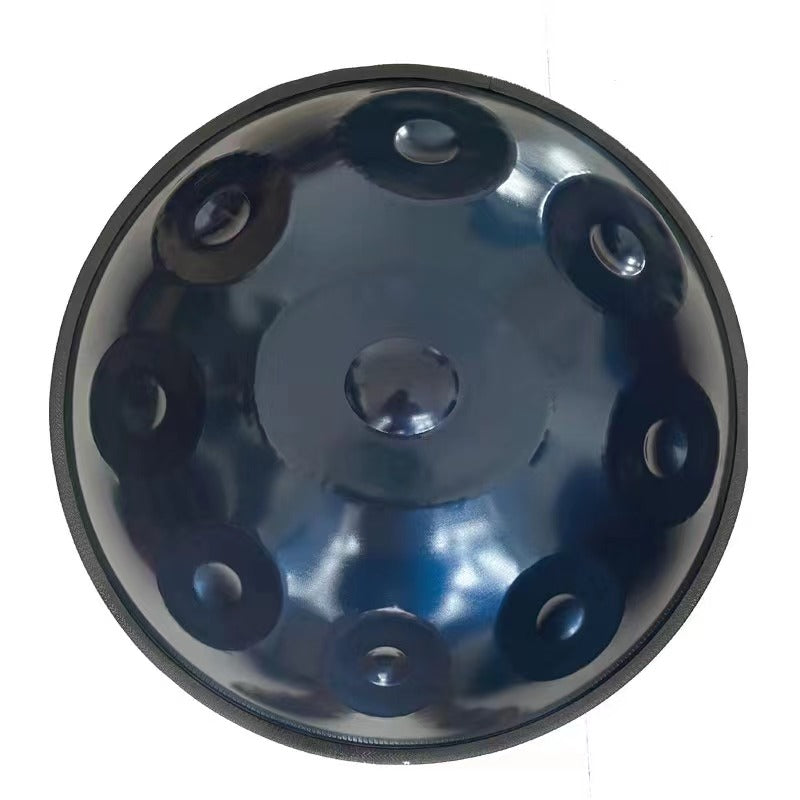
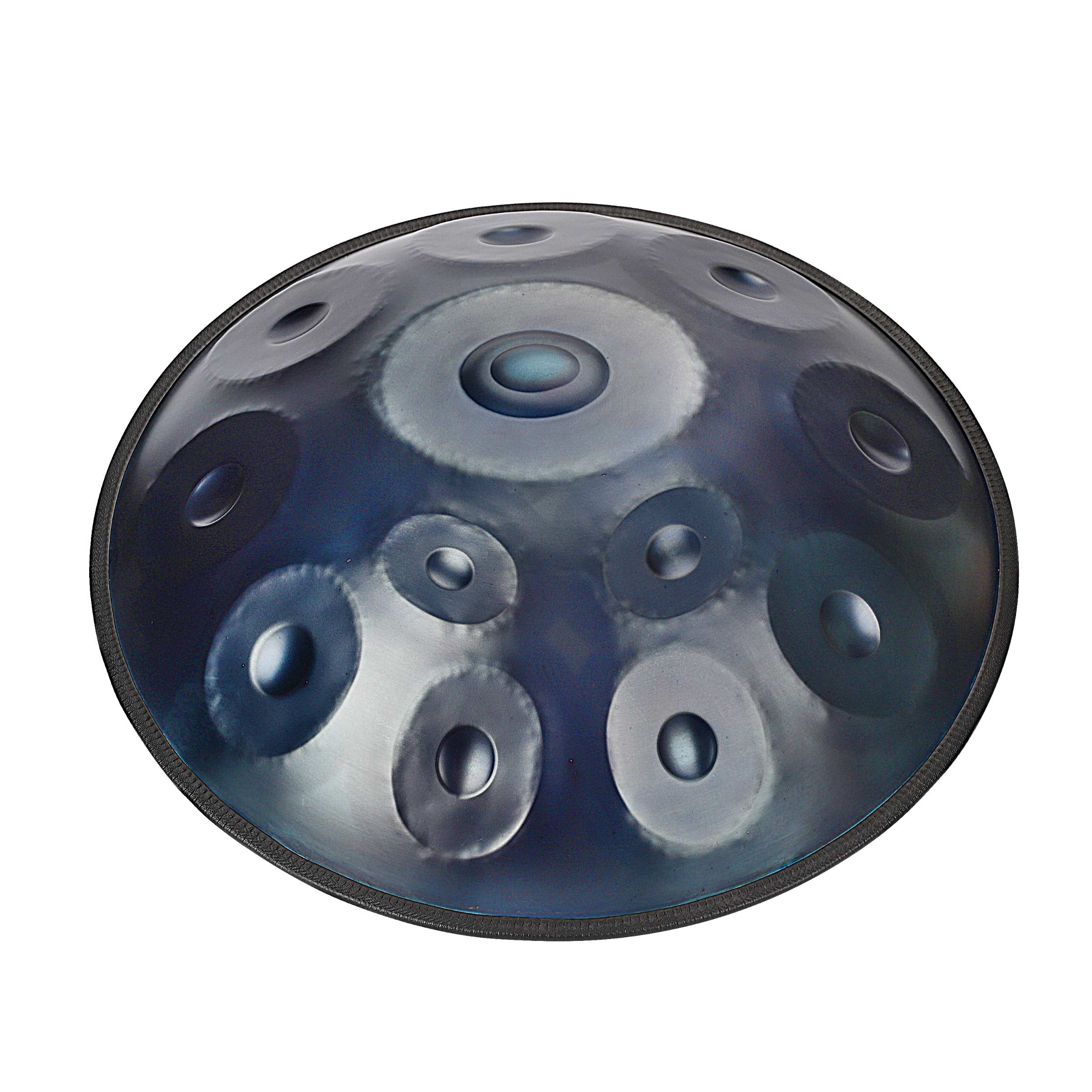
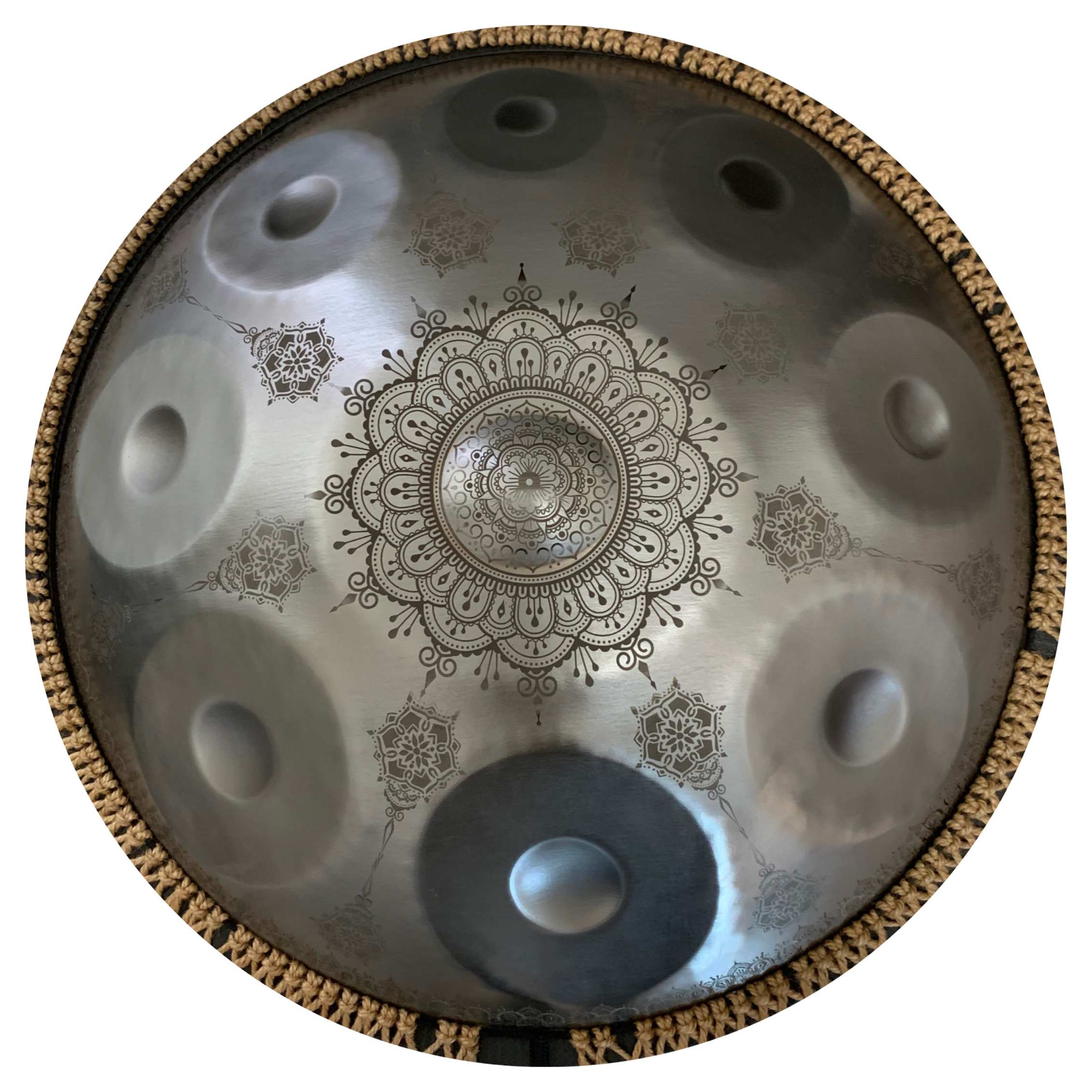
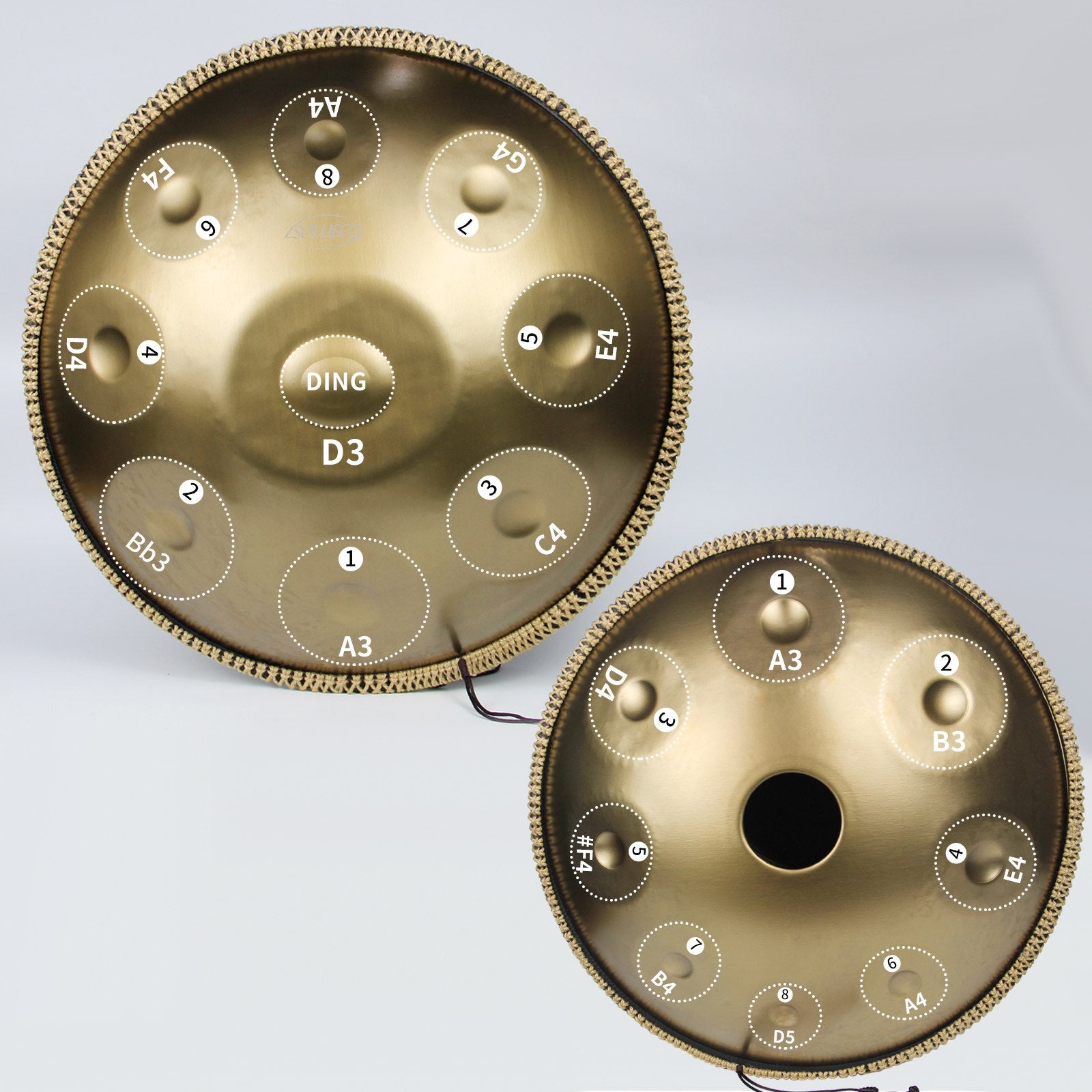
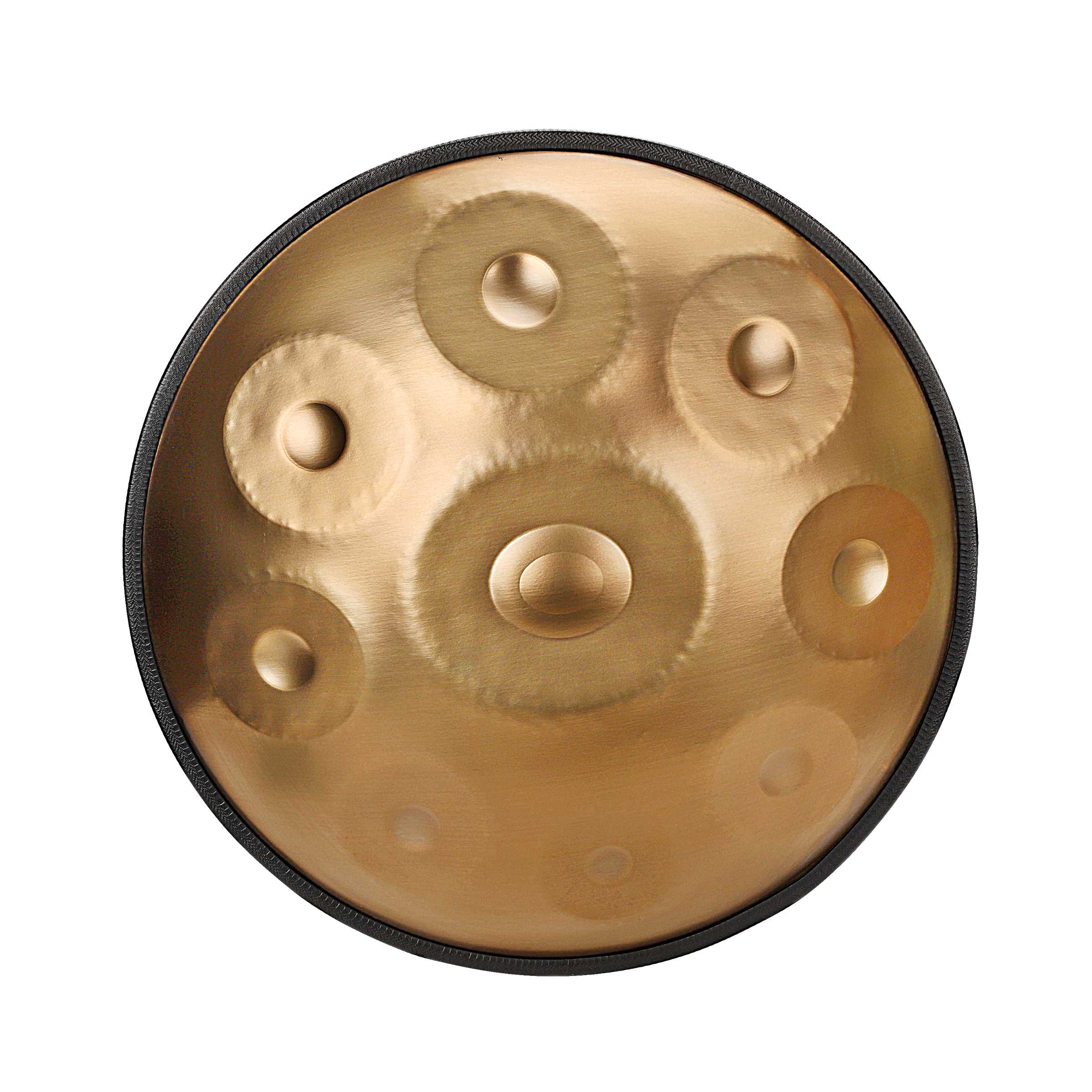
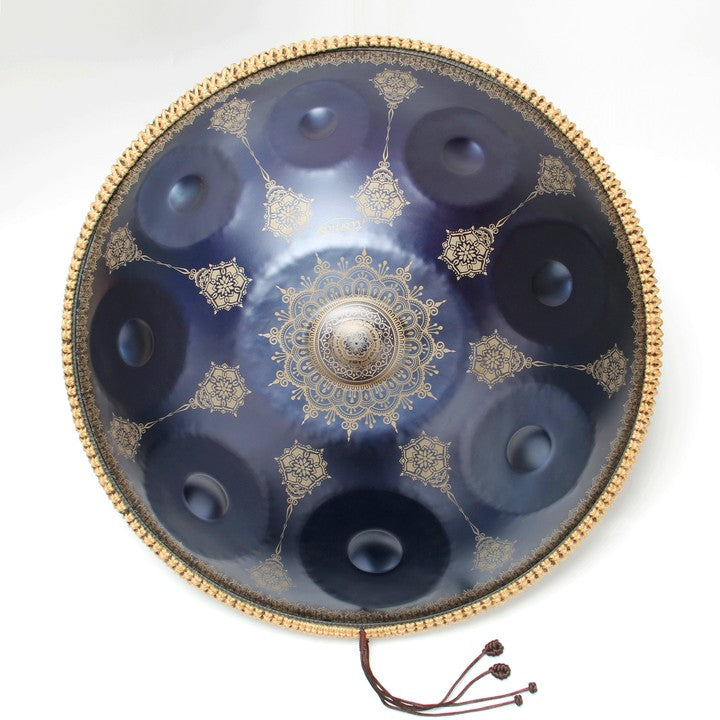
A handpan shell is the raw, un-tuned, hemispherical metal canvas that forms the top (ding side) or bottom (gu side) of a handpan. Before a tuner shapes the tone fields and coaxials, they must start with this blank dome. Historically, answering where is handpan from meant looking at Switzerland, where the original PANArt Hang was born from manually sunk steel. Today, Handpan shell manufacturers industrialize this initial step.
These shells are typically 53cm (21 inches) in diameter and are pressed with a central dimple. The thickness of the steel usually ranges from 1.0mm to 1.2mm. The raw shells must undergo specialized heat treatments—either ferritic nitrocarburizing (nitriding) for low-carbon steel, or specific annealing processes for stainless steel—before they are ready to withstand the intense compressive stress of tuning.
How Shell Manufacturing Works
Handpan shell manufacturers utilize three primary methods to transform flat metal discs into perfectly uniform domes. Understanding these methods is critical for commercial users assessing material consistency.
- Deep Drawing: A massive hydraulic press forces a flat sheet of steel into a female die using a male punch. This is the industry standard. It ensures perfect geometric consistency and uniform material stretching, preventing the thin spots that plague hand-sunk shells.
- Metal Spinning: A flat disc is mounted on a CNC lathe and spun at high speeds while a roller presses it over a mandrel. Spun shells often possess a distinct concentric grain structure, which some tuners claim adds a specific stiffness to the metal, aiding in high-frequency retention.
- Hydro-Forming: High-pressure hydraulic fluid expands the metal sheet into a die cavity. While cost-effective, hydro-forming can sometimes result in unpredictable wall thinning if the steel batch is inconsistent.
Once formed, carbon steel shells undergo nitriding. This chemical hardening process infuses nitrogen into the surface of the steel, preventing rust and locking the internal tension required to sustain the therapeutic frequencies often discussed when examining handpan music benefits.
The 5 Best Handpan Shell Manufacturers
In our testing and prolonged engagement with the global tuning community, the following five Handpan shell manufacturers consistently deliver the architectural precision and metallurgical purity required to craft world-class instruments.
1. Ayasa Shells (Netherlands)
Ayasa is arguably the most influential shell provider of the modern era. They pioneered the use of specific stainless steel alloys—most notably their "Ember Steel"—which fundamentally changed the acoustic landscape of the instrument. Their deep-drawn stainless shells offer an agonizingly long sustain and rich overtones, perfectly suited for players focusing on the handpan therapy benefits of meditative sound bathing. If you are building premium instruments, Ayasa is the absolute benchmark.
2. Shellopan (France)
Shellopan represents the collaborative, open-source spirit of the early maker community. They specialize in deep-drawn DC04 mild steel shells that undergo a highly controlled gas nitriding process. Their shells are renowned for providing the classic, warm, and controlled "ceramic" sound that purists seek when comparing the hang drum vs handpan acoustic profiles.
3. Colin Foulke / DCD (United States)
Colin Foulke's Deep Drawn Shells (DCD) brought reliable, high-tolerance manufacturing to the North American market. His proprietary die architecture ensures that the rim (the flange where the two halves are glued) is perfectly flat, drastically reducing the time tuners spend wrestling with asymmetrical glue seams. His raw shells are exceptional blanks for tuners who prefer to manage their own custom heat treatments.
4. Echo Custom Shells / ECS (Switzerland)
Operating out of the geographic birthplace of the instrument, ECS provides ultra-precision spun and drawn shells. Their materials are favored by makers who build highly percussive instruments. The structural integrity of an ECS shell allows tuners to pack complex 17-note layouts onto the top dome without the architecture collapsing under internal stress.
5. Premium Global OEM Suppliers
For commercial users building entry-level to mid-tier handpans at scale, relying exclusively on boutique European suppliers destroys profit margins. Several high-tier OEM manufacturers in Asia have perfected the deep-drawing and nitriding of DC04 steel. When vetted correctly with strict quality control, these Handpan shell manufacturers provide the dimensional accuracy necessary for large-scale production, allowing brands to offer accessible instruments to beginners.
Benefits of Buying Pre-Made Shells
The primary benefit of utilizing dedicated Handpan shell manufacturers is the total elimination of the sinking phase. Hand-sinking a shell takes hours of grueling physical labor, causes debilitating repetitive strain injuries (RSI), and results in a shell with inconsistent thickness. Pre-drawn shells allow a tuner to immediately begin the intellectual work of shaping notes and isolating frequencies. This drastically increases production volume and ensures a baseline level of acoustic stability.
Limitations and Metallurgical Realities
We must apply commercial judgment here: buying pre-made shells forces you to adapt to the manufacturer's architecture. If a deep-drawn shell has a specific central dome (ding) size, you cannot significantly alter it. Furthermore, shipping empty steel bowls internationally is a logistics nightmare. You are essentially paying to ship "air," which results in massive freight costs and import duties that severely impact the final retail price of the instrument.
Who Should Use Raw Shells
For commercial users and aspiring builders: If you are a sound engineer, a metallurgist, or an aspiring tuner looking to build your own brand, establishing a supply chain with reputable Handpan shell manufacturers is your first mandatory step. You must secure reliable steel before you ever pick up a tuning hammer.
Who Does Not Need Them
For beginners and musicians: If you simply want to play music, you have absolutely zero need to research raw shell suppliers. Buying an un-tuned shell is like buying an uncarved block of wood when you wanted a guitar. Furthermore, if the idea of maintaining steel seems overwhelming, you should bypass physical shells entirely and explore digital handpan instruments. For traditional players, your focus should be on finding reputable brands that sell fully finished, masterfully tuned instruments.
Pros and Cons Table: Sourcing Pre-Made Shells
| Pros of Using Pre-Made Shells | Cons of Using Pre-Made Shells |
|---|---|
| Perfectly uniform thickness, preventing acoustic warbles. | High international shipping costs due to volumetric weight. |
| Saves 4 to 8 hours of brutal manual labor per instrument. | Locks the builder into the manufacturer's specific ding/port dimensions. |
| Access to proprietary, scientifically tested alloys (e.g., Ember Steel). | Reliance on third-party supply chains and potential backorders. |
| Flat, precise rims ensure a flawless, airtight glue seal. | Requires minimum order quantities (MOQs) for commercial pricing. |
Common Mistakes Tuners Make
The most catastrophic mistake amateur builders make is buying cheap, un-nitrided mild steel shells from unverified industrial stamping plants. Mild steel that has not been properly nitrocarburized cannot hold tune. You will spend days tuning the instrument perfectly, only to watch the notes completely detune within 48 hours as the raw steel's elastic memory collapses. If you are sourcing from unknown Handpan shell manufacturers, you must demand a metallurgical certificate proving the material is drawing-grade DC04 or 430/custom stainless.
Crucial Buying Considerations
Before issuing a purchase order to any Handpan shell manufacturers, evaluate the following parameters:
- Material Thickness: For heavy-duty applications (percussive playing styles), demand a 1.2mm nitrided shell. For sustained, melodic playing, a 1.0mm stainless steel shell is acoustically superior.
- Dimple Architecture: Does the shell come pre-pressed with notes, or is it a blank canvas? Professional tuners demand blanks to dictate their own scale layouts.
- Heat Treatment: Ensure the manufacturer has executed the stress-relief annealing phase. If the shell has internal stress from the drawing press, it will fight your hammer blows during the tuning process.
Comparison Table: Top Shell Materials
| Material Type | Sustain Profile | Timbre / Tone | Best For... |
|---|---|---|---|
| Nitrided DC04 Steel | Short to Medium | Warm, Ceramic, Controlled | Percussive players, fast tempos. |
| Stainless Steel (Standard) | Long | Bright, Metallic, Resonant | Meditative playing, slow arpeggios. |
| Ember Steel (Ayasa Proprietary) | Extremely Long | Deep, Complex Overtones, Warm | Professional sound healers, studio recording. |
Expert Recommendation
Cosmoshandpan - Your Finished Instrument Partner
While understanding the mechanics of Handpan shell manufacturers is vital for builders, musicians need instruments that are ready to sing. At Cosmoshandpan - Handpans for Meditation, Performance and Sound Healing, we take the guesswork out of metallurgy and tuning.

Explore Cosmos Handpan instruments in D Minor and other player-friendly scales. We meticulously select our source materials so you don't have to. Choose beginner-friendly 9-note handpans or expanded 10, 12 and 17-note models for deeper composition and performance. By relying on elite engineering, we ensure that every strike resonates with the clarity demanded by the best handpan players in the world.
Most handpan orders include a protective bag, stand, mallets and cleaning cloth, with free tracked shipping, 14-day return support and 12-month warranty coverage. Stop worrying about raw steel and start playing.
Frequently Asked Questions (FAQ)
The "best" material depends strictly on your acoustic goals. Nitrided mild steel (like DC04) provides a warm, controlled, ceramic tone that decays quickly, making it ideal for fast, percussive playing. Conversely, stainless steel yields a bright, ethereal tone with massive sustain, making it the superior choice for slow, meditative, and chordal playing styles. You will notice this distinction clearly when listening to professional handpan music tracks.
The global industry standard thickness ranges from 1.0mm to 1.2mm. A 1.0mm shell is highly responsive to delicate touch and is generally easier to shape with a hammer. For heavy-duty applications—such as aggressive street busking or intense percussive striking—a 1.2mm shell provides necessary structural rigidity to prevent the instrument from detuning over time.
Technically yes, but practically, it is a monumental task. Tuning requires isolating three distinct frequencies (the fundamental, the octave, and the compound fifth) within a single oval membrane. If you wish to simply learn existing handpan songs list, attempting to build your own instrument will delay your musical journey by years. Leave the tuning to the masters and purchase a finished product.
Authoritative References & Industry Standards
To ensure our metallurgical and acoustic claims are accurate, we reference the following authoritative scientific bodies and standards organizations:
- ASM International: The world's largest association of materials-centric engineers and scientists, providing the definitive standards on deep drawing steel properties and ferritic nitrocarburizing (nitriding) processes. Review ASM Metallurgy Standards
- Acoustical Society of America (ASA): The premier international scientific society dedicated to acoustics, offering peer-reviewed research on the non-linear modal coupling and harmonic overtone structures of tuned steel idiophones. Review ASA Acoustic Research
- National Institute of Standards and Technology (NIST): A physical sciences laboratory of the U.S. Department of Commerce providing rigorous data on manufacturing tolerances and material science stability. Review NIST Manufacturing Data
To explore more about the instrument's sound profile before making a decision, we recommend finding reliable sources to download handpan music and studying the tonal differences between stainless and nitrided steel yourself.