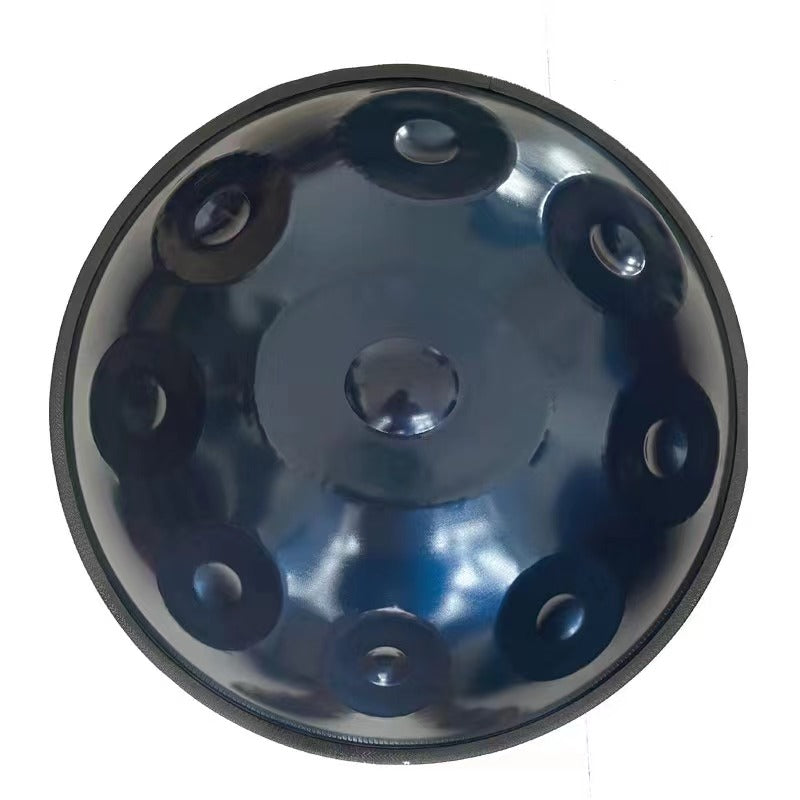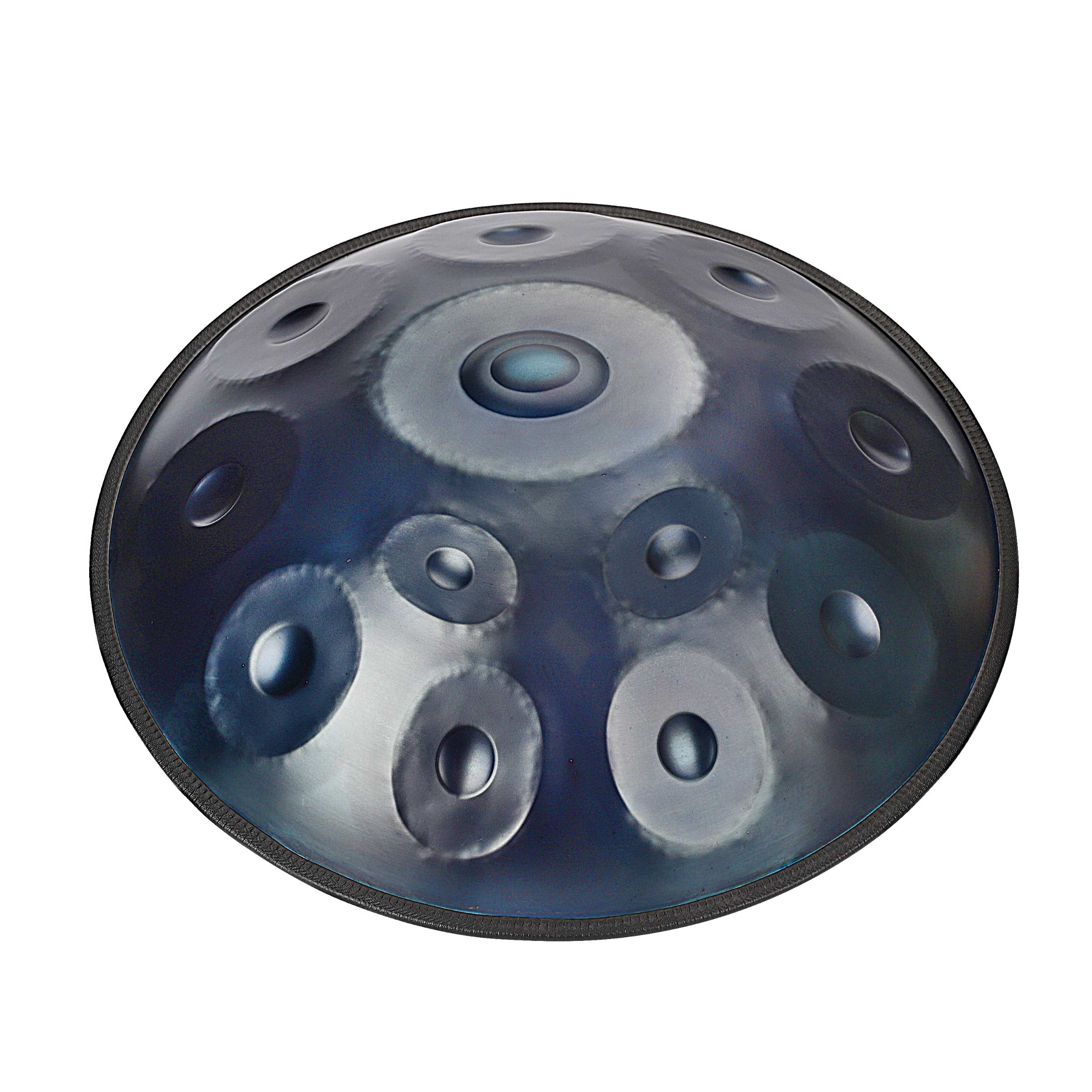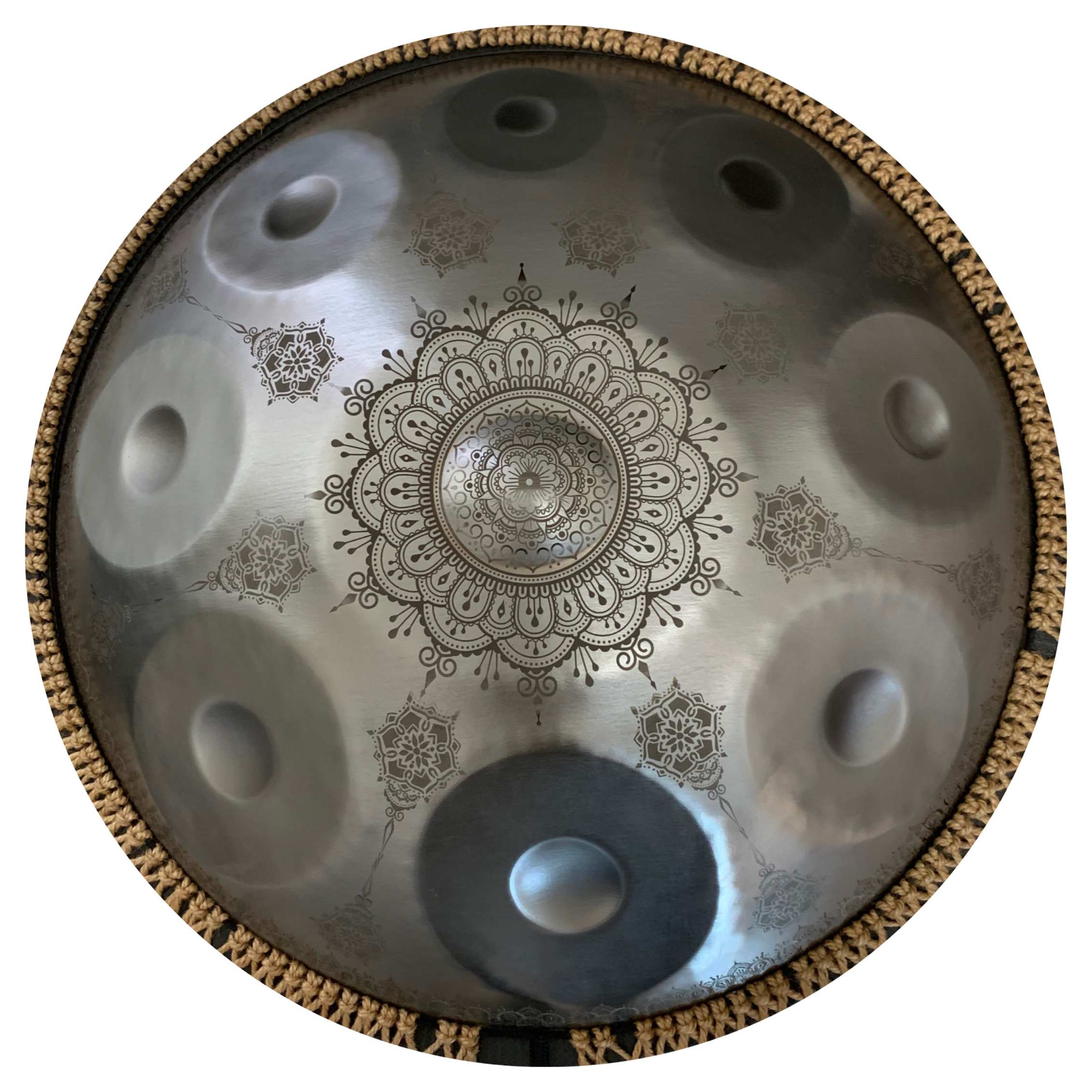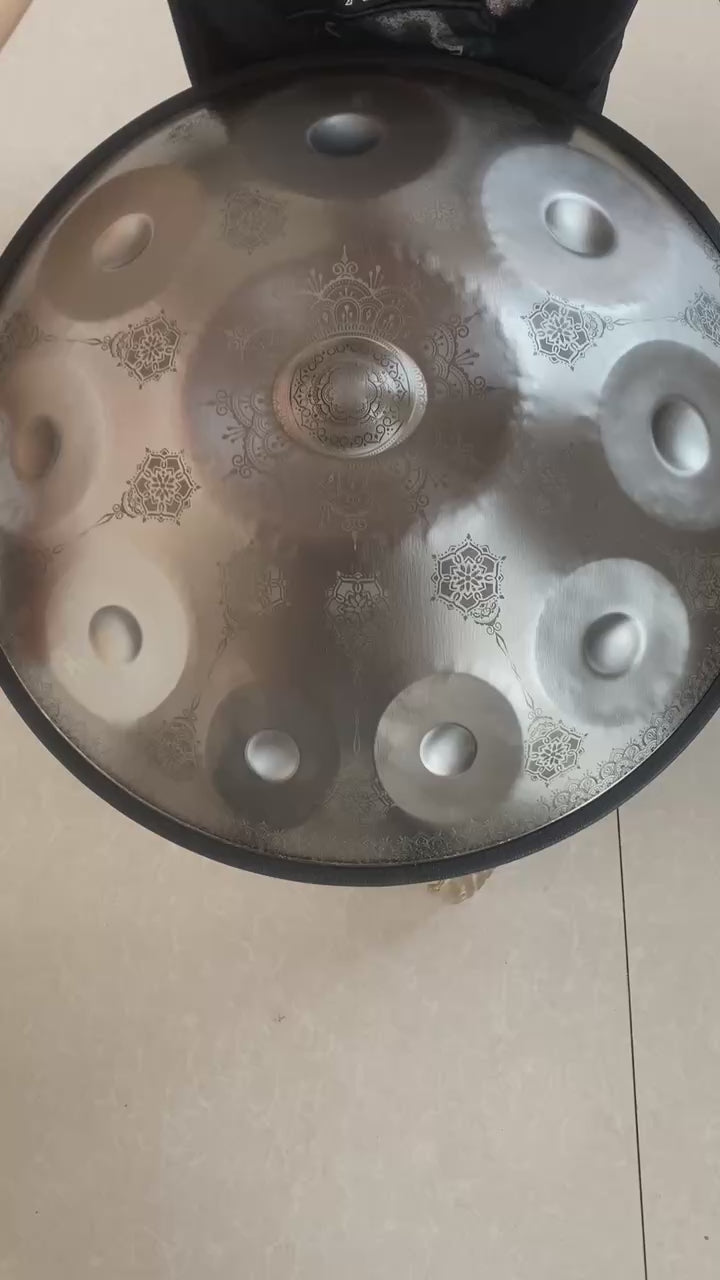
Since its invention in the early 2000s, the handpan has been surrounded by an undeniable aura of mysticism. You will often see it played by practitioners sitting cross-legged in forests, leading sound baths, or accompanying deep meditation sessions. Because of this modern cultural association, we are constantly asked: is handpan music spiritual by design, or is it just clever marketing?

From our experience as dedicated builders and players at Cosmos Handpan, we believe in giving you the unfiltered, practical truth. We do not sell magic; we sell meticulously hammered, precisely tuned acoustic steel. However, to dismiss the instrument's profound effect on the human mind would be scientifically ignorant. The reason people ask if handpan music spiritual is because the instrument's specific acoustic geometry forces a distinct physiological response in the human brain. You do not need to hold esoteric beliefs to feel it; you simply need a properly tuned instrument.
Quick Answer: Is Handpan Music Spiritual?
Handpan music is not inherently "spiritual" in a mystical or religious sense. It is a product of physics, specifically Helmholtz resonance and complex overtone tuning. However, the resulting sound—characterized by long sustain, binaural-like frequencies, and harmonic alignment—acts as an acoustic anchor that actively lowers heart rates, induces alpha brainwave states, and suppresses the nervous system's fight-or-flight response. Therefore, while the steel itself is not magic, handpan music spiritual applications are highly effective, making it one of the most powerful modern tools for meditation, sound healing, and psychological grounding.
Table of Contents
- What It Is: The Anatomy of a Spiritual Sound
- Featured Instrument: Cosmos Midnight Mandarins
- How It Works: Acoustics and Brainwave Entrainment
- Benefits of Spiritual Handpan Practice
- Limitations: It Cannot Fix Everything
- Who Should Use It
- Who Does Not Need It
- Common Mistakes Buyers Make
- Buying Considerations: Tuning and Scales
- Expert Recommendation
- Frequently Asked Questions
What It Is: The Anatomy of a Spiritual Sound
When you strike a handpan, you are not hearing a single note. This is the secret to why many consider handpan music spiritual. In most professional situations, a standard percussion instrument (like a snare drum) produces a fundamental frequency cluttered with chaotic, inharmonic overtones. It sounds like noise. A handpan, conversely, is a tuned idiophone.
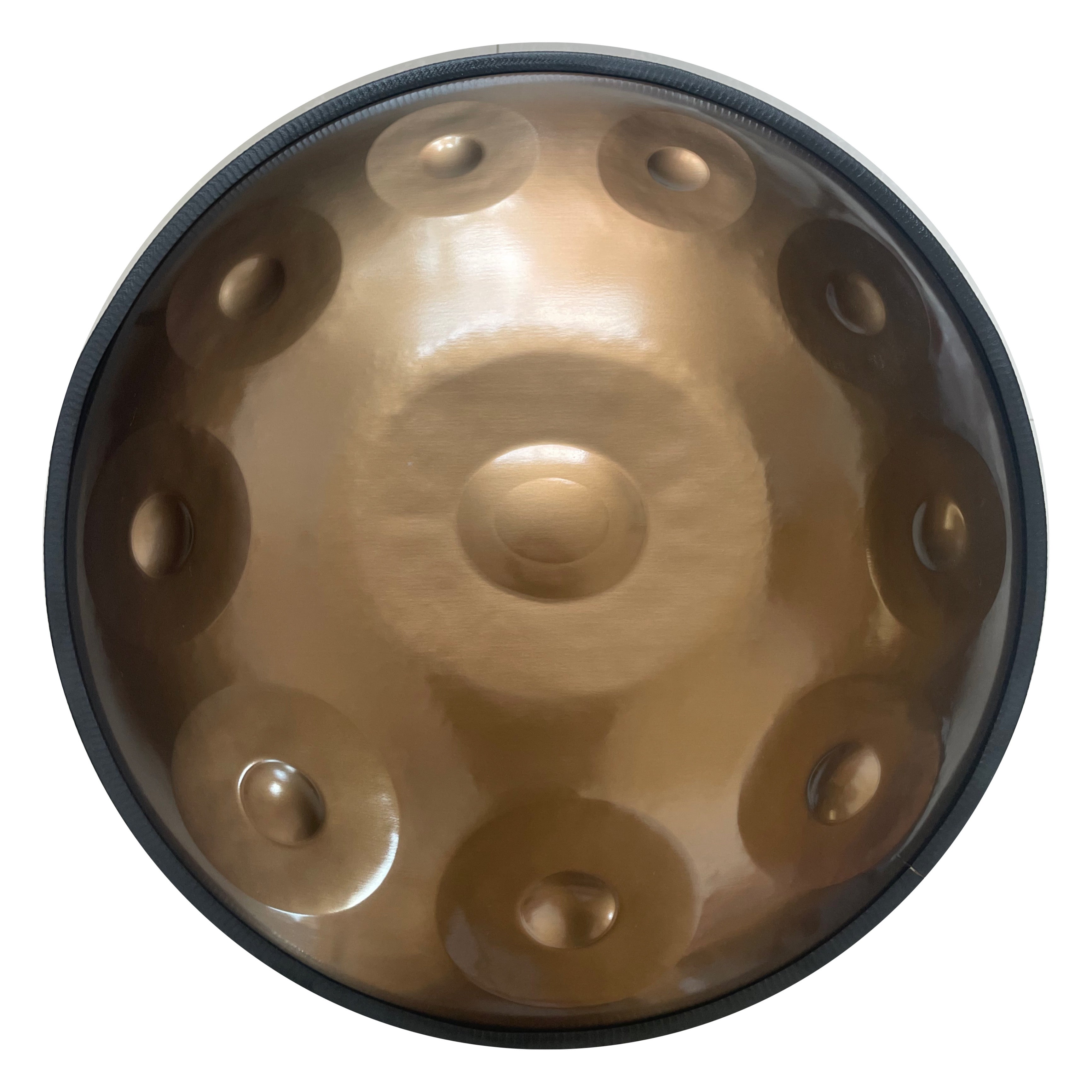
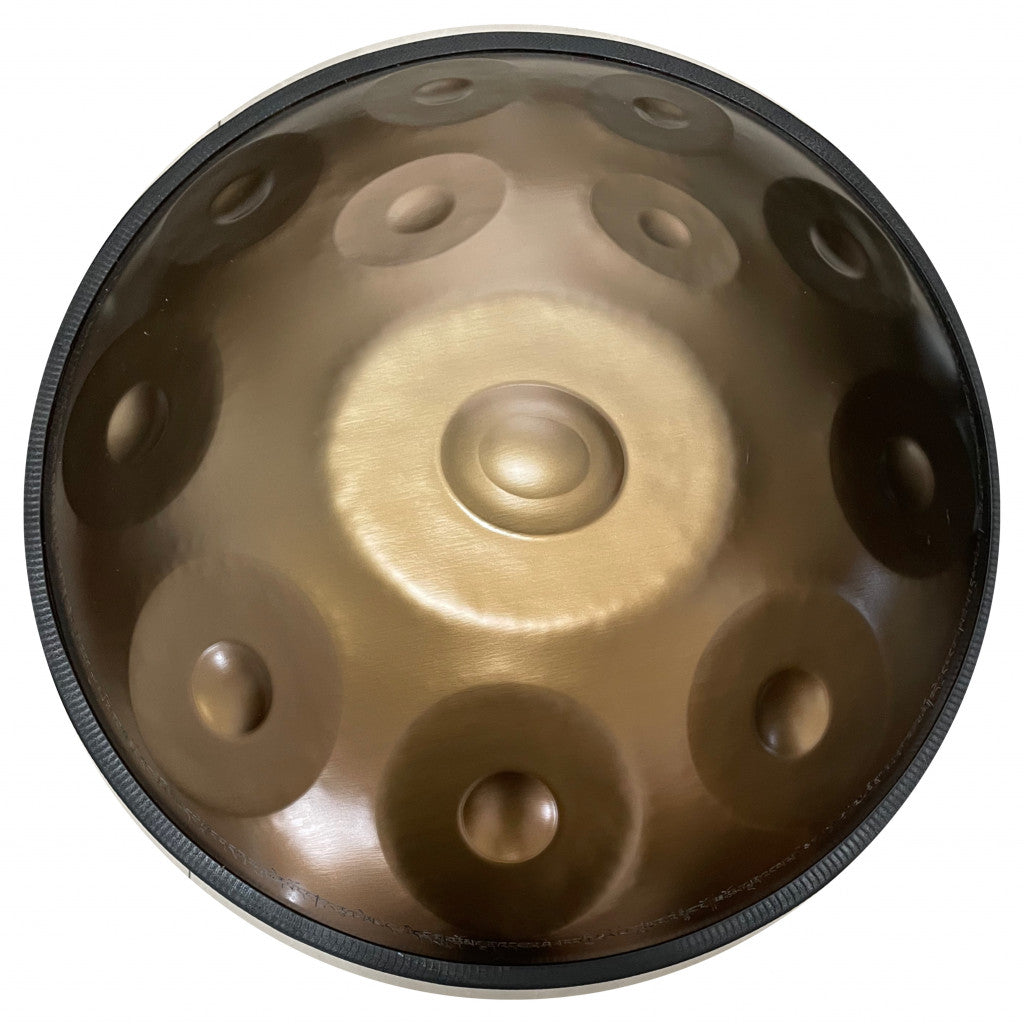
Each tone field (the dimpled circles on the shell) is painstakingly hammered to produce three distinct frequencies simultaneously: a fundamental note, an octave above that note, and a compound fifth. When struck, these three frequencies ring out in perfect mathematical harmony. The hollow chamber of the instrument acts as a Helmholtz resonator, projecting the sound outward and sustaining it for several seconds. It is this sustained, pure harmony that your brain interprets as deeply soothing. You do not have to "try" to meditate; the sound simply commands your auditory cortex to relax.
Featured Instrument for Meditation and Spiritual Practice

How It Works: Acoustics and Brainwave Entrainment
To understand the depth of handpan music spiritual connections, we must look at how sound interacts with the human nervous system. When the sustained vibrations of a handpan enter your ear canal, they initiate a process known as brainwave entrainment. Your brain naturally seeks to sync its electrical activity with external, rhythmic frequencies.
Because the handpan produces long, stable sound waves rich in harmonious overtones, it helps shift the brain from a high-frequency Beta state (associated with stress, active thinking, and anxiety) into Alpha and Theta states (associated with deep relaxation, meditation, and REM sleep). For commercial users running yoga studios or wellness centers, playing a handpan live acts as a sonic anchor. If a client's mind wanders, the physical vibration of the steel brings them immediately back to the present moment. You can read more about the neurological impacts in our breakdown of handpan music benefits.
Benefits of Spiritual Handpan Practice
The benefits of integrating a handpan into your daily routine extend far beyond merely learning to play a song. In our testing and continuous feedback from the Cosmos community, the primary advantages are physiological.
- Immediate Stress Reduction: The tactile feedback of striking the steel combined with the auditory wash of sound drastically lowers cortisol levels within minutes of playing.
- No Musical Theory Required: Handpans are diatonic. They only contain notes that sound good together. You cannot hit a "wrong" note. This lack of friction allows you to achieve a state of "flow" almost instantly, which is critical for spiritual practice. This is why we created our handpan for beginners guide.
- Therapeutic Application: The physical vibrations of the instrument, when placed on or near the body, create a localized massaging effect. You can explore clinical applications in our review of handpan therapy benefits.
| Pros | Cons |
|---|---|
| Requires zero prior musical training to produce soothing sounds. | High initial investment cost compared to a singing bowl. |
| Forces mindfulness through tactile and auditory engagement. | Requires climate control; rust can damage the steel over time. |
| Diatonic scale prevents frustrating dissonant (bad sounding) notes. | You are locked into one scale/mood per instrument. |
| Can be played quietly indoors or projected outdoors in nature. | Out-of-tune instruments require professional re-tuning. |
Limitations: It Cannot Fix Everything
We must inject some practical judgment here. A handpan is not a magical cure for clinical depression or severe trauma. The "spiritual bypass" myth—the idea that buying a mystic-looking instrument will suddenly enlighten you—is a marketing ploy used by cheap mass-producers. The instrument is merely a tool that requires your active participation.
Furthermore, the spiritual effectiveness of a handpan is entirely reliant on its tuning. If you drop your instrument or expose it to extreme heat, it will fall out of tune. An out-of-tune handpan produces dissonant, clashing frequencies that will induce headaches and anxiety, not peace. If this happens, you must learn how to tune a handpan via a professional maker; it is not something you can fix with a hammer in your garage.
Who Should Use It
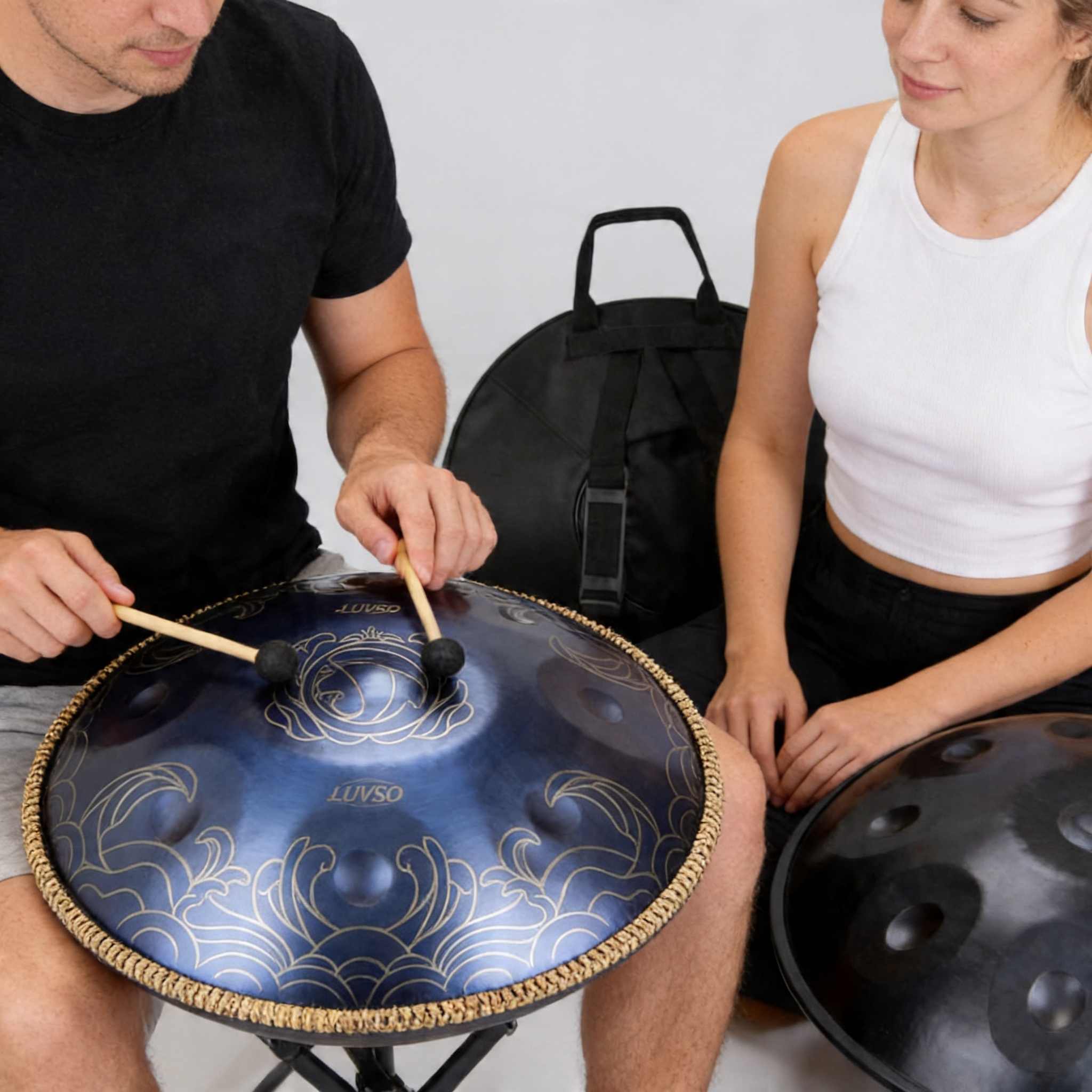
We recommend handpans for yoga instructors, sound healing practitioners, and therapists who need a reliable acoustic tool to guide clients into relaxed states. It is also the ultimate instrument for beginners who have always wanted to play music but were intimidated by the sheet music and complex scales of pianos or guitars. If you want to listen to how the masters utilize it, check out our curated list of handpan music tracks or follow the best handpan players.
Who Does Not Need It
For heavy-duty applications in traditional, multi-genre band settings, a single handpan is highly restrictive. Because it is locked into one scale, you cannot easily modulate keys to play jazz or complex classical music alongside a piano. If your goal is to play top-40 pop covers in twelve different keys, a handpan is not the right tool. You might be better served looking into digital handpan instruments that allow you to change scales electronically, though you will sacrifice the authentic acoustic resonance.
Common Mistakes Buyers Make
The most devastating mistake we see is consumers buying cheap, mass-stamped metal drums from generic overseas marketplaces because they look like handpans. These are usually tongue drums disguised as handpans, or simply poorly tuned shells. They do not possess the 1:2:3 overtone ratio required to create the meditative resonance you are seeking.
Another mistake is attempting to learn overly complex, fast-paced rhythms immediately. Handpan music spiritual value lies in the space between the notes. Let the steel ring. If you need structured guidance, we suggest looking into handpan learning apps rather than mindlessly striking the shell.
Buying Considerations: Tuning and Scales
When you are ready to make a purchasing decision, you must consider the emotional quality of the scale. Different scales evoke entirely different psychological landscapes. For spiritual and meditative purposes, minor scales (like D Minor, C# Minor, or Amara) are universally preferred because they sound introspective, slightly melancholic, and deeply grounding.
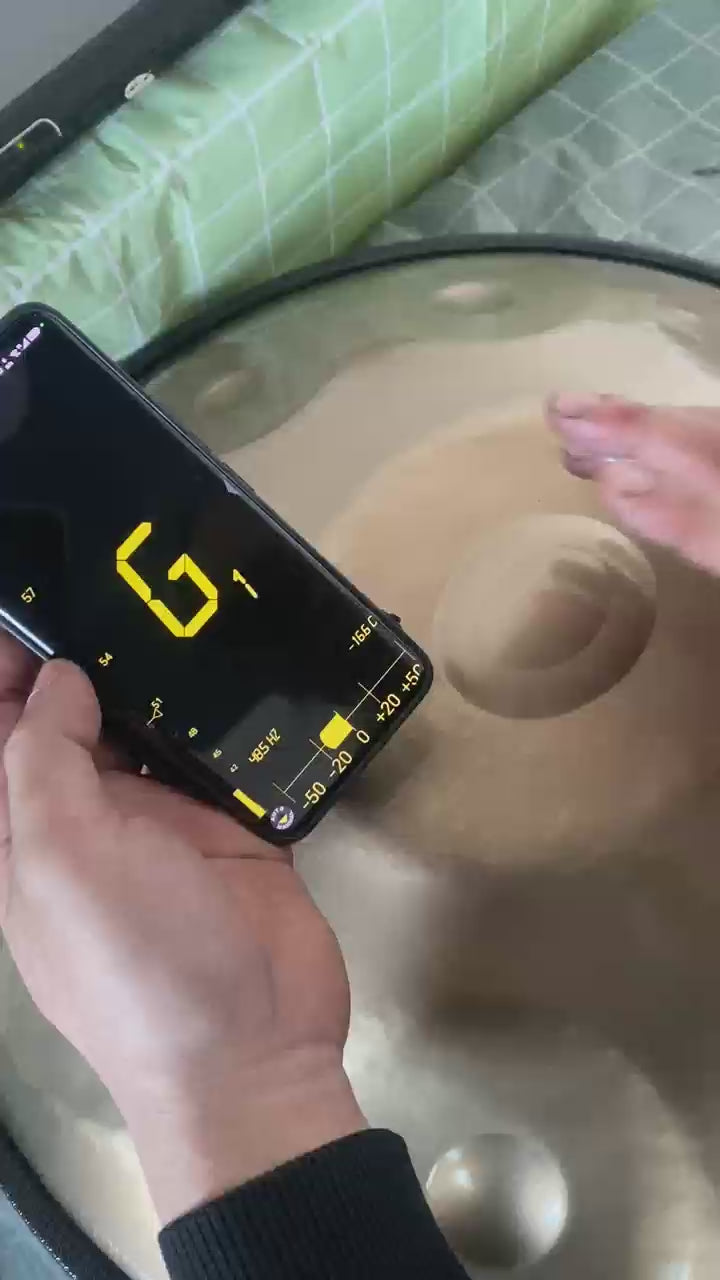
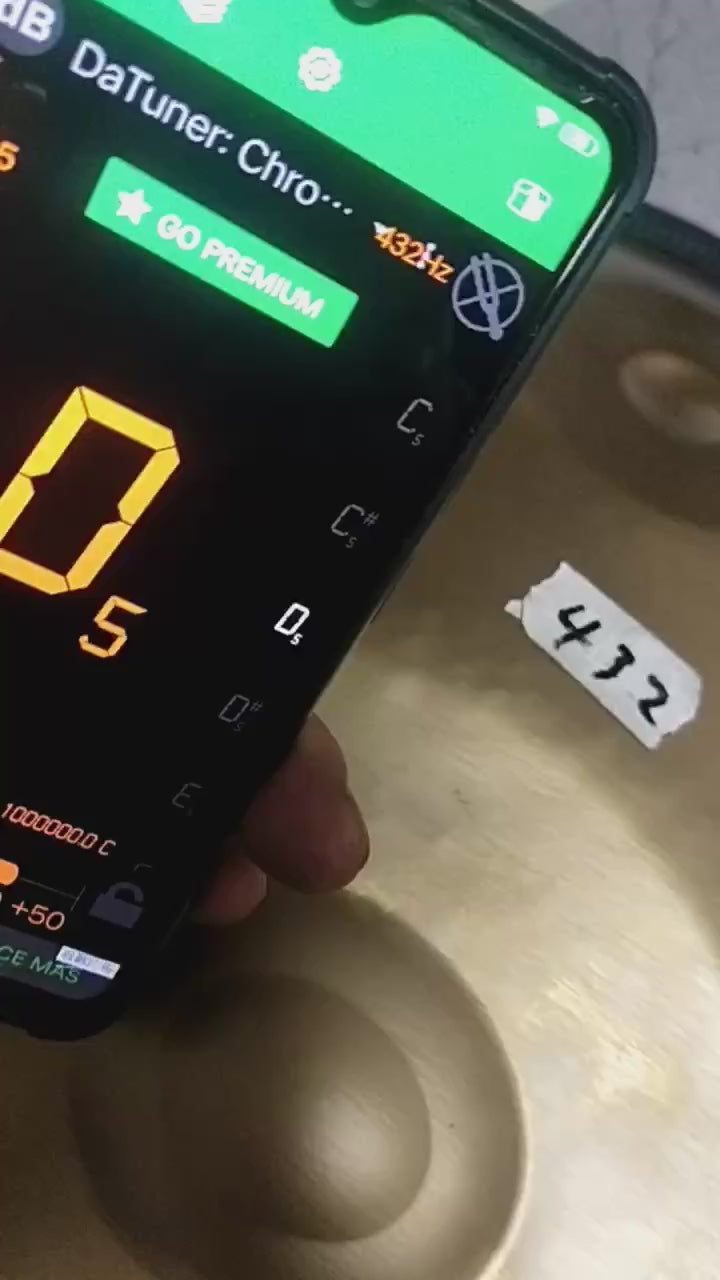
You must also decide between 440Hz and 432Hz tuning. 440Hz is the international concert standard. If you plan to play with other musicians or alongside popular handpan songs list backing tracks, you must buy a 440Hz pan. However, 432Hz is highly prized in the sound healing community, believed by many to resonate more naturally with the frequencies of the human body and nature.
| Feature | 440Hz Tuning | 432Hz Tuning |
|---|---|---|
| Primary Use Case | Playing with other instruments, busking, recording. | Solo meditation, sound baths, holistic therapy. |
| Compatibility | Pairs perfectly with standard guitars, pianos, and digital tracks. | Clashes with standard instruments; must be played solo or with other 432Hz tools. |
| Spiritual Perception | Standard, bright, and active. | Perceived as warmer, deeper, and more grounding. |
| Availability | Industry standard; easy to find and tune. | Niche; requires custom ordering from specific makers. |
If you want to experience the difference before buying, you can download handpan music in both tuning frequencies to see how your body reacts.
Expert Recommendation
So, is handpan music spiritual? The instrument does not possess a soul, but it is a flawless mirror for yours. The handpan is a masterfully engineered acoustic tool designed to bypass your analytical mind and speak directly to your nervous system. In most professional situations regarding sound therapy and personal meditation, we recommend the handpan above almost all other instruments because the learning curve is practically non-existent, and the sonic reward is immediate.
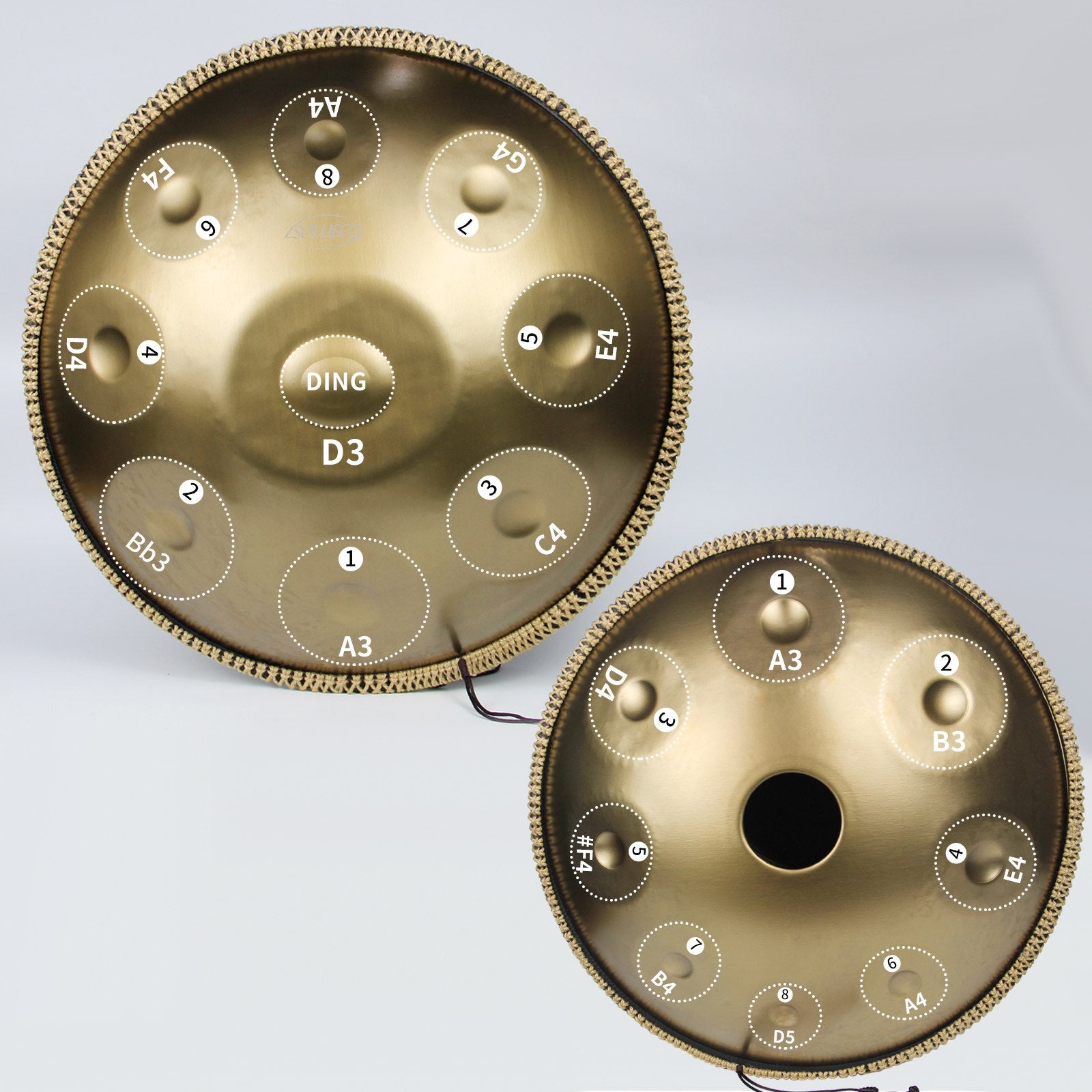
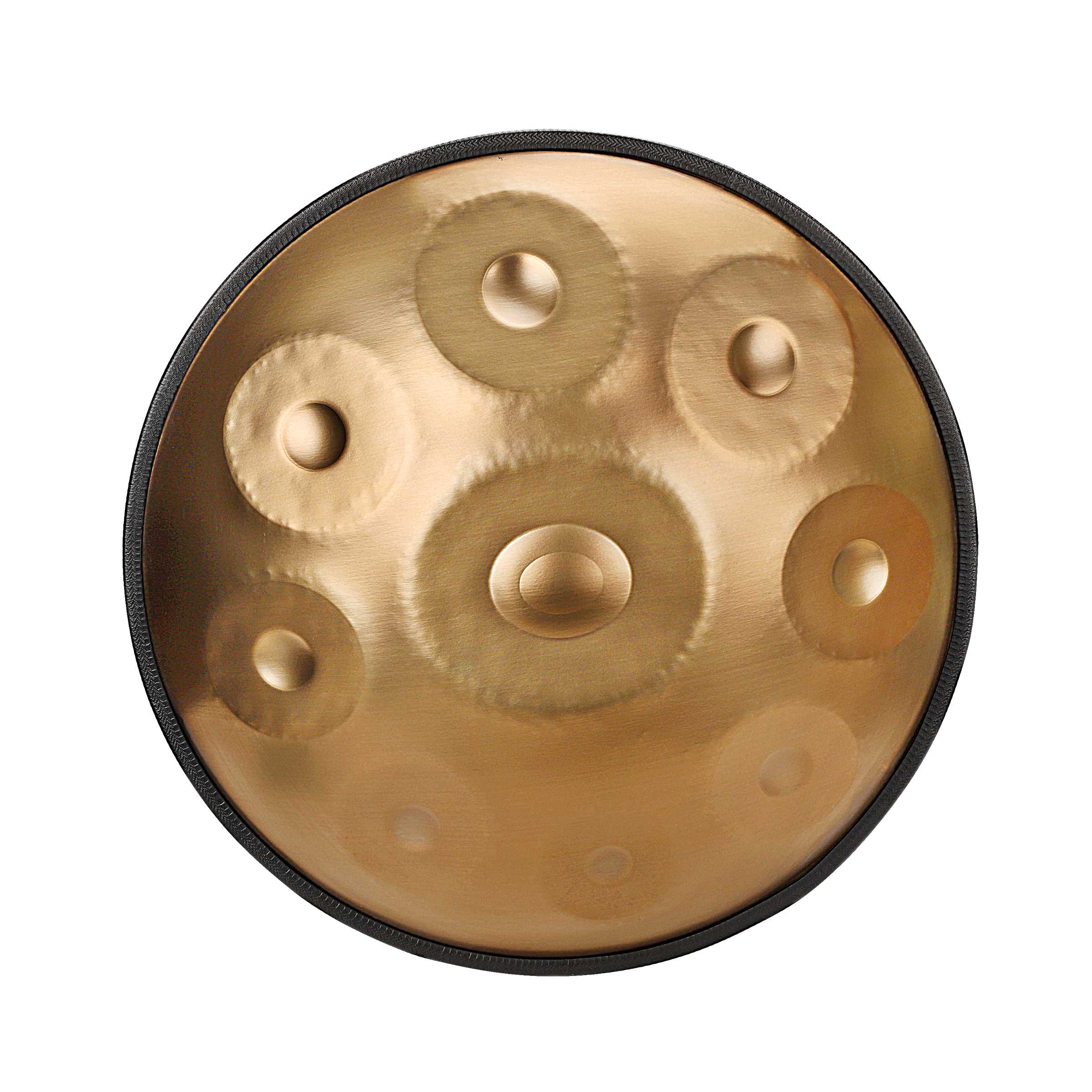
If you are buying an instrument strictly for personal peace and spiritual exploration, do not overcomplicate your purchase. Choose a 9-note D Minor handpan, preferably in nitrided steel for a warmer, ceramic-like sustain. The Cosmos Midnight Mandarins model is purpose-built for this exact scenario, providing the deep, resonant overtones necessary for true acoustic meditation without requiring years of musical training.
Frequently Asked Questions
Does handpan music actually heal the body?
Handpan music does not magically cure physical diseases. However, sound therapy using handpans has been clinically shown to reduce stress, lower blood pressure, and decrease cortisol levels. By moving the body out of a state of chronic stress (sympathetic nervous system) and into a state of rest (parasympathetic nervous system), handpan music creates the optimal biological environment for the body to heal itself.
Why do handpans sound so emotional and spiritual?
The spiritual and emotional sound of a handpan comes from its overtone tuning. Every single note on a high-quality handpan is actually three notes tuned into one piece of steel (the fundamental, the octave, and the fifth). When struck, these three frequencies create perfect harmonic math that the human brain finds deeply satisfying and relaxing.
Do I need to buy a 432Hz handpan for meditation?
No, you do not absolutely need a 432Hz handpan for meditation. While many sound healers prefer 432Hz for its slightly warmer, lower pitch, a well-tuned 440Hz handpan will provide the exact same overtone resonance, brainwave entrainment, and meditative benefits. The intention of the player and the quality of the tuning matter far more than the specific Hertz measurement.
Authoritative References
For further reading on the intersection of acoustic science, brainwave entrainment, and sound therapy, we recommend the following peer-reviewed and authoritative sources: