The study of aerophones—instruments that produce sound primarily by causing a body of air to vibrate—reveals a fascinating cross-section of human history, acoustic engineering, and musical evolution. From the haunting resonance of ancient bamboo flutes to the complex, multi-keyed brass and woodwind mechanisms of the modern symphony orchestra, wind instruments are the melodic breath of musical composition. Compiling a definitive Wind instruments list with pictures requires more than just cataloging shapes; it requires a deep understanding of harmonic overtones, embouchure techniques, and ensemble synergy.

From our experience at Cosmos Handpan, we recognize that while wind instruments excel in providing soaring melodies and elongated sustains, they reach their absolute acoustic pinnacle when grounded by dynamic, melodic percussion. A comprehensive Wind instruments list with pictures is highly valuable for composers, orchestrators, and acoustic enthusiasts looking to understand the mechanics of sound. In this authoritative guide, we will explore seven essential wind instruments, detailing their acoustic properties, historical significance, and visual anatomy. Furthermore, we will demonstrate how integrating these classic aerophones with state-of-the-art handpan technology creates a balanced, deeply resonant modern ensemble.
Table of Contents
- Summary Table: Wind Instrument Classifications
- 1. The Concert Flute
- 2. The B-flat Clarinet
- 3. The Alto Saxophone
- 4. The Armenian Duduk
- 5. The Japanese Shakuhachi
- 6. The Oboe
- 7. The French Horn
- Bridging Tradition and Modernity: The Cosmos Handpan
- Expert Guide: Pairing Wind Instruments with Melodic Percussion
- Frequently Asked Questions (FAQs)
- Industry References
Summary Table: Wind Instrument Classifications
To provide a clear acoustic taxonomy, we have structured this Wind instruments list with pictures around a comparative matrix. This table categorizes each instrument by family, sound production mechanism, and its ideal handpan accompaniment.
| Rank | Instrument Name | Acoustic Family | Sound Production Mechanism | Recommended Cosmos Handpan Synergy |
|---|---|---|---|---|
| 1 | Concert Flute | Woodwind (Edge-blown) | Air jet directed across an embouchure hole | 17 Notes Handpan (for complex, rapid arpeggios) |
| 2 | B-flat Clarinet | Woodwind (Single-reed) | Vibration of a single cane reed against a mouthpiece | 12 Notes Handpan (for versatile mid-range harmony) |
| 3 | Alto Saxophone | Woodwind (Single-reed) | Single reed vibration amplified by a conical brass tube | 10 Notes Handpan (for jazz and contemporary fusion) |
| 4 | Armenian Duduk | Woodwind (Double-reed) | Large double reed vibrating within a cylindrical bore | 9 Notes Handpan (for focused, meditative drones) |
| 5 | Japanese Shakuhachi | Woodwind (Edge-blown) | Breath directed against a beveled edge | Handpan for Beginners (for open, pentatonic simplicity) |
| 6 | Oboe | Woodwind (Double-reed) | Small double reed providing high acoustic impedance | 12 Notes Handpan (for classical chamber configurations) |
| 7 | French Horn | Brass | Lip vibration (buzzing) into a funnel-shaped mouthpiece | Handpan Drum Instrument (for deep, cinematic resonance) |
1. The Concert Flute

Opening our definitive Wind instruments list with pictures is the Western Concert Flute. Unlike most woodwinds that rely on a vibrating reed, the flute produces sound when a focused stream of air is directed across the edge of the embouchure hole. This split air column creates acoustic oscillations within the cylindrical metal tube. Modern flutes are predominantly crafted from silver, gold, or platinum, materials that significantly influence the instrument's bright, piercing, and highly agile upper register. From our experience, the flute produces a nearly pure sine wave in its highest octaves, making it incredibly effective at cutting through dense orchestral textures.
2. The B-flat Clarinet

The B-flat clarinet is a cornerstone of this Wind instruments list with pictures due to its massive acoustic range and dynamic control. Utilizing a single cane reed clamped to a mouthpiece, the clarinet features a cylindrical bore that heavily emphasizes the odd-numbered harmonics in the overtone series. This unique acoustic property gives the clarinet its signature dark, woody timbre in the lower chalumeau register, and its brilliant, penetrating tone in the upper clarion register. Historically constructed from African blackwood (grenadilla), the clarinet remains vital to classical symphonies, klezmer music, and early jazz.
3. The Alto Saxophone

Invented in the 1840s by Adolphe Sax, the saxophone bridges the acoustic gap between woodwinds and brass. Included in this Wind instruments list with pictures as a representation of modern acoustic engineering, the alto saxophone uses a single reed (like a clarinet) but features a conical brass body (like an oboe or french horn). This conical bore allows it to overblow at the octave, rather than the twelfth, granting the player exceptional technical agility. The saxophone's expressive, vocal-like quality makes it the definitive voice of jazz and a powerful textural tool in contemporary acoustic ensembles.
4. The Armenian Duduk

A global perspective is essential when compiling a Wind instruments list with pictures. The Armenian Duduk is an ancient double-reed woodwind carved from aged apricot wood. Unlike the sharp, cutting tone of a Western oboe, the duduk utilizes a massive, unusually wide double reed called a ghamish. This creates a remarkably warm, melancholic, and deeply resonant timbre that closely mimics the human voice. Because the duduk traditionally utilizes a droning accompaniment, it pairs flawlessly with the sustained, hypnotic resonance of modern steel melodic percussion.
5. The Japanese Shakuhachi

The Shakuhachi is a traditional Japanese edge-blown flute meticulously crafted from the root end of madake bamboo. It earns its place on this Wind instruments list with pictures due to its profound connection to Zen Buddhism and meditative acoustic practices (suizen). The instrument lacks complex keywork, relying entirely on the player's embouchure, breath control, and half-holing techniques to bend pitches and alter tonal color (timbre). The shakuhachi's breathy, organic sound is highly dynamic, ranging from a whisper to an aggressive, percussive burst of air.
6. The Oboe

The oboe is a highly complex double-reed instrument that demands immense physical stamina and breath pressure from the musician. Featured prominently in this Wind instruments list with pictures, the oboe has a conical bore that produces a bright, penetrating, and distinctly nasal tone. Acoustically, the oboe is rich in higher harmonics, which allows its sound to project clearly over the density of a full symphony orchestra. The precision required to carve and bind the delicate double reed makes the oboe one of the most technically demanding instruments to master.
7. The French Horn

Concluding our 7 Wind instruments list with pictures is the majestic French Horn. As a brass aerophone, sound is initiated by the buzzing of the player's lips into a small, funnel-shaped mouthpiece. The air then travels through an extensive coil of conical brass tubing before exiting a widely flared bell. The French Horn possesses one of the widest acoustic ranges in the brass family, capable of producing deep, velvety pedal tones and brilliant, triumphant high notes. The player's right hand rests inside the bell to adjust pitch and manipulate the instrument's tonal color.
Bridging Tradition and Modernity: The Cosmos Handpan

While exploring this Wind instruments list with pictures is essential for understanding historical chordophones and aerophones, a modern acoustic ensemble is often incomplete without precise percussive grounding. String instruments provide sharp attacks and sweeping sustains, but they often lack the resonant, earthy thump of pure steel. At Cosmos Handpan, we believe that the ultimate companion to any stringed or wind instrument is melodic percussion.
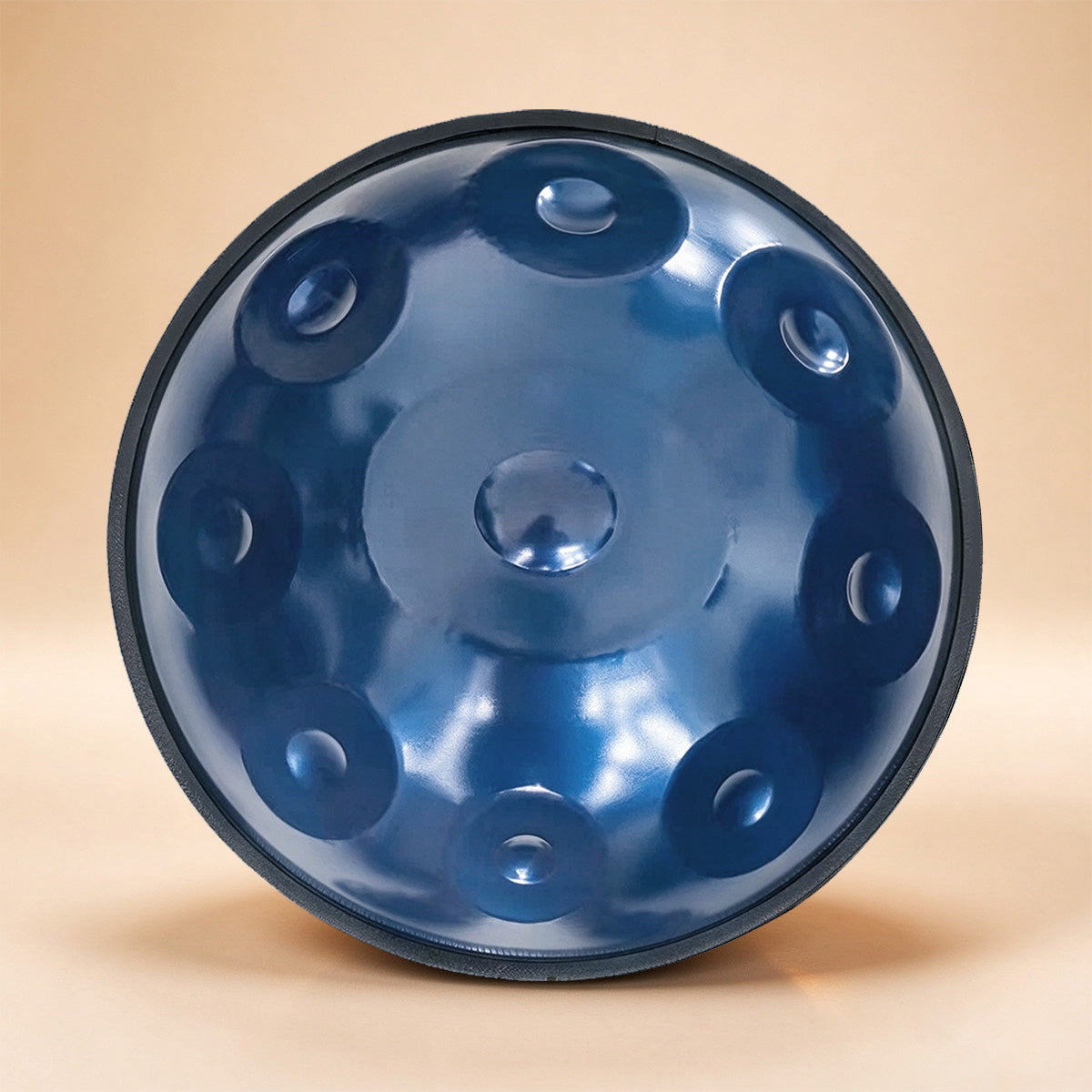
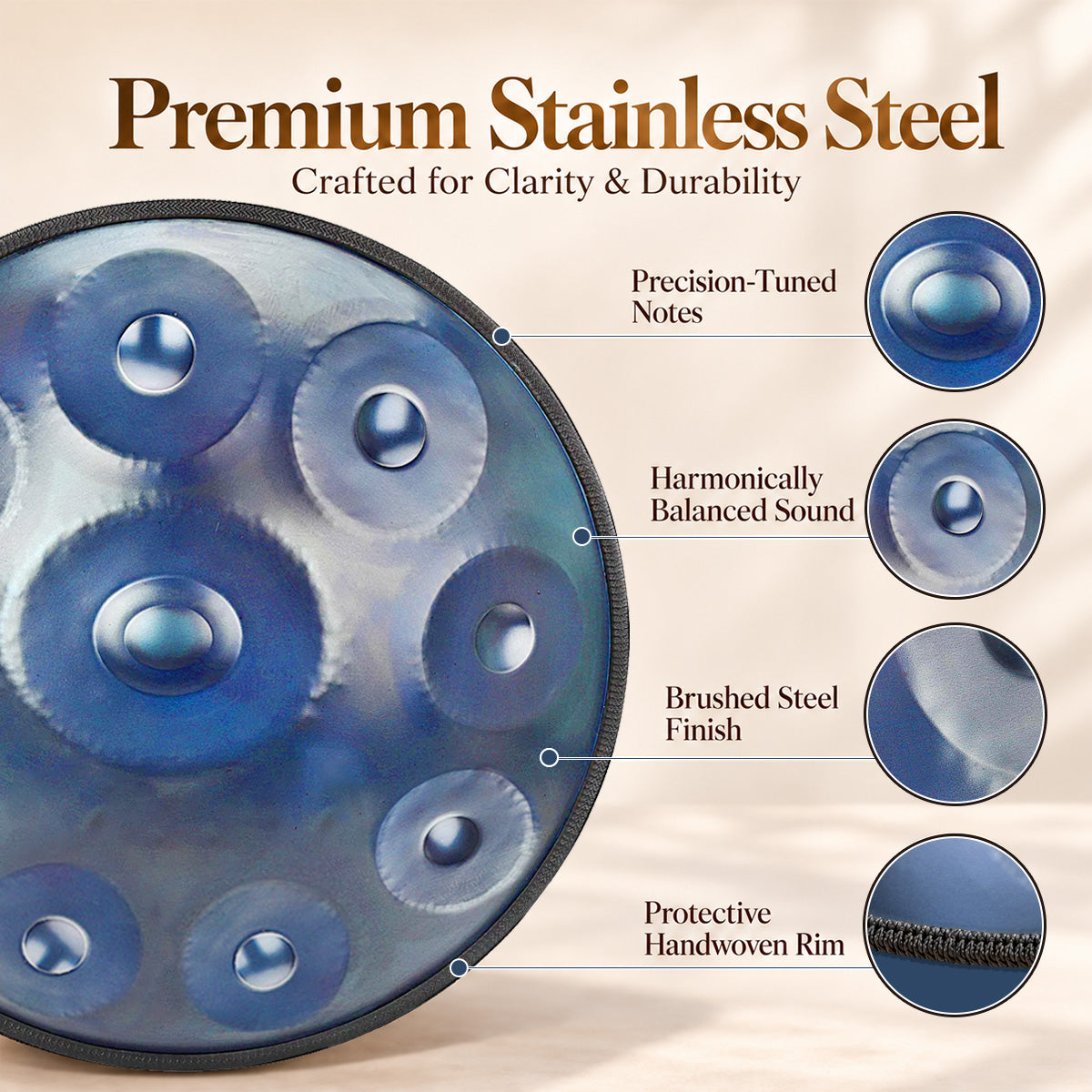
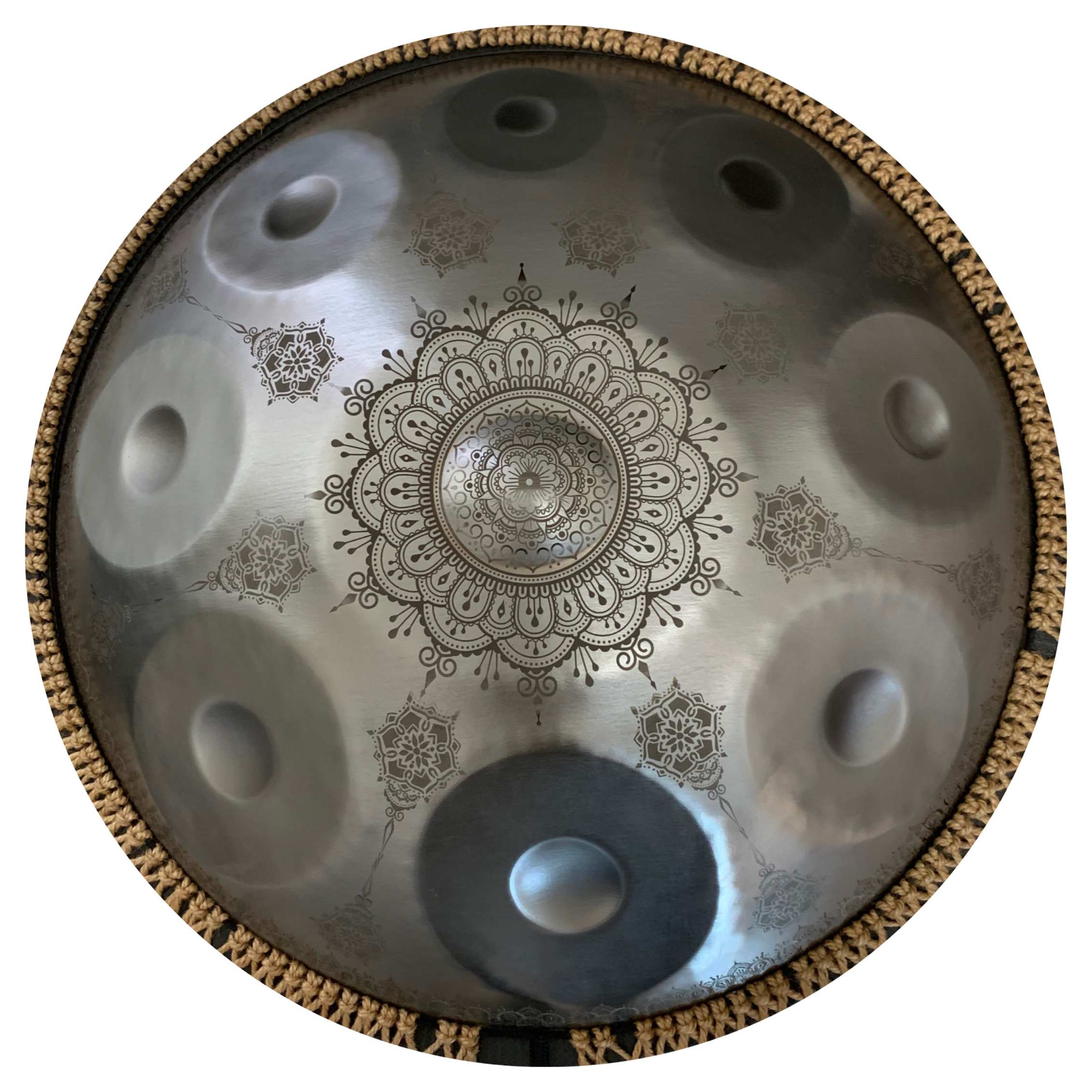
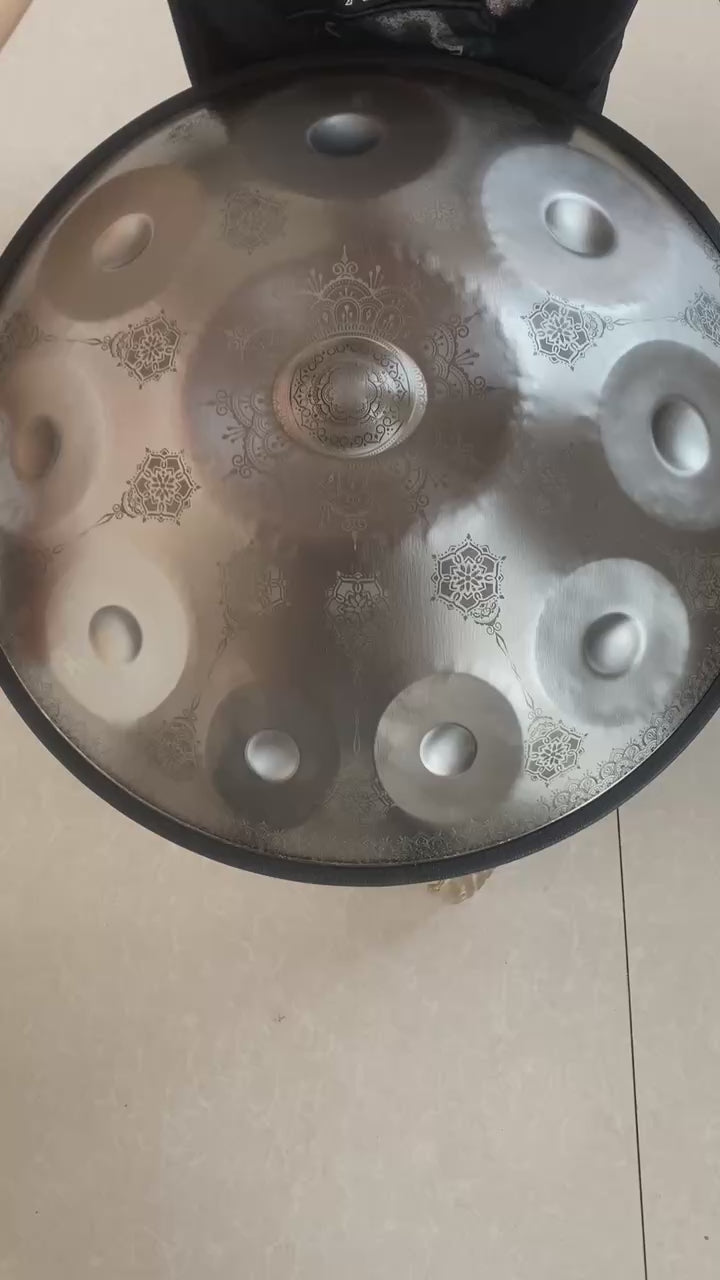
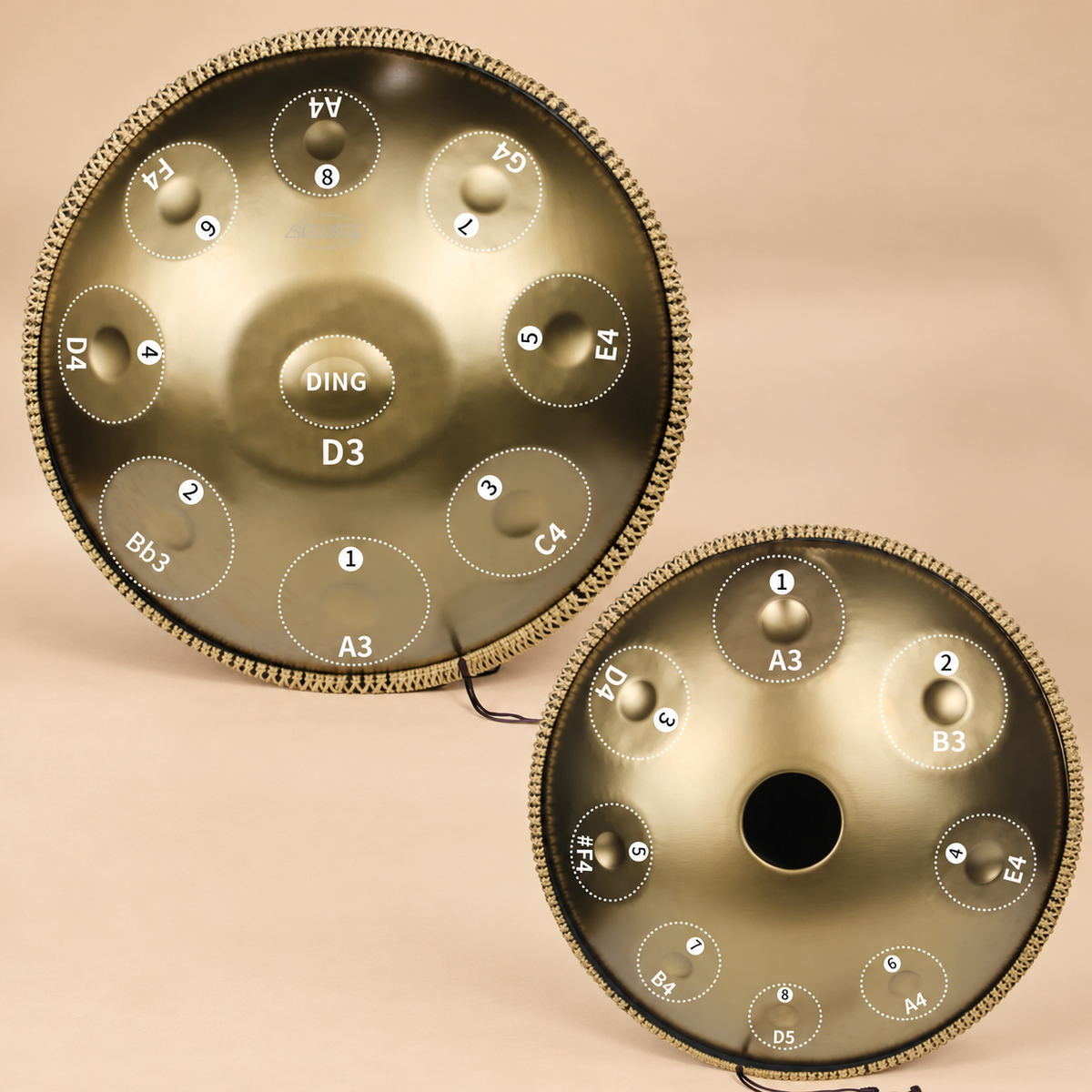
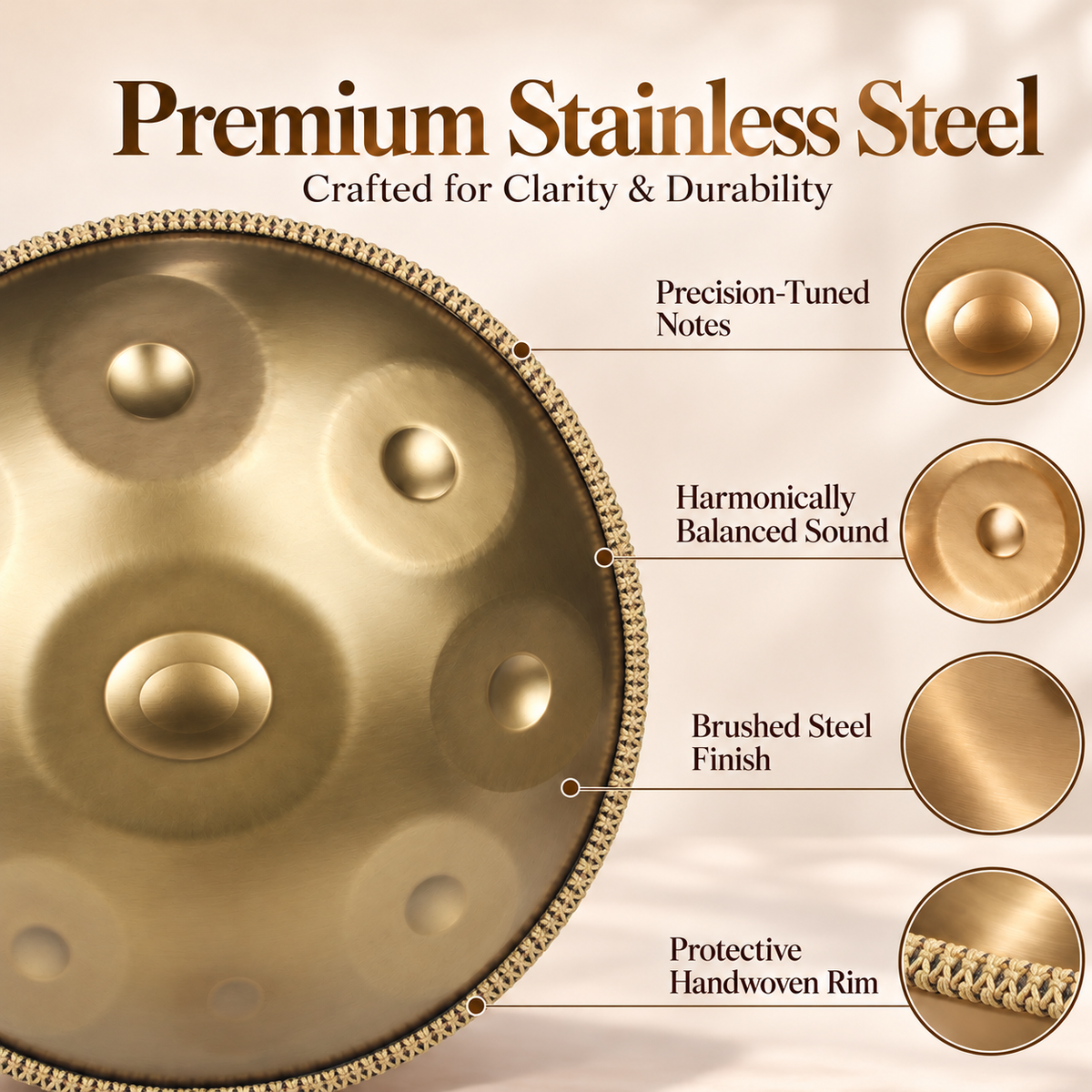
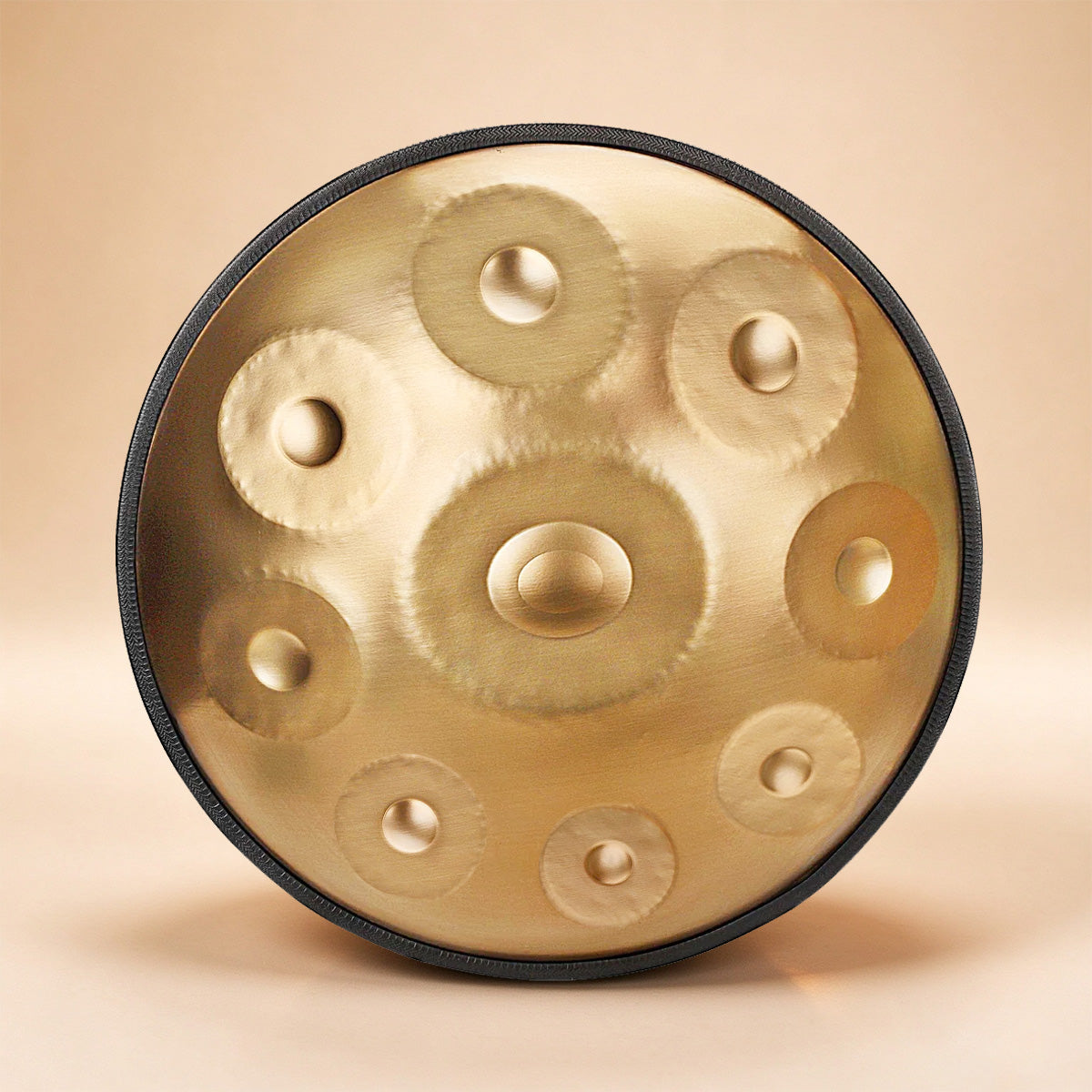
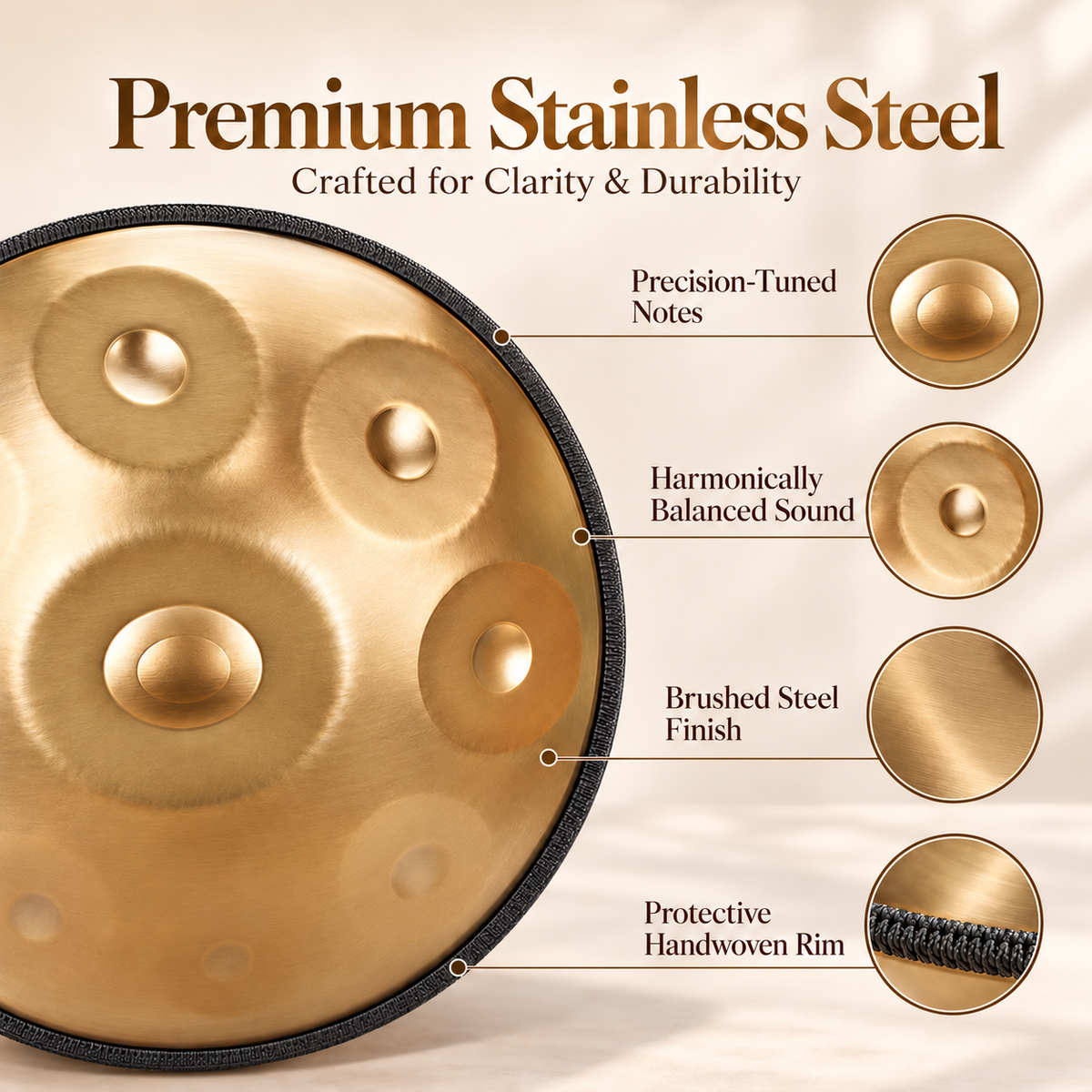
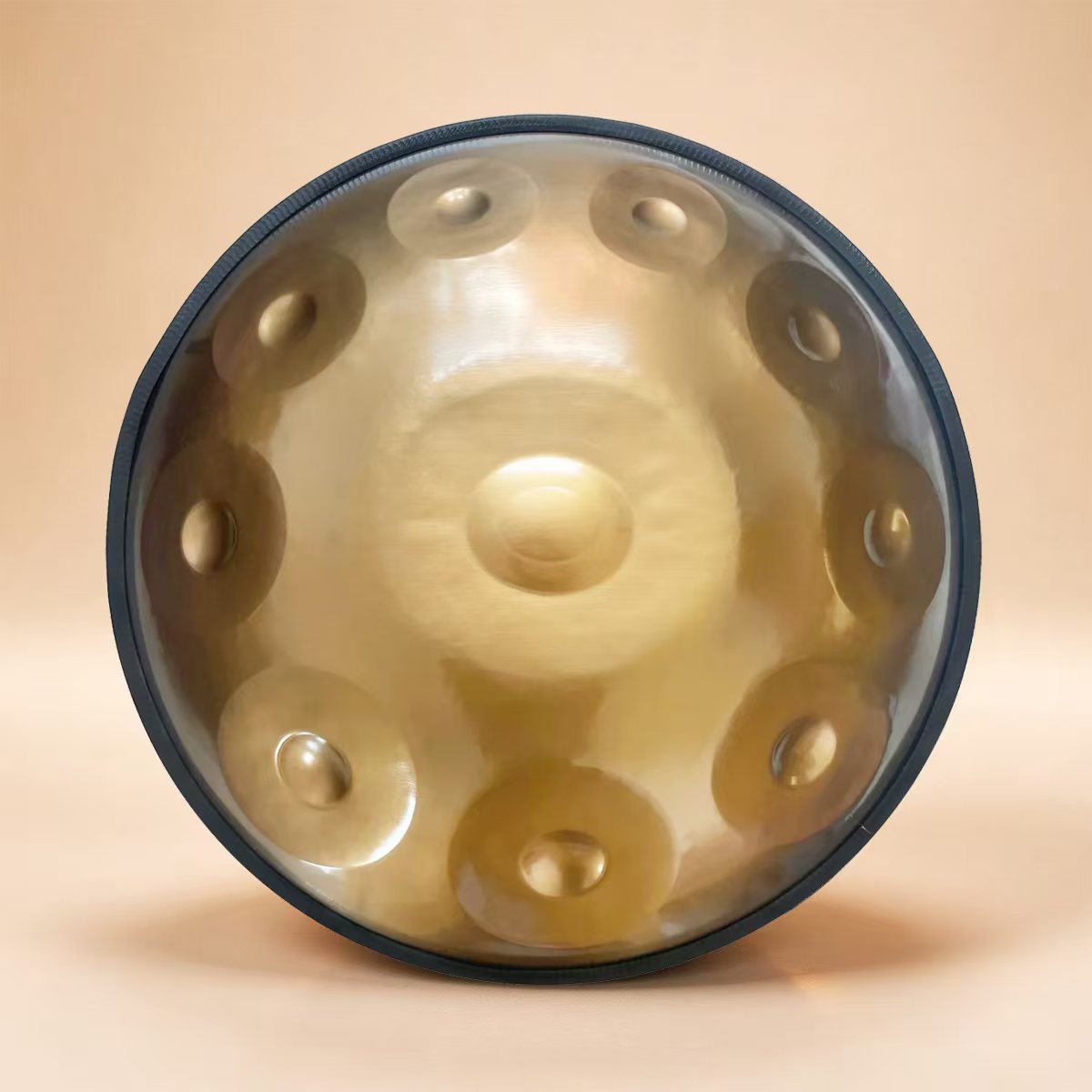
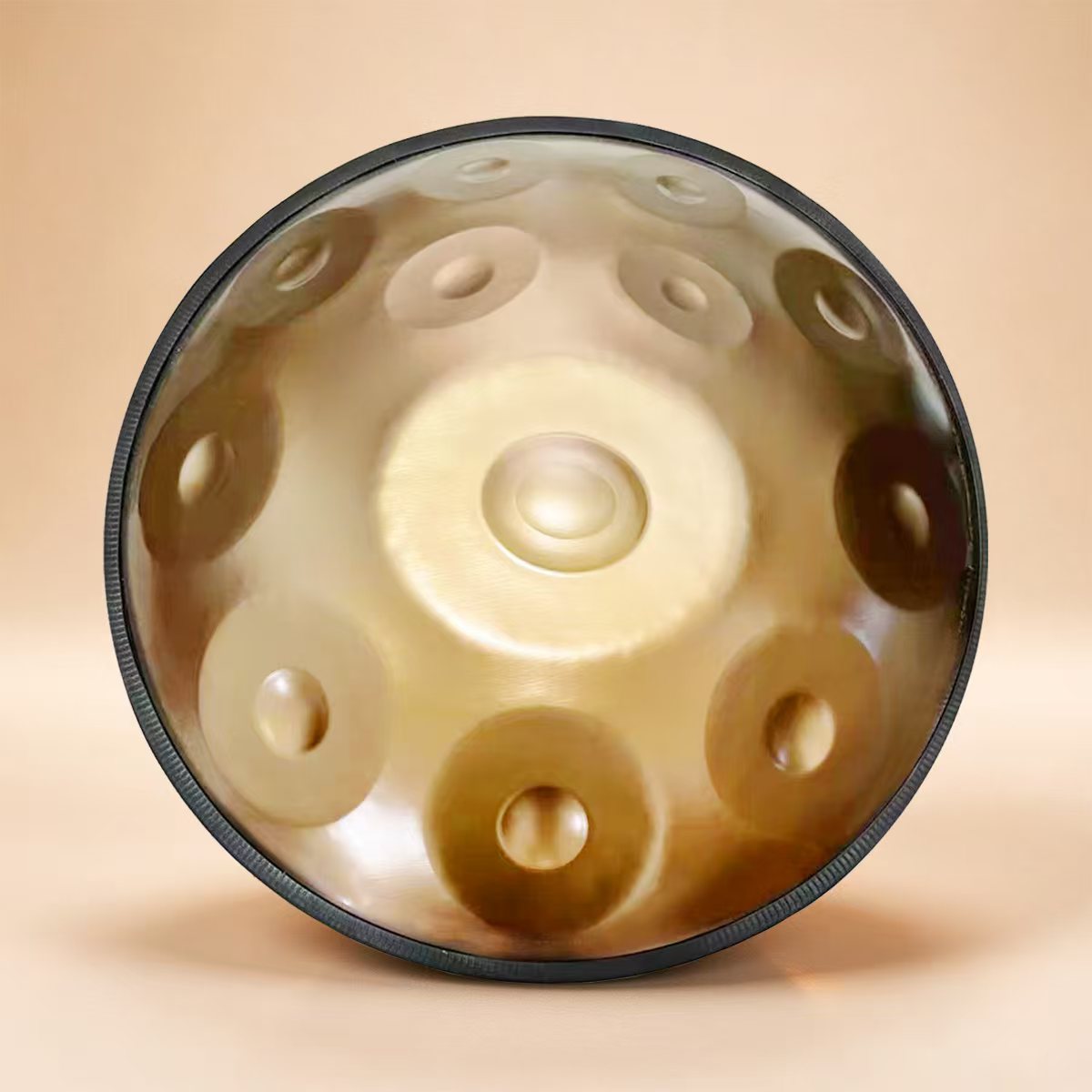
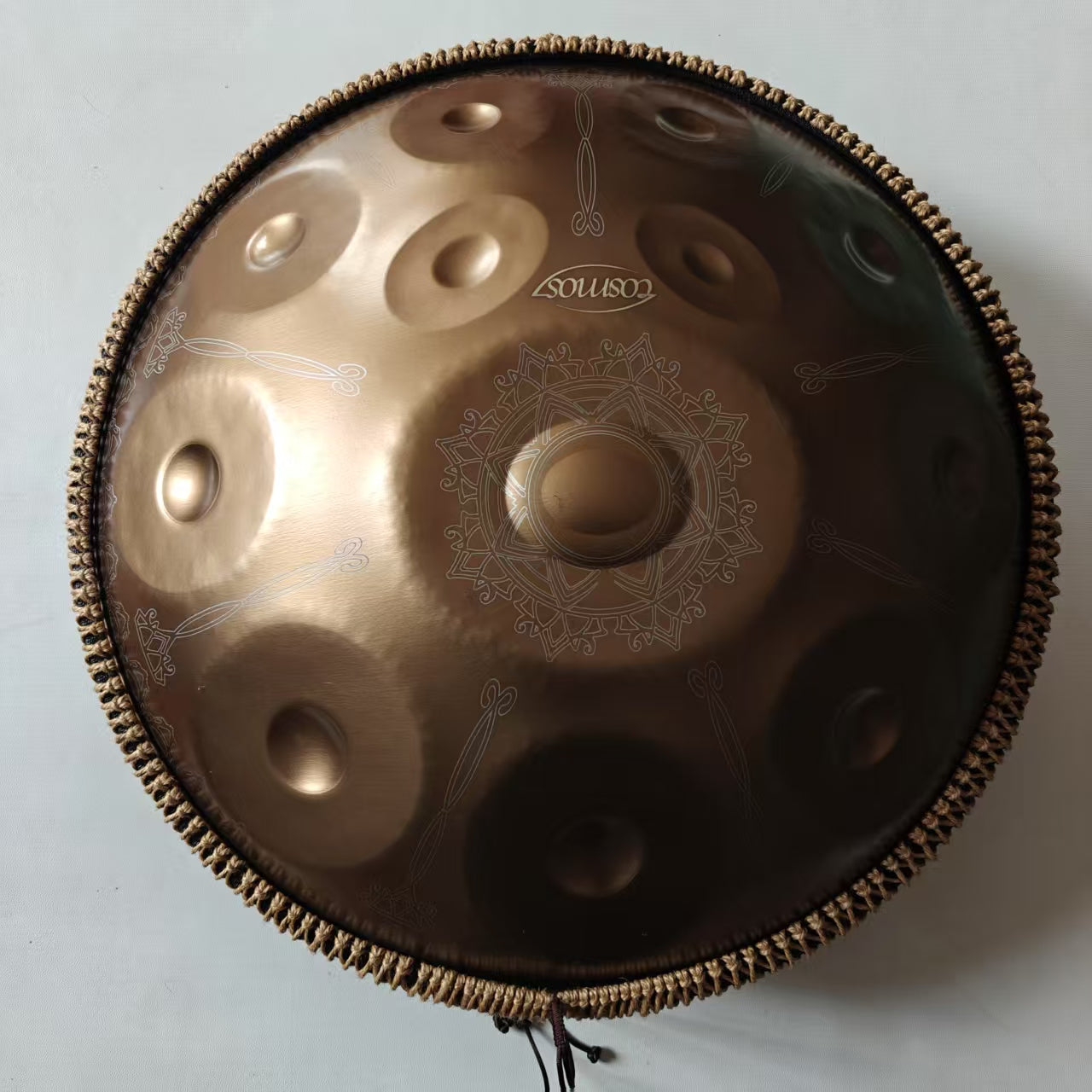
At the absolute forefront of modern acoustic evolution is the handpan. Unlike a standard drum, a handpan is a melodic percussive instrument. It provides a haunting, ethereal sustain that can mimic the drone of a fiddle or the sitar's sympathetic strings, while simultaneously offering a rhythmic tap that complements a lute's sharp chop. Constructed from deep-drawn, nitrided, or stainless steel, the handpan represents the pinnacle of modern acoustic metallurgy. When you pair a handpan with the artifacts found in our Wind instruments list with pictures, the sonic synergy is unparalleled.
To match the specific acoustic frequency needs of different musicians, we recommend the following from our elite Cosmos Handpan catalog:
- 9 Notes Handpan: Perfect for focused, melodic exploration and beginner-friendly performance.
- 10 Notes Handpan: Balanced standard for modern players seeking a versatile instrument.
- 12 Notes Handpan: Expanded range for complex compositions and intermediate musicians.
- 17 Notes Handpan: Ultimate professional instrument with an extended scale for advanced compositions.
- Handpan for Beginners: Specially tuned for ease of play and rapid learning.
-
Handpan Drum Instrument: General-purpose high-quality options for various music styles.
Expert Guide: Pairing Wind Instruments with Melodic Percussion
From our extensive experience in acoustic design, orchestrating an ensemble requires an understanding of frequency masking. If two instruments occupy the exact same frequency bandwidth, they will clash, creating a muddy, indistinct sound. When utilizing items from the Wind instruments list with pictures alongside a Cosmos Handpan, we recommend adhering to the following professional pairing strategies:
Frequency Separation: High-register wind instruments, such as the Concert Flute or the upper register of the Clarinet, float beautifully above the warm, fundamental frequencies of a Handpan Drum Instrument. The handpan acts as the rhythmic and harmonic anchor, allowing the wind instrument the acoustic space to navigate complex melodies without frequency competition.
Timbral Blending: Instruments with a high degree of "breathiness" or organic noise in their sound production, such as the Shakuhachi or the Armenian Duduk, blend seamlessly with the soft, sustained overtones of nitrided steel handpans. For these pairings, a 9 Notes Handpan tuned to a minor or Celtic scale provides the perfect atmospheric foundation, encouraging improvisational, meditative music.
Frequently Asked Questions (FAQs)
Why are brass instruments included in a Wind instruments list with pictures?
In the science of organology (the study of musical instruments), wind instruments are formally classified as "aerophones." This classification encompasses any instrument where sound is produced by vibrating air. Therefore, both woodwinds (like clarinets and flutes) and brass instruments (like the French Horn and trumpet) are technically wind instruments, despite their different material compositions and embouchure techniques.
How does a handpan differ acoustically from a standard drum?
A standard drum is a membranophone, producing unpitched or roughly pitched rhythmic transients. The Cosmos Handpan is an idiophone constructed with precisely tuned tone fields. When struck, a single tone field activates a fundamental note, an octave harmonic, and a compound fifth harmonic simultaneously. This creates a deeply melodic, sustained chordal effect that interacts harmonically with wind instruments, rather than just providing a rhythmic beat.
Which handpan scale is best for accompanying the instruments in this list?
We highly recommend starting with a D Kurd or D Minor scale on a 10 Notes Handpan. Minor scales are incredibly versatile and pair naturally with the evocative, emotive timbres of the Duduk, Shakuhachi, and Alto Saxophone. For highly complex, classical arrangements involving the Oboe or Concert Flute, upgrading to a 17 Notes Handpan provides the chromatic flexibility required by advanced composers.
Industry References
```