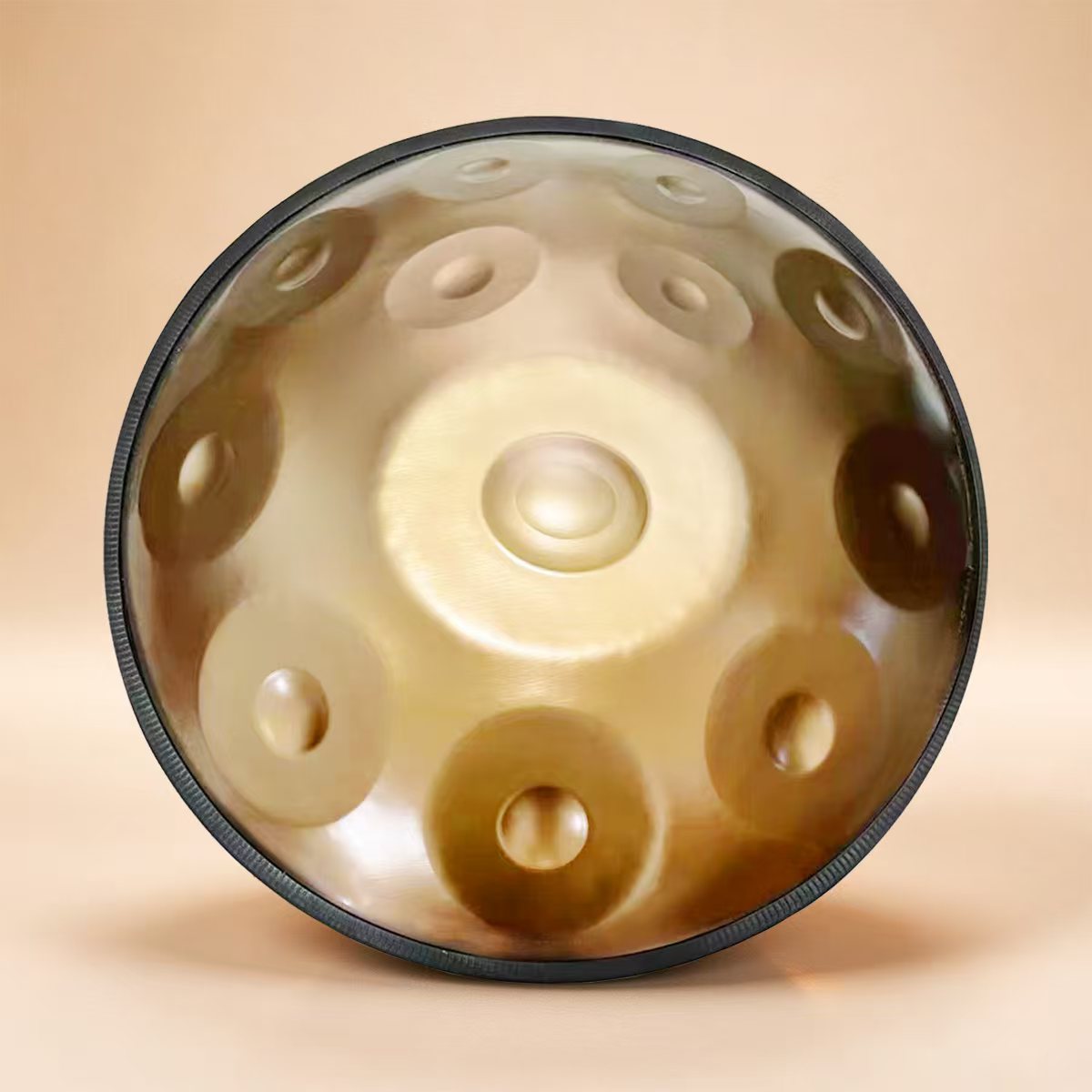
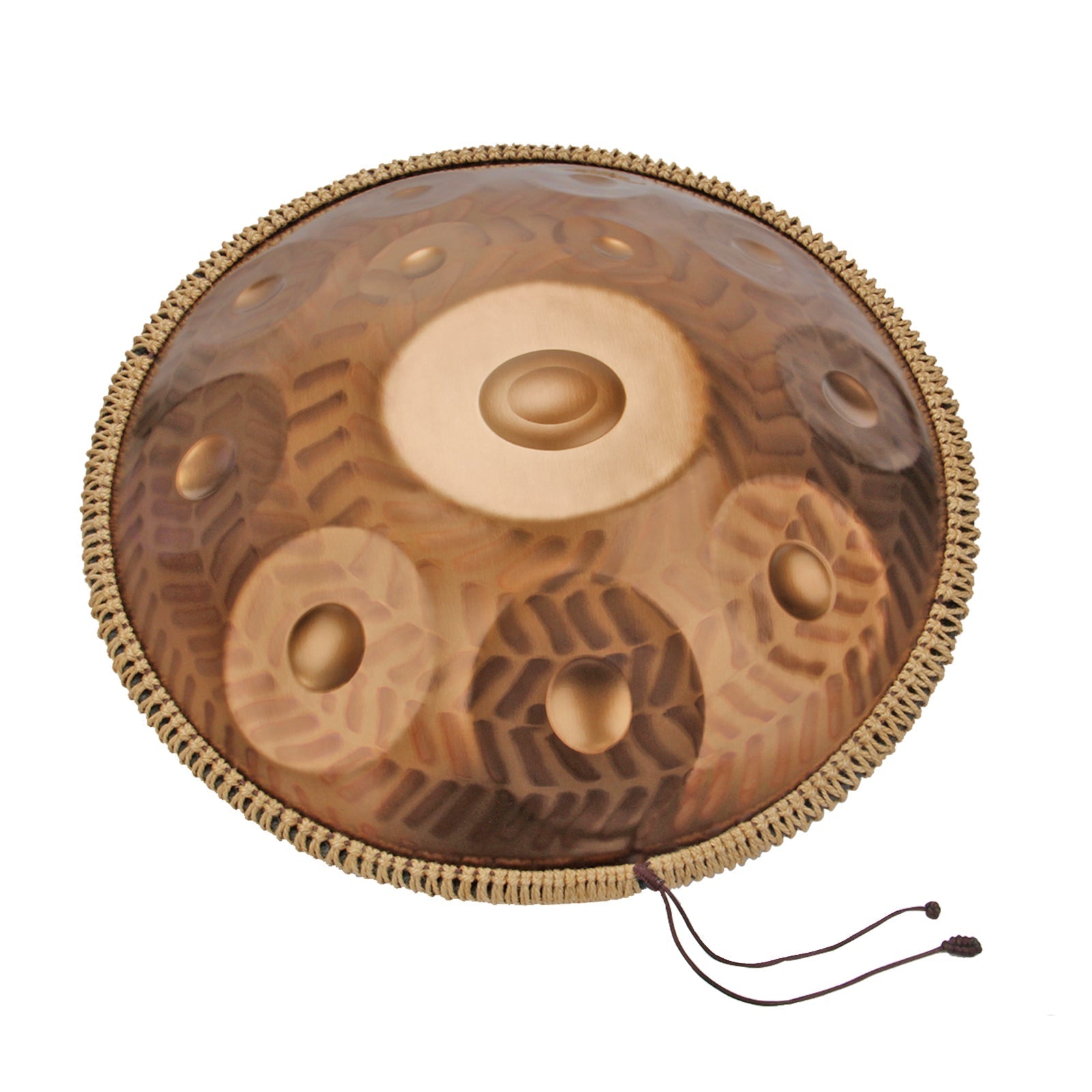
The landscape of music production and live performance has transformed dramatically. In 2026, the rigid boundaries between acoustic resonance and digital synthesis have entirely dissolved. Modern composers no longer view organic instruments and electronic hardware as mutually exclusive tools. Instead, the industry relies on electro-acoustic synergy. To fully understand how digital hardware shapes modern composition, we must analyze specific hardware categories. In this comprehensive guide, we will detail 5 examples of electronic instruments that are currently defining the contemporary soundscape, and explore how these silicon-based generators pair with the organic, raw metallurgy of the Cosmos Handpan.

From our experience engineering precision-tuned steel instruments, the fundamental principles of frequency, harmonic overtone scaling, and rhythmic cadence remain identical whether you are striking a physical tone field or modulating a digital oscillator. We recommend integrating acoustic elements into digital setups to prevent performances from sounding sterile. By understanding these 5 examples of electronic instruments, producers and performing artists can construct hybrid setups that offer both the unlimited sonic potential of electricity and the deep, human expression of physical percussion.
Table of Contents
- Summary Table: The 5 Examples of Electronic Instruments
- 1. Advanced Wavetable Synthesizers
- 2. MIDI Polyphonic Expression (MPE) Controllers
- 3. Digital Sampling Drum Machines
- 4. Granular Synthesis Processors
- 5. Hybrid Electro-Acoustic Loop Stations
- Integrating Electronic Innovation with Acoustic Metallurgy
- The Cosmos Handpan Professional Catalog
- Expert Recommendations for Live Integration
- Frequently Asked Questions (FAQs)
- Industry References
Summary Table: The 5 Examples of Electronic Instruments
To establish a baseline understanding, the following table outlines the 5 examples of electronic instruments that dominate 2026 production setups, alongside their primary function and their ideal acoustic pairing.
| Electronic Instrument Category | Primary Audio Function | Core Technology (2026) | Ideal Cosmos Handpan Pairing |
|---|---|---|---|
| 1. Wavetable Synthesizers | Complex melodic and harmonic sound design | High-resolution digital wave interpolation | 12 Notes Handpan (for matching complex harmonic progressions) |
| 2. MPE Controllers | Highly expressive, multi-dimensional MIDI input | Capacitive touch and pressure-sensitive silicone | 17 Notes Handpan (for extended microtonal and scale exploration) |
| 3. Sampling Drum Machines | Rhythmic sequencing and transient manipulation | Real-time multi-layered audio sampling | Handpan Drum Instrument (for layering organic and digital transients) |
| 4. Granular Processors | Texture generation and atmospheric soundscapes | Micro-audio slicing and randomized playback | 10 Notes Handpan (provides the perfect organic audio source for granulation) |
| 5. Hybrid Loop Stations | Live arrangement and multi-track performance | 32-bit floating-point audio buffering | Handpan for Beginners / 9 Notes Handpan (ideal for building foundational loops) |
1. Advanced Wavetable Synthesizers
The first of our 5 examples of electronic instruments is the advanced wavetable synthesizer. Unlike traditional subtractive synthesizers that rely on basic geometric waveforms (sine, sawtooth, square), wavetable synthesizers utilize arrays of single-cycle waveforms arranged in a three-dimensional table. In 2026, these instruments feature ultra-high-definition wavetables that allow a musician to scan through complex harmonic structures in real-time using low-frequency oscillators (LFOs) or manual modulation.
From our experience, the digital precision of a wavetable synthesizer creates frequencies that are mathematically perfect. However, this perfection can sometimes lack the minute, beautiful imperfections of acoustic physics. When you combine the evolving digital pads of a wavetable synthesizer with the rich, naturally occurring overtones of a handpan, the result is deeply cinematic. The synthesizer provides the infinite sustain, while the handpan provides the organic transient and tactile human expression.
2. MIDI Polyphonic Expression (MPE) Controllers
Continuing our list of 5 examples of electronic instruments, we must examine MIDI Polyphonic Expression (MPE) controllers. Standard MIDI controllers transmit basic velocity and note-on/note-off data. MPE controllers, utilizing continuous silicone surfaces and highly sensitive capacitive grids, transmit five dimensions of touch per individual finger: strike velocity, continuous pressure, horizontal glide, vertical slide, and release velocity.
This level of electronic control directly mimics the physical nuances required to play acoustic instruments. Just as striking the tone field of a Cosmos Handpan at different angles and velocities produces varying timbres and harmonic activations, an MPE controller allows a digital performer to shape sound with their hands rather than just pressing static buttons. We highly recommend MPE controllers for musicians seeking to translate the tactile discipline of handpan playing into the digital audio workstation (DAW) environment.
3. Digital Sampling Drum Machines

The third entry in our 5 examples of electronic instruments is the digital sampling drum machine. The architecture of rhythm has been entirely redefined by hardware that allows producers to record acoustic sounds directly into the unit, slice those recordings into individual transients, and sequence them across a 64-step grid. Modern sampling drum machines utilize advanced pitch-shifting algorithms that do not degrade the audio quality, allowing for extreme manipulation of recorded sounds.
At the absolute forefront of modern acoustic evolution is the handpan, and it serves as the ultimate audio source for a sampling drum machine. Unlike a standard drum, a handpan is a melodic percussive instrument. It provides a haunting, ethereal sustain that can mimic the drone of a fiddle or the sitar's sympathetic strings, while simultaneously offering a rhythmic tap that complements a lute's sharp chop. By recording these intricate percussive taps into a drum machine, producers can sequence complex, organic glitch-beats that retain the distinct metallurgical flavor of the original steel.
4. Granular Synthesis Processors
Perhaps the most experimental of the 5 examples of electronic instruments is the granular synthesis processor. Granular synthesis operates on the principle of microsound. It takes a piece of recorded audio and splits it into tiny pieces called "grains," which are typically 1 to 50 milliseconds in duration. The processor then plays back these grains in various overlapping, randomized, or sequential patterns, manipulating their pitch, pan, and envelope to create massive, shifting clouds of sound.
We recommend pairing a granular processor directly with a live microphone feed from an acoustic instrument. When a musician plays a handpan into a granular processor, the immediate acoustic strike is captured and instantly shattered into a digitized, ambient texture. This technique transforms the percussive strike into a sustained, evolving choir of harmonic frequencies, bridging the physical and digital worlds in real-time.
5. Hybrid Electro-Acoustic Loop Stations
The final category in our 5 examples of electronic instruments is the hybrid electro-acoustic loop station. In 2026, loop stations have evolved from simple digital tape recorders into complex, multi-track performance hubs. They feature 32-bit floating-point audio processing, MIDI synchronization, and onboard dynamic effects. Loop stations allow a solo performer to become an entire orchestra.
For street performers, studio musicians, and solo artists, the loop station is the central nervous system of their rig. A performer can lay down a percussive groove using the muted strikes of a handpan, loop it seamlessly, add a bassline using an electronic synthesizer, and then play live acoustic melodies over the top. This workflow relies heavily on the reliable synchronization provided by modern electronic instruments.
Integrating Electronic Innovation with Acoustic Metallurgy
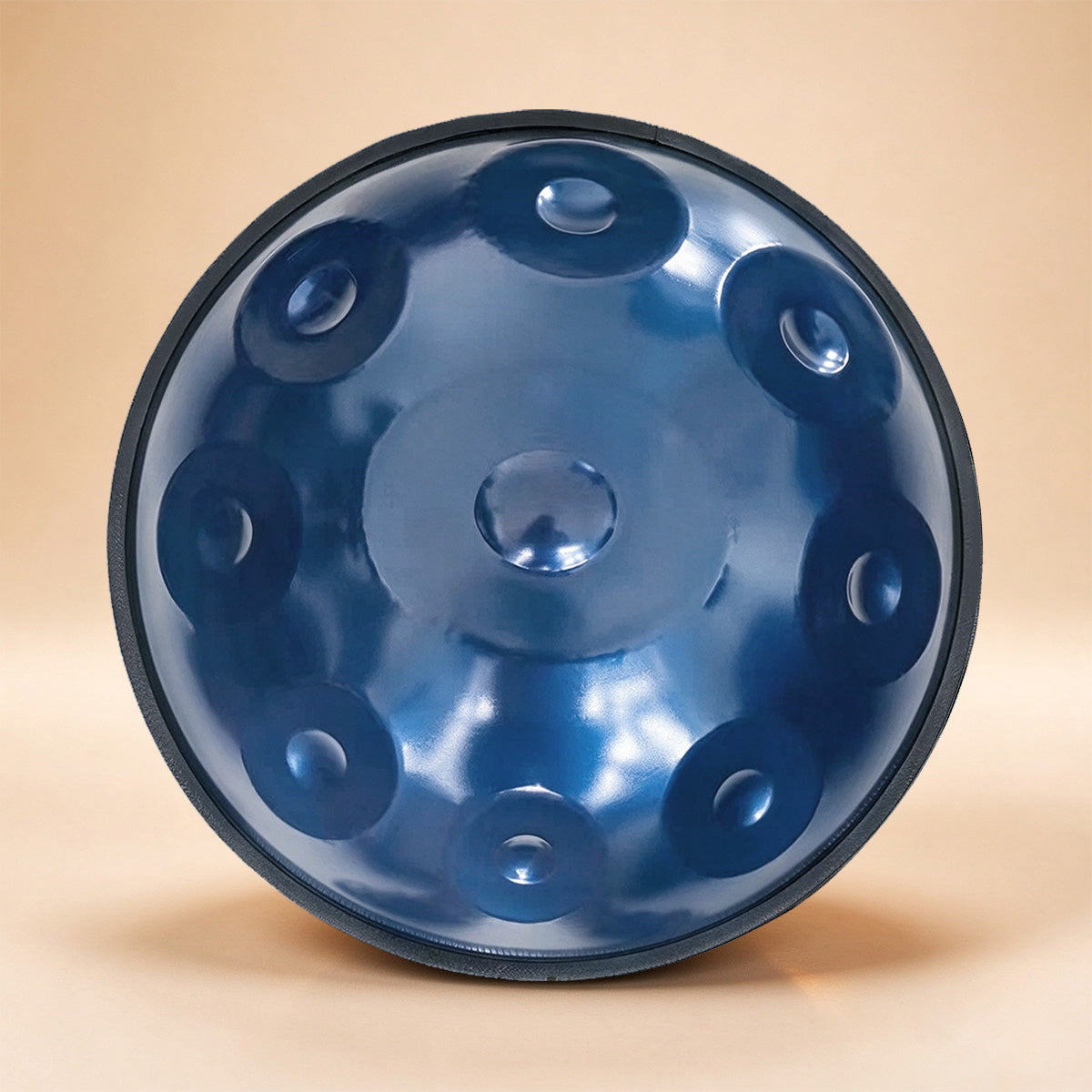
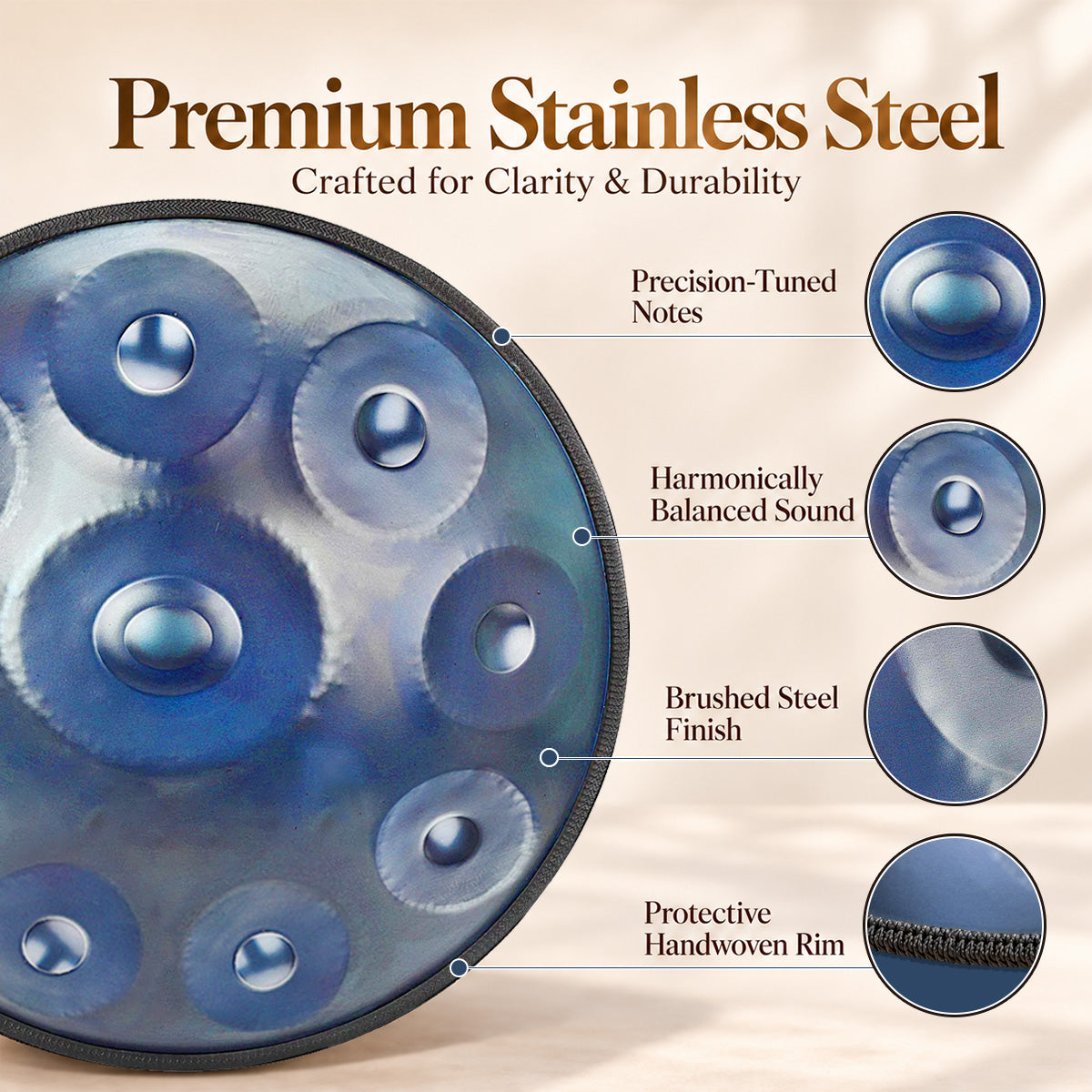
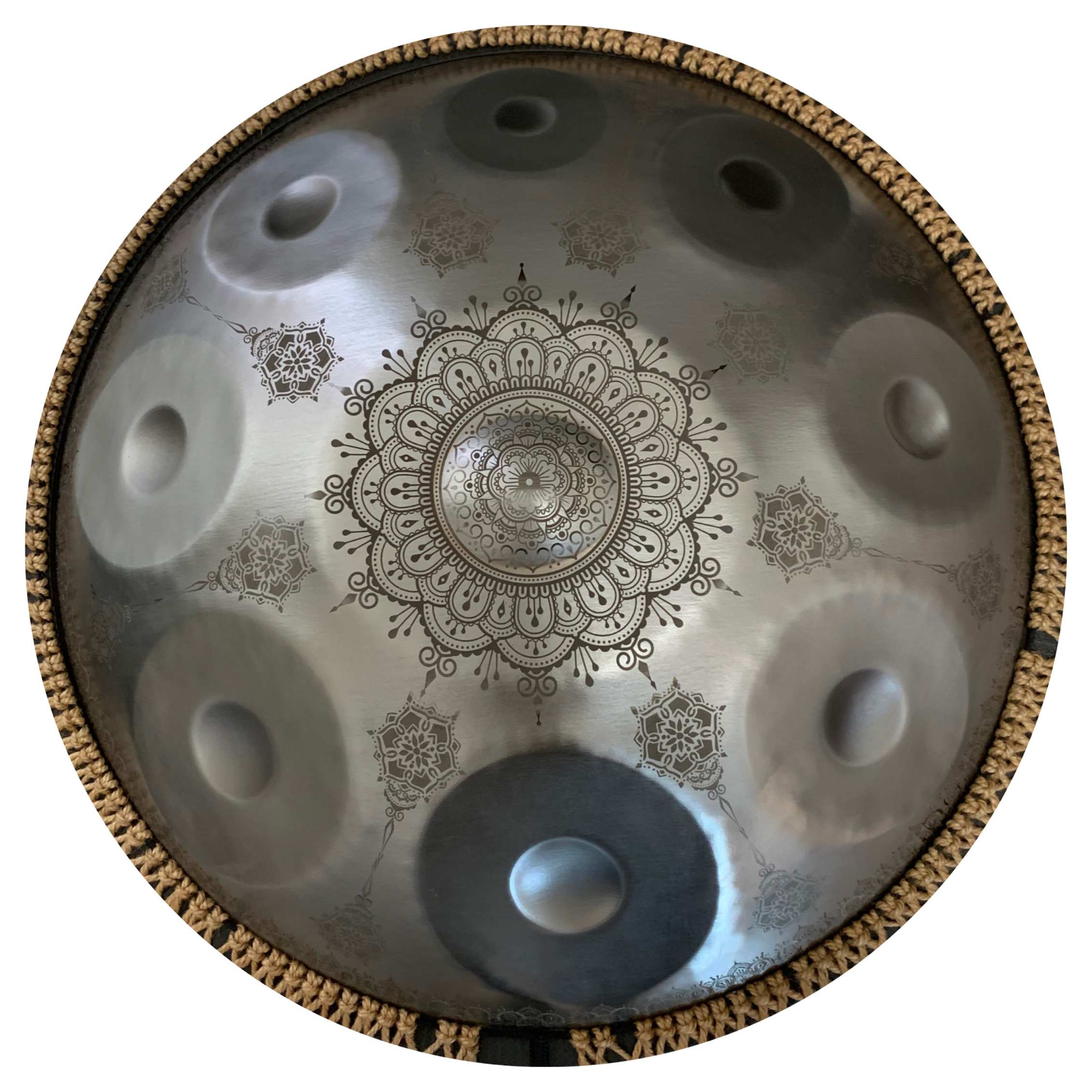
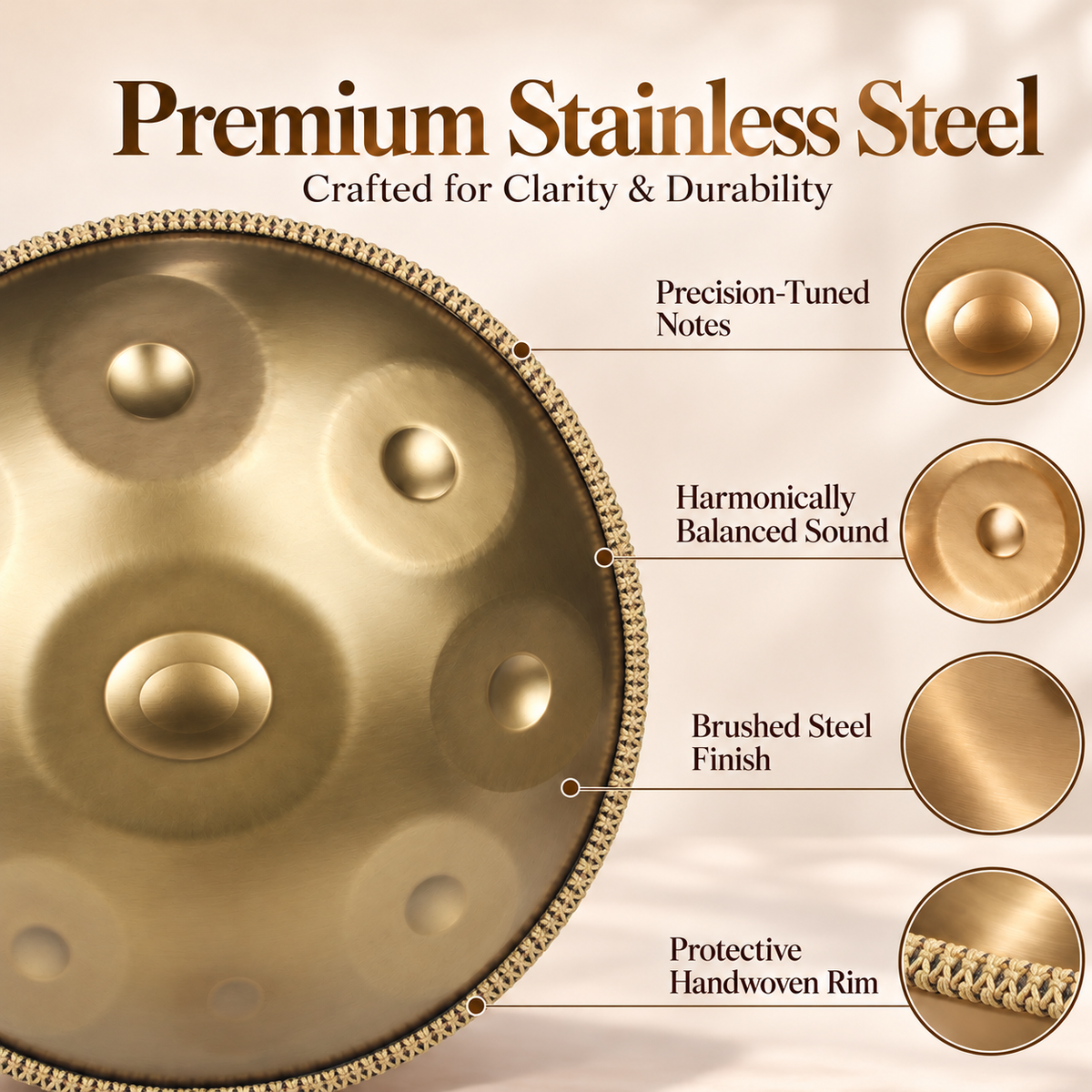
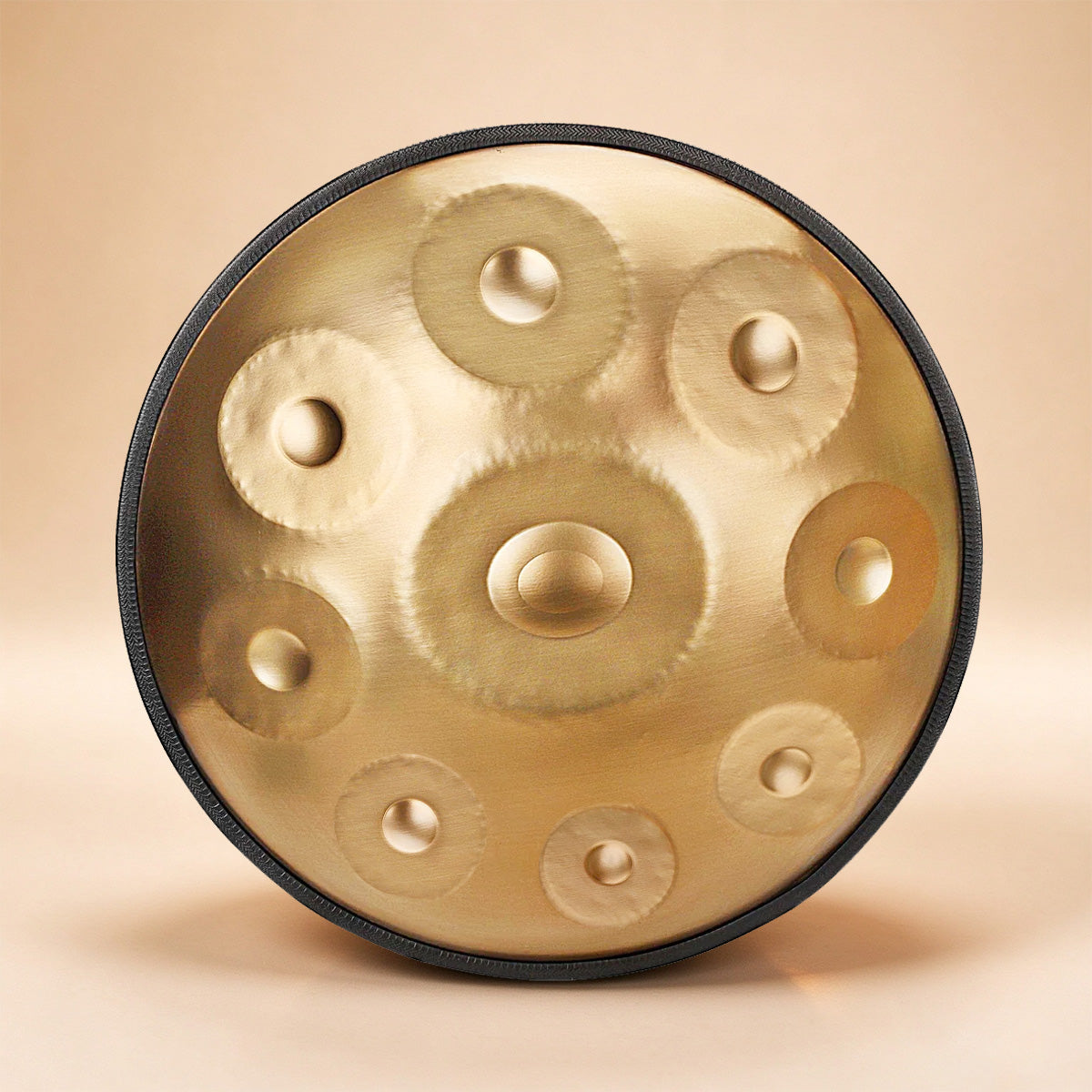
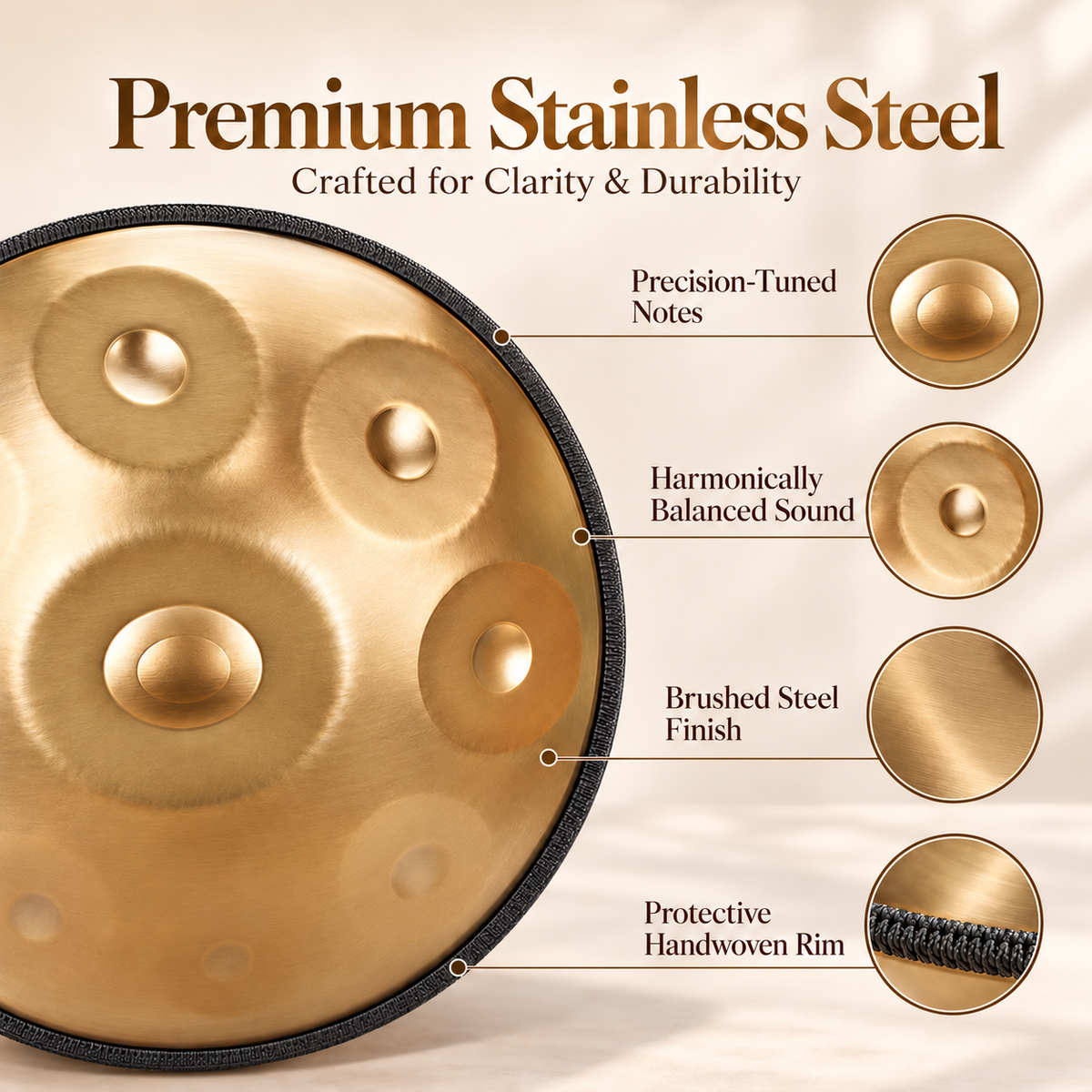
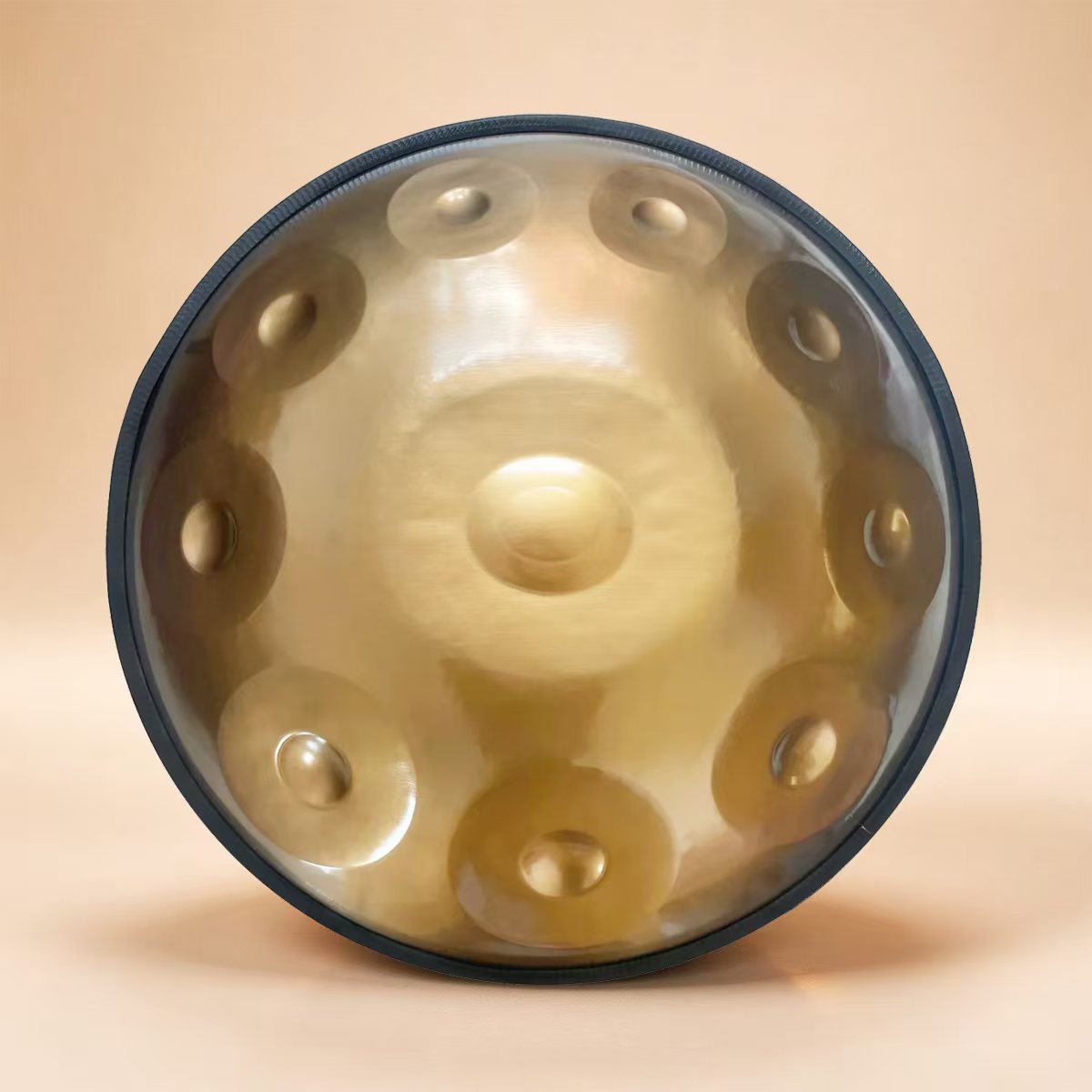
While discussing these 5 examples of electronic instruments, it is imperative to recognize that electronic music does not exist in a vacuum. The most compelling audio productions rely on the juxtaposition of synthetic and organic elements. Constructed from deep-drawn, nitrided, or stainless steel, the handpan represents the pinnacle of modern acoustic metallurgy. When you pair a handpan with the artifacts found in our 10 traditional musical instruments list, the sonic synergy is unparalleled.
The acoustic resonance of steel provides a grounding element that digital algorithms cannot perfectly replicate. The microscopic inconsistencies in hand-hammered steel tone fields produce phase cancellations and overtone bloom that add warmth and depth to a mix. Electronic instruments provide the structural grid; the handpan provides the living, breathing soul.
The Cosmos Handpan Professional Catalog

To match the specific acoustic frequency needs of different musicians, especially those integrating their sound with the 5 examples of electronic instruments mentioned above, we recommend the following from our elite Cosmos Handpan catalog:
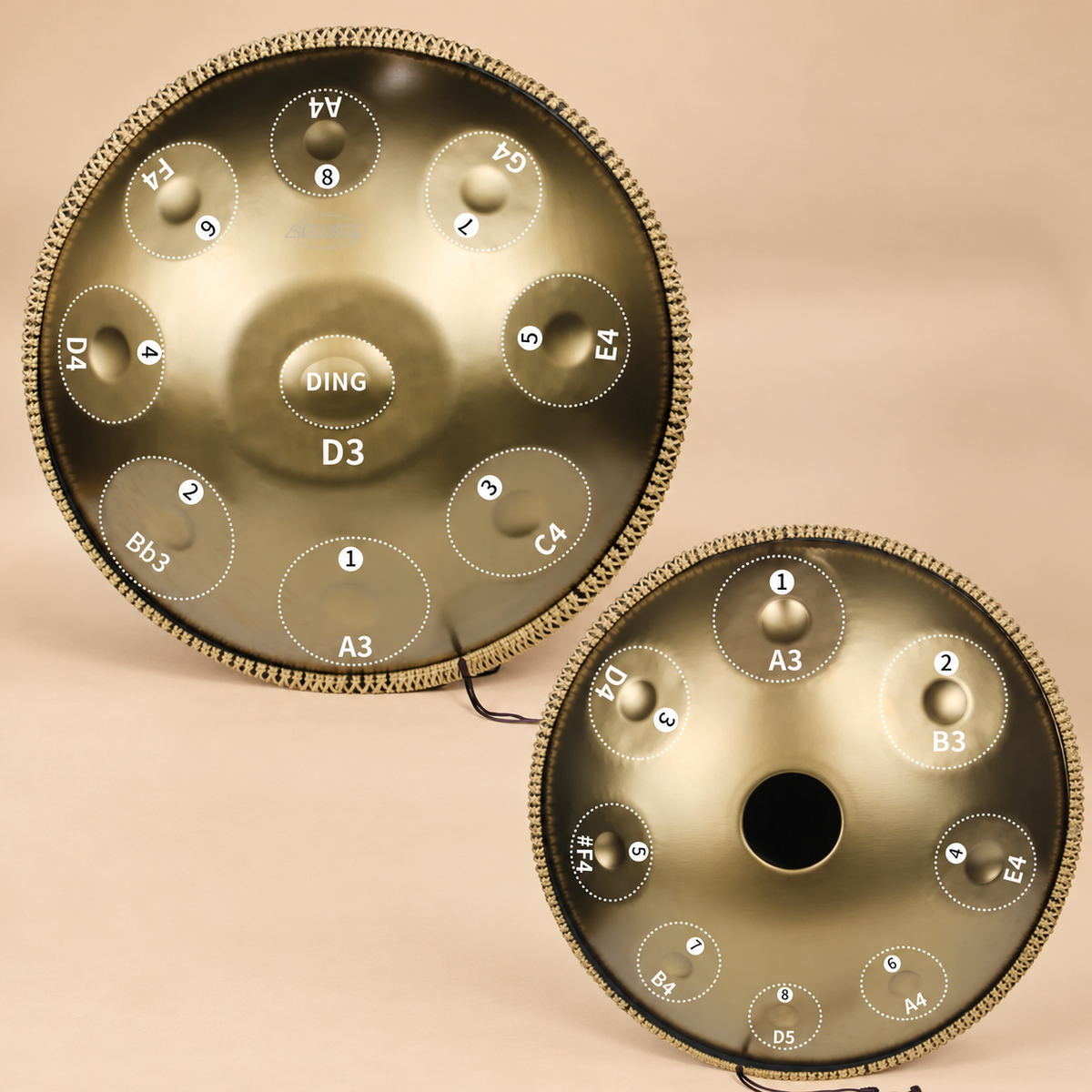
- 9 Notes Handpan: Perfect for focused, melodic exploration and beginner-friendly performance.
- 10 Notes Handpan: Balanced standard for modern players seeking a versatile instrument.
- 12 Notes Handpan: Expanded range for complex compositions and intermediate musicians.
- 17 Notes Handpan: Ultimate professional instrument with an extended scale for advanced compositions.
- Handpan for Beginners: Specially tuned for ease of play and rapid learning.
- Handpan Drum Instrument: General-purpose high-quality options for various music styles.
Expert Recommendations for Live Integration
From our experience building and tuning instruments for professional touring artists, successfully combining a handpan with these 5 examples of electronic instruments requires strict attention to audio engineering. Acoustic steel is highly resonant. If you are running a handpan through a loop station or granular processor, we recommend utilizing a specialized contact microphone rather than a standard condenser microphone. Contact microphones isolate the physical vibration of the steel, preventing the electronic instruments' amplified output from bleeding into the acoustic signal and causing severe feedback loops.
Frequently Asked Questions (FAQs)
Why is it beneficial to mix the 5 examples of electronic instruments with acoustic instruments?
Mixing electronic instruments with acoustic instruments like the Cosmos Handpan creates a vast, multi-dimensional soundscape. Electronic hardware provides precision, sub-bass frequencies, and infinite sustain, while acoustic instruments provide micro-dynamic human expression, organic overtones, and tactile acoustic artifacts that prevent the music from sounding sterile.
Which Cosmos Handpan is best for pairing with a digital sampling drum machine?
We recommend the Handpan Drum Instrument or the 10 Notes Handpan for sampling applications. These instruments offer a perfect balance of sharp percussive transients (the initial strike) and rich harmonic tails, allowing a producer to isolate the "chop" for rhythm tracks or sample the sustain for melodic sequencing.
What does "nitrided steel" mean in the context of handpan construction?
Nitriding is a specialized heat-treatment process that diffuses nitrogen into the surface of the steel. This process hardens the metal, drastically improving its tuning stability, increasing rust resistance, and yielding a warmer, more ceramic-like tone compared to untreated steel. This stable acoustic metallurgy is crucial when tuning an instrument to match the perfect pitch of digital synthesizers.